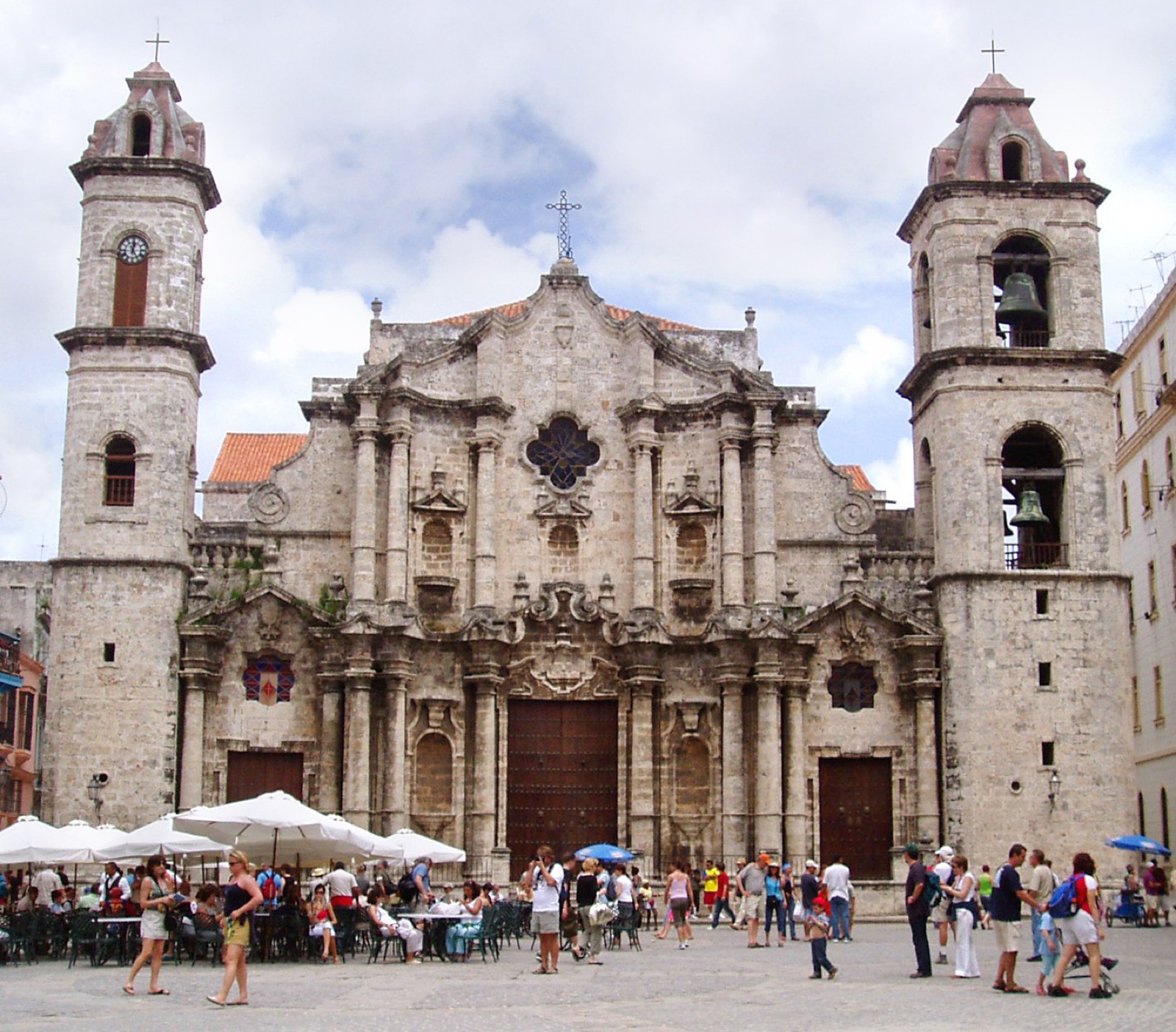
Cuba's most photographed baroque cathedral, from 1748, anchors the city's finest colonial square, its asymmetric twin towers rising over a cobblestone terrace lined with open-air cafés.
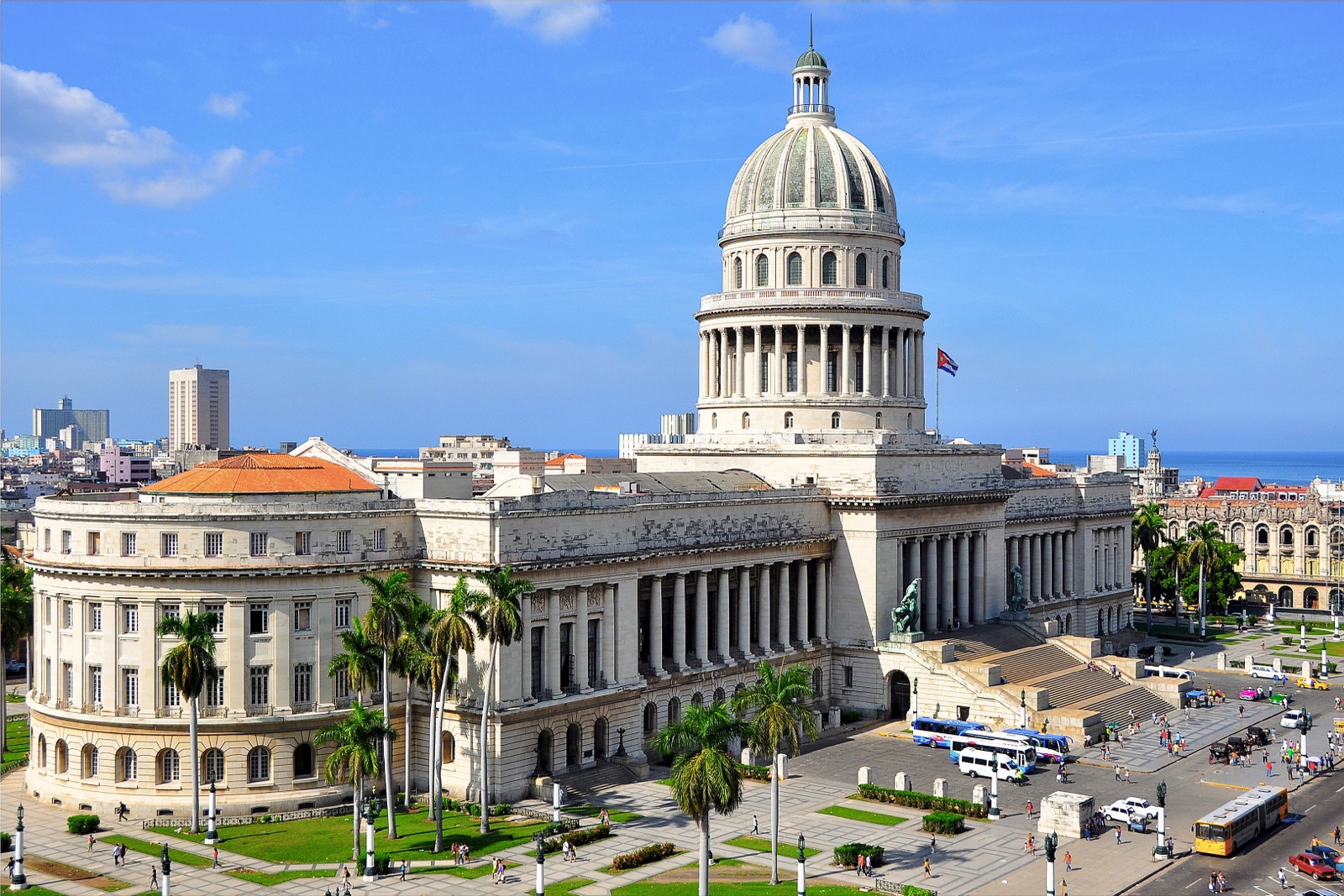
Havana's 1929 neoclassical dome — inspired by the US Capitol but taller — is one of the grandest civic buildings in the Americas, recently restored and housing the Cuban Academy of Sciences.
Havana's iconic 8-kilometre seafront promenade stretches from Old Havana to Vedado — a wall of crumbling pastel buildings on one side, open sea on the other, and a constant stream of fishermen, musicians, and couples watching the sunset.
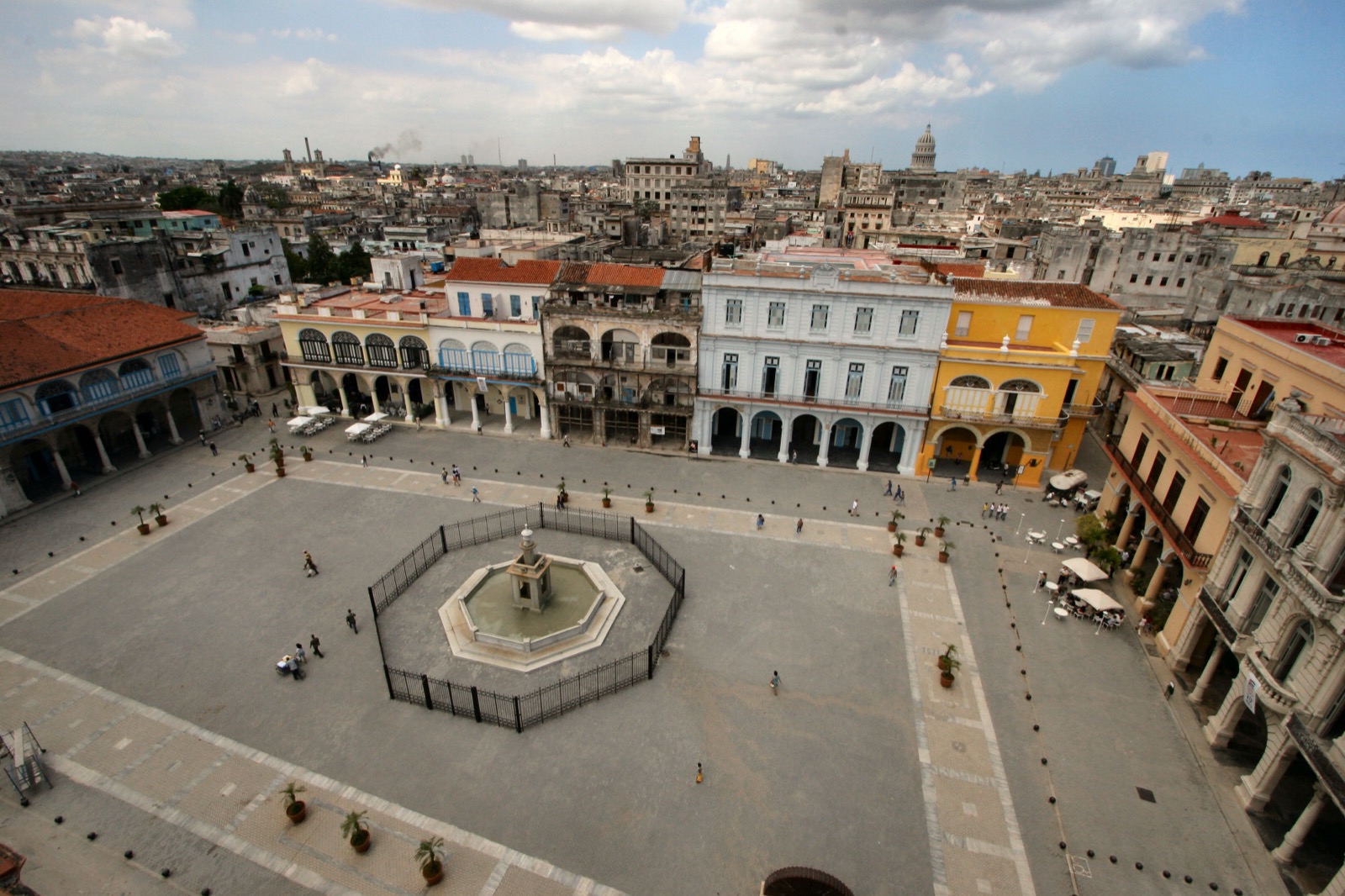
Havana's most beautifully restored 16th-century square is ringed by mansions in vivid pinks and ochres, with a central fountain and an open-air rooftop brewery that pours unfiltered Cuban lager.
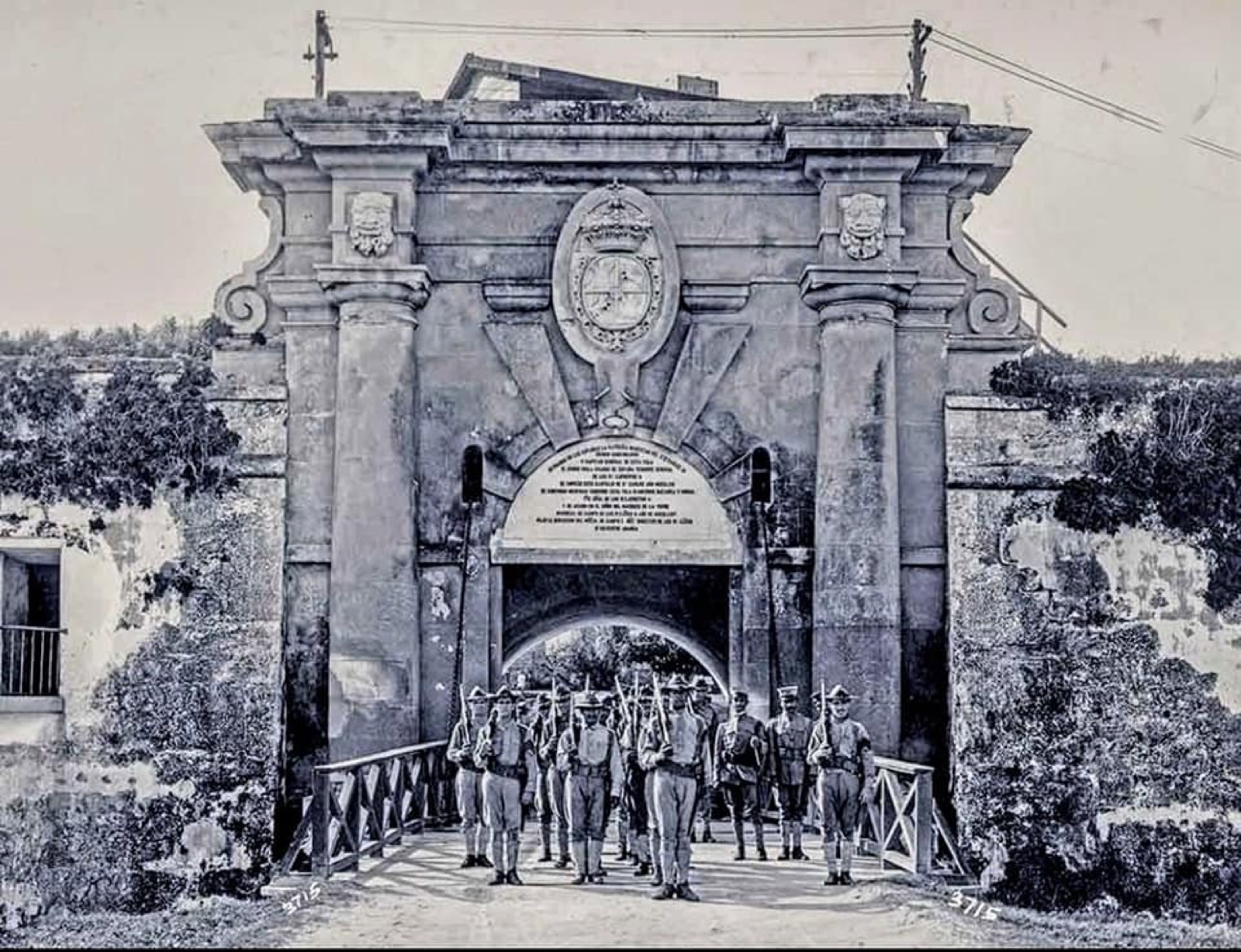
One of the largest Spanish fortifications in the Americas, dating to 1774, La Cabaña runs a nightly Cañonazo ceremony at 9pm — soldiers in 18th-century uniform fire a cannon across the harbor — a Havana institution since colonial times.
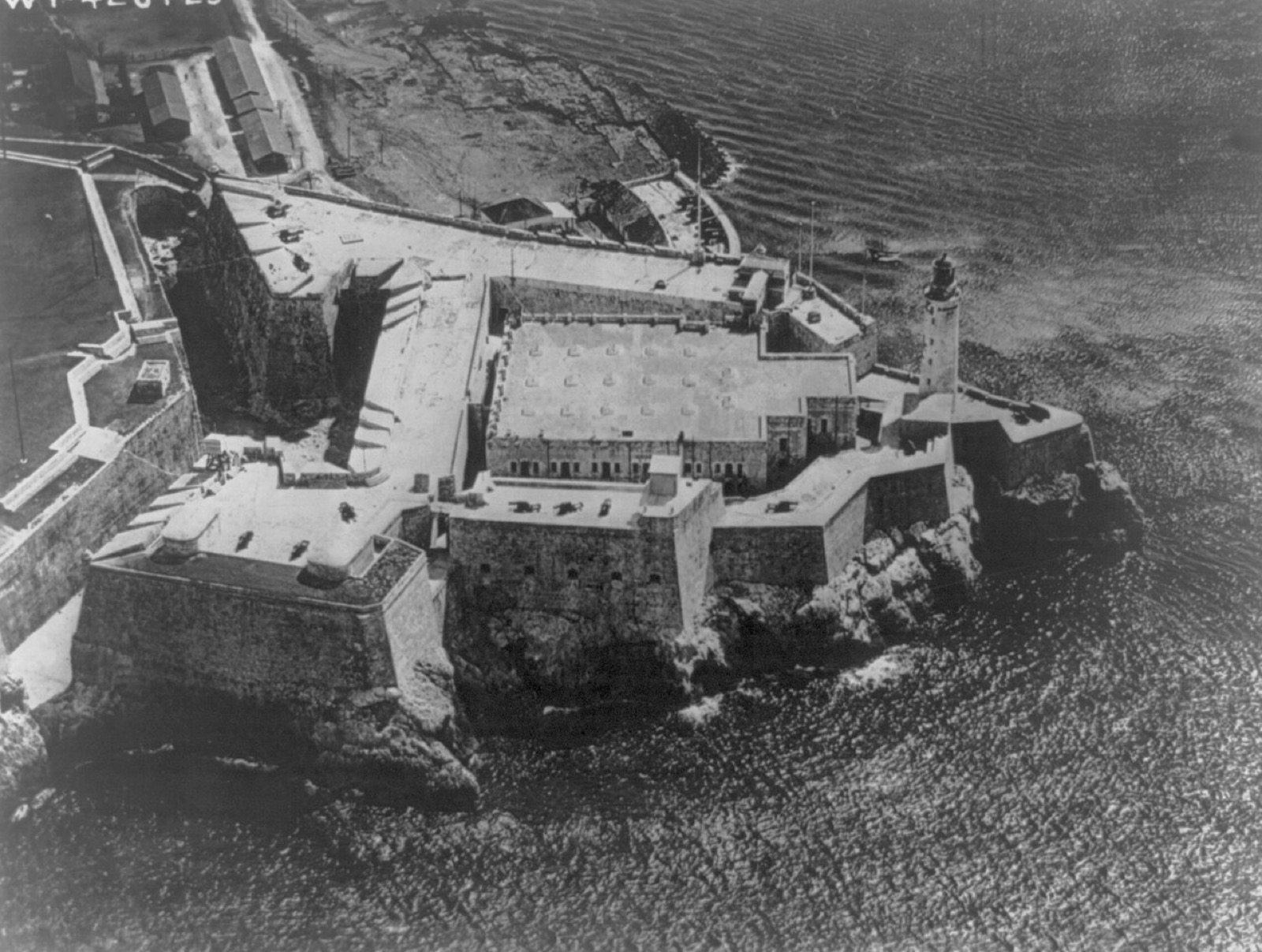
Spain's commanding 1589 fortress at the entrance to Havana Harbor, with a working lighthouse and sweeping views back across the water toward the city's skyline of domes and towers.
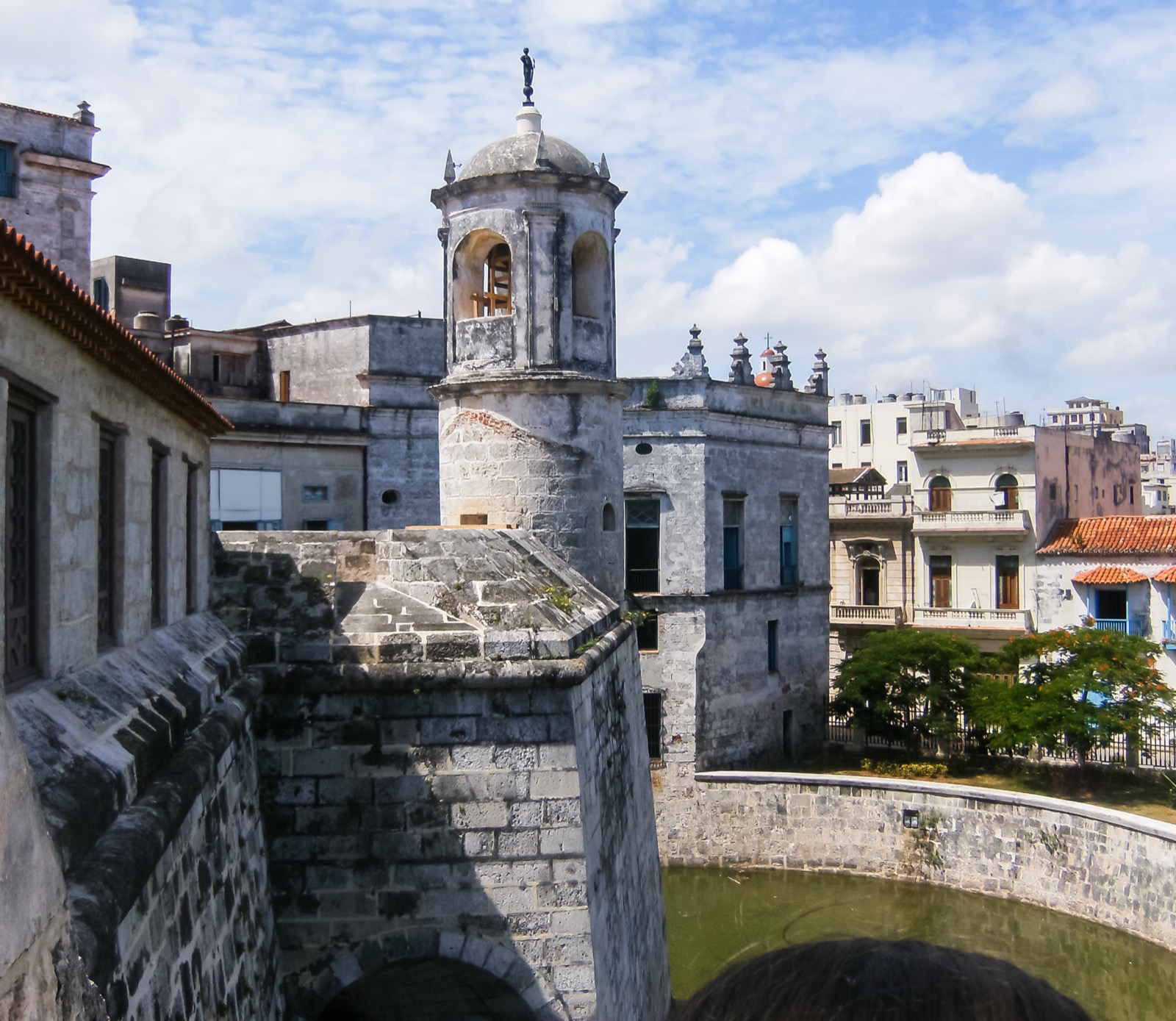
Built between 1558 and 1577, this squat moated fort on Plaza de Armas is one of the oldest military structures in the Americas, with rooftop views across the harbor entrance and a small museum inside.
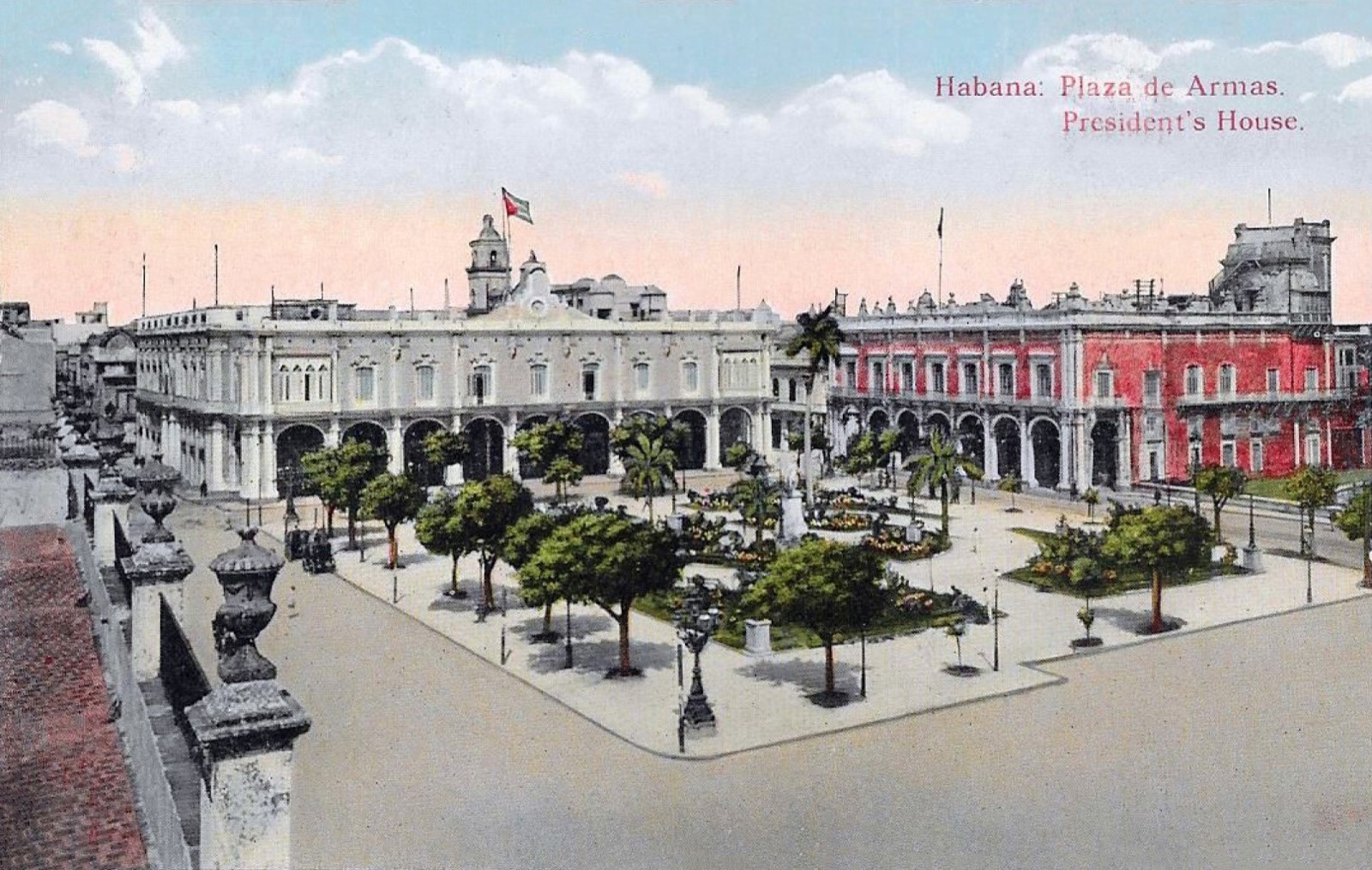
Havana's oldest plaza, laid out in 1519, is flanked by the Palacio de los Capitanes Generales and lined daily with secondhand booksellers trading books, revolutionary tracts, and Hemingway paperbacks.
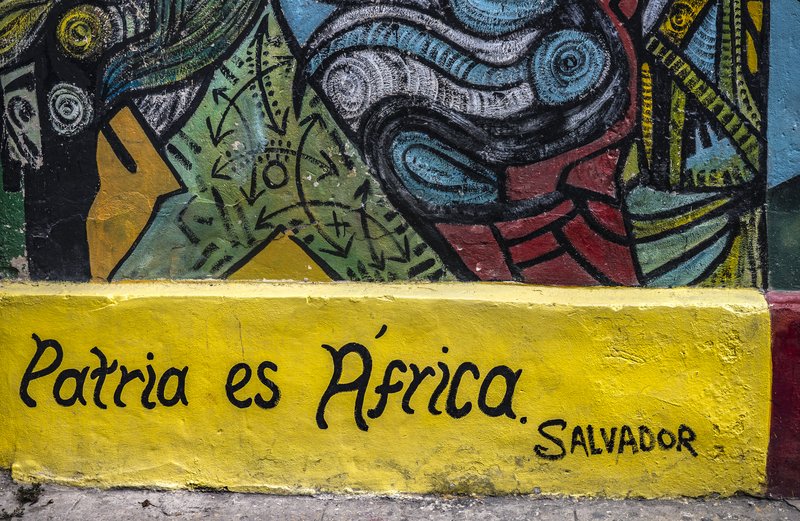
A narrow Centro Habana alley painted wall-to-wall in Afro-Cuban murals and recycled-sculpture collages, with live Rumba street performances every Sunday from 11am.
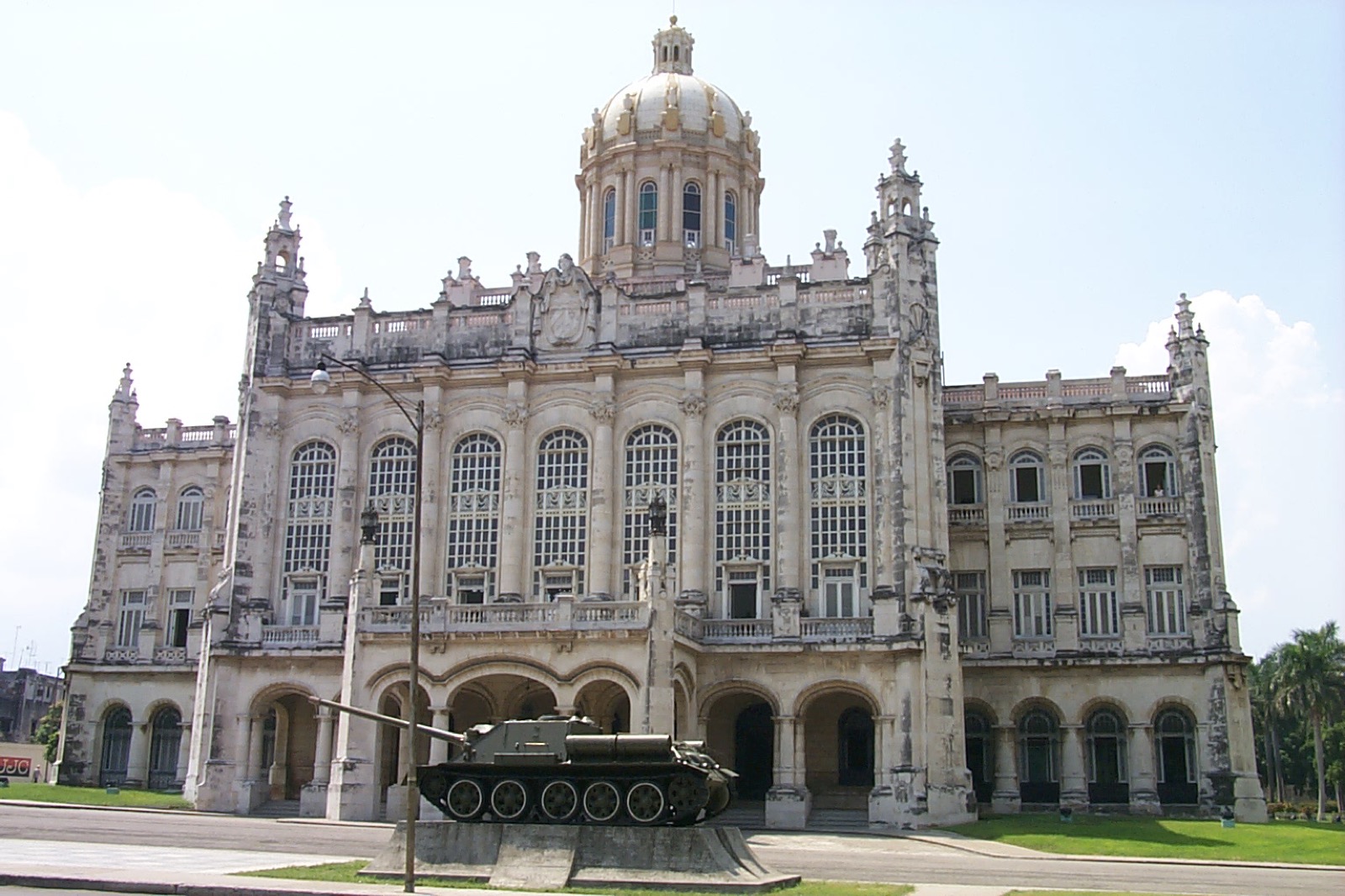
Cuba's national revolutionary museum occupies the ornate former Presidential Palace, with exhibits spanning the Batista dictatorship, the 1956–59 revolution, and the decades that followed — including the Granma yacht in a glass pavilion outside.
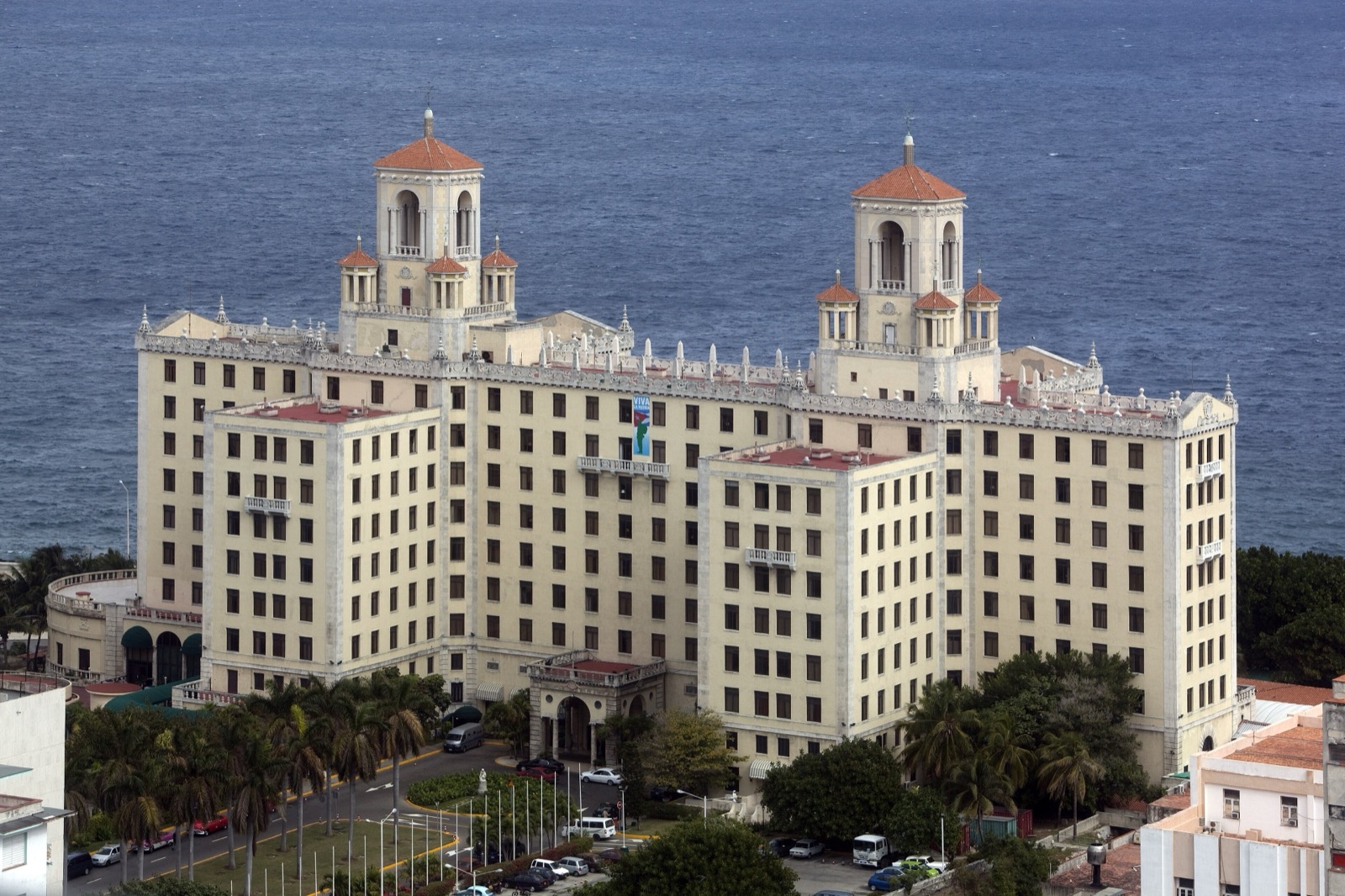
Havana's legendary 1930 Art Deco landmark on the Vedado clifftop hosted Churchill, Hemingway, Sinatra, and Meyer Lansky — the terrace bar overlooking the sea is open to all, free of charge.
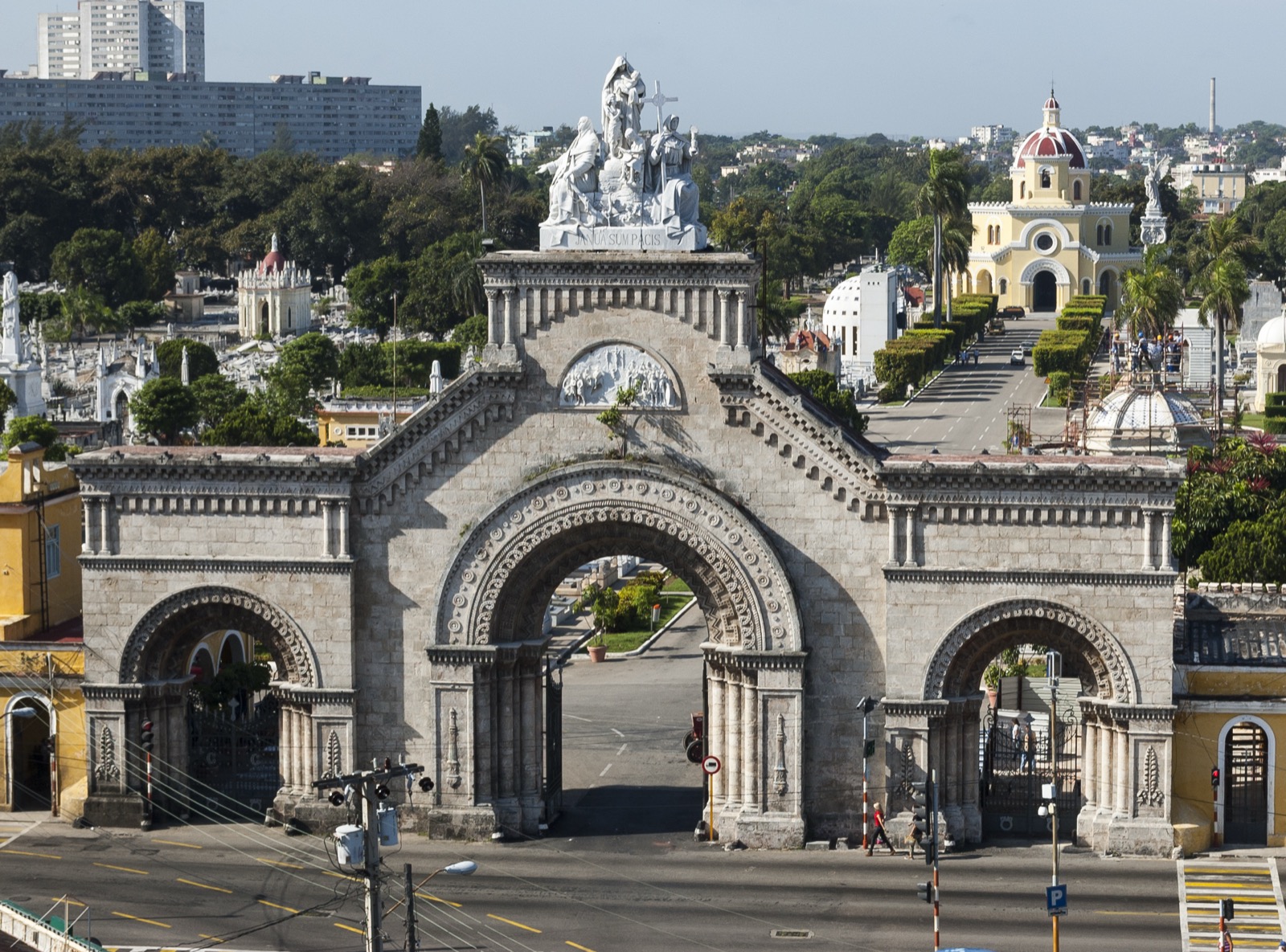
One of the world's most elaborate cemeteries, dating to 1876 — 56 hectares of Art Nouveau and neoclassical mausoleums in marble and granite, with ornate chapels for Havana's most powerful families standing alongside simple graves of ordinary Cubans.
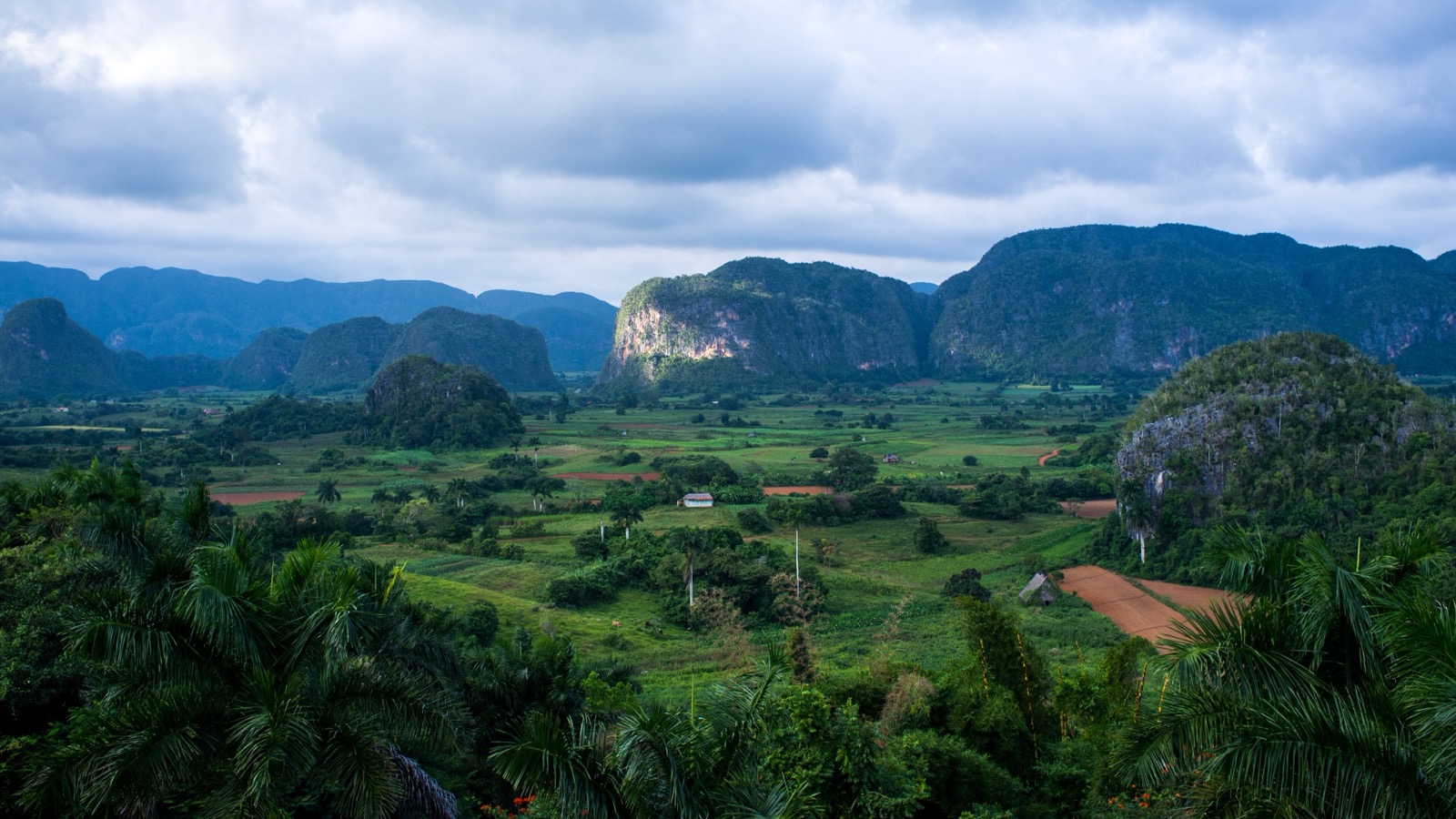
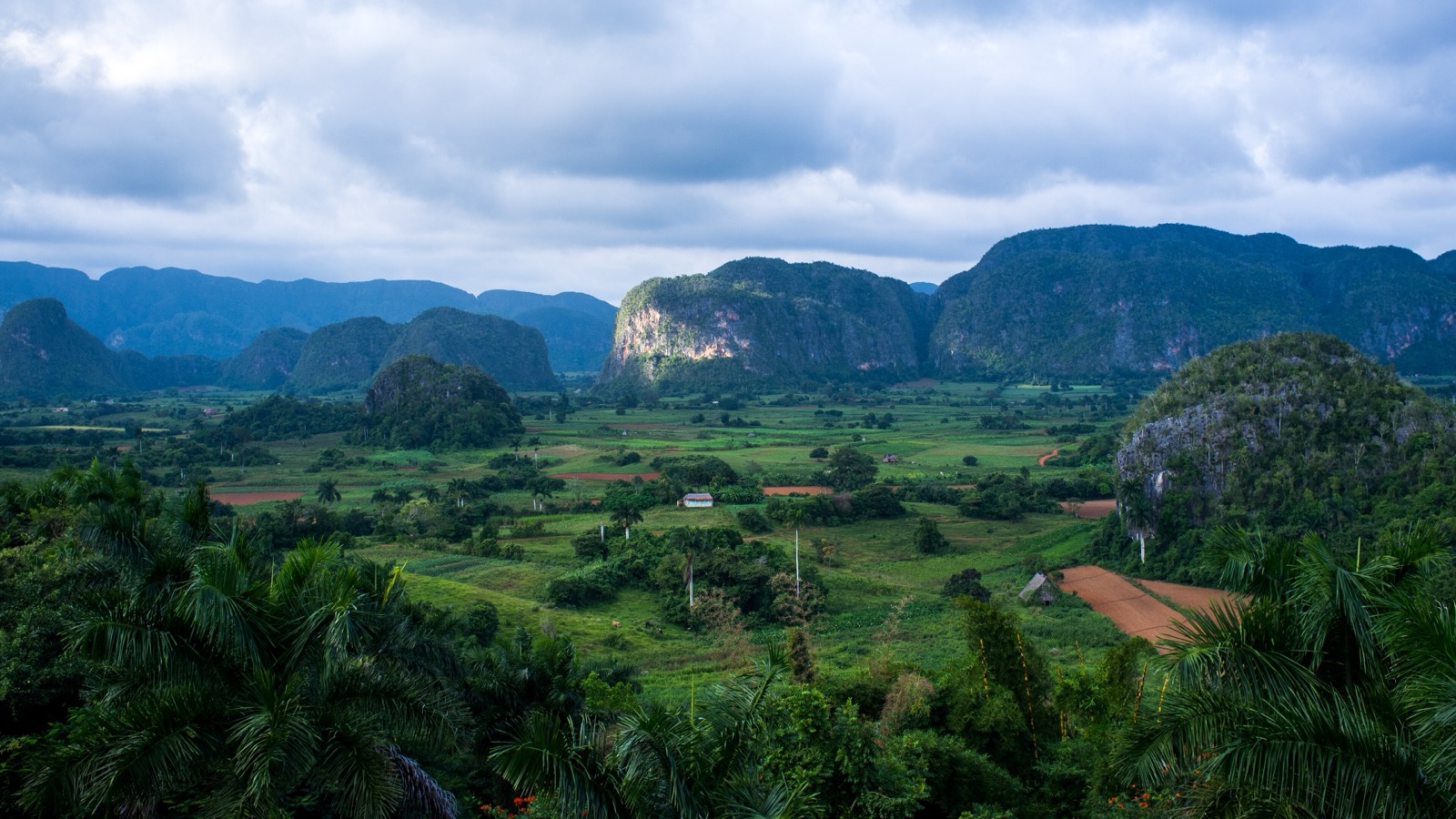
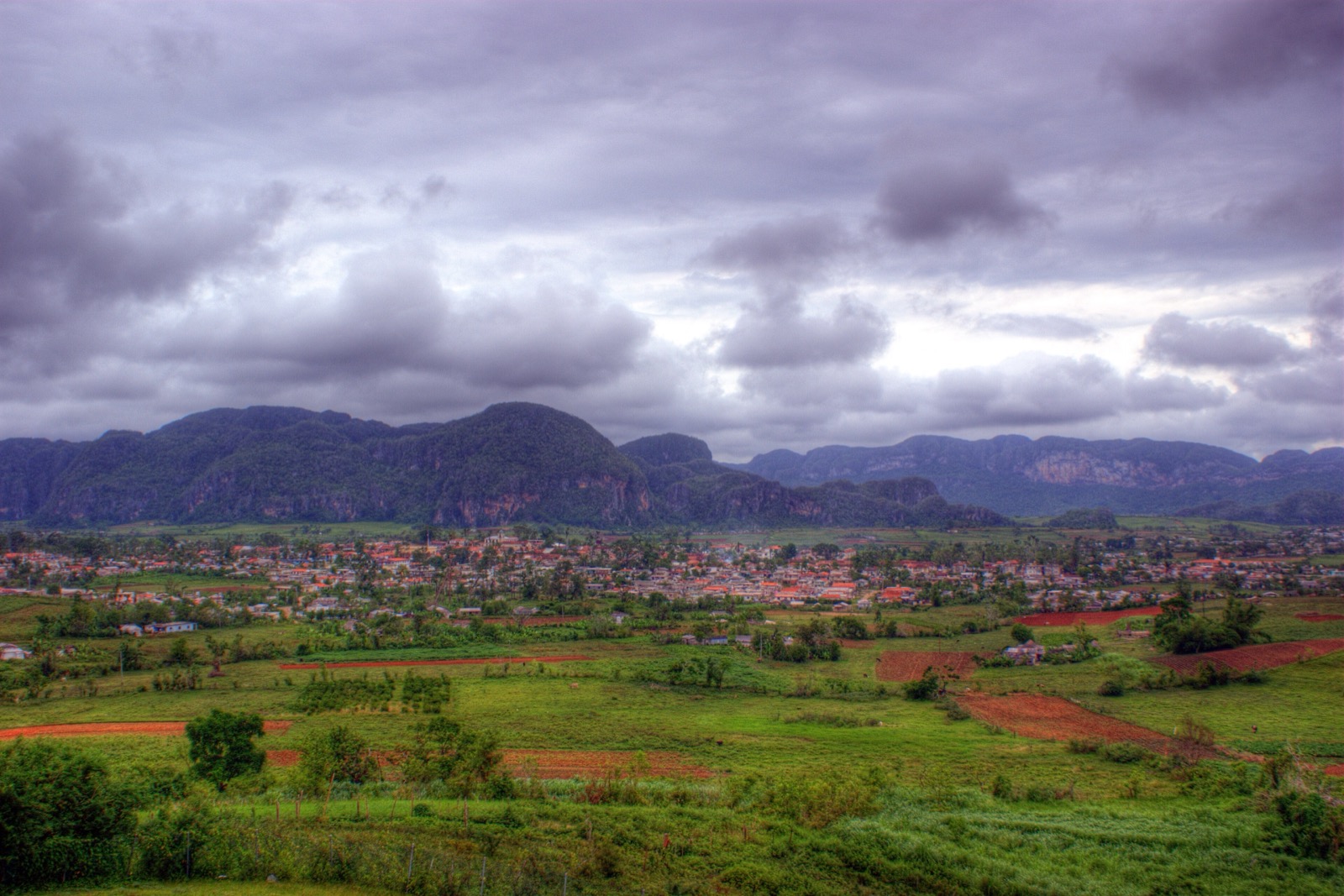
A UNESCO World Heritage valley of dramatic limestone mogotes rising from red-soil tobacco fields — the most spectacular landscape in Cuba, best viewed from the Hotel Los Jazmines terrace at the valley rim.
A natural cave system through the karst hills, with a guided walk through stalactite chambers followed by a short motorboat ride along an underground river — a vivid contrast to the open-air valley outside.
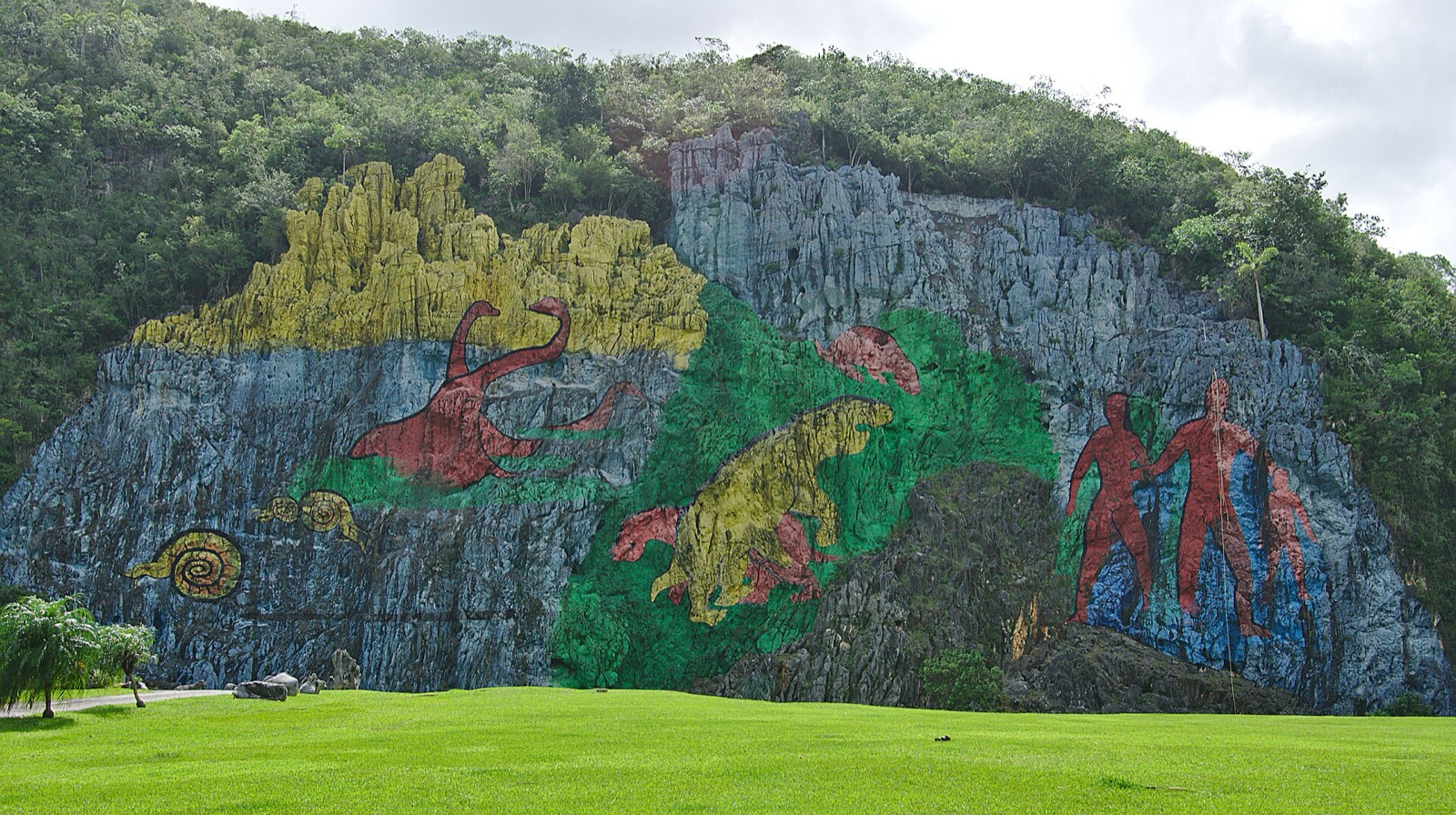
A monumental painting covering 120 metres of sheer limestone cliff — depicting Cuba's geological and biological evolution from dinosaurs to modern humans — commissioned by Che Guevara in 1961 and still striking at any distance.
A beautifully preserved colonial settlement of brightly painted wooden houses with arcaded porticos along Calle Salvador Cisneros — the right pace for lunch at a paladar and browsing local crafts before the two-hour drive back to Havana.
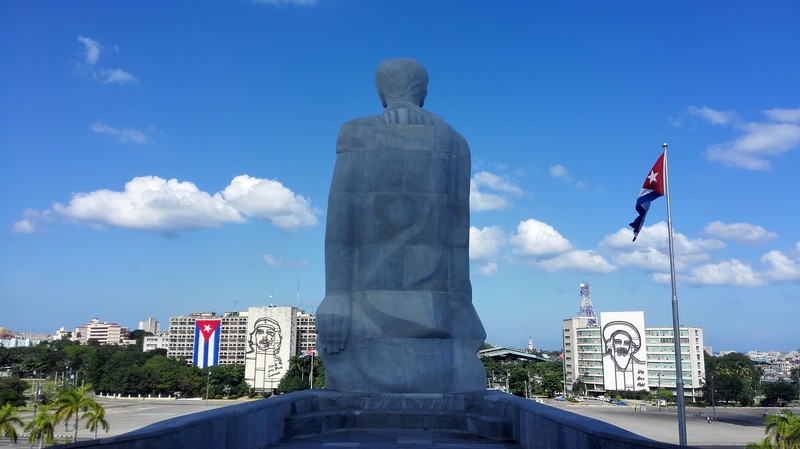
Cuba's civic heart, ringed by government ministries and the wrought-iron portrait murals of Che Guevara and Camilo Cienfuegos facing across the square. The José Martí Memorial's star-shaped tower is the tallest structure in Havana, and an elevator inside climbs to a 129-meter viewpoint over the whole city.
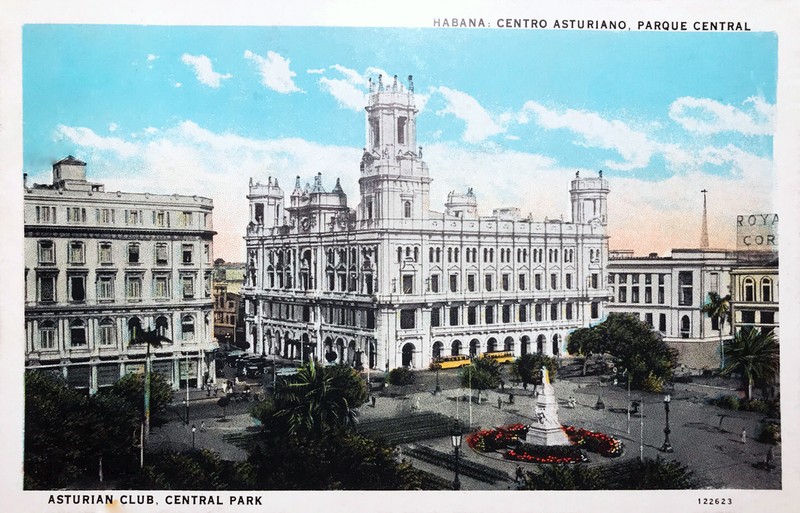
Cuba's national art collection fills two neighboring palaces — the Palacio de Bellas Artes for Cuban art from colonial times to today, and the Palacio del Centro Asturiano, a former Asturian social club, for the museum's international holdings. Together they hold the most complete survey of Cuban painting anywhere.
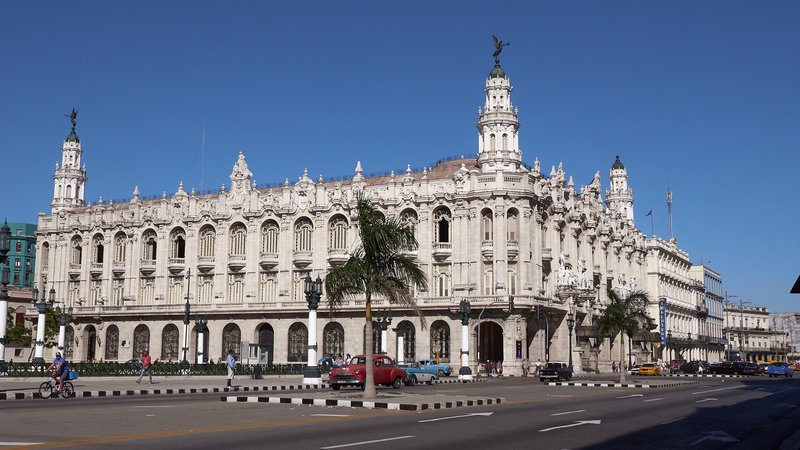
A neo-baroque palace built in 1914 by Galician immigrants as a social club, its facade crowded with allegorical marble figures. It's home to the Cuban National Ballet — founded by Alicia Alonso, whose name the theater now carries — and hosts the Havana International Ballet Festival every two years.
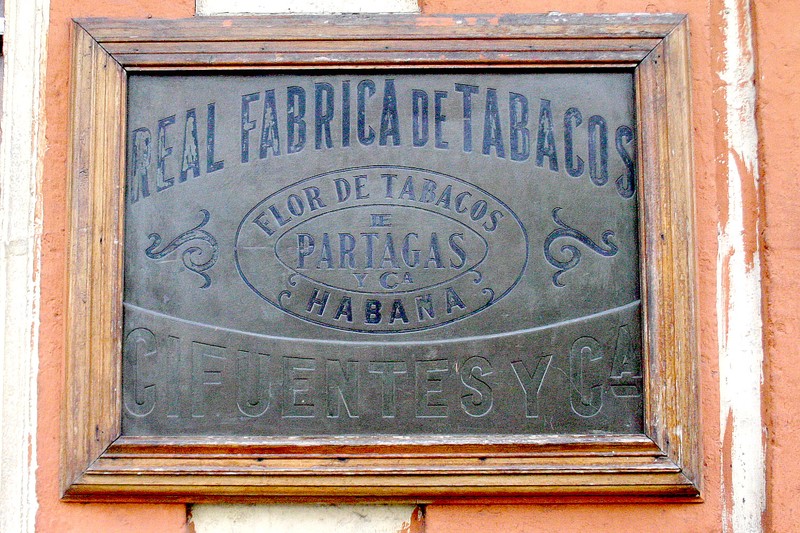
Founded in 1845 across from El Capitolio, Partagás is one of only three Havana cigar factories still open to visitors. A guided walk through the sorting, rolling, and quality-control floors ends in the tasting room, with veteran torcedores hand-rolling cigars at their benches along the way.
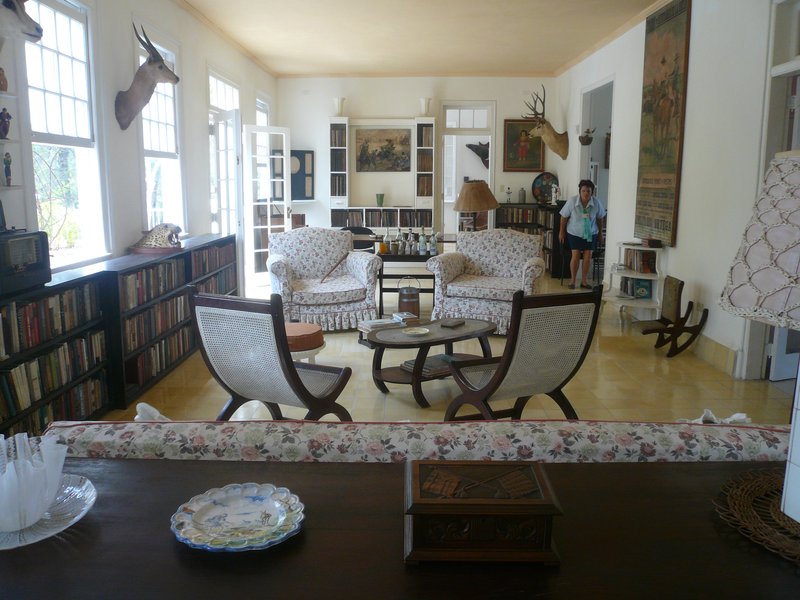
Ernest Hemingway's hilltop home for more than twenty years, kept exactly as he left it — typewriter, hunting trophies, and a 9,000-volume library still in place, since visitors view the rooms only through the open doors and windows. He wrote For Whom the Bell Tolls and The Old Man and the Sea here, and his fishing boat Pilar sits dry-docked in the garden.
The small fishing village east of Havana where Hemingway moored his boat Pilar and drank with the fishermen whose stories became The Old Man and the Sea. A bronze bust cast from donated boat propellers and fittings faces the bay from a colonnaded memorial, a short walk from La Terraza — the same waterfront bar Hemingway drank in, fictionalized in the novel.
A tiny Old Havana café on Calle Amargura with an outstanding Cuban espresso and homemade pastries — one of the best cups in the city, with a relaxed terrace a short walk from the hotel.
A roastery café on Plaza Vieja roasting Cuban arabica on-site — the counter serves café cubano, cortado, and café con leche alongside Havana Club rum cakes, with a strong old-world atmosphere.
An elegant paladar on Calle Mercaderes serving Italian-Cuban fusion with a strong seafood focus — the lobster and pasta dishes draw consistent praise, and the colonial courtyard setting is one of Old Havana's best dining rooms.
A compact, ever-popular Old Havana paladar known for inventive Caribbean small plates, a good cocktail list, and a balcony table that overlooks the pedestrianised street — arrive when it opens to secure a seat.
A Habana Vieja steakhouse and seafood grill with live music most evenings, known for its lobster and ropa vieja — one of the more reliably consistent higher-end paladares in the old city.
A Vedado rooftop restaurant in a converted chimney above Fábrica de Arte Cubano — modern Cuban dishes, best paired with the art-space on the same evening.
Cuba's national dish — slow-braised flank steak shredded into long fibres and stewed with tomato, peppers, onion, and cumin until deeply flavoured. Served at virtually every paladar and most hotel restaurants.
Black beans cooked with white rice — "Moors and Christians" — the standard Cuban side dish, eaten with nearly every meal and made more complex by some cooks with sofrito, bay leaf, and a splash of Cuban wine.
Green plantains sliced, smashed flat, and twice-fried until golden and crisp — the Cuban version of potato crisps, eaten salted as a snack or alongside grilled fish and pork at paladares all over Havana.
White rum, fresh lime, raw sugar, mint, and soda — Havana's signature cocktail, associated with La Bodeguita del Medio where Hemingway drank them. The quality varies sharply; order at a seated bar, never from a street cart.
Havana Club rum blended with lime juice and sugar — Hemingway's version adds grapefruit juice and maraschino liqueur and was invented at El Floridita on Calle Obispo, steps from the hotel.
An espresso-strength dark roast brewed in a Moka pot with raw sugar dissolved directly in the grounds — served in a thimble-sized cup, intensely sweet, and the daily fuel of Havana from early morning until late afternoon.
No mainstream delivery apps operate in Havana — Uber Eats, Bolt Food, and similar services do not cover Cuba. Paladares take phone or in-person orders; ask your hotel concierge for nearby options.
Shows, Performances & Concerts
Tropicana Cabaret
Havana's legendary open-air cabaret, with hundreds of costumed dancers and musicians performing beneath the palm trees of the Marianao suburb — Tue - Sun from 10:00pm.
A converted cooking-oil factory in Vedado that becomes Havana's most dynamic cultural space on Thursday to Sunday evenings — galleries, live music, DJ sets, film screenings, and theatre all running simultaneously across multiple floors. Thu - Sun 8:00pm - 2:00am.
The ornate Galician Centre building on Paseo del Prado is home to the Cuban National Ballet and stages ballet, opera, and dance Oct - Jul — box office Mon - Sat 10:00am - 5:00pm.
No ride-hailing apps operate in Havana — Uber, Bolt, and similar services do not cover Cuba. State taxis — yellow metered Cubataxi cabs — are the most reliable option for tourists; agree on the fare before you ride or ensure the meter is running. Bicitaxis are plentiful in Old Havana for short hops. Private taxi drivers negotiated at your hotel are the practical choice for the Viñales day trip.
Worth Knowing
Bring cash — US cards don't work anywhere in Cuba
US-issued credit and debit cards are blocked across Cuba — this includes Visa and Mastercard from US banks, Apple Pay, and Google Pay linked to US accounts. Bring sufficient EUR, Canadian dollars, or British pounds; CADECA exchange offices and bank branches convert these at the best rate. The USD attracts a 10% exchange surcharge, so avoid it if possible.
Cuba's sole legal currency is the Cuban Peso — CUP. The old tourist peso, CUC, has been abolished. Tourist-facing prices at international hotels are often quoted in USD and then converted at the desk; street vendors, paladares, and taxis quote in CUP. ATMs at major hotels are frequently out of cash — carry a cash reserve before each day out.
Cuba's internet infrastructure is state-run and slow. Wi-fi is available at hotel lobbies, Etecsa hotspots in public plazas, and some paladares — buy a NAUTA card at an Etecsa office to connect. Your hotel room may have reliable wi-fi; check at check-in. Roaming from a foreign SIM is unreliable.
Photographing military installations, police officers, and government buildings is prohibited. Some Cubans will ask for a small payment to be photographed — ask before pointing a camera at anyone. Old Havana's streets, plazas, and classic cars are entirely open to photography.
The US State Department rates Cuba at Level 2 — Exercise Increased Caution — primarily for petty theft, scams targeting tourists, and occasional civil unrest. Old Havana is generally safe to walk at night, but keep valuables out of sight and be cautious in quieter Centro Habana streets after dark.