A former fishing village now lined with open-air seafood restaurants, local rum shacks and souvenir stalls — the informal, non-resort end of Bávaro Beach where Dominicans and independent travellers mix.
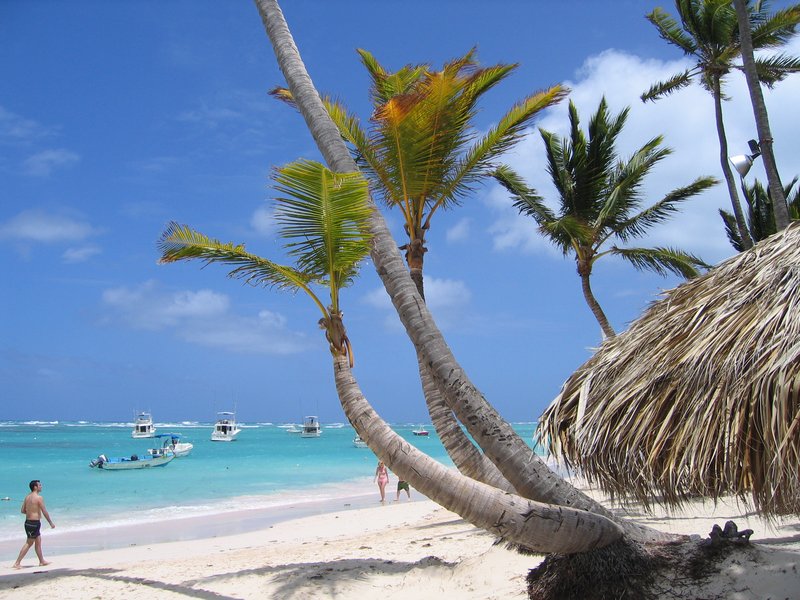
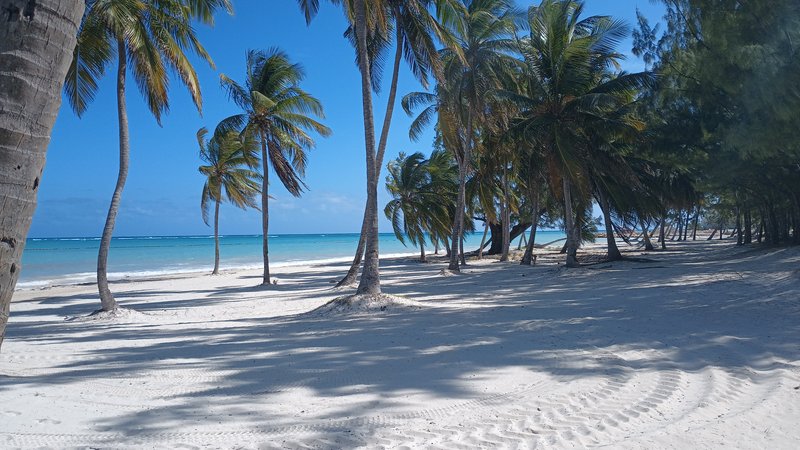
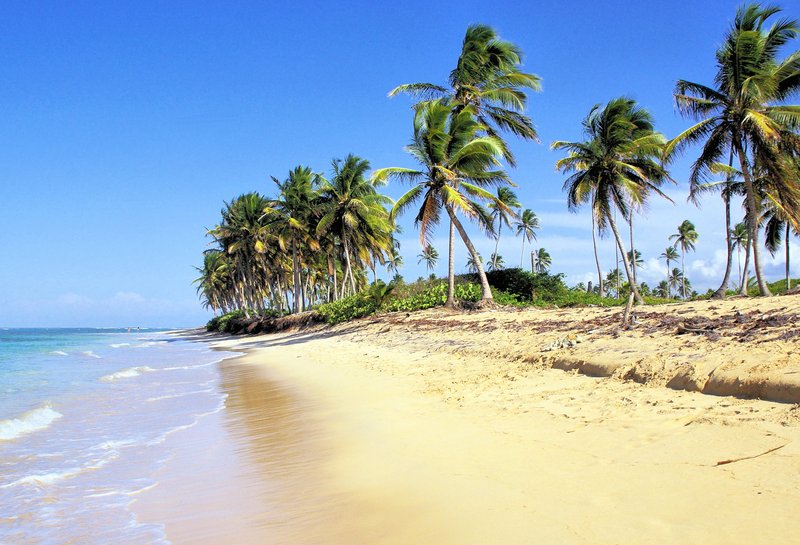
Thirty-five kilometres of powdery white sand facing a reef-sheltered turquoise bay — the beach that made Punta Cana famous, and still its finest and most famous stretch.
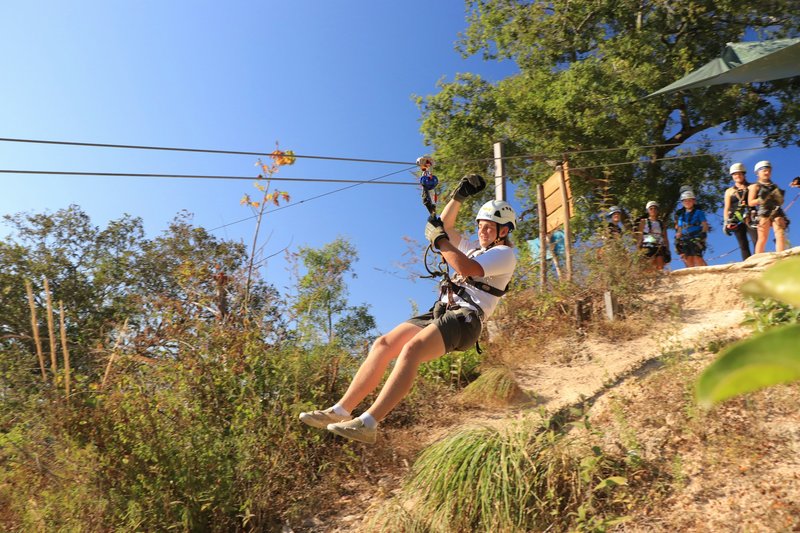
A jungle adventure park built around a six-line zipline circuit, off-road buggy trails through an old mine track and horseback riding, all finishing at the Splash of Emotions — an open freshwater cenote lagoon ringed by forest.
A wide arc of golden sand open to Atlantic swells, popular for surfing and ATV rides along the shore — undeveloped, uncrowded and free of resort infrastructure.
A shallow sandbar rising from the open Caribbean Sea — the catamaran stops here for swimming and snorkelling in waist-deep turquoise water, with no land in any direction.
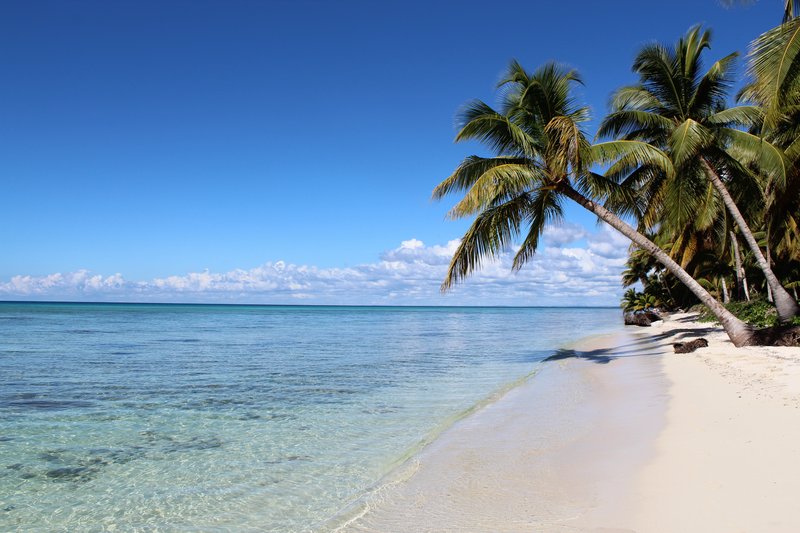
A protected island inside the Del Este National Park, reached only by boat — palm-covered and rimmed with white sand, its shallow turquoise bays are among the finest in the Caribbean.
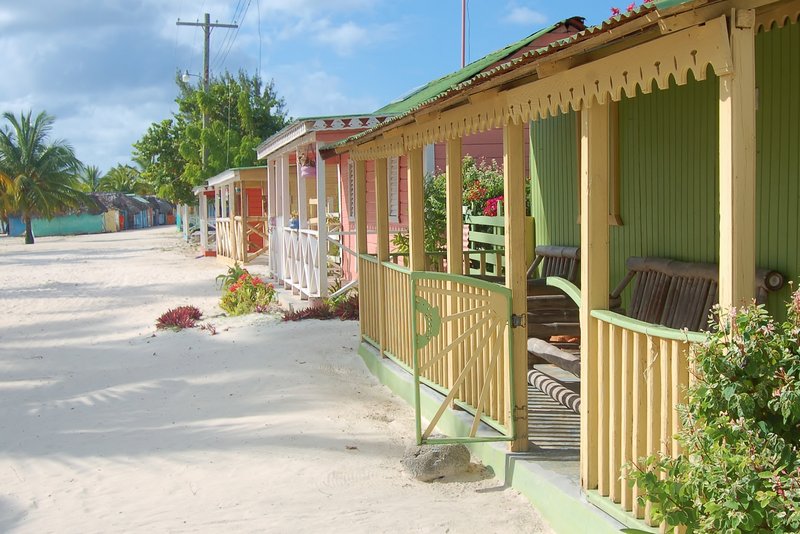
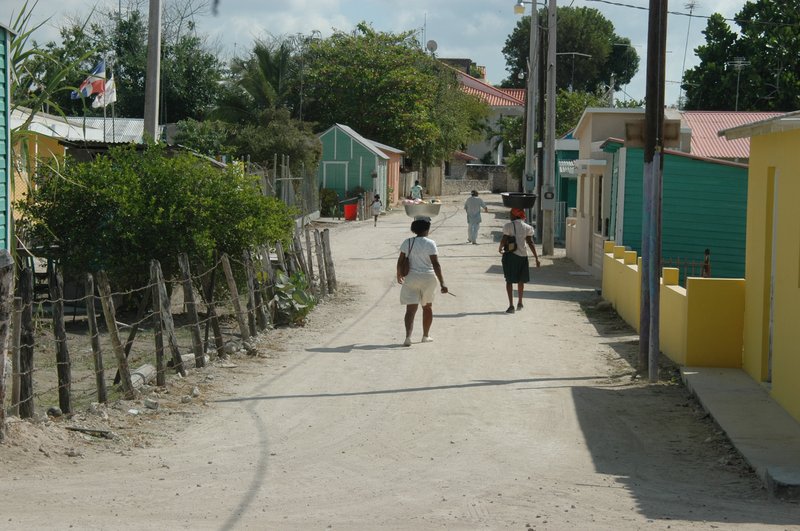
The only inhabited village on Saona Island — a small fishing community of pastel wooden houses where residents live inside the national park boundaries and sell fresh catch and cold drinks to passing boats.
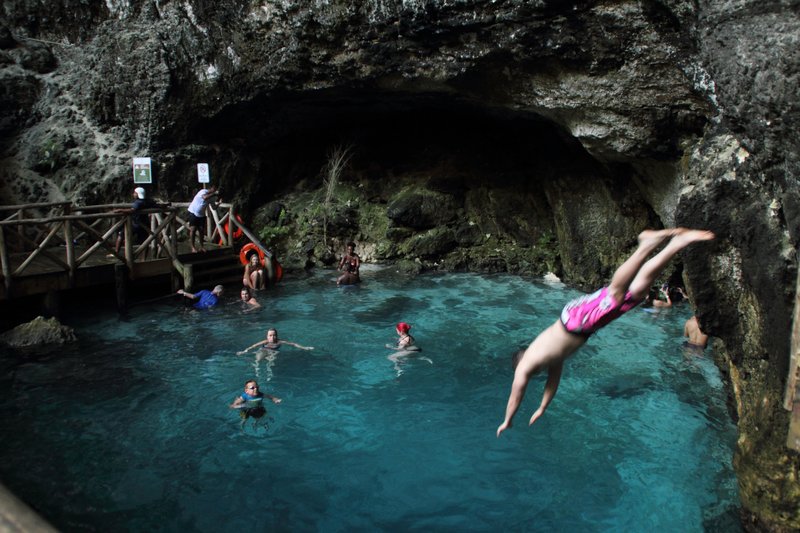
A brilliant turquoise cenote lagoon inside the Cap Cana grounds — the vivid blue-green water is fed by underground springs, and the surrounding limestone cliff face rises sharply above the swimming area. Entry DOP 1,500 per adult.
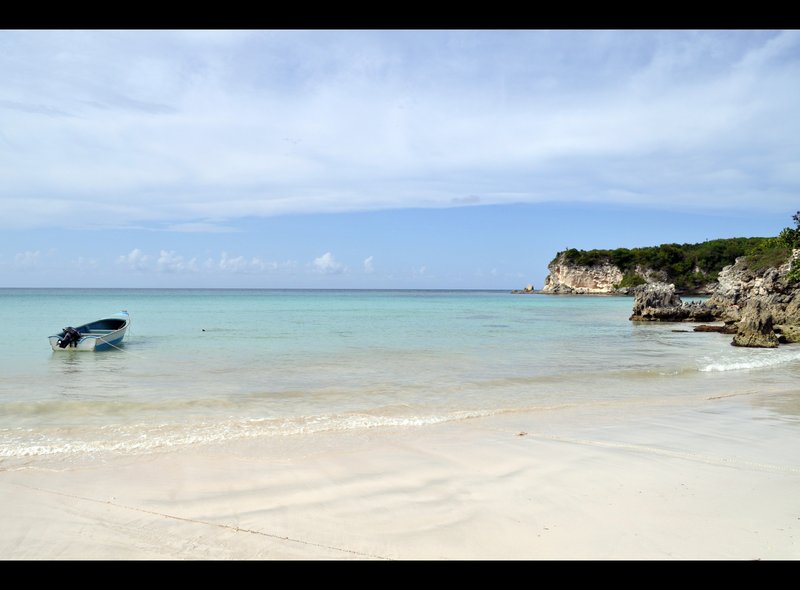
A crescent of brilliant white sand inside the Cap Cana estate — the water is calm and transparent, the beach bar serves cold Presidente, and the crowd is a fraction of Bávaro's.
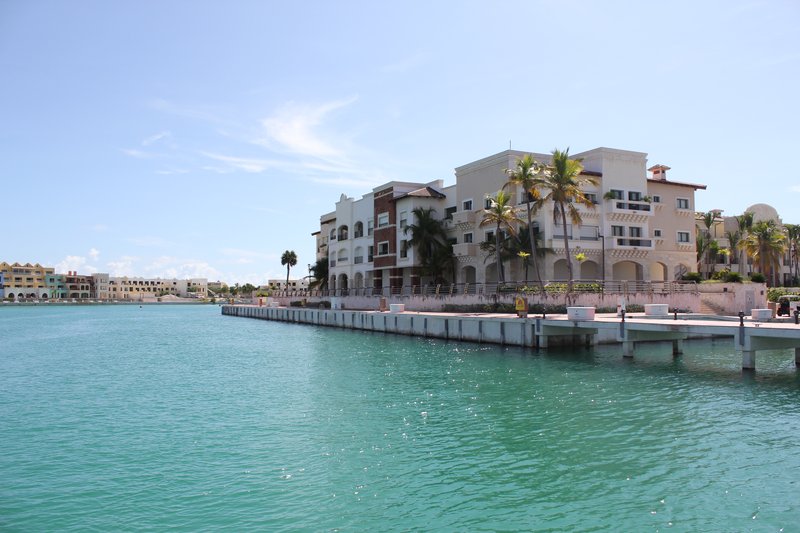
The largest marina in the Caribbean, lined with sport-fishing boats, luxury yachts, waterfront restaurants and a waterside promenade that makes for a pleasant late-afternoon walk.
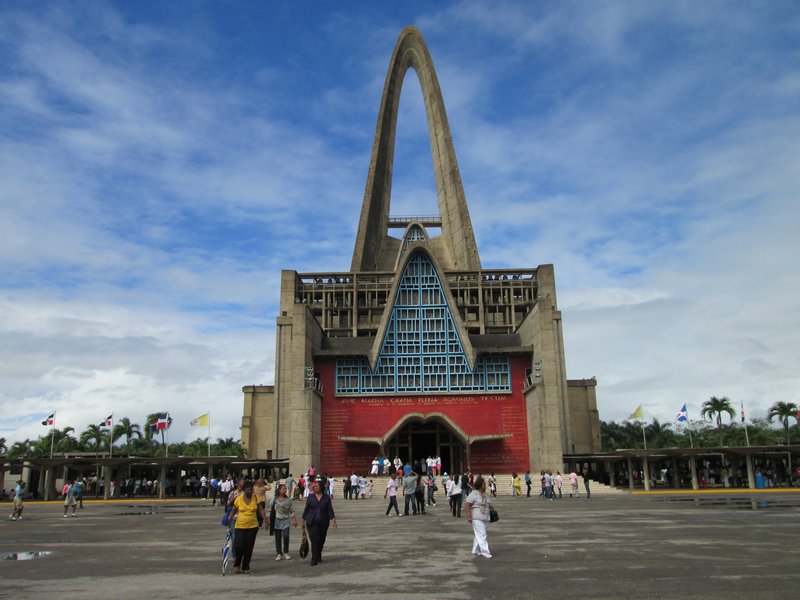
The most visited Catholic pilgrimage site in the Caribbean — the modern concrete basilica in Higüey was completed in 1971 and draws hundreds of thousands of pilgrims each year to venerate Our Lady of Altagracia, patron saint of the Dominican Republic.
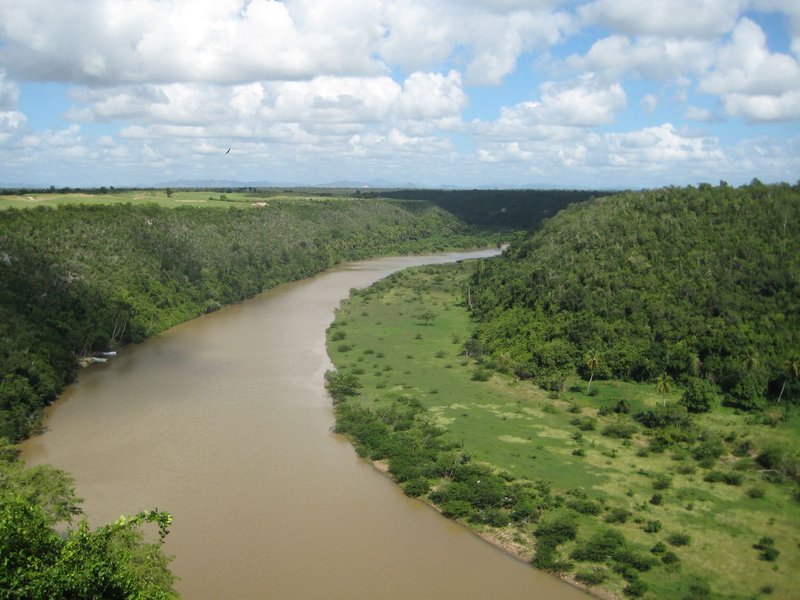
A faithful replica of a 16th-century Mediterranean village perched on a cliff above the Chavón River gorge — stone streets, terracotta rooftops, a design school and galleries make it one of the most photogenic spots in the Dominican Republic.
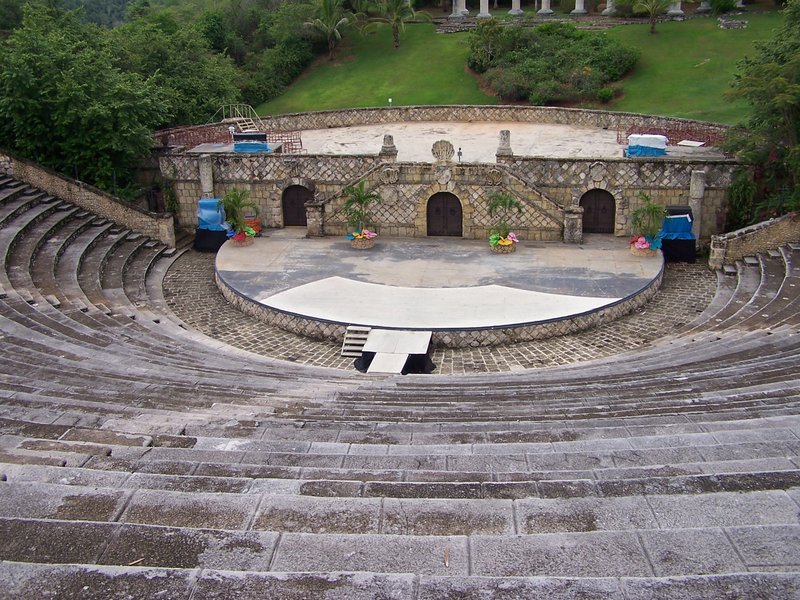
A 5,000-seat open-air amphitheater built into the cliff at Altos de Chavón — inaugurated by Frank Sinatra in 1982, it hosts international concerts and cultural events on a stage that overlooks the Chavón River gorge.
A small fishing village on a protected cove — wooden boats in primary colours line the jetty, the beach is public and free, and the waterfront restaurants serve fresh catch at Dominican prices rather than resort ones.
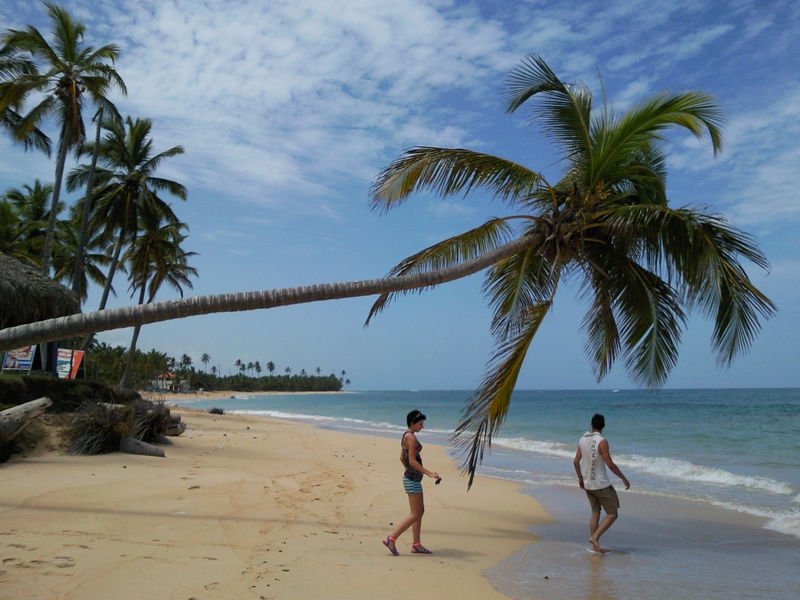
A wide, less-developed beach north of the main Bávaro strip — fewer resorts line the shore, the sand is just as fine, and the pace is noticeably slower than the tourist-heavy sections further south.
A broad public beach with calm, shallow water and local vendors selling fresh coconut and fried snacks — less manicured than the all-inclusive frontage but more alive with everyday Dominican beach culture.
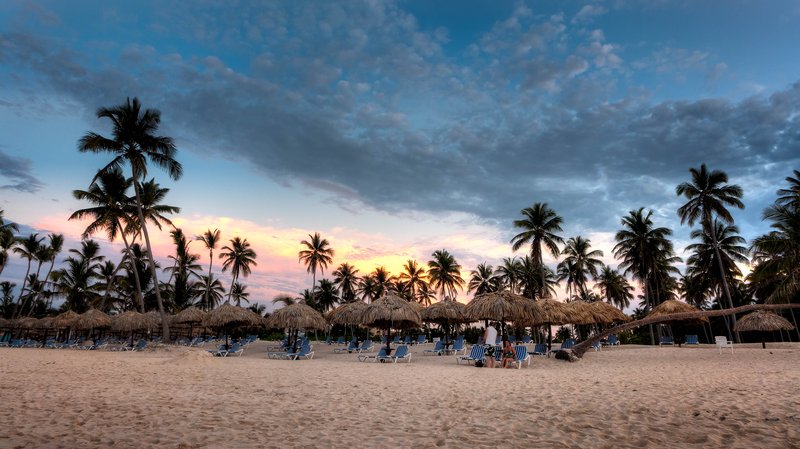
A small public beach pocket in the heart of the Bávaro tourist strip — no all-inclusive gate to pass, local restaurants right on the sand and a good spot to watch sunset with a cold Presidente and fresh ceviche.
Mashed green plantains topped with sautéed red onions, fried cheese and a fried egg; the Dominican breakfast staple, served at every local comedor from 7:00am onwards.
A slow-cooked stew of seven meats with root vegetables, yuca and herbs; the Sunday comfort dish of the DR; thick, filling and best eaten at a family-run restaurant in Higüey or Bayahibe.
Twice-fried green plantain discs, salted and served with garlic dipping sauce; sold everywhere from beach vendors to sit-down restaurants and almost always listed as a side.
Tree bark and herbs steeped in rum, red wine and honey; the Dominican folk remedy and conversation starter; sold in small recycled bottles at beach markets and souvenir stalls.
Foreign number: accepted. — SMS verification code delivers to the foreign number without issue; US, Canadian and European numbers confirmed to receive the OTP.
Good selection of local restaurants, convenience stores and pharmacy delivery in the Bávaro zone; grocery and alcohol delivery available; delivery times run 35–60 minutes on the resort strip.
Foreign number: accepted. — OTP arrives by SMS on foreign numbers; country-code selector includes US, Canadian and European numbers.
Broader restaurant selection than Rappi in El Cortecito and Bávaro village, including local comedores and Dominican fast food not found on other platforms; delivery times 40–70 minutes.
Foreign number: accepted. — verification SMS arrives reliably on foreign numbers; US, Canadian and European numbers all confirmed to receive the OTP.
Reliable across the Bávaro–Cap Cana corridor; flat rates quoted before booking with no surge on standard routes; GPS routing handles the resort zone well; drivers pick up promptly at hotel entrances.
Foreign number: accepted. — OTP arrives by SMS; sign up with international country code before arrival to save time.
Consistently cheaper than Uber for longer trips such as Higüey, Altos de Chavón and La Romana; bidding model means you propose a fare and the driver accepts or counters, typically landing 20–30% below Uber's quoted price on the same route.
Currency — the Dominican peso — DOP — is the official currency; US dollars are widely accepted at tourist spots but change is returned in pesos at unfavourable hotel rates. One trip to an in-town ATM in Bávaro or Higüey covers the day far more cheaply than withdrawing at resort cashiers.
Tourist card — a tourist card — DOP 1,500 per person — is required for entry; major airlines flying direct into Punta Cana International Airport now include it in the ticket price, but check before departure to avoid paying again at immigration.
Sun timing — the Caribbean sun at 18°N burns quickly even through cloud cover; reef-safe sunscreen is required at Hoyo Azul, the ecological park and the Del Este National Park, and is requested voluntarily at Natural Pool and Saona Island.
All-inclusive rhythm — resort buffet restaurants hit peak crowding in the first fifteen minutes after each meal's official opening; arriving five minutes before the crowd or ten minutes after it disperses avoids the queue entirely.
Catamaran tours — the Saona Island day trips fill from the same limited fleet; book the night before through the hotel concierge or any tour kiosk in El Cortecito, not the morning of — sold-out boats are common in high season.