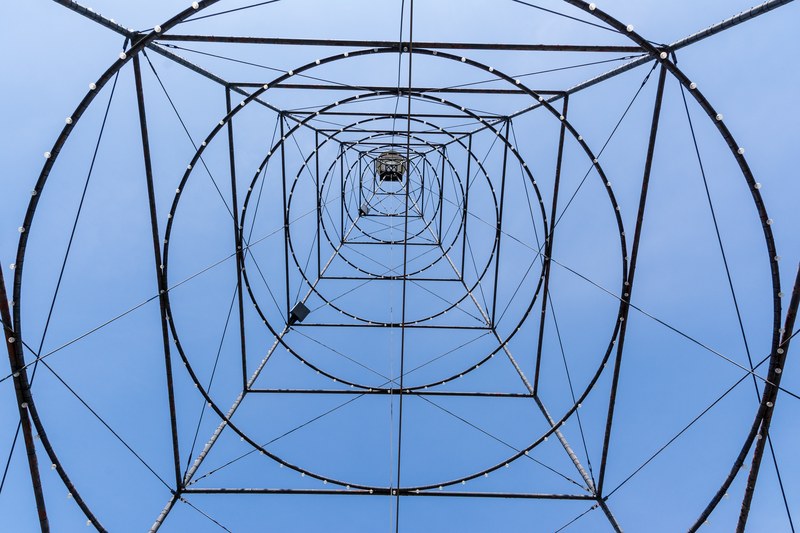
A 14-acre open-air museum with 32 original and replica buildings recreating an early 1900s town. A half-scale replica of San Jose's 1881 Electric Light Tower rises 115 feet, and volunteers run vintage trolleys through the grounds.
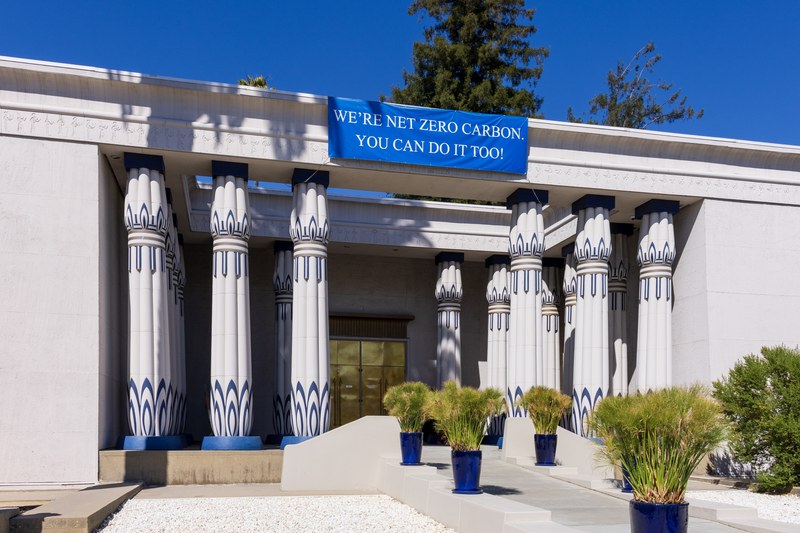
Holds the largest collection of ancient Egyptian antiquities in the Western United States — more than 2,000 objects including mummies, canopic jars, and funerary papyri. Buildings are the only museum structures in the world in Ancient Egyptian style. Full-scale replica rock-cut tomb based on the Beni Hasan tombs.
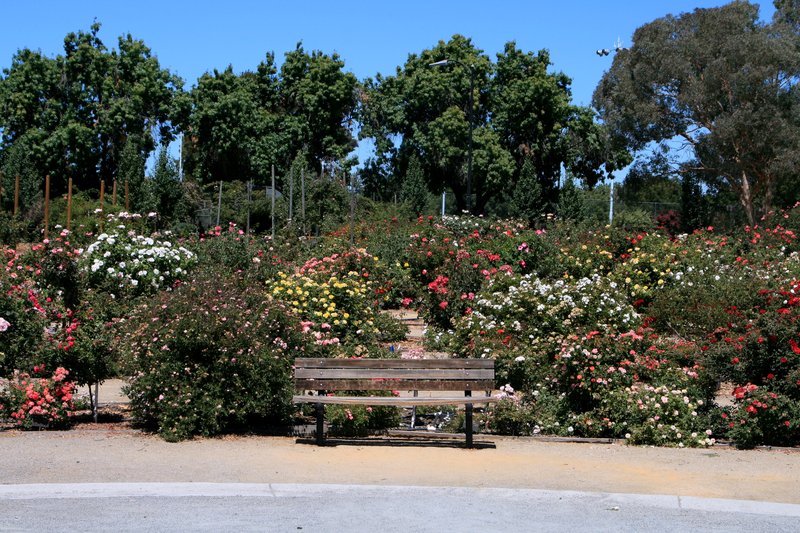
Covers 5.5 acres with over 3,500 rose shrubs across 189 varieties. Designated America's Best Rose Garden by All-America Rose Selections in 2010 and an official AARS test site receiving award-winning cultivars before public release. Established 1927; free admission year-round.
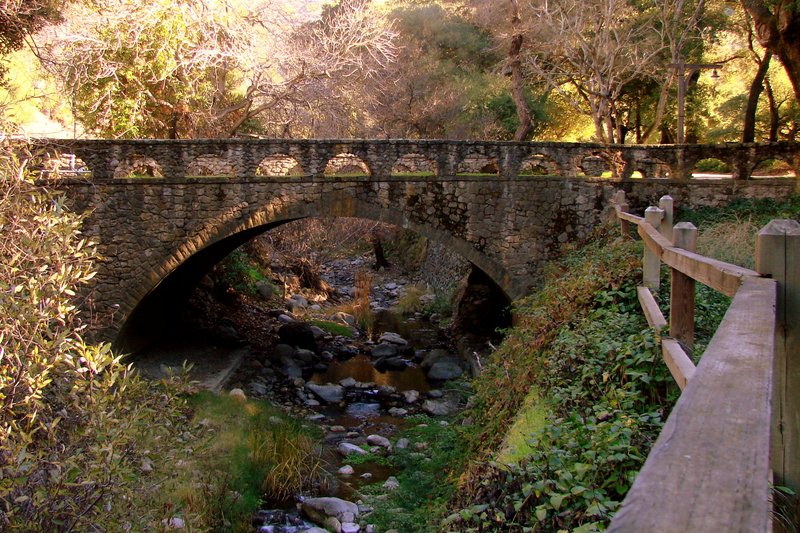
California's oldest municipal park, established 1872. Covers 720 acres in the Diablo Range foothills with 13 miles of trails through Penitencia Creek canyon. From 1890 to 1932 it was a nationally known health spa with 27 mineral springs — the stone grottos that housed them line the canyon floor.
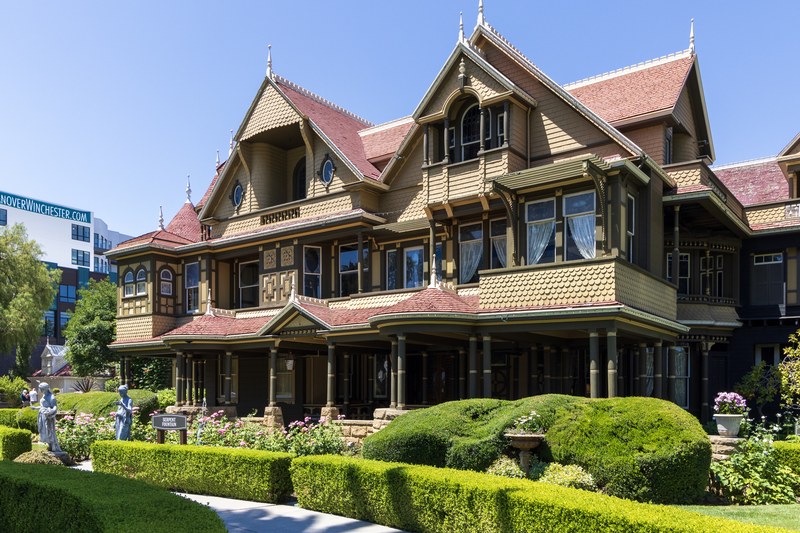
A 160-room Victorian mansion built from 1884 to 1922 with no master plan. California Historical Landmark and National Register property. Known for stairs that rise only 10 feet across 44 steps, doors opening onto sheer drops, and Tiffany spider-web windows.
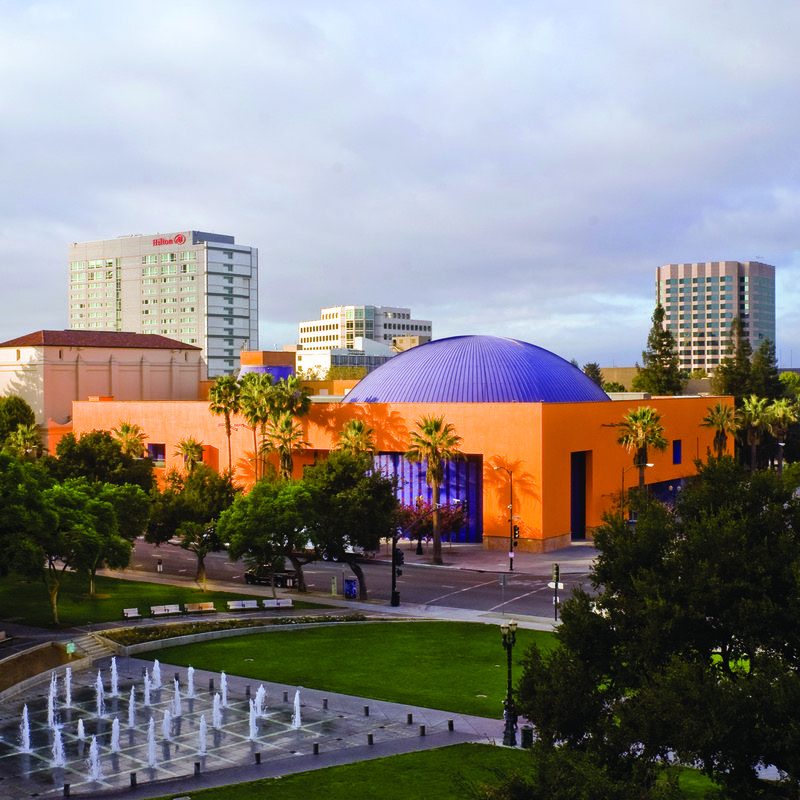
Silicon Valley's public science center in a 1998 Ricardo Legorreta building. Covers biotech, robotics, clean energy, and computing through interactive exhibits including a BioTinkering Lab, robotics challenge floors, and an IMAX Dome theater — one of the largest domed screens in the western United States.
9 min · 2 min → Peralta Adobe-Fallon House Historic Site
3.Peralta Adobe-Fallon House Historic Site~1 hr 30 min
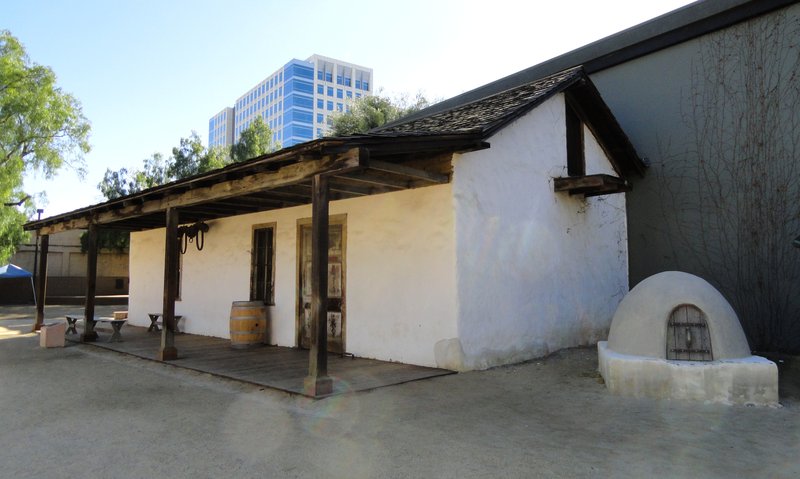
San Jose's oldest building, constructed 1797 by one of the city's founders. California Historical Landmark #866 and National Register property. The adjacent 1855 Thomas Fallon House is a fully furnished Victorian mansion with 15 period rooms.
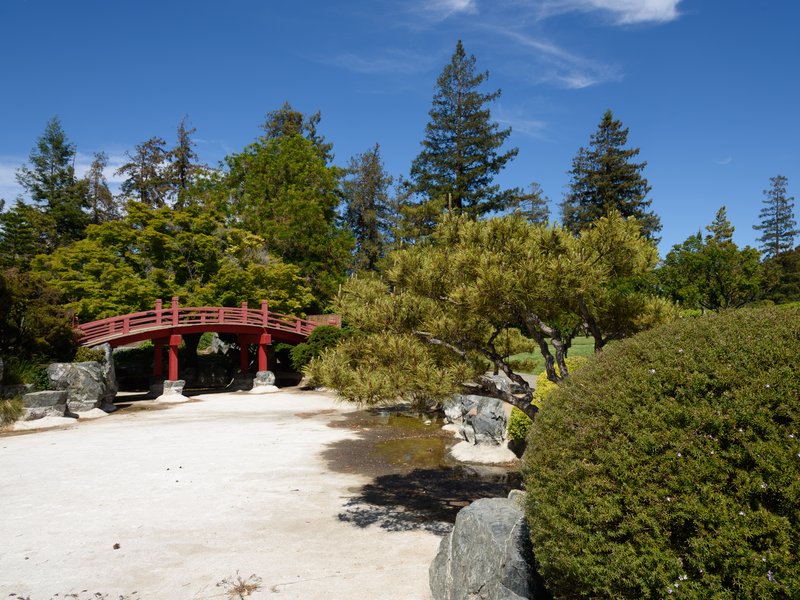
A six-acre walled garden in Kelley Park, dedicated 1965 and modeled on Okayama's Korakuen Garden — one of Japan's Three Great Gardens. Three ponds at different elevations connected by streams and waterfalls, stocked with koi gifted from the sister city in 1966. Includes a tea house and moon bridge.
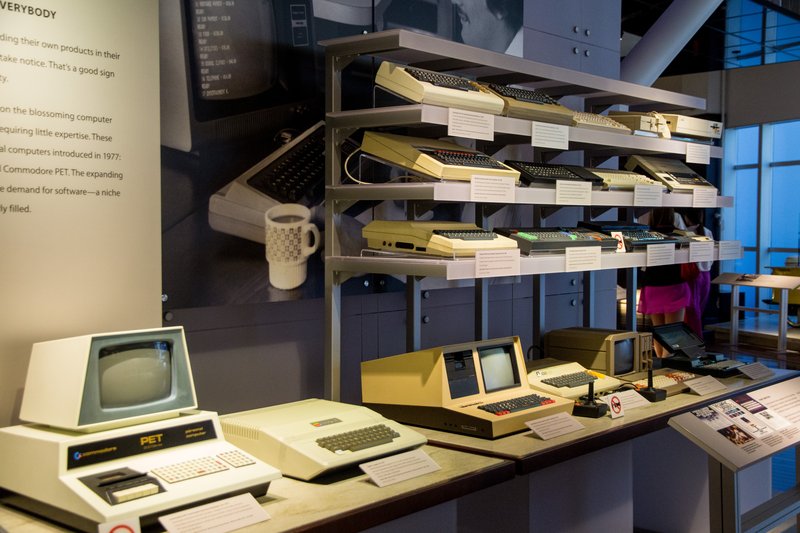
The world's largest computing collection — over 100,000 artifacts tracing the full arc from ancient calculation devices to modern AI. Twenty-five permanent galleries include the Babbage Difference Engine No. 2, the Cray-1 supercomputer, and the first Internet node: the IMP that sent the first ARPANET message in 1969.
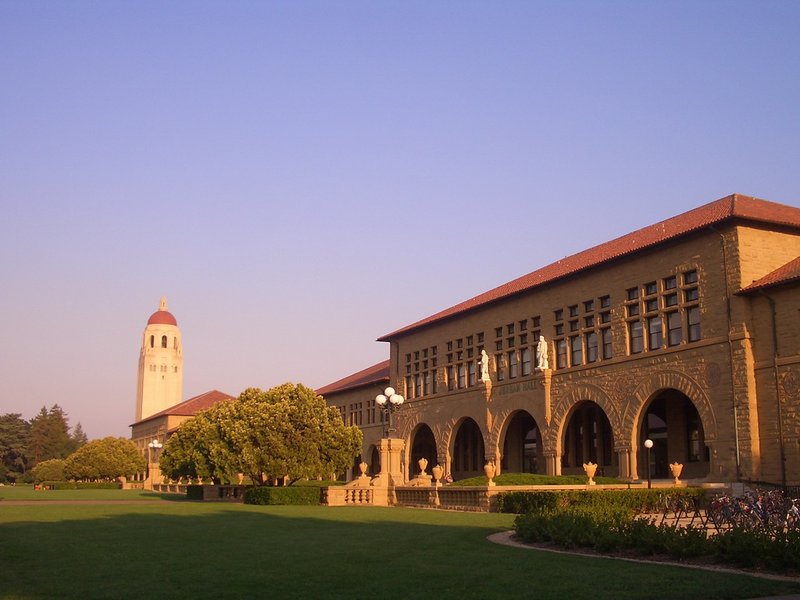
Founding quadrangle of one of the world's most celebrated universities, built 1891 in sandstone Romanesque style. Memorial Church's façade is Venetian glass mosaic. The adjacent Rodin Sculpture Garden holds 20 original bronzes — including The Gates of Hell and The Thinker — freely accessible in the open air, the largest collection of Rodin bronzes outside France.
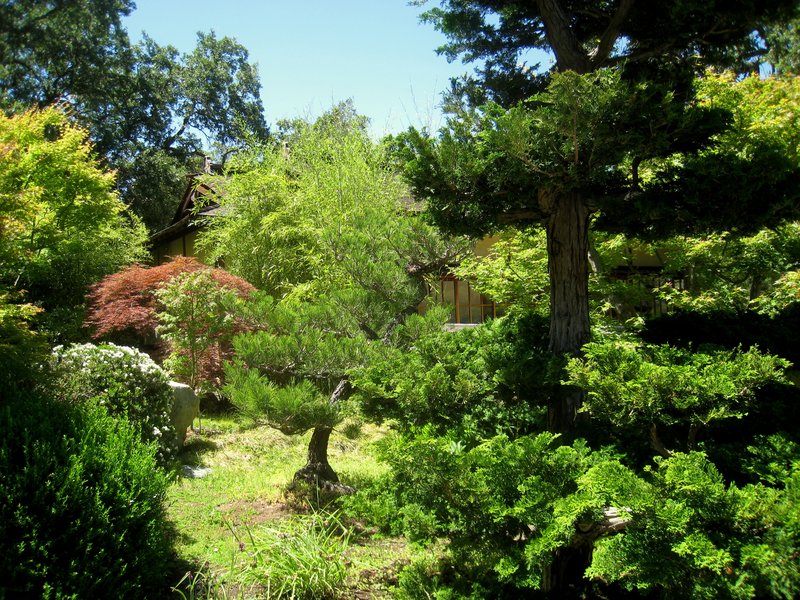
The oldest Japanese-style residential garden in the Western Hemisphere, built 1917 on a Saratoga hillside modelled on Japan's Hakone gardens. Eighteen terraced acres with a traditional tea house, bamboo grove, moon-viewing platform, and Water Gardens, all framed by Silicon Valley views. California Historical Landmark and National Register property.
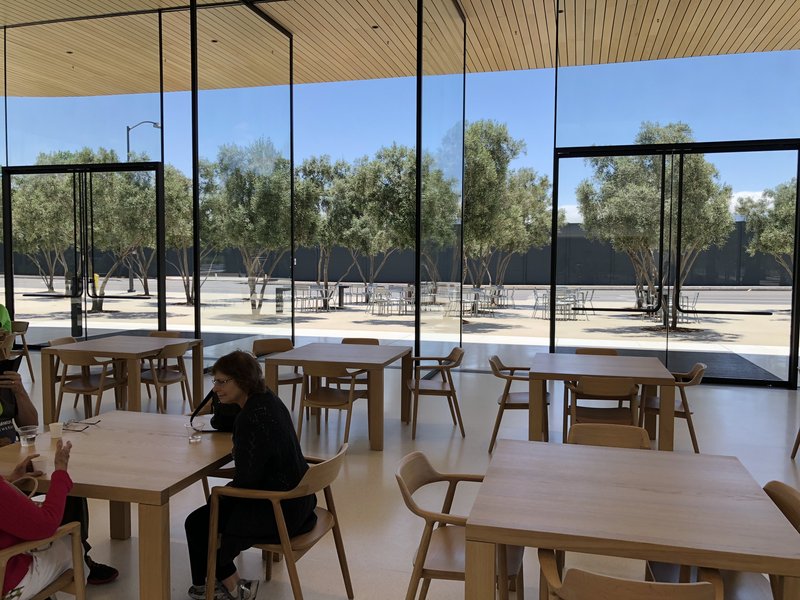
The public gateway to Apple's Norman Foster-designed "spaceship" headquarters. From the rooftop terrace, visitors look directly onto the 2.8-million-square-foot ring building and the Steve Jobs Theater. Inside, an AR experience places a 3D model of the campus in your hands, and an Apple Store carries merchandise exclusive to this location.
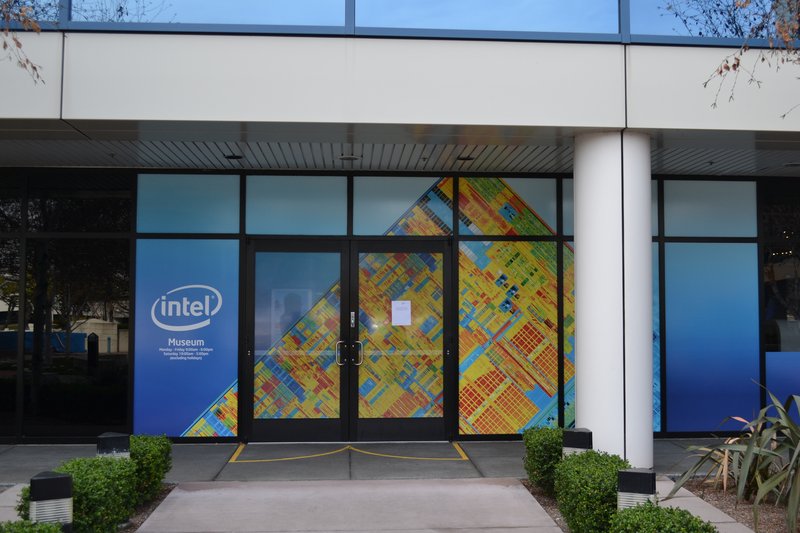
Chronicles more than 55 years of microprocessor history in Intel's Santa Clara headquarters. The centrepiece is a floor-length "processor walk" displaying every Intel chip generation since the 4004 in 1971, alongside exhibits on Moore's Law, semiconductor fabrication, and the transformation of Silicon Valley from apricot orchards into the global tech industry.
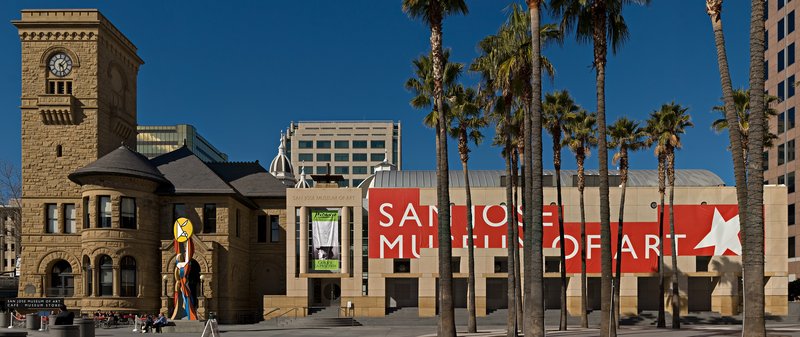
Founded 1892 in a Richardsonian Romanesque building that later served as San Jose's main post office, expanded in 1991 to nearly double its footprint. Focuses on contemporary and modern art from the 20th and 21st centuries with an emphasis on artists of the Western United States and Pacific Rim, alongside travelling exhibitions. A short walk from the hotel in Plaza de César Chávez.
From Hotel: 22 min → Almaden Quicksilver County Park
1.Almaden Quicksilver County Park~2 hr
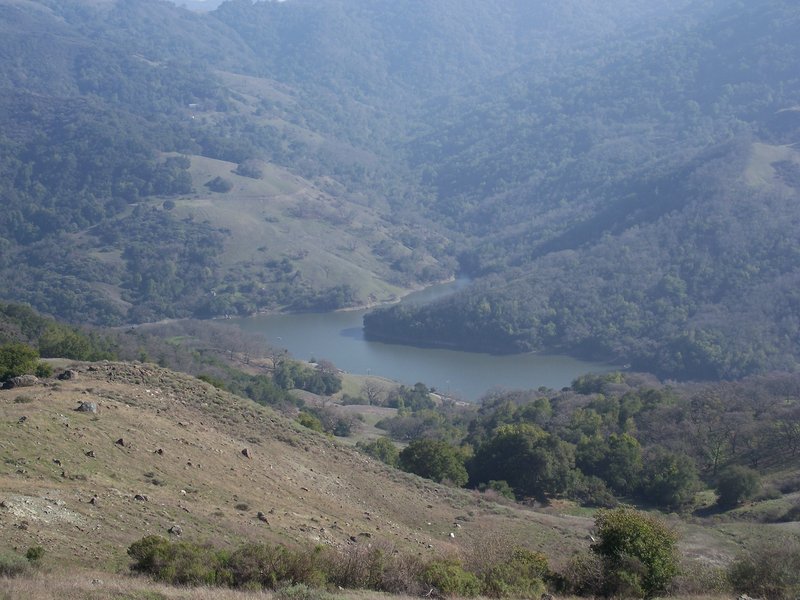
A 4,163-acre county park preserving California's oldest mercury mine. The Ohlone gathered cinnabar here for millennia; commercial extraction ran from 1845 to 1976, supplying gold-rush operations across the Mother Lode. The Mine Hill and Hacienda trails pass ruined shafts, stone chimneys, and restored head frames through oak woodland and chaparral, with views across Almaden Valley.
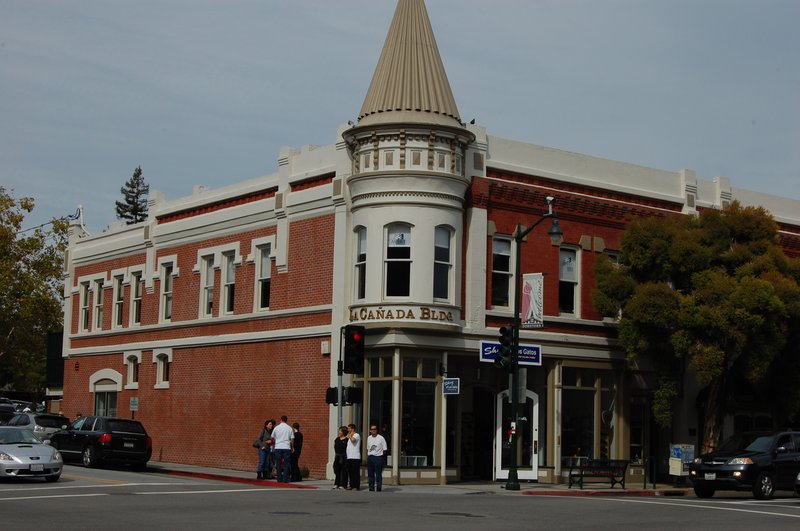
A hillside town at the foot of the Santa Cruz Mountains with a walkable Victorian-era downtown on Santa Cruz Avenue. Incorporated 1887, Los Gatos retains its small-town character despite being where Netflix was founded in 1997. Browse independent boutiques, stop at a sidewalk café, and walk the Los Gatos Creek Trail beside the water.
A 151-acre park wrapping Vasona Reservoir in Los Gatos, with paved lakeside paths and picnic lawns. The seasonal Billy Jones Wildcat Railroad — a 1-mile narrow-gauge steam train running since 1970 — circles the lake on weekends from spring through autumn. A quiet, green counterpoint to the Santa Cruz Mountains trailheads immediately upstream.
Self-paced driving tour with GPS-triggered audio commentary through the campuses and landmarks of Silicon Valley, from Apple Park to Stanford and the Computer History Museum.
San Jose has the largest Vietnamese diaspora community outside Vietnam. Pho along Story Road and King Road in East San Jose is regionally diverse and among the most authentic in the country.
Vietnamese broken rice served with grilled pork chop, fried egg, and pickled daikon. San Jose's version from the Grand Century Mall food court is considered definitive outside Vietnam.
San Jose's large Mexican-American community runs some of the best taquerias in California. Alum Rock Ave is the center of the city's al pastor, carnitas, and birria tradition.
Foreign number: accepted. — the code arrives by SMS on an international number, though a US number avoids the occasional verification delay.
The deepest list in San Jose by a wide margin — the downtown, Japantown and Little Saigon kitchens are all on it, with late delivery past 11pm near the hotel. Fees stack up on small orders; DashPass only pays off if you order more than twice.
Foreign number: accepted. — it runs on the same Uber account, so the code comes by SMS to any international number, with a voice call as the fallback.
Runs on the Uber account you already have, so there is nothing extra to set up, and coverage of downtown and Santana Row is close to DoorDash's with a thinner list of Vietnamese spots in Little Saigon. Deliveries to the Signia lobby on South Market Street are quick.
Foreign number: not accepted. — Grubhub's own policy is US numbers only, and the verification code is texted only to a US number.
Worth a look for the restaurants DoorDash does not carry — several downtown pizza and taqueria counters list only here — and its Grubhub+ trial waives delivery fees for a first visit. Unusable without a US number, and its driver pool in San Jose is the thinnest of the three.
Foreign number: accepted. — the code comes by SMS to any international number, and "Call me with code" reads it out if the SMS is blocked.
The one ride app that covers all of Silicon Valley: a car reaches downtown San Jose in three or four minutes, and the runs out to Santana Row, the Winchester Mystery House and Alum Rock Park are short and cheap by Bay Area standards. Waits stretch late on weeknights once the tech commute is over.
Caltrain express to San Francisco 4th & King. Golden Gate views, Fisherman's Wharf, Union Square, and the Financial District are all within walking distance of the terminal.
The Winchester Mystery House's popular legend — that a grieving heiress was told by a Boston medium to keep building forever to appease the ghosts of everyone killed by Winchester rifles — didn't come from Sarah Winchester's own lifetime at all. Historians have traced the séance story to a book published decades after her death and found no record that the medium it names ever existed. The room tour guides now call the "séance room" was more likely just the gardener's quarters. Much of what visitors hear inside the house was shaped by the 1920s carnival operators who leased the property after Sarah died and needed a better story than "a wealthy widow renovated her house for decades" to sell tickets.
The museum next door exists because its founder believed he had personally been initiated into an ancient mystery tradition during a trip to France. Harvey Spencer Lewis went on to found the fraternal order that still owns the site, and began collecting Egyptian antiquities to support that belief — starting with a single small statue of the goddess Sekhmet. He didn't stop at buying pieces: in 1921 he helped fund real archaeological excavations at the ancient capital of Akhenaten, and after his own trip to Egypt later in the decade, the collection grew large enough to become the biggest gathering of Egyptian antiquities anywhere in the western United States.