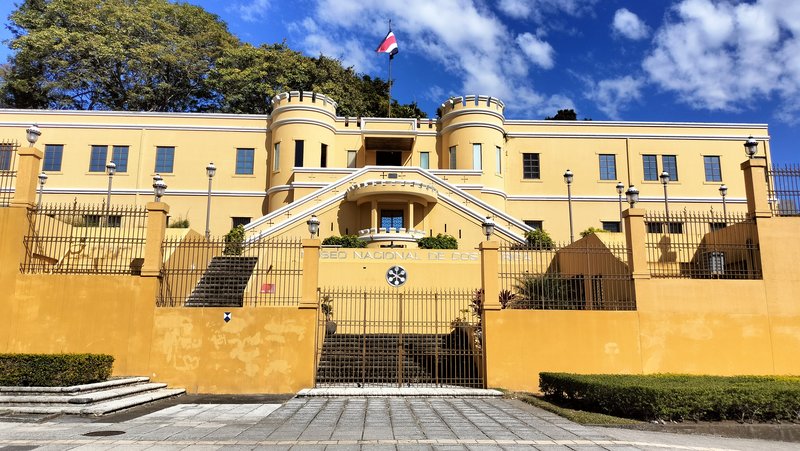
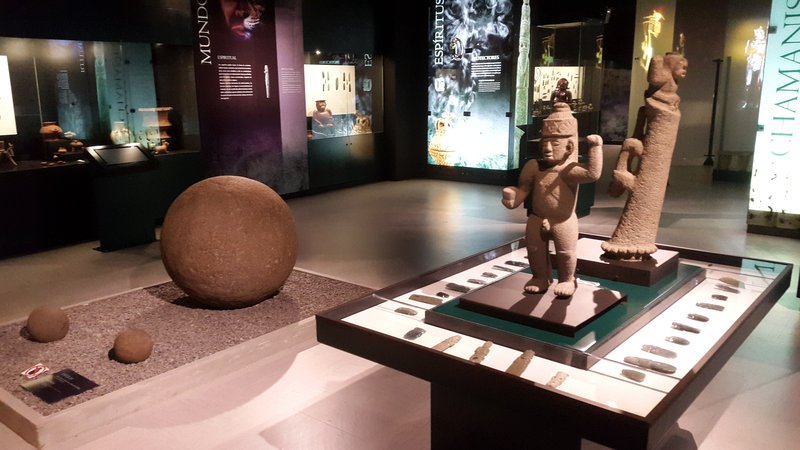
The national museum occupies a restored 1910 fortress whose exterior walls still bear bullet scars from the 1948 civil war. Exhibits cover pre-Columbian artifacts, colonial art, and natural history. The Plaza de la Democracia terrace outside overlooks downtown.
A five-story museum housing the world's largest collection of pre-Columbian jade artifacts. Exhibits span jade working, funerary objects, and regional trade from Mesoamerican cultures across 3,000 years. The rooftop terrace has panoramic views of the city.
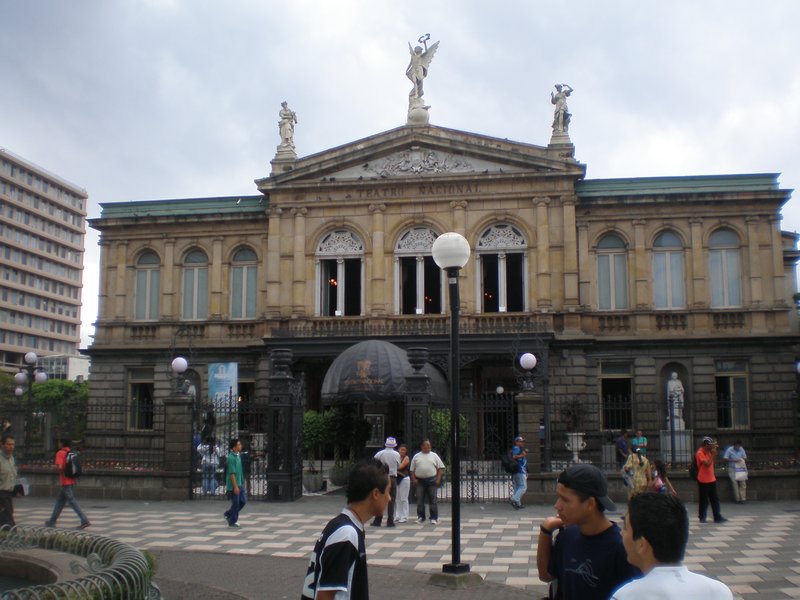
Costa Rica's national theater built in 1897 and funded by a coffee export tax. The ornate neoclassical exterior clad in Italian marble opens to a gilded interior with red velvet and painted ceiling murals. Daytime self-guided tours cover the full building.
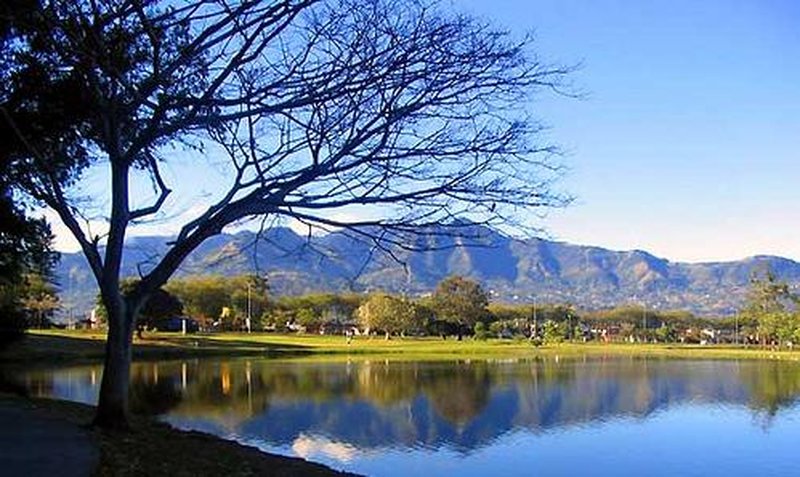
San José's largest urban park developed from the site of the original international airport. The 72-hectare grounds include lakes, jogging paths, football pitches, a national stadium, and the Museo de Arte Costarricense in the former terminal building.
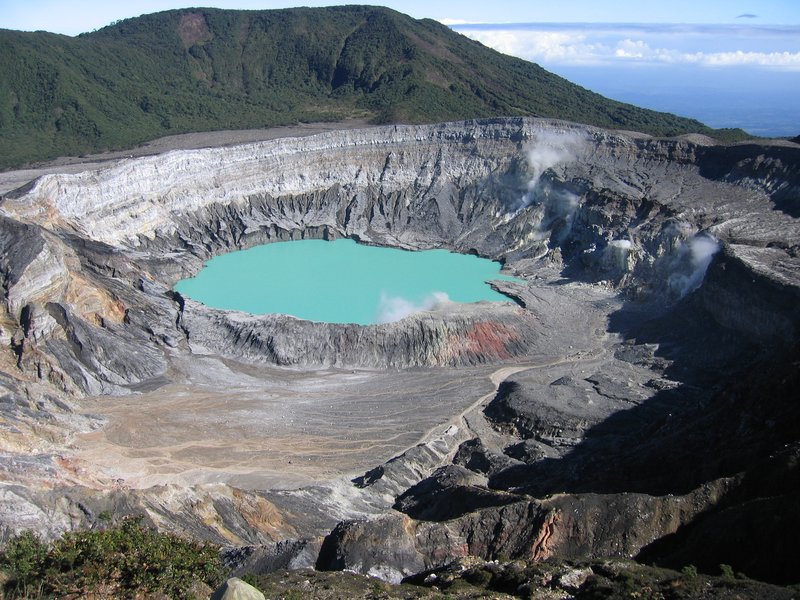
One of the world's most active volcanoes. A short walk from the parking area reaches the crater overlook where a 1.5 km acid-lake basin steams below. On clear mornings the turquoise crater lake is visible. The park also has cloud-forest trails and a cold-water crater at Laguna Botos.
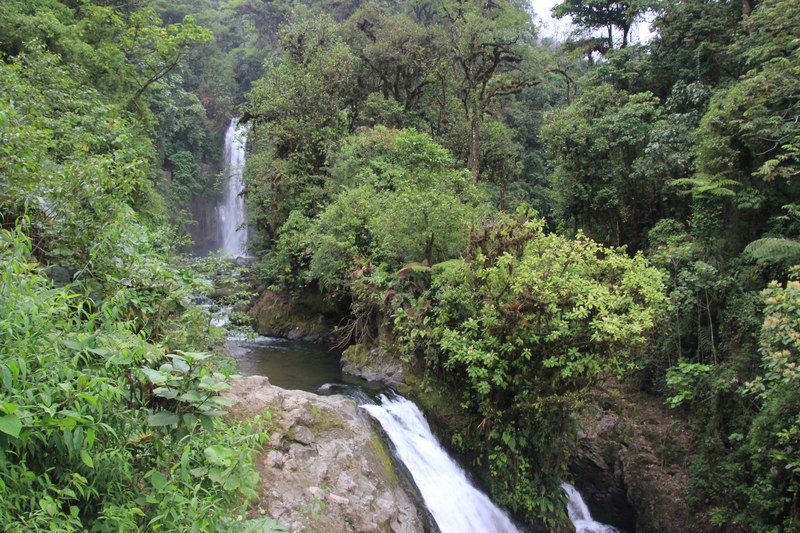
A 70-acre private reserve in cloud forest with five waterfall trails descending into river canyons. The reserve also houses a butterfly observatory, hummingbird feeders, jaguar enclosures, and a snake exhibit. The Five Falls trail descends 200 m through primary forest.
A rainforest river with Class II-III rapids suitable for families. Wildlife along the banks includes scarlet macaws, toucans, river otters, and crocodiles. Rafting operators run half-day guided trips with equipment and a riverside snack. Slower wildlife-float options are available.
A park covering 47,000 hectares of rainforest across four life zones. The Zurquí ranger station on Route 32 has accessible trailheads, canopy bridges, and waterfall viewpoints. Toucans, trogons, and howler monkeys are reliably spotted from the road.
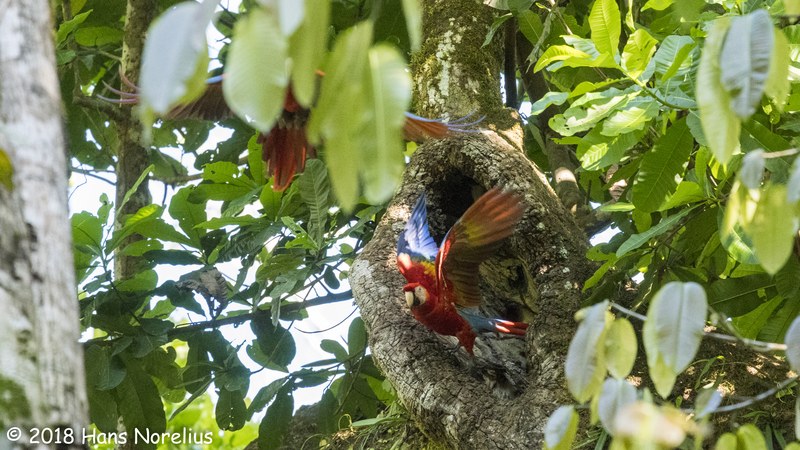
A transition-zone rainforest protecting the country's largest macaw colony. The Scarlet Macaw Trail is a 2.5 km loop where macaw flocks in the treetops are routinely seen. The park also holds howler monkeys, white-faced capuchins, and nesting crocodiles in the Tarcoles River corridor.
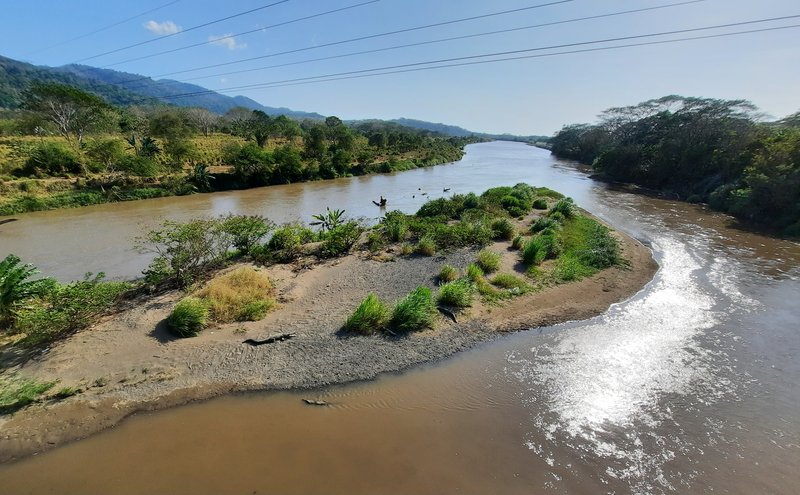
A highway bridge over the Tarcoles River where 10-20 American crocodiles are reliably visible sunbathing on the riverbanks directly below the railing. The crocodiles here are among the largest in Central America. Views are best in early morning before midday heat drives them into the water.
The port town adjacent to Manuel Antonio National Park. The waterfront fish market and central market are compact and walkable. Local restaurants on the main strip serve fresh Pacific catch at lower prices than the hotel zone.
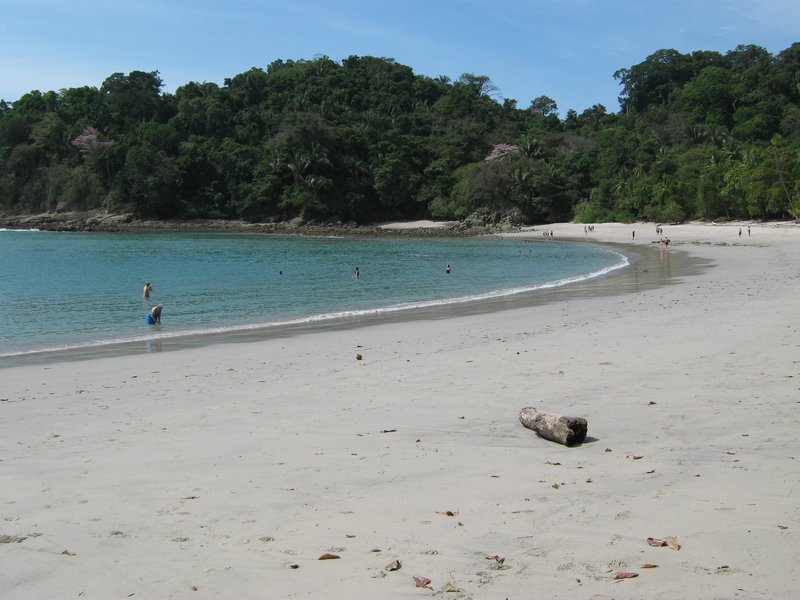
Costa Rica's most-visited park combines three white-sand beaches with a trail network through primary rainforest. Three-toed sloths, white-faced capuchins, and squirrel monkeys are encountered on nearly every visit. The main beach is backed directly by jungle canopy.
From Hotel: 3h 54min → Arenal Volcano National Park
1.Arenal Volcano National Park~2 hr
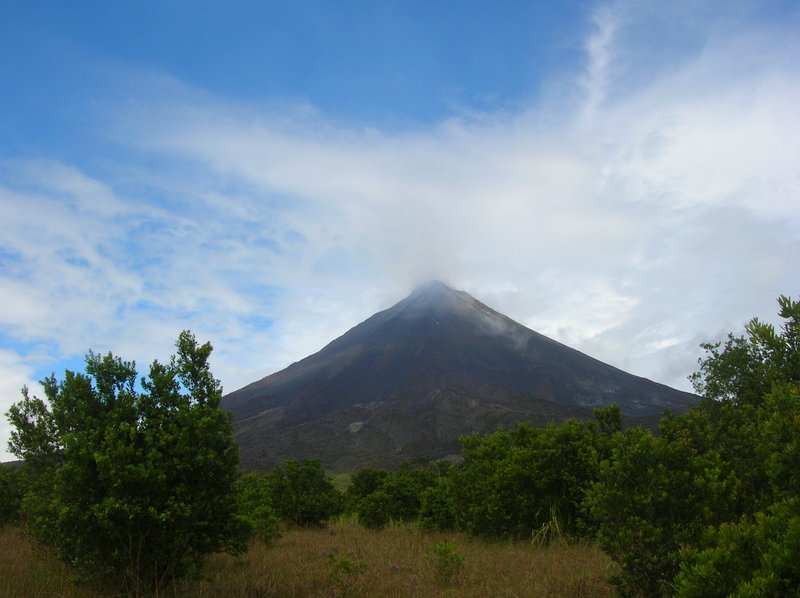
Costa Rica's most iconic active volcano, rising 1,670 meters above the Lake Arenal valley. A trail network circles the base through lava fields and secondary forest. The volcano last erupted in 2010; fumarolic activity continues and the cone is visible on clear mornings.
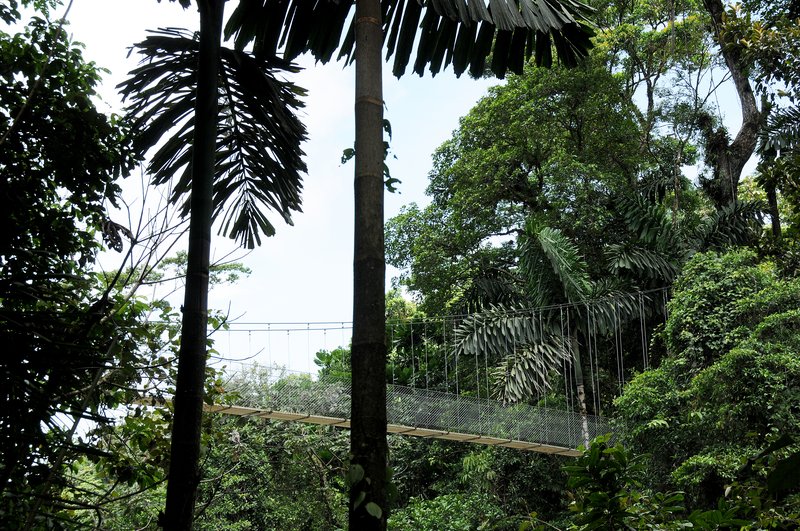
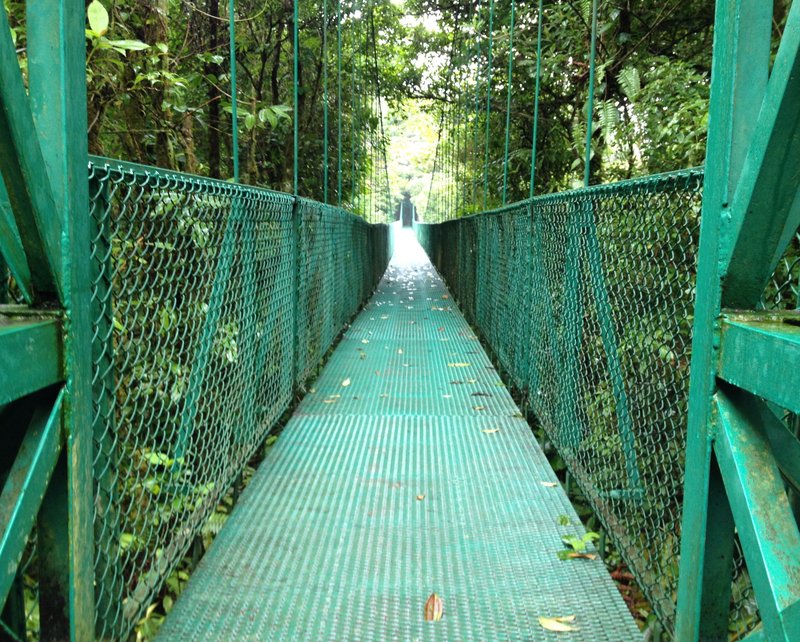
A 250-acre private reserve with 16 bridges — including 6 hanging bridges — strung above the canopy of primary rainforest. The walk covers roughly 3 km with Arenal Volcano visible on clear days. Resplendent quetzals and toucans are regularly spotted from the suspension spans.
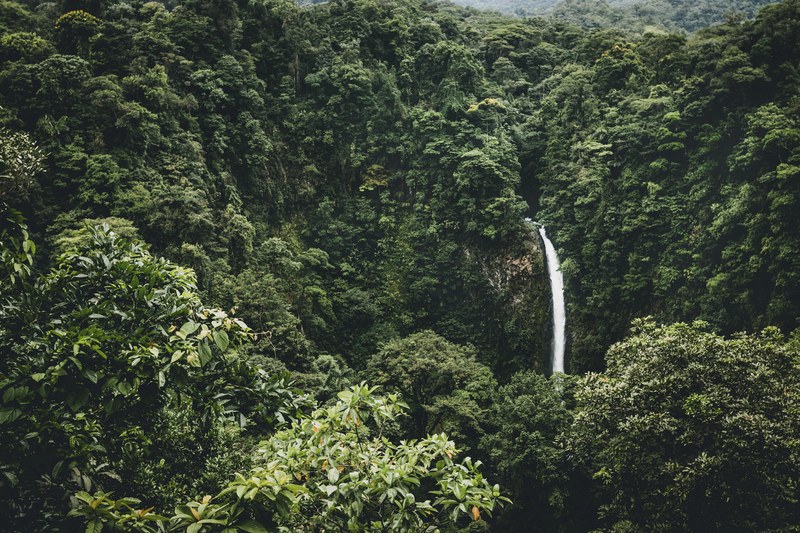
A 70-meter cascade fed by Arenal Volcano's slopes, dropping into a jade-colored pool surrounded by primary rainforest. A 530-step staircase descends to the base where swimming is permitted. The waterfall is privately managed with a maintained trail from the park entrance.
From Hotel: 3h 29min → Monteverde Cloud Forest Reserve
1.Monteverde Cloud Forest Reserve~2 hr 30 min
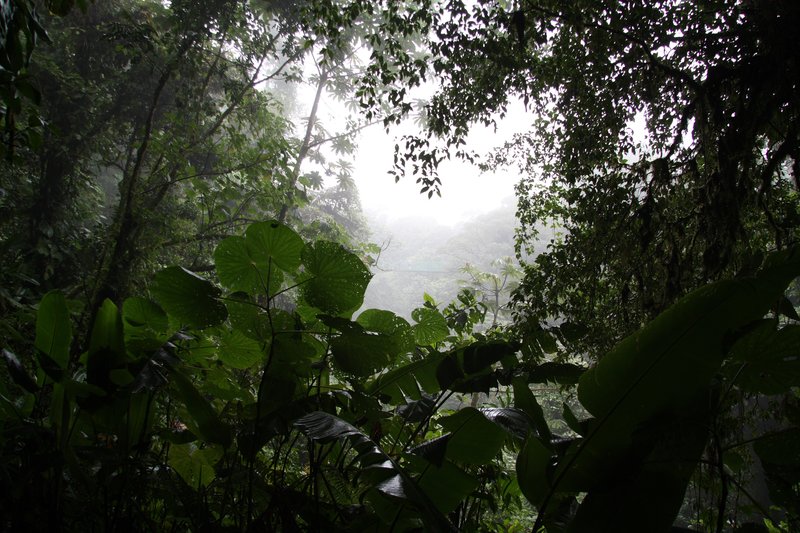
A 10,500-hectare private reserve protecting one of the world's most biodiverse cloud forests. Home to around 2,500 plant species, 400 bird species, and the world's highest concentration of orchids at a single site. Resplendent quetzals are regularly spotted in the cloud-forest canopy.
A private cloud-forest reserve bordering Monteverde with 18 bridges — 8 suspension — strung through primary forest. Hummingbird and butterfly gardens are on-site. The treetop walk covers roughly 3 km with views across the reserve and into the Gulf of Nicoya on clear days.
From Hotel: 1h 41min → Irazú Volcano National Park
1.Irazú Volcano National Park~1 hr 30 min
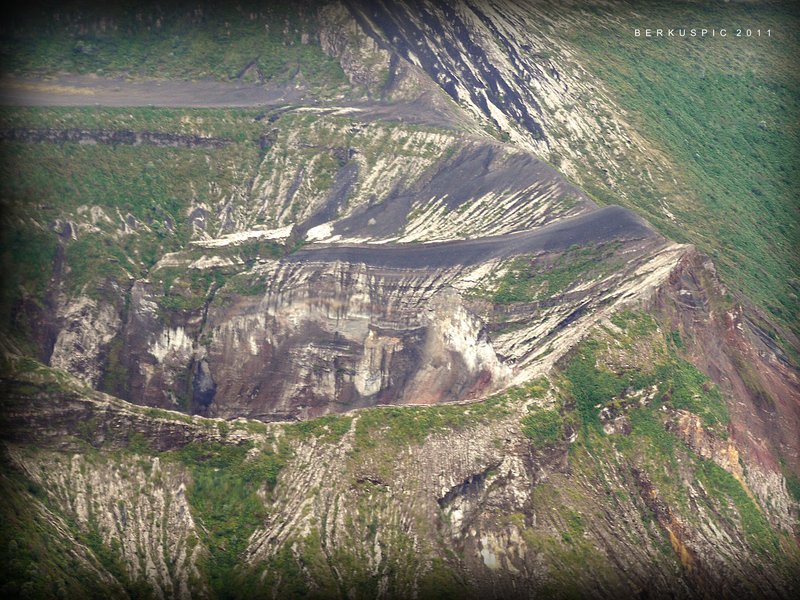
Costa Rica's highest active volcano at 3,432 meters, with a walk-up trail to the main crater and its acid-green lake. On clear days the crater rim offers views stretching to both the Pacific and Atlantic coasts. The lunar landscape of the caldera contrasts sharply with the lush páramo below.
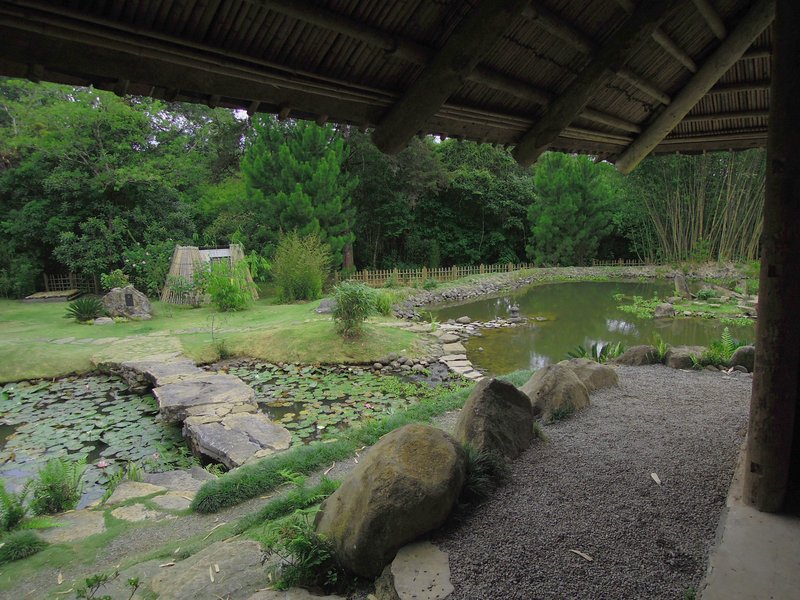
A University of Costa Rica research garden specializing in orchids, with over 800 species in collection. Japanese, bromeliad, and palm gardens supplement the orchid houses. The garden is affiliated with the UCR biology faculty and functions as an active research and conservation center.
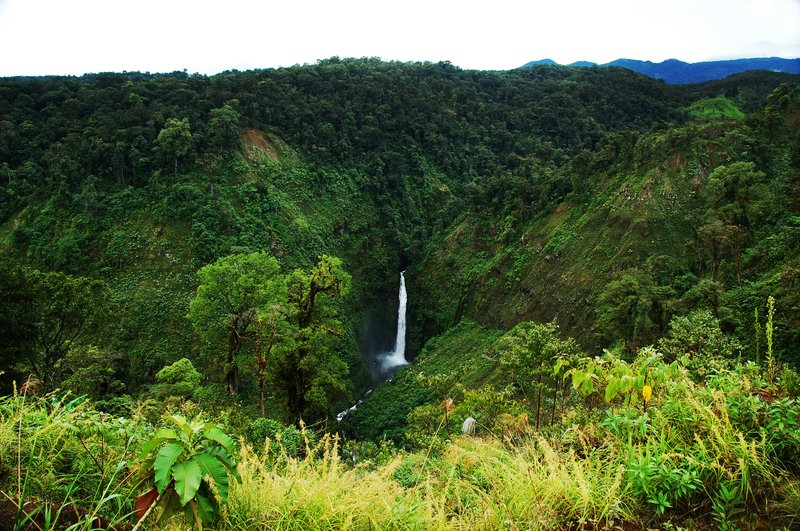
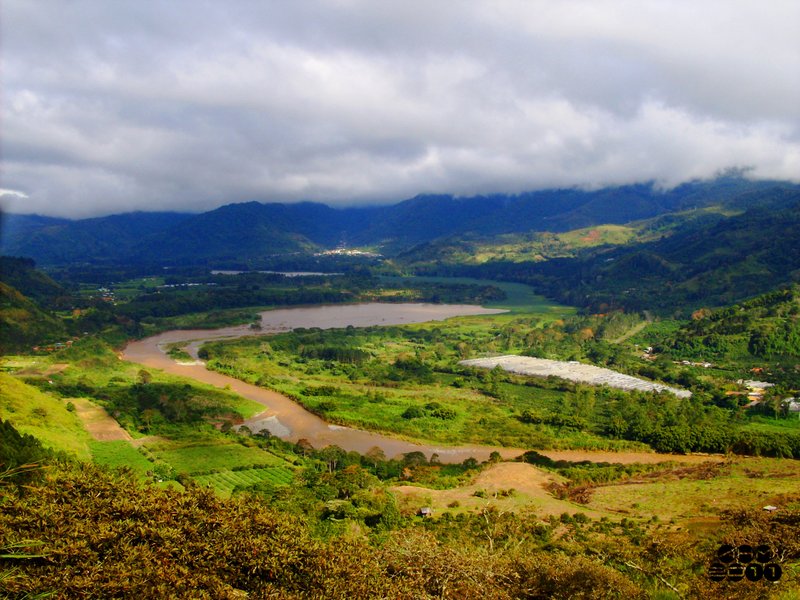
The rainiest national park in Costa Rica, covering 5,800 hectares of primary cloud forest in the Chirripó Massif. Trails follow the Orosí River through dense cloud forest with waterfalls and natural swimming holes. Wildlife includes resplendent quetzals, trogons, and river otters.
Half-day guided city tour covering Teatro Nacional, Museo Nacional, the Legislative Assembly, and downtown plazas. Museum entrance included. Small group with bilingual guide.
Foreign number: accepted. — it runs on the same Uber account, so the code comes by SMS to any international number, with a voice call as the fallback.
The widest restaurant list in the capital, from Escalante's sodas to the La Sabana chains, and the quickest delivery to the Hilton's door. Coverage is solid across San José and Escazú but stops at the city's edge; prices are in colones with a card or Uber Cash.
Foreign number: not required. — it signs in with Google, Facebook or email, and a phone sign-up takes any prefix with the code by SMS or WhatsApp.
The easiest to set up without a local number and the one with the most supermarkets and pharmacies on it — handy for water and sunscreen before a volcano day. Its restaurant list is shorter than Uber Eats' and delivery fees climb outside the centre.
Foreign number: accepted. — it runs on the same DiDi account, so the code comes by SMS to an international number, with a voice call as the fallback.
Cheapest fees of the three and frequent coupons, with most of the same chains and sodas as Uber Eats in the centre; the list thins quickly in the suburbs and couriers are fewer late at night. Worth a look for a discounted lunch, not the one to rely on at 11pm.
Foreign number: accepted. — the code comes by SMS to any international number, and "Call me with code" reads it out if the SMS is blocked.
The most reliable way around San José — cars reach La Sabana in a few minutes and fares across the centre run a fraction of a taxi's. It is technically unregulated here, so drivers may ask you to sit up front; thin outside the capital and useless for Poás, Arenal or Monteverde, which are tour or rental-car ground.
Foreign number: accepted. — the code comes by SMS to an international number, and the app offers a voice call if the text does not arrive.
Usually a little cheaper than Uber in San José and a useful second app when Uber surges after dark or in the rain; driver numbers are thinner west of La Sabana, so waits can stretch in Escazú. Same unregulated footing as Uber, so a front-seat request is normal.
The bullet-scarred building holding Costa Rica's national museum used to be the country's military headquarters — the Cuartel Bellavista, where government troops fought during the 1948 civil war. After the war, the victorious junta leader José Figueres Ferrer didn't just disband the military on paper; he swung a sledgehammer into one of the fortress's own battlements in a symbolic ceremony marking the army's abolition, then handed the building over to become the National Museum. Costa Rica has had no standing army since, and the fortress that once housed one now houses pre-Columbian jade and colonial art instead.
Teatro Nacional exists because of a snub. In 1889, the celebrated opera singer Adelina Patti turned down an invitation to perform in San José, citing the lack of a venue worthy of her — there was nowhere in the city fit to put her on a stage. Offended, the country's coffee-export barons taxed themselves on every sack of coffee leaving the country to fund a theater grand enough that no touring star could refuse it again. The tax was designed to disappear once the building was finished; the marble-clad theater it paid for opened in 1897 with a full opera production, and Costa Rica has never lacked a stage since.