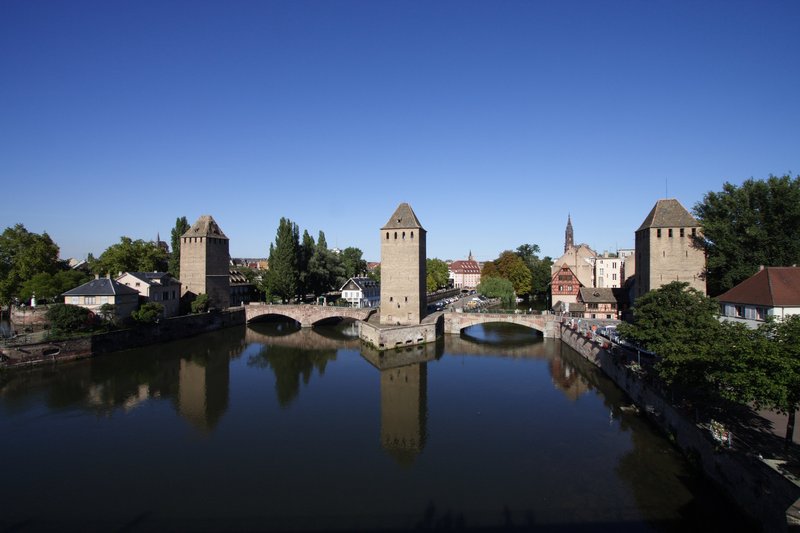
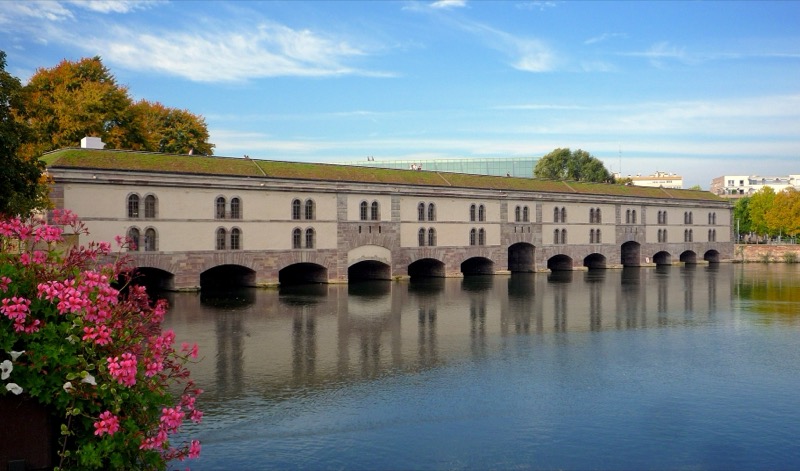
A line of three medieval bridges guarded by four square watchtowers, survivors of Strasbourg's old ramparts at the western tip of the Grande Île. The towers and weirs frame the canals of Petite France — the classic view is from the terrace of the Barrage Vauban just behind them.
3 min · 2 min → MAMCS – Musée d'Art Moderne et Contemporain
2.MAMCS – Musée d'Art Moderne et Contemporain~1 hr 30 min
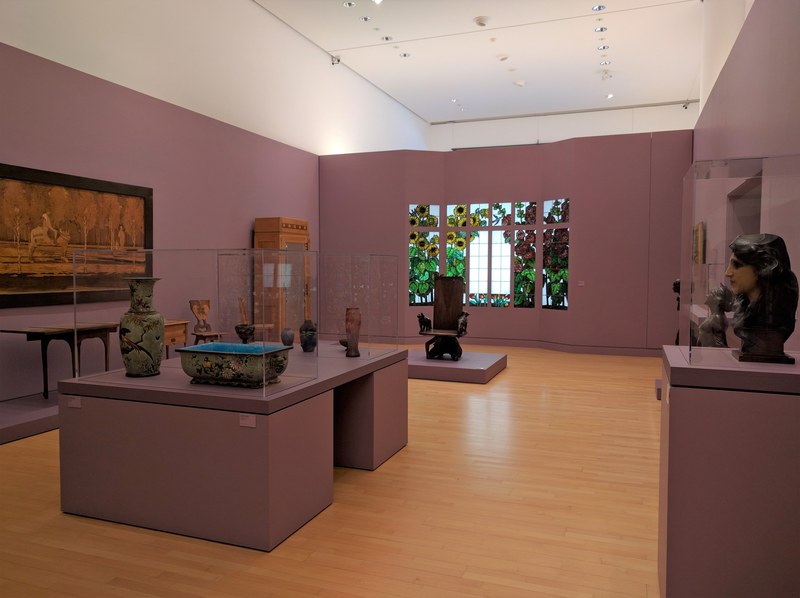
Strasbourg's museum of modern and contemporary art in a glass-and-steel building on the Ill near the Ponts Couverts. Its permanent collection covers 18,400 works from 1870 to the present — paintings, sculpture, graphic art, photography, and design.
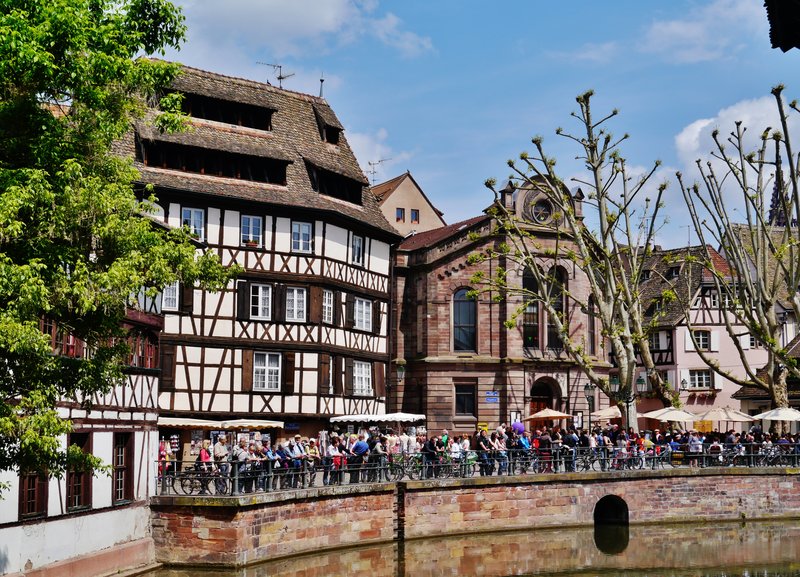
The most picturesque quarter of the Grande Île — a maze of cobbled lanes and canals lined with half-timbered tanners' and millers' houses, their steep roofs once used for drying hides. Flower-decked bridges and waterside terraces make it Strasbourg's postcard.
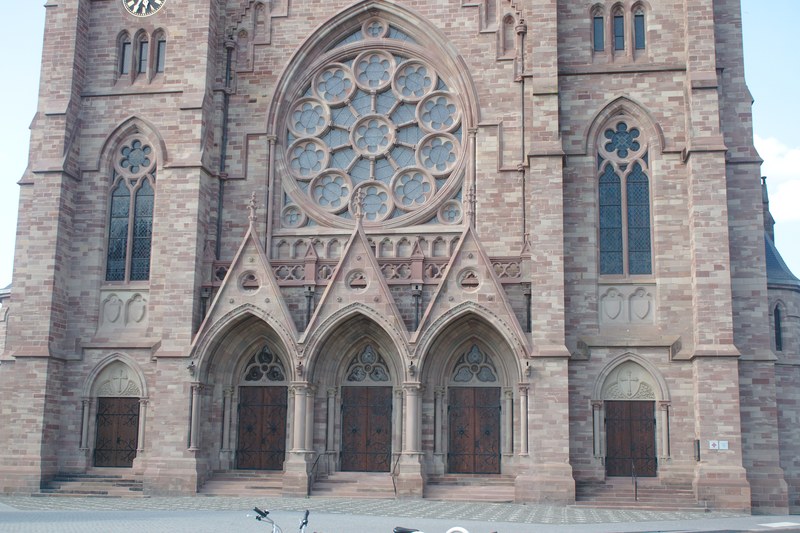
A soaring neo-Gothic church of pink Vosges sandstone, built as the garrison church for the German imperial army. Its twin 76-metre spires rise straight from the river Ill on the tip of an island, mirrored in the water — one of the Neustadt's most photographed silhouettes.
The monumental centrepiece of the Neustadt, the German imperial quarter now UNESCO-listed alongside the Grande Île. A circular garden of ginkgo and magnolia is ringed by grand Wilhelmine palaces — the Palais du Rhin, the National Library, and the Théâtre National.
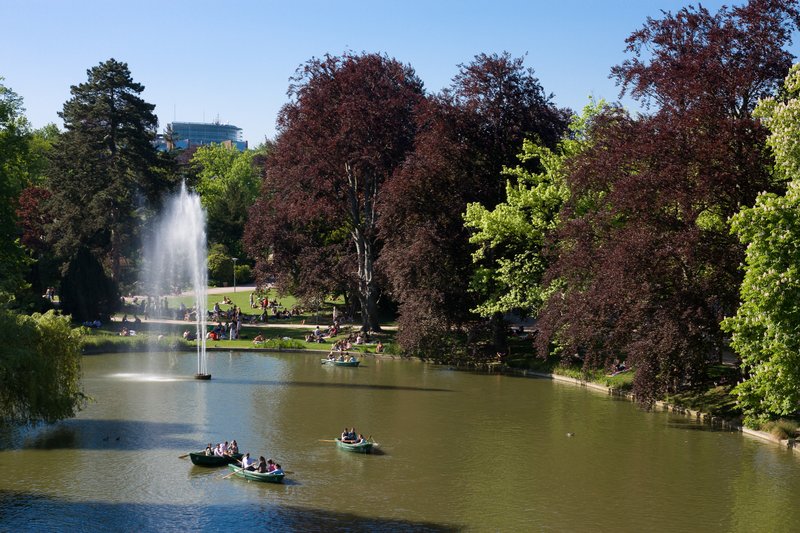
Strasbourg's oldest and largest park, landscaped around the Pavillon Joséphine. Shaded alleys lead to a lake with rowing boats, a waterfall, and a free-roaming stork enclosure — the bird that has been Alsace's emblem for centuries. A green finish beside the European quarter.
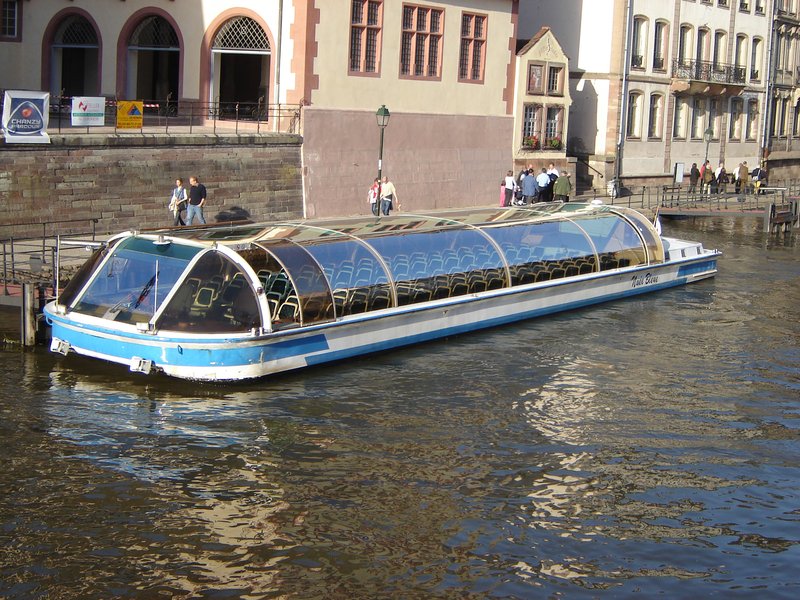
A 70-minute cruise on the river Ill — the classic way to see Strasbourg. Glass-roofed boats leave the Palais Rohan landing, drop through the lock of Petite France, and glide past the German-era Neustadt and the European institutions, with multilingual audio commentary throughout.
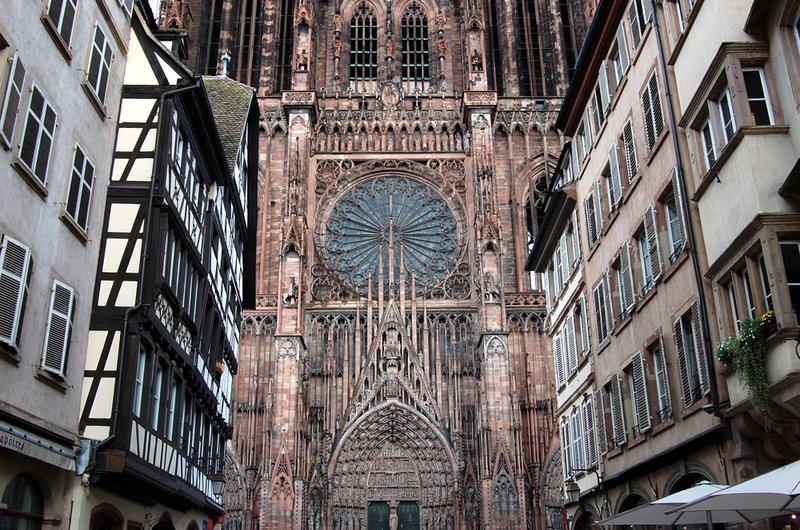
One of the great Gothic cathedrals of Europe. Its single 142-metre spire made it the tallest building in the world for over two centuries, and the carved west front, rose window, and Renaissance astronomical clock are unmissable. A 332-step climb reaches the rooftop platform over the Grande Île.
A museum of Upper Rhenish art from the early Middle Ages to 1681, housed in Gothic and Renaissance buildings at the foot of the cathedral. Holdings include original cathedral sculptures, medieval stained glass, goldwork, and the portal figures of Ecclesia and Synagoga.
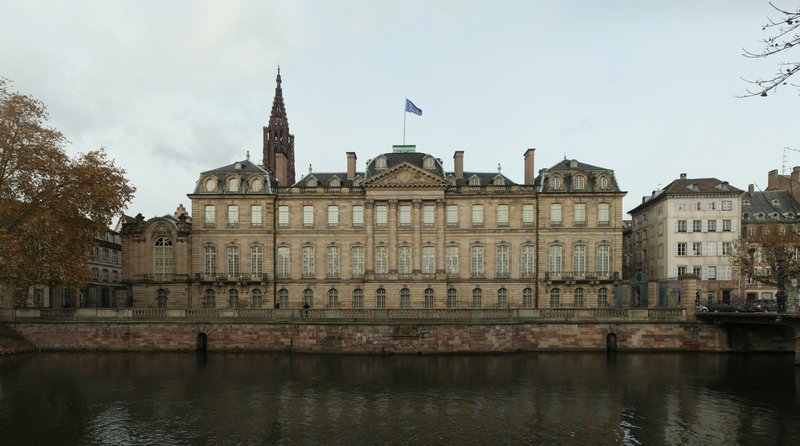
An 18th-century episcopal palace built between 1731 and 1742 for the prince-bishops of Strasbourg. It houses three museums — the Musée Archéologique, the Musée des Arts Décoratifs with royal apartments, and the Musée des Beaux-Arts with European paintings from Giotto to El Greco.
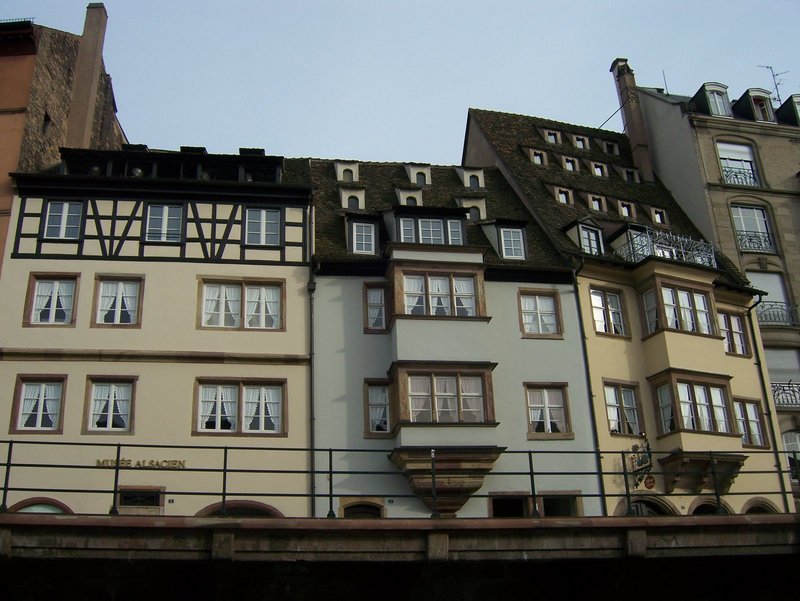
A museum of Alsatian folk culture in 17th-century half-timbered houses on the Quai Saint-Nicolas. Galleries cover daily life across rural and urban Alsace — furniture, ceramics, textiles, toys, and traditional interiors reconstructed across three linked courtyards.
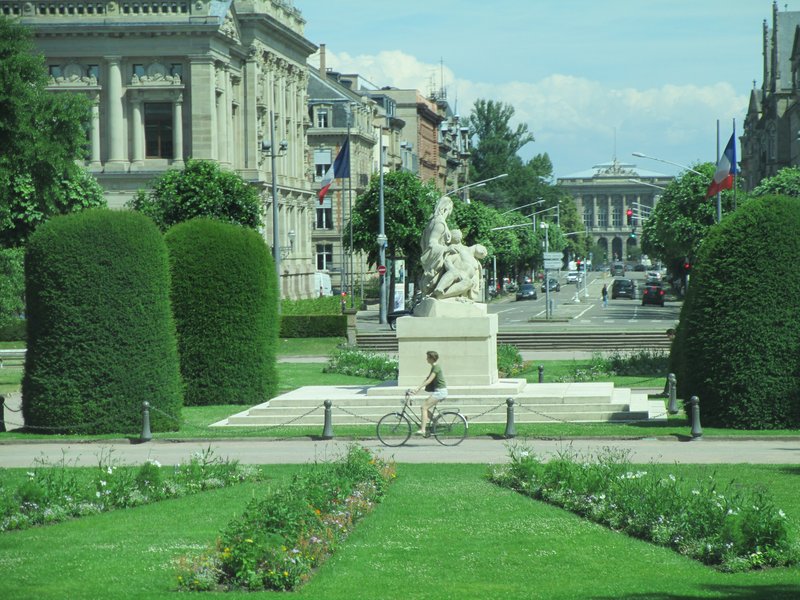
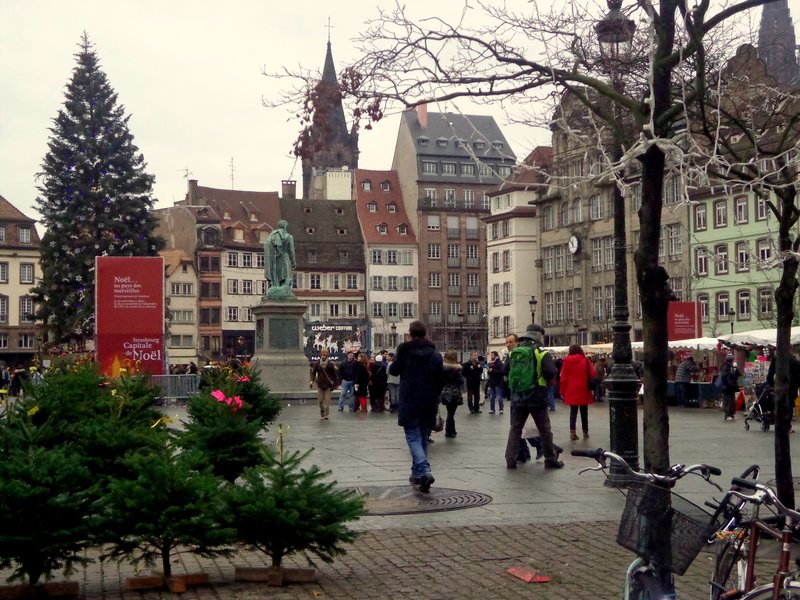
Strasbourg's largest square and civic heart, ringed by elegant facades and anchored by the neoclassical Aubette. A statue of the Strasbourg-born General Kléber stands at its centre, and in summer the open plaza fills with cafés, markets, and events.
A 17th-century weir designed by Vauban to flood the plain in case of siege. The structure shelters a gallery of medieval cathedral sculptures. Its rooftop terrace gives the classic panoramic view over the Ponts Couverts and the Petite France rooftops.
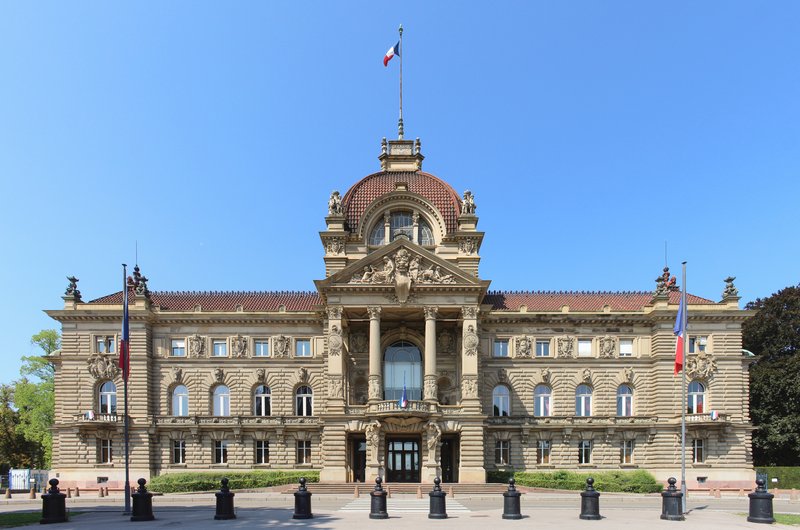
A monumental Wilhelmine palace on Place de la République, completed in 1889 as the imperial residence for Kaiser Wilhelm II. Its neo-Renaissance sandstone facade anchors the Neustadt, listed alongside the Grande Île as a UNESCO World Heritage site.
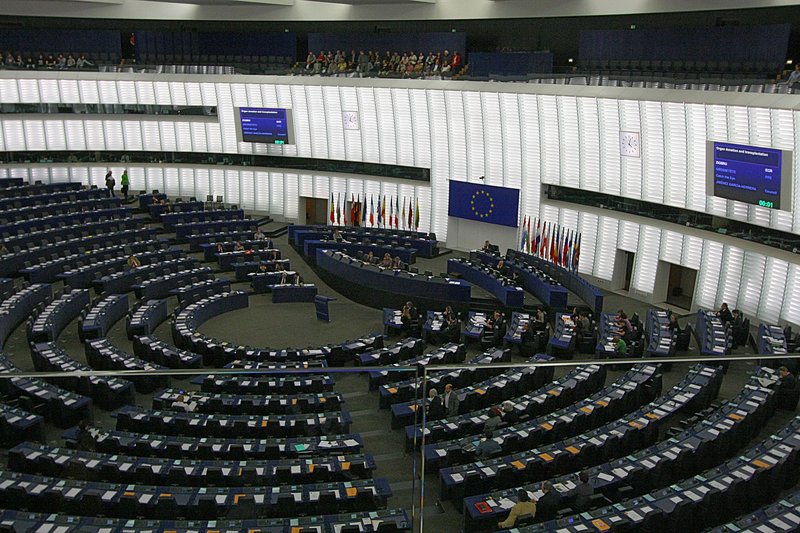
The Louise Weiss building is the main seat of the European Parliament, where MEPs vote during monthly plenary sessions. The visitor centre covers the EU's history and workings, and visitors can observe the hemicycle from the public gallery during session weeks or via guided access outside them.
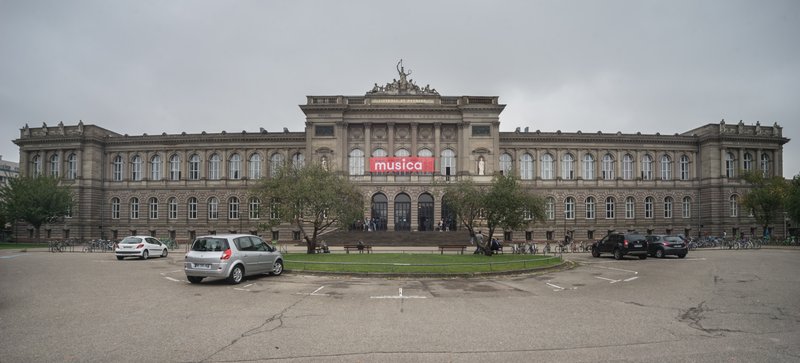
The main building of the University of Strasbourg, built between 1879 and 1884 under the German imperial administration. Its neo-Renaissance sandstone facade on Place de l'Université is one of the Neustadt's key landmarks, flanked by lecture halls and the main university library.
A 2½-hour walk through Strasbourg's history — the great squares, the Petite France and Tonneliers quarters, and the city's key monuments, with a guide weaving in stories, curiosities, and tips on where to eat.
A full day across the Rhine into Germany's Black Forest — the cuckoo-clock town of Triberg with its waterfalls, the deep-blue Titisee lake, and the medieval university city of Freiburg, all by small-group minibus.
Half-day small-group tour along the Alsace Wine Route visiting charming villages and stopping at two family wineries for guided tastings of Riesling, Gewurztraminer and Crémant. Max 8.
Full-day small-group tour along the Alsace Wine Route visiting Mittelbergheim, Dambach-la-Ville, Ribeauvillé and Riquewihr with tastings at three wineries — Riesling, Gewurztraminer and Crémant d'Alsace. Max 8.
A 3½-hour Alsatian food walk through Strasbourg's streets — tasting choucroute, tarte flambée, Kougelhopf, Alsatian cheese and local wine across at least 4 stops, guided by a local expert in French culinary history.
Full-day small-group wine tour visiting Dambach-la-Ville, Ribeauvillé, Mittelbergheim and Riquewihr with three winery stops and guided tastings of the Alsace varietals — Gewurztraminer, Riesling and Pinot Gris. Max 8.
Small-group walking tour of Strasbourg's Grande Île — Cathedral, La Petite France, the tanners' quarter — covering the city's architecture, history and Franco-German identity over 2 hours.
Full-day small-group tour from Strasbourg to Colmar's Little Venice, the walled village of Riquewihr, Eguisheim and Château du Haut-Koenigsbourg, with castle admission included. Max 8.
Full-day small-group tour from Strasbourg visiting Colmar's Little Venice, the walled village of Riquewihr and Château du Haut-Koenigsbourg, with castle admission and an English-speaking guide. Max 8.
Full-day convertible minibus tour from Strasbourg to Haut-Koenigsbourg Castle, Riquewihr, Kaysersberg and Colmar's Little Venice district — with castle admission, Wi-Fi and multilingual audio guides. Max 19.
Full-day small-group tour visiting three Alsatian wineries with a guide for tastings of Gewurztraminer, Riesling and Muscat, plus stops in medieval villages along the Wine Route. Max 8.
Compact guided walking tour introducing Strasbourg's essential sights — Cathedral, Petite France, the old Tanners' and Fishmongers' quarters — in a well-paced 2 hours with a knowledgeable local guide. Small group.
Foreign number: accepted. — it runs on the same Uber account as the ride app, so no second code has to arrive.
Good coverage across Strasbourg's city centre, Grande Île and the Krutenau quarter; strong on international and fast-casual options alongside French classics. Reliable for hotel delivery within 25–35 minutes on most central routes.
Foreign number: not required. — sign-up runs on Google, Apple, Facebook or email with no phone field at all, so no verification code has to arrive.
Well-regarded UK-founded platform with a curated restaurant selection in Strasbourg; tends toward mid-range brasseries, sushi spots and popular local chains. Useful for evenings when returning late from a day trip to the Vosges.
Foreign number: accepted. — the code comes by SMS to any international number, and "Call me with code" reads it out if the SMS is blocked.
Primary ride-hailing option in Strasbourg with upfront fares confirmed before booking; covers the city centre, Grande Île and both banks of the Rhine. A practical supplement to the tram network for late-night returns from the Petite France or Orangerie areas.
Historic Renaissance town with one of Europe's great humanist libraries and the gateway to the hilltop Haut-Koenigsbourg castle and the Wine Route villages.
A walled wine town on the Route des Vins — ramparts, a belfry, and a market square of flower-decked Alsatian houses, all a short walk to the old centre.
Strasbourg has spent its whole history on a seam. Its cathedral spire was the tallest structure on Earth for well over two centuries, and beneath it Gutenberg spent his Strasbourg years tinkering with the movable type that would remake the world — a fitting birthplace for a city that has always been a crossing point of ideas as much as of rivers.
What makes the two days fit together is the layering. Day 1 is the French Grande Île — half-timbered, intimate, medieval. Day 2 is the Neustadt, the monumental quarter Germany built to stamp its own grandeur onto the city. UNESCO now lists them together, two empires' visions of the same place side by side, which is why the European Parliament chose Strasbourg as its seat: a city fought over so often it became the natural home for reconciliation.