From Hotel: 10 min · 8 min → Alexander Nevsky Cathedral
1.Alexander Nevsky Cathedral~30 min
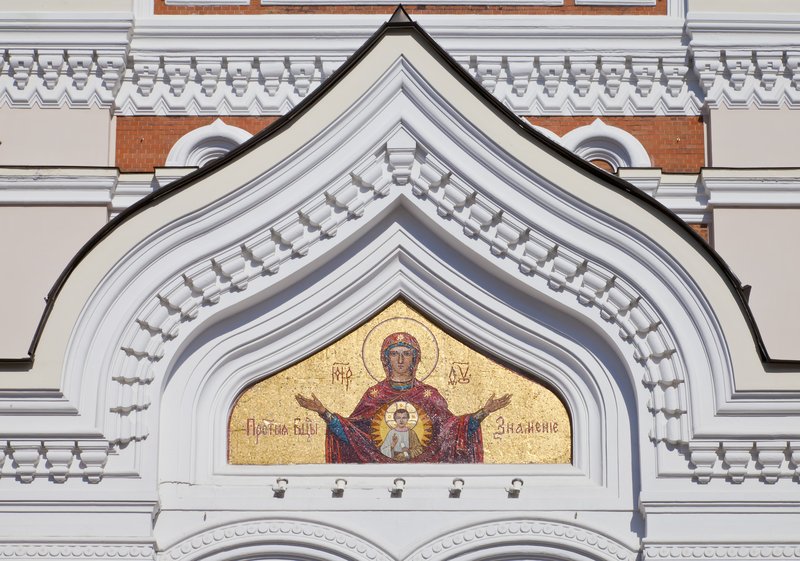
Tallinn's largest and most ornate Orthodox cathedral, crowned with black onion domes and a wall of bells. Built 1894–1900 atop Toompea hill, its mosaic-and-icon interior is a deliberate counterpoint to the Lutheran Old Town below.
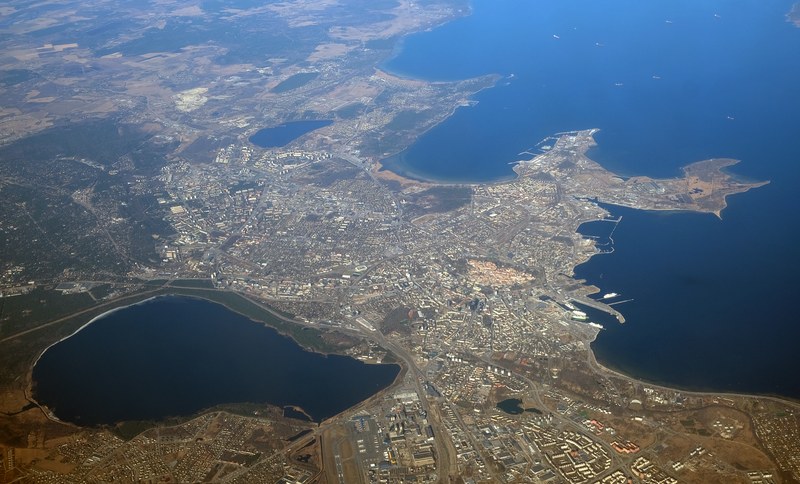
The postcard view of Tallinn: a railed terrace on Toompea's edge looking over the red-tiled roofs, spires and medieval wall of the Lower Town to the harbour and bay beyond. Best in soft morning or late-afternoon light.
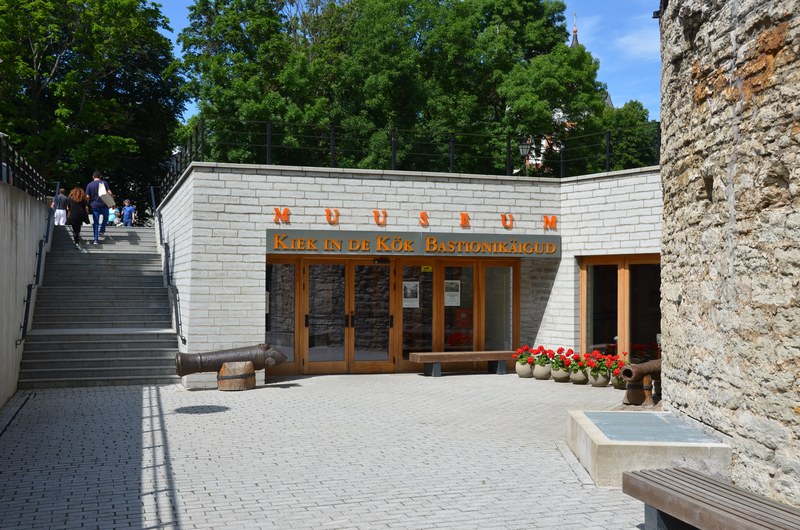
A 38-metre artillery tower from 1475 whose walls still hold 16th-century cannonballs. Six floors of fortification history connect underground to the Bastion Passages — cool stone tunnels dug beneath the ramparts.
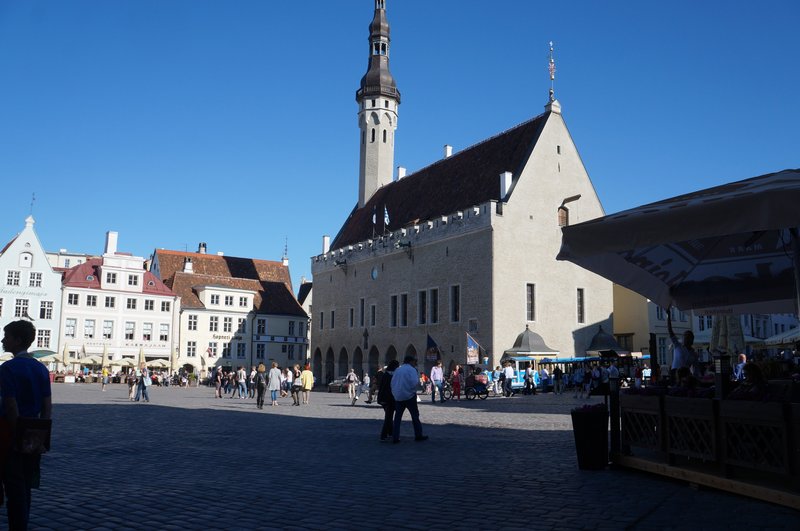
The heart of the Lower Town for eight centuries — a cobbled square ringed by pastel merchant houses and anchored by the Gothic Town Hall, the only surviving Gothic town hall in Northern Europe. Café terraces by day, festivals and markets by season.
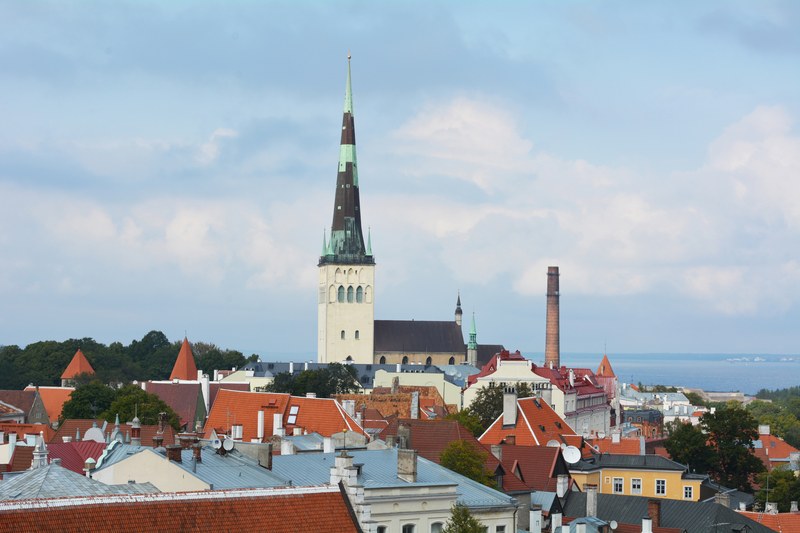
Once reputedly the tallest building in the world, this medieval church spire still defines Tallinn's skyline. A tight 258-step climb up the tower opens onto a narrow gallery with a sweeping 360° view over the Old Town and the sea.
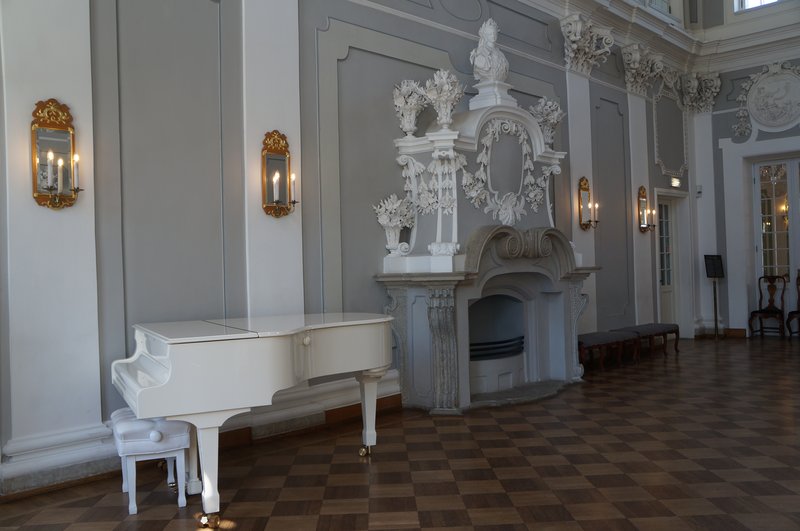
A rose-and-white Baroque palace begun in 1718 by Peter the Great for Catherine I, set in formal flower gardens and a wooded park. Inside, the Kadriorg Art Museum hangs Western European and Russian paintings beneath a lavish ceremonial hall.
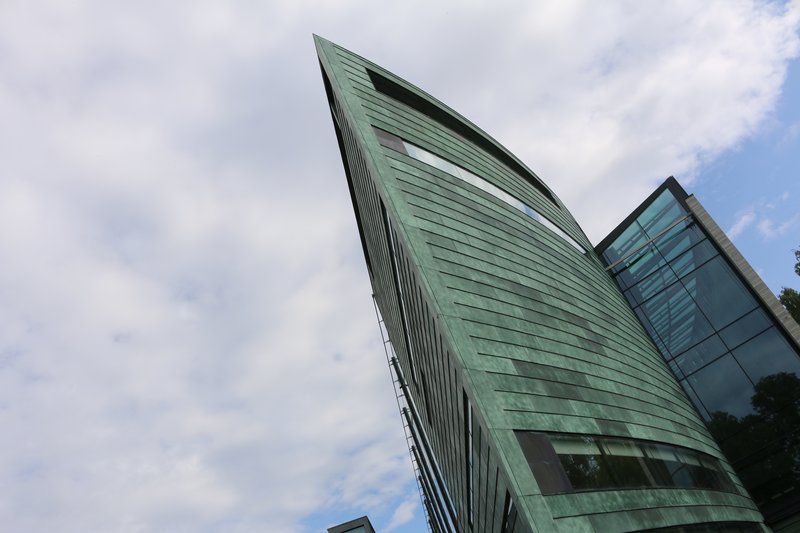
The main building of the Art Museum of Estonia and the country's flagship gallery — a sweeping limestone-and-glass structure carved into the Lasnamäe escarpment, named European Museum of the Year in 2008. Estonian art from the 18th century to today.
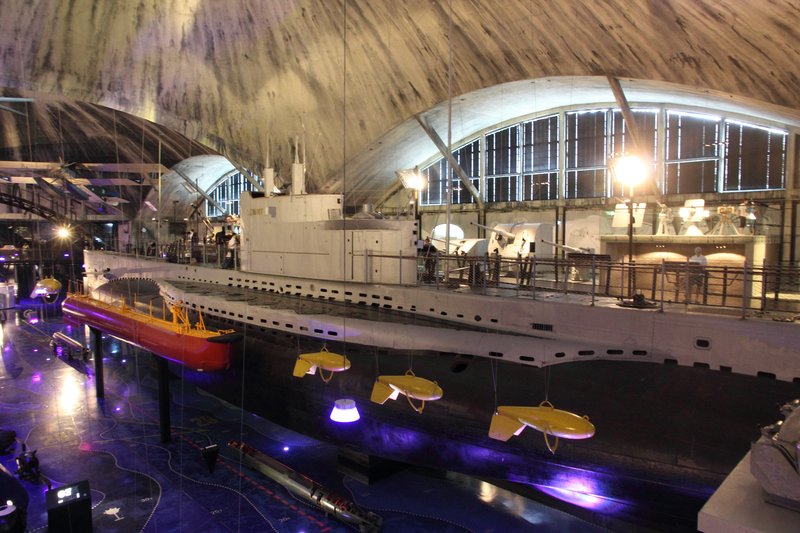
The Estonian Maritime Museum set inside vast 1917 seaplane hangars — pioneering thin-shell concrete domes. Walk the deck of the British-built 1937 submarine Lembit, board ships and a replica Short 184 seaplane, and explore on three levels: sky, sea and underwater.
From Hotel: 7 min · 3 min → St. Nicholas Church · Niguliste Museum
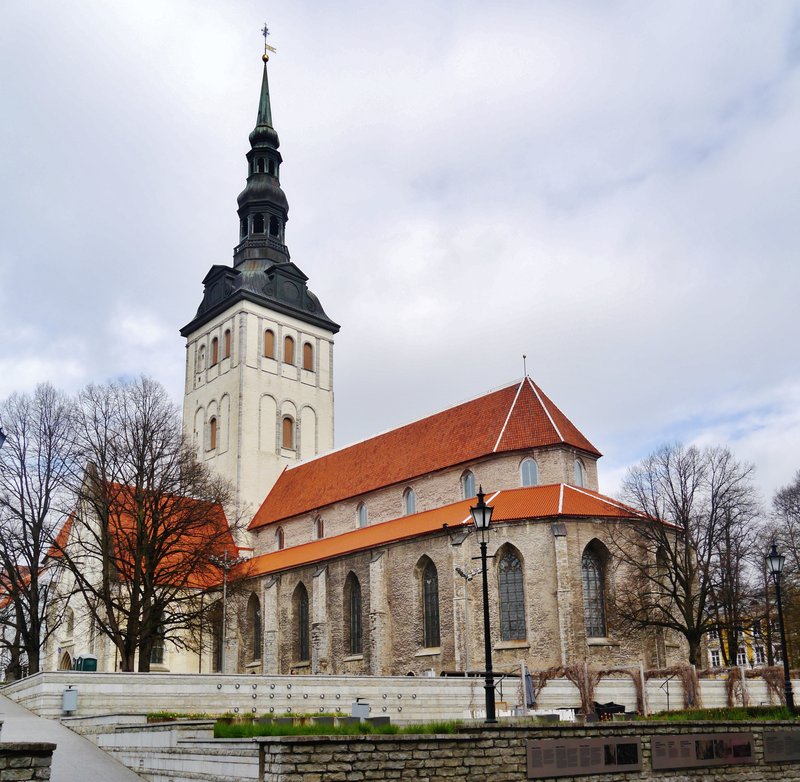
1.St. Nicholas Church · Niguliste Museum~1 hr
A 13th-century Gothic merchants' church operating as the Niguliste Museum, home to Estonia's most important collection of medieval ecclesiastical art. The centrepiece is Bernt Notke's Dance of Death — a 7.5-metre fragment of a late-15th-century painting, one of the rarest surviving examples in Europe.
A Dominican friary documented from 1246, partially surviving the 1524 Reformation destruction. The cloister, refectory, and chapter house ruins stand open to the sky; a lapidarium in surviving vaulted spaces holds Estonia's finest collection of medieval carved stonework.
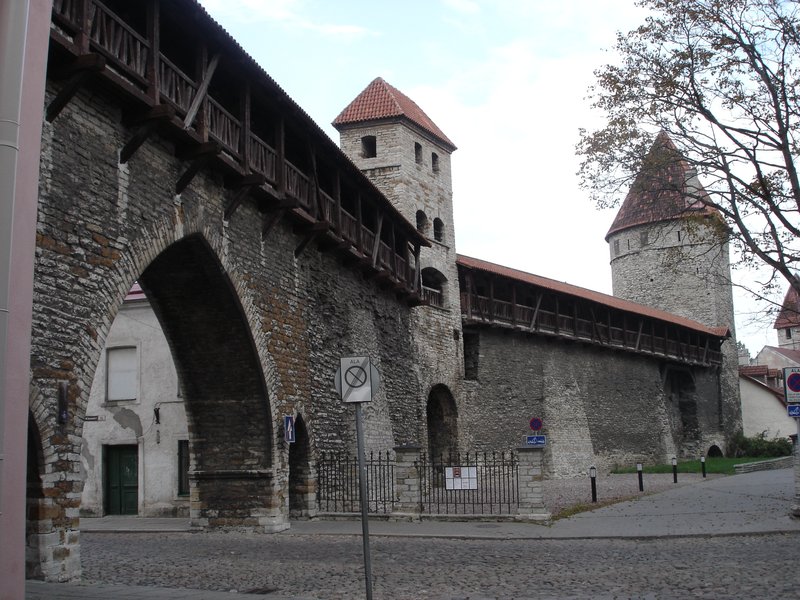
The most intact medieval city wall in the Baltic — 1.9 km of the original 2.35 km circuit still stands, with 26 of the original 46 towers surviving. The Hellemann Tower and the wall-walk section on Müürivahe Street offer a rampart stroll and connected tower interior.
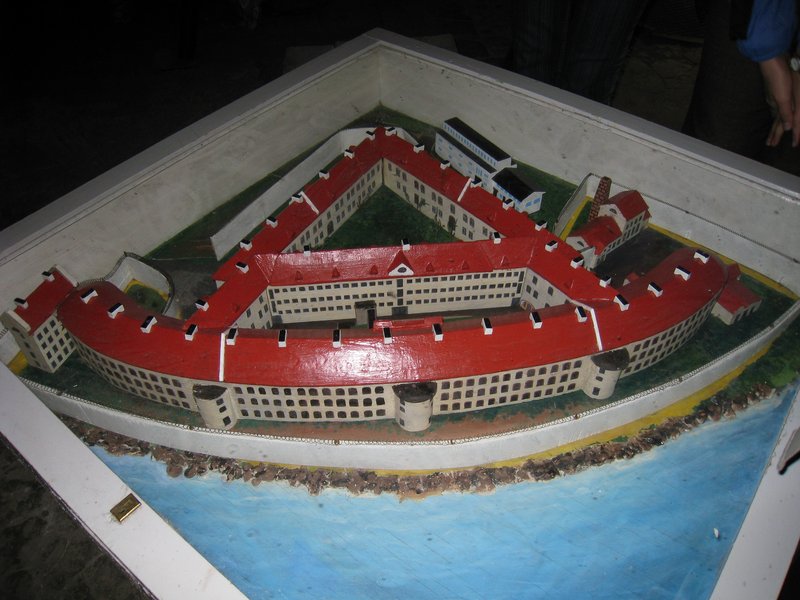
A Tsarist-era sea fortress built in the 1820s that served as a prison from the interwar period through 2002 — first under Soviet occupation, then independent Estonia. The brick complex stands largely unchanged, with preserved cells, a hospital block, and execution rooms open for self-guided visits.
From Hotel: 13 min · 7 min → Vabamu Museum of Occupations and Freedom
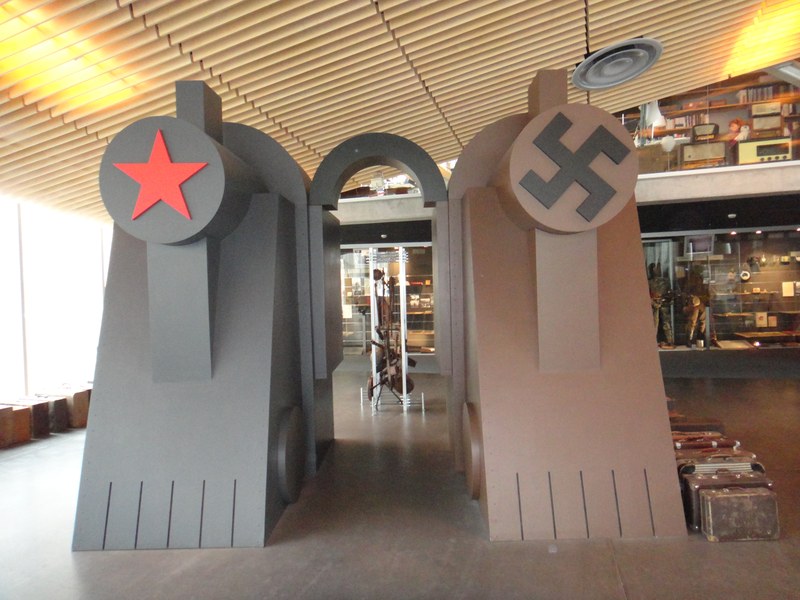
1.Vabamu Museum of Occupations and Freedom~1 hr 30 min
Estonia's foremost museum of the Soviet and Nazi occupation periods — five themed galleries tracing 1940–1991 through personal stories and artefacts. The permanent exhibition covers deportations, everyday life under occupation and the Singing Revolution that ended Soviet rule.
The basement cells of the former KGB headquarters at Pagari 1 — nerve centre of Soviet secret police operations in Estonia from the 1940s to 1991. Original interrogation rooms, solitary cells and holding areas are preserved as 'Locked Up Stories', tracing the fates of Estonians detained here.
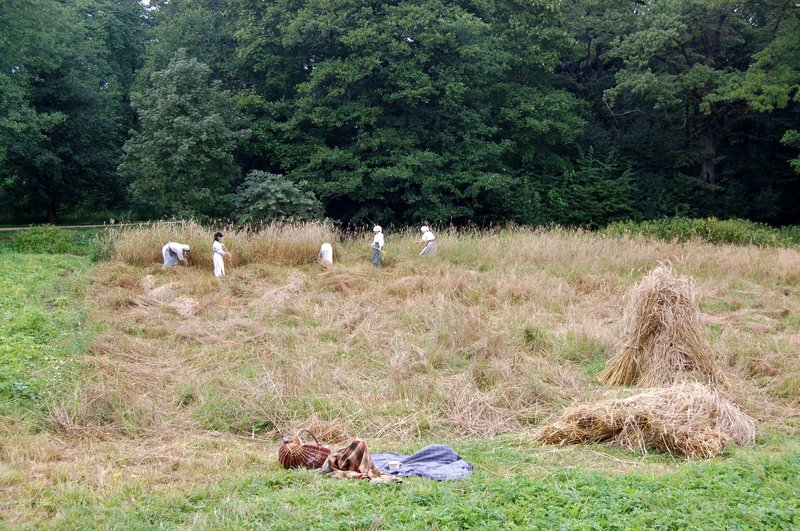
A 72-hectare open-air museum on the shores of Kopli Bay with 74 original rural buildings relocated from across Estonia — thatched farmsteads, a working windmill, a fishermen's village and an 18th-century manor. Buildings are staffed in summer with craftspeople demonstrating traditional trades.
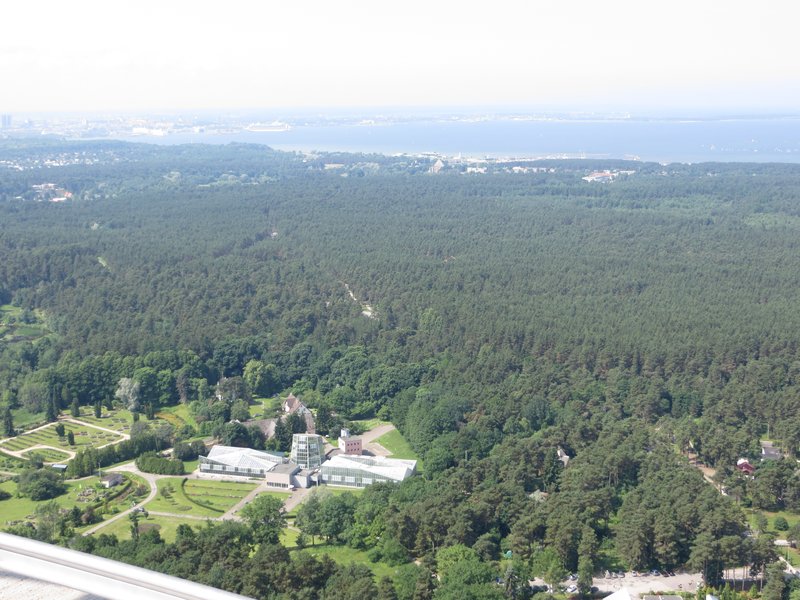
A 314-metre tower built for the 1980 Moscow Olympics sailing regatta at Pirita, with a glass-floor observation deck at 175 metres offering panoramic views over the Old Town and Baltic coast. The tower played a symbolic role in 1991 when Estonian workers defied Soviet orders to hand it over.
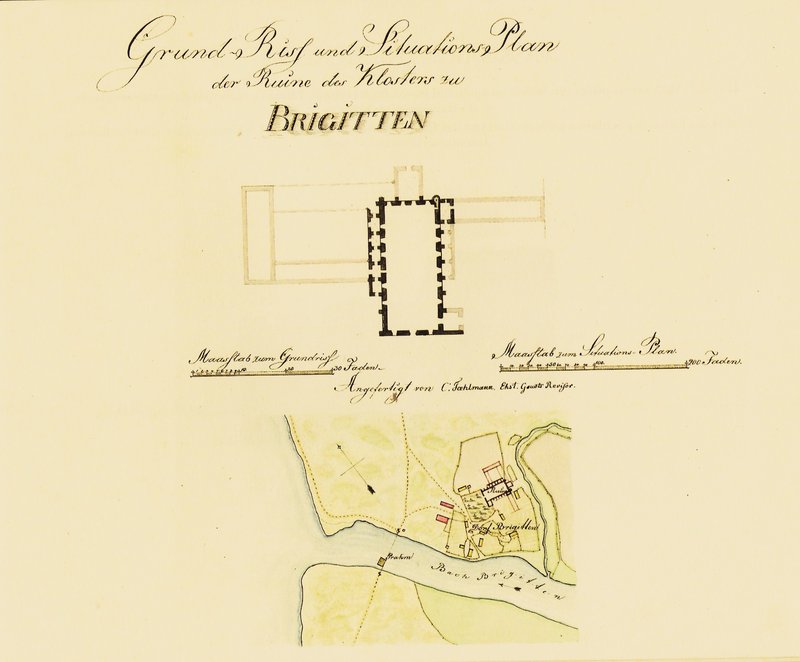
The roofless Gothic ruin of a 15th-century Bridgettine double monastery — at its consecration in 1436 the largest church in medieval Livonia. Ivan the Terrible's forces burned it in 1577 during the Livonian War; the massive limestone walls and arched window frames have stood open to the sky since.
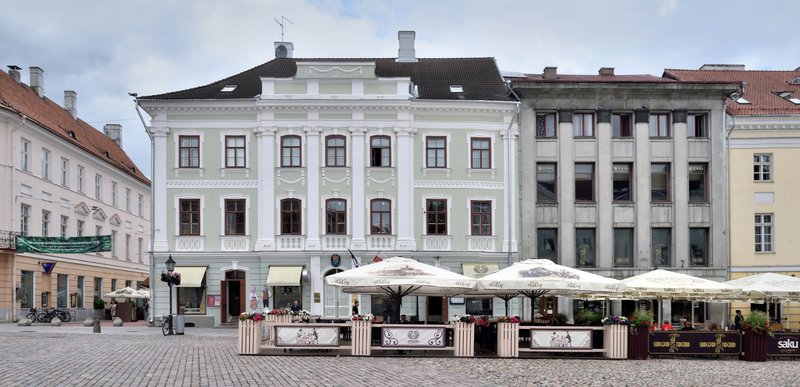
The broad neoclassical main square at the heart of Tartu's Old Town, flanked by the pale-yellow 18th-century Town Hall. The Kissing Students fountain at its centre is Estonia's most-photographed sculpture — the gathering point of the university city, with café terraces and Toome Hill as backdrop.
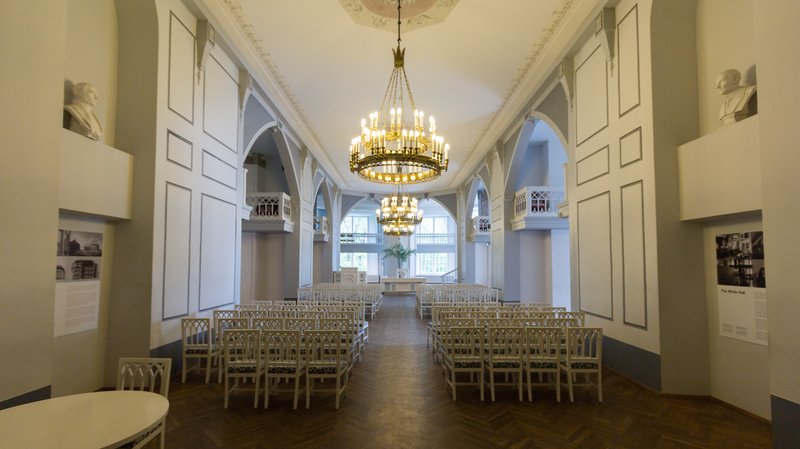
The university history museum housed inside the roofless nave of Tartu Cathedral — a 13th-century Gothic ruin on Toome Hill enclosed in the 1790s as the university library. The collection traces 200 years of academic life, Estonian scientific thought and the role of the university in the national awakening movement.
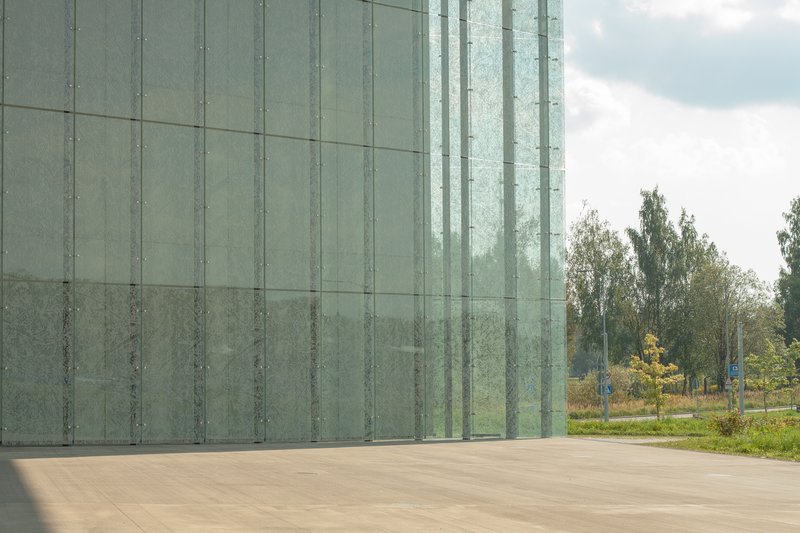
One of Northern Europe's largest ethnographic museums, built on a former Soviet air base whose old runway corridor forms the central gallery axis. Permanent exhibitions cover Estonian culture, folk traditions and daily life from prehistory to the present, with rotating international shows in the wings.
A friendly small-group walk through the Old Town's most significant sights, with stories of Tallinn's past and present and tips for exploring on your own. Runs daily, rain or shine.
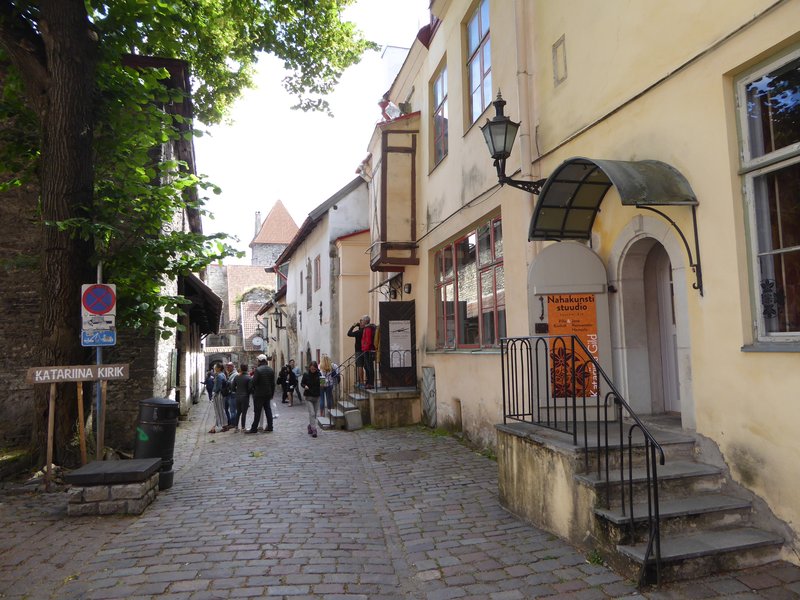
A three-hour, max-10 walk past Town Hall Square, the Town Wall and St. Olaf's, ducking into hidden courtyards and cobbled lanes like St. Catherine's Passage for lesser-known local stories.
A full-day small-group trip · max 8 into Lahemaa — Estonia's largest national park — taking in coastal cliffs, a Soviet-era manor, bog boardwalks and a fishing village, with a local guide throughout.
A guided day trip from Helsinki to Tallinn including return ferry tickets — Old Town highlights, a local guide and free time before the cruise back. A perfect pairing if you're based in Tallinn for the week.
A two-hour guided walk through Tallinn's Soviet layer — the KGB building, repurposed factories, Cold War monuments and the stories of occupation and resistance that shaped modern Estonia.
Estonia's most-reviewed national park day trip — coastal manor houses, ancient boulders, a forest bog and a traditional fishing village, all in one guided day from Tallinn with a max-8 group.
A return ferry day trip across the Gulf of Finland to Helsinki — tickets included for the 2-hour Tallink crossing, with free time in the Finnish capital to explore Senate Square, the market hall, and the waterfront before sailing home.
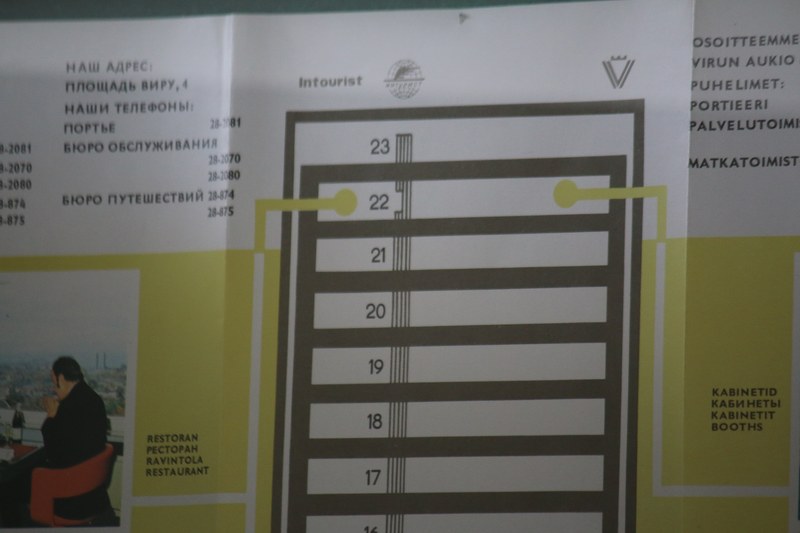
A 2-hour guided walk through Tallinn's hidden Soviet layer — the former KGB headquarters, Linnahall, the Soviet-era Viru Hotel, and the Central Market, uncovering Cold War secrets and the stories of everyday life under occupation.
Estonia's best-reviewed day trip — a small-group guided tour into Lahemaa's forests, bogs and coastal villages, including the baroque Palmse Manor and a traditional fishing harbour.
A guided return ferry day trip from Tallinn to Helsinki — Senate Square, the market hall, the waterfront and free time in the Finnish capital, with return tickets included.
A guided tour of Tallinn's medieval Old Town — Town Hall Square, the Alexander Nevsky Cathedral, Toompea Hill and the city walls — with a local guide bringing the Hanseatic and Teutonic history to life.
A five-hour guided tour covering the Old Town on foot and the off-the-beaten-path neighbourhoods of Kadriorg and Kalamaja by car — Town Hall Square, the medieval city wall, the Soviet-era industrial quarter and the Baroque park, with a local expert guide throughout.
Almond-sugar confection Tallinn claims as its own, hand-painted into tiny shapes; the Old Town's historic cafés have moulded and coloured it for over a century.
A dark, rum-based Estonian liqueur spiced with cinnamon, vanilla and citrus oil — invented in Tallinn in 1960 and now the city's signature digestif, taken neat or in coffee.
Dense, slightly sweet rye sourdough at the centre of Estonian cooking — served warm with butter or smoked fish, and an obsession at the restaurant named after it.
Foreign number: not required. — sign-up runs on Google, Apple, Facebook or email with no phone field at all, so no verification code is sent.
Extensive restaurant selection spanning Old Town medieval dining and the creative kitchens of Kalamaja and Telliskivi; delivery windows typically 25–40 minutes throughout the city centre.
Foreign number: accepted. — it runs on the same Bolt account as the ride app, so no second code has to arrive.
Bolt's own delivery arm operating from its Tallinn headquarters; wide restaurant variety with generally lower delivery fees than Wolt on many routes, and courier density is high throughout the city centre.
Estonia's national opera and ballet company in the grand 1913 Estonia Theatre — classical and contemporary opera, ballet and operetta in the heart of the city.
Foreign number: accepted. — the SMS code often fails to reach a non-European number until you are on a European network; a local eSIM number is the fallback.
Bolt is headquartered in Tallinn and operates the city's dominant ride-hailing network; short wait times across the centre, upfront fares quoted before booking, and international cards accepted at sign-up.
A Soviet-era port town on a limestone headland — abandoned nuclear submarine training facilities, a rugged coastal cliff walk, and almost no tourists; a strange and striking half-day.
A compact medieval castle town on the edge of the Lahemaa plateau — the 14th-century Rakvere Castle and its reconstructed battlement walk are the centrepiece, with a manageable old town and an excellent local food hall nearby.
A hill town above Lake Viljandi with the ruins of the Livonian Order castle on the ridge above the water — a compact wooden old town below it, and the suspension footbridge over the castle moat. Direct Elron service, no change.
Estonia's easternmost city on the Russian border — the 14th-century Narva Castle faces the Ivangorod Fortress directly across the Narva River, the most dramatic face-off of two medieval fortresses in the Baltic. The restored town hall square is compact and walkable.
Estonia's summer capital — a broad sandy beach, a compact Art Deco old town, and the Pärnu Mud Baths spa resort all within easy walking distance of the central station.
A Cathedral Too Sturdy to Tear Down, a Painting Saved by a Hunch
When Estonia won independence in 1918, many saw Alexander Nevsky Cathedral as a monument to the Russification campaign it was built to symbolize, and in 1924 parliament actually voted to start demolishing it. The plan died for the most unglamorous reason possible: the newly independent country couldn't afford it, and the cathedral's masonry turned out to be too massive to take apart cheaply. Decades of on-and-off demolition talk never produced a final decision, and the black domes are still standing on Toompea today by default rather than by design.
St. Nicholas Church nearly lost its greatest treasure in a single night. On 9 March 1944, Soviet bombing set the church ablaze and gutted its interior — but Bernt Notke's Dance of Death, a rare 15th-century painting on canvas, wasn't inside when the fire hit. Museum staff had started evacuating the church's most valuable art the year before, in 1943, apparently sensing what was coming. The gamble paid off: nearly everything else in the church burned, and the painting that survived is now the single most-visited object inside it.