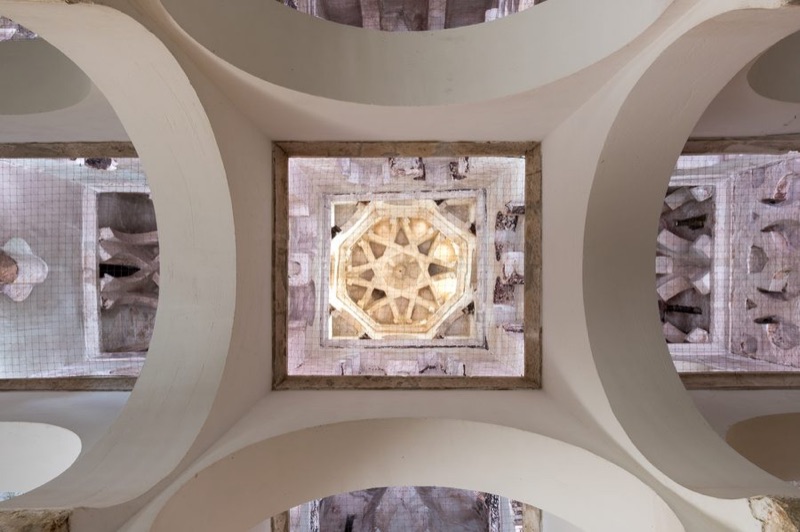
Built in 999 AD by the Moorish rulers, this is the city's only surviving mosque and one of the oldest Islamic buildings in Spain. Nine ribbed vaulted bays — each with a different pattern — are a marvel of Caliphate architecture. After reconquest a small Romanesque apse was added.
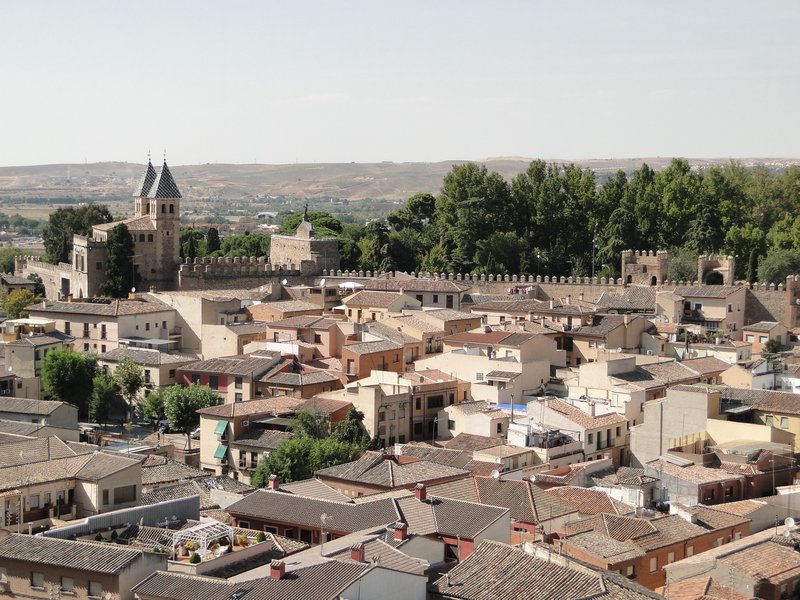
Toledo's grandest city gate — two massive round towers flanking an arch emblazoned with the imperial eagle of Charles V. Rebuilt in 1559 by Alonso de Covarrubias; the original Moorish gate still stands metres away. The main entrance to the city from Madrid since the 16th century.
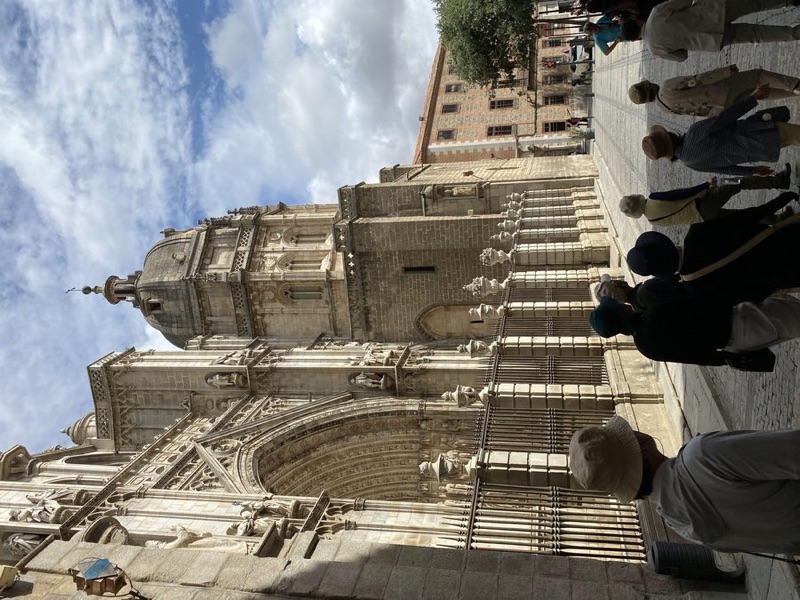
The Primatial Cathedral of Toledo is one of the great Gothic churches of Spain, built between 1226 and 1493. Interior holds El Greco paintings and a dazzling Baroque Transparente altarpiece. The seat of Spain's most powerful archbishopric — Toledo was the religious capital before Madrid existed.
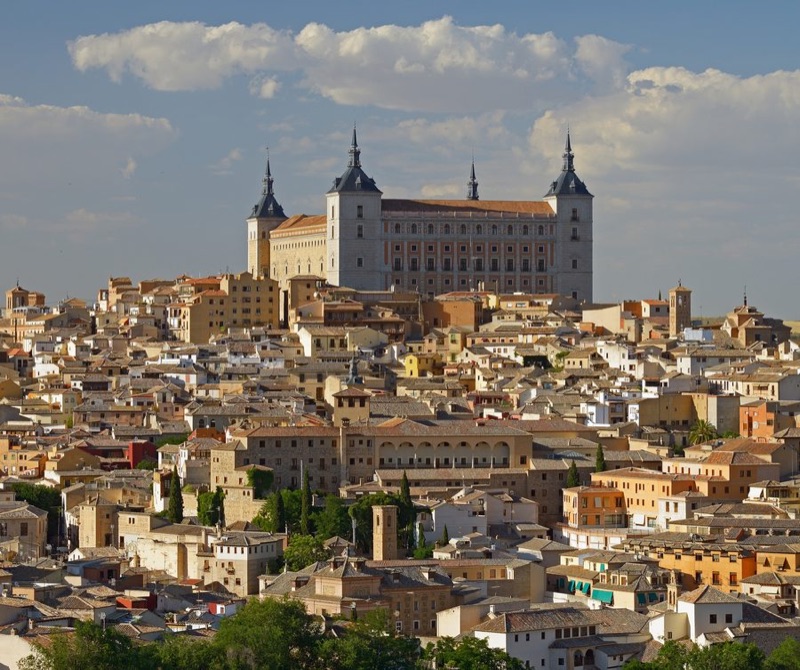
A Roman-era fortress rebuilt by Holy Roman Emperor Charles V in the 16th century. Commands the city's highest point with views over the Tagus. Houses Spain's Army Museum — armour, weapons, and battle collections spanning centuries. Razed in the 1936 Civil War siege and meticulously rebuilt.
Built on the site where Doménikos Theotokópoulos — El Greco — lived and worked from 1577 until his death in 1614. The 20th-century reconstruction contains period rooms, a garden, and the largest collection of his paintings in Toledo — including the Apostles series and a panoramic view of the city.
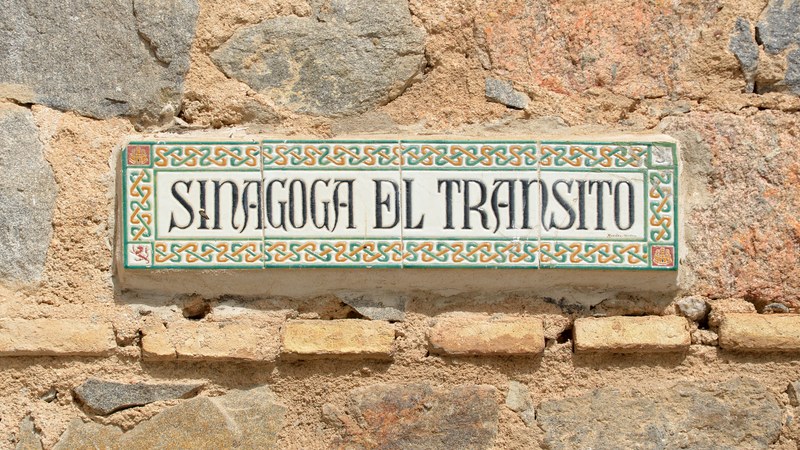
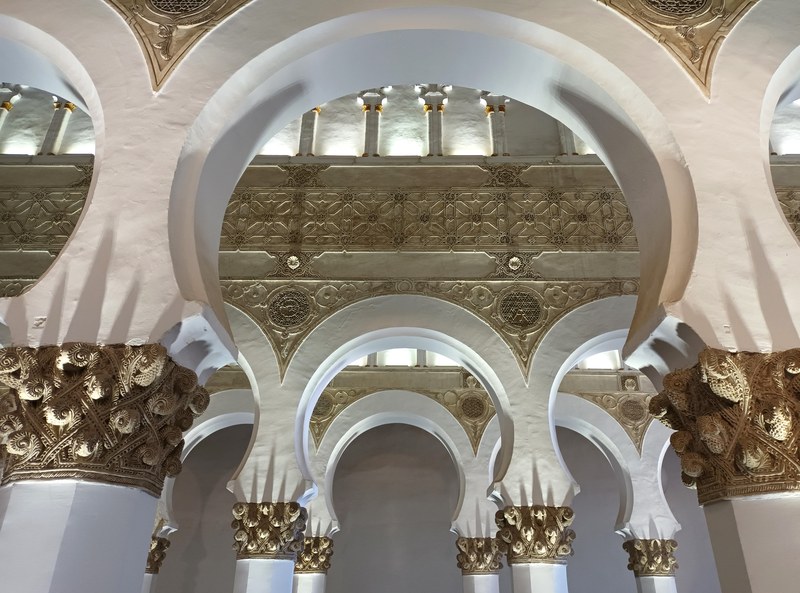
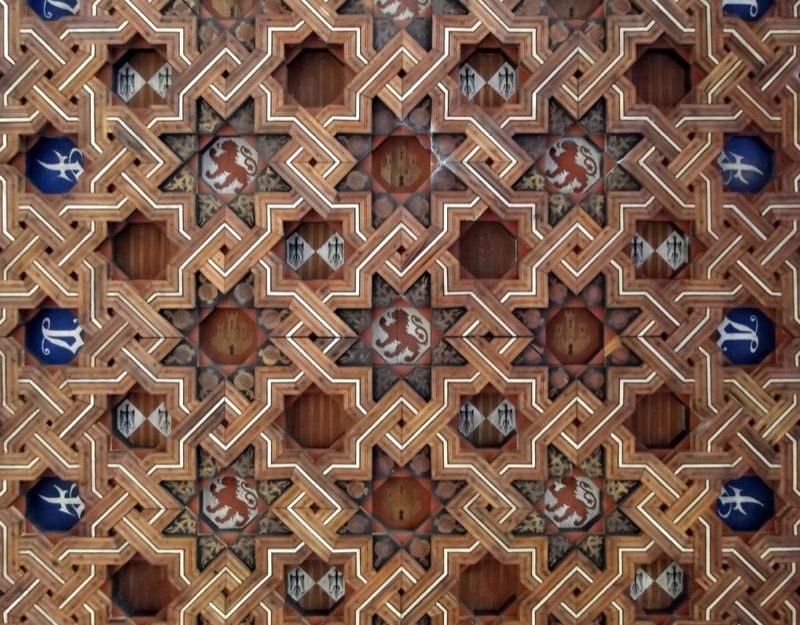
Built in 1357 by Samuel Levi, treasurer to King Pedro I. The single nave is covered in stunning Mudéjar plasterwork — Hebrew inscriptions and geometric arabesques rivalling the finest rooms in the Alhambra. Today houses the Sephardic Museum tracing 2000 years of Jewish life in Spain.
Built around 1180, this is the oldest surviving synagogue building in Europe. Five aisles of horseshoe arches on octagonal pillars built by Moorish craftsmen for the Jewish community — physically embodying Toledo's Three Cultures. Came under Christian ownership after the 1391 pogroms.
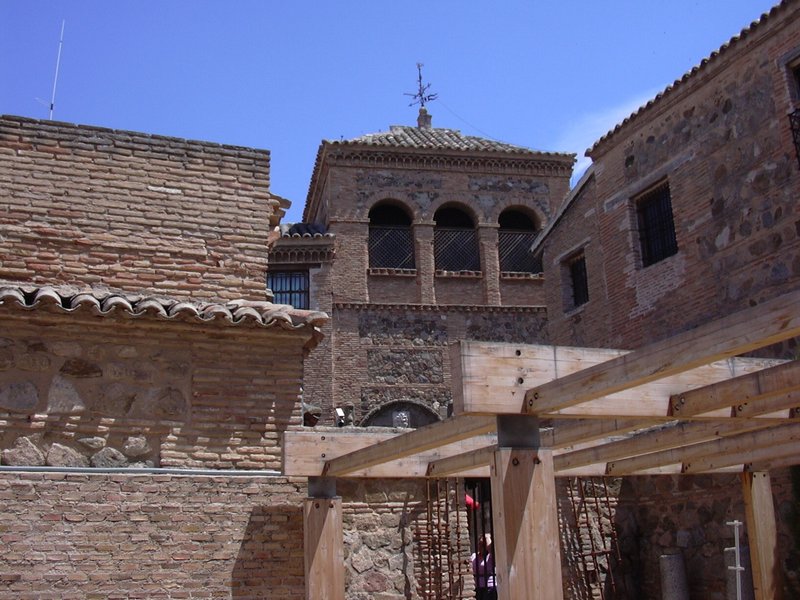
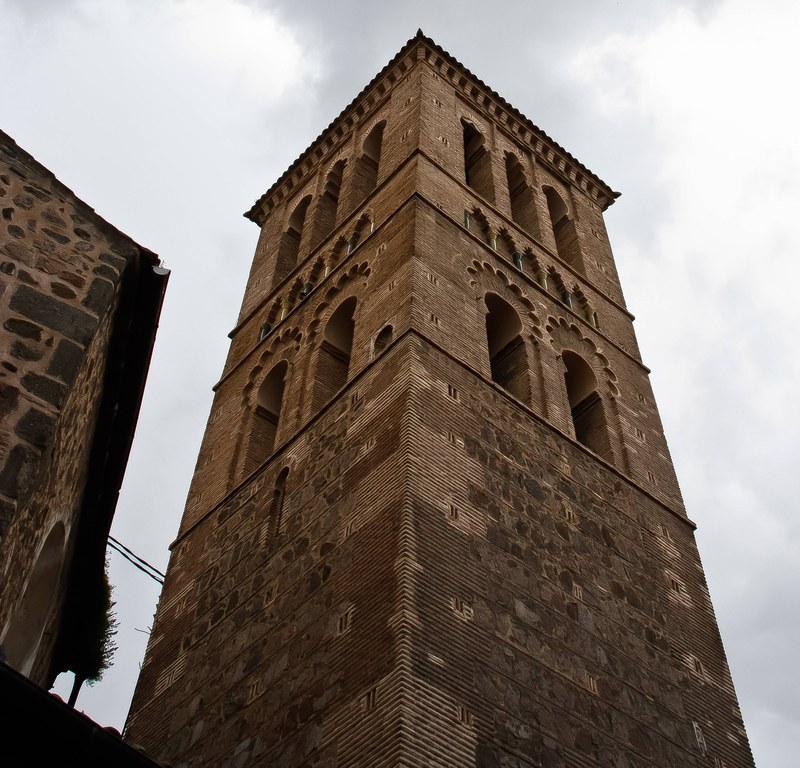
A 14th-century Mudéjar tower above Toledo's most celebrated artwork — El Greco's "The Burial of the Count of Orgaz", painted here in 1586 and never moved. Below, the miraculous funeral; above, the soul ascending to heaven — one of the defining vertical compositions in Western painting.
From Hotel: 10 min · 9 min → San Juan de los Reyes
1.San Juan de los Reyes~45 min
Ferdinand and Isabella built this Franciscan monastery in 1477 to celebrate victory at the Battle of Toro. The Isabelline Gothic cloister drips with stone pomegranates. Chains on the façade are from Christian prisoners freed during the Reconquista.
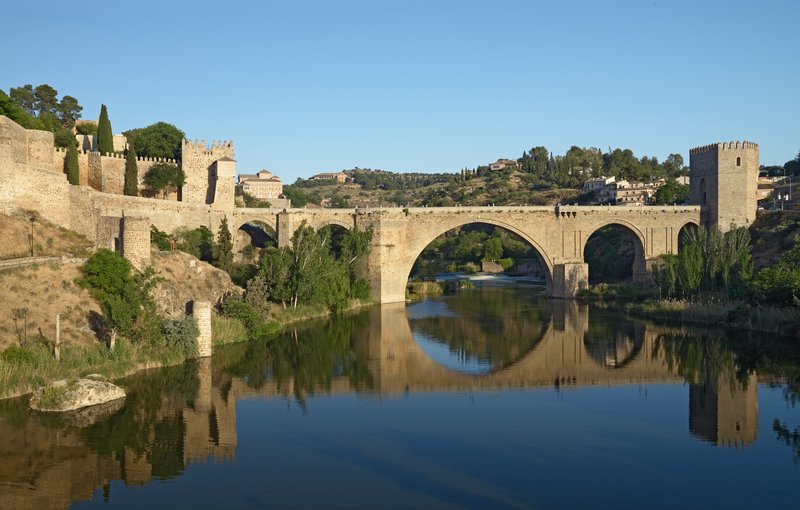
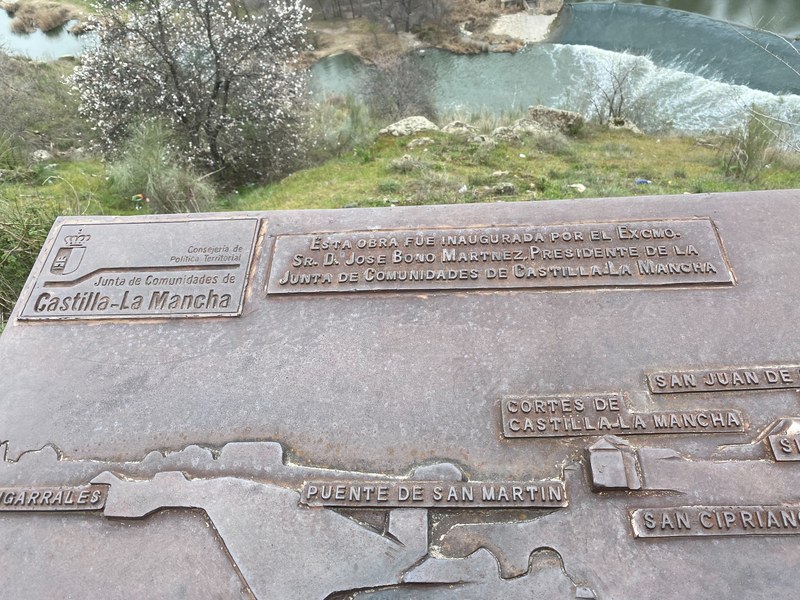
A 14th-century Gothic bridge with five stone arches spanning the Tagus gorge. Rebuilt after flooding destroyed the original Roman crossing, it served as the main western entrance to Toledo for centuries. The crenellated towers at each end are some of the finest defensive gate architecture in Castile.
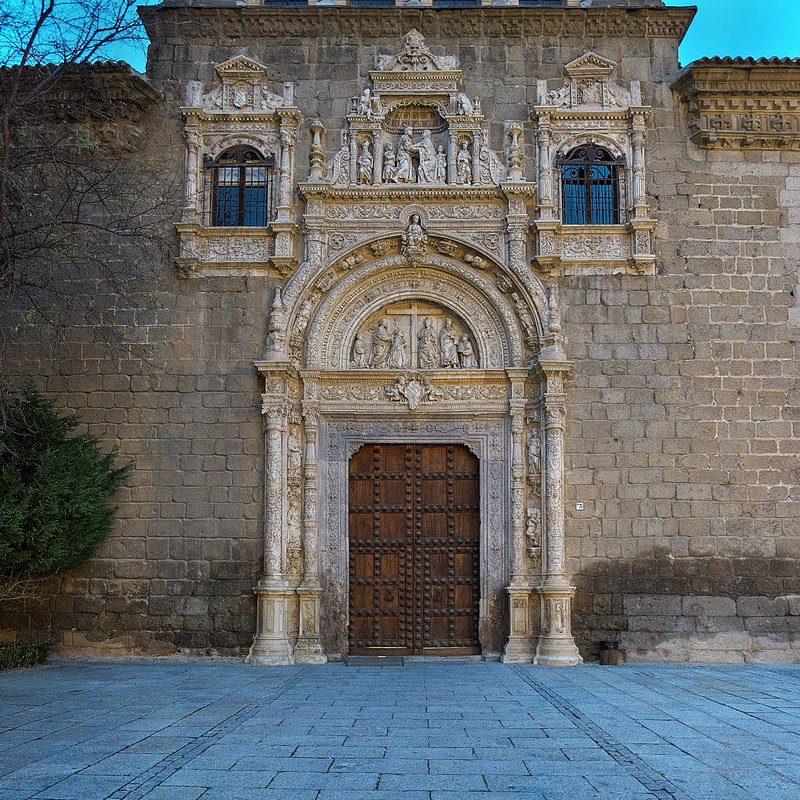
The former Hospital de Santa Cruz, begun in 1504, is one of Spain's finest Plateresque buildings, its carved doorway by Alonso de Covarrubias opening onto a Greek-cross plan. Now Toledo's provincial museum, it holds El Greco's late works, including the Assumption of the Virgin.
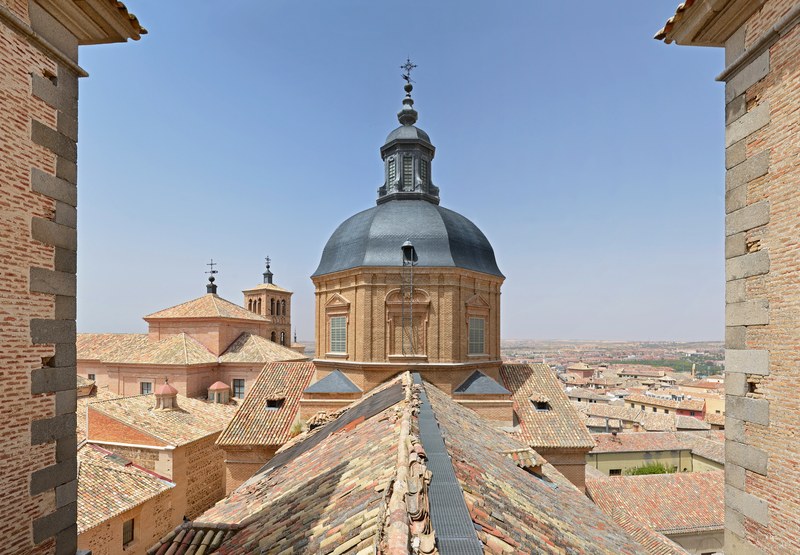
Toledo's grand Baroque Jesuit church, begun in 1629 and the second-largest temple in the city after the Cathedral. Its twin 50-metre towers, reached by 138 steps, open the finest rooftop panorama in the Old Town — the Cathedral spire, the Alcázar and the meander of the Tagus laid out below.
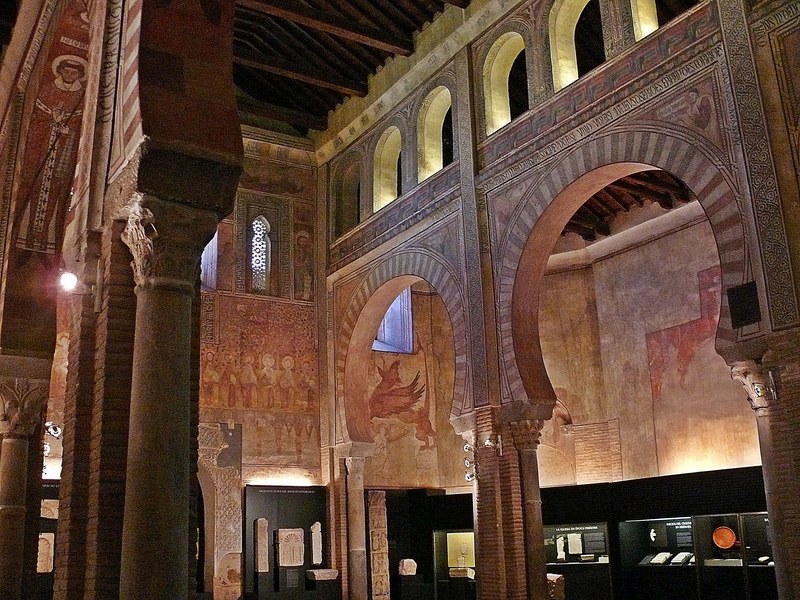
A 13th-century Mudéjar church on one of Toledo's highest points, its brick bell tower ringed with horseshoe arches. Inside, rare Romanesque frescoes survive, and the nave now holds the Museum of the Councils and Visigothic Culture — a nod to Toledo's years as the Visigothic capital.
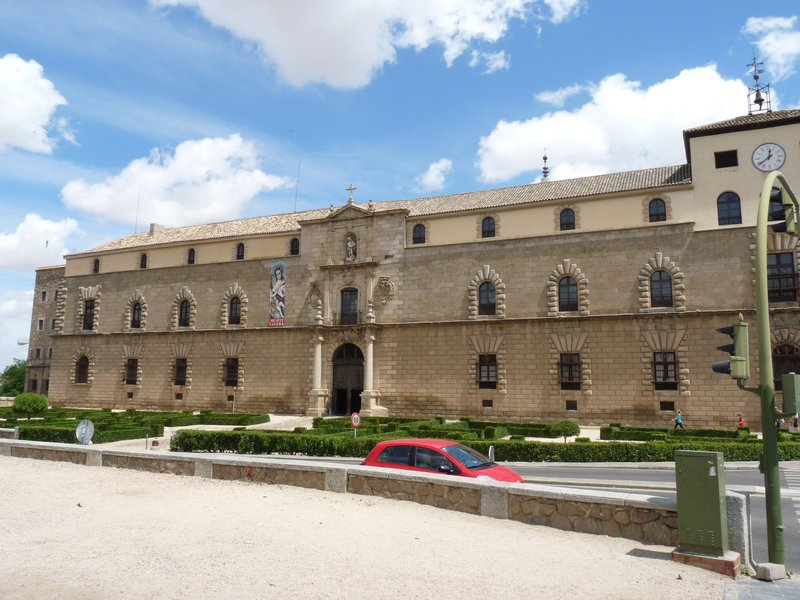
A Renaissance palace-hospital begun in 1541 beyond the walls — the "hospital de afuera" — around a serene twin-columned double courtyard. Inside are Cardinal Tavera's alabaster tomb by Berruguete, a preserved 17th-century pharmacy, and El Greco's Baptism of Christ, his last great work.
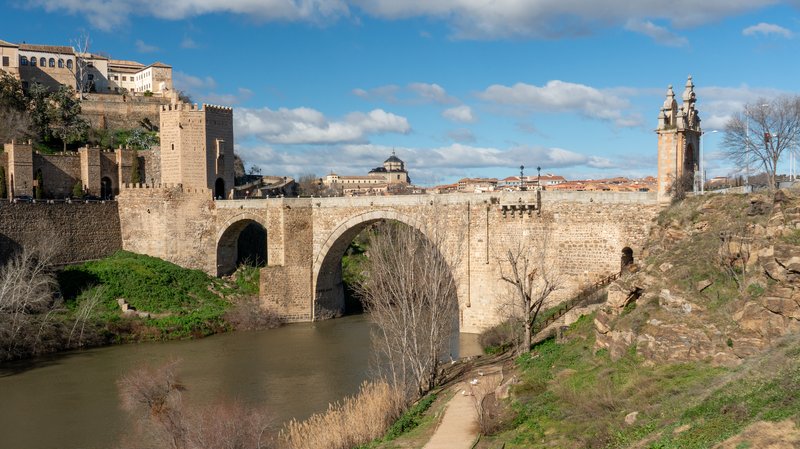
The Roman-founded eastern bridge over the Tagus gorge, rebuilt by the Moors and again by Alfonso X after a 13th-century flood. For centuries this was the travellers' entrance to Toledo beneath the Alcázar — a fortified medieval gate-tower at one end, a Baroque arch at the other.
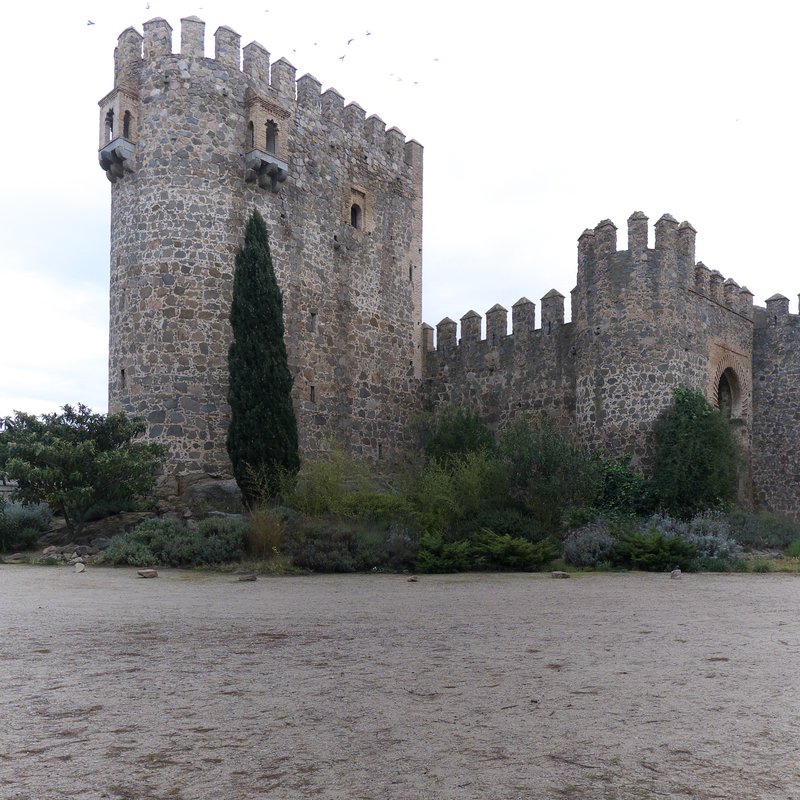
A crenellated medieval castle on the east bank of the Tagus, begun as a monastery and rebuilt by the Knights Templar to guard the Puente de Alcántara. Its round stone towers and battlements frame the classic view back across the gorge to the walled city; it has been a national monument since 1874.
The great panoramic terrace on the far bank of the Tagus, and the finest view in Toledo: the whole city rising from its granite gorge, the Cathedral spire and the Alcázar together above the tiled rooftops. This is the composition El Greco painted — best of all in the golden light of late afternoon and sunset.
Access Roman-era thermal baths from the 2nd century and medieval hammams hidden beneath Toledo's streets — sites not open to self-guided visitors. Licensed local guide only.
A sustainability-focused small-group tour · max 10 inside the Cathedral, St. Tomé, St. María la Blanca and St. Juan de los Reyes — with walking commentary on Toledo as Spain's city of three cultures. Single-language guide only; no bilingual tours.
Guided walking tour combined with the Monumental Wristband — covers 7 monuments including Santa María la Blanca · San Juan de los Reyes · Cristo de la Luz. Best value if hitting all major sites.
Walk the streets where Jews, Muslims and Christians coexisted for centuries — the Alcaná, the Archbishop's Palace, the Jewish Quarter and Toledo's layered cultural history with a knowledgeable local guide.
A guided tour of Toledo tracing the intertwined heritage of its Christian, Jewish and Muslim communities — the Cathedral quarter, the Synagogue of Santa María la Blanca, the Tornerías mosque and the Judería, with a specialist local guide departing from Toledo city centre.
Toledo's most comprehensive city tour in English — Cathedral, Santo Tomé, Santa María la Blanca and Cristo de la Luz mosque covered in depth with all monument admissions included. Licensed local guide only; departs from Toledo. Cap of 15 guests per session.
An atmospheric evening walk through Toledo's darker history — the Inquisition's secret jail, plague epidemics, executions — winding through streets that come alive only after dark. Runs in English.
Descend beneath Toledo's streets to visit Roman thermal baths and medieval underground cellars rarely seen by visitors — operated by Rutas de Toledo with flexible morning, afternoon and evening slots. Open group.
A brisk but thorough 90-minute guided walk through Toledo's medieval streets, historic squares and hidden viewpoints — perfect for first-time visitors who want to cover the essentials with a knowledgeable guide. Operated by FollowMe Toledo.
A 2½-hour small-group guided tour capped at 10 people — entering the Cathedral and major Toledo monuments with a licensed English-speaking guide. Meets under the Arco de la Sangre at Zocodover entrance.
Braised partridge slow-cooked in red wine with bay and garlic. One of the oldest recipes in Castilian cooking. Widely available at traditional restaurants.
La Mancha surrounds the city — Manchego DOP sheep's milk cheese is everywhere. The aged curado or viejo style is buttery-sharp and pairs well with Méntrida reds.
Foreign number: not required. — it signs in with Google, Facebook or email, and a phone sign-up takes any prefix with the code by SMS or WhatsApp.
The dominant delivery platform in Toledo, covering the Old Town and surrounding neighbourhoods. Restaurant selection is strong for a mid-sized Spanish city, with local taverns, pizzerias, and supermarket chains all listed alongside major chains.
Foreign number: accepted — bookings are made by phone or at a taxi rank; no app account is required.
Toledo's licensed taxi service covering the Old Town and surrounding areas. The most reliable option for the steep streets of the historic centre, where ride-hailing apps do not operate — and the standard way to reach Toledo Station for Renfe services back to Madrid.
Renfe Avant high-speed regional train. Direct service to Madrid Atocha — runs roughly every 1–2 hours throughout the day. Easy day trip in either direction.
A royal Bourbon palace surrounded by formal French gardens on the banks of the Tagus — the Palacio Real de Aranjuez, its Hall of Mirrors, and the Garden of the Prince. Direct regional train via Algodor junction.
A UNESCO World Heritage city — the soaring 1st-century Roman aqueduct, the fairy-tale Alcázar castle, and a cathedral crowning the walled hilltop. Change at Madrid Atocha onto the AVE high-speed service to Segovia.
A medieval UNESCO city perched above two river gorges — the Casas Colgadas hanging houses cantilevered over the cliff edge, and a cathedral with abstract modern art inside. Change at Madrid Atocha onto the high-speed service to Cuenca.
The best-preserved medieval walled city in Spain — 2.5 km of 11th-century ramparts with 88 watchtowers still encircling the old town, and the birthplace of Saint Teresa. Change at Madrid Atocha onto the regional train to Ávila.
There is no high-speed AVE to Toledo. The service is Renfe Avant. Searching the Renfe website with the wrong train class is a common booking error.
Worth Knowing
The City That El Greco Painted
Toledo rewards slowing down. The city's real texture is in the overlap — a mosque that became a church, a synagogue that looks like a mosque, a monastery built by the same monarchs who expelled the Jews. The Three Cultures story is not abstract: it is physically written into the stones in a way that nowhere else in Europe quite matches.
If you do one thing beyond the itinerary: cross the Puente de San Martín to the southwest and walk ten minutes along the far bank of the Tagus to find a view back at the city rising from the gorge. This is the view El Greco painted — the city still looks almost exactly the same. Best in early morning or late evening light.
Toledo makes an excellent day trip from Madrid but genuinely rewards an overnight stay. The city empties of day-trippers after 6pm and the streets go quiet in a way that is almost eerie — an imperial capital frozen in the 16th century, lit up at night, with no one in it.