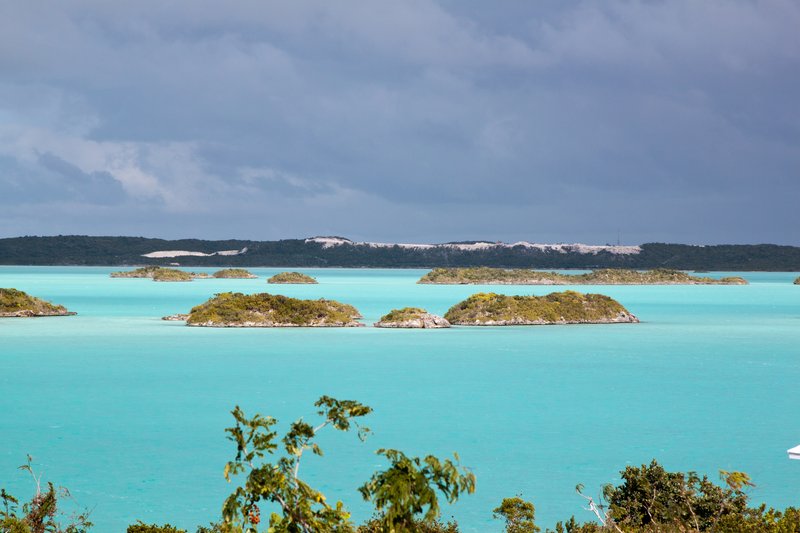
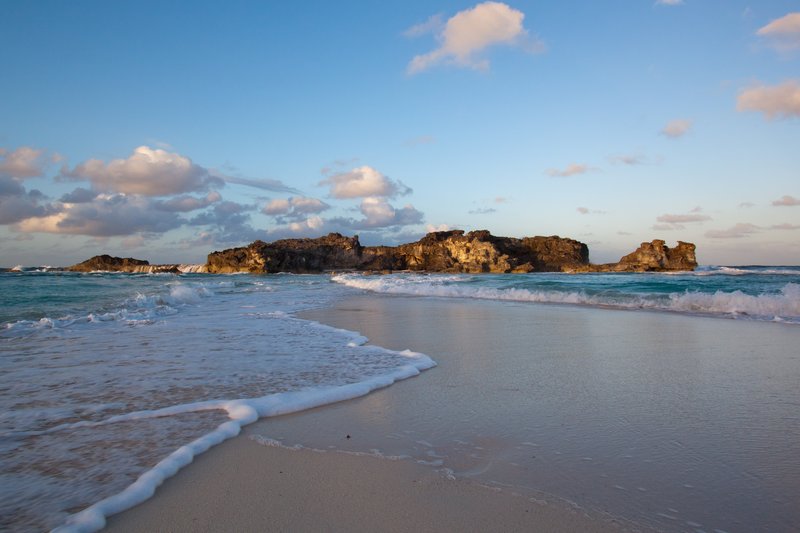
A protected tidal lagoon on the southwest side of Providenciales, coloured an almost artificial turquoise by its shallow sandy floor. Dozens of low limestone islets are scattered across the water, creating one of the most photographed seascapes in the Caribbean.
A rocky hilltop overlooking Sapodilla Bay, covered in inscriptions carved by shipwrecked or stranded sailors in the 18th and 19th centuries — names, dates, ship names and compass roses cut into the limestone. The summit gives a panorama south over the shallow Caicos Bank.
12 min → Frenchman's Creek and Pigeon Pond Nature Reserve
3.Frenchman's Creek and Pigeon Pond Nature Reserve~45 min
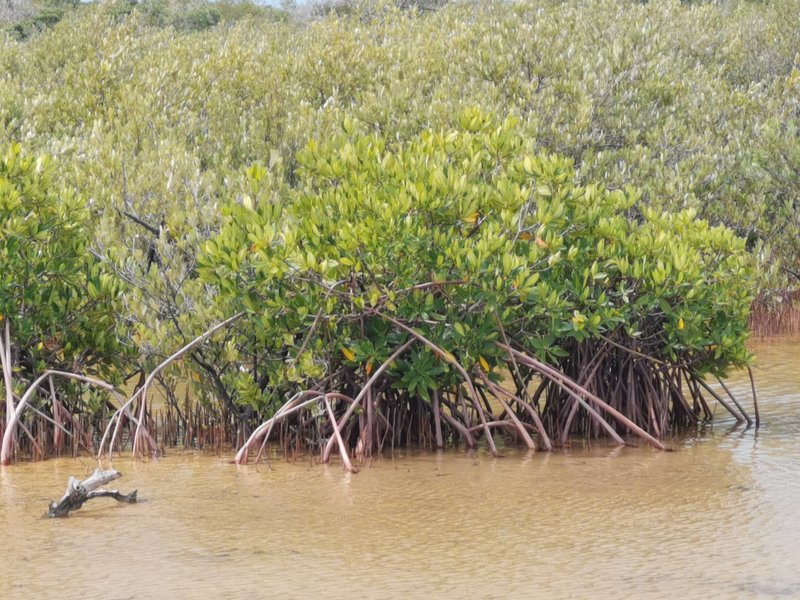
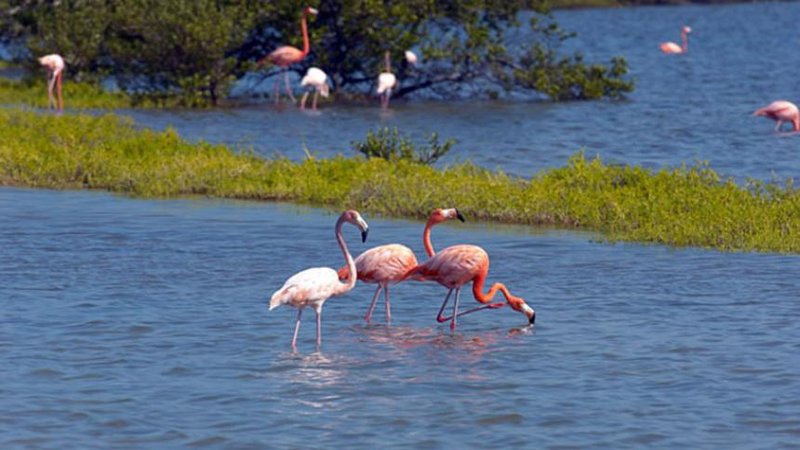
Providenciales' largest protected area — red, black and white mangrove creeks, tidal flats and ironshore coastline along the island's undeveloped south side. Pigeon Pond, on the reserve's northeast edge, is one of the few reliable spots on the island to see Caribbean flamingos.
A compact fishing settlement on the north coast of Providenciales, largely unchanged since before the resort era. Wooden houses, conch shells stacked by the road, hand-painted boats and drying frames line the lanes near the water — the island's original community, three miles from the resort strip.
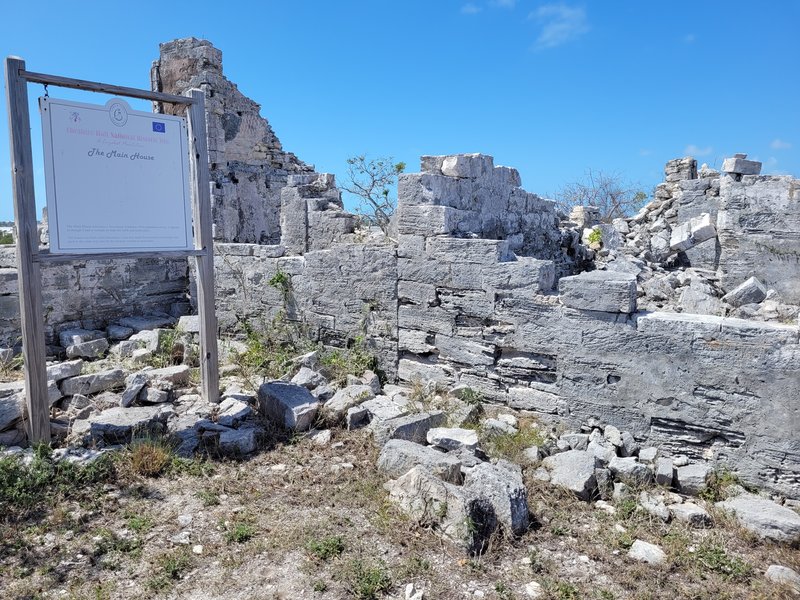
The largest plantation ruin on Providenciales, built by Loyalist settlers from the Carolinas around 1789. The National Trust maintains stone-lined walking paths through the roofless great house and field rows — the most complete record of the island's pre-tourism cotton economy.
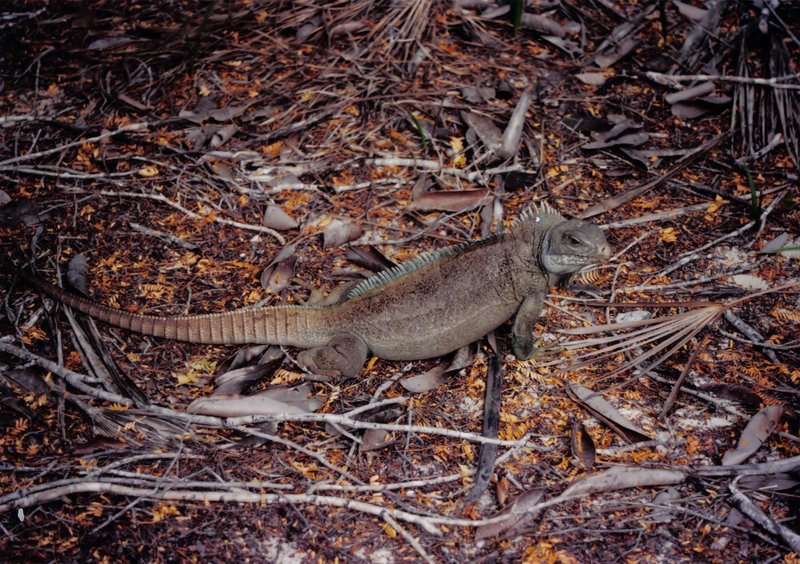
A low-lying protected cay off Leeward, reached by a short boat crossing, and the primary home of the endangered Turks and Caicos rock iguana — roughly 3,000 of them living wild along two looped boardwalk trails through mangrove and coastal scrub.
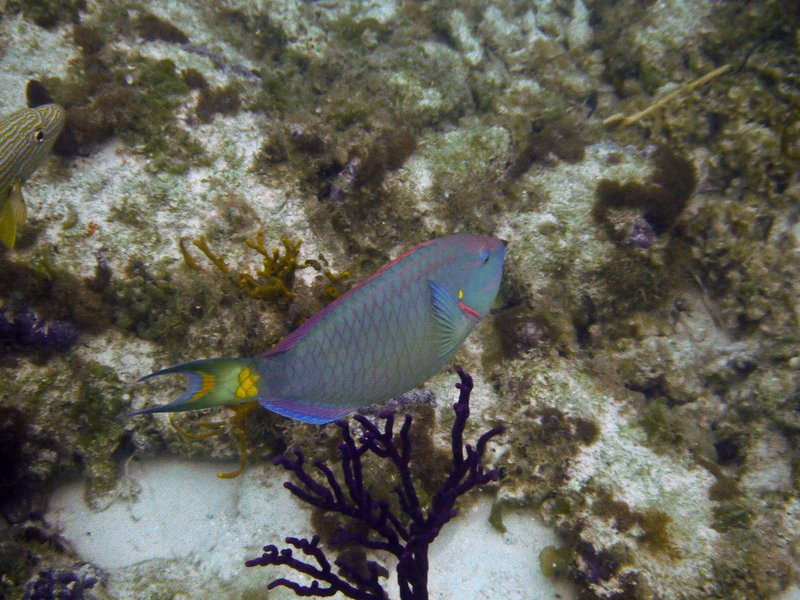
A shallow coral garden a short swim off Bight Beach, inside Princess Alexandra National Park — one of the most accessible shore-entry reefs in the Caribbean. Elkhorn and brain coral heads shelter parrotfish, angelfish, sergeant majors and the occasional green sea turtle a few dozen meters from the sand.
From Hotel: 7 min · 30 min → Flamingo Pond Overlook
1.Flamingo Pond Overlook~30 min
A roadside overlook on North Caicos where a hyper-saline pond, part of a Ramsar-protected wetland, draws flocks of West Indian flamingos alongside herons, ospreys and pelicans. The birds are visible directly from the pull-off — no trail or boat needed.
A 3-mile arc of limestone cliffs, sea caves and white sand on Middle Caicos' north coast, cited by Lonely Planet and CNN Travel as among the finest landscapes in the Turks and Caicos. Dragon Cay — a small ironshore islet shaped like its namesake — sits just offshore, reachable across a sandbar at low tide.
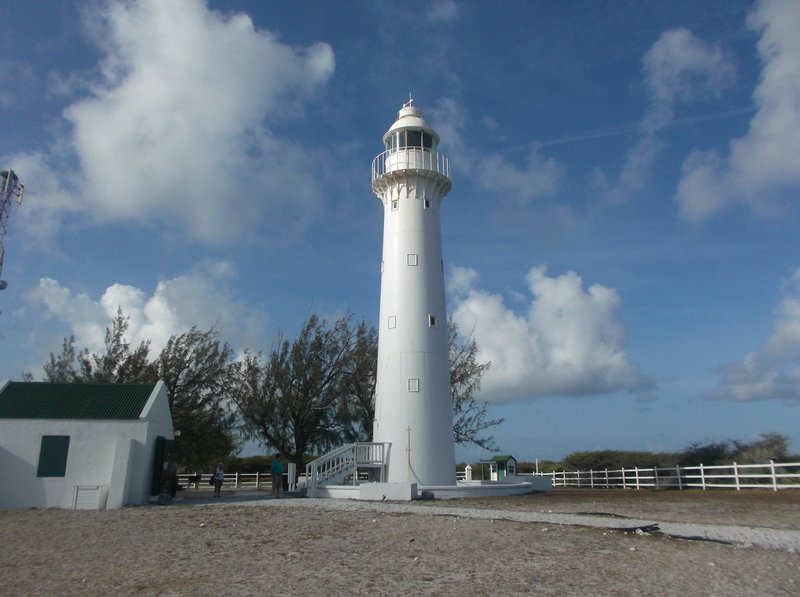
A short inter-island hop to the Turks and Caicos' historic capital island — a 25-minute flight with Caicos Express Airways. Cockburn Town's Duke and Front Streets carry 18th- and 19th-century Bermudian architecture past the National Museum and St. Mary's Cathedral; the day closes at the 1852 Grand Turk Lighthouse, a cast-iron tower still keeping watch over the reef.
Round-trip flights, 25 minutes each way, are booked directly with Caicos Express Airways — this is a self-arranged day, not a single bundled tour package
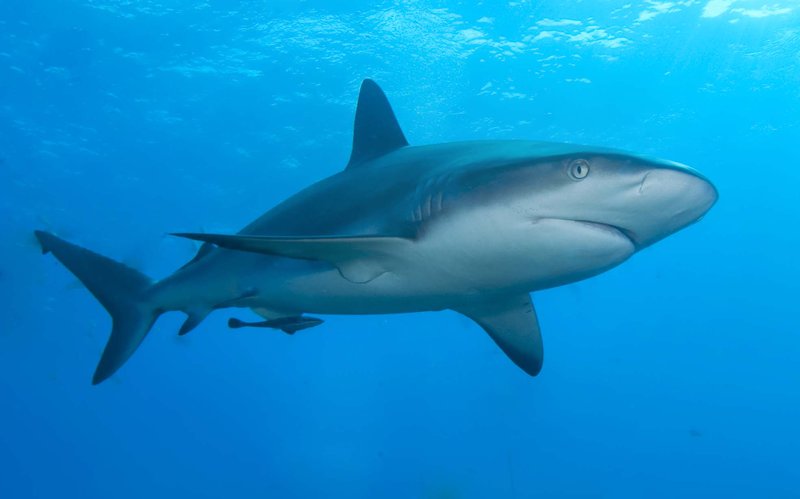
A full-day boat charter with Big Blue Collective to the edge of the Caicos Bank — French Cay and West Caicos, two uninhabited islands reachable only by water. Both are protected parks: French Cay's reef wall draws reef sharks along a sheer drop-off, and West Caicos pairs its own wall dive with the ruins of the 1890s Yankee Town sisal works and Lake Catherine, a flamingo-filled tidal lake.
Book directly with Big Blue Collective by phone or through their website — wind and tide decide whether the captain runs to French Cay, West Caicos, or west Provo that day
A quiet, largely undeveloped stretch on Providenciales' windward south side, facing the shallow flats that separate the island from the outer barrier reef. Steady trade winds and skinny water have made it the island's main kiteboarding beach — a deliberate contrast to Grace Bay's calm north shore.
A working marina and the island's original tourism village, ringed by dive shops, charter docks and open-air bars. Turtle Cove predates the Grace Bay resort strip by a generation and still functions as Provo's boating hub — a walkable, low-key finish to the trip after five days of ferries, flights and reef crossings.
A 4-hour catamaran sail from Grace Bay with two reef snorkeling stops — crew-guided dives at coral gardens near Little Water Cay, snorkeling gear provided, open bar on board.
A session in the air above Grace Bay at around 1000 feet — views of the outer reef, the sandbars and the island from above. Takeoff and landing are both from the boat, so you stay dry.
A 4-hour power catamaran circuit with three stops — the Half Moon Cay sandbar, Iguana Island · Little Water Cay, and a snorkel-and-swim reef — with unlimited rum punch and fruit on board.
A 75-minute cruise over Grace Bay's reefs in a fully clear-hulled boat — sea turtles, stingrays and reef fish visible through the floor without entering the water. Max 15 guests.
A 2–3 hour guided ATV and dune buggy circuit through Providenciales' interior — salt ponds, beach ridges, the north coast dunes and viewpoints not reachable by road.
A 30-minute session in a clear-hulled kayak over Grace Bay, with a drone and on-water photographer capturing aerial stills and video; 130+ photos and edited clips delivered the same day.
The TCI signature: conch meat pounded flat, breaded and deep-fried until the crust crackles. Served with a squeeze of lime and a side of peas and rice — on every local menu across the island chain.
Diced conch mixed into a seasoned batter with peppers, onion and celery, then fried into dense golden rounds — the standard bar snack and beach-side appetizer across the Turks and Caicos chain.
Raw conch sliced thin and marinated in lime juice with diced onion, tomato and scotch bonnet pepper — essentially a local ceviche. Prepared to order at roadside stalls; best eaten immediately from the bowl.
Foreign number: accepted — the order form takes any number as the delivery contact and there is no SMS sign-up step.
SwiftEats is the primary on-demand delivery service in Providenciales, with coverage across Grace Bay, the Bight, and central Provo; the order form accepts any contact number and does not require an SMS verification step.
Foreign number: accepted — the account is opened with an email address and password and takes a foreign mobile as the contact.
Order Up covers central Providenciales and a number of resort-adjacent restaurants, with account creation via email and password; a foreign mobile number is accepted as the delivery contact without any local SIM requirement.
Foreign number: accepted — account registration works with a foreign number and email address.
RideNow is the primary app-based car service in Providenciales, offering pre-scheduled and on-demand rides across the island; the sign-up flow accepts a foreign mobile number and payment can be made through the app or in cash on arrival.
Cheshire Hall and Sapodilla Bay Hill are three miles apart, but they belong to the same compressed chapter of history. The plantation was built in 1789 by Loyalist families who arrived from the Carolinas after the American Revolution, bringing enslaved workers to grow sea-island cotton on an island with almost no topsoil. At the 1791 peak TCI produced a significant share of the Bahamian archipelago's cotton output, with Cheshire Hall as its largest estate. Within a decade the boom had collapsed — chenille bugs, soil exhaustion, falling prices — and most plantation owners abandoned the island entirely.
At roughly the same moment, the sailors who cut their names into the limestone at Sapodilla Bay Hill were living the other side of the same maritime economy. The carvings — ship names, compass roses, dates in the 1840s — were made by men stranded on a remote shore, waiting for rescue on an island that had just lost its reason to exist commercially. They scratched their names into rock because there was nothing else to do and they were not sure anyone was coming. The names survived when the ships did not. Cheshire Hall's great house also survives in the same way: not as a monument to what was built there, but as a record of what was suddenly abandoned and never finished.