From Hotel: 🚶 6 min · 🚕 3 min → Aksla
1. Aksla
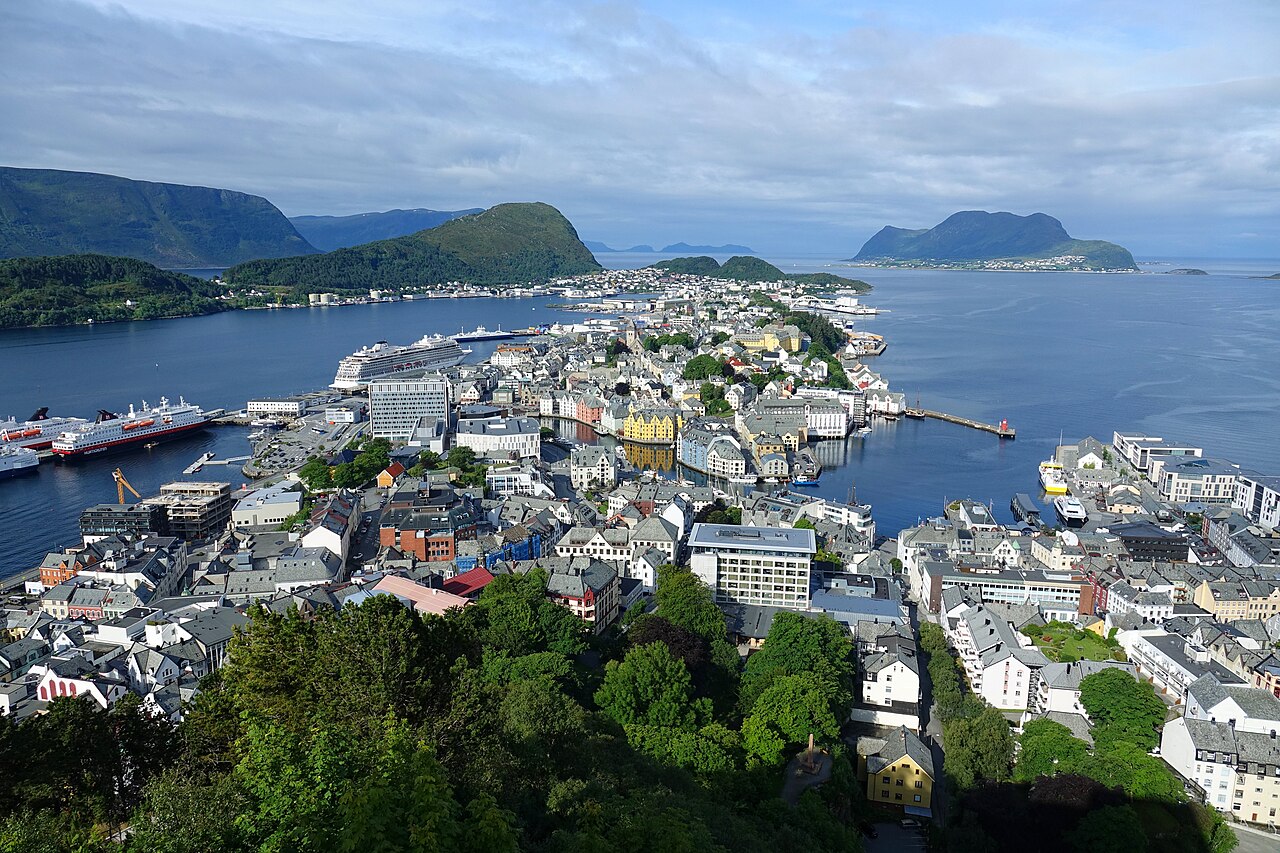
The 418-step Fjellstua staircase climbs from Kongens gate through forested hillside to a viewing platform 189 metres above Ålesund's rooftops. From the top, the city's Art Nouveau centre unfolds across a cluster of islands in the Borgundfjord — one of the most photographed views in Norway. Free access day and night.
🚕 8 min → Sunnmøre Museum
2. Sunnmøre Museum
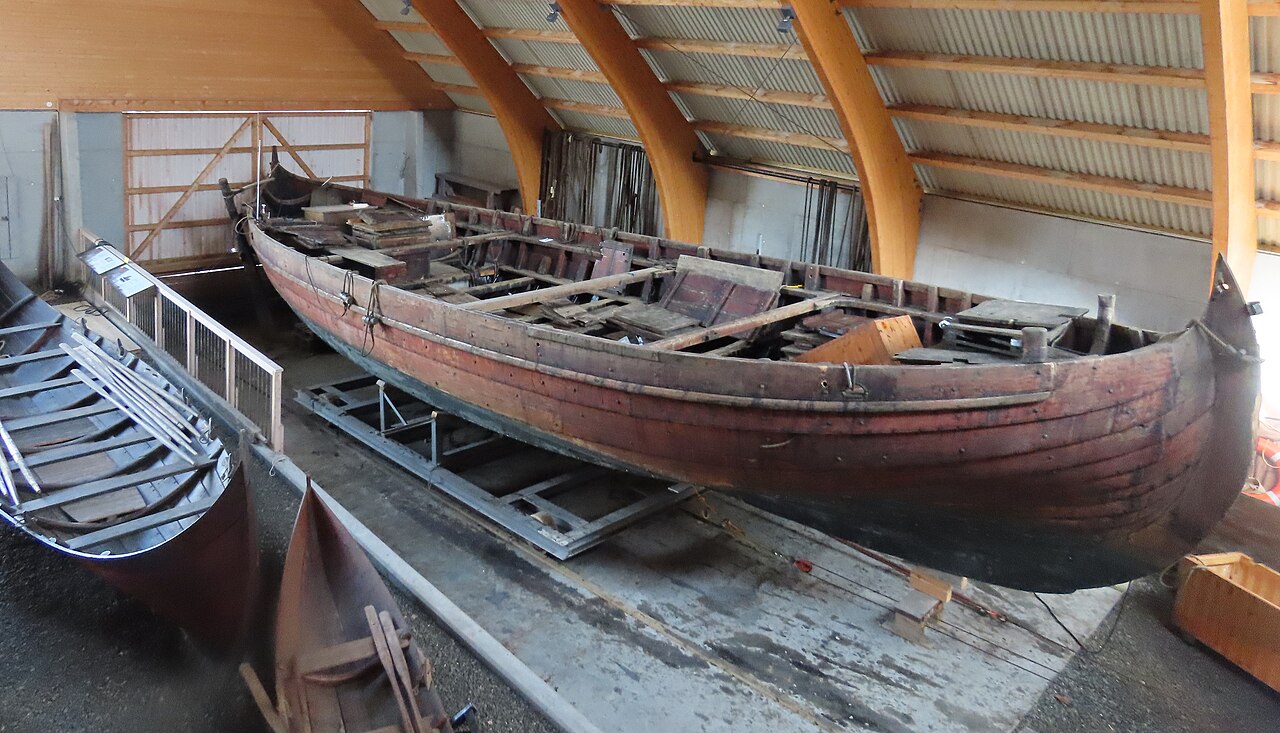
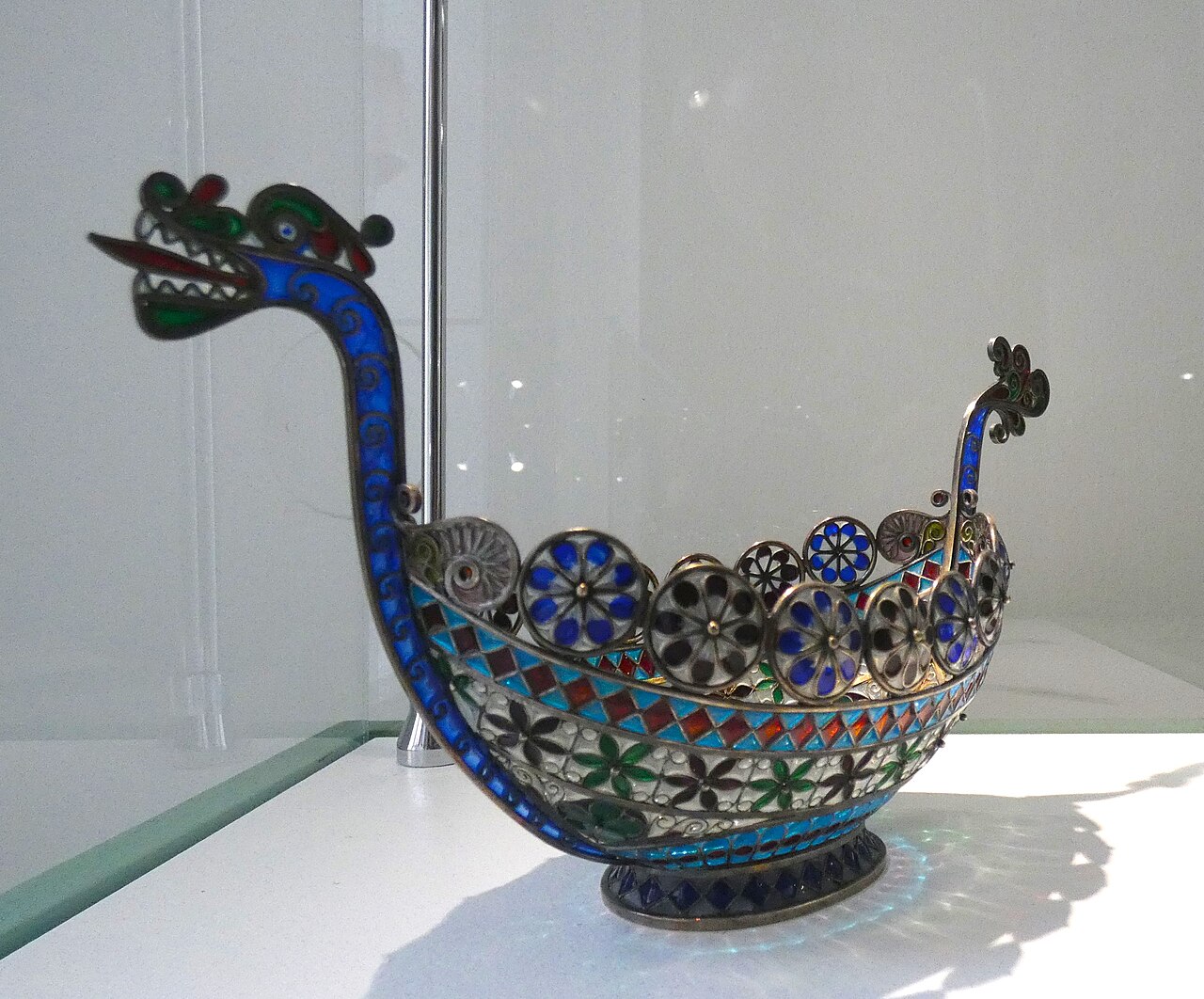
Norway's largest open-air maritime museum on a fjordside meadow 8km east of Ålesund. Fifty-five relocated buildings trace coastal life from the Iron Age to the 20th century. The centrepiece is the replica Viking ship Borgundknarren — built from a 12th-century wreck found in the Borgundfjord.
🏛️ Daily 10:00am - 5:00pm
⏰ ~3 hr
🚕 20 min → Atlanterhavsparken
3. Atlanterhavsparken
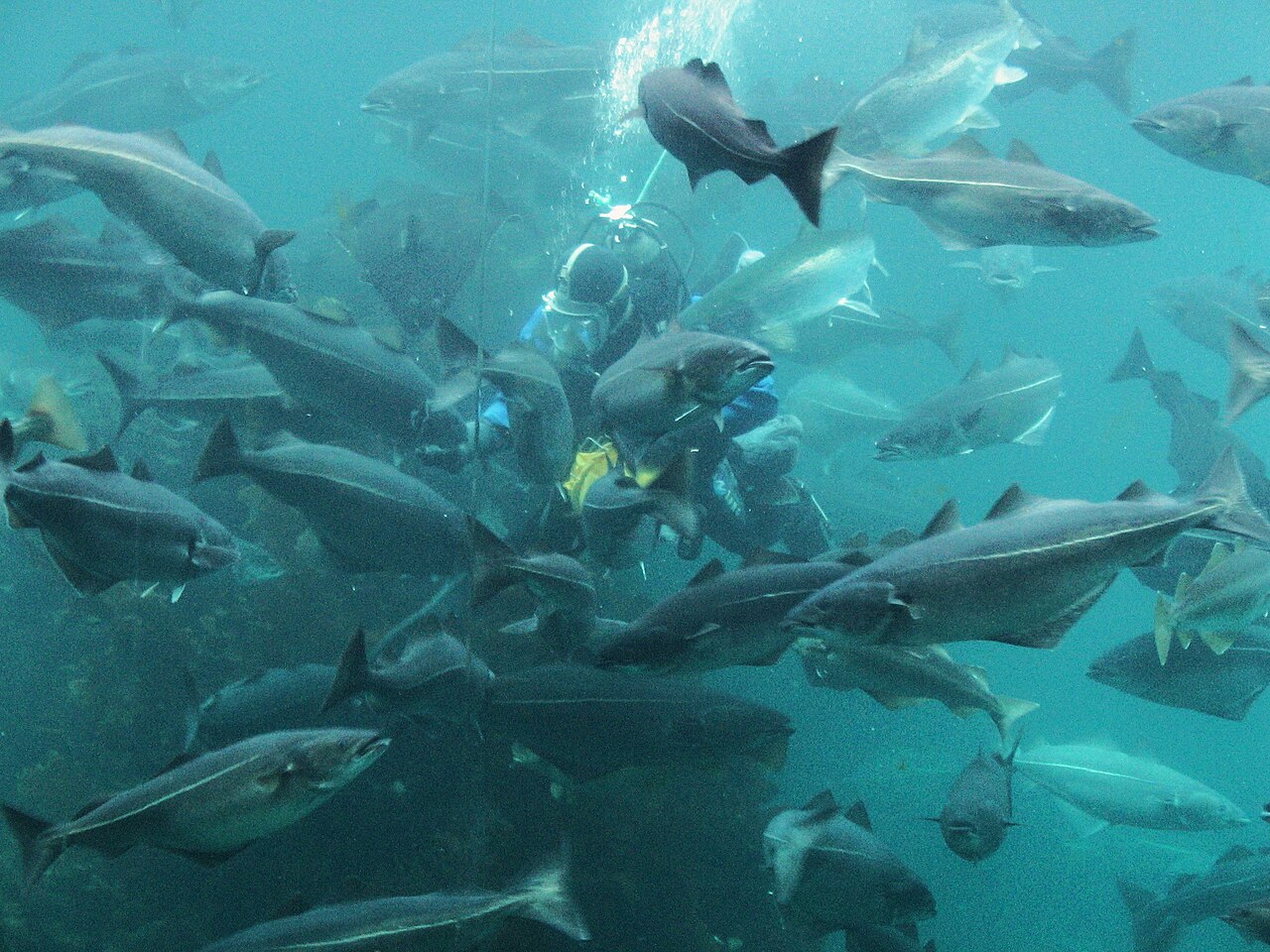
Norway's largest aquarium on Tueneset peninsula, facing the open Atlantic. The centrepiece is a 4-million-litre tank where halibut, wolffish, and cod swim alongside divers during twice-weekly feeding shows. Science Centre and Aquaculture Display Centre included in the same ticket.
🏛️ Monday - Friday 10:00am - 4:00pm · Saturday - Sunday 9:30am - 4:00pm
⏰ ~2 hr
🚶 4 min · 🚕 2 min → hotel
From Hotel: 🚕 9 min → Alnes Lighthouse
1. Alnes Lighthouse
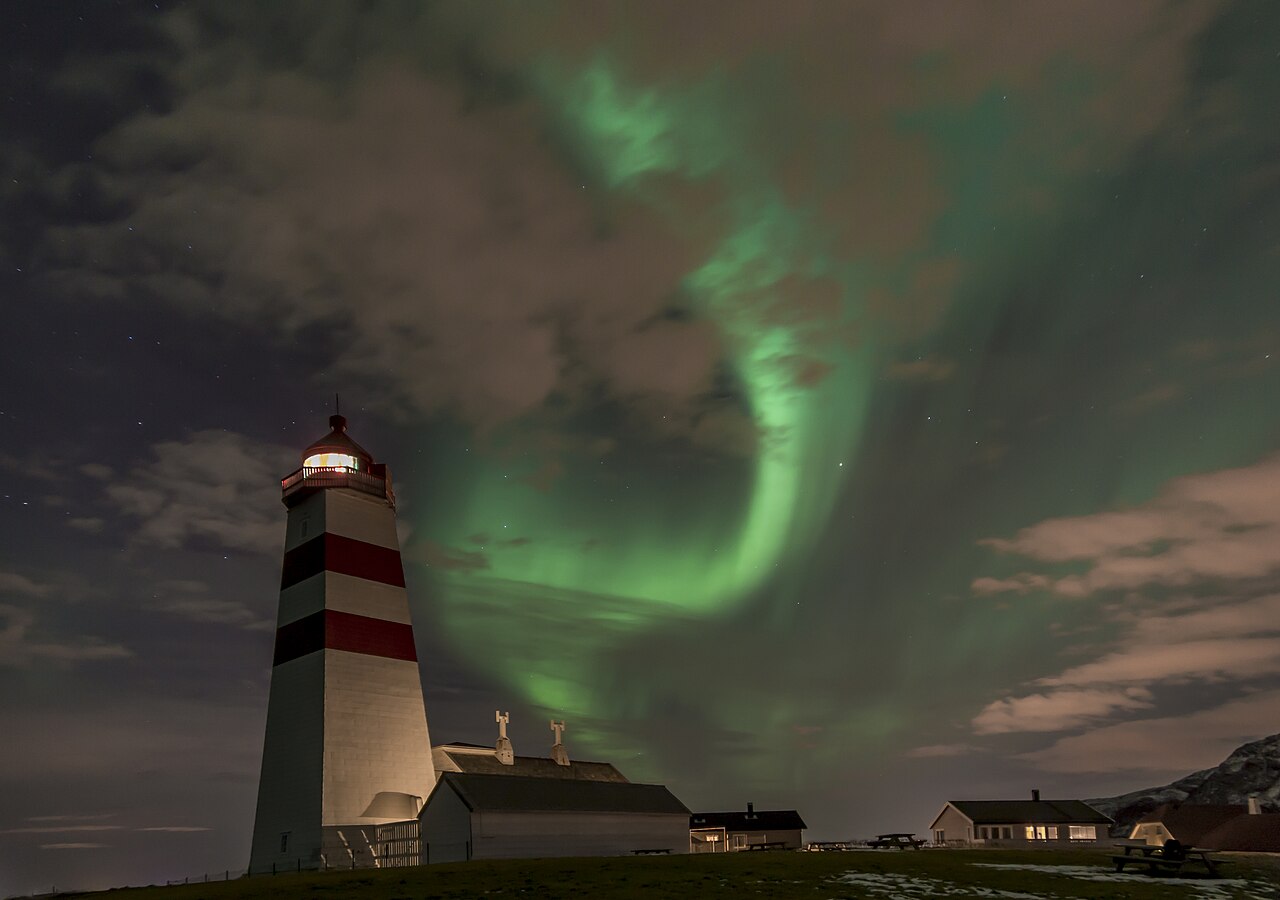
Built in 1852 on the western tip of Godøy island, Alnes fyr guards the approach to Ålesund's archipelago. The red tower stands 11 metres above a rock shelf at the Atlantic's edge, flanked by a restored keeper's cottage with a seasonal café. On a clear day the horizon stretches unbroken to the open sea.
🚕 30 min → hotel
From Hotel: 🚕 15 min → Kongens gate
1. Kongens gate
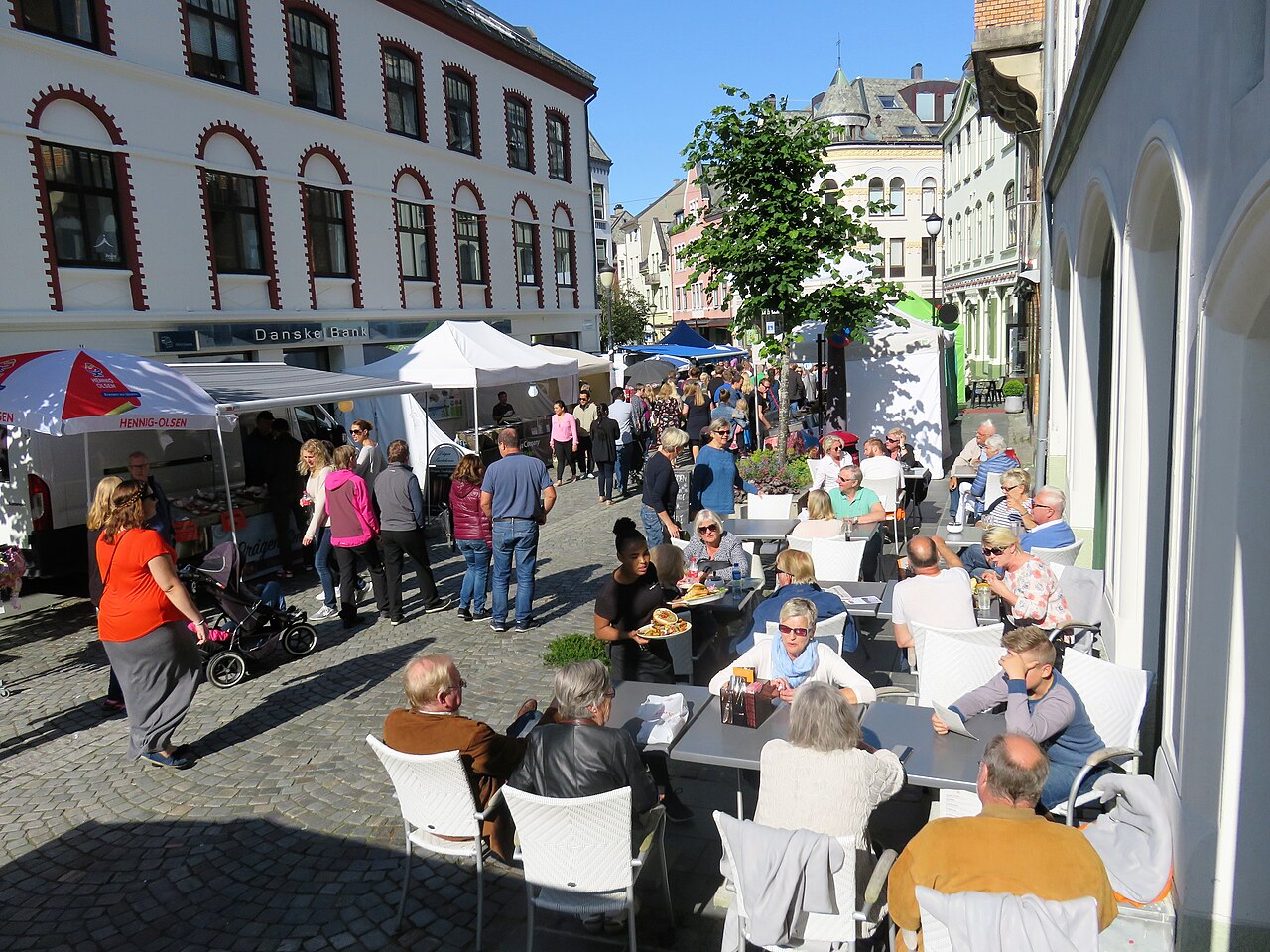
Rebuilt 1904–1907 after fire destroyed the city overnight. Kaiser Wilhelm II funded reconstruction; German architects fused Jugendstil ornament with local granite. Three blocks of symmetrical facades with towers, turrets, and dragon motifs — the most coherent Art Nouveau streetscape in Scandinavia.
🚶 1 min · 🚕 2 min → Jugendstilsenteret
2. Jugendstilsenteret
Norway's only museum dedicated to the Art Nouveau movement, housed in the 1907 Apoteker building. The permanent collection traces how Ålesund's 1904 fire reconstruction created the densest concentration of Jugendstil architecture in Norway. KUBE art museum is included in the same ticket.
🏛️ Tuesday - Sunday 11:00am - 5:00pm
🚫 Closed Monday
⏰ ~1.5 hr
🚕 15 min → hotel
From Hotel: 🚶 8 min · 🚕 3 min → Runde Island
1. Runde Island
Norway's southernmost major seabird colony: 100,000 Atlantic puffins, gannets, kittiwakes, and razorbills nest on the 200-metre basalt cliffs of Runde's western face each May–August. The Atlantic trail to the cliff edge is one of the most dramatic short walks in western Norway.
🏛️ Open 24/7
⏰ ~4 hr
⚠️ Puffins best May–August · boat connections reduced outside season
🚶 8 min · 🚕 3 min → hotel
From Hotel: 🚶 8 min · 🚕 3 min → Geirangerfjord
1. Geirangerfjord
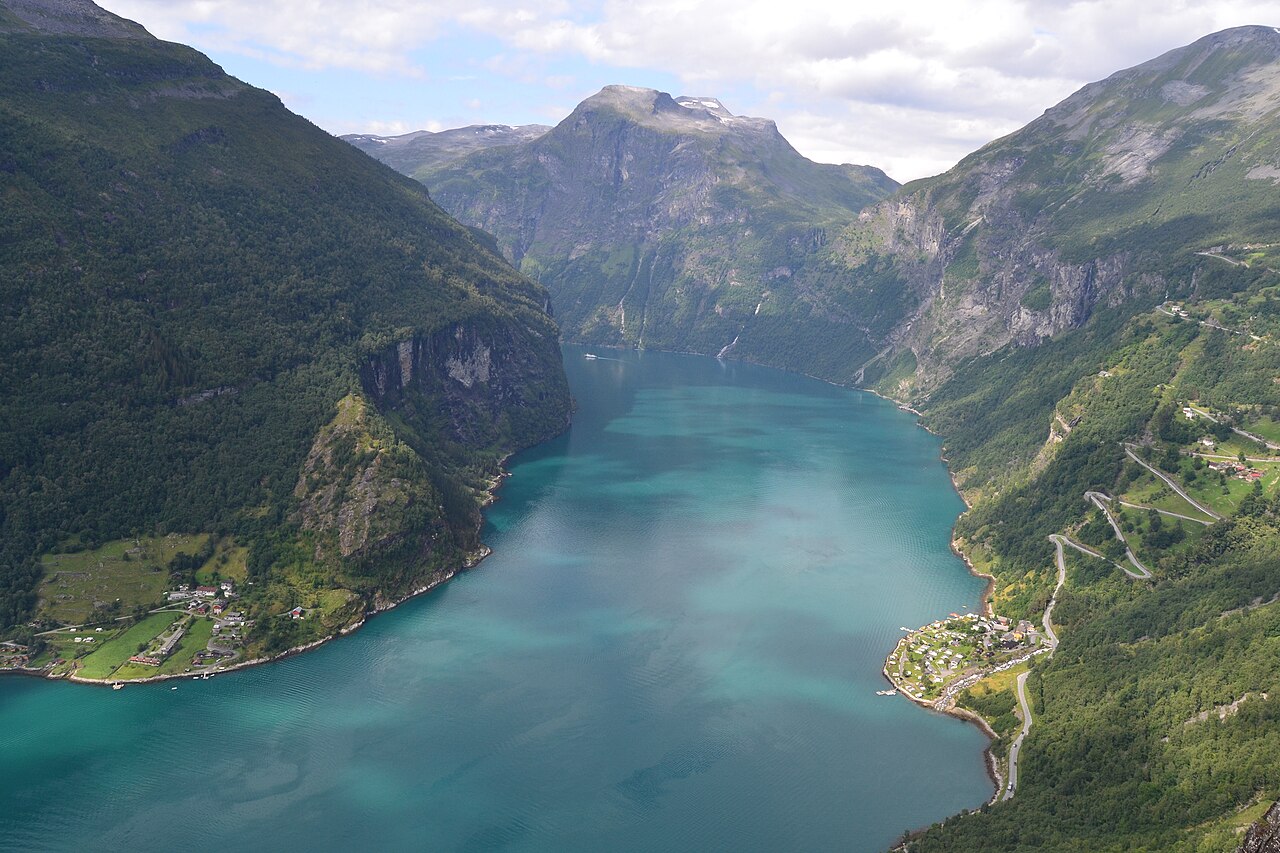
UNESCO World Heritage Site since 2005. Geirangerfjord runs 15 kilometres between sheer cliff walls past the Seven Sisters, the Suitor, and the Bridal Veil waterfalls — the fjord floor drops below 260 metres. Day-tour boats depart from Ålesund's Storneskaia pier each morning.
🏛️ Open 24/7
⏰ ~8 hr
⚠️ Best reached by guided day tour — see Tours section
🚕 3h 13min → Trollstigen
2. Trollstigen
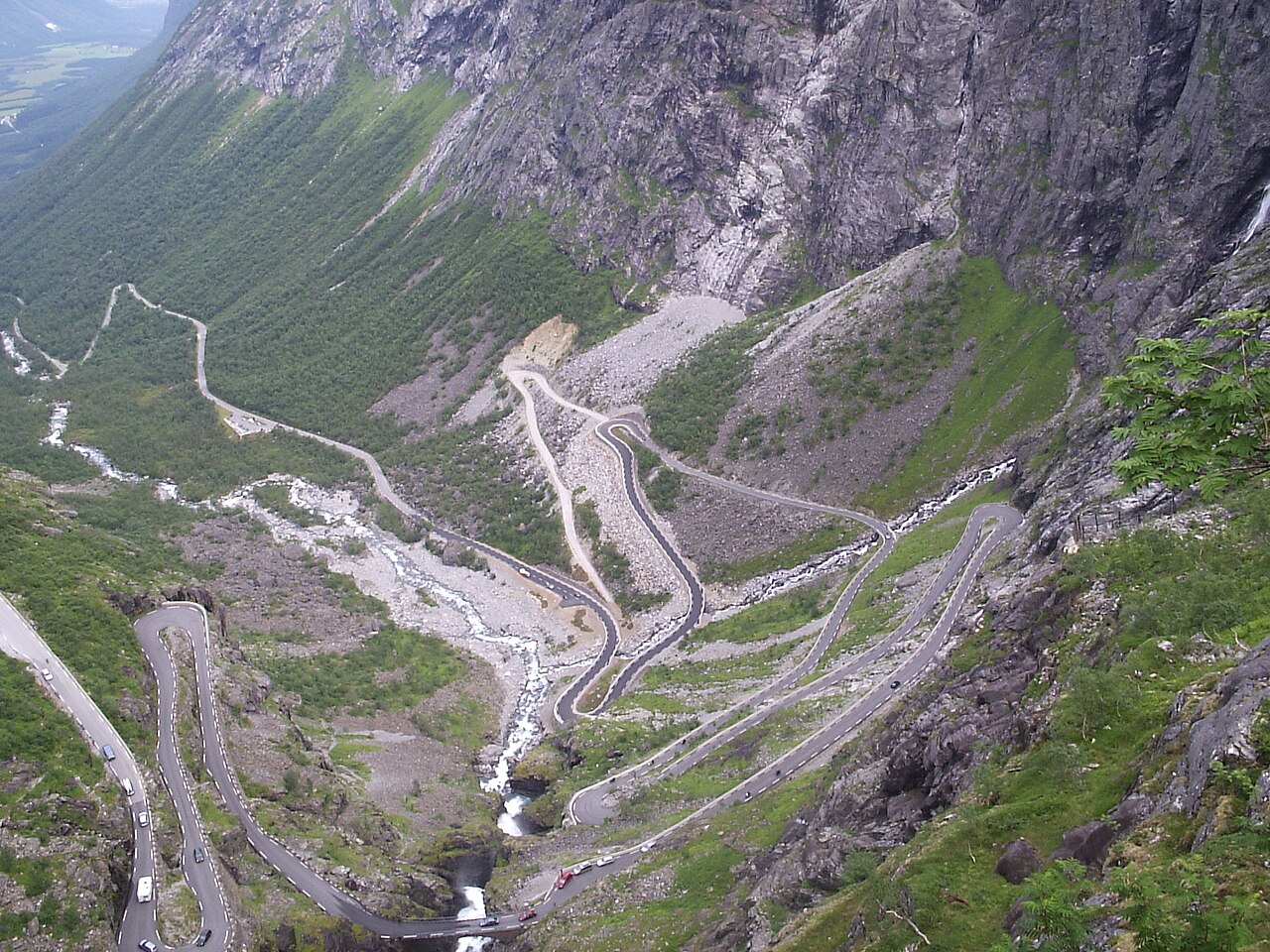
Eleven hairpins at 11% grade above a 180-metre waterfall, with a glass-railed platform cantilevered over the gorge: Trollstigen is one of the world's most photographed mountain roads. Most day tours from Ålesund combine a Geirangerfjord cruise with an afternoon drive through Trollstigen.
🏛️ Daily 9:00am - 6:00pm
⏰ ~1 hr
Free
⚠️ Road closed in winter — open mid-May to October
🚶 8 min · 🚕 3 min → hotel
From Hotel: 🚶 5 min · 🚕 3 min → Ålesund Church
1. Ålesund Church
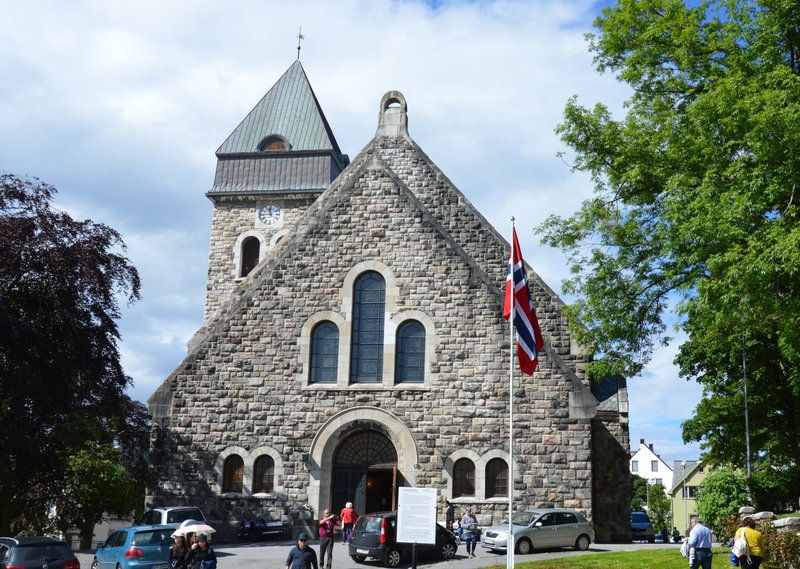
The principal church of Ålesund, designed by Sverre Knudsen and completed in 1909 in Art Nouveau style after the fire that destroyed the original. The interior carries painted choir decorations, stained glass, and the traditional Norwegian seafarers' votive — a ship model hanging from the ceiling.
🏛️ Daily 10:00am - 4:00pm
⏰ ~30 min
🚶 5 min · 🚕 3 min
🚕 12 min → Borgundkaupangen
2. Borgund Church
A medieval stone church built around 1300 on the grounds of Borgundkaupangen, once one of western Norway's largest pre-Bergen settlements. Rebuilt within its original medieval walls after the 1904 fire. 1950s excavations revealed building foundations and a Christian cemetery of over 300 graves.
🏛️ Open 24/7
⏰ ~45 min
🚕 12 min
🚕 40 min → Hjørundfjord
3. Hjørundfjord
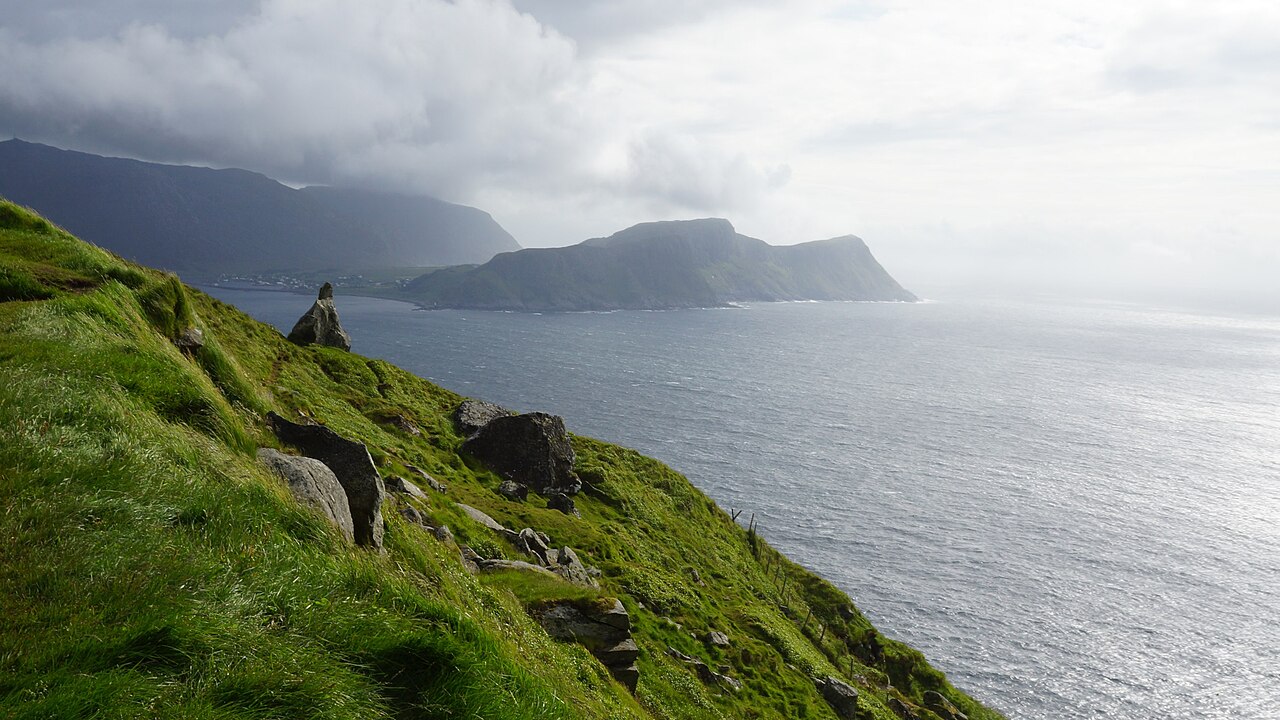
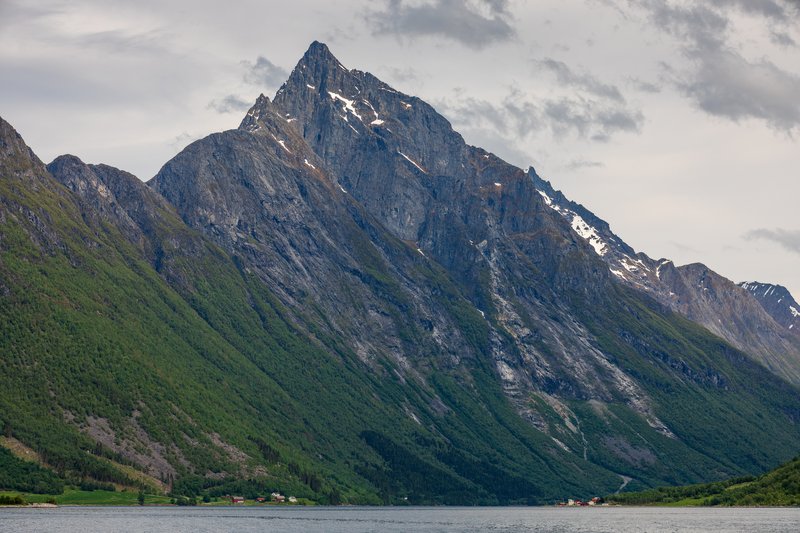
A 39 km fjord in the Sunnmøre Alps, south of Ålesund. Steeper and less visited than Geirangerfjord, Hjørundfjord runs between walls rising to 1,500 m with no cruise traffic. The fjord head at Sæbø and the Norangsdalsvegen valley attracted British alpinists in the 1800s for first ascents across the range.
🏛️ Open 24/7
⏰ ~2 hr
🚕 40 min
🚕 50 min → hotel
🔥 A Cow Kicked Over a Lamp and Burned Down an Entire City in a Night
Ålesund's Art Nouveau streetscape exists because of a cow. On the night of 23 January 1904, a lamp overturned in a fish-oil factory on the island of Aspøya — local accounts blame a cow that kicked it — and hurricane-force winter winds turned the spark into a firestorm that consumed nearly 850 wooden buildings, almost the entire town, within hours. Only one person died, an elderly woman who went back inside her burning house for her purse, but roughly 10,000 residents were left homeless in the depths of a Norwegian winter. Kaiser Wilhelm II, a regular Ålesund vacationer, sent a telegram ordering four German warships loaded with building supplies, food, and medicine before the flames were even fully out — the relief effort that let the rebuilt city rise in stone and Jugendstil ornament within just a few years.
The wild fjord south of the city drew its own outside admirer decades earlier. English mountaineer William Cecil Slingsby began climbing in the Sunnmøre Alps in the 1870s and, after summiting Slogen above Hjørundfjord, called the view down the fjord one of the proudest in Europe — a line that helped make this then-obscure valley internationally known among climbers. Slingsby returned to Norway fifteen times over three decades and is still remembered locally as the father of Norwegian mountaineering, a title earned in a fjord that, unlike Geirangerfjord, still sees no cruise traffic at all.