BANFF
Moose Hotel and Suites
Canada
From Hotel: 🚶 18 min · 🚕 5 min → Bow Falls
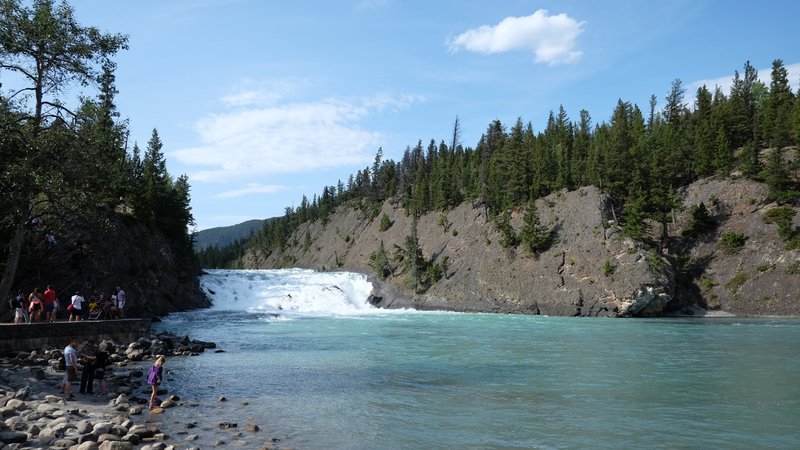
A powerful natural waterfall where the Bow River surges through a narrow bedrock canyon, with views of the Fairmont Banff Springs framing the horizon above the gorge.
🚶 10 min · 🚕 3 min → Surprise Corner
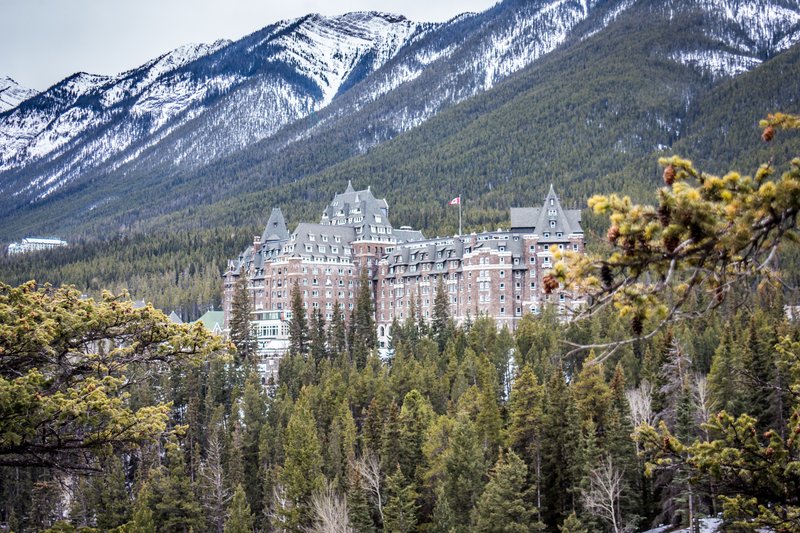
A promontory viewpoint above the Bow River where visitors turn a corner on the trail to discover an unobstructed panorama of the castle-like Fairmont hotel and mountain peaks.
🚶 5 min · 🚕 2 min → Fairmont Banff Springs
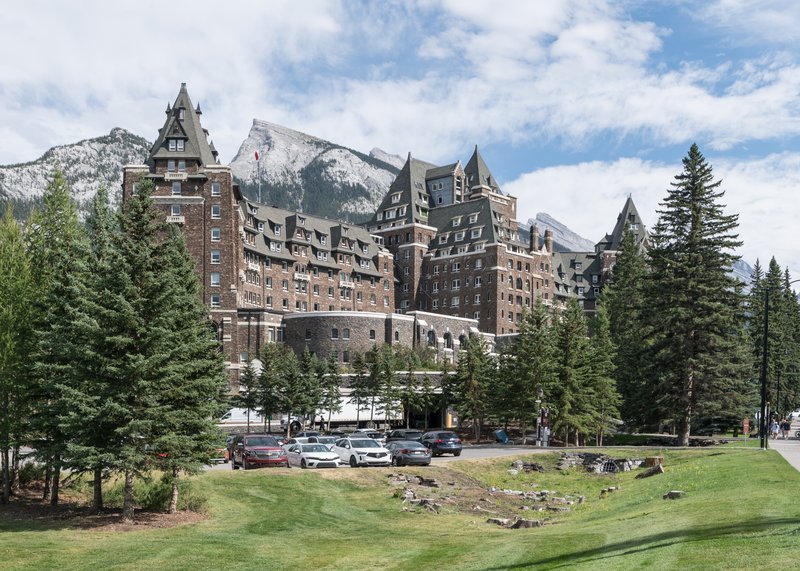
Canada's most iconic railway hotel, a sandstone baronial castle completed in 1888, set at the confluence of the Bow and Spray Rivers with commanding views of three mountain ranges.
🚶 15 min · 🚕 5 min → Cave and Basin National Historic Site
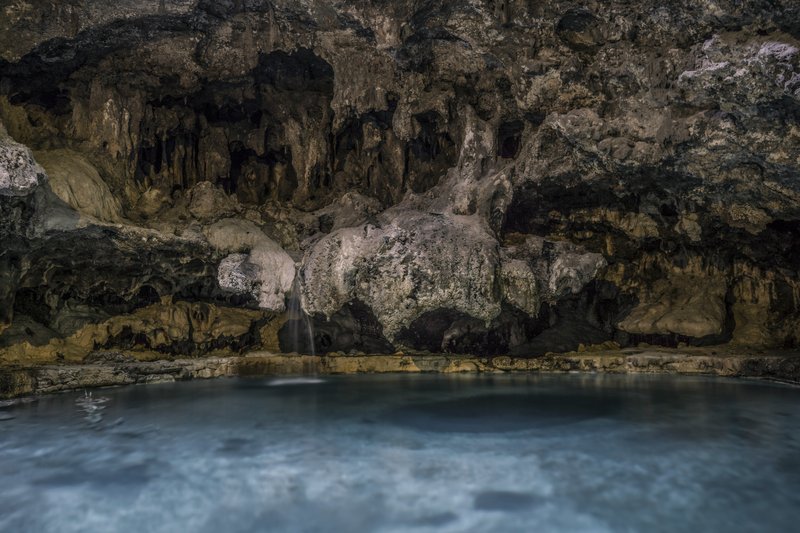
The discovery site of hot sulphur springs in 1883 that sparked the creation of Canada's national parks system; the cave pool and boardwalk marshes are home to the endangered Banff Springs snail.
🏛️ Daily 10:00am - 5:00pm
⏰ ~1 hr 30 min
🚶 25 min · 🚕 5 min → hotel
From Hotel: 🚕 1h 5min → Lake Louise
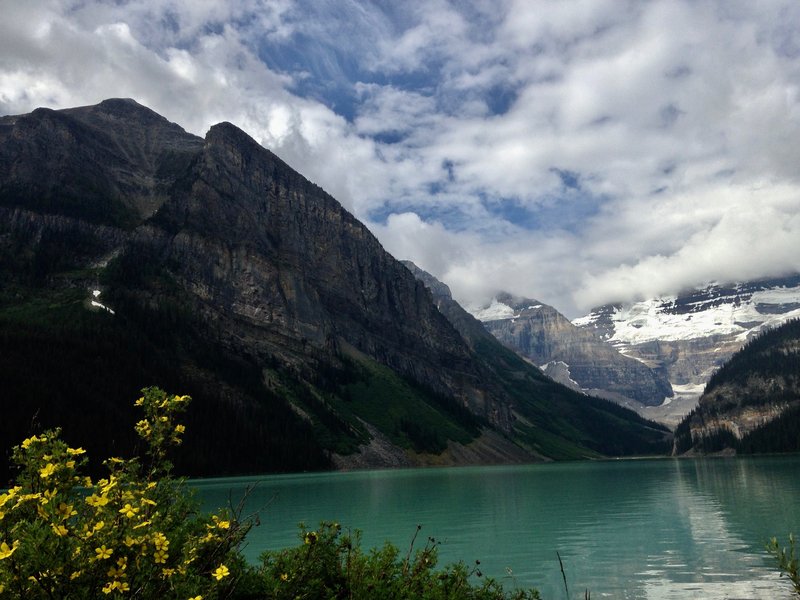
A glacier-fed emerald lake framed by the Victoria Glacier and Mount Victoria, with the historic Chateau Lake Louise on its shores and shoreline trails leading to tea houses above.
🚕 32 min → Moraine Lake
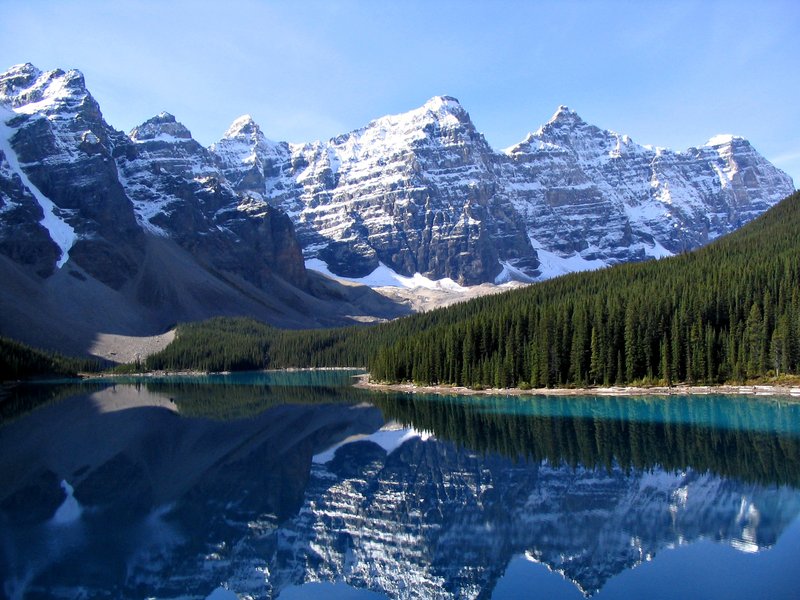
A vivid turquoise glacial lake ringed by the Valley of the Ten Peaks; the viewpoint from the rockpile at the lake's outlet is among the most photographed scenes in Canada. Parks Canada shuttle reservation required.
🏛️ Daily 6:00am - 5:30pm
⏰ ~3 hr
🚕 32 min → Johnston Canyon
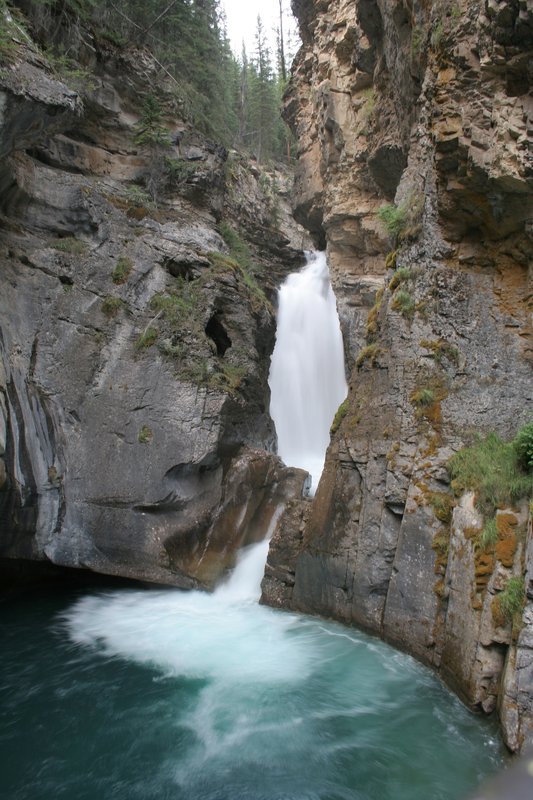
A narrow carved limestone canyon on the Bow Valley Parkway, where a steel catwalk bolted into the canyon walls leads past pools and spray to the Lower Falls at 1.1 km and the Upper Falls at 2.7 km.
🚕 25 min → hotel
From Hotel: 🚶 18 min · 🚕 5 min → Vermilion Lakes
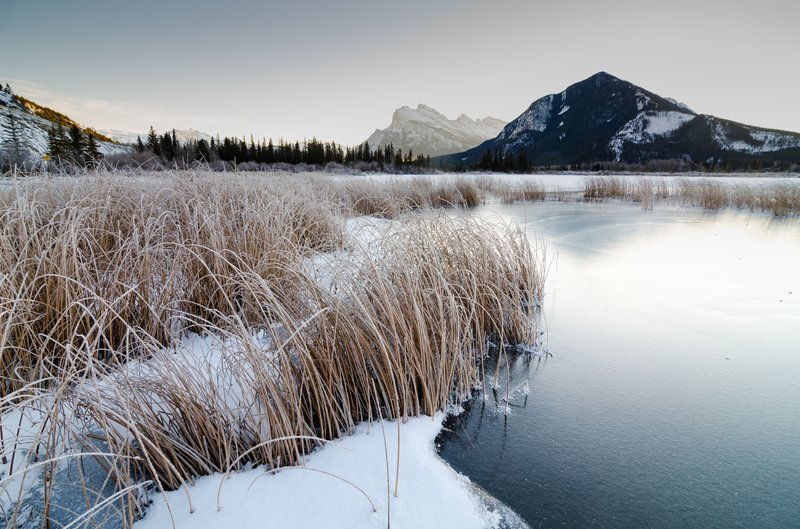
Three shallow interconnected lakes formed by beaver dams in a broad valley just outside Banff townsite, famous for sunrise and sunset reflections of Mount Rundle and as one of the park's best wildlife corridors.
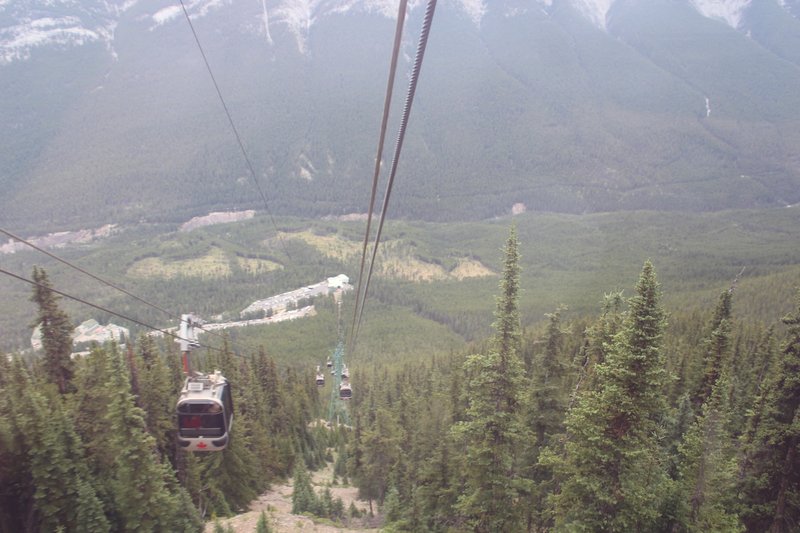
🚶 20 min · 🚕 5 min → Banff Gondola
A gondola ascending 698 m to the 2,281-metre summit of Sulphur Mountain, where a ridge boardwalk connects to the original 1903 cosmic ray station and summit-level views span six mountain ranges.
🏛️ Daily 8:00am - 10:00pm
⏰ ~2 hr
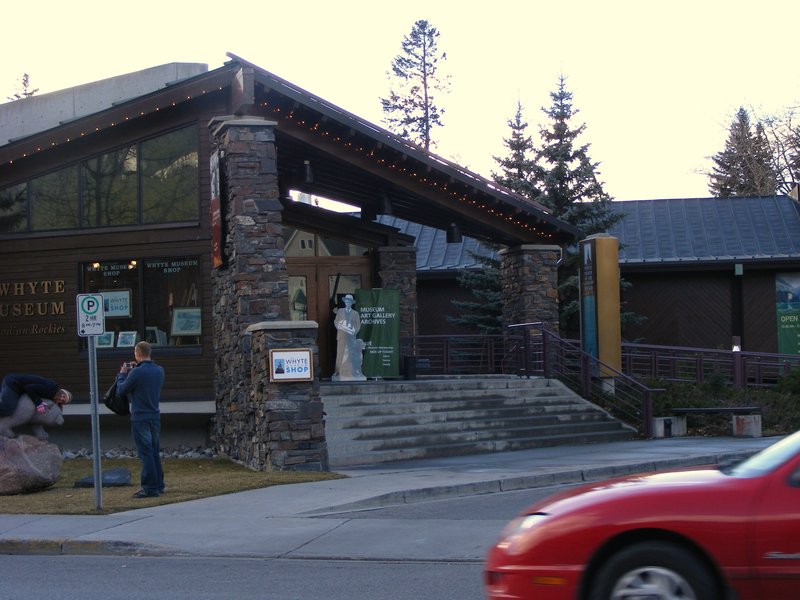
🚶 10 min · 🚕 5 min → Whyte Museum
A cultural institution preserving the visual art, literature, and human history of the Canadian Rockies, with rotating gallery exhibitions and the preserved heritage homes of pioneer artists Peter and Catharine Whyte.
🏛️ Tuesday - Sunday 10:00am - 5:00pm
⏰ ~1 hr
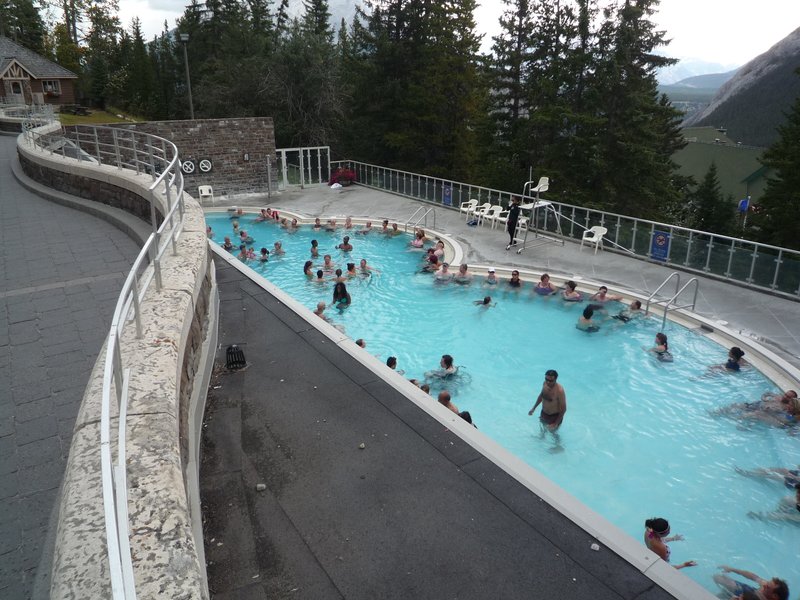
🚶 15 min · 🚕 5 min → Upper Hot Springs
Canada's highest commercially operated hot springs pool, fed by natural sulphurous water from Sulphur Mountain, with a panoramic mountain outlook from the outdoor pool deck.
🏛️ Daily 9:00am - 11:00pm
⏰ ~1 hr 30 min
🚶 15 min · 🚕 8 min → hotel
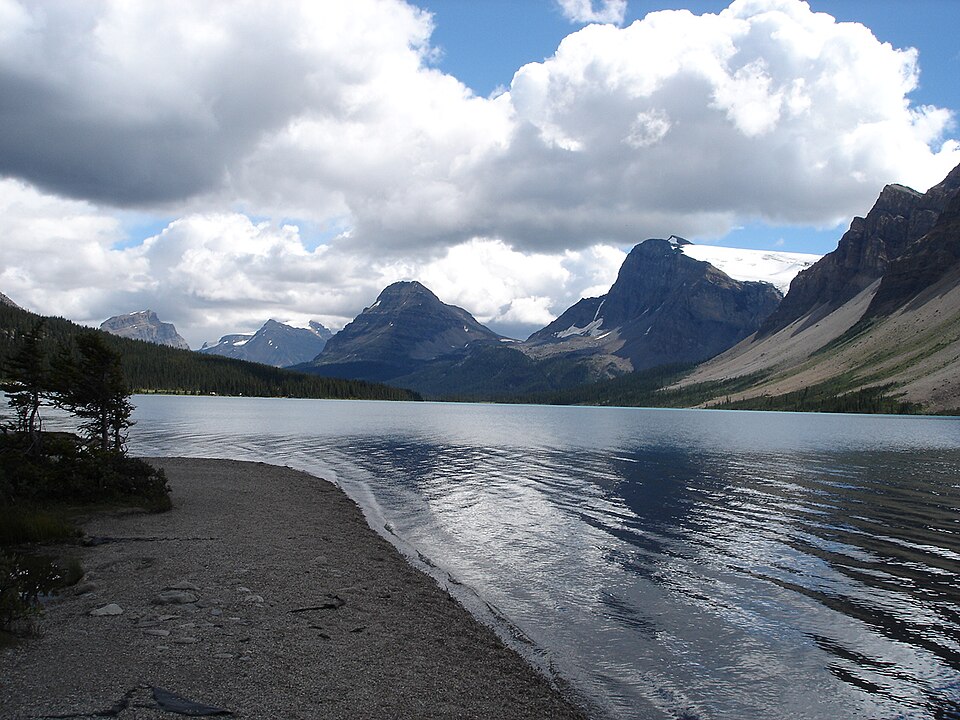
From Hotel: 🚕 1h → Bow Lake
A large glacially-fed lake at the headwaters of the Bow River, lying at 1,920 metres beneath the toe of Crowfoot Glacier — one of the most photogenic stopping points on the Icefields Parkway.
🚕 15 min → Peyto Lake
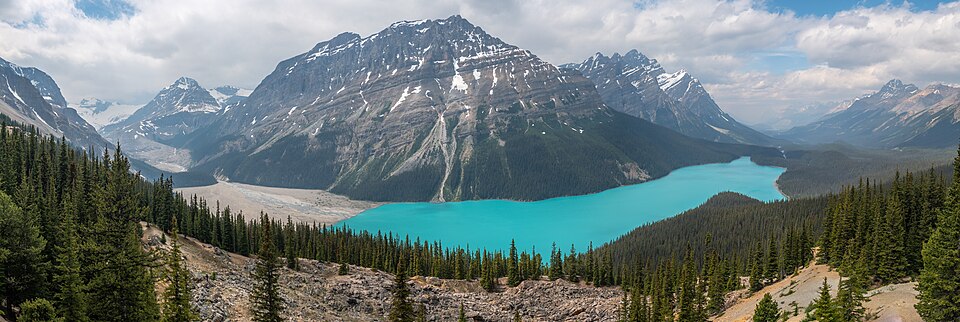
A glacier-fed lake at the base of Bow Summit whose vivid turquoise water and distinctive wolf-head outline — visible from the Bow Summit viewpoint at 2,069 metres — make it one of the most reproduced images in the Canadian Rockies.
🚕 25 min → Mistaya Canyon
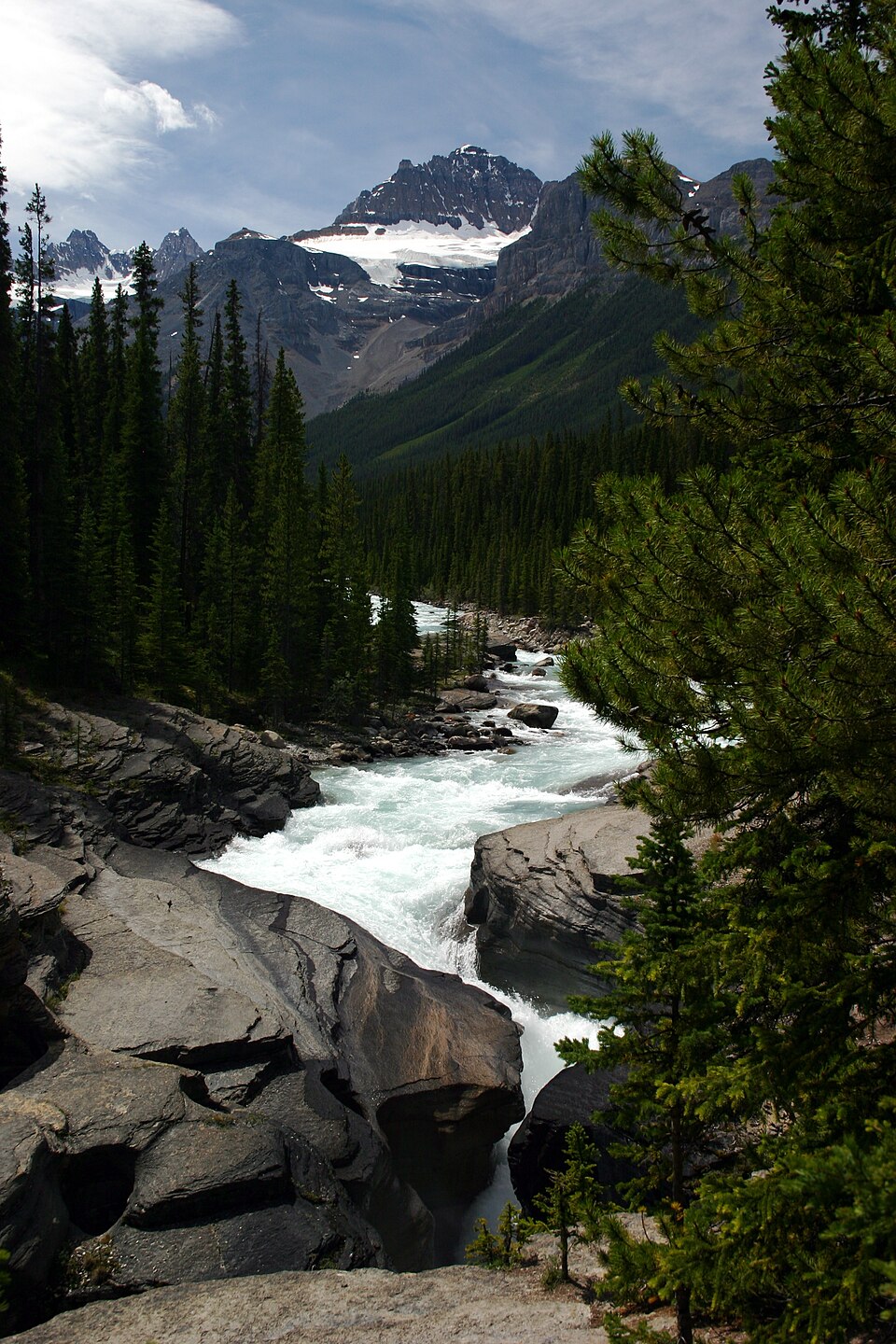
A narrow limestone gorge carved by the Mistaya River where centuries of water erosion have sculpted potholes, arches, and sheer walls reaching 40 metres, reached by a 700-metre trail through lodgepole pine forest from the highway.
🚕 1h 45min → hotel
From Hotel: 🚕 15 min → Lake Minnewanka
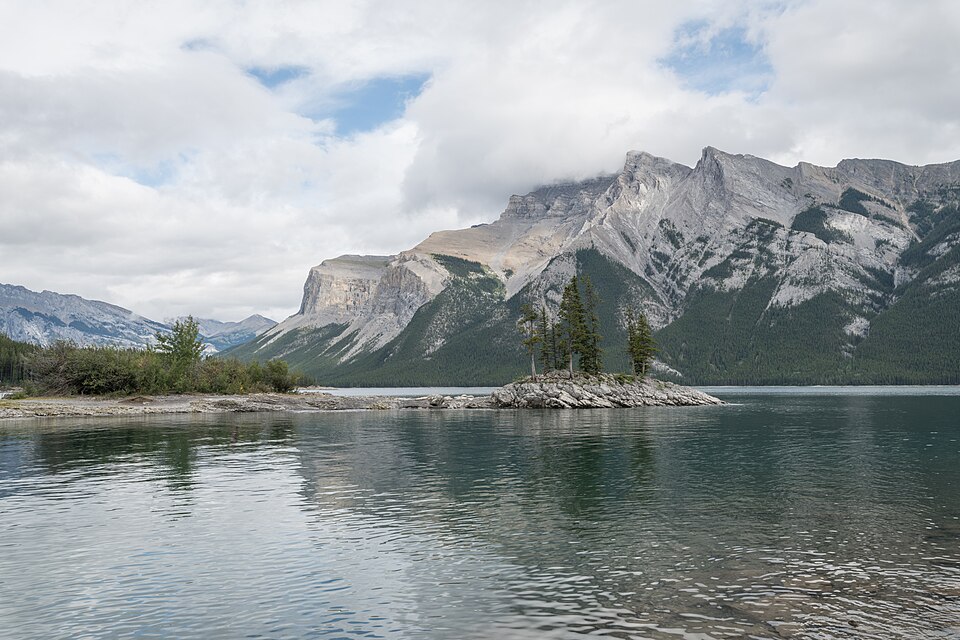
The largest body of water in Banff National Park — a 21-kilometre reservoir backed by the sheer face of Mount Inglismaldie — offering a two-hour boat tour along glacially-carved walls to the mouth of Ghost Canyon.
🏛️ Daily 9:00am - 5:00pm
⏰ ~2 hr
🚕 5 min → Bankhead
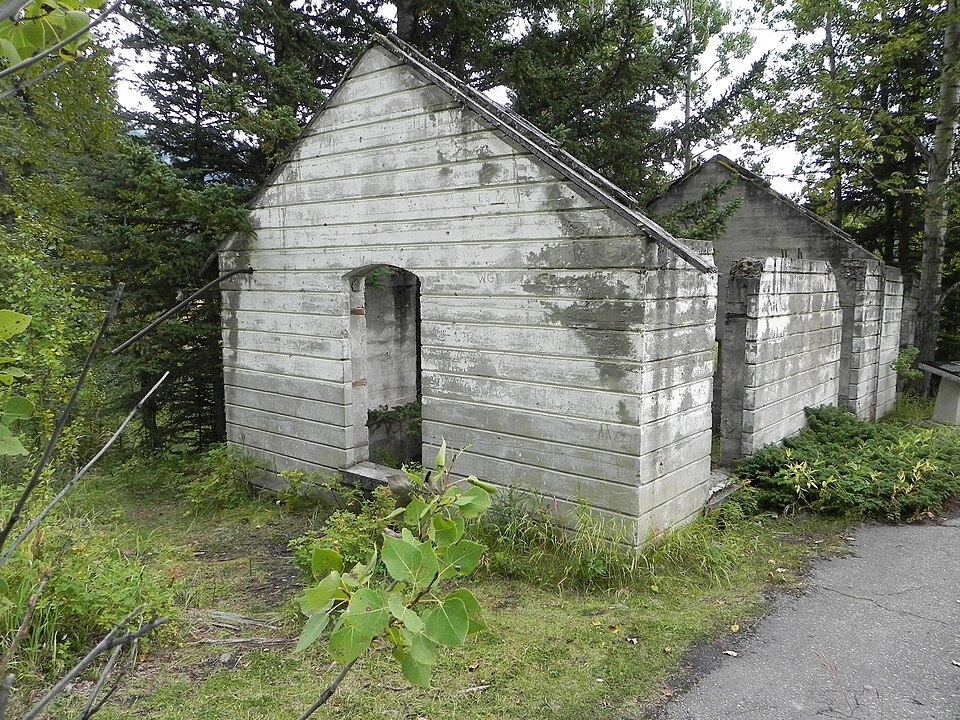
A coal-mining company town that operated from 1903 to 1922 and was then demolished when the CPR closed the mine — concrete foundations, the original lamp house, and interpretive panels marking where 1,000 workers once lived along the Minnewanka Loop Road.
🚕 10 min → Mount Norquay
A mountain 8 kilometres north of Banff townsite whose Sky Chair sightseeing chairlift ascends to 2,133 metres, where a ridge trail offers 360-degree panoramas over the Bow Valley, Cascade Mountain, and the Banff townsite below — one of the fastest elevated viewpoints to reach from the town centre.
🏛️ Daily 10:00am - 5:00pm
⏰ ~2 hr
🚕 10 min → hotel
🌌 From the Research Notes — Banff sits within one of the largest certified International Dark Sky Preserves in the world, covering 6,600 square kilometres of Banff and Jasper National Parks. The designation means light pollution is actively managed across the entire park boundary. On a clear night away from the Banff townsite, the Milky Way is visible to the naked eye for roughly 250 nights per year. The stargazing tours in the Tours section all exploit this — their meeting times shift nightly to match astronomical twilight, the window after sunset when the sky darkens but the horizon still holds enough glow for foreground photography. What most visitors miss is that the town's own lighting policy contributes to the preserve: all commercial and street lighting in Banff is downward-directed and amber-tinted to reduce scatter. Standing at the edge of Vermilion Lakes around 11pm, with the beaver-dammed wetlands quiet and Mount Rundle silhouetted against the Milky Way's core, is the version of Banff that takes an hour of patience to access but belongs on a different level from the standard viewpoints.
📜 There is also a lesser-told founding story at Cave and Basin. The hot springs were claimed by three CPR railway workers in November 1883, who fenced off the cave and attempted to develop it as a private bathing resort. The Canadian government refused to recognize their claim, expropriated the site two years later, and set aside 26 square kilometres as the "Banff Hot Springs Reserve" in 1885 — the act of Parliament that would expand in 1887 into Canada's first national park. Cave and Basin is, in the most literal sense, the place where Canada decided that natural heritage should belong to everyone. The endangered Banff Springs snail, endemic only to the outflow stream of these specific hot springs, has survived in that water for thousands of years and still lives there today.