CAYMAN ISLANDS
The Ritz-Carlton Grand Cayman
Cayman Islands
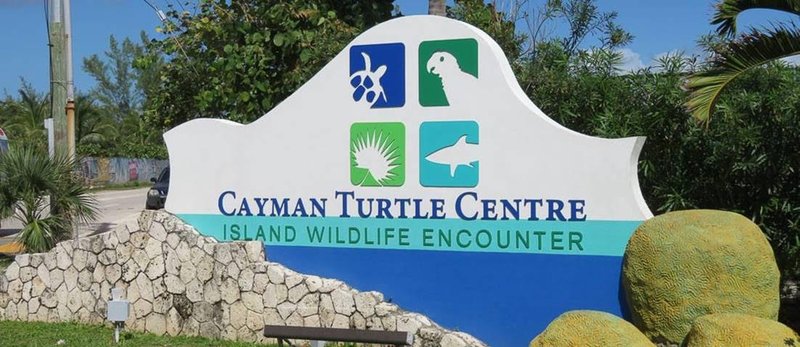
From Hotel: 🚕 10 min → Cayman Turtle Centre
Conservation facility breeding green sea turtles since 1968. Visitors snorkel with dozens of turtles in the Turtle Lagoon, feed them in open pools and explore Predator Reef, a butterfly house and a Caribbean free-flight aviary.
🏛️ Daily 8:00am - 5:00pm
⏰ ~2 hr
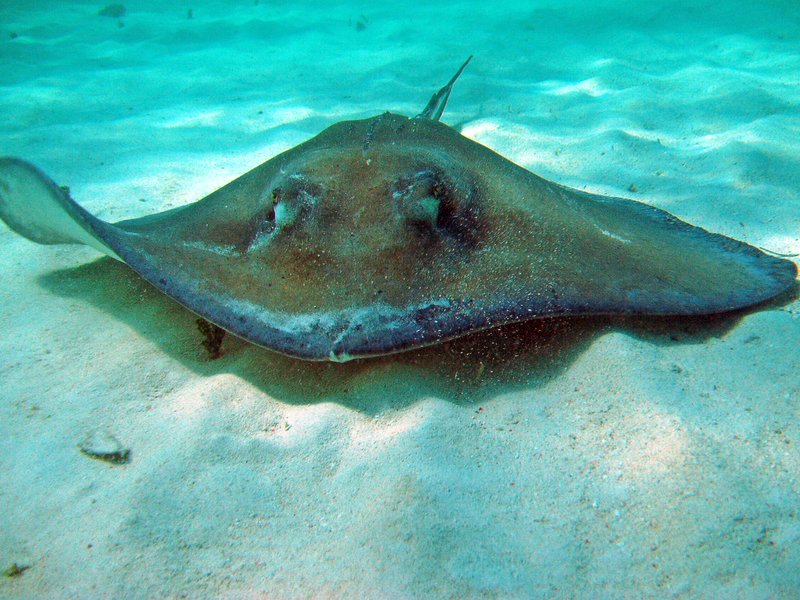
🚕 20 min → Stingray City Sandbar
A sandbar in the North Sound where 160+ tagged southern stingrays congregate daily. Waist-deep water lets visitors stand, feed and touch the animals. Accessible only by boat — tours include two coral reef snorkel stops.
🏛️ Daily 8:00am - 4:00pm
⏰ ~3 hr
🚕 15 min → hotel
From Hotel: 🚕 30 min → Queen Elizabeth II Botanic Park
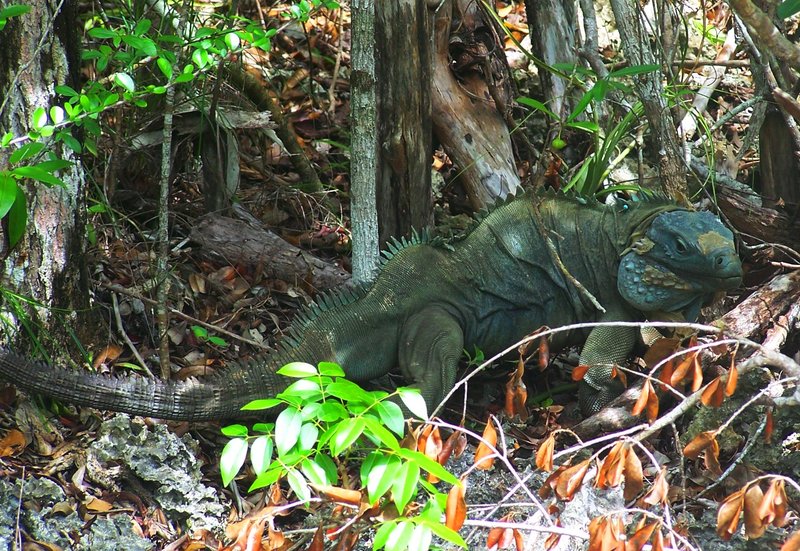
A 65-acre national park protecting Grand Cayman's rarest wildlife. The Blue Iguana Recovery Programme breeds Cyclura lewisi — fewer than 500 survive in the wild — for release. The Orchid Boardwalk shows four endemic orchid species including the Wild Banana Orchid, Cayman's national flower.
🏛️ Daily 9:00am - 5:30pm
⏰ ~1 hr 30 min
⚠️ Last admission 4:30pm
🚕 15 min → Cayman Crystal Caves
Three caverns on Grand Cayman's north coast, opened 2016 and voted a TripAdvisor Top 5 Attraction in the World. Guided tours move through tropical forest into cave chambers where stalactite and stalagmite crystal formations — some millions of years old — hang above a still underground lake.
🏛️ Daily 9:00am - 5:00pm
⏰ ~1 hr 30 min
⚠️ Advance booking required · guided tours on the hour · last tour 4:00pm
No pictures found.
🚕 45 min → hotel
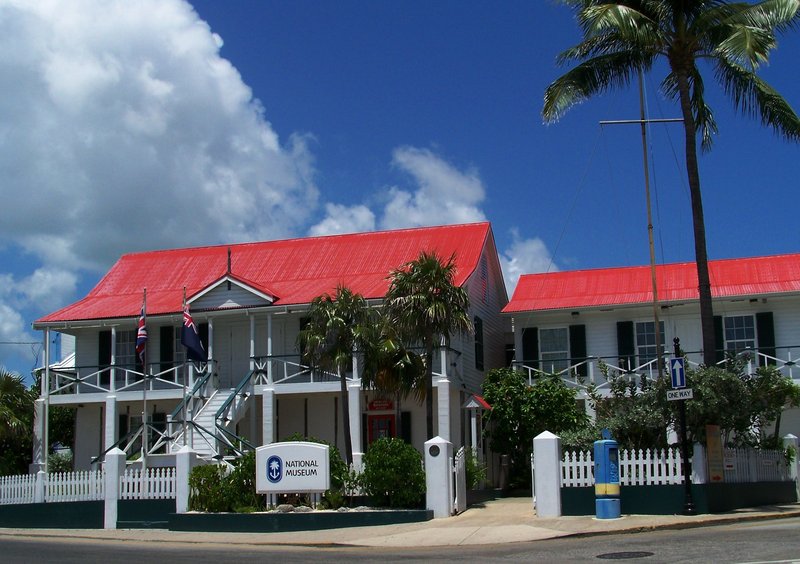
From Hotel: 🚕 15 min → Cayman Islands National Museum
Housed in the restored Old Courts Building on Harbour Drive, the Cayman Islands National Museum opened in 1990. Its permanent collection covers the natural environment, maritime history, and social development of the islands, with exhibits on shipwrecks, reef ecosystems, and traditional Caymanian life.
🏛️ Monday - Friday 9:00am - 5:00pm · Saturday 10:00am - 2:00pm
🚫 Closed Sunday
⏰ ~1.5 hr
🚕 15 min → Hell
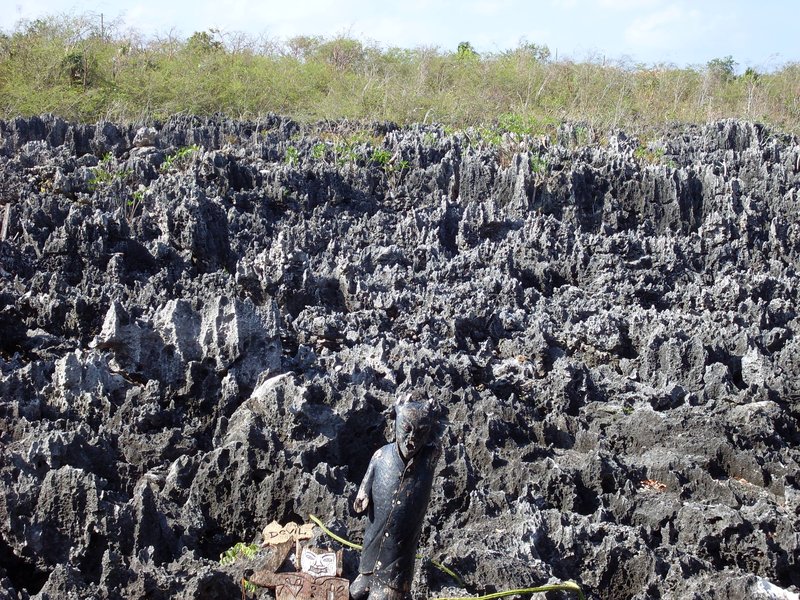
Hell is a small area in West Bay consisting of a half-acre of jagged, black ironshore limestone formations. The formations were named for their appearance in the 1930s. A government post office on site allows visitors to have mail postmarked "Hell, Grand Cayman."
🚕 10 min → Seven Mile Beach
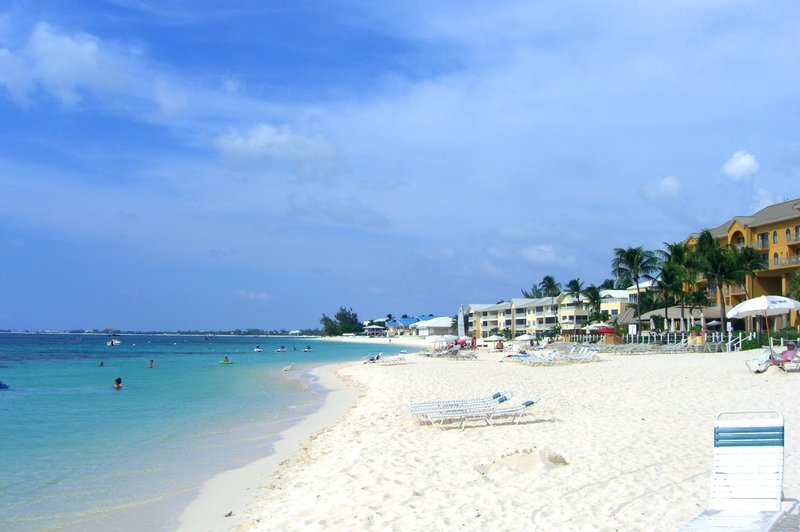
Seven Mile Beach runs for approximately 5.5 miles along the western coast of Grand Cayman — shorter than its name suggests. The beach has calm, clear water due to an offshore barrier reef that reduces wave action. The hotel sits on this stretch of shore.
🚕 10 min → George Town Waterfront
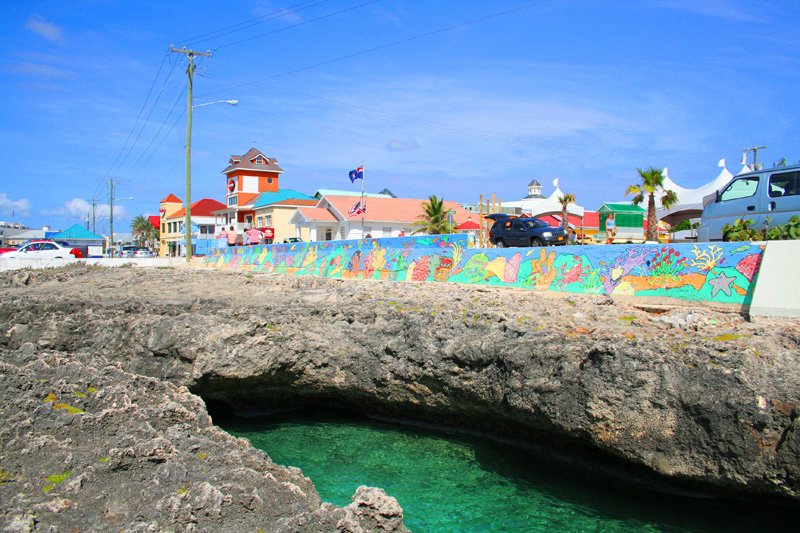
Harbour Drive in George Town is the main commercial waterfront, lined with duty-free shops and jewellery stores. The area also contains several historic buildings including the Legislative Assembly and the old courthouse. Cruise ships dock at a nearby pier — the busiest port of call in the Cayman Islands.
🏛️ Daily 9:00am - 5:00pm
⏰ ~1 hr
🚕 10 min → hotel
🌊 The Stingray Agreement
The story of Stingray City is an accident of appetite. In the 1940s and 50s, local fishermen anchored in the North Sound shallows to clean their catch before heading to market. They threw the scraps overboard. The southern stingrays — which hunt by scent along the sandy bottom — began appearing to take the discards. Decade by decade, the same sandbars, the same fishermen, the same routine: the rays learned that boats meant food. By the time sport divers discovered the site in the 1980s, the stingrays had been behaviourally conditioned for nearly forty years. No breeding programme, no fencing, no management — just one generation of stingrays teaching the next that humans are a reliable food source. What visitors now experience as a wildlife sanctuary began as a rubbish pile.
The Grand Cayman Blue Iguana — Cyclura lewisi — is one of the rarest lizards on Earth. In 2002, fewer than 15 individuals remained in the wild — a number so low that biologists believed the species would be functionally extinct within a decade. The Blue Iguana Recovery Programme at the Queen Elizabeth II Botanic Park now returns 150 to 200 juveniles to the wild each year. It is one of the very few examples in the Caribbean of a species pulled back from the edge not by habitat restoration, but by direct human intervention: eggs collected, incubated, hatchlings raised to a survivable size, then released on the same karst limestone where their ancestors lived before humans arrived.