KEY WEST
Courtyard by Marriott Key West Waterfront
United States
From Hotel: 🚕 8 min → Ernest Hemingway Home and Museum
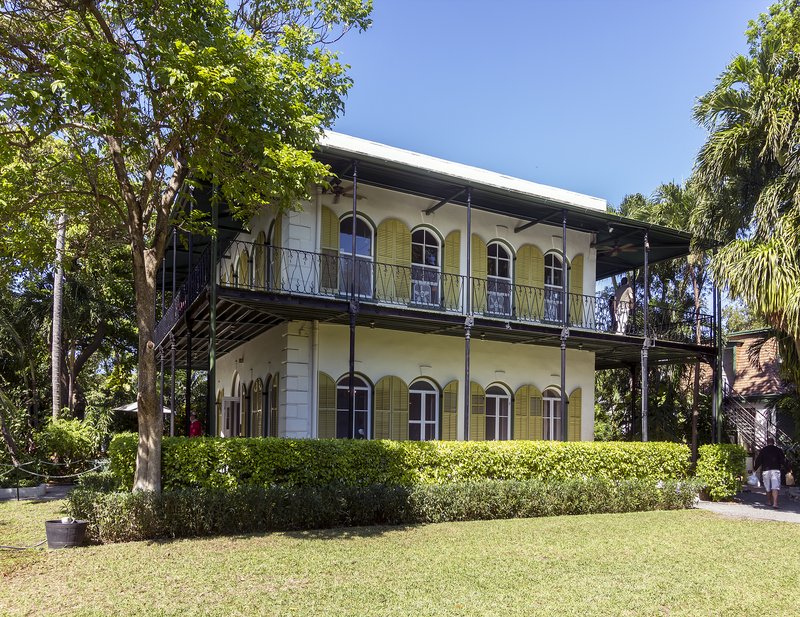
The Spanish Colonial house where Hemingway lived 1931–1940 and wrote A Farewell to Arms and To Have and Have Not. A National Historic Landmark; 40 to 50 polydactyl cats — descendants of his six-toed cat — live on the grounds. The first private swimming pool in Key West was built here in 1938.
🏛️ Daily 9:00am - 5:00pm
⏰ ~1 hr
🚶 8 min · 🚕 3 min → Key West Butterfly and Nature Conservatory
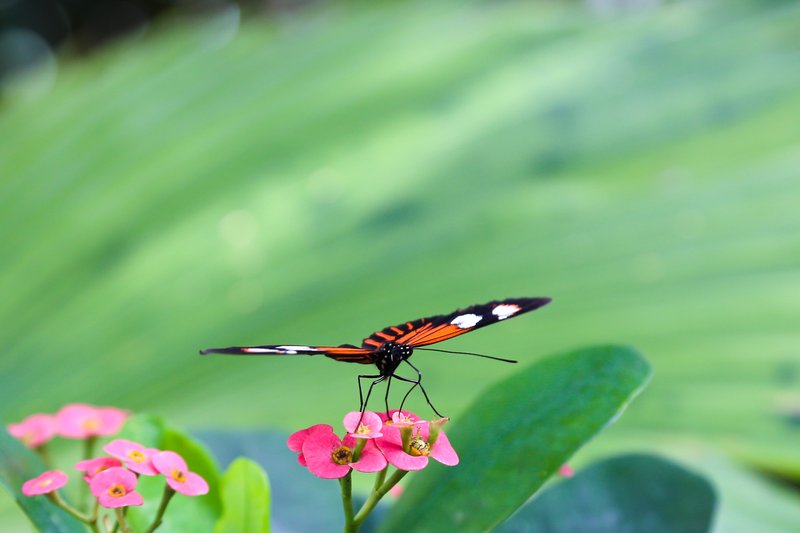
A glass-domed habitat housing 50 to 60 butterfly species alongside tropical birds, two flamingos, and cascading waterfalls. The conservatory maintains a controlled tropical climate year-round; butterflies emerge from pupae in a hatching window visible to visitors.
🏛️ Daily 9:00am - 5:00pm
⏰ ~1 hr
🚶 3 min · 🚕 2 min → Duval Street
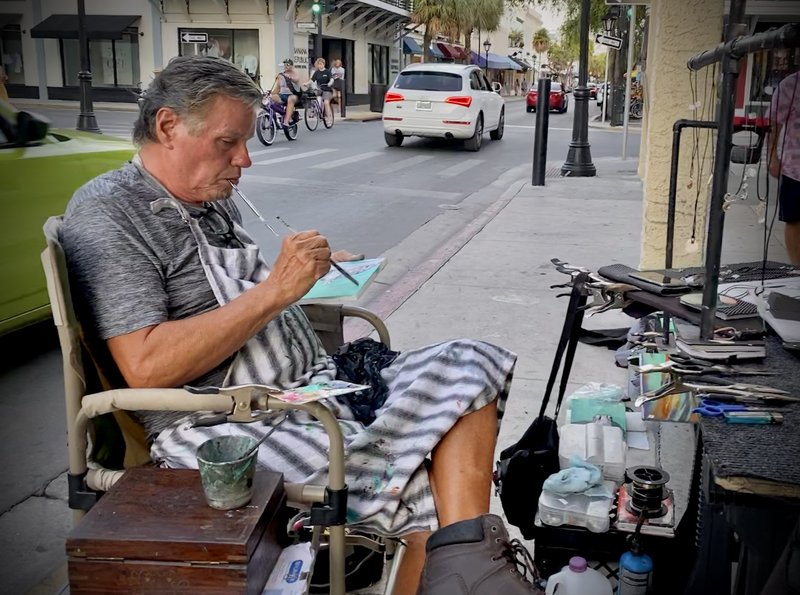
Key West's main thoroughfare — a one-mile corridor from the Gulf of Mexico to the Atlantic. Lined with Conch-style Victorian houses, galleries, and the island's most storied establishments. The street has been at the heart of Key West's bohemian literary identity since the late 19th century.
🚶 20 min · 🚕 9 min → Mallory Square
A historic waterfront plaza at the island's northwest tip. Street performers and artisans have gathered here since the 19th century; the nightly Sunset Celebration draws hundreds to watch the sun drop into the Gulf. The site was once Key West's cigar-rolling and sponge-market waterfront.
🚶 1 min · 🚕 2 min → Mallory Square – Sunset Celebration
Key West's nightly ritual — the waterfront plaza fills with street performers, acrobats, jugglers, and artisans as the sun drops into the Gulf. The Sunset Celebration began in the 1960s counterculture era and has continued every evening since. The view from the wharf is unobstructed.
No pictures found.
🚕 12 min → hotel
From Hotel: 🚕 14 min → Fort Zachary Taylor Historic State Park
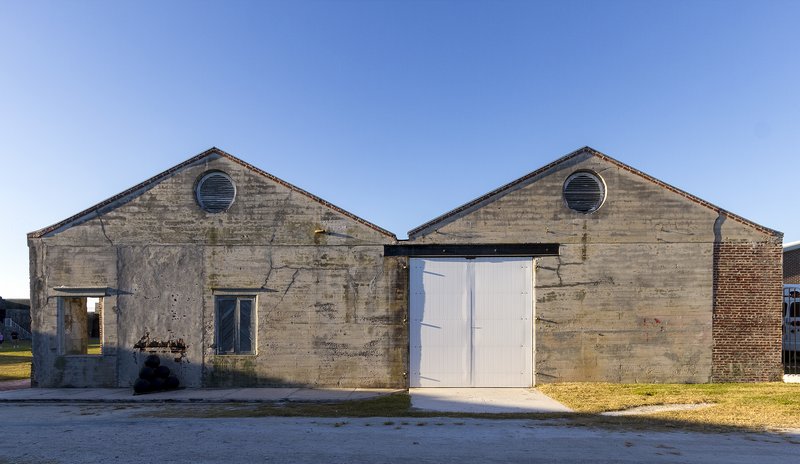
A Third System brick fort completed in 1866 on Key West's southwestern tip. The fort controlled the Florida Straits during the Civil War and never fell to Confederate forces. Its moat filled with sand in the 1890s, preserving thousands of Civil War cannons. The park also has the island's best natural sand beach.
🏛️ Daily 8:00am - 5:00pm
⏰ ~1 hr 30 min
🚶 24 min · 🚕 8 min → Key West Aquarium
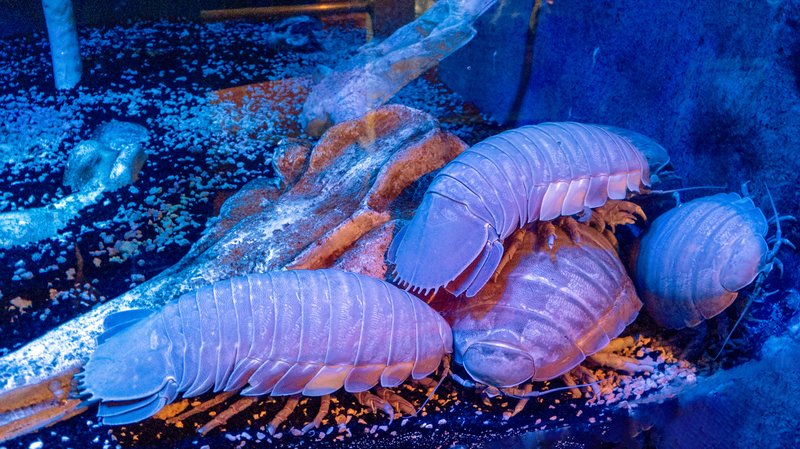
One of the oldest open-air aquariums in the United States, opened in 1934. The waterfront facility on Mallory Square holds nurse sharks, tarpon, loggerhead sea turtles, and stingrays. Daily guided shark feedings and interactive touch tanks showcase the Florida Keys marine ecosystem.
🏛️ Daily 10:00am - 6:00pm
⏰ ~1 hr
🚶 7 min · 🚕 6 min → Harry S Truman Little White House
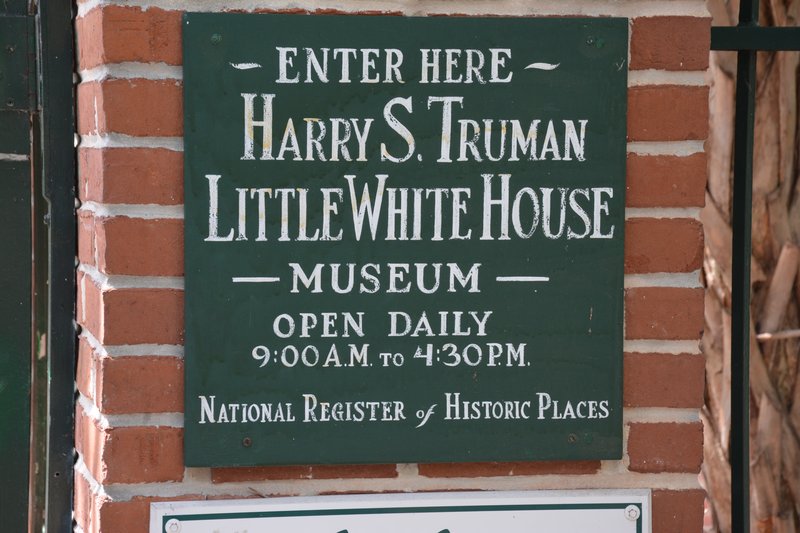
The Key West Naval Station's 19th-century Commanding Officer's Quarters, used by President Truman as his Winter White House during 11 vacations between 1946 and 1952. Restored to its 1949 appearance; guided tours cover the rooms where Truman conducted Cold War business. Eisenhower and Kennedy also used the property.
🏛️ Daily 9:00am - 5:00pm
⏰ ~1 hr
🚶 20 min · 🚕 9 min → Key West Cemetery
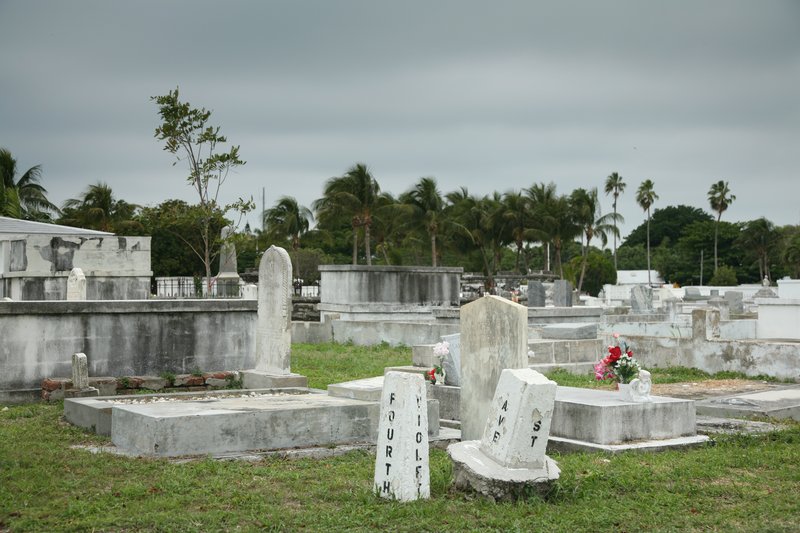
A 19-acre walled cemetery established in 1847 after a hurricane destroyed the island's original burial ground. Key West's coral-limestone substrate forces above-ground burial — whitewashed tombs stacked several feet high line the paths. Notable for darkly humorous epitaphs; the cemetery holds roughly 100,000 burials.
🏛️ Daily 7:00am - 7:00pm
⏰ ~45 min
Free
🚶 21 min · 🚕 6 min → Higgs Beach
Key West's most popular public Atlantic-side beach — a calm strip of sand with a pier, volleyball courts, and picnic pavilions. A memorial marks the African Cemetery, the burial ground of Africans who died aboard slave ships intercepted by the US Navy between 1858 and 1860.
🚕 9 min → hotel
🐾 The Six-Toed Cats and the City That Led Florida
Ernest Hemingway lived in Key West from 1931 to 1939, and the cats that roam his house today are descendants of a polydactyl cat — a cat with six toes on each front paw — given to him by a ship's captain. The Hemingway Home keeps around 40 to 50 of these cats, roughly half of which carry the polydactyl trait. They're named after famous figures, they have the run of the property, and they are technically in violation of Monroe County's three-cat household limit. The city has repeatedly tried to regulate them; the federal government has also weighed in. The cats remain.
Less well known: Key West was the largest city in Florida by population through much of the 1880s and 1890s — larger than Jacksonville, larger than Tampa, larger than Miami, which barely existed. The city's wealth came from two industries: wrecking — salvaging cargo from ships that ran aground on the reef — and cigar manufacturing. Cuban cigar makers relocated to Key West during and after the Ten Years' War against Spanish rule, and by the 1880s the city had over 100 cigar factories producing millions of cigars annually. A labor dispute eventually pushed most of the industry north to Tampa's Ybor City, and Key West never recovered its Florida-leading population. It had a population of roughly 18,000 in 1890; Tampa surpassed it shortly after.