MARCO ISLAND
JW Marriott Marco Island Beach Resort
United States
From Hotel: 🚶 22 min · 🚕 5 min → Marco Island Historical Museum
Home to the Key Marco Cat — a crouching wooden feline carved by the Calusa around 700 CE and one of the most significant pre-Columbian artifacts found in North America. The museum traces 2,000 years of Calusa civilization on the shell-mound islands, and the 1896 Cushing expedition that unearthed the cat.
🏛️ Tuesday - Saturday 9:00am - 4:00pm
🚫 Closed Sunday & Monday
⏰ ~1 hr 15 min
Free
🚶 22 min · 🚕 5 min → South Marco Beach
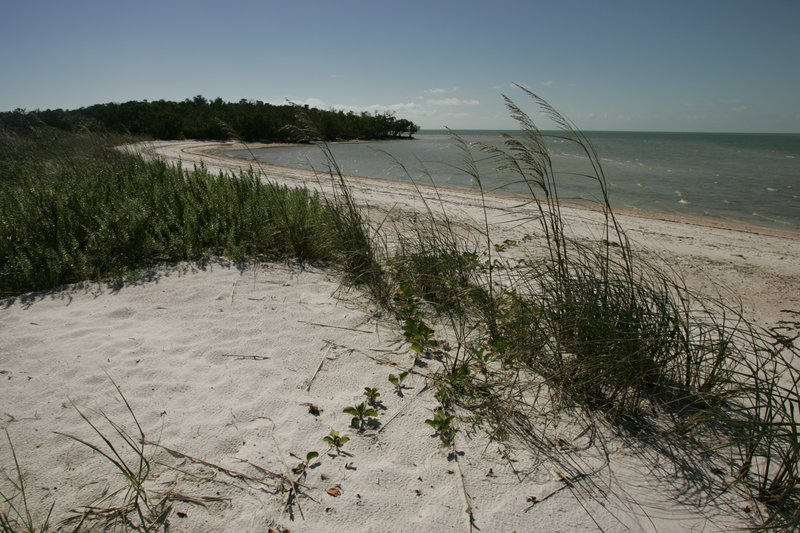
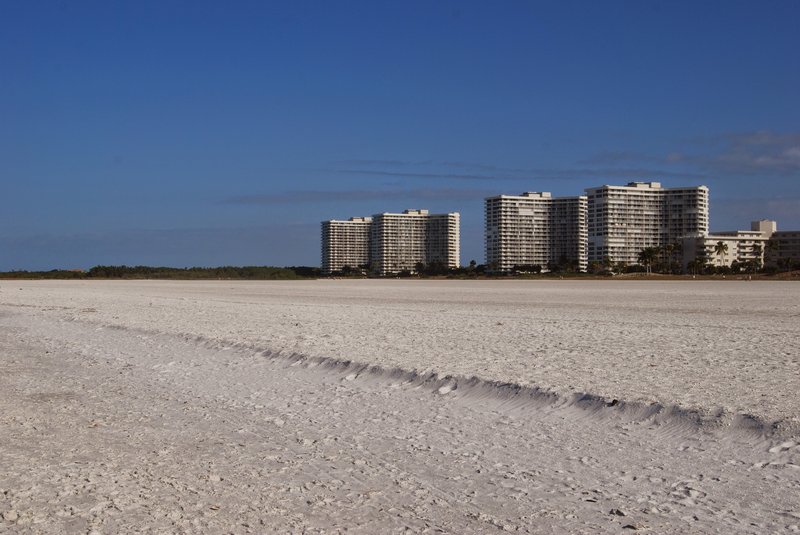
Marco Island's best Gulf sunset vantage — a wide, flat, white-sand expanse facing due west into open water with an unobstructed horizon. The public beach access here is unhurried; arrive in the late afternoon as the sun begins to drop directly over open water, behind nothing.
🚕 13 min → Tigertail Beach & Sand Dollar Island
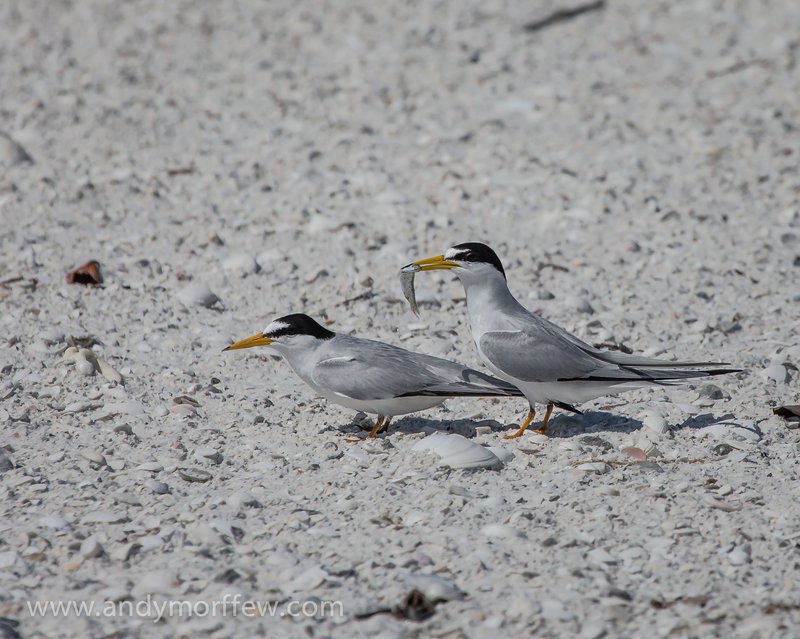
A tidal lagoon separates the parking area from Sand Dollar Island — a shelling spit at the edge of the Ten Thousand Islands. Roseate spoonbills, bald eagles, and nesting least terns work the lagoon; the north tip borders a protected colonial waterbird nesting zone.
🚶 15 min · 🚕 5 min → Cape Romano Dome Houses
Six concrete domes built in 1982 now sit half-submerged in the Gulf, accessible only by boat. Hurricane Ian accelerated the erosion that has claimed the structure since 1992. Tours cross open mangrove waterways past dolphins and osprey before circling the ruins — one of the most unusual sights in Southwest Florida.
🚶 10 min · 🚕 3 min → hotel
From Hotel: 🚕 8 min → Caxambas Park
Southern tip of Marco Island where Caxambas Pass opens into the Gulf, giving kayakers direct access to the mangrove channels of the Ten Thousand Islands. Kayak Marco Island rents singles and tandems from the park; paddle into the estuary as dolphins follow the outgoing tide through the pass.
🏛️ Open 24/7
⏰ ~2 hr 30 min
🚕 14 min → Goodland
An Old Florida fishing village of roughly 300 people fifteen minutes east of Marco Island — stilt houses on canals, shrimp boats, hand-painted signs, and a bar where the Buzzard Lope dance has run every Sunday afternoon for decades. The Little Bar serves stone crab and smoked mullet in a waterfront fish-camp setting.
🏛️ Open 24/7
⏰ ~1 hr 30 min
No pictures found.
🚕 18 min → Collier-Seminole State Park
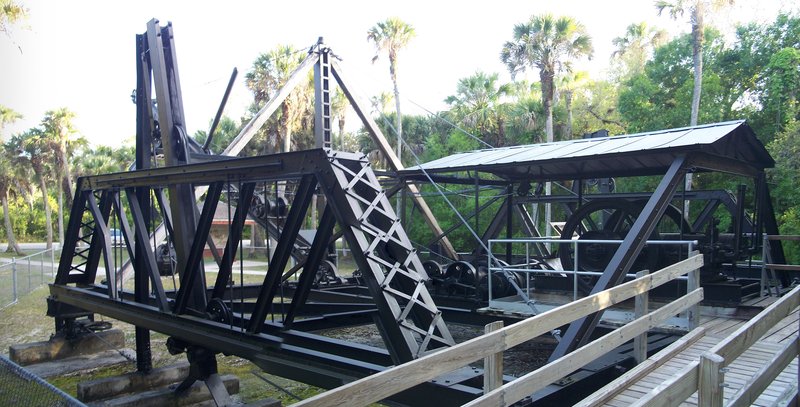
Pine flatwoods, cypress swamp, and mangrove estuary bordering Big Cypress National Preserve. The Bay City Walking Dredge — the steam-powered machine that cut the Tamiami Trail in the 1920s — stands preserved at the trailhead. Trails thread through five habitats including a boardwalk over the mangrove estuary.
🏛️ Daily 8:00am - 5:30pm
⏰ ~1 hr 30 min
🚕 18 min → Rookery Bay
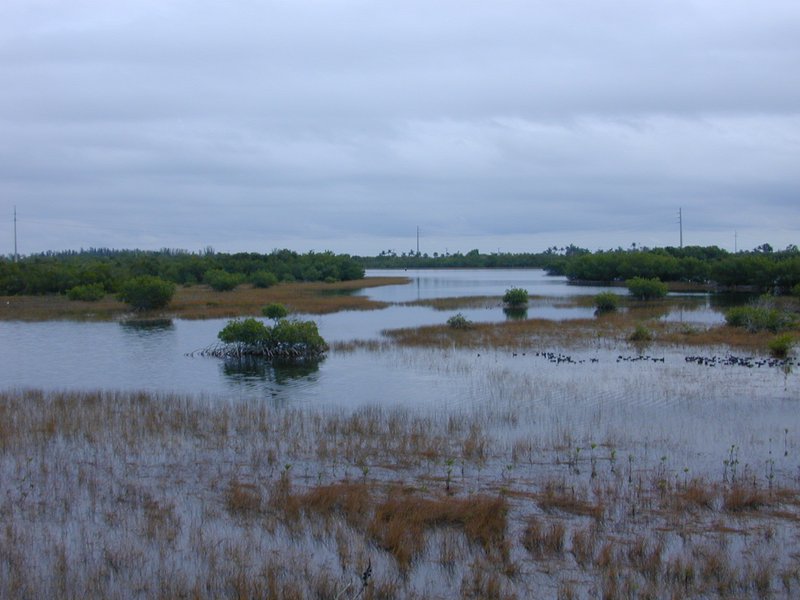
The Environmental Learning Center of Rookery Bay National Estuarine Research Reserve — one of 29 designated reserves in the US system, protecting 110,000 acres of intact mangrove coast. Exhibits on the estuary ecosystem, a 45-foot observation bridge over the bay, and a gallery of Southwest Florida natural art.
🏛️ Monday - Friday 8:00am - 4:00pm
🏛️ Saturday 10:00am - 3:00pm
🚫 Closed Sunday
⏰ ~1 hr
Free
🚕 22 min → hotel
🐾 The Cat That Rewrote Florida's Past
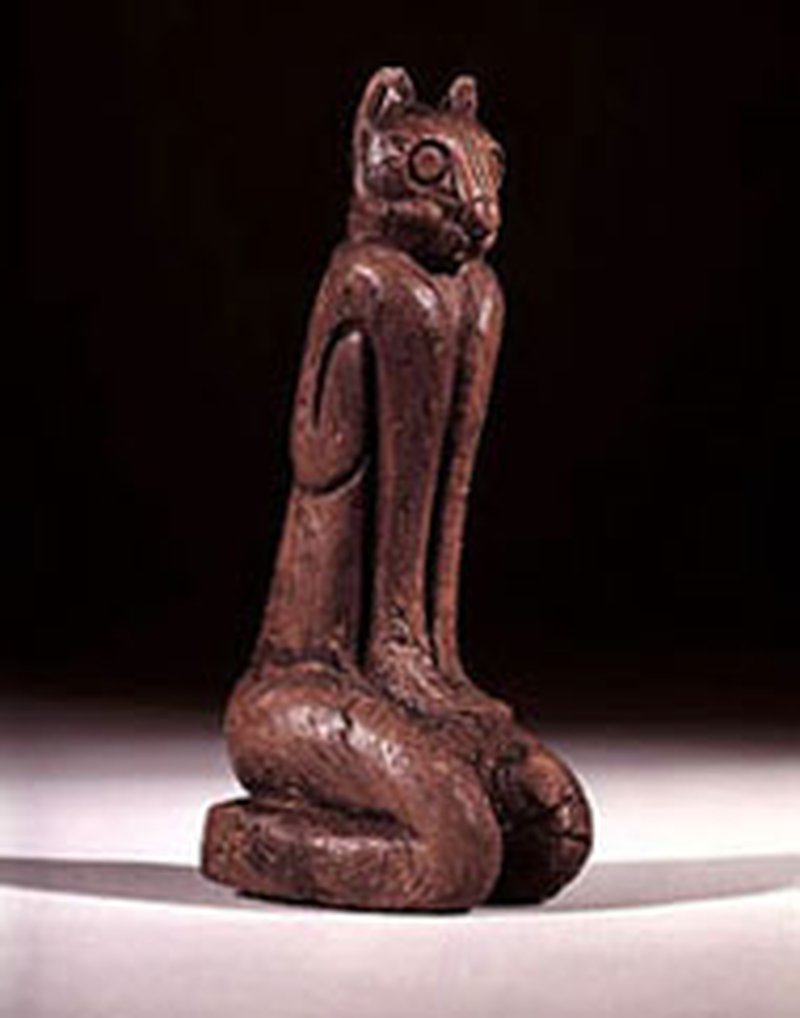
The Key Marco Cat is a six-inch wooden figure — a crouching feline with a human torso, carved by the Calusa people around 700 CE. When Frank Hamilton Cushing pulled it from a waterlogged midden on Marco Island in 1896, it was still painted; within hours of exposure to air, most of the color was gone. The cat now lives at the Smithsonian.
What the cat represents is larger than the artifact. The Calusa controlled South Florida for two thousand years without ever practicing agriculture — they fed an estimated 50,000 people on the marine abundance of the Ten Thousand Islands estuary, building shell-mound cities from the material they ate. When Spanish explorers arrived in the 1500s, they encountered a civilization whose power came entirely from the sea, and whose leader Carlos sent Spanish emissaries home or killed them rather than submit. The Calusa were not conquered militarily; they were eliminated by disease and the slow collapse of the population that sustained them.
What Marco Island is now — a resort community built on sand and shell — sits on top of a civilization that maintained complex, hierarchical society in equilibrium with one of the most productive estuaries in North America for millennia, leaving the environment intact. The kayak routes through the Ten Thousand Islands you paddled on Day 2 follow the same channels the Calusa used to reach their shell-mound settlements. The cat outlasted everything.
.jpg)