World-class reef systems, walls, and wrecks — from the Coral Triangle to the Caribbean.
Australia
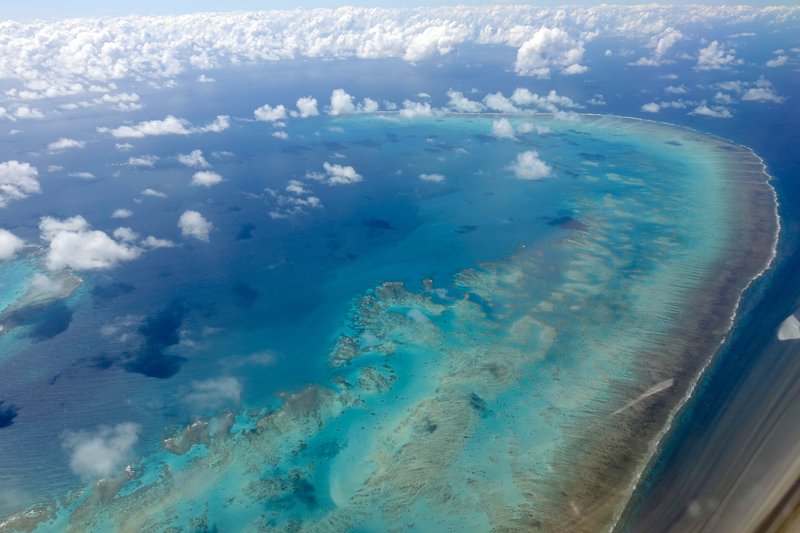
Great Barrier Reef
Australia
UNESCO World Heritage SiteWorld's Largest Coral Reef
The world's largest coral reef system off Queensland, visible from space and a UNESCO World Heritage site. Outer reefs offer clearer water and encounters with dwarf minke whales in winter.
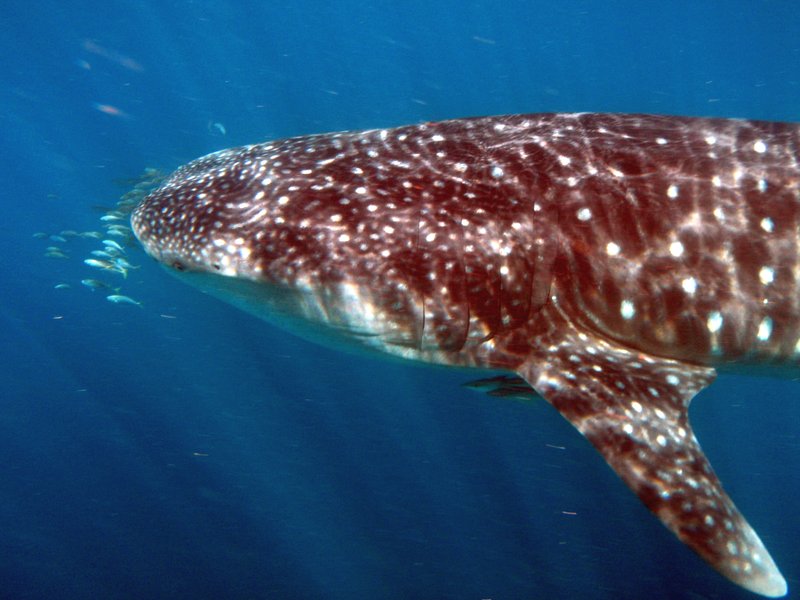
A fringing reef along Western Australia's coast, reachable from shore. It is one of the most reliable places to swim with whale sharks during their seasonal aggregation.
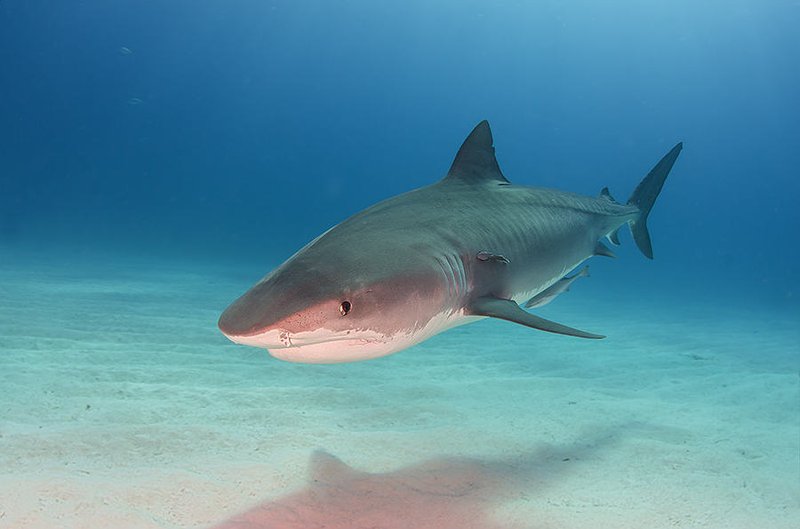
A shallow sandy site off Grand Bahama known for close encounters with tiger sharks in bright, clear water. It is one of the world's best-known shark-diving locations.
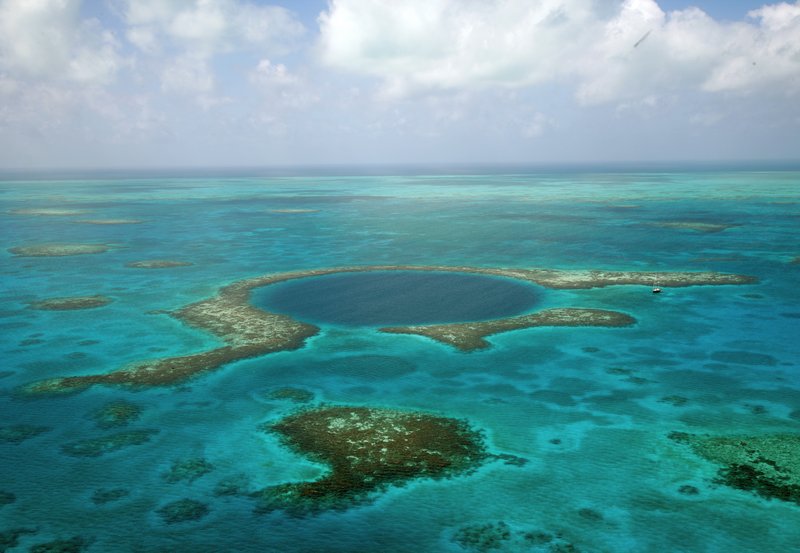
A large circular marine sinkhole off the Belize coast, part of the Belize Barrier Reef. Its deep walls hold ancient limestone stalactites formed when the cavern was above sea level.
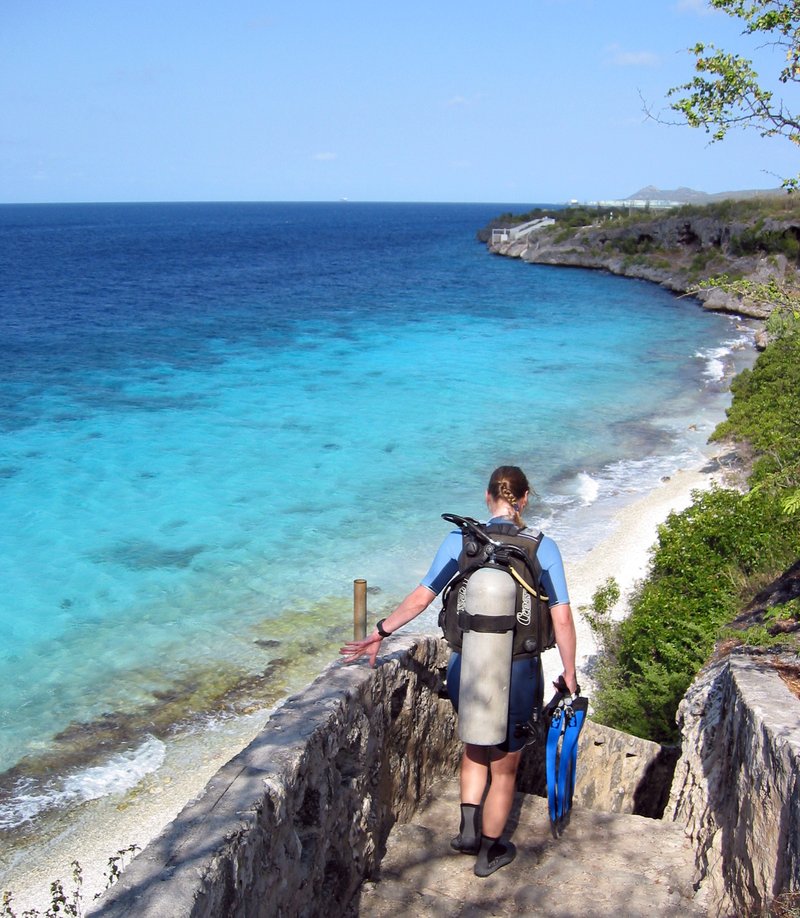
A Dutch Caribbean island whose entire coastline is a protected marine park. It is renowned for accessible shore diving, with dozens of reef sites entered directly from the beach.
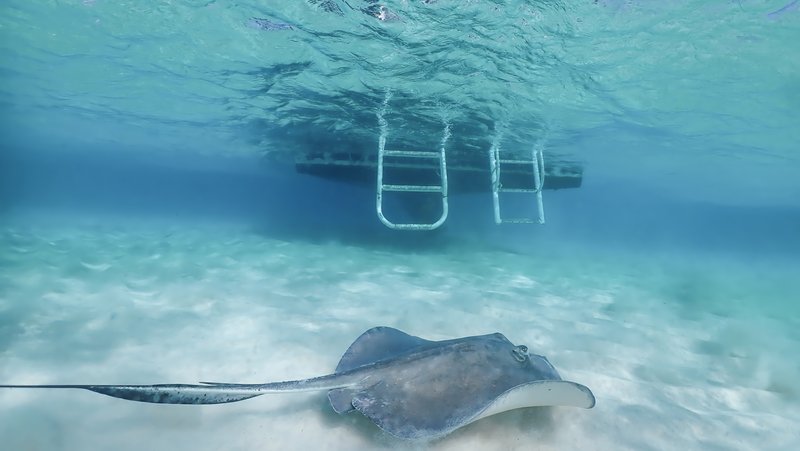
A shallow sandbar in Grand Cayman's North Sound where wild southern stingrays gather. The waist-deep water makes it accessible to snorkelers and novice divers alike.
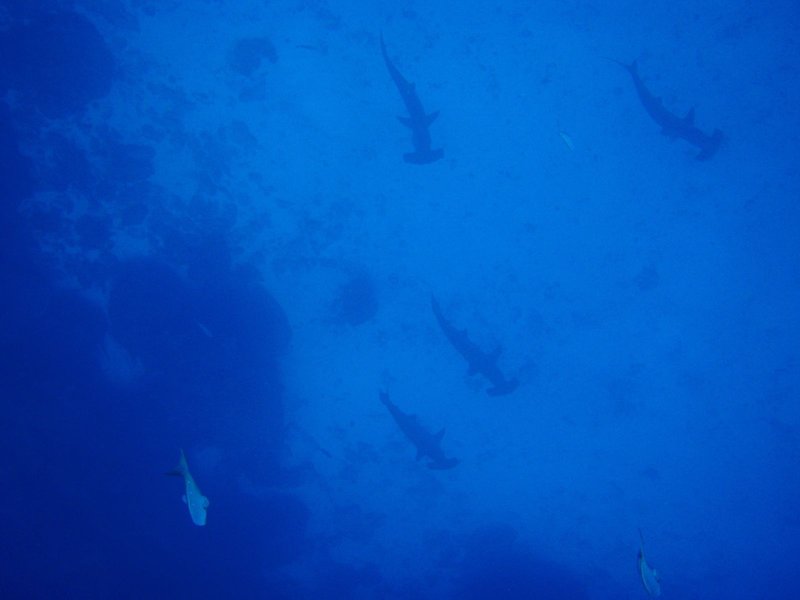
An uninhabited Pacific island reached only by multi-day liveaboard, protected as a national park. Its currents draw large schools of scalloped hammerhead sharks.
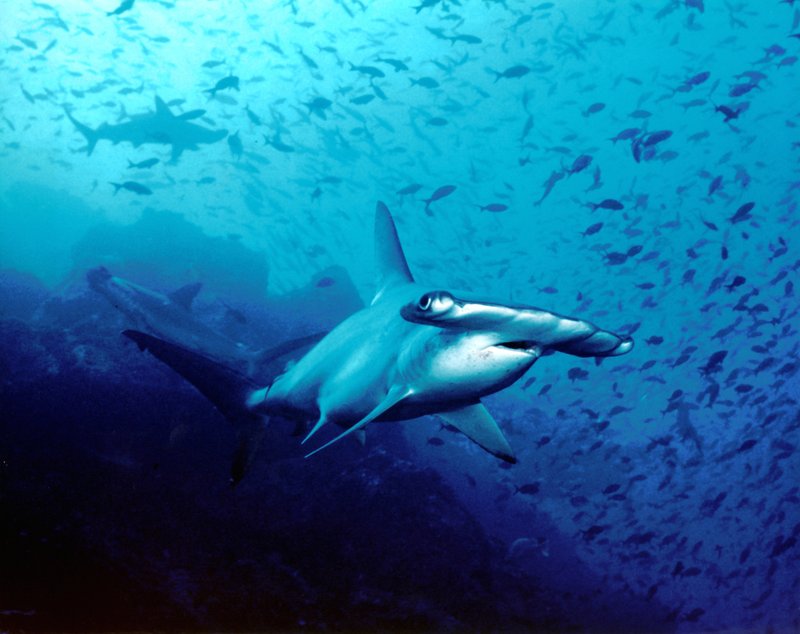
A volcanic archipelago on the equator where cool nutrient-rich currents support unusual marine life. Remote northern islands are known for large hammerhead schools and marine iguanas.
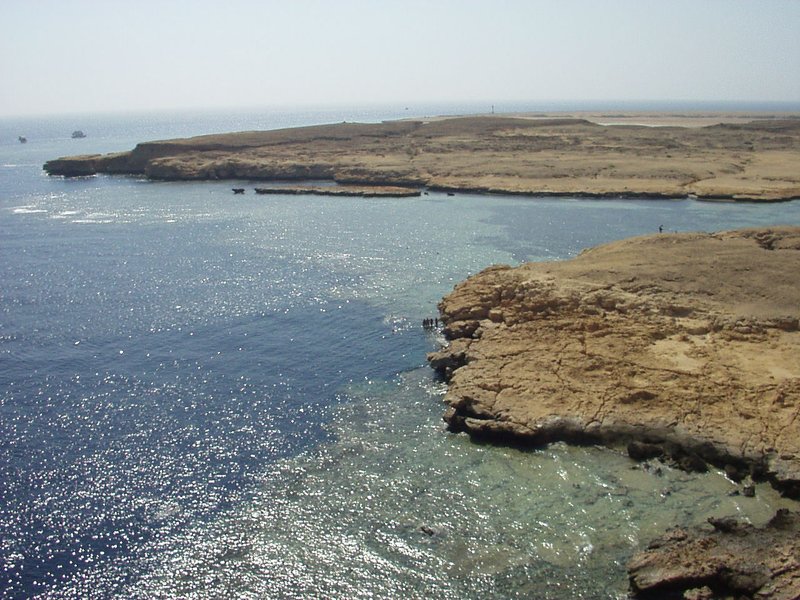
A national park at the southern tip of the Sinai Peninsula where the Red Sea meets deep water. Sheer coral walls and seasonal fish aggregations make it a Red Sea highlight.
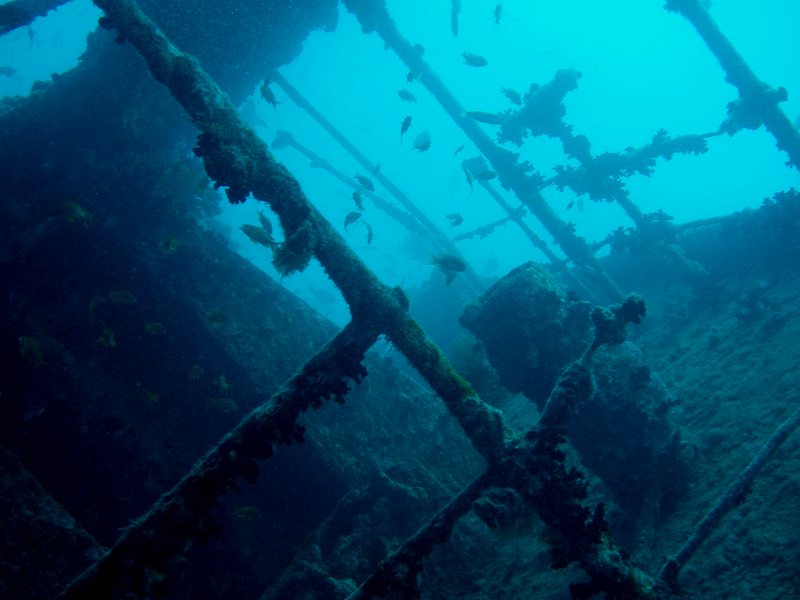
A British merchant ship sunk in the Red Sea in 1941, its holds still packed with wartime cargo of trucks, motorcycles, and munitions. It ranks among the world's great wreck dives.
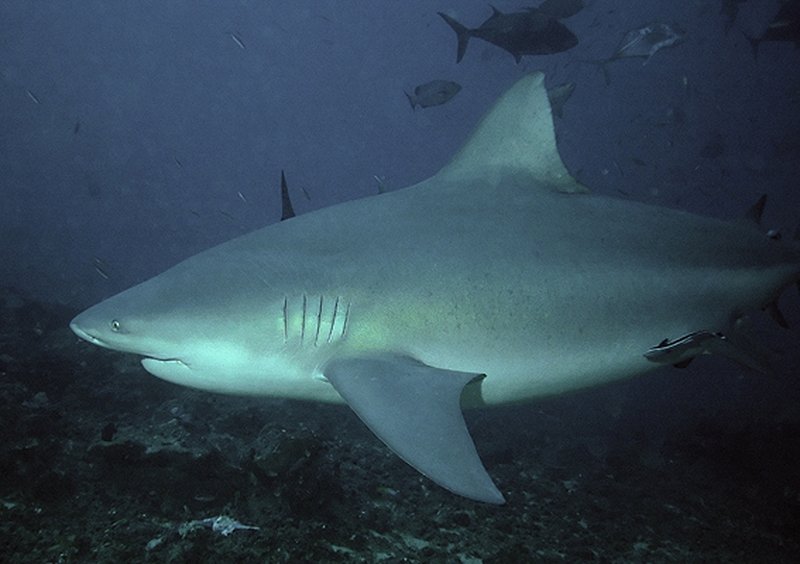
A large barrier-reef lagoon south of Fiji's main island, best known for organized shark dives that gather bull sharks and other species alongside vivid soft-coral reefs.
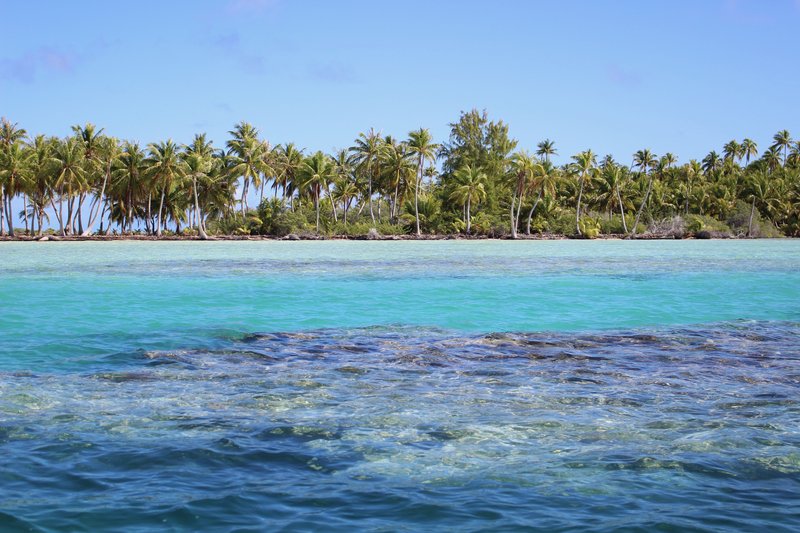
A Tuamotu atoll and UNESCO biosphere reserve whose southern pass hosts a dense wall of grey reef sharks, a phenomenon that peaks during the annual grouper spawning.
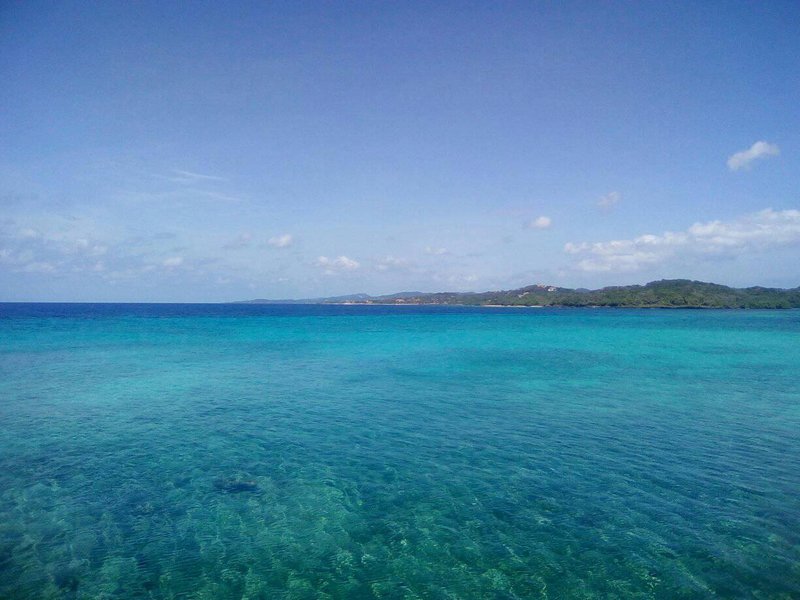
The largest of the Bay Islands, ringed by the Mesoamerican Barrier Reef. Steep coral walls and warm clear water make it a long-established Caribbean dive destination.
Thingvellir National ParkBetween Two Tectonic Plates
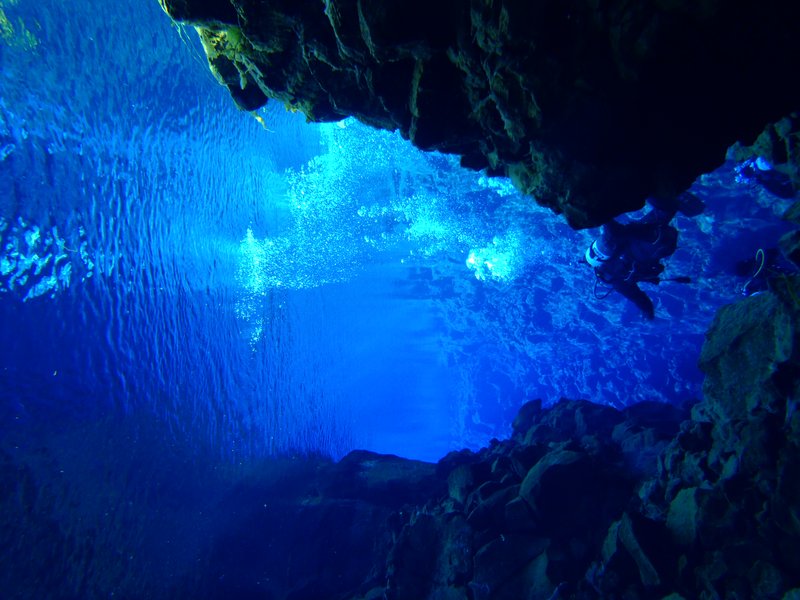
A rift in Thingvellir National Park where divers move between the North American and Eurasian tectonic plates. Filtered glacial meltwater gives extraordinary underwater visibility.
Coral TriangleRichest Marine Biodiversity on Earth
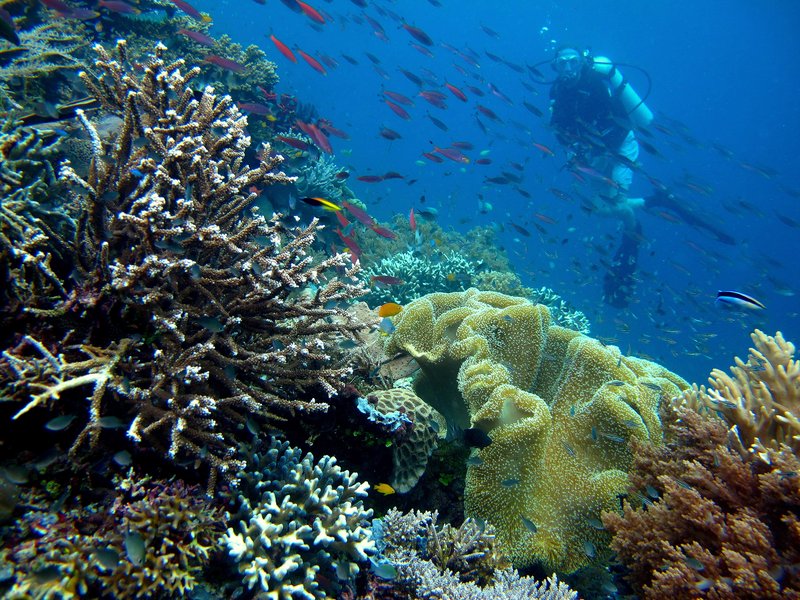
An archipelago in West Papua at the heart of the Coral Triangle, holding some of the richest marine biodiversity on Earth, from tiny critters to manta rays and reef sharks.
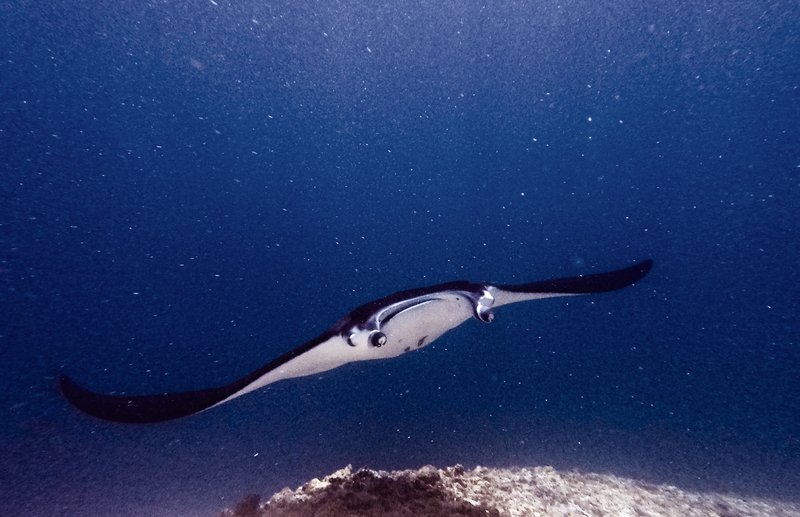
A UNESCO site in the Lesser Sunda Islands with strong currents that draw manta rays and large pelagics. Northern reefs are warm while cooler southern sites support dense soft coral.
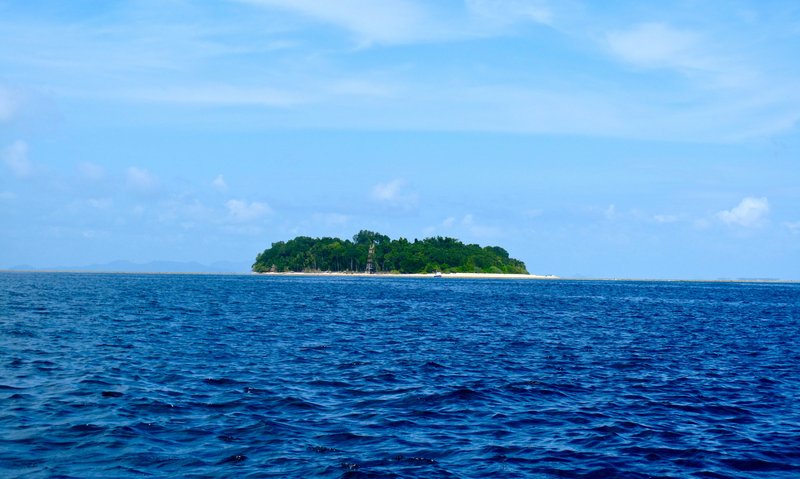
An oceanic island off Borneo rising from deep water, famous for sea turtles and swirling schools of barracuda and jackfish. Daily diver numbers are capped by permit.
A Maldivian atoll whose protected zone hosts one of the world's few resident whale shark populations, alongside manta rays drawn to its plankton-rich channels.
The smaller of Malta's main islands, offering clear Mediterranean water with caves, arches, and swim-throughs. Several WWII-era wrecks lie within easy reach of shore.
An island off the Yucatán coast known for fast drift dives along the Palancar and Colombia reefs, part of a protected marine park with vivid sponge and coral formations.
Freshwater sinkholes connected to the peninsula's vast flooded cave systems. They offer exceptional clarity and haloclines where fresh and salt water meet, a specialty of cavern and cave divers.
A volcanic group in the Revillagigedo archipelago far off mainland Mexico, reached by liveaboard. It is renowned for curious giant oceanic manta rays and winter humpback whales.
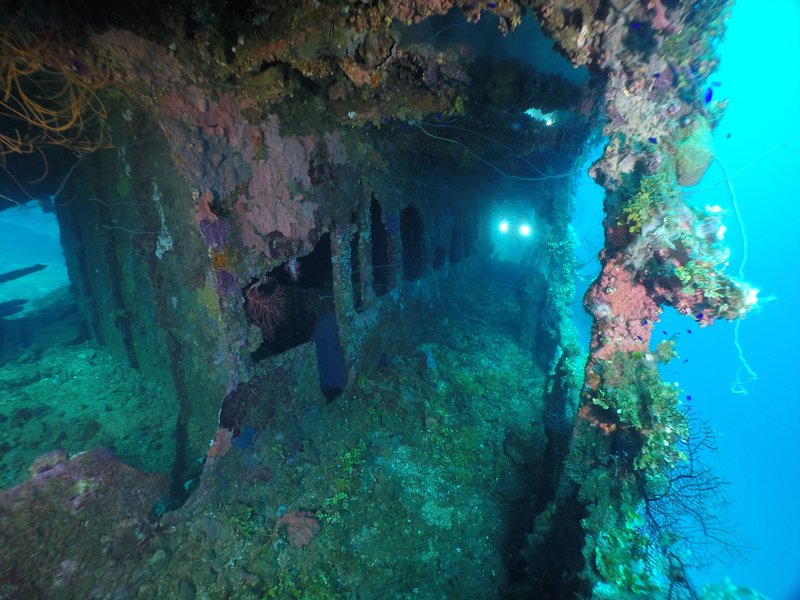
A sheltered lagoon holding the sunken remains of a Japanese wartime fleet lost in 1944. The wrecks, now coral-encrusted, form one of the world's premier wreck-diving sites.
A current-swept reef plateau where divers hook onto the reef edge to watch sharks and large fish pass. It is Palau's signature dive and among the most celebrated in the Pacific.
A deep bay on New Britain within the Coral Triangle, dotted with offshore seamounts and pinnacles. It is noted for high coral diversity and clear, sheltered water.
A remote UNESCO marine park in the Sulu Sea, reachable only by liveaboard during a short season. Its isolated atolls host sharks, turtles, and steep coral walls.
A small island north of Cebu, one of the few places where thresher sharks are reliably seen at a cleaning station on the nearby Monad Shoal, best at dawn.
A volcanic archipelago in the mid-Atlantic where offshore seamounts draw pelagic life. Summer diving features blue sharks, mobula rays, and dramatic underwater rock formations.
A remote UNESCO World Heritage atoll, one of the largest raised coral atolls on Earth. Its isolation keeps reefs pristine, with reef sharks, mantas, and giant tortoises above water.
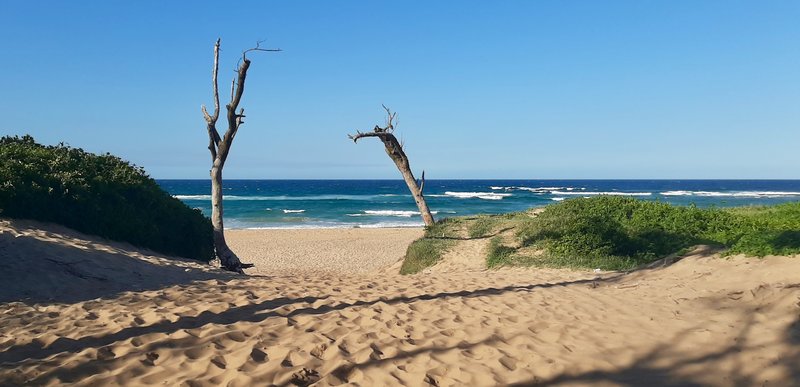
Part of the iSimangaliso Wetland Park on South Africa's east coast, marking the southernmost tropical coral reefs in Africa. Nearby canyons famously shelter living coelacanths.
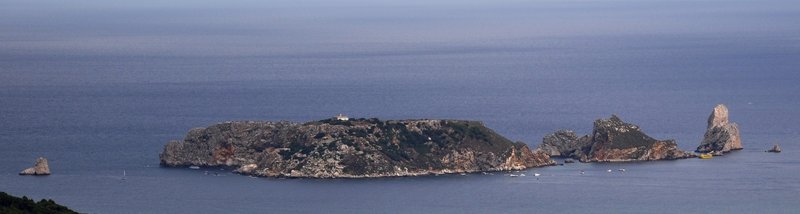
A small protected archipelago off the Costa Brava, one of the Mediterranean's oldest marine reserves. Decades of protection have restored abundant groupers and other reef fish.
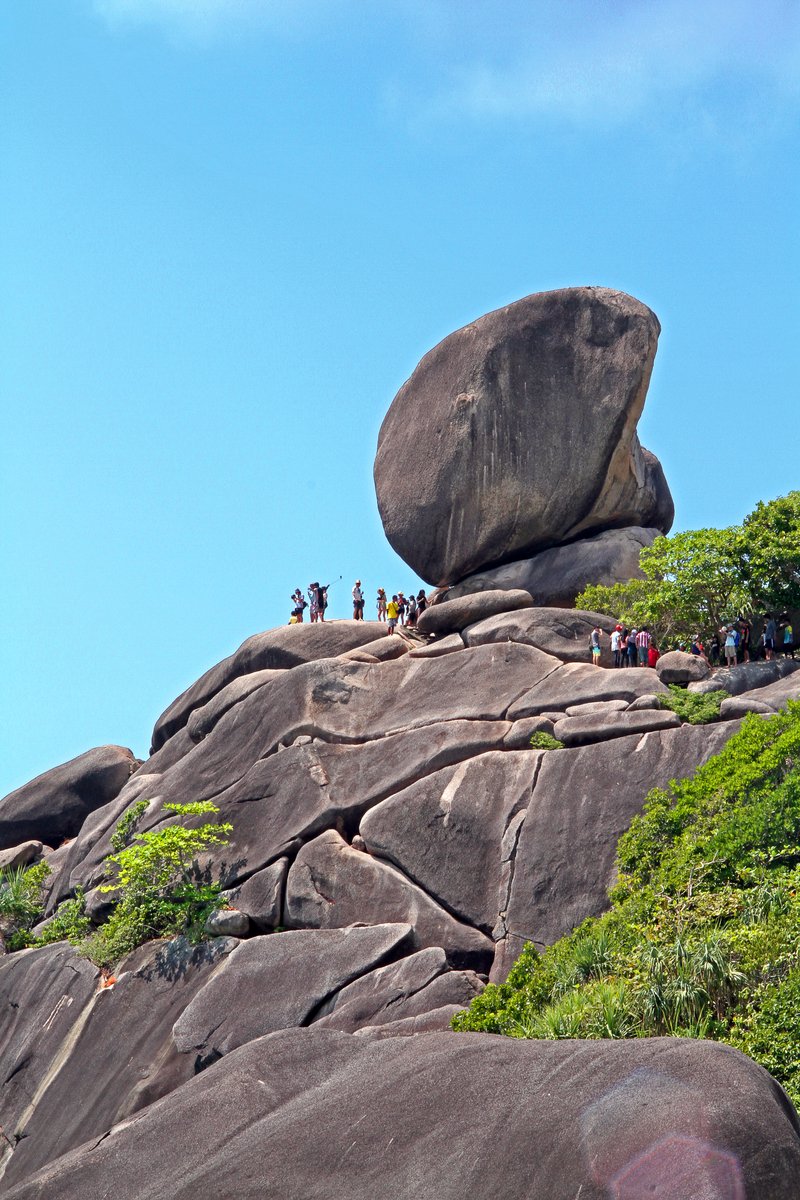
A protected island group in the Andaman Sea off Phuket, known for granite boulder formations and clear water. The park closes seasonally to allow reefs to recover.
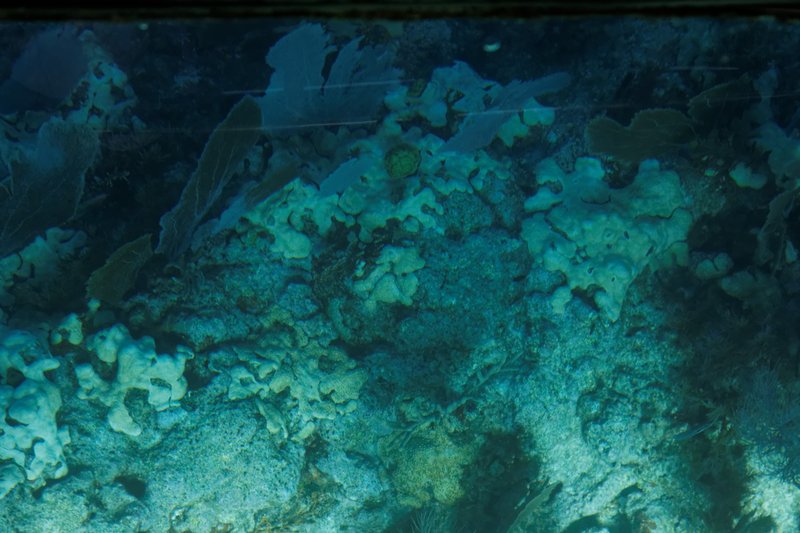
Established in 1963 as the first undersea park in the United States, protecting a stretch of the only living coral barrier reef in the continental US, with the submerged Christ of the Abyss statue on Key Largo Dry Rocks.