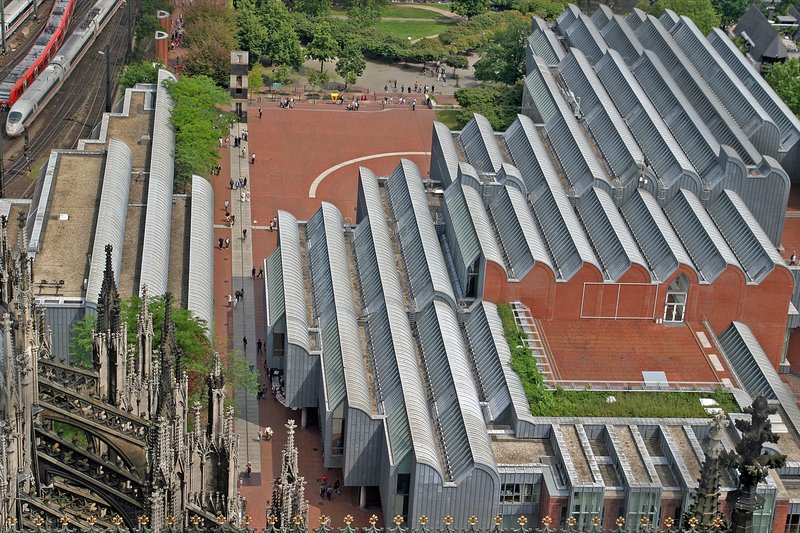
Top-tier modern and contemporary art museum with the largest Picasso collection outside Spain, plus outstanding Warhol and German Expressionism. Located beside the Cathedral, with over 3,600 artworks spanning Pop Art to Modernism.
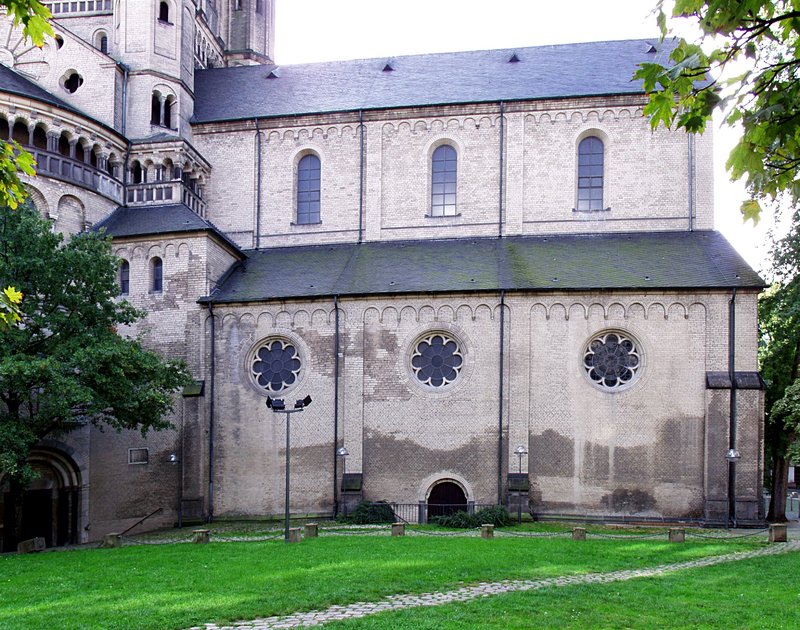
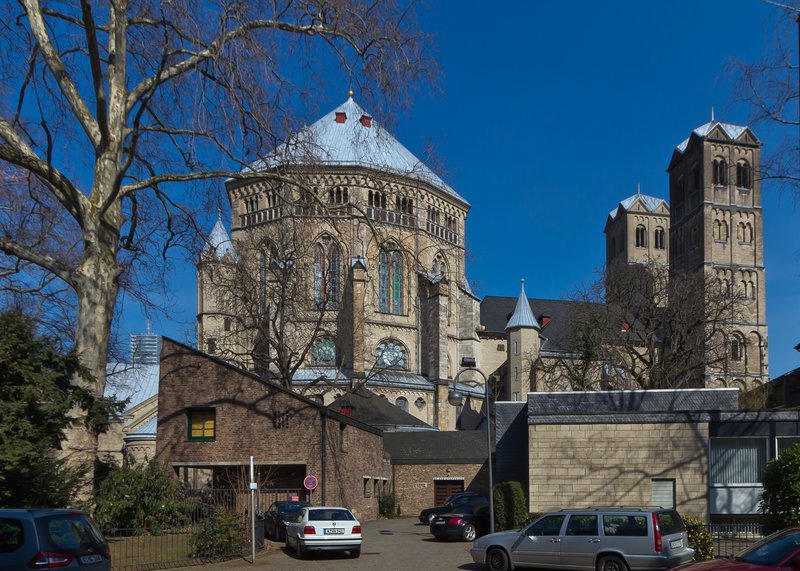
Romanesque church with a distinctive trefoil tower rising above the historic Altstadt, rebuilt after WWII from near-total destruction. One of Cologne's twelve medieval Romanesque basilicas, dating to the 12th century.
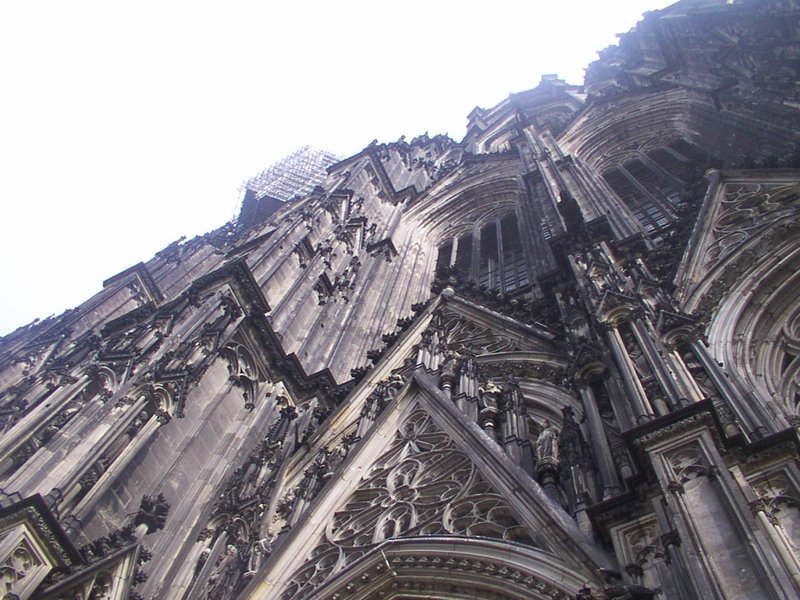
Gothic masterpiece with a 632-year construction history, twin spires dominating the Rhine skyline and the city’s defining landmark. A UNESCO World Heritage Site since 1996, housing the Shrine of the Three Kings reliquary.
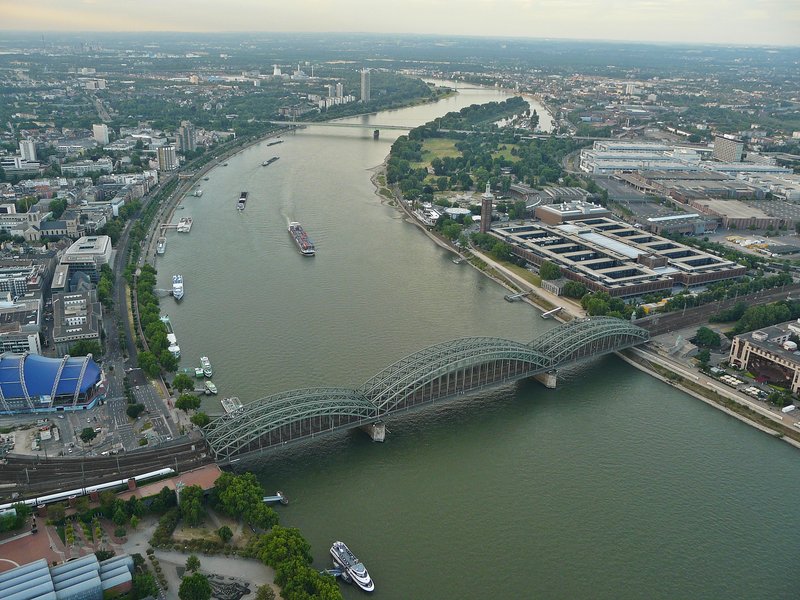
Cologne’s iconic railway and pedestrian bridge across the Rhine, covered in millions of love padlocks attached to the fence railings by couples. Europe’s busiest rail bridge, connecting the Cathedral district to the Deutz bank.
From Hotel: 16 min · 7 min → Museum of Applied Arts
1.Museum of Applied Arts~1 hr 30 min
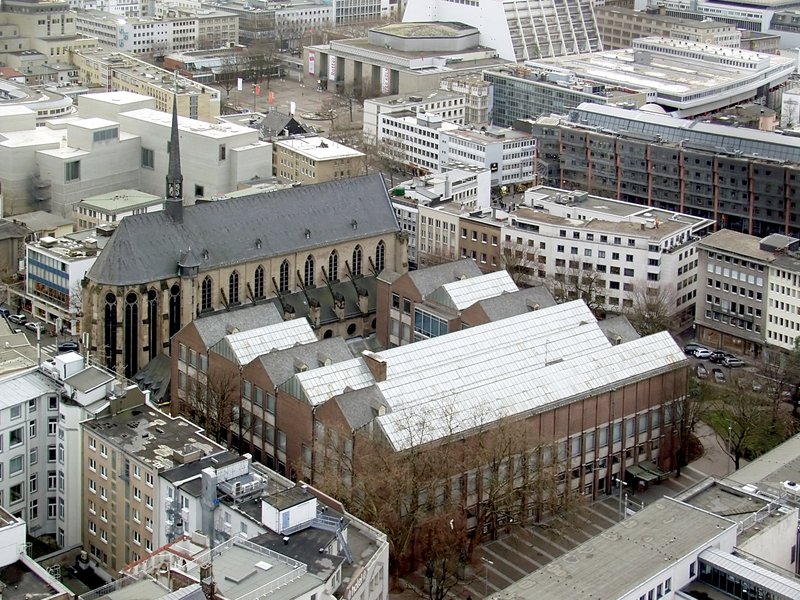
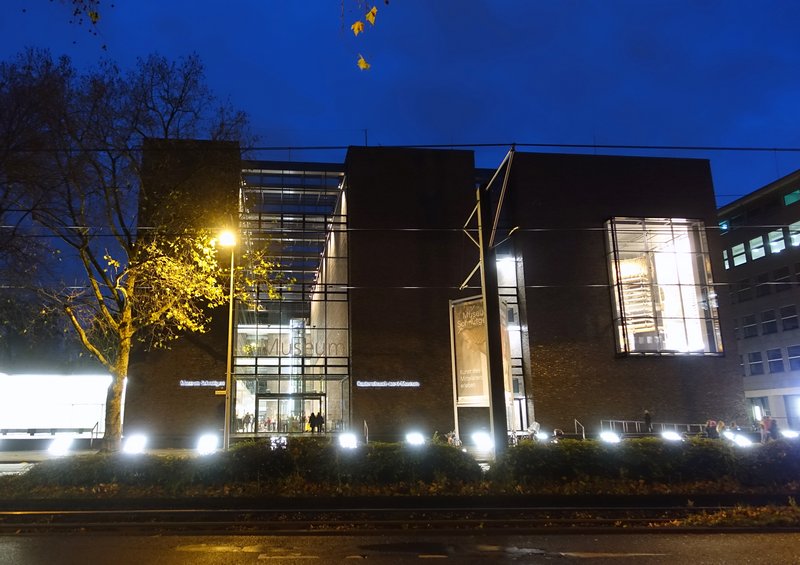
Craft and design from antiquity to the present day, housed in the deconsecrated Gothic Minoritenkirche with a striking contemporary interior by Oswald Mathias Ungers.
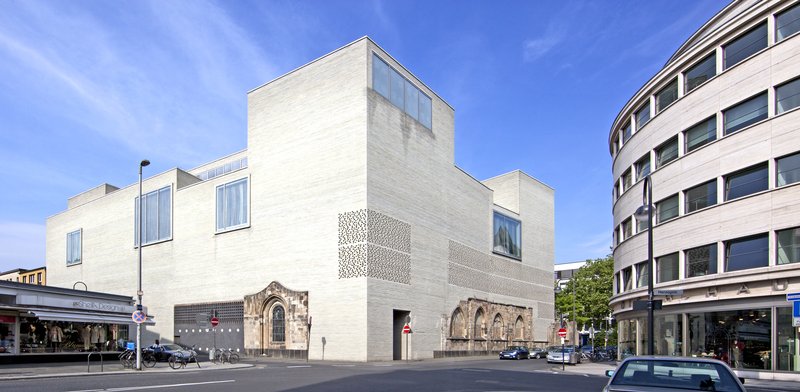
Peter Zumthor-designed museum of sacred art built over excavated medieval church ruins, combining ancient masonry with an extraordinary contemporary building. Run by the Archdiocese of Cologne; no photography permitted inside.
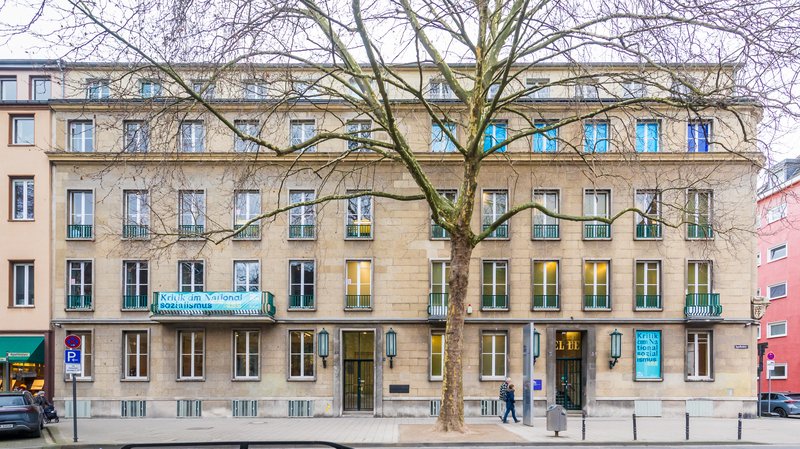
Former Gestapo headquarters with preserved prison cells inscribed by hundreds of inmates, now the NS Documentation Centre — an essential WWII memorial site. Located in the heart of the old town, a short walk from the Cathedral.
Medieval and Byzantine sacred art in St. Cäcilien, a pristine 12th-century Romanesque basilica — ivory carvings, reliquaries, and religious textiles from the 4th to 16th century.
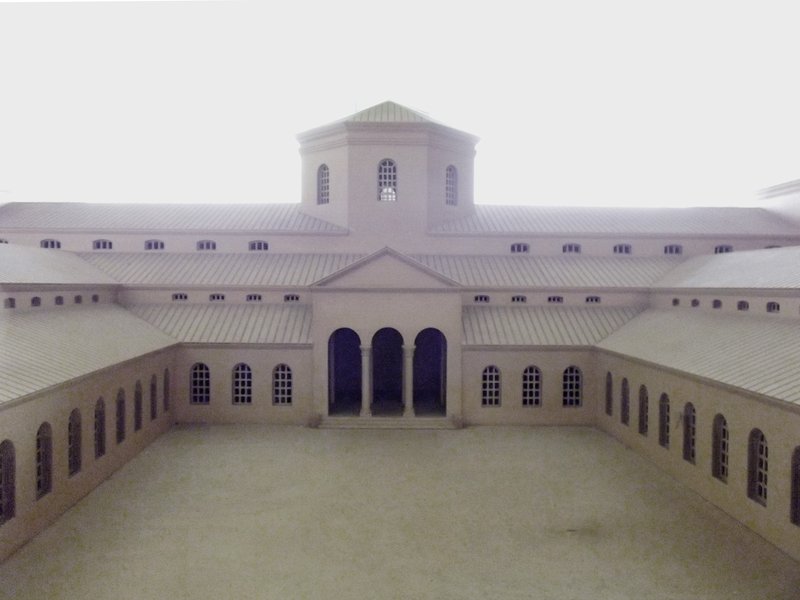
Excavated ruins of Cologne’s Roman governor’s palace from the 1st century AD, preserved underground beneath the Rathaus — the largest surviving Roman government building north of the Alps.
Anthropology and world cultures museum with 65,000 objects from Africa, Asia, Oceania, and the Americas, organised thematically around universal human experiences.
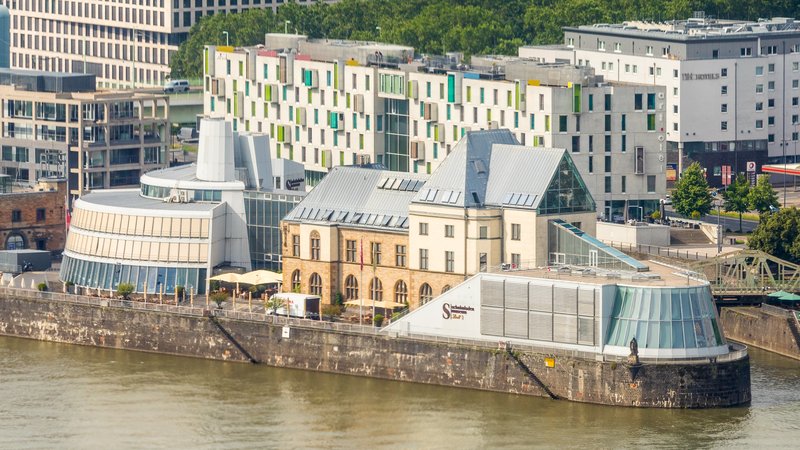
Three floors tracing chocolate from Mayan origins to modern production, with a 3-meter chocolate fountain and a tasting station on the Rhine waterfront. One of Germany’s most-visited museums, drawing over 600,000 visitors a year.
Unique decagonal Romanesque basilica built over a 4th-century Roman mausoleum — an architectural rarity combining ancient stonework with a massive medieval cupola.
From Hotel: 14 min · 4 min → Kölnisches Stadtmuseum
1.Kölnisches Stadtmuseum~1 hr 30 min
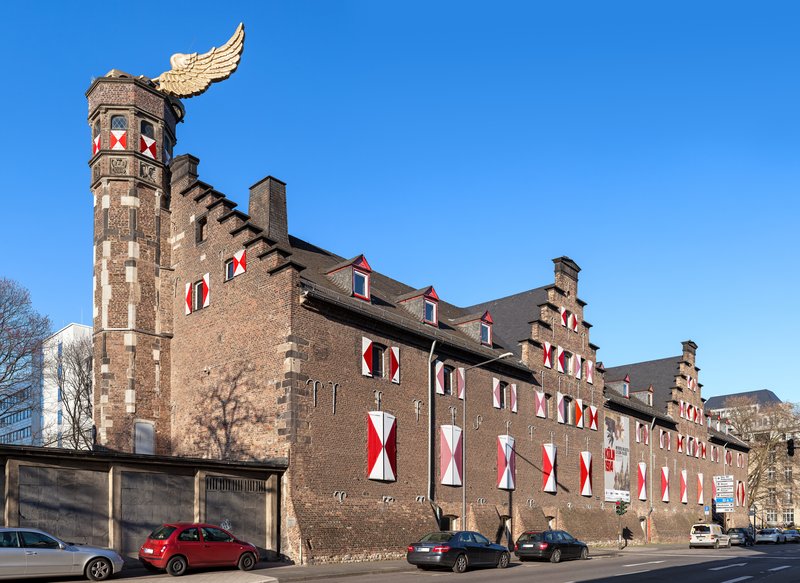
Cologne’s city history from Roman settlement to the present day, housed in the 16th-century Zeughaus arsenal with permanent exhibits on the Hanseatic League and Cologne’s WWII destruction.
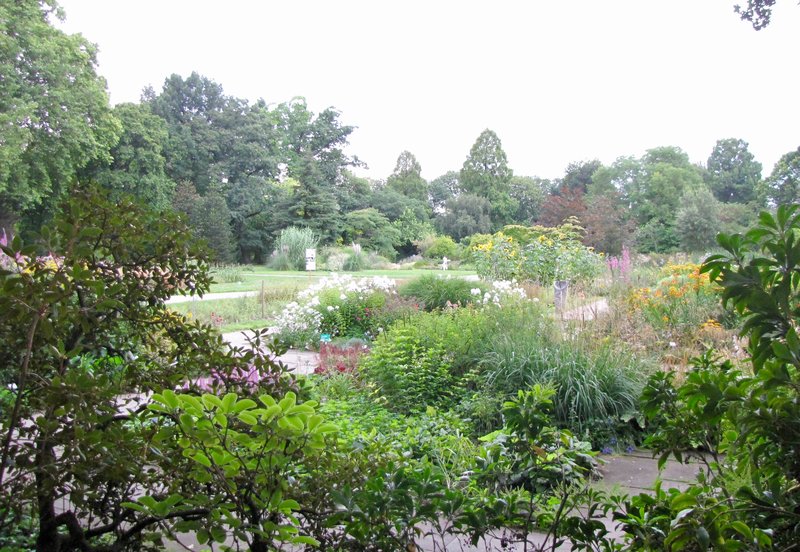
Cologne’s Victorian-era public botanical garden with over 12,000 plant species across elegant glasshouses, subtropical pavilions, and ornamental outdoor beds laid out in 1864. Free to enter year-round.
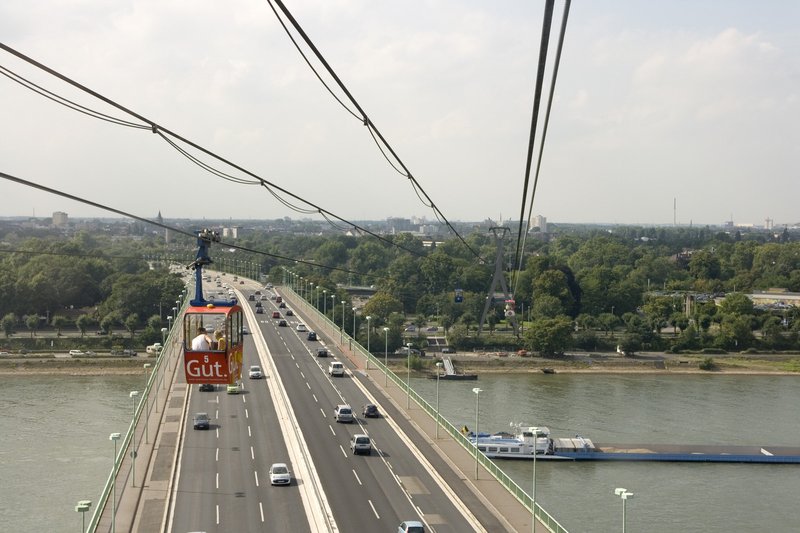
Seasonal aerial gondola crossing the Rhine between Riehl Zoo and Rheinpark, giving sweeping views of the Cathedral skyline and the river from 45 meters above the water.
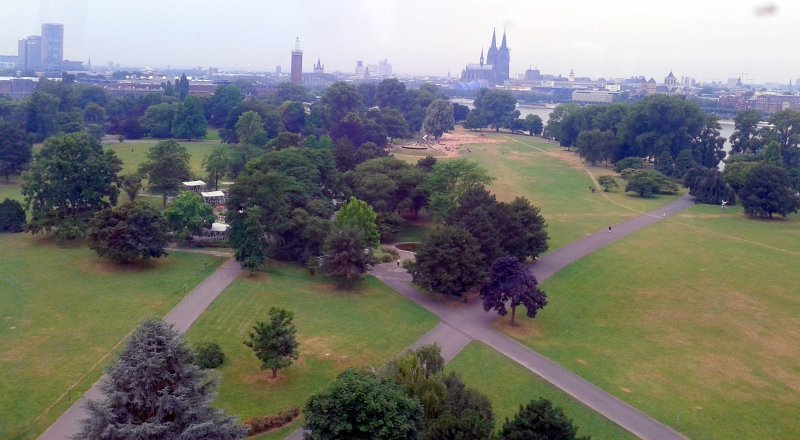
Expansive riverside park on the Deutz bank offering the best unobstructed views of Cologne Cathedral across the Rhine, especially dramatic at dusk. The Kölner Seilbahn cable car connects the park to the zoo on the opposite bank in summer.
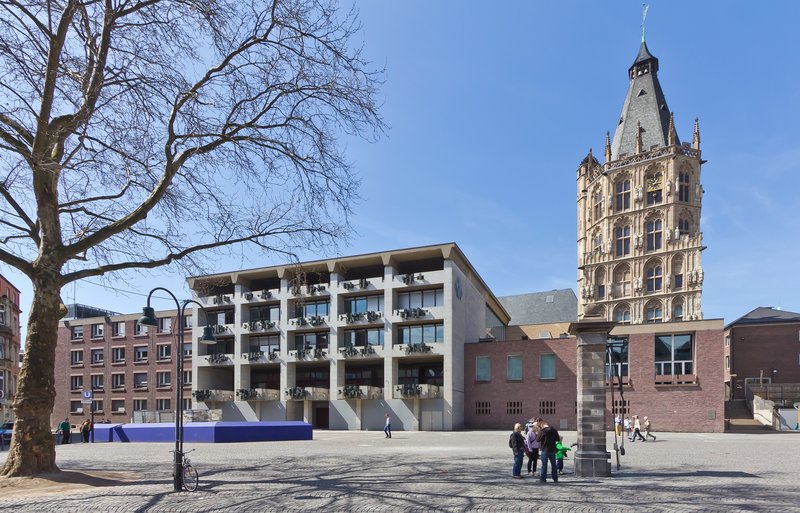
Germany's oldest city hall, with roughly 900 years of documented history and a late-Gothic tower added in 1414 carrying 130 stone figures from Cologne's past. The Renaissance loggia at its base, built in 1573, is lined with statues of the eight Roman emperors born in the city.
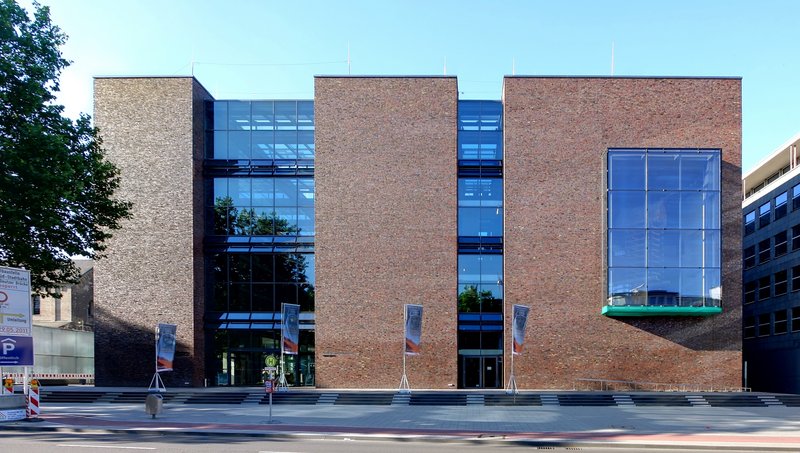
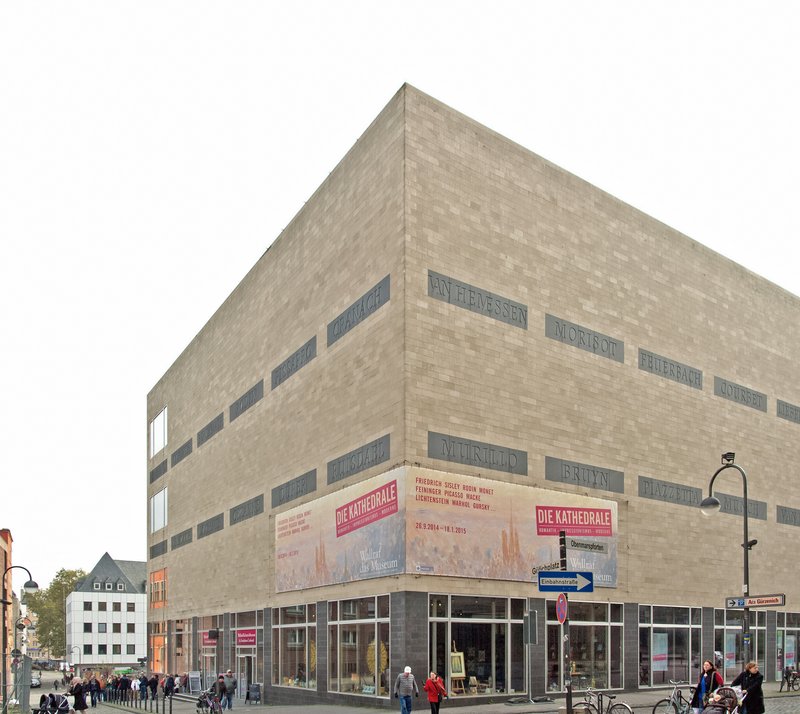
Cologne's leading art museum, spanning Gothic altarpieces to Impressionism across four centuries, with the largest collection of medieval Cologne painting anywhere. The 2001 building by Oswald Mathias Ungers sits a few steps from the Rathaus, holding works by Rembrandt, Rubens and Monet.
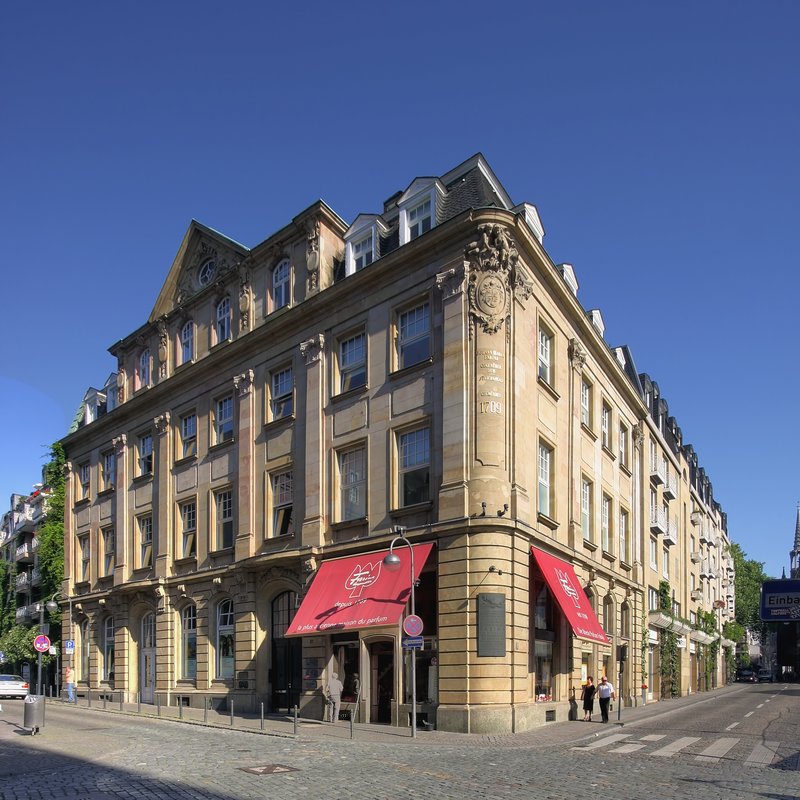
The world's oldest fragrance factory still in operation, founded here in 1709 by Italian perfumer Johann Maria Farina — whose citrus blend gave Eau de Cologne its name. A guided tour through the historic rooms traces three centuries of production, with clients from Napoleon to Queen Victoria.
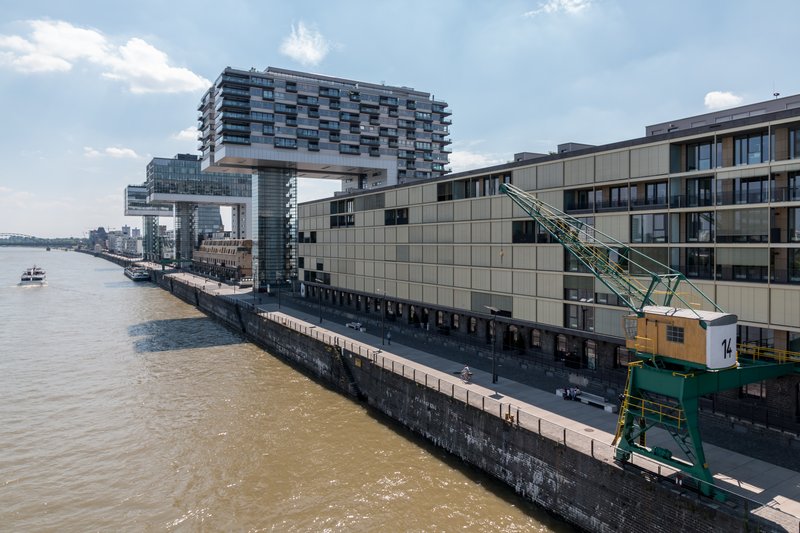
Three inverted-L office and apartment towers on the Rhine waterfront, their crane-arm silhouette a deliberate echo of the harbor cranes that once worked this dock. Completed between 2006 and 2010, they're one of the city's most photographed pieces of modern architecture.
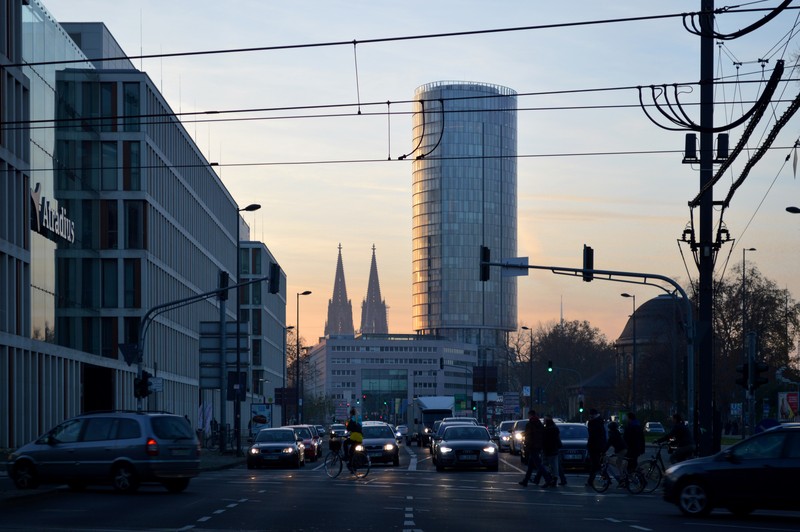
A 103-meter glass tower in Deutz with a public observation deck on the 29th floor, giving a straight-on 360-degree view of the Cathedral's twin spires across the Rhine and the full sweep of the Altstadt skyline.
ARRIVE Bonn Hauptbahnhof: 11 min · 4 min → Beethoven-Haus
1.Beethoven-Haus~1 hr 30 min
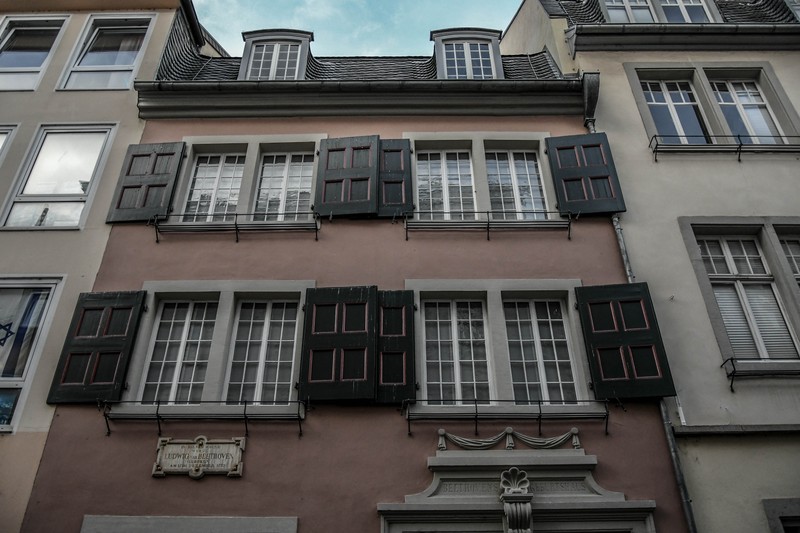
The house where Ludwig van Beethoven was born in 1770, now a museum holding the largest Beethoven collection in the world — manuscripts, instruments and the composer's last piano. The narrow rooms and courtyard are largely as they were in the 18th century.
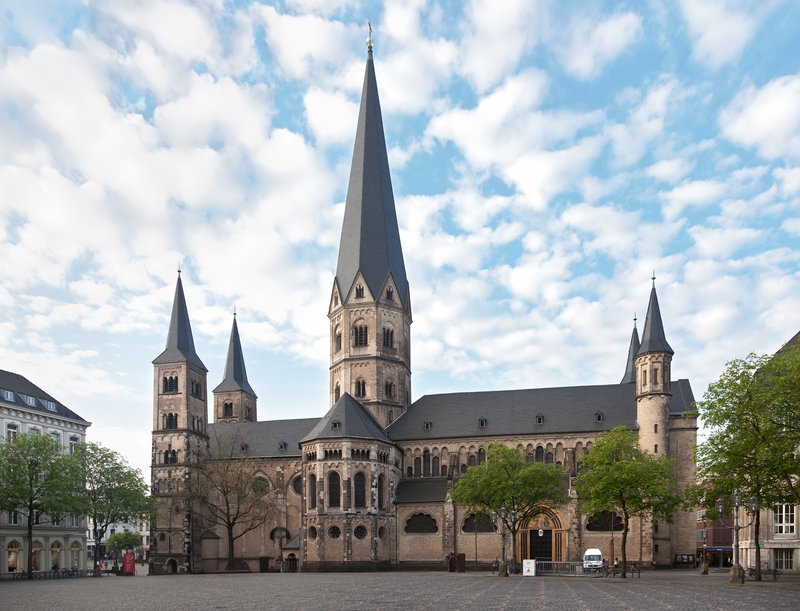
One of Germany's oldest churches, built over the 4th-century graves of Roman martyrs Cassius and Florentius and raised into its current Romanesque form between the 11th and 13th centuries. Its tall crossing spire was the model for Berlin's Kaiser Wilhelm Memorial Church.
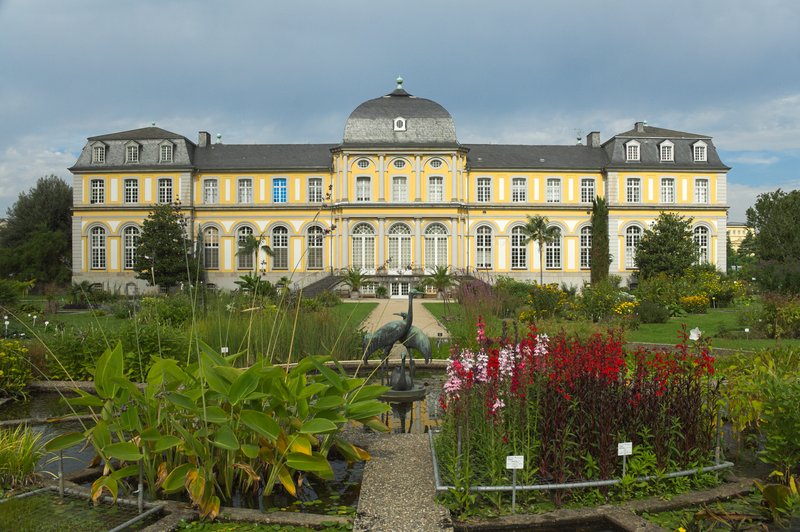
A Baroque palace built from 1715 for the Archbishop-Elector of Cologne, now part of the University of Bonn, fronted by a formal botanical garden with greenhouses and a long chestnut-lined avenue back toward the old town.
Expert-led tour of Cologne’s historic centre with in-depth coverage of the Cathedral, Roman ruins, and Romanesque churches, in a small group of up to 12.
Cologne’s protected pale ale, served in 0.2L Kölner Stangen glasses by white-jacketed Köbes waiters who refill without asking until you cover the glass.
Foreign number: accepted — verification code arrives via SMS to international numbers.
Germany's dominant delivery platform and the default choice in Cologne; excellent coverage across Altstadt, Ehrenfeld, Nippes, and Sülz; by far the deepest local restaurant roster including independent kebab shops, Kölsch-food spots, and international cuisine.
Foreign number: accepted — verification code arrives via SMS to international numbers.
Good Cologne coverage with a mix of local restaurants and international chains; useful if you have an existing Uber account and want to avoid creating a second one — Lieferando typically has a broader local selection.
Foreign number: accepted — verification code arrives via SMS to international numbers.
Good coverage across central Cologne and the main neighborhoods; reliable for evening trips to the Altstadt, Rheinauhafen, and beyond; works well alongside FREENOW — check both for availability during busy weekend nights.
Foreign number: accepted — verification code arrives via SMS to international numbers.
Aggregates licensed taxis and private hire vehicles across Cologne; often more available than Uber during peak times; taxis dispatched through the app are metered so fares are predictable — particularly reliable near Cologne Hauptbahnhof and the Altstadt.
Home to Augustusburg and Falkenlust, a pair of UNESCO-listed Rococo palaces built for the Prince-Elector of Cologne, with one of Europe's most celebrated staircases and landscaped gardens a short walk beside the station.
Fashion and art capital with the vibrant Altstadt district, Königsallee luxury shopping, and the Kunstsammlung Nordrhein-Westfalen holding Klee and Mondrian.
The Deutsches Eck marks the point where the Rhine and Moselle rivers meet, watched over by a monumental equestrian statue and the Ehrenbreitstein Fortress on the bluff above.
Germany's largest open-air archaeological museum, with full-scale reconstructions of a Roman harbor temple, amphitheater and city walls on the site of the Roman provincial town of Colonia Ulpia Traiana.
Cross Hohenzollern Bridge at dusk. Position yourself on the south walkway facing west — the Cathedral’s twin spires catch the last light while their reflection moves across the Rhine below. This is the shot every photographer knows but the timing is everything.
Order Kölsch correctly. Place your coaster flat on the bar to signal you want another — cover the glass with the coaster when you’re done. Cologne’s white-jacketed Köbes waiters never ask; they refill by reading the table. Saying nothing is the correct local move.
Climb the south tower of the Cathedral. The 533 spiral steps to the top take about 20 minutes and reward you with the only panoramic view in Cologne where you can see all the way to the Belgian Ardennes on a clear day. The Cathedral from outside is famous; from above the city it is something else entirely.
Visit Kolumba on a quiet weekday morning. Peter Zumthor designed the museum’s narrow slit windows to shift the quality of light across the Roman ruins in the basement throughout the day. The excavated foundation looks completely different at 10am than at 4pm — most visitors see one and not the other.
Eat at the Alter Markt on a weekday lunchtime. The square between Gross St. Martin and the Town Hall fills with locals when the tourist restaurants are at capacity — the food is identical at a fraction of the wait.