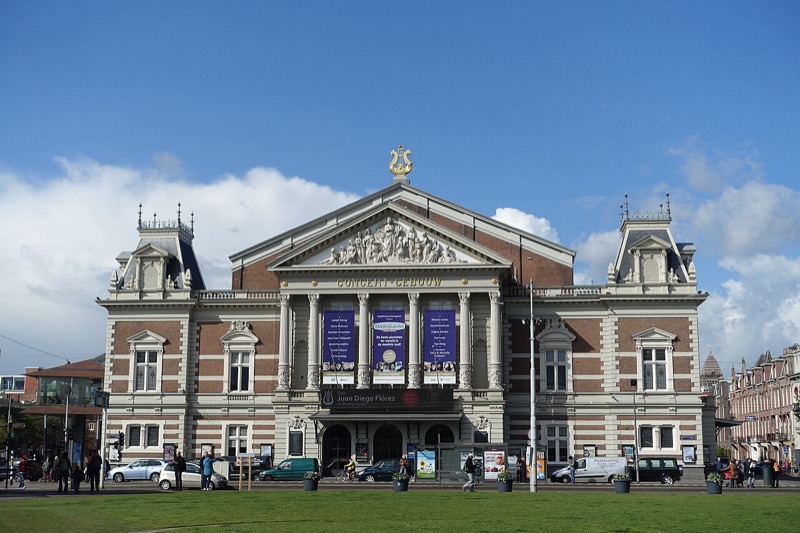
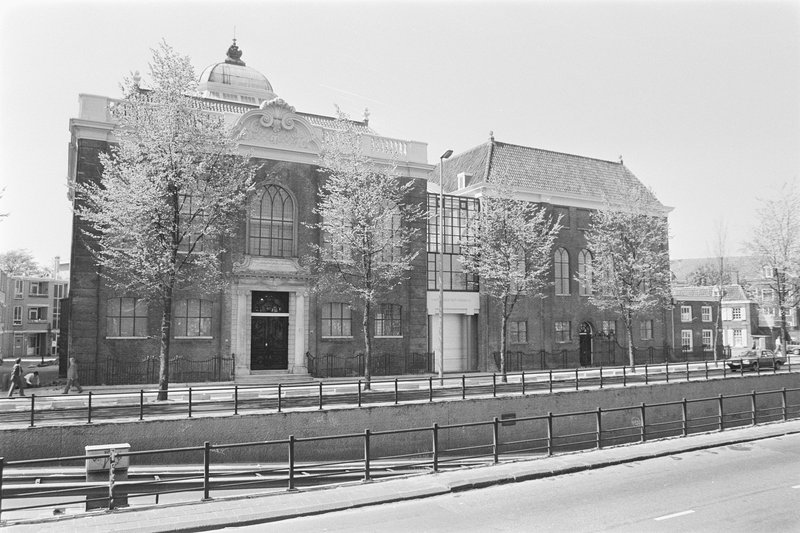
One of the world's great concert halls — the Main Hall has been rated among the three finest acoustic spaces on earth since 1888. The Dutch Baroque exterior is an Amsterdam landmark. Free lunchtime concerts run most Wednesdays at 12:30pm; the annual schedule is among the finest classical programs anywhere.
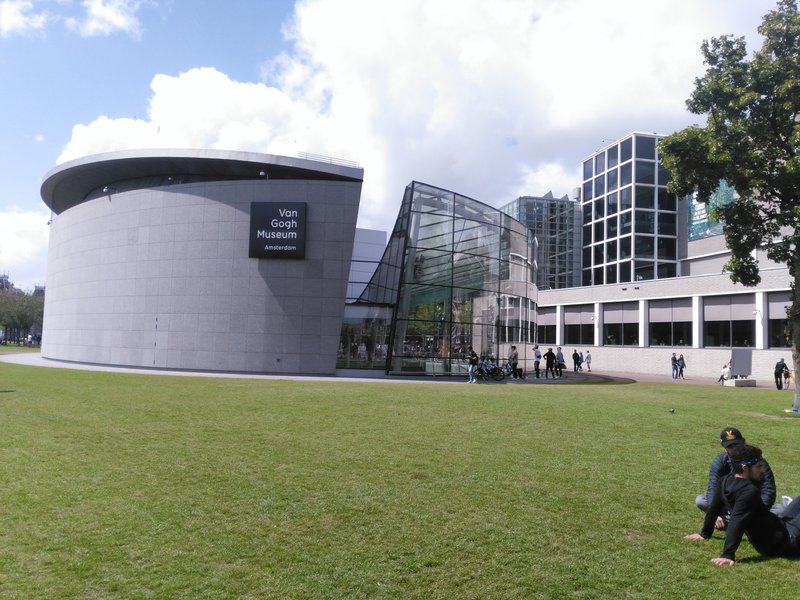
The world's largest collection of Van Gogh's works — over 200 paintings and 500 drawings tracing his entire career. Almond Blossom, Sunflowers, The Bedroom: the real canvases in one building. No other museum concentrates this much Van Gogh.
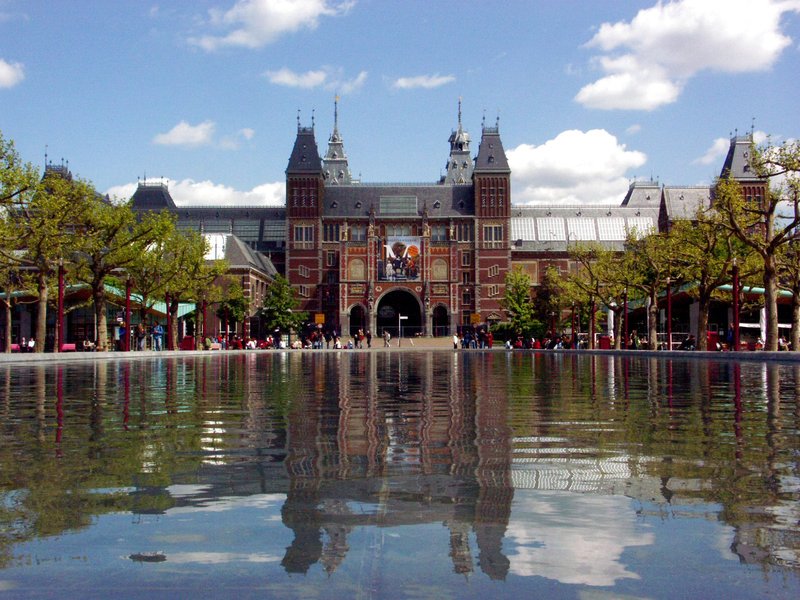
The greatest collection of Dutch Golden Age art on earth. Rembrandt's Night Watch, Vermeer's Milkmaid, and two centuries of masterworks fill a towering 19th-century building that is itself a monument — the single most important stop in Amsterdam.
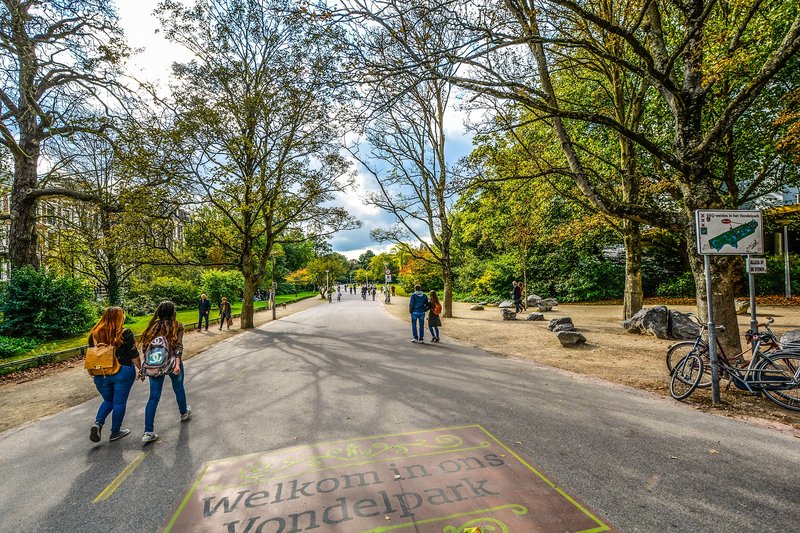
Amsterdam's beloved 47-acre park — a living room for the city. Landscaped in English garden style with canals, rose gardens, and a Victorian pavilion. The open-air stage runs free summer concerts from June through August. The perfect reset after a museum day.
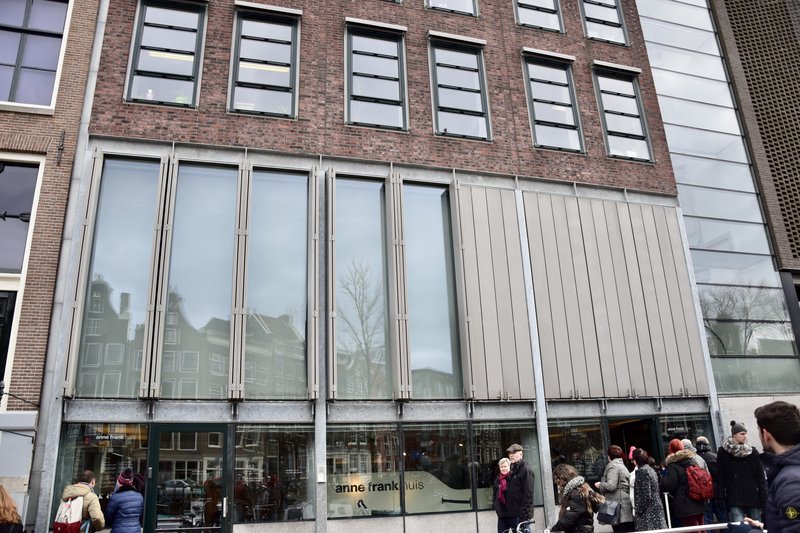
The actual hiding place where Anne Frank wrote her diary for two years. The Secret Annex, her room, the original bookcase door — all preserved. One of the most affecting historical sites in Europe, told on a deeply human scale that no museum exhibit can replicate.
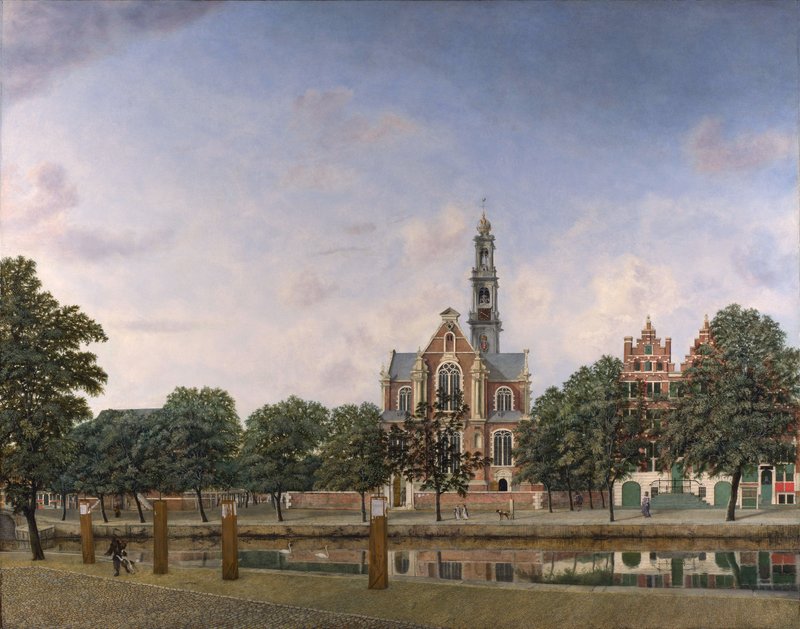
Amsterdam's grandest Protestant church, built 1620 - 1631 by Hendrick de Keyser. Rembrandt is buried somewhere inside — the exact location lost to history. The 85m Westertoren with its Imperial Crown dominates the entire Jordaan skyline and was visible from the Secret Annex.
Nine historic cross-streets threading the Jordaan canal ring — Amsterdam's most charming pedestrian stroll. Independent boutiques, specialty food shops, and terrace restaurants tucked into 17th-century canal-house ground floors. The antidote to every tourist-trap shopping street in the city.
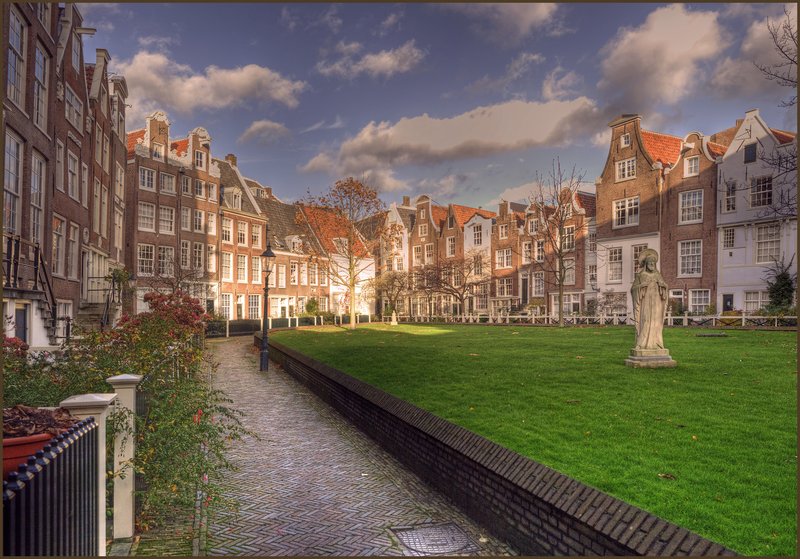
A hidden medieval courtyard entered through an unmarked door in the city center. Dating to 1346, it housed the Beguines — lay religious women who lived under vows of chastity. The oldest surviving wooden house in the city, No. 34, built c. 1420, stands here. Almost no tourists find it.
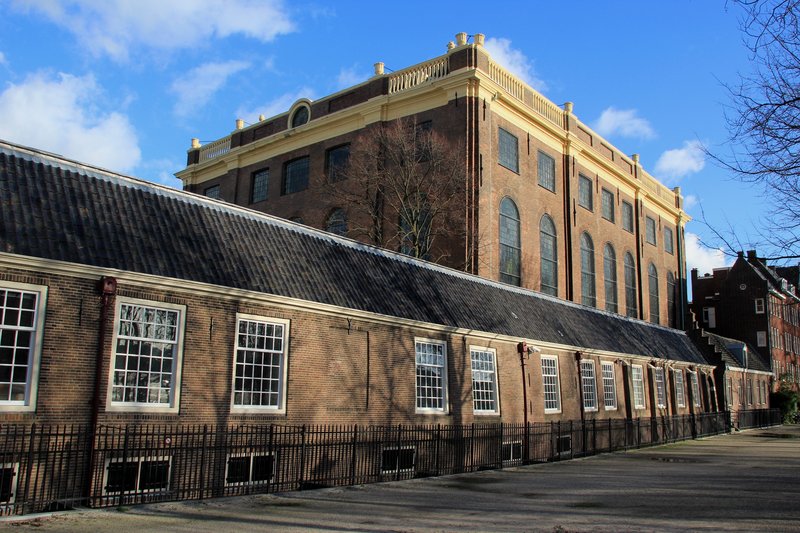
Built in 1675 and still lit by 1,000 candles — no electricity was ever installed. One of the largest and best-preserved synagogues in the world, its sand-covered floors and towering Tuscan columns unchanged since the Sephardic community built it after fleeing the Inquisition.
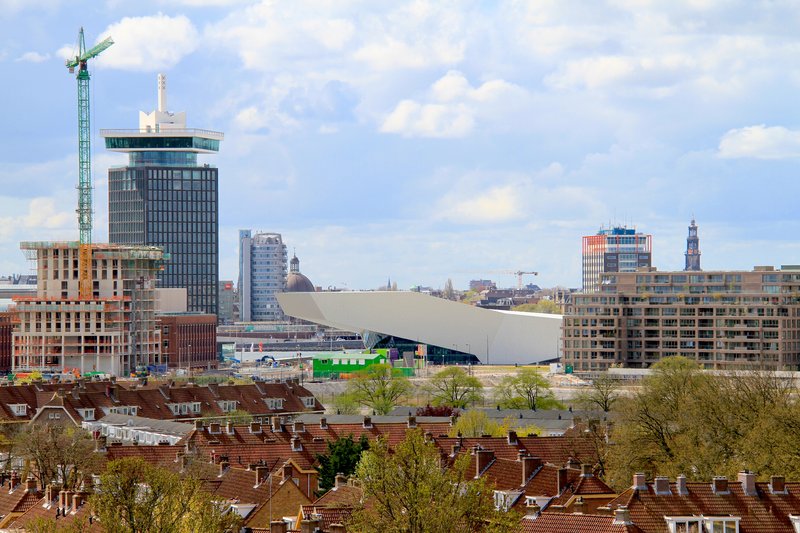
A dramatic white deconstructivist building cantilevered over the IJ waterfront — striking from the ferry and every angle on shore. Inside: one of Europe's finest film archives, rotating exhibitions on cinema history, and a view back across the river to the skyline.
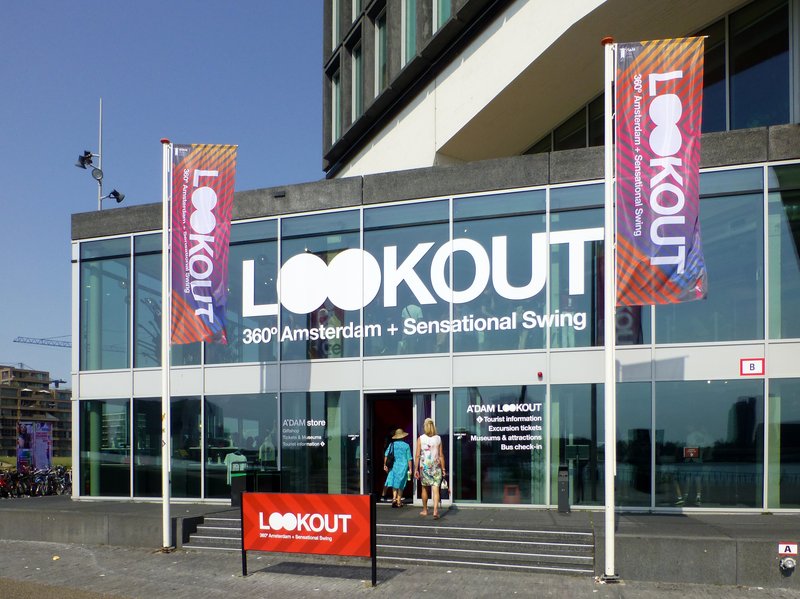
A 360° observation deck on the 20th floor of the former Shell Tower, with a swing that launches over the building's edge 100 meters above the IJ waterfront. The panorama sweeps across the full city — every canal, every church tower, and on clear days the fields beyond the city.
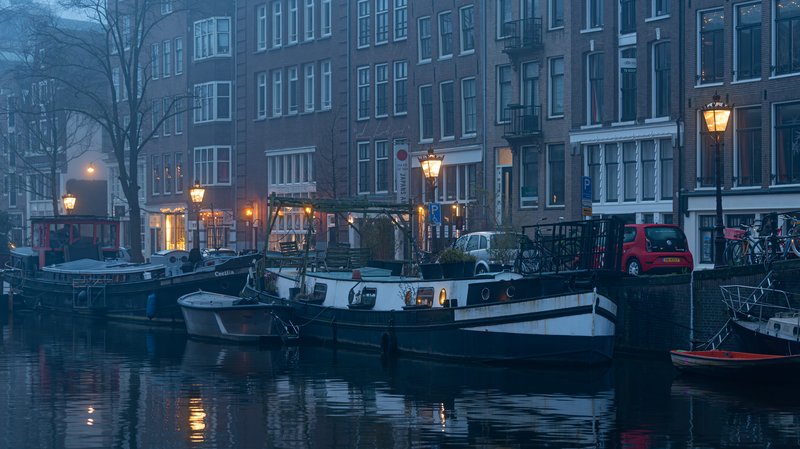
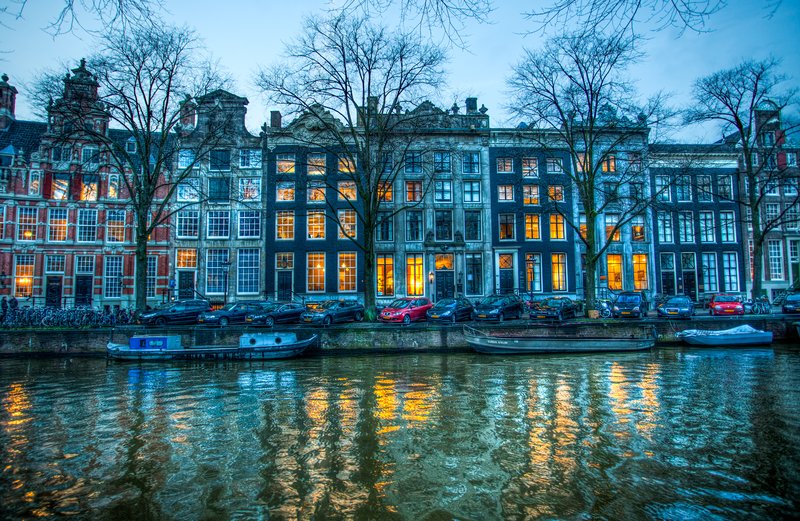
A 90-minute small-group cruise through the UNESCO-listed Golden Age canal ring — the only way to see the canal houses, humpbacked bridges, and houseboats at water level. The morning slot keeps it intimate before the tour-boat rush arrives.
Four interconnected 17th and 18th-century Ashkenazi synagogues — the Great Synagogue and three others — form the most comprehensive Jewish museum in the Netherlands, documenting 400 years of Jewish life, culture, and survival in the city.
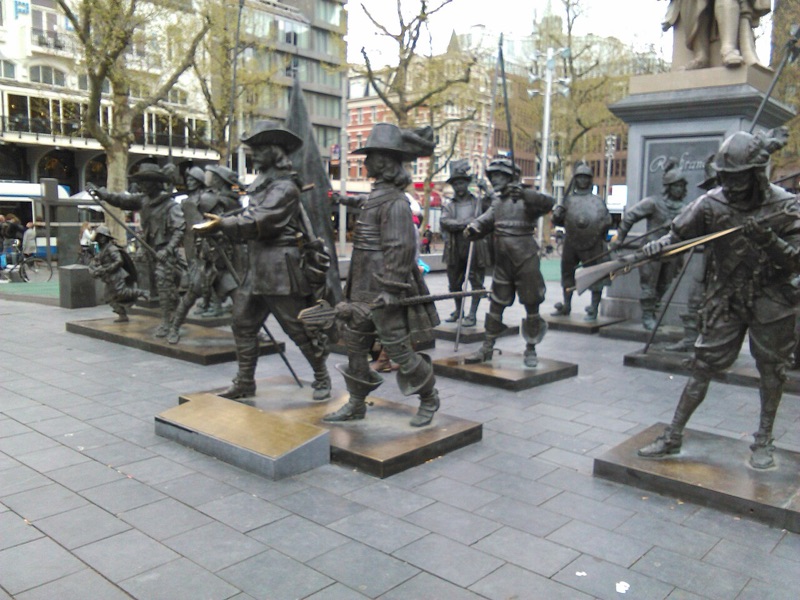
Amsterdam's most animated square — a broad plaza anchored by a bronze Rembrandt and a life-size 3D recreation of the Night Watch: twenty-two bronze figures arranged across the square exactly as Rembrandt painted them. The Night Watch tableau is the best free art moment in the city after the Rijksmuseum itself.
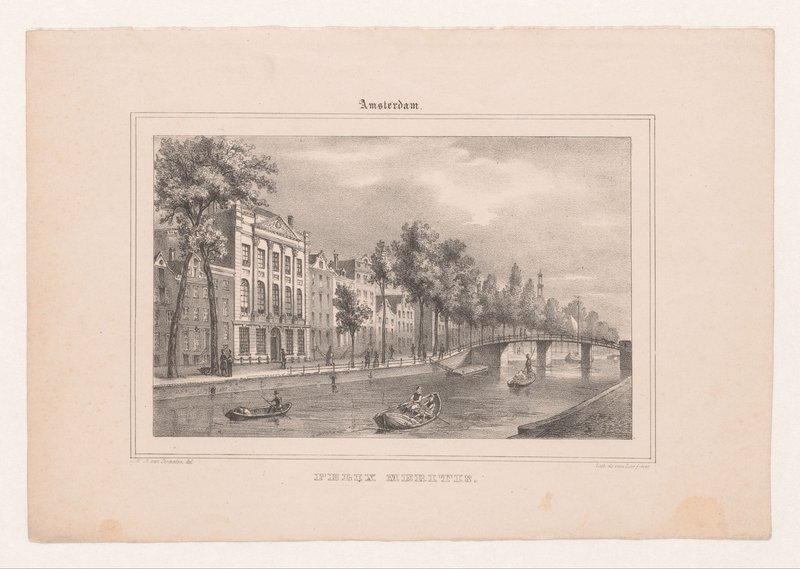
Amsterdam's leading photography museum — four rotating exhibitions per year in a 17th-century canal house on the Keizersgracht. International and Dutch photographers, documentary and fine-art work. One of the best small museums in the city.
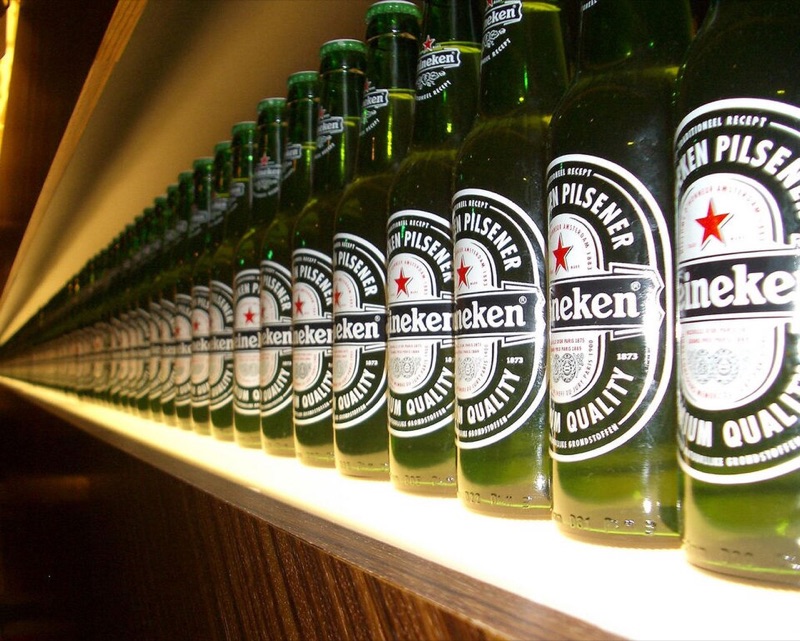
The original 1867 Heineken brewery, active until 1988, now an interactive museum tracing the brand's history and brewing process — ending with two included drinks. The handsome 19th-century brick building is itself worth seeing. One of Amsterdam's most visited attractions, and it delivers.
One of the world's oldest botanical gardens, founded in 1638 as a medicinal herb garden for the city's physicians. Today holds 6,000 plant species across three climate greenhouses — including a 300-year-old Eastern Cape cycad and the coffee plant that seeded all of Latin America's coffee culture.
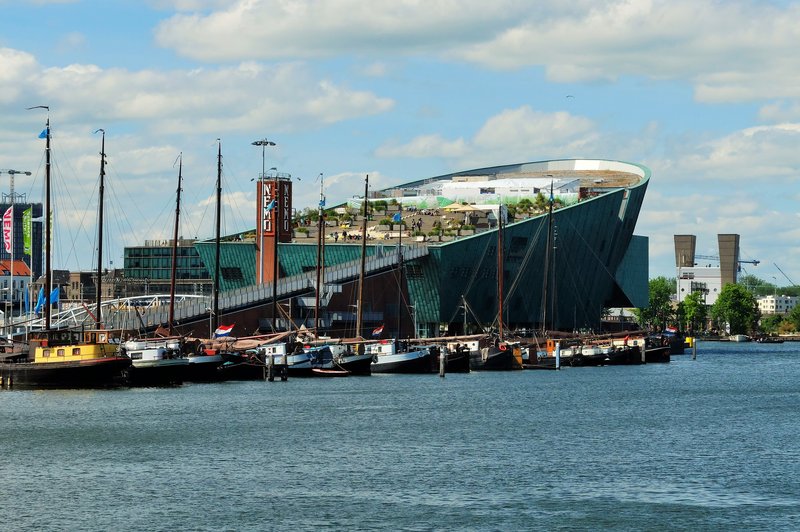
Renzo Piano's copper-clad ship hull rises from the IJ waterfront — the building is a landmark before you walk in. The rooftop terrace gives a panoramic view over the old port and city rooftops and is free to visit without a museum ticket.
ARRIVE Utrecht Centraal: 12 min · 5 min → Dom Tower
1.Dom Tower~1 hr 30 min
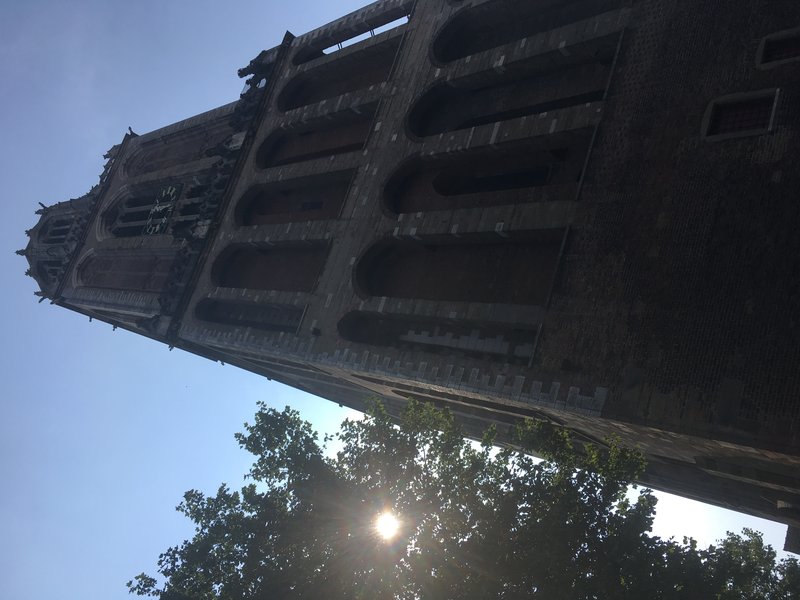
The tallest church tower in the Netherlands at 112 meters, built 1321 - 1382. The 465-step guided climb passes through medieval belfry rooms, the clock mechanism, and the 50-bell carillon, ending in a panorama over Utrecht and on clear days the skyline of the city to the north.
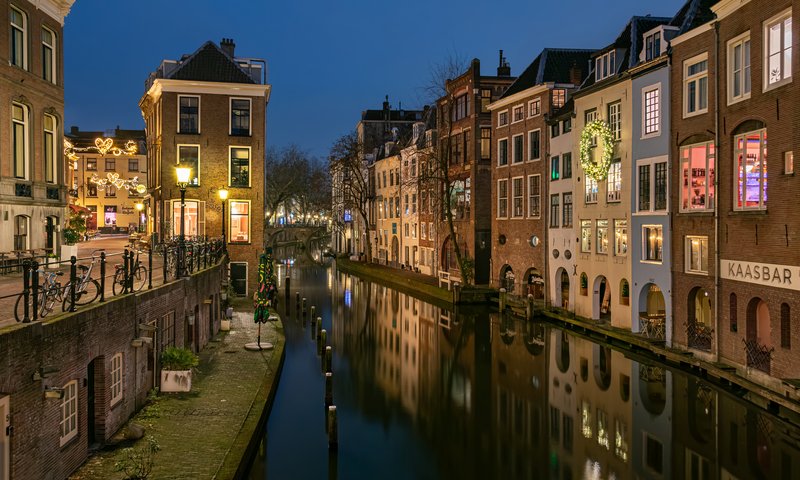
Utrecht's medieval canal runs two levels deep — the upper street for horse traffic and a lower level of wharf cellars cut directly into the canal banks for unloading ships. Today the cellars are cafés and restaurants open right to the water. No other city in the world has this two-level structure.
Small-group morning cruise through the full canal ring before the tourist boats arrive. Electric open sloop, live guide, intimate format — the best time to have the Prinsengracht nearly to yourselves.
The most-reviewed canal cruise in the city — open bar with Dutch beer, wine, jenever, and soft drinks included. Live guide, relaxed pace through the UNESCO canal ring.
Compact 60-minute electric sloop cruise with a local guide covering the architecture, history, and residents of the canal ring. Small group keeps it conversational.
Two-hour walking tour through the Jordaan covering Anne Frank's life, the WWII occupation, and the history of the Jewish Quarter. Ideal before or after visiting the Anne Frank House.
A 2.5-hour free-style introduction covering the canal ring, Dam Square, the Jordaan, and the Golden Age with a local guide who takes questions throughout.
Full-day coach tour north of the city to the Zaanse Schans windmills, the cheese town of Edam, and the fishing villages of Volendam and Marken. Sees preserved 17th-century houses, a clog demonstration, and the polder landscape reclaimed from the sea.
Compact small-group excursion to the Zaanse Schans windmill village with a local guide. Enters a working industrial windmill, visits a clog workshop, and stops at a Gouda cheese farm before returning to the city.
Full-day trip pairing the Zaanse Schans windmills with Giethoorn, the car-free Venice of the North. Includes a guided one-hour boat ride through Giethoorn's canals beneath its wooden bridges, plus free time in the village.
One-hour evening cruise through the UNESCO canal ring as the light turns golden. A local skipper points out the canal houses, humpbacked bridges, and landmarks while the boat glides past them at water level.
One-hour open-boat cruise on a quiet electric sloop with a live local skipper. Passes the Westerkerk, Negen Straatjes, Magere Brug, and the Rijksmuseum with unobstructed views for photos through the city's narrow canals.
Guided day trip from the city to the Zaanse Schans windmills, Edam, Volendam, and Marken. Stops include a working windmill, a clog demonstration, and the harbours and colourful houses of the old fishing villages.
Eight-hour countryside tour taking in the windmills of Zaanse Schans, the cheese town of Edam, and the waterside villages of Volendam and Marken. Includes windmill entry, a clog workshop, and time to wander each village.
Food and cultural walking tour through central Amsterdam, sampling local cheese, stroopwafels, Dutch-style fries, herring, bitterballen, and apple pie at stops across the city centre. Winner of Best Food Tour in Amsterdam three years running.
Archaeologist-led walking tour through Amsterdam's historic centre tracing the 17th-century Golden Age: merchant trading houses, the canal ring's social hierarchy, and the architecture that made Amsterdam the wealthiest city in Europe.
Full-day small-group tour from Amsterdam covering three Dutch cities: Rotterdam's Cube Houses and harbour, the medieval lanes and Royal Delft factory in Delft, and the government quarter and Mauritshuis art gallery in The Hague.
Deep-fried crispy ragout balls served hot with Dutch mustard — the essential city bar snack. Beef or veal bound in thick béchamel, panko-crusted and fried to order.
Raw herring served sliced into pieces with raw onion and pickles — eaten with a toothpick. Season runs May to July; the first catch goes to the King and the second to the city.
Two thin waffle discs sandwiched with caramel syrup — invented in Gouda and adopted by the city. Best hot off the iron at a market stall where the syrup is still molten.
Dutch gin — ancestor of London dry, distilled from malt wine and juniper. Served in a tulip-shaped glass filled to the brim. Jonge is lighter; oude is richer and more complex.
Tiny fluffy buckwheat pancakes cooked in a special cast-iron mould, served in a heap of 15 to 20 with butter and powdered sugar — a Dutch street food classic.
Foreign number: accepted. — it runs on the same Uber account, so the code comes by SMS to any international number, with a voice call as the fallback.
Covers most central Amsterdam neighbourhoods with a wide selection spanning Indonesian rijsttafel, Dutch-Indonesian fusion, local burgers, and Italian. Delivery is reliable in the centre; slower in the outer districts.
Foreign number: not required. — the account is made with Google, Facebook or an email address — there is no phone field, so no code has to arrive.
The dominant platform in the Netherlands — larger restaurant network than Uber Eats with stronger coverage of Dutch and Indonesian kitchens. Card payment works without a Dutch card and no local account is required.
One of the world's most acclaimed concert halls — home of the Royal Concertgebouw Orchestra, celebrated for extraordinary acoustics and world-class programming.
Foreign number: accepted. — the code comes by SMS to any international number, and "Call me with code" reads it out if the SMS is blocked.
Works across Amsterdam with no Dutch number needed; practical for longer cross-city rides and late-night journeys when GVB trams stop running. The compact centre often makes the tram faster for short hops, but Uber accepts international cards and is reliable throughout the city.
One of the best-preserved medieval cities in the Netherlands. The Frans Hals Museum holds the world's greatest collection of Dutch Golden Age group portraits. The Grote Markt is among the finest medieval squares in Northern Europe.
University city and birthplace of Rembrandt, with a clutch of specialist museums — the Rijksmuseum van Oudheden holds a complete Egyptian temple — and a canal-laced medieval centre denser than Amsterdam.
Europe's largest port and boldest modern skyline — the Cube Houses, Markthal, Depot Boijmans Van Beuningen, and Erasmusbrug define a city completely rebuilt after WWII. It looks like no other Dutch city.
The Dutch seat of government and home of the Mauritshuis — one room holds Vermeer's Girl with a Pearl Earring and Rembrandt's The Anatomy Lesson. The Peace Palace and the North Sea beach at Scheveningen are 10 minutes apart.
The city of Vermeer and blue-and-white Delftware. Canals, gabled houses, and a fairy-tale Markt — the Nieuwe Kerk and Prinsenhof flank the square where Willem van Oranje was assassinated in 1584.
There are no walk-up tickets. Book the official timed entry as soon as dates open; busy dates can sell out before the day.
Rijksmuseum — Reserve a Start Time
A ticket alone is not enough: every visit needs a reserved start time, so lock it in before arranging the museum day.
Worth Knowing
A Diary Almost Burned, a Church Hidden in Plain Sight
Anne Frank's diary survived by pure chance and one woman's restraint. When the Gestapo raided the Secret Annex in 1944, an officer dumped Otto Frank's briefcase onto the floor to make room for valuables, scattering Anne's papers everywhere. Her father's employee Miep Gies gathered them up afterward and locked them in her desk drawer — unread, for years. She later said she was glad she never opened it during that time: knowing what was actually written about the people still in danger, she believed she would have felt obligated to burn it. Otto Frank was the only one of the eight who survived the camps, and when he returned to Amsterdam, Miep handed him the papers exactly as she'd found them.
The Begijnhof looks like an ordinary quiet courtyard, but its church has been hiding in plain sight for over three centuries. After Amsterdam's Protestant takeover in 1578 banned public Catholic worship, the lay religious women who lived here converted two ordinary townhouses into a fully functioning Catholic church behind an unmarked facade — one of the city's earliest clandestine "schuilkerken." The congregation of Beguines who ran it kept the tradition alive right up until the last of them died in 1971, and the hidden church still holds services today.