TRIP OVERVIEW
Day 1 – Bab Marrakech at the Medina of Essaouira · Place Moulay Hassan · Essaouira Consulate Quarter · Sqala de la Kasbah
Day 2 – Essaouira Marine Gate · Essaouira Fishing Port · Sqala du Port · Essaouira Citadel
Day 3 – Bayt Dakira · Simon Attias Synagogue · Slat Lkahal Synagogue · Chaim Pinto Synagogue
Day 4 – Essaouira Beach · Sidi Mogdoul Lighthouse · Oued Ksob Estuary · Borj El Baroud
Day 5 – Diabat · Dar Sultan Palace · Cap Sim Dunes · Sidi Kaouki
Day 1
1.Bab Marrakech at the Medina of Essaouira~20 min
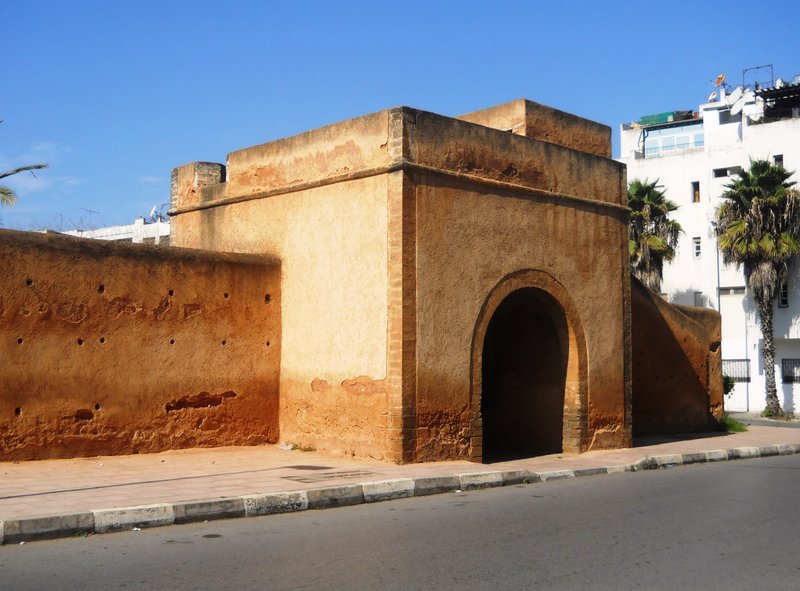
The monumental southern gate opens onto Essaouira’s unusually orderly medina, making it the clearest place to read the old city’s eighteenth-century plan. Its round defensive tower now works as an exhibition space, while the broad stone approach makes the gate an easy orientation point for the medina.
Open 24/7
2.Place Moulay Hassan~30 min
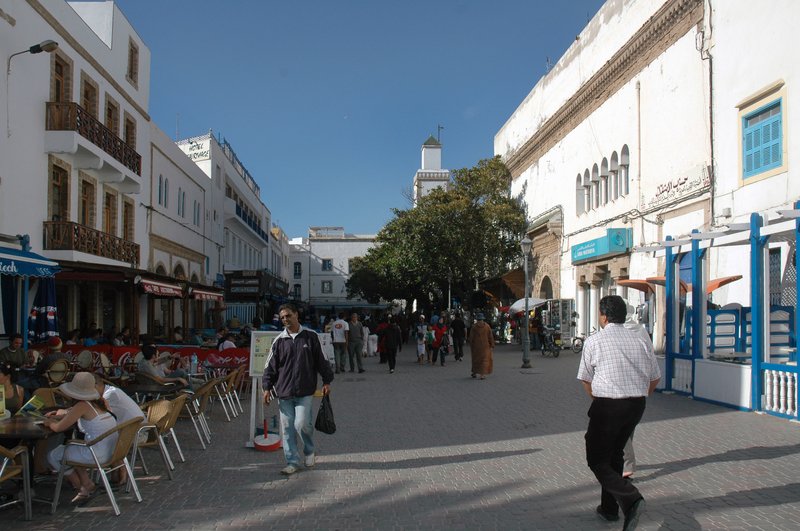
Essaouira’s main public square links the medina lanes with the fishing harbour, with arcades, cafés and a broad Atlantic-facing promenade. Café terraces face the old customs houses, and the evening promenade is one of the best places to watch the working port settle into its social rhythm.
Open 24/7
3.Essaouira Consulate Quarter~20 min
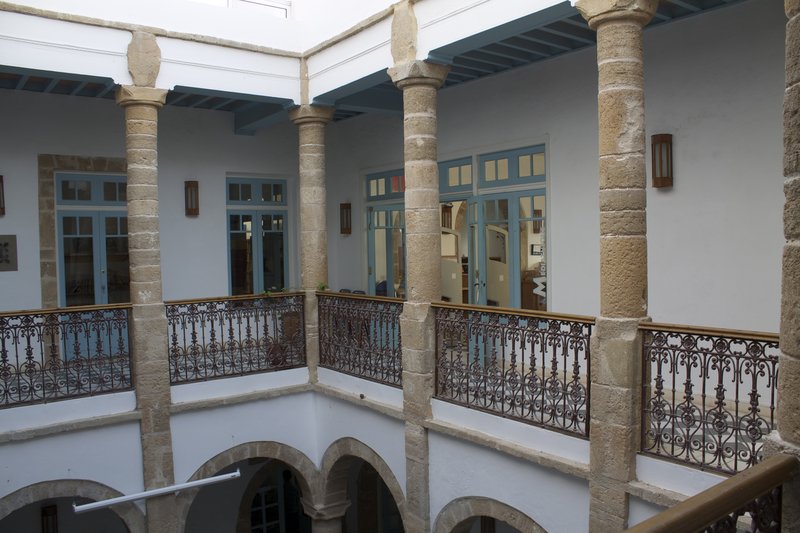
Weathered Dutch, Portuguese, English and French consulate facades still line Rue Laalouj and the surrounding kasbah lanes — the royal quarter French engineer Théodore Cornut laid out in the 1760s to house the European merchants and diplomats who ran the port's Atlantic trade under Sultan Sidi Mohammed ben Abdallah.
Open 24/7
4.Sqala de la Kasbah~45 min
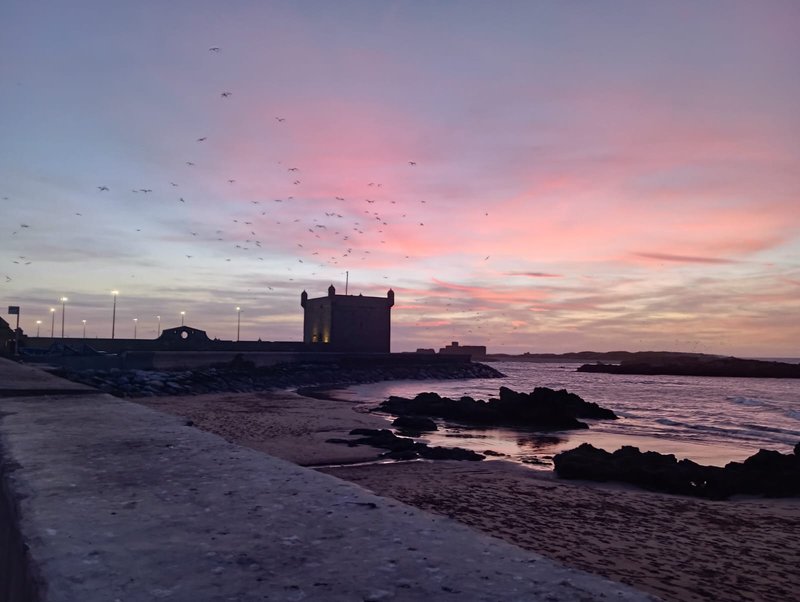
A line of bronze cannon crowns this ocean-facing artillery platform, with close views of the ramparts, surf and Purple Islands beyond. Arrive before late afternoon crowds to study the masonry and cannon embrasures, then look back across the blue-shuttered medina roofs.
Day 2
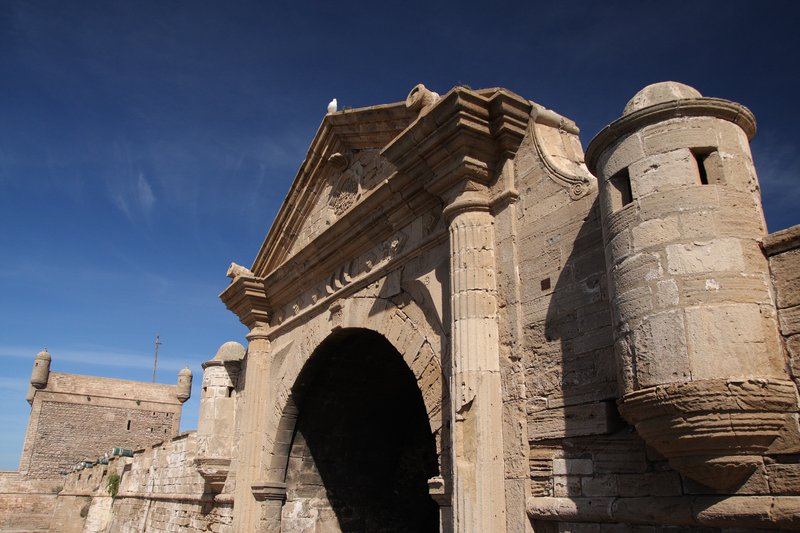
1.Essaouira Marine Gate~20 min
The carved Marine Gate forms the ceremonial entrance to the historic harbour and frames the compact shipyard, fishing fleet and fortified walls. The eighteenth-century stonework bears the royal inscription of Sidi Mohammed ben Abdallah and still funnels all foot traffic into the working port.
Open 24/7
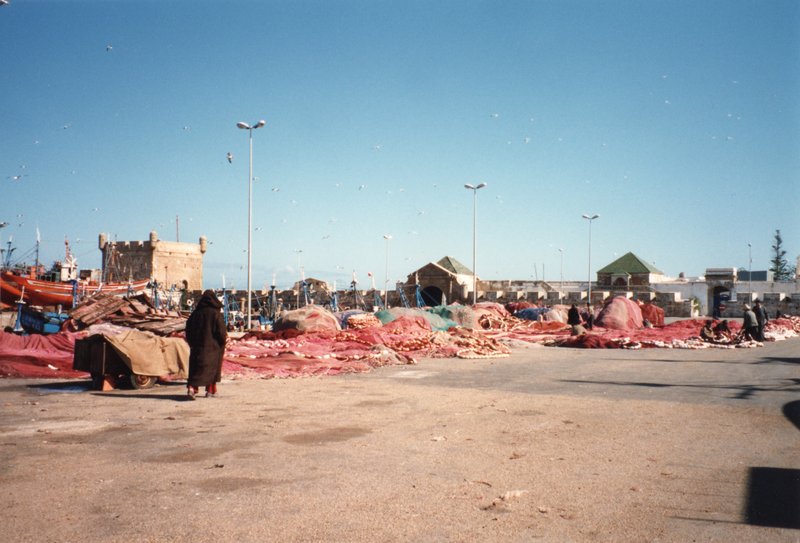
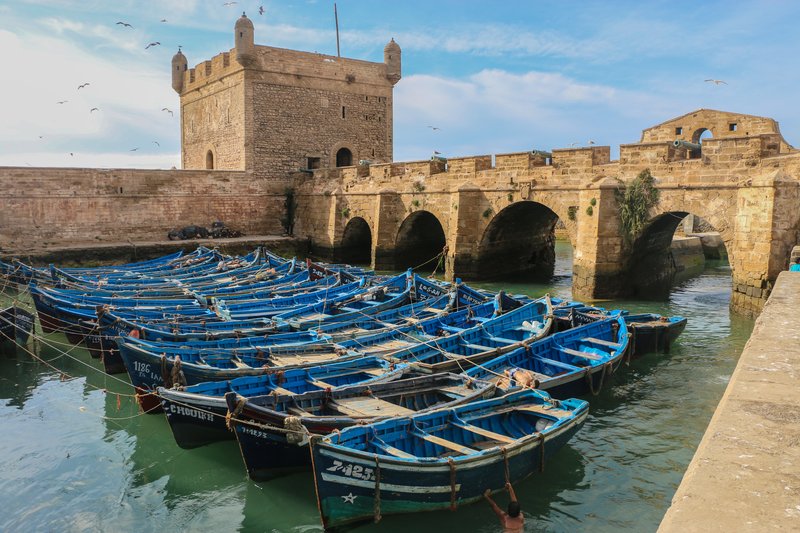
2.Essaouira Fishing Port~45 min
Blue wooden boats, net mending, auction sheds and a traditional boatyard make this working sardine harbour one of the city’s most vivid daily scenes. Come early enough to see landings rather than only the lunch grills, and keep clear of slick ramps, working carts and coils of rope.
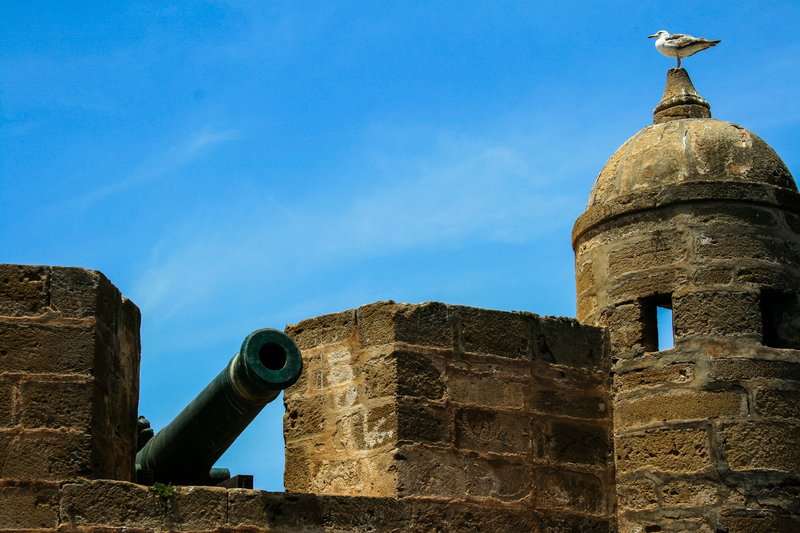
3.Sqala du Port~45 min
Two fortified wings built to defend the harbour meet above old military stores, opening a high view across the quay and Mogador Island. The viewpoint explains how the port gate, warehouses and cannon platform worked together; the climb also opens the classic view toward the medina walls.
Daily 9:00am - 5:00pm
4.Essaouira Citadel~30 min
The harbour bastion preserves the heavy stone geometry of Mogador’s coastal defences and the viewpoint made familiar by film and television. This outer perspective makes the planned geometry of Mogador legible, from the sea walls to the harbour entrance and gridded streets behind them.
Day 3
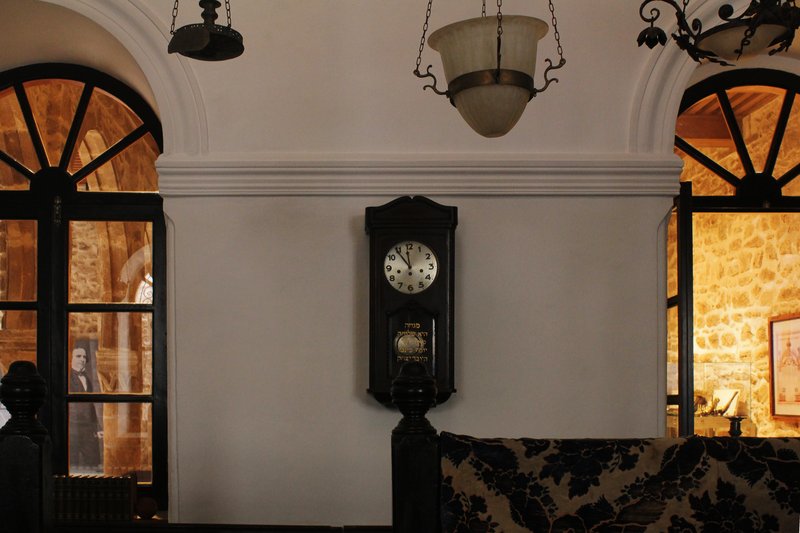
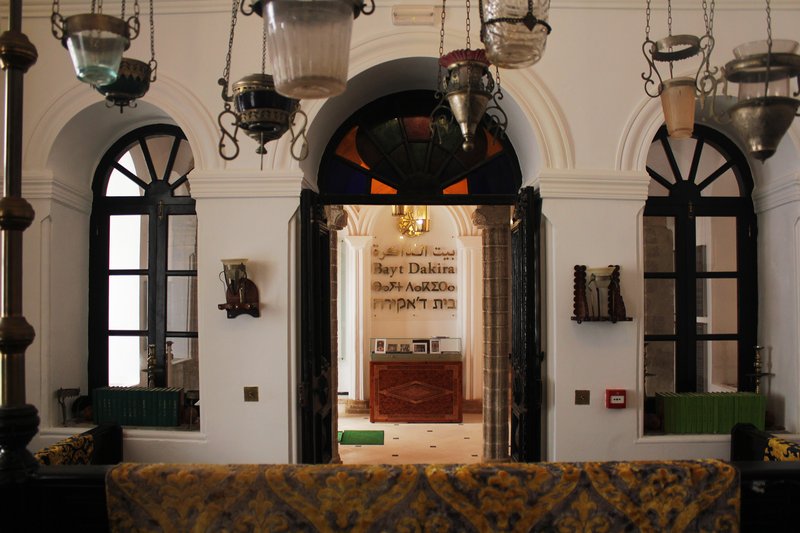
1.Bayt Dakira~1 hr
The House of Memory combines a museum, research centre and restored synagogue to tell Essaouira’s long history of Jewish-Muslim coexistence. Oral histories, photographs and restored rooms explain the city’s Jewish-Muslim coexistence without flattening it into a single nostalgic story.
2.Simon Attias Synagogue~30 min
This carefully restored nineteenth-century synagogue anchors the Bayt Dakira complex with its ark, galleries and ceremonial interior. Restored plaster, timber galleries and ceremonial fittings reveal the scale and confidence of the merchant community that worshipped here.
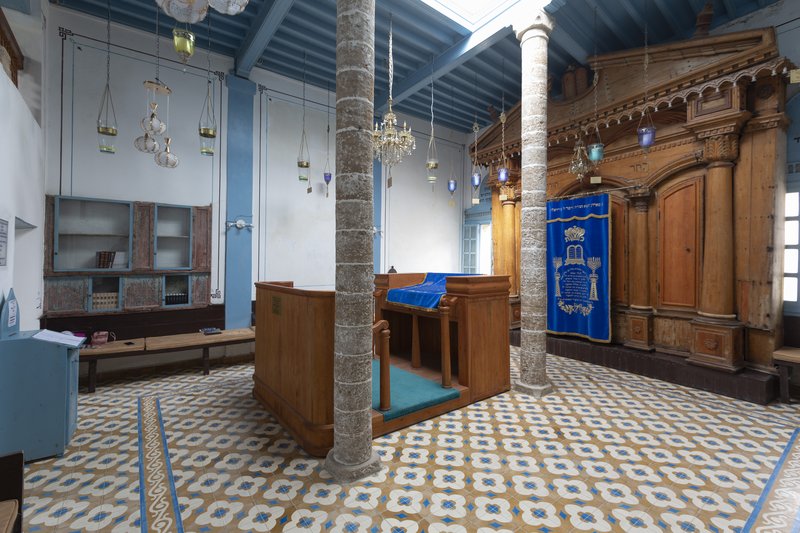
3.Slat Lkahal Synagogue~30 min
A community-led restoration returned this compact synagogue to the Mellah, preserving carved woodwork and the memory of local congregations. The modest prayer hall preserves community photographs and Hebrew details that contrast with the grander Simon Attias complex nearby.
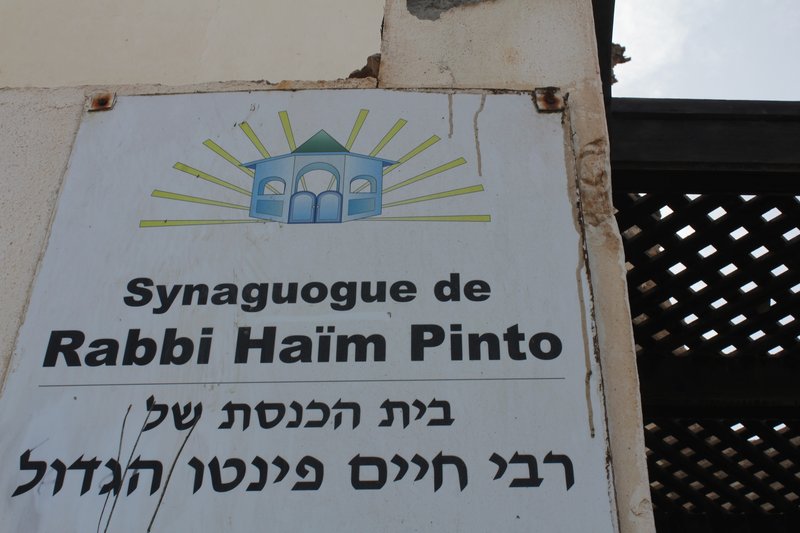
4.Chaim Pinto Synagogue~30 min
The home and active synagogue associated with Rabbi Haim Pinto remains a pilgrimage place and an intimate window into Jewish Essaouira. Its compact rooms remain an active place of pilgrimage connected to Rabbi Haim Pinto, so dress respectfully and yield space to worshippers.
Day 4
1.Essaouira Beach~1 hr
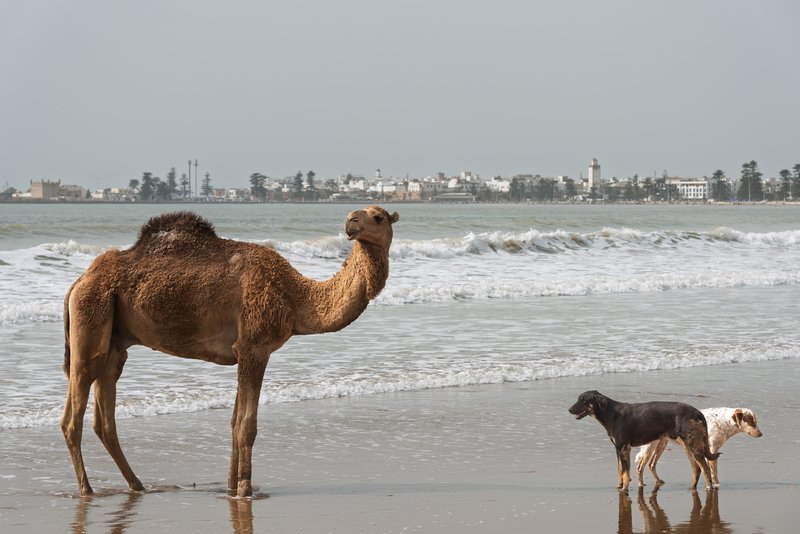
The city’s long crescent of firm sand gives unobstructed views back to the medina walls and out toward the wind-shaped Atlantic bay. The broad sand gives an unobstructed view back to the medina walls, while steady trade winds fill the bay with kites and windsurf sails.
Open 24/7
2.Sidi Mogdoul Lighthouse~20 min
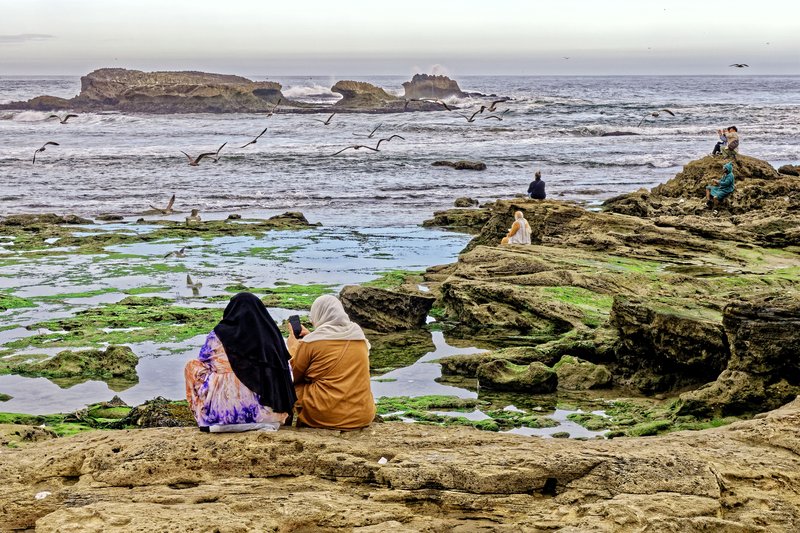
The white coastal lighthouse marks the southern edge of the urban waterfront near the saint’s tomb from which the old name Mogador derives. The landmark marks the transition from the urban beach to the Ksob estuary landscape, with dunes, eucalyptus and open Atlantic horizons.
Open 24/7
3.Oued Ksob Estuary~45 min
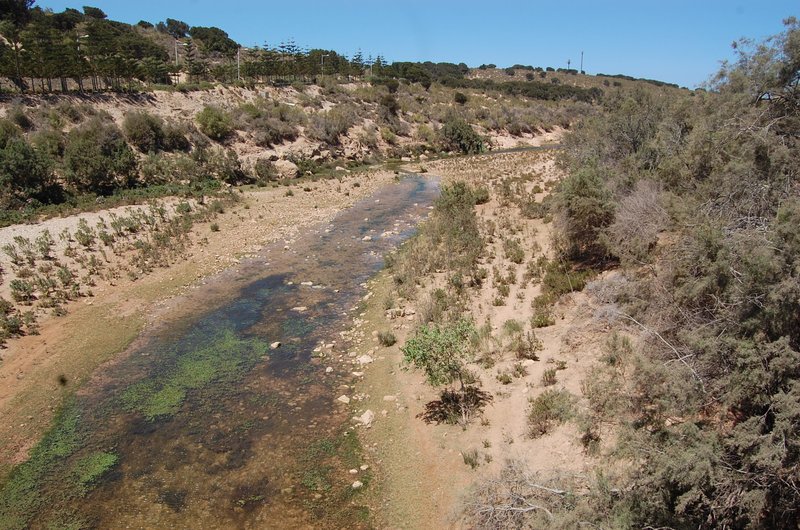
Fresh water meets the Atlantic at a broad tidal channel used by shorebirds, separating Essaouira’s main beach from the dunes of Diabat. Seasonal water levels draw shorebirds and reshape the walking line; keep to firm sand and do not attempt the crossing when the tide is rising.
Open 24/7
4.Borj El Baroud~30 min
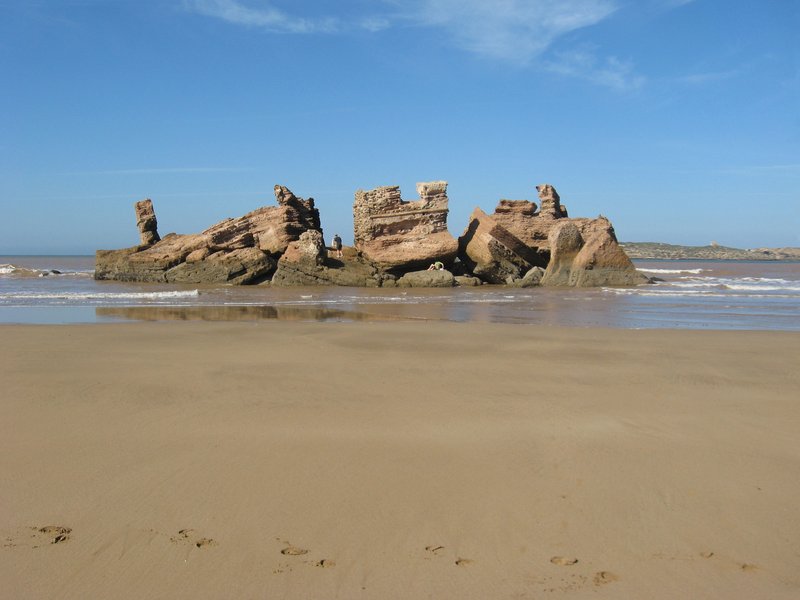
Wave-worn ruins of a coastal watchtower rise from the sand near the Ksob estuary, best approached at low tide from the Diabat side. The leaning stone mass is reached across exposed sand and tidal flats, rewarding careful timing with a stark view of ruin, dunes and surf.
Open 24/7
Day 5
1.Diabat~30 min
This small village just south of the Ksob estuary is the gateway to dunes, horse trails and the ruins of Sultan Mohammed III’s country palace. Low lanes and cafés sit behind the dunes, while the village remains the practical gateway for horse, camel and quad outings along the coast.
Open 24/7
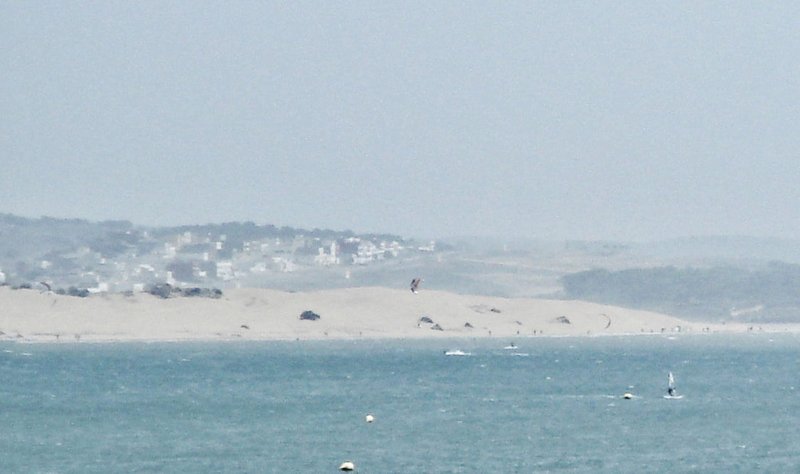
2.Dar Sultan Palace~40 min
Sand and vegetation are slowly reclaiming the roofless arches of Sultan Mohammed III’s eighteenth-century residence beside Diabat. Sand and vegetation now thread through the remaining arches, making the site atmospheric but uneven underfoot and unprotected from wind.
Open 24/7
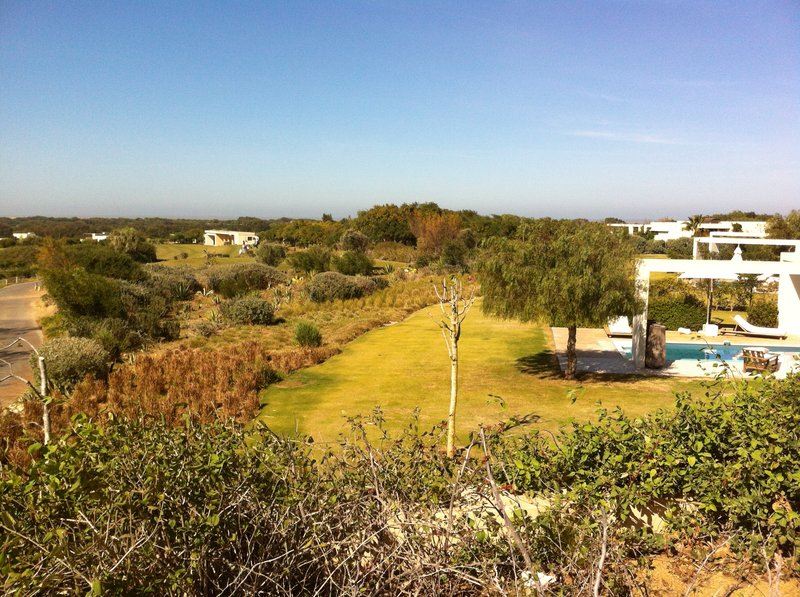
3.Cap Sim Dunes~1 hr
High coastal dunes and open ocean views create the wildest landscape on this route, reached from the tracks between Diabat and Sidi Kaouki. Wind-sculpted ridges rise behind the beach and open a remote final panorama; use a local guide and avoid fragile vegetation on the dune faces.
Open 24/7
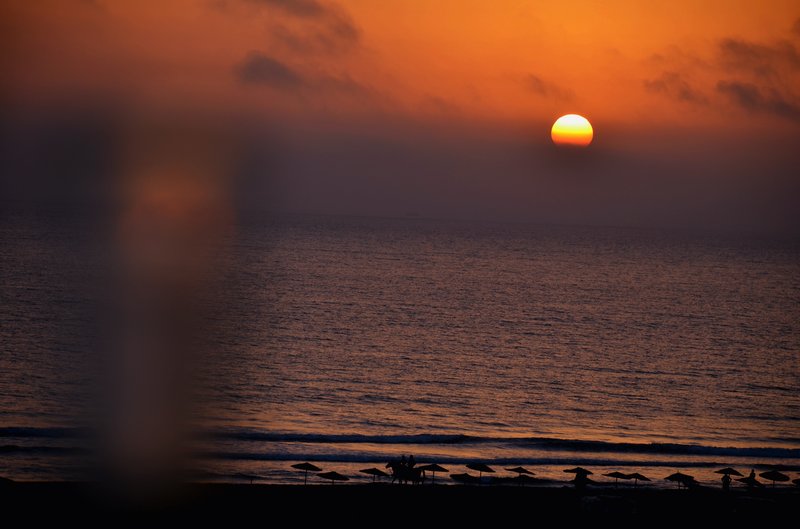
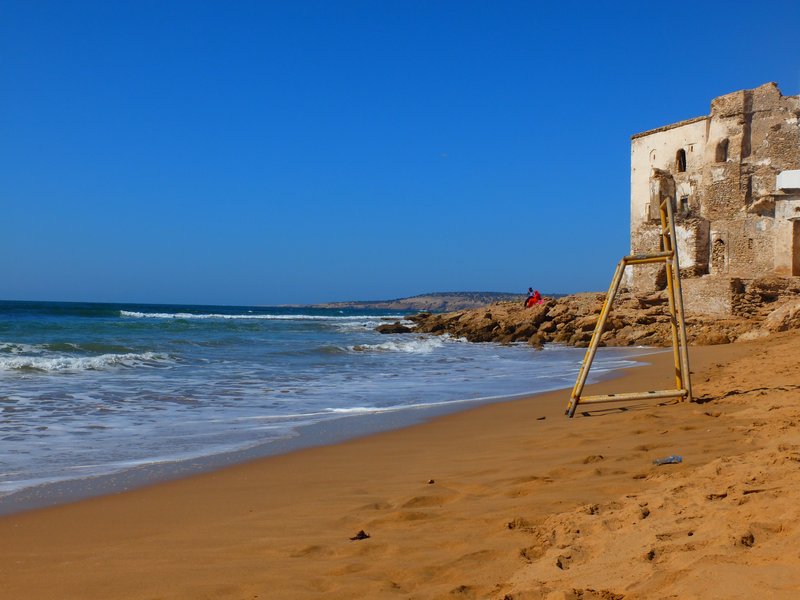
4.Sidi Kaouki~2 hr
A windswept Atlantic village south of Essaouira is known for its broad surf beach, simple cafés and the white marabout at the shore. The marabout and small village face a long open beach whose steady swell attracts surfers without the density of Essaouira’s main bay.
Open 24/7
Tours
Viator
Two hours across forest tracks, open beach and the dunes south of Essaouira, with instruction and protective gear supplied.
2 hr · Small group
Prepare a multi-dish Moroccan meal with a local chef, then sit down to eat the lunch or dinner you made.
4 hr · Up to 17
TripAdvisor
A rural sunset walk through valleys and dunes to the waterfall and Atlantic coast, followed by a Moroccan dinner beside the sea.
4 hr · Small group
Cappuccino
Mandala Society · 4.5 · 1268+ reviews
Koozin · 4.8 · 300+ reviews
Salut Maroc Rooftop · 4.5 · 500+ reviews
Restaurants Near Hotel
O'Bleu Mogador · 4.7 · 454+ reviews
Mediterranean tasting menus with Moroccan produce in an intimate riad dining room.
Daily 7:00pm - 10:30pm
D’jazy · 4.9 · 343+ reviews
Moroccan cooking, tuna and tagines with occasional live jazz in a tiny dining room.
Daily 12:00pm - 11:00pm
Restaurant Sayef · 4.8 · 587+ reviews
Warm family-run Moroccan cooking, especially richly spiced soups and slow-cooked tagines.
Daily 12:00pm - 10:30pm
Restaurant Ferdaouss · 4.9 · 182+ reviews
Excellent-value couscous, grilled fish and traditional Moroccan specials.
Daily 12:00pm - 10:00pm
Downtown Restaurants
La Table by Madada · 4.6 · 651+ reviews
Polished Moroccan cooking with seasonal produce in a spacious room near the port.
Daily 7:00pm - 11:00pm
Mandala Society · 4.5 · 1268+ reviews
Fresh international plates with strong vegetarian and vegan choices.
Daily 9:00am - 10:00pm
The Hungry Nomad Rooftop · 4.8 · 579+ reviews
Moroccan comfort food and broad medina rooftop views.
Daily 12:00pm - 10:30pm
Miyame · 4.7 · 497+ reviews
Friendly, affordable Moroccan and Mediterranean plates.
Daily 12:00pm - 10:00pm
Dining Areas
Chbanat and Bab Marrakech
Kasbah and Place Moulay Hassan
Local Tastes
Sardine-Ball Tagine
Sardines are minced with herbs and spices, rolled into balls and simmered in a tomato-rich tagine—one of the port city's defining dishes.
Conger Eel with Sweet Sauce
A local sweet-savory preparation of the Atlantic conger landed at the port, pairing firm fish with caramelized onion and warming spices.
Amlou
A glossy spread of roasted almonds, local argan oil and honey, served with bread or msemen at breakfast.
Food Delivery
Glovo
Foreign number: accepted. — The international country-code selector sends the verification code by SMS to supported foreign carriers.
Glovo has the broadest app-based selection in Essaouira, from Moroccan grills and pizza to groceries; coverage depends on the entered address and thins outside the urban beach and medina.
Getting Around
No verified ride app, tram or passenger ferry carries local trips in Essaouira; walk inside the medina and use metered petit taxis or a hotel-arranged car beyond it.
Heads Up
Atlantic coast — Wind and tides
Carry a light layer, secure hats, and check the tide before walking the Oued Ksob shore or approaching Borj El Baroud.
Worth Knowing
Small cafés, taxis and market stalls often prefer Moroccan dirhams. Carry coins and small notes; cards are more reliable at hotels and polished restaurants.
The walled centre is largely pedestrian. Ask drivers to use Bab Marrakech or Bab Sbaa as the nearest practical drop-off, then continue on foot.
The fishing port is liveliest in the morning as boats unload. Wear shoes with grip and give working carts, nets and fish sellers room.
The trade winds make the bay superb for wind sports but cooler than inland Morocco. A windproof layer is useful even on bright days.
Also on this site