TRIP OVERVIEW
Day 1 – Kowloon Walled City Park · Wong Tai Sin Temple · Nan Lian Garden · Chi Lin Nunnery · Avenue of Stars · M Plus Museum
Day 2 – Tai Kwun · PMQ · Victoria Peak · Star Ferry · Hong Kong Museum of Art
Day 3 – Po Lin Monastery · Tian Tan Buddha
Day 4 – Ocean Park · Aberdeen Typhoon Shelter · Tin Hau Temple
Day 1
1.
Kowloon Walled City Park
~1 hr
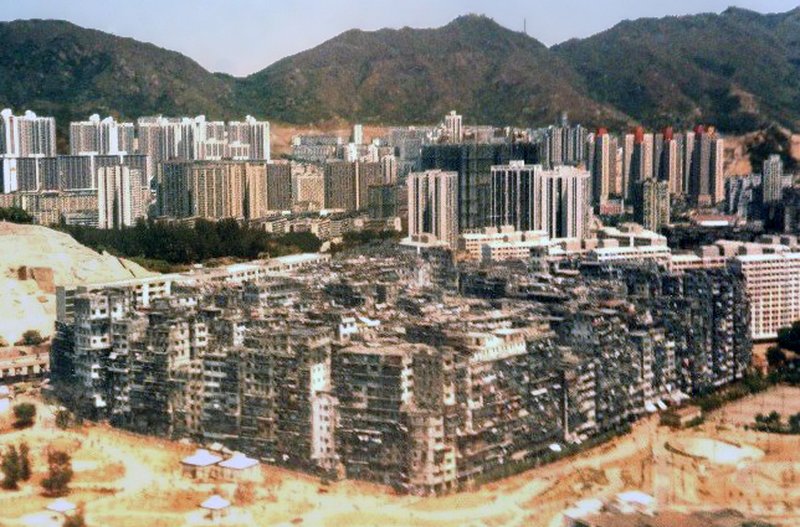
The site of history's densest human settlement — a 2.7-hectare walled village that once housed approximately 50,000 people in 350 interconnected ungoverned buildings. The park preserves the original Qing-dynasty granite boundary stones, a scale model, and a photographic record of what stood here.
Daily 6:30am - 11:00pm
Exhibition Hall within the park: closed Wednesday.
2. Wong Tai Sin Temple~1 hr
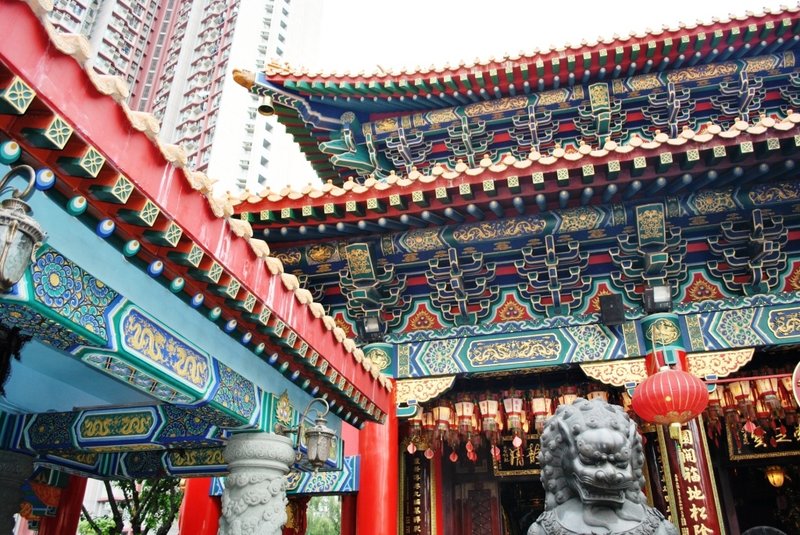
Hong Kong's largest Taoist temple in eastern Kowloon. The three-religion precinct — Taoist, Buddhist, and Confucian — centres on a red-and-gold shrine to Great Immortal Wong. Famous for kau cim: shake bamboo sticks until one falls, then have it interpreted by fortune tellers outside the main gate.
3.
Nan Lian Garden
~1 hr
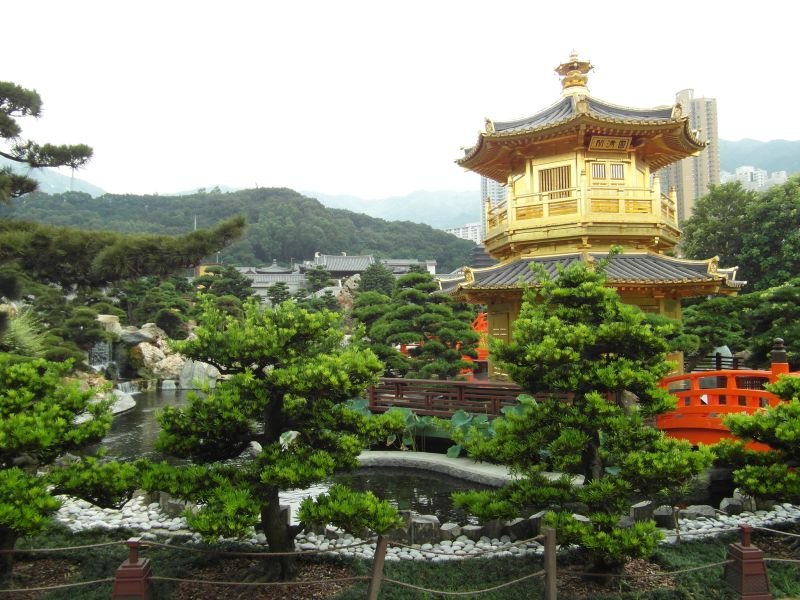
A Classical Tang-dynasty garden built to ancient geometric principles in Diamond Hill. Gilded timber pavilions, shaped bonsai pines, and Taihu rockery mountains surround a still lotus pond — extraordinary traditional craftsmanship set against the dense urban skyline. The adjacent Chi Lin Nunnery is free to enter.
4. Chi Lin Nunnery~1 hr
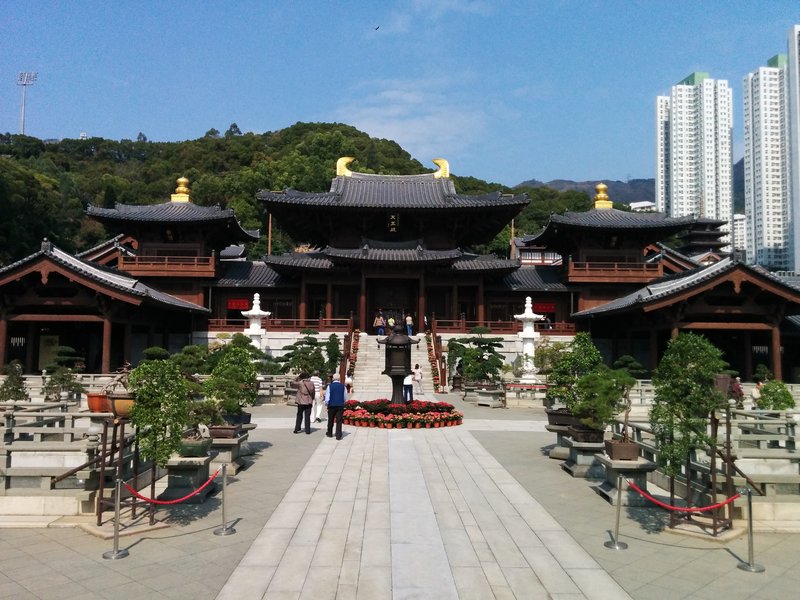
The Tang-dynasty-style Buddhist nunnery in Diamond Hill was rebuilt in 1998 from cypress wood without a single nail — one of the world's largest hand-crafted timber complexes. Ceremonial halls and lotus ponds step up the hillside; monks and nuns conduct daily rituals in the open halls.
Daily 9:00am - 4:30pm
Free
Halls may close briefly during Buddhist ceremonies — check with staff on arrival.
5.
Avenue of Stars
~1.5 hr
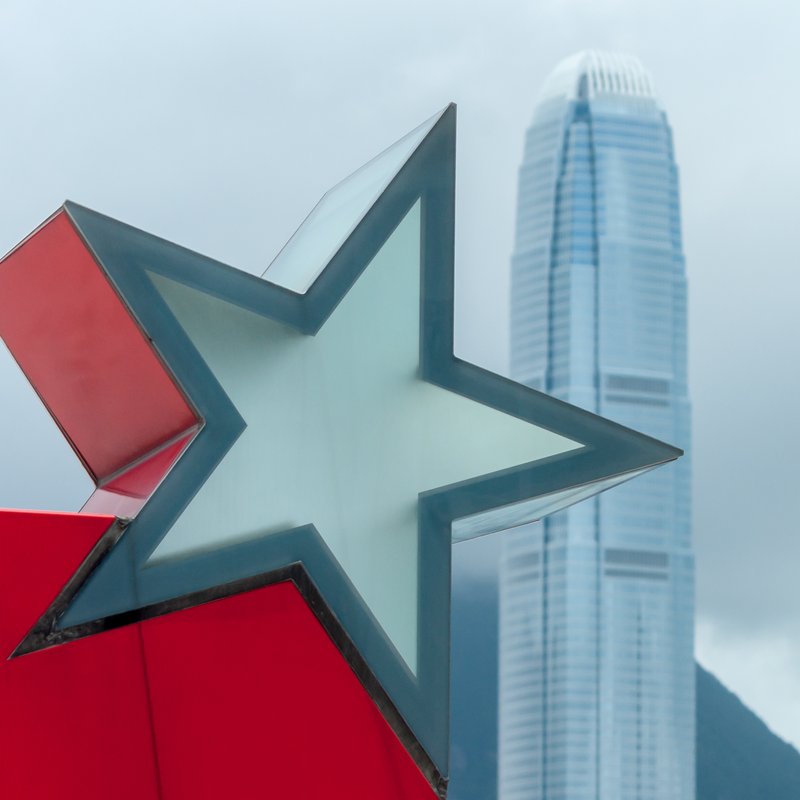
The mile-long harbourfront promenade faces one of the world's most celebrated skylines. Bronze handprints of film legends line the walkway — Bruce Lee, Jackie Chan, Chow Yun-fat among a hundred others — while Victoria Harbour and the towers of Hong Kong Island rise directly across the water.
Open 24/7
Symphony of Lights runs nightly at 8:00pm — 44 buildings illuminate simultaneously across both shores.
6.
M Plus Museum
~2 hr
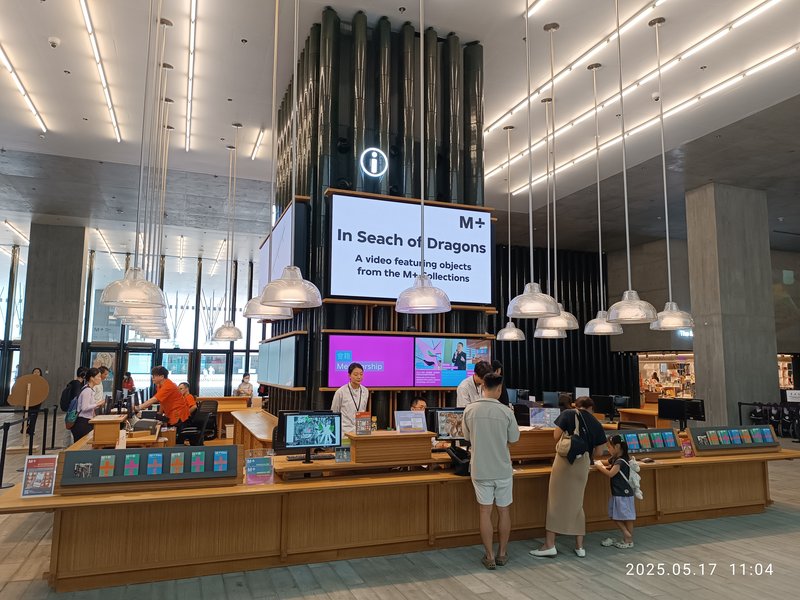
The museum of visual culture on the West Kowloon waterfront holds a permanent collection spanning art, design, architecture, and moving image. The 65-metre south facade doubles as a public LED artwork after dark. Permanent galleries are free; special exhibitions are ticketed separately.
Tuesday - Thursday 10:00am - 6:00pm · Friday 10:00am - 10:00pm · Saturday - Sunday 10:00am - 6:00pm
Closed Monday
Free
Day 2
1.
Tai Kwun
~1.5 hr
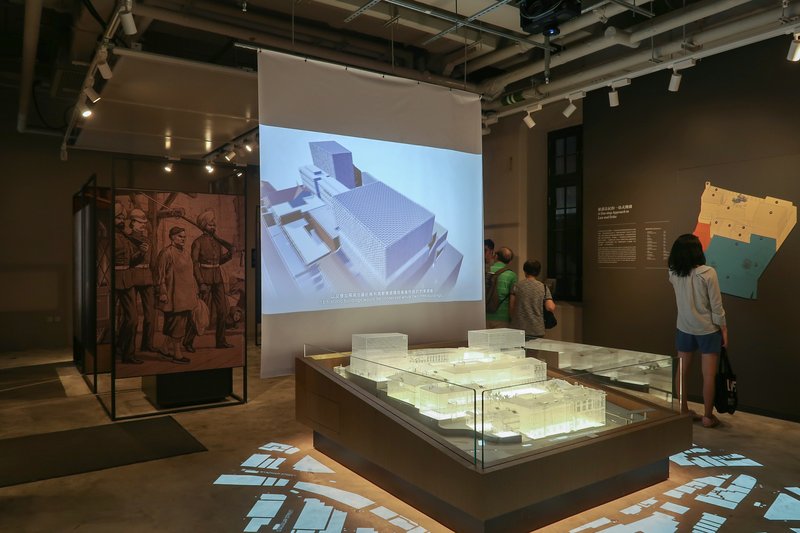
The former Central Police Station compound — a walled precinct of 16 heritage buildings — reopened as a heritage and arts centre with a UNESCO Award of Merit. Original police station, magistracy, and prison now house galleries, restaurants, bars, and a continuous exhibition programme.
Daily 10:00am - 11:00pm
Free
Paid exhibitions within the complex require a separate ticket at the venue entrance.
2.
PMQ
~1 hr
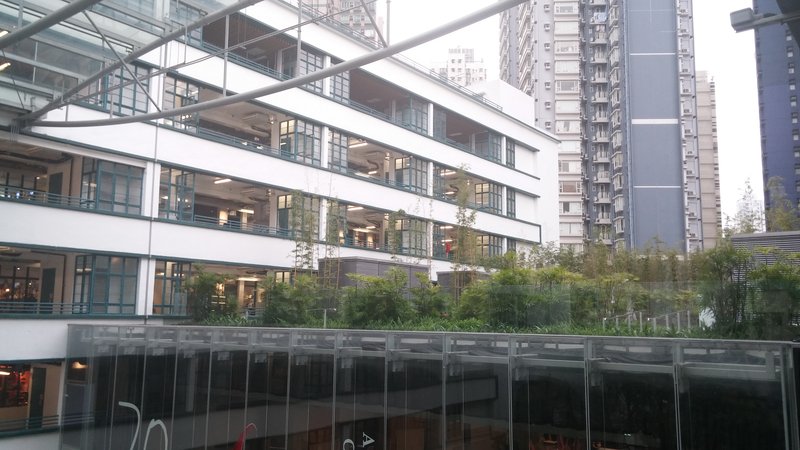
The former Police Married Quarters in Central — converted to a creative hub for 100 local design studios. Open terraces connect ground-floor retail to studios above, threading SoHo between Aberdeen Street and Hollywood Road. Stalls, independent restaurants, and pop-up exhibitions are entirely driven by local design.
3.
Victoria Peak · Sky Terrace 428
~2 hr
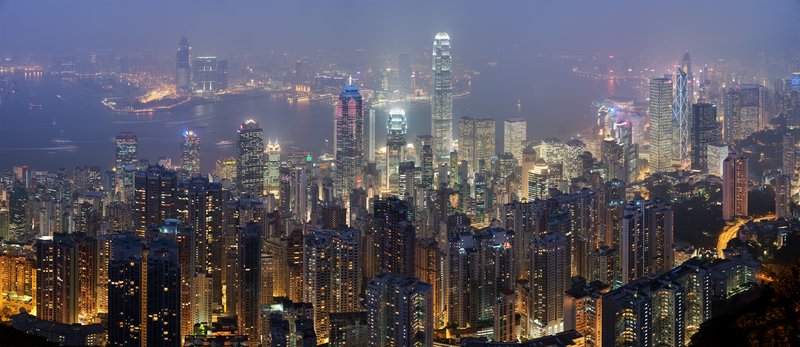
The 428-metre summit delivers a panorama over Victoria Harbour, Kowloon, and the South China Sea. The Peak Tram — a funicular since the 19th century — climbs the steep forest face. Sky Terrace 428 is the highest public viewing platform. Plan for late afternoon: daylight to neon.
Daily 8:30am - 10:00pm
Peak Tram runs 7:00am - midnight — separate fare from Sky Terrace admission.
4.
Star Ferry
~10 min
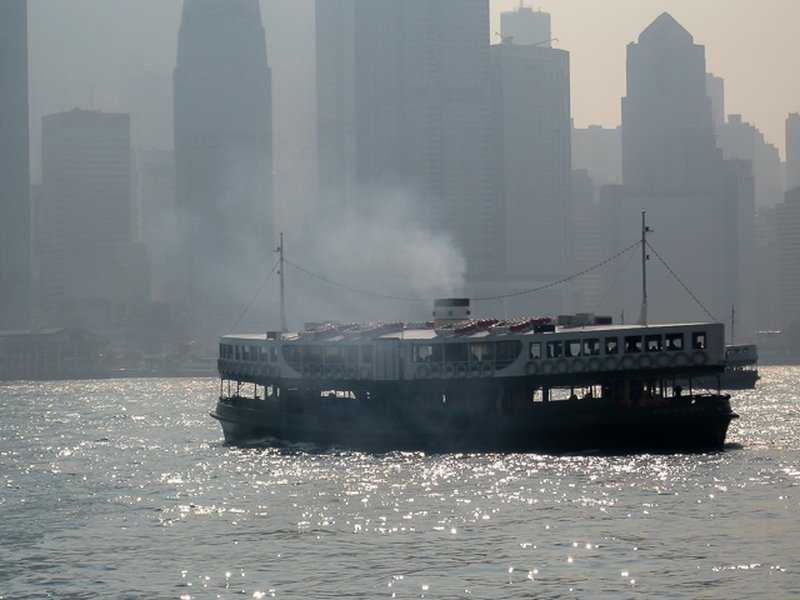
The green-and-white double-deck ferries have crossed Victoria Harbour for over a century, connecting Tsim Sha Tsui to Central in eight minutes over one of the world's most celebrated waterfronts. Every seat faces the Island skyline — the HSBC and Bank of China towers ahead. Time it for dusk.
Daily 6:30am - 11:30pm
Cash Only
Small flat fare — purchase tokens at the pier before boarding.
5.
Hong Kong Museum of Art
~1.5 hr
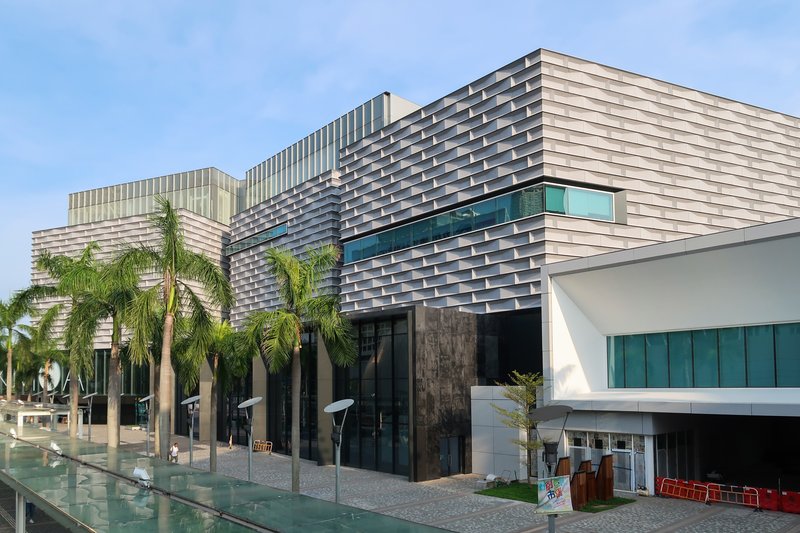
The city's largest art museum holds 17,000 works spanning 7,000 years — ancient Chinese bronzes, jade, and ceramics alongside the most comprehensive collection of contemporary Hong Kong art. The permanent galleries are free. The waterfront terrace extends to the harbour with views across to the Island skyline.
Monday - Wednesday 10:00am - 6:00pm · Friday 10:00am - 6:00pm · Saturday - Sunday 10:00am - 9:00pm
Closed Thursday
Free
Day 3
1. Po Lin Monastery~1 hr
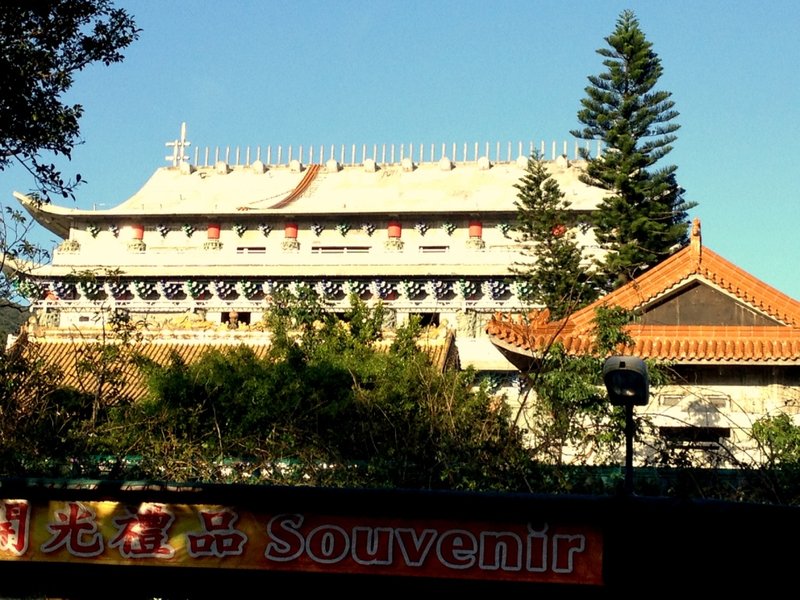
The working Buddhist monastery at the foot of Tian Tan Buddha was founded in 1906. Three ceremonial halls — rooflines tiled in imperial yellow and gold — sit on a terrace above the Ngong Ping plateau, with the bronze Buddha visible above. The vegetarian dining hall serves lunch daily.
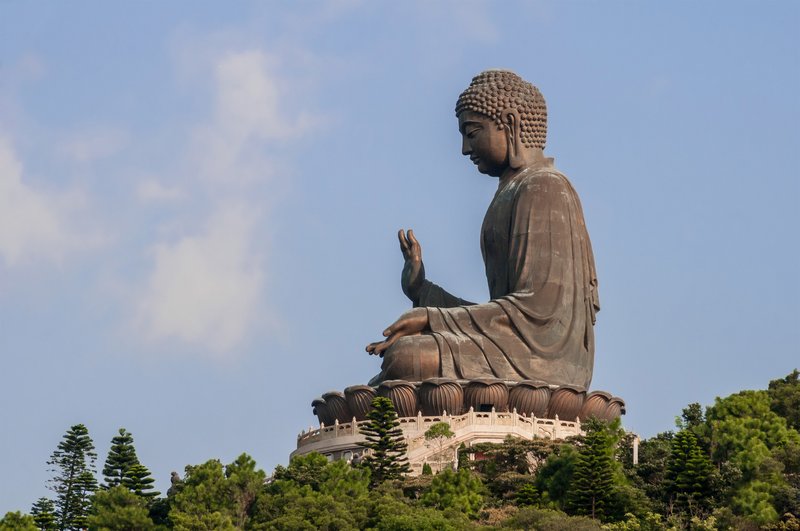
2. Tian Tan Buddha · Big Buddha~2 hr
The 34-metre outdoor bronze seated Buddha crowns the Ngong Ping plateau on Lantau Island at 520 m above sea level — the largest of its kind when completed in 1993. The Ngong Ping 360 cable car climbs 5.7 km over forested ridges in 25 minutes; 268 steps then lead to the statue's lotus throne.
Daily 10:00am - 6:00pm
Cable car suspended during high winds and rain. Book tickets in advance — queues at the terminal can be long.
268 steps · no lift
Day 4
1.
Ocean Park Hong Kong
~3 hr
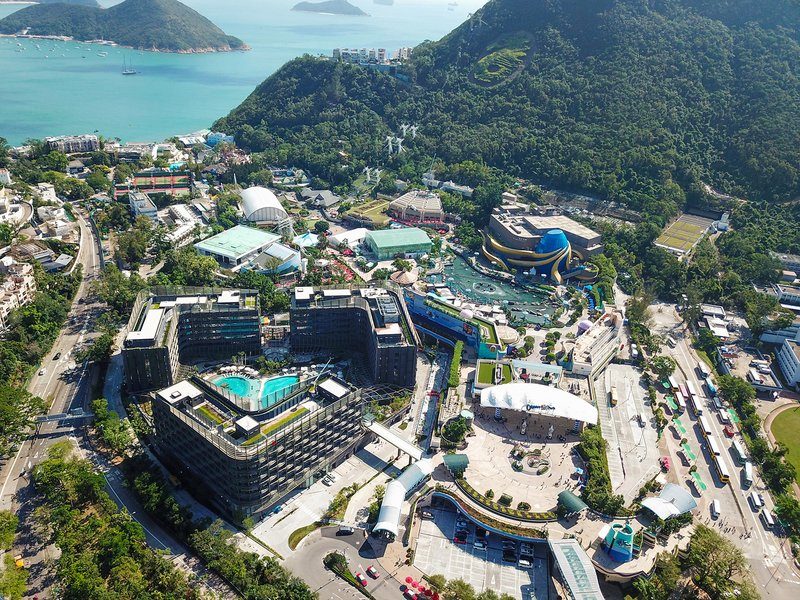
A 91-hectare theme and nature park on Hong Kong Island's south side. Two zones — the Lowland with giant pandas, aquarium, and sea lions and the Summit with thrill rides and cable car views over the South China Sea — linked by an 8-minute gondola. One of Asia's most-visited theme parks since 1977.
Wednesday - Monday 10:00am - 7:00pm
Closed Tuesday
Closed Tuesdays except public holidays. The park also closes during Typhoon Signal No. 8 or above.
2.
Aberdeen Typhoon Shelter
~1.5 hr
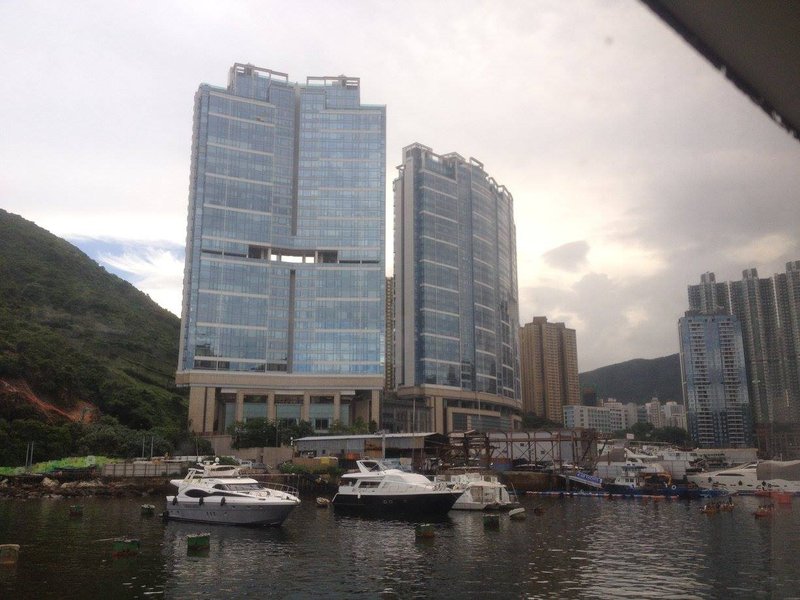
A working harbour basin on Hong Kong Island's south shore where fishing boats and sampans have sheltered for generations. Local boatmen at Aberdeen Promenade Pier offer sampan rides through the shelter — 20 minutes weaving among moored vessels and past floating homes inside the breakwater.
Open 24/7
The Jumbo Floating Restaurant has permanently closed and is no longer at Aberdeen Harbour.
3.
Tin Hau Temple · Repulse Bay
~1 hr
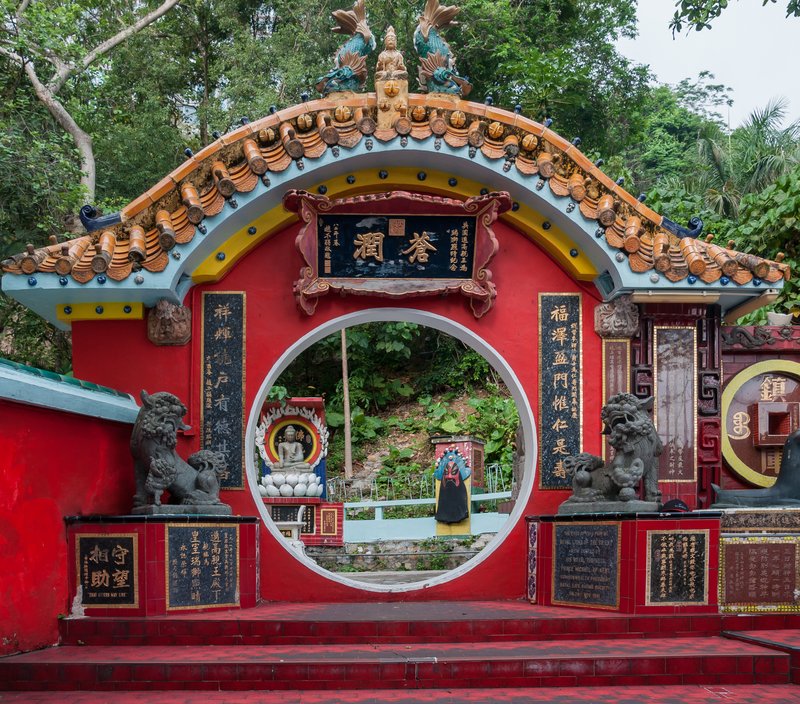
At the southwestern end of Repulse Bay beach, a colourful temple complex honours Tin Hau, goddess of the sea, and Kwun Yam, goddess of mercy. Deity statues line the seafront promenade and the Gateway to Longevity arch frames the bay — passing through is said to add three days to one's life.
Weekly Closures
Museums & Galleries · Closed Monday & Thursday
Tours
Viator
Behind the harbour skyline, another city: subdivided flats, cage homes, and the communities that built the density. A local guide leads through Kowloon blocks few visitors ever enter — history, architecture, and the human story of the city.
3 hr · up to 12
↔
Wet markets, hawker stalls, and local eateries of Kowloon with a guide who grew up here — a half-day through the neighbourhoods and flavours that rarely appear on any itinerary.
4 hr · up to 12
↔
GetYourGuide
A sailing in an authentic antique wooden Dukling — one of the last traditional Chinese sailing junks afloat — across Victoria Harbour with unobstructed views of both shorelines.
45 min · up to 20
↔
An evening cruise across Victoria Harbour with drinks included — the city from the water after dark, with the Symphony of Lights buildings illuminating both shores simultaneously.
45 min · up to 20
↔
A 3–4 hour small-group walk through the daily trades of Kowloon — Flower Market, Yuen Po Street Bird Garden, Fa Yuen Street, Ladies Market, Jade Market, and Tin Hau Temple with a knowledgeable guide.
4 hr · up to 12
A full-day tour to Lantau Island — dolphin-watching cruise, the 34-metre Tian Tan Buddha, Po Lin Monastery, and the stilt-house fishing village of Tai O, with a licensed guide, bus transfers, and a light vegetarian meal included.
7 hr · small group
Cappuccino
% Arabica · 4.6 · 3200+ reviews
Elephant Grounds · 4.5 · 1800+ reviews
NOC Coffee Co. · 4.5 · 520+ reviews
Cupping Room Coffee Roasters · 4.5 · 900+ reviews
Urban Coffee Roaster · 4.6 · 310+ reviews
Restaurants Near Hotel
KUNO Omakase · 4.7 · 210+ reviews
Japanese omakase — intimate chef's table; seasonal ingredients flown directly.
Daily 6:00pm - 11:00pm
Twelve Flavors · 4.5 · 820+ reviews
Sichuan — Chengdu-style mala cooking; hot pots and stir-fries.
Daily 11:30am - 11:00pm
Hutong · 4.5 · 2100+ reviews
Northern Chinese — 28th-floor harbour views; crispy aromatic lamb.
Daily 12:00pm - 3:00pm · 6:00pm - 11:00pm
Aqua · 4.4 · 3200+ reviews
Italian and Japanese dual-concept — 29th-floor panorama of Victoria Harbour.
Daily 6:00pm - 12:00am
Shang Palace · 4.5 · 1100+ reviews
Cantonese — dim sum lunch and evening banquet menus in the Shangri-La.
Daily 11:30am - 3:00pm · 6:00pm - 11:00pm
Downtown Restaurants
Ho Lee Fook · 4.3 · 1100+ reviews
Modern Cantonese — suckling pig and barbecue in SoHo; cocktail bar attached.
Daily 6:00pm - 12:00am
Luk Yu Teahouse · 4.2 · 2100+ reviews
Classic Cantonese dim sum — a 1930s institution in Central. Michelin-listed.
Daily 7:00am - 10:00pm
Yung Kee · 4.2 · 3100+ reviews
Cantonese roast goose and char siu — the gold standard on Wellington Street.
Daily 11:00am - 11:30pm
Mott 32 · 4.4 · 2000+ reviews
Modern Chinese — design-forward basement dining; signature Peking duck.
Daily 12:00pm - 3:00pm · 6:00pm - 12:00am
WING · 4.6 · 200+ reviews
Contemporary Cantonese tasting menus — 60th floor panoramic city views.
Daily 6:00pm - 10:30pm
Dining Areas
Kowloon City · near Kowloon Walled City Park
Repulse Bay · near the beach and Tin Hau Temple
Local Tastes
Dim Sum
The Cantonese tradition of yum cha — small steamed and fried dishes served at round tables. Har gow, siu mai, cheung fun, turnip cake, and char siu bao define the Sunday morning ritual the city runs on.
Dan Tat — Egg Tart
A flaky or shortcrust shell with silky barely-set egg custard filling. Best eaten warm from the oven; sold at bakeries across every neighbourhood.
Pineapple Bun — Bo Lo Bao
A soft pillowy bun topped with a crackled sweet sugar crust resembling pineapple skin — no pineapple involved. Best split and filled with a cold butter slab at any cha chaan teng.
HK-Style Milk Tea
Strong blended black tea strained through a silk stocking filter and topped with evaporated milk — thicker and more intense than any other milk tea; the backbone of the cha chaan teng.
Wonton Noodles
Thin egg noodles in a clear broth topped with handmade wontons filled with whole prawns — the definitive bowl. The broth should be clear; the noodles al dente; the wontons plump.
Food Delivery
Deliveroo
Foreign number: not required. — sign-up runs on Google, Apple, Facebook or email with no phone field at all, so no verification code has to arrive.
Popular in Wan Chai, Tsim Sha Tsui and Central. Strong selection of international and Hong Kong restaurants, with fast delivery across Kowloon and Hong Kong Island.
foodpanda
Foreign number: accepted. — the verification code arrives by SMS to any international number.
Broader coverage than Deliveroo, including local cha chaan teng and dai pai dong options. Works well in less central neighbourhoods and the New Territories.
Shows, Performances & Concerts
Hong Kong Philharmonic Orchestra
Asia's leading symphony orchestra in the 2,085-seat Concert Hall on the TST waterfront — five minutes from the hotel.
Getting Around
Uber
Foreign number: accepted. — the verification code arrives by SMS to any international number.
Reliable across Hong Kong and accepts foreign numbers at sign-up. Useful when the MTR is not convenient, particularly for late-night trips from Lan Kwai Fong or Wan Chai.
DiDi
Foreign number: accepted. — the verification code arrives by SMS to any international number.
Accepts foreign numbers and offers lower fares than Uber in Hong Kong. A good alternative for trips across the harbour or to the New Territories.
Train Stations Near Hotel
Tsim Sha Tsui MTR Station
Tsuen Wan Line · Kwun Tong Line — connects to all major Kowloon and Island destinations.
West Kowloon Station
High Speed Rail to Guangzhou · Shenzhen · Beijing · Shanghai and 40+ mainland cities.
Day Trips by Train
Shenzhen · 14 min
China's technology megacity — futurist architecture, a food scene built by migration across China's provinces, and a skyline that transformed faster than any city in history.
Guangzhou · 48 min
Michelin Restaurants
T'ang Court
Cantonese — roasted meats and braised dishes at The Langham.
8½ Otto e Mezzo Bombana
Italian — only three-Michelin-star Italian restaurant outside Europe.
Caprice
French — seasonal tasting menus in the Four Seasons overlooking the harbour.
Amber
French-Asian — creative tasting menus among Asia's most technically precise.
Tin Lung Heen
Cantonese — dim sum on the 102nd floor of the ICC Ritz-Carlton.
Not shown: 3 · 11 · 70+ more in the city
Heads Up
Buses — Use Octopus or Exact Change
Bus fares are paid when boarding. An Octopus works across public transport; cash riders need exact change.
Taxis — Request a Receipt
Pay the metered fare plus applicable charges. Ask for the machine-printed receipt before leaving the taxi.
Hiking
Lion Rock · Moderate
A steep ridge climb to a lion-shaped peak with a panoramic skyline view.
3.9 km return · 394 m ascent
1 hr 30 min
Dragon's Back · Moderate
A ridge trail above Shek O with views over Big Wave Bay and the coast.
4.7 km return · 170 m ascent
1 hr 30 min
Worth Knowing
Every night at 8pm, 44 buildings across both shores of Victoria Harbour ignite simultaneously. The Symphony of Lights runs for thirteen minutes — lasers sweep between skyscrapers, searchlights climb the air above Central, LEDs cascade down the ICC tower. By Guinness record, it is the world's largest permanent light and sound show. And it happens every single night, whether there are tourists or not.
Stand on the Tsim Sha Tsui promenade — the same Avenue of Stars — and watch it across the water. The spectacle is symmetrical to the view from Victoria Peak: the same skyline, the same harbour, reversed. This city rewards the second look. Everything here has a second look.
Also on this site