From Hotel: 2 min · 1 min → Künstlerhaus Marktoberdorf
1.Künstlerhaus Marktoberdorf~45 min
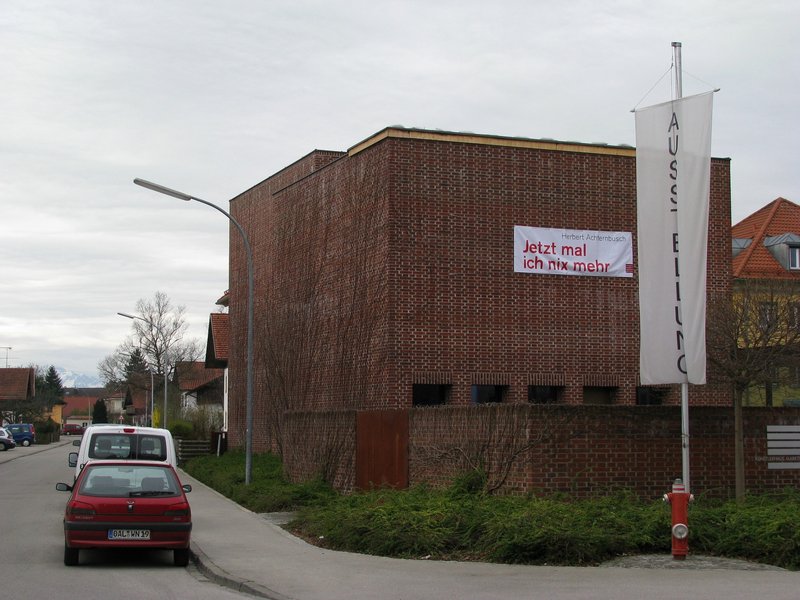
Marktoberdorf's contemporary-art house, pairing a barrier-free new gallery with the historic Dr.-Geiger-Haus for changing exhibitions and art-education programmes — a compact, well-curated stop that rounds out the town's cultural core.
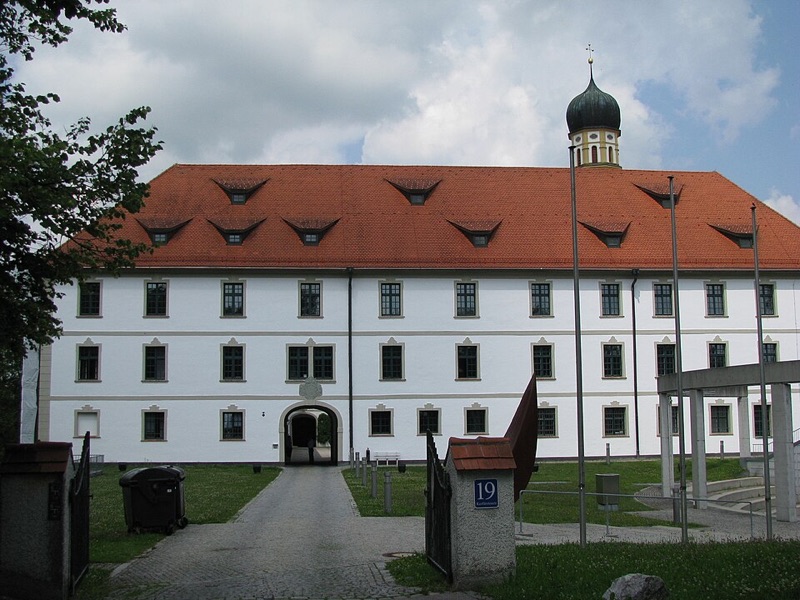
The former summer residence of the Augsburg prince-bishops, given its Baroque shape in 1722 by Johann Georg Fischer and now home to the Bavarian Music Academy. The grounds and the 18th-century Kurfürstenallee lime avenue are freely open to wander.
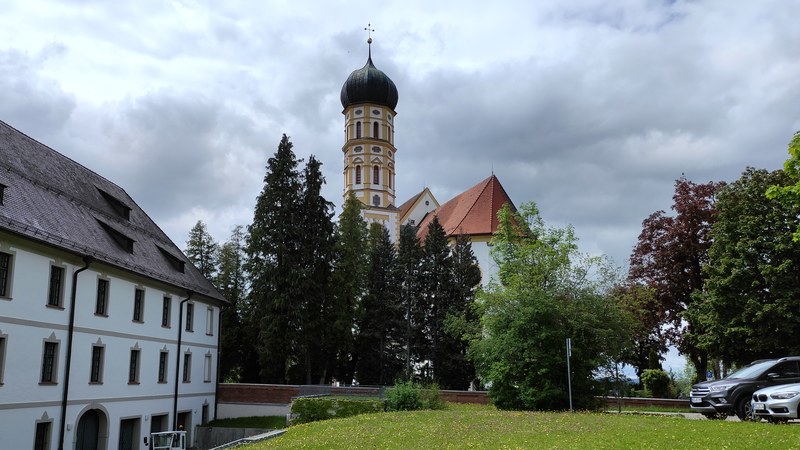
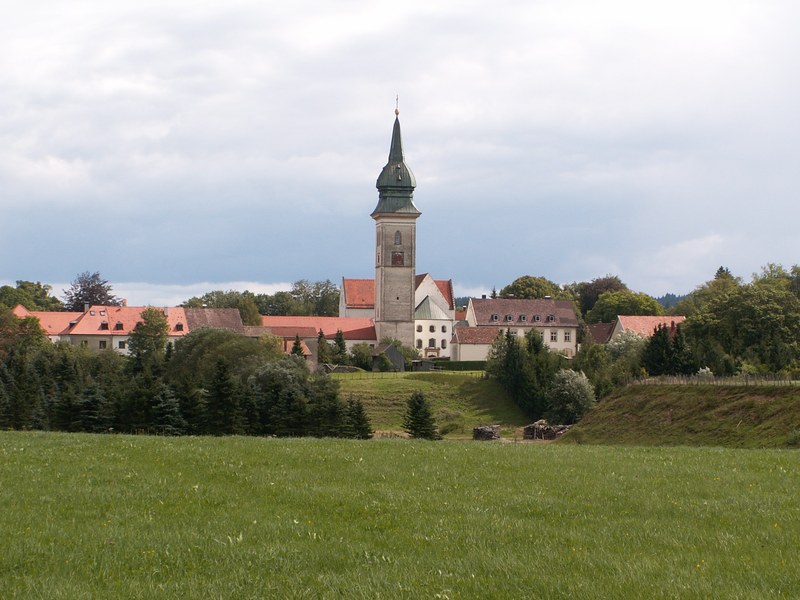
Marktoberdorf's landmark church, rebuilt in 1732–1738 by the town's own master builder Johann Georg Fischer and counted among the most beautiful Rococo churches in the Allgäu — a light-filled nave with an ornate high altar, minutes from the hotel.
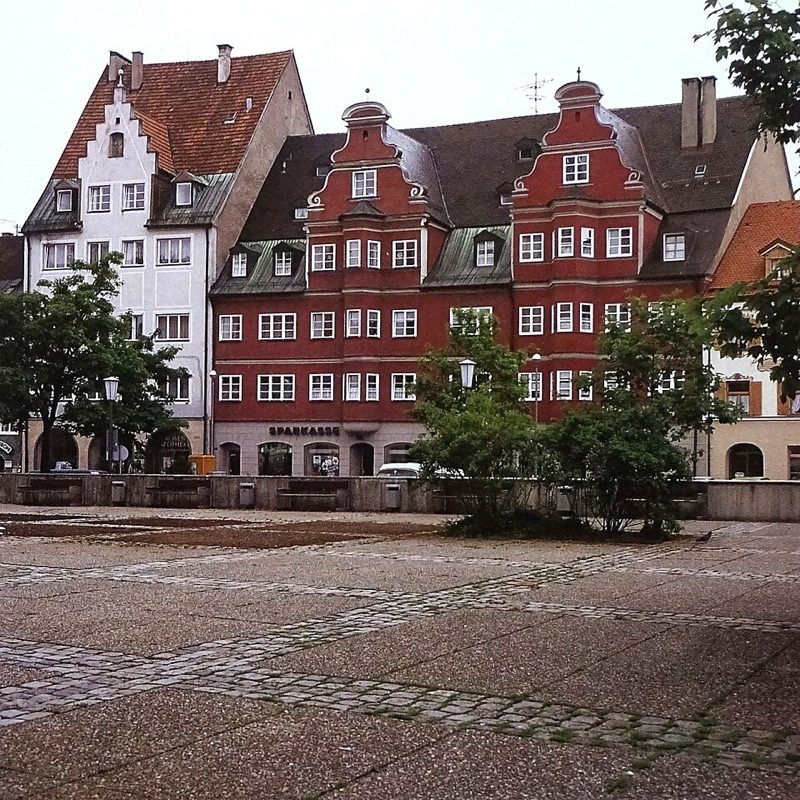
The historic burgher core of the former free imperial city, centred on the Rathausplatz with its Renaissance town hall and fountain and the neighbouring St.-Mang-Platz — a free stroll through Kempten's civic heart, distinct from the abbey quarter.
The Baroque former abbey church, one of the first great churches raised in Germany after the Thirty Years' War and consecrated in 1748, a minor basilica since 1969. Its bright twin-towered nave anchors Kempten's abbey quarter, steps from the Residence.
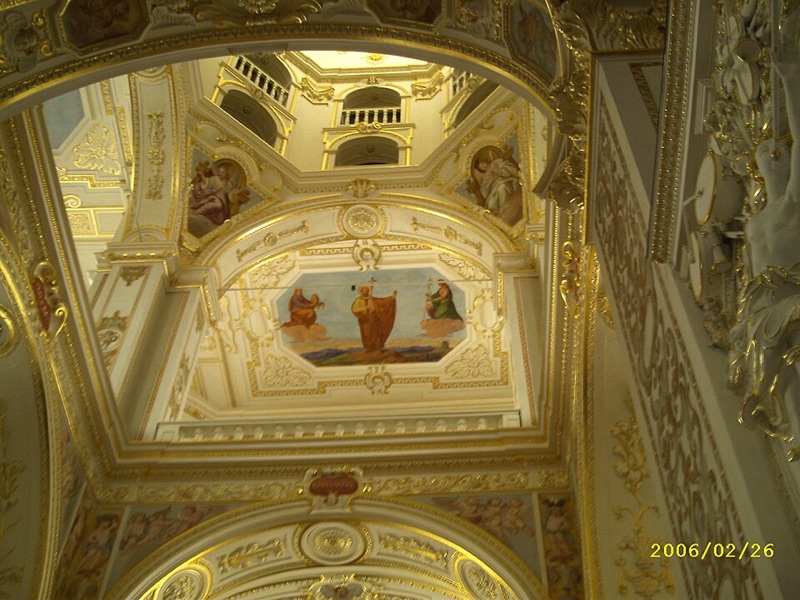
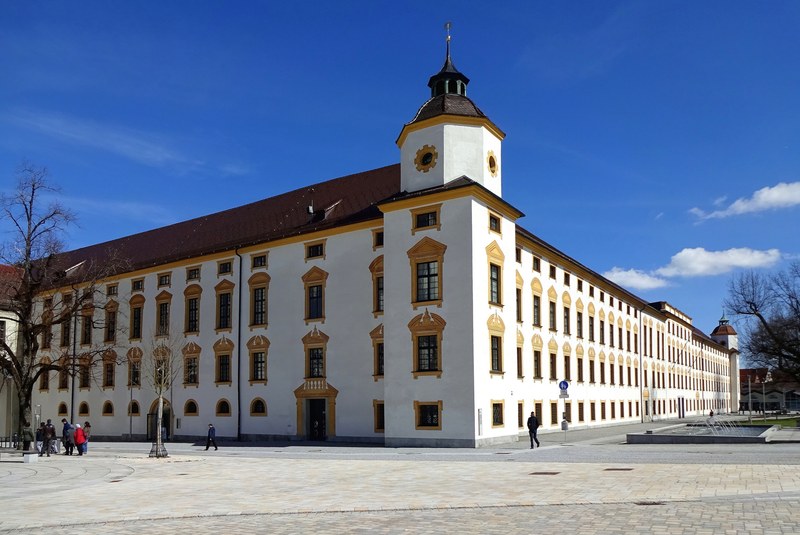
The prince-abbots' palace, the first grand monastery complex built in Germany after the Thirty Years' War, with Rococo state rooms — the Prunkräume — decorated in the 1730s and 1740s. The lavish ceremonial apartments are the draw, seen on a guided tour.
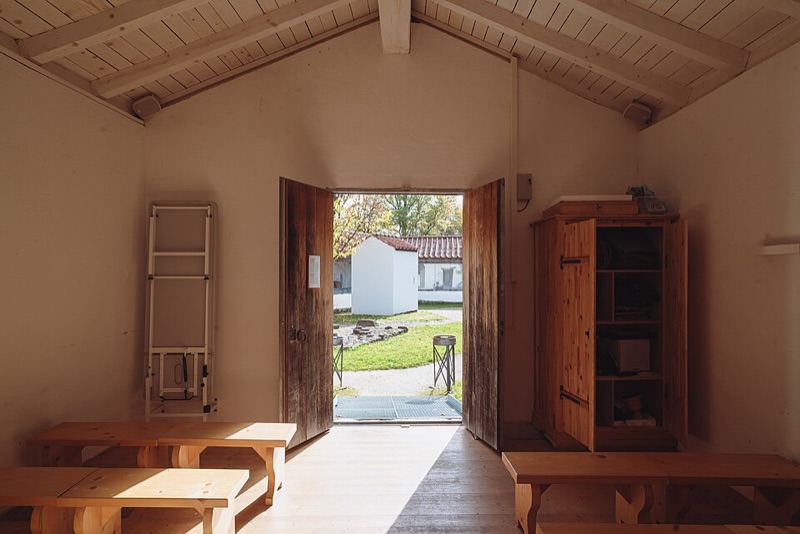
An open-air Roman museum on the site of Cambodunum — often cited as the oldest written-recorded town in Germany and the first capital of the province of Raetia. A reconstructed temple precinct, baths and forum let you walk the Roman town across the Iller from the old centre.
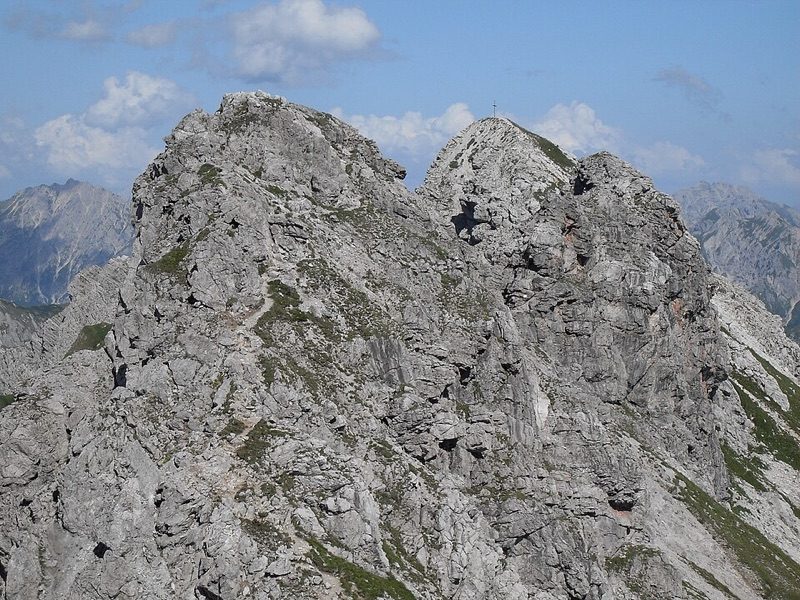
A 2,224 m summit above Oberstdorf reached by the rebuilt Nebelhornbahn, the highest cable car in the Allgäu. The top station opens a panorama of some 400 Alpine peaks — the big-mountain finale to the trip.
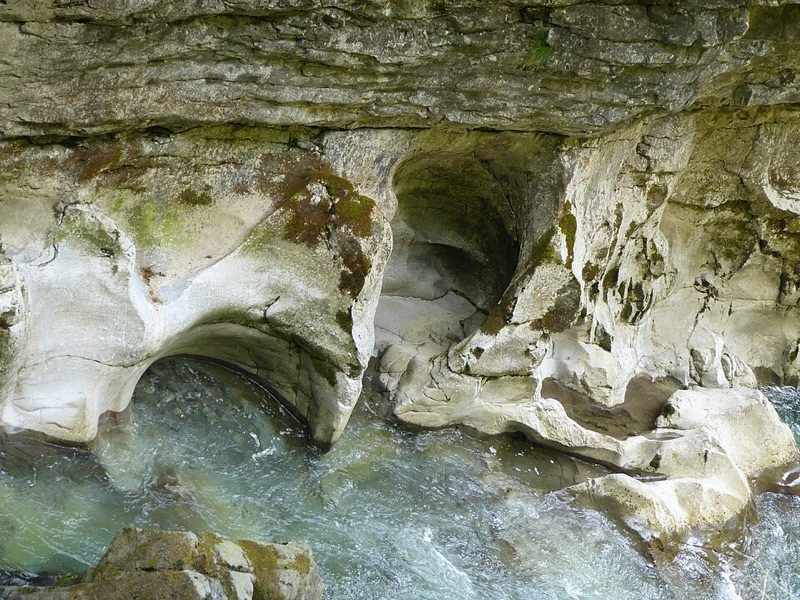
One of the deepest rock gorges in Central Europe, opened up in 1905 and threaded by a boardwalk between sheer walls and rushing waterfalls. A thrilling, cool walk near Oberstdorf — dramatic with summer torrents or winter ice.
From Hotel: 28 min → Hohenfreyberg & Eisenberg Castle Ruins
1.Hohenfreyberg & Eisenberg Castle Ruins~2 hr
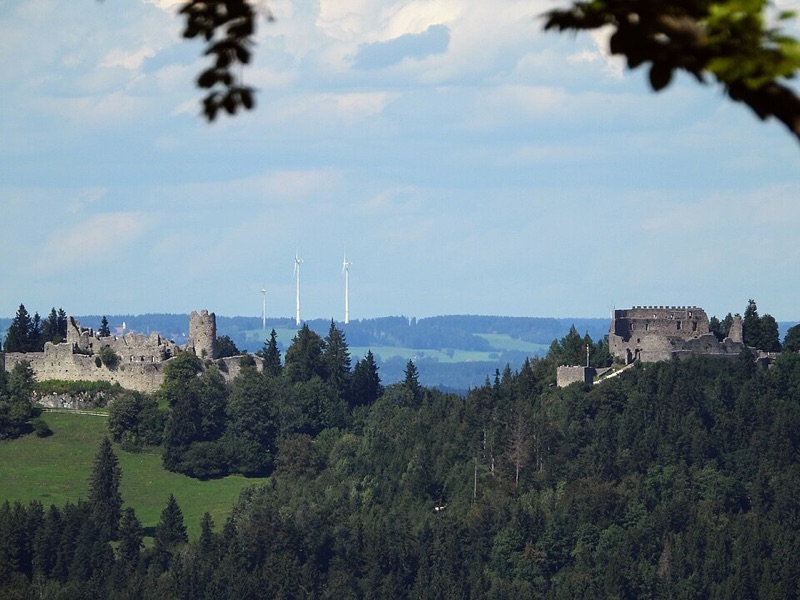
Twin medieval ruins crowning a double-topped ridge before the Tannheim mountains — Eisenberg, begun in 1313, and the larger Hohenfreyberg, raised 1418–1432, both burned in 1646. A scenic loop hike links the two with sweeping Alpine views over the Ostallgäu.
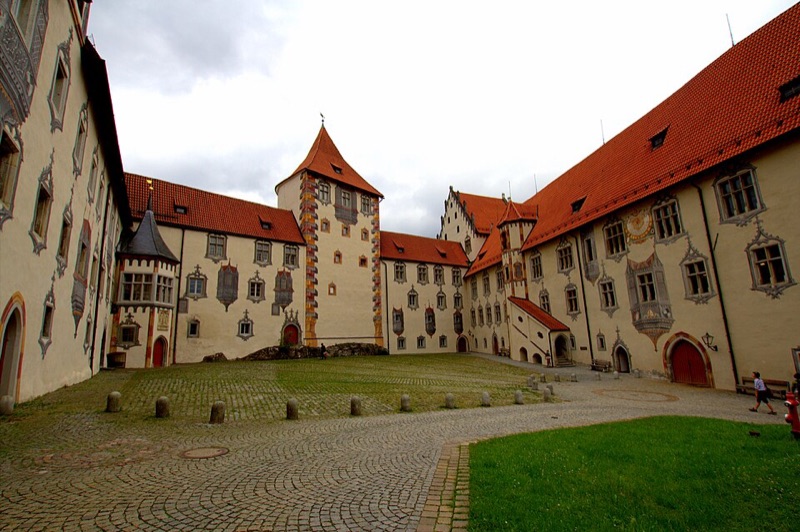
One of Swabia's finest late-Gothic castle complexes, the Augsburg bishops' summer residence, famous for the trompe-l'œil illusion paintings of 1499 covering its courtyard and outer walls. It crowns Füssen's old town and houses a branch of the Bavarian State Painting Collections.
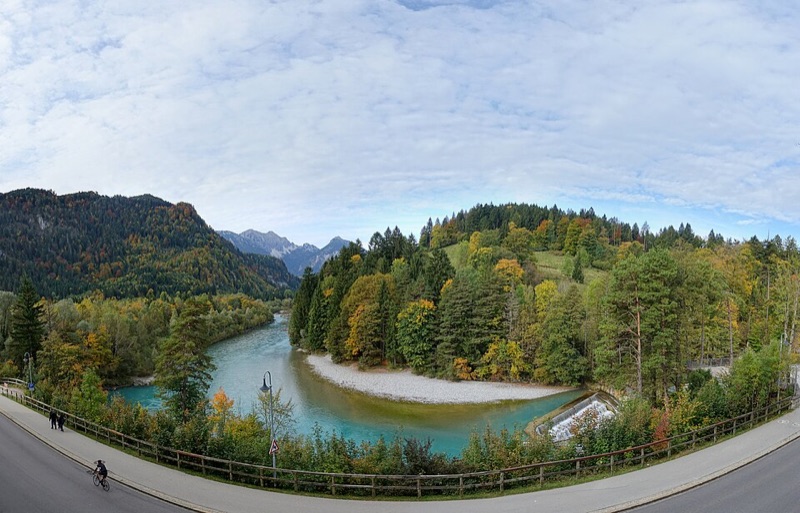
A 12 m stepped weir where the turquoise Lech leaves the Alps and rushes into a narrow limestone gorge at Füssen's southern edge. The 1895 König-Max-Steg footbridge gives a head-on view of the falls — a quick, photogenic stop to end the day.
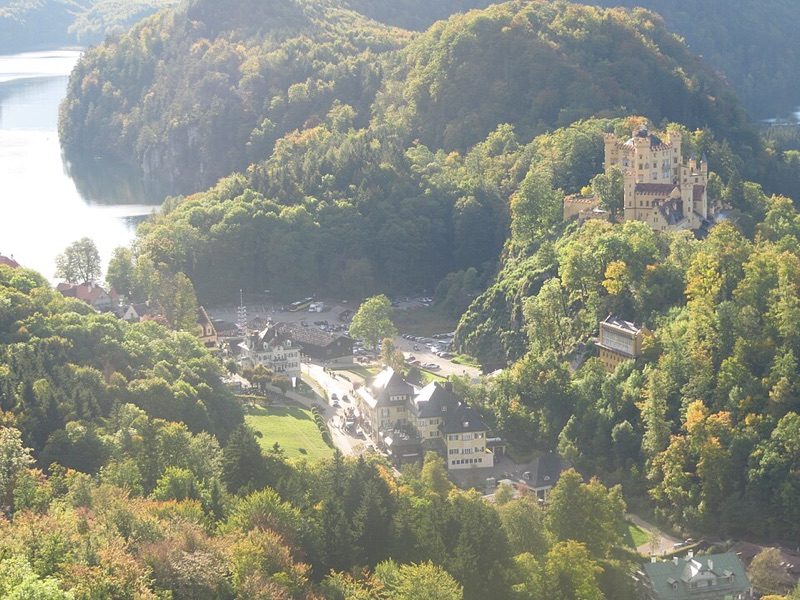
The neo-Gothic palace King Maximilian II rebuilt in 1833–1837 on a medieval fortress above Lake Alpsee, and the childhood home of King Ludwig II. Its lived-in royal rooms and lake-and-mountain setting make it the perfect first half of a castle day.
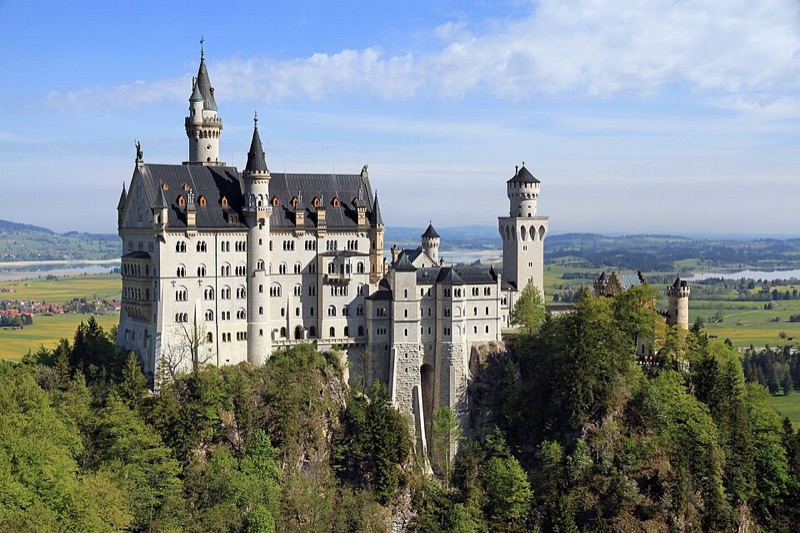
King Ludwig II's fairy-tale Romanesque-Revival palace, perched on a crag above the Pöllat gorge and the model for Disney's Sleeping Beauty castle. The interiors are seen by guided tour; the classic view is from the Marienbrücke footbridge above the falls.
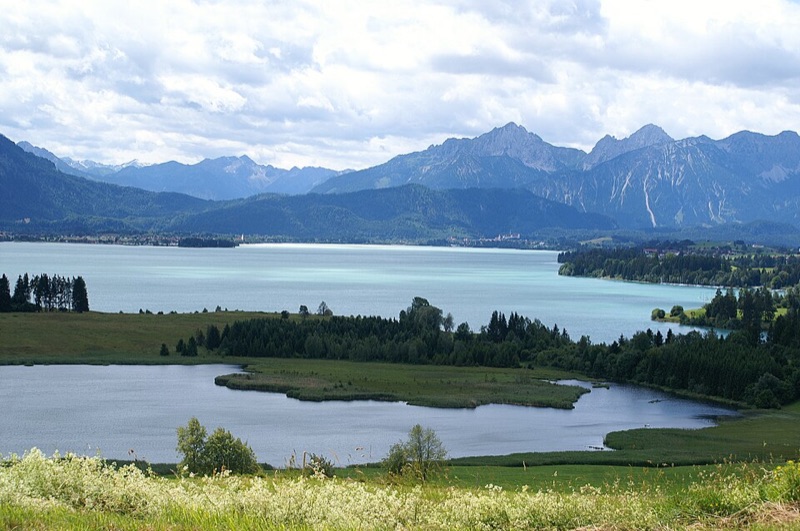
Bavaria's fifth-largest lake and Germany's largest reservoir by area, ringed by shoreline viewpoints that frame the turquoise water against the Allgäu and Ammergau Alps — a calm, scenic close to a castle-filled day, just north of Füssen.
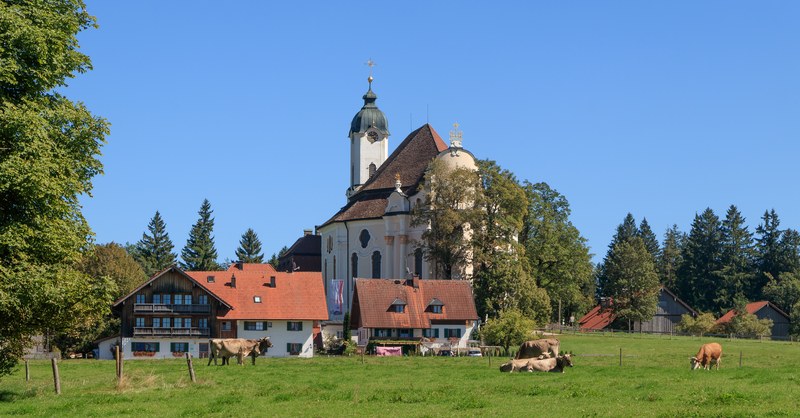
An oval Rococo pilgrimage church completed in 1754, the masterwork of the Zimmermann brothers and a UNESCO World Heritage Site since 1983. Standing alone in alpine meadows, its dazzling white-and-gold interior under a vast painted ceiling is one of the great rooms of Bavaria.
A former Augustinian collegiate church founded in 1073, its Romanesque bones wrapped in exuberant 18th-century High Baroque — frescoes by Matthäus Günther and stucco by Josef Schmuzer. A serene counterpoint to the Wies, in a quiet Pfaffenwinkel village.
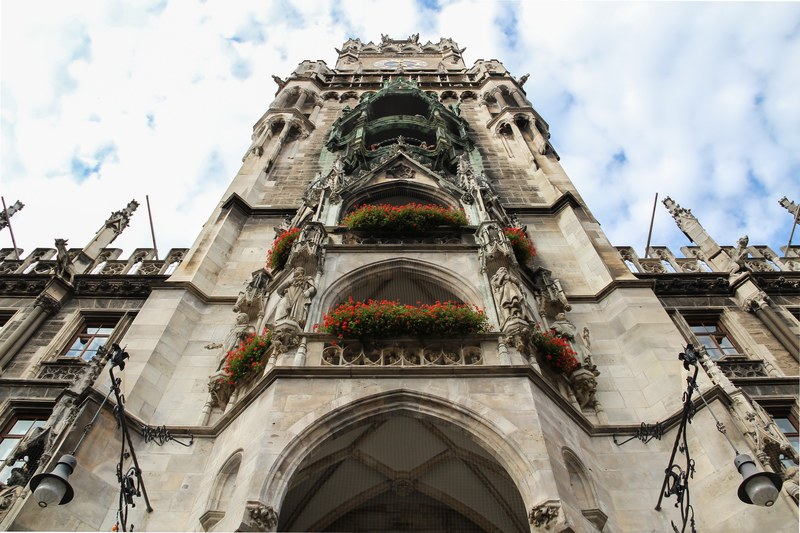
Munich's central square, dominated by the neo-Gothic New Town Hall with its 85 m tower. The Rathaus-Glockenspiel re-enacts two 16th-century Munich stories in a 15-minute carillon show at 11:00am and 12:00pm daily.
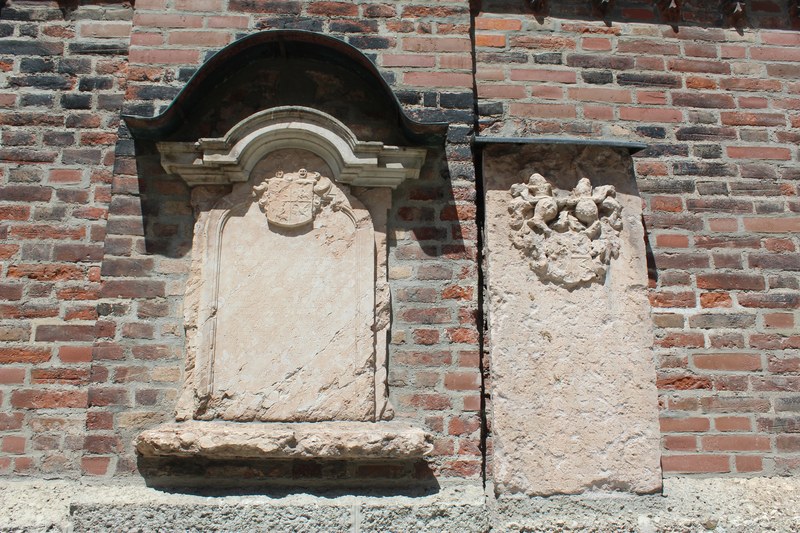
Munich's brick-Gothic cathedral, built in barely 20 years from 1468, whose twin domed towers are the city's defining silhouette. The vast, luminous hall church is free to enter and just a couple of minutes off Marienplatz.
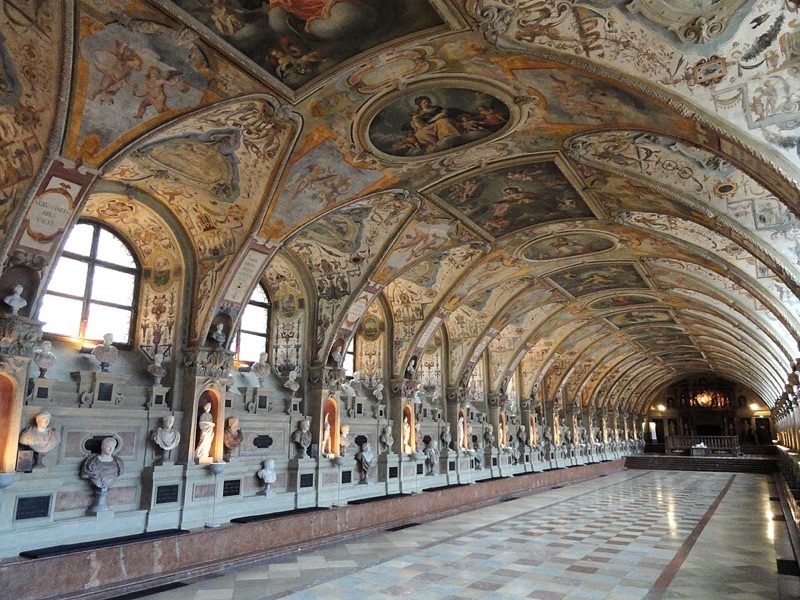
The Wittelsbachs' former royal palace and the largest city palace in Germany — ten courtyards and some 130 rooms, including the spectacular Renaissance Antiquarium. A blockbuster of decorated halls and royal collections in the heart of the Altstadt.
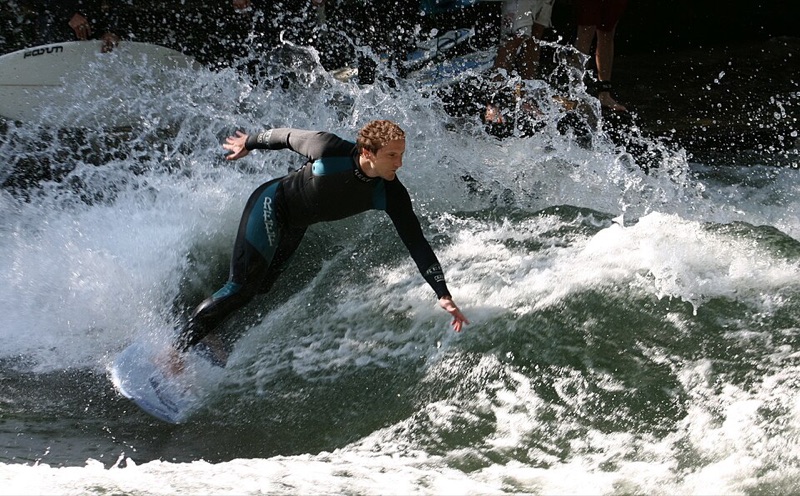
Munich's English Garden is one of the world's largest urban parks, laid out from 1789, with beer gardens, meadows and the Chinese Tower. At its southern edge the Eisbach forms a permanent standing wave where river surfers ride year-round — a fine place to wind down before the train home.
A 10.5-hour guided group day trip from Munich visiting both Neuschwanstein Castle — the fairy-tale Bavarian alpine fortress — and the intimate Rococo gardens of Linderhof Palace, with a scenic drive through the Allgäu foothills. Nearest Viator product to the Allgäu region.
A 3-hour guided tour from Füssen Bahnhof to Neuschwanstein Castle and the surrounding Bavarian alpine landscape — the closest qualifying guided tour to the hotel, 40 min by car. Expert local guide covers the history of Ludwig II and the castle's construction in the Schwangau valley.
Soft egg-noodle dumplings layered with grated Allgäu mountain cheese and crowned with fried onions — the region's signature comfort dish, found across its Gasthöfe.
Steamed sweet yeast dumplings with a crisp caramelised base, served warm with vanilla sauce — a classic Bavarian-Swabian sweet from the region's Konditoreien.
Foreign number: accepted. — no SMS code is sent; sign-in is by email and the number is used only for delivery updates.
Germany's dominant delivery platform, covering the main restaurants and Gasthöfe around the Marktplatz and the commercial streets extending toward the Bahnhof. Most kitchens available for lunch from noon and dinner from 5:00pm or 6:00pm.
Foreign number: accepted. — the SMS code reaches foreign carriers; one account works in every FreeNow city, so set it up before the trip.
Covers Marktoberdorf and the surrounding Ostallgäu district, connecting registered local taxi drivers. The primary app-based option in smaller Bavarian towns where Uber does not operate — availability improves on weekend evenings and after events at the Konzerthaus or Allgäuer Festwoche.
A well-preserved medieval town with intact city walls, the Gothic Martinskirche, and a vibrant market square — one of the most handsome small cities in Swabia.
Gateway to King Ludwig's Neuschwanstein and Hohenschwangau castles and the Alpine lakes — the castle village lies a short walk uphill on a signposted path.
A Weeping Statue and a King Who Never Wanted Visitors
The Wieskirche exists because of a discarded wooden statue. In 1738, a farmer's wife named Maria Lory noticed what looked like tears in the eyes of a worn-out figure of the scourged Christ that a local abbey had stopped using and left in storage. Word of the "weeping" statue spread by word of mouth, pilgrims began reporting healings after praying in front of it, and within a few years so many people were arriving that the Zimmermann brothers were commissioned to build an entire Rococo church around it — the building now protected as a UNESCO World Heritage Site.
King Ludwig II built Neuschwanstein purely for himself — he explicitly never intended to let the public inside. It didn't matter for long. He died under mysterious circumstances in 1886 with the castle barely finished and enormous construction debts still outstanding, and within six weeks the Bavarian regent had opened his private retreat to paying visitors specifically to help cover what he owed. The fairy-tale castle you tour today was never meant to be toured at all.