From Hotel: 16 min · 4 min → Phewa Lake & Tal Barahi Temple
1.Phewa Lake & Tal Barahi Temple~2 hr
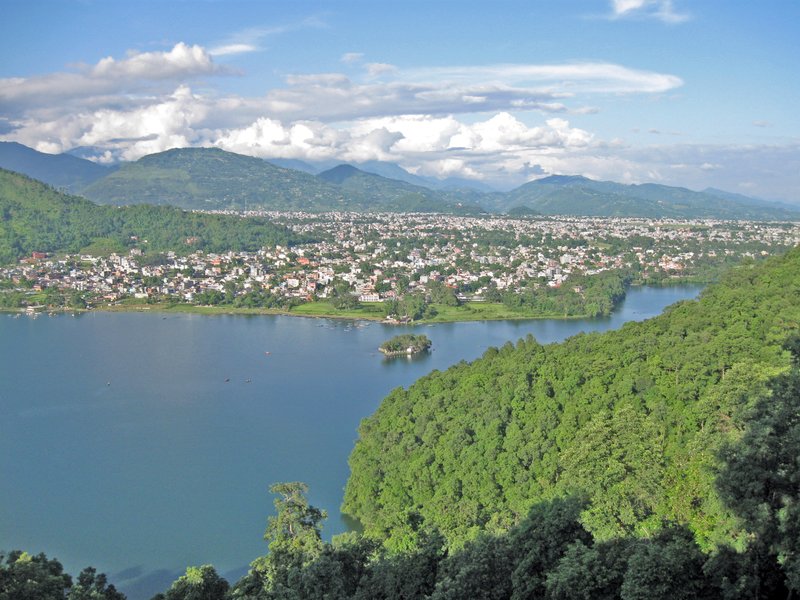
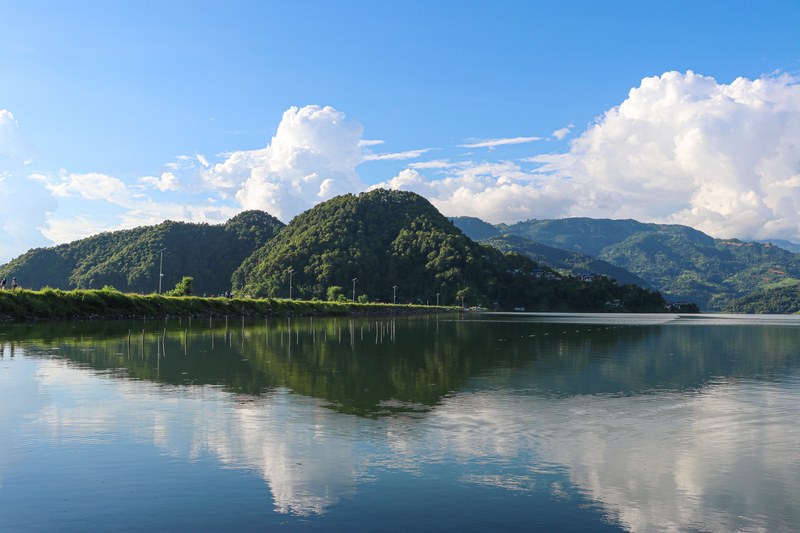
Nepal's most visited lake stretches 5.7 km² at 742 m altitude; rowboats from the Lakeside ghat reach the two-storey pagoda temple on its island, sacred to the goddess Barahi and the most important religious monument in Pokhara.
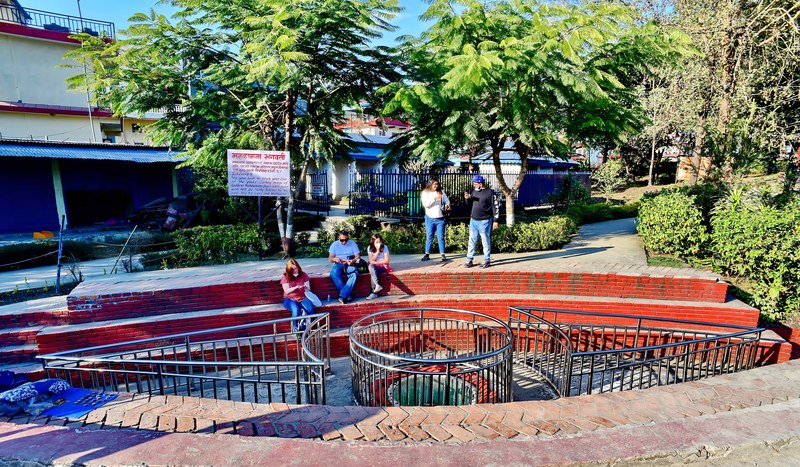
The overflow from Phewa Lake plunges into a narrow gorge and disappears into a 150 m underground tunnel — one of the few waterfalls in the world that vanishes entirely below ground.
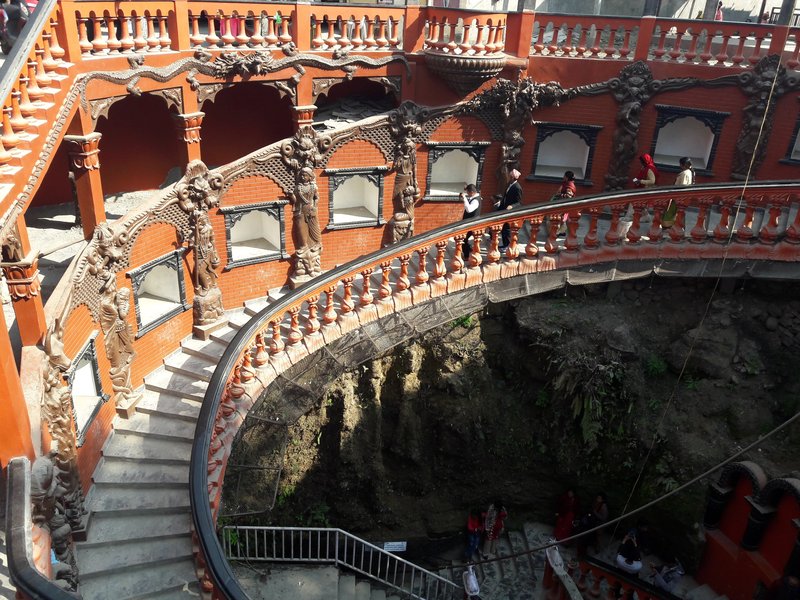
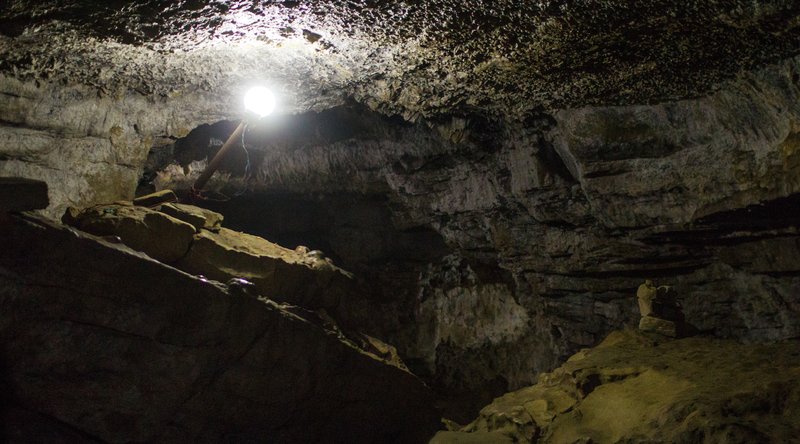
At 2.9 km the longest cave in Nepal; the underground passage carries the water from Devi's Falls through limestone chambers decorated with stalactites and twin Shiva shrines.
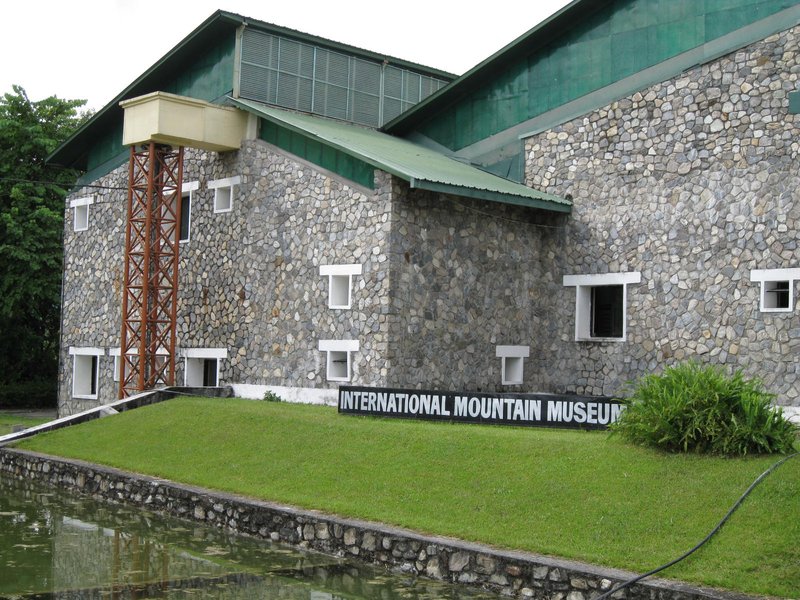
The world's foremost Himalayan mountaineering museum; thirteen galleries trace the geology and ecology of the Himalayas, document every 8,000 m peak, and display summit gear from Edmund Hillary, Tenzing Norgay, Reinhold Messner, and dozens of other expeditions.
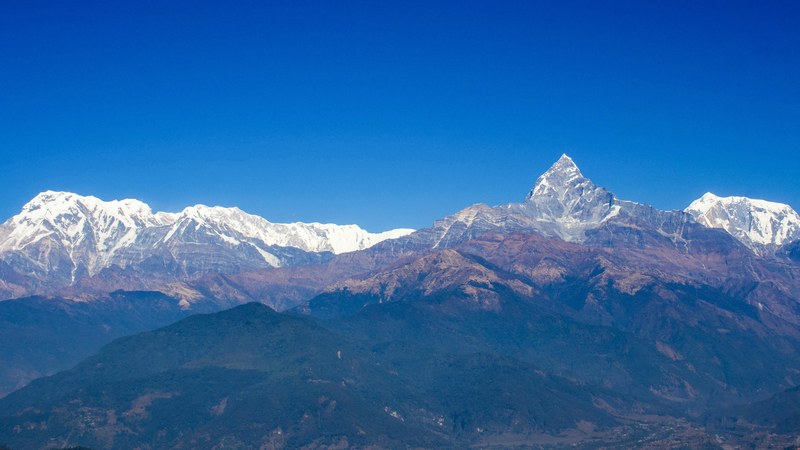
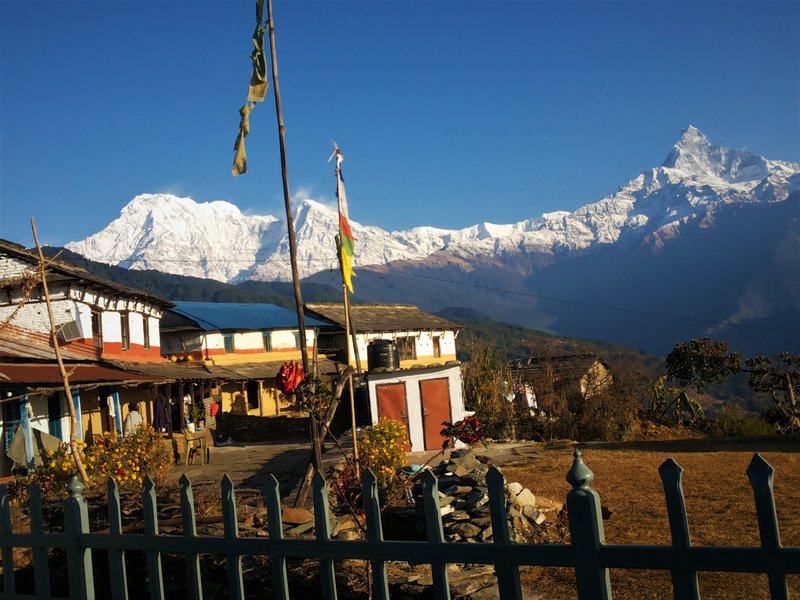
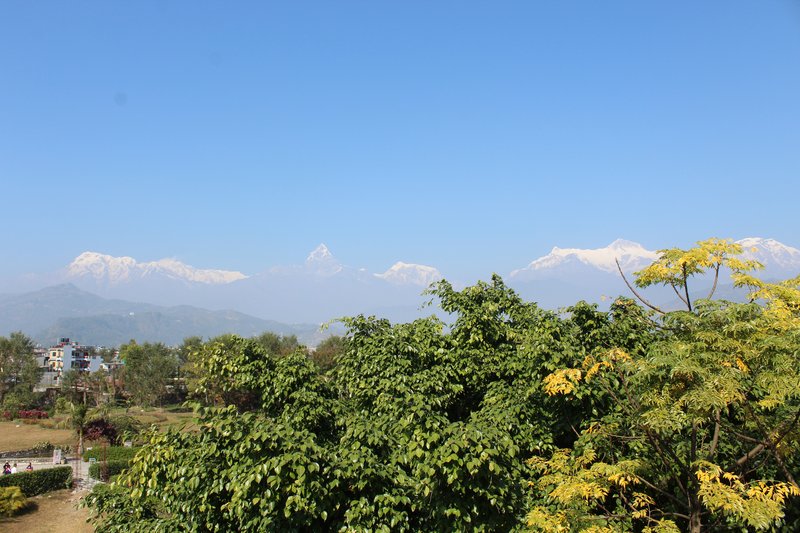
Hilltop at 1,600 m above Pokhara with the fullest available panorama of the Annapurna range — Dhaulagiri, Annapurna I through IV, and Machhapuchhare all visible from a single vantage point at first light.
Nepal's most decorated cave, discovered by shepherds in the 1950s; limestone chambers filled with stalactites and stalagmites surround a Shiva statue at the deepest section.
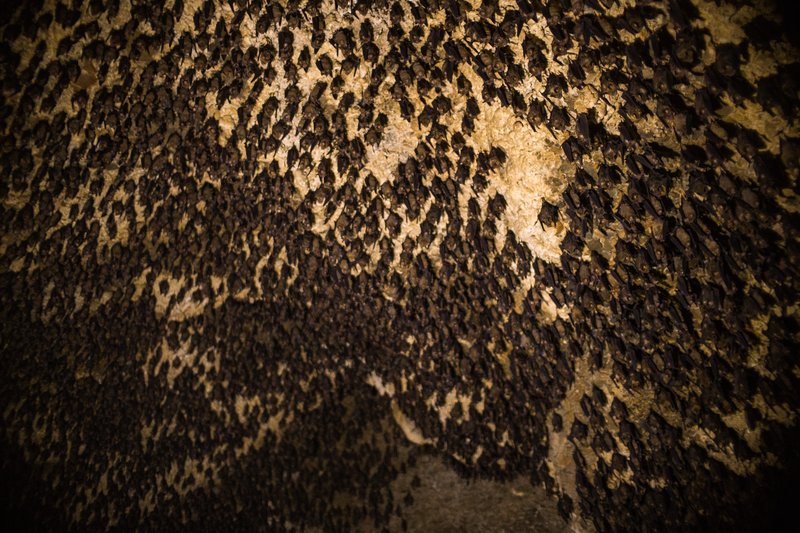
Small cave 400 m from Mahendra Cave housing thousands of Indian horseshoe bats in the roof crevices; the entrance is a squeeze but the interior opens into a short low passage audible with roosting activity.
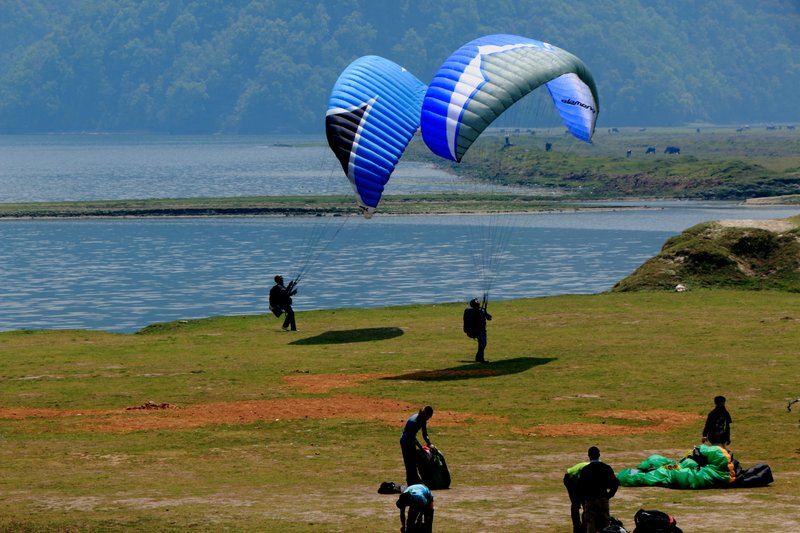
Tandem flight from Mandre Danda at 1,788 m on the Sarangkot ridge over Phewa Lake — 25 to 30 minutes airborne with direct views of Annapurna, Machhapuchhare, and the lake below; no prior experience required.
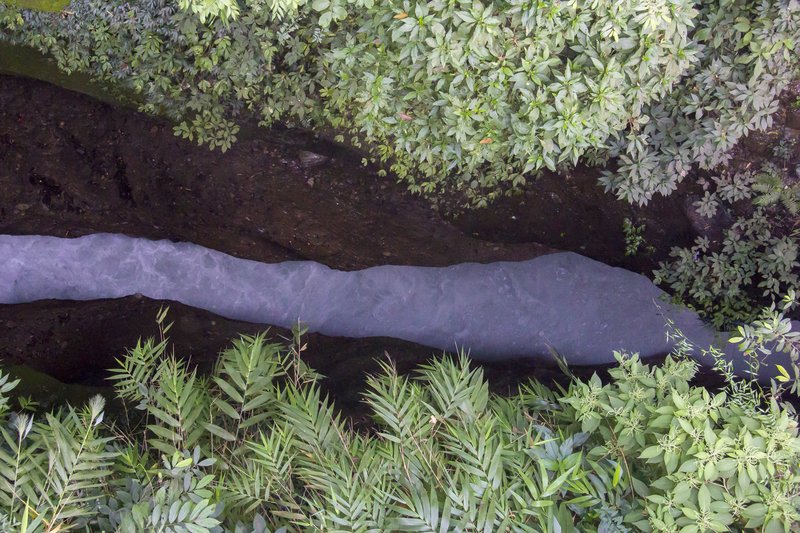
The milky-white Seti Gandaki has cut a gorge through central Pokhara barely 2 m wide in places but 20 m deep; the K.I. Singh Bridge offers the clearest view of the river vanishing into its slot canyon below the city.
A 45-minute hike from the Kande trailhead climbs to a ridgeline at 2,060 m with a clear line of sight across the full Annapurna massif — no mountain permit or trekking agency required, just the ACAP conservation permit.
The steepest zipline in the world: 1.8 km long, 600 m vertical drop from Sarangkot hill to the valley floor over terraced farms and forest at speeds reaching 120 km/h; flight time is under two minutes.
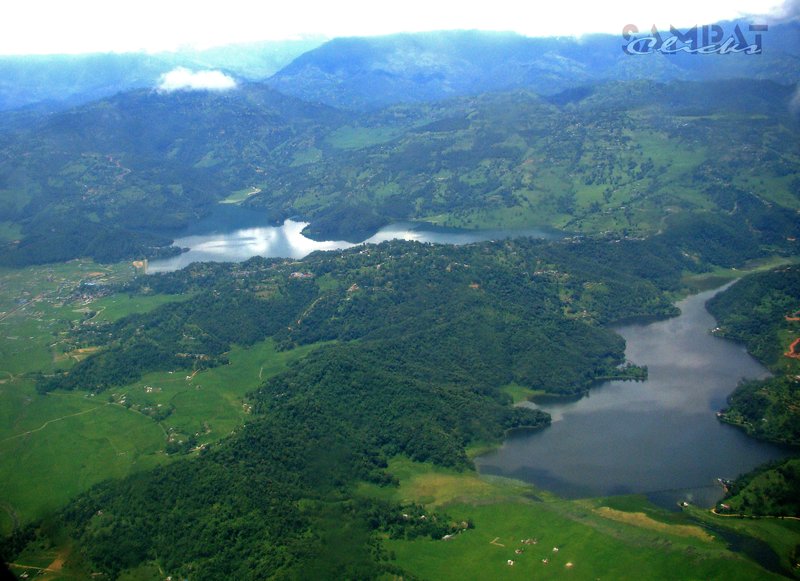
The third-largest lake in Nepal, 15 km east of Pokhara; ringed by terraced rice paddies and forested hills with almost none of the Lakeside tourist infrastructure — rowboats available, water hyacinth gardens visible from the shore.
Smaller and quieter than Begnas, Rupa Lake sits at 600 m in a valley of farming villages; migratory birds use it as a seasonal stop and the absence of any tourist development makes the shoreline walk unhurried.
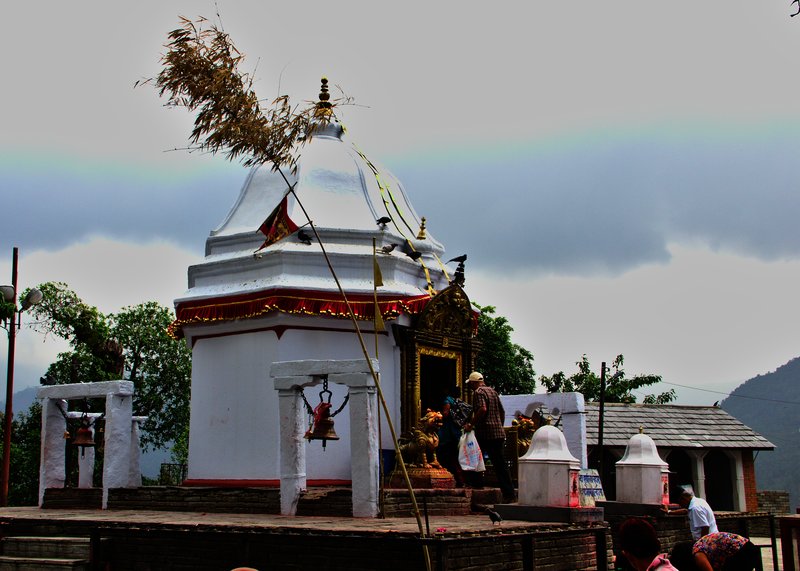
Pokhara's oldest and most important Hindu temple, dating to the 1760s and dedicated to Goddess Bindhyabasini, regarded as the guardian deity of the city; the white Shikhara-style shrine tops a small hill in the Old Bazaar, ringed by six smaller temples and golden gong bells rung by pilgrims.
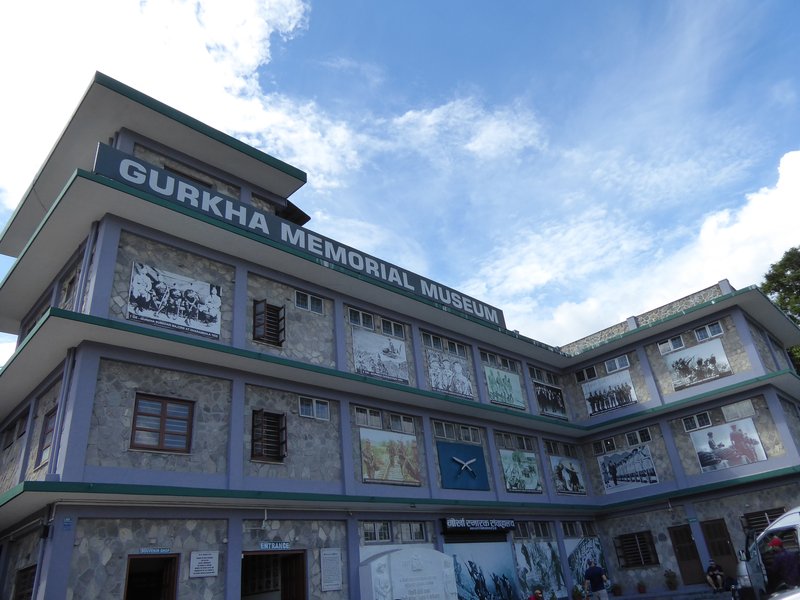
Three-storey museum tracing the Gurkha regiments from the 19th-century Indian uprising through both World Wars to current UN peacekeeping duty; uniforms, medals and archival photographs fill the galleries, with a dedicated section for every Gurkha Victoria Cross recipient and their citation.
Opened by King Birendra in 1985, the province's ethnographic museum in Nayabazar devotes five sections to the lifestyle, costume, jewellery and music of the Kaski valley's Magar, Gurung, Thakali, Rai, Limbu and Tharu communities, including a full-scale model of a traditional thatched Nepali house.
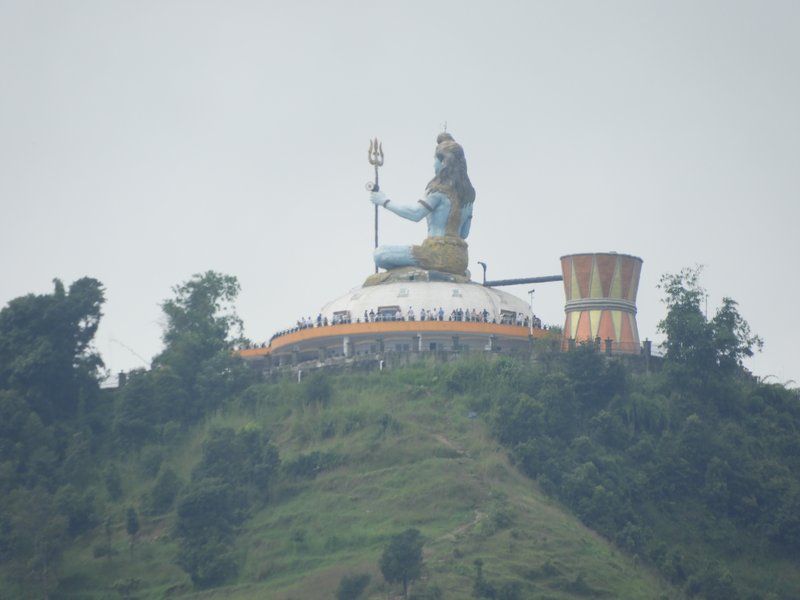
A 108 ft monument on a 1,500 m ridge above Pumdi Bhumdi — a 51 ft seated Shiva statue on a 57 ft white stupa base, recently completed and now the second-tallest Shiva statue in Nepal; 108 Shiva lingas ring the base and the observation deck looks over Phewa Lake, the Pokhara valley and the Annapurna range.
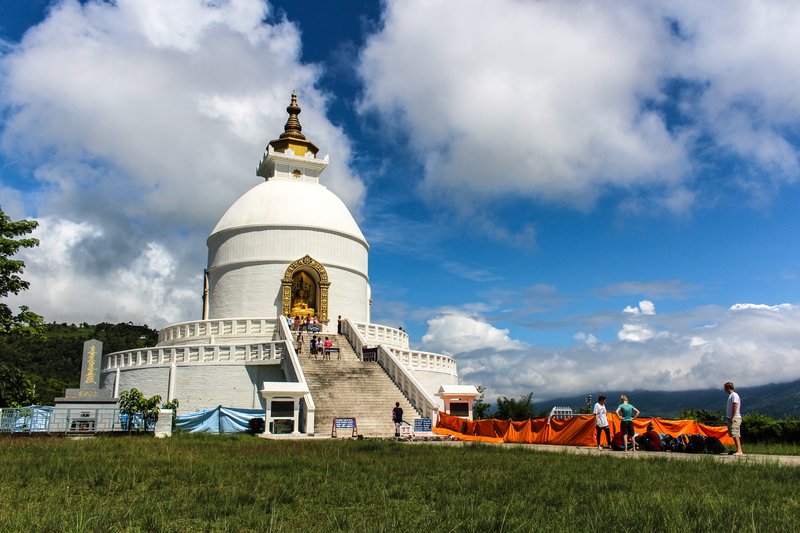
Also known as the World Peace Pagoda: a 115 ft white stupa with a 344 ft diameter on Ananda Hill at 1,100 m, built by the Japanese Nipponzan-Myōhōji order — the first Shanti Stupa in Nepal, inaugurated in 1999 after an 18-year delay. Four gilded Buddha statues from Japan, Sri Lanka, Thailand and Nepal face the cardinal directions above sweeping views of Phewa Lake and the Annapurna range.
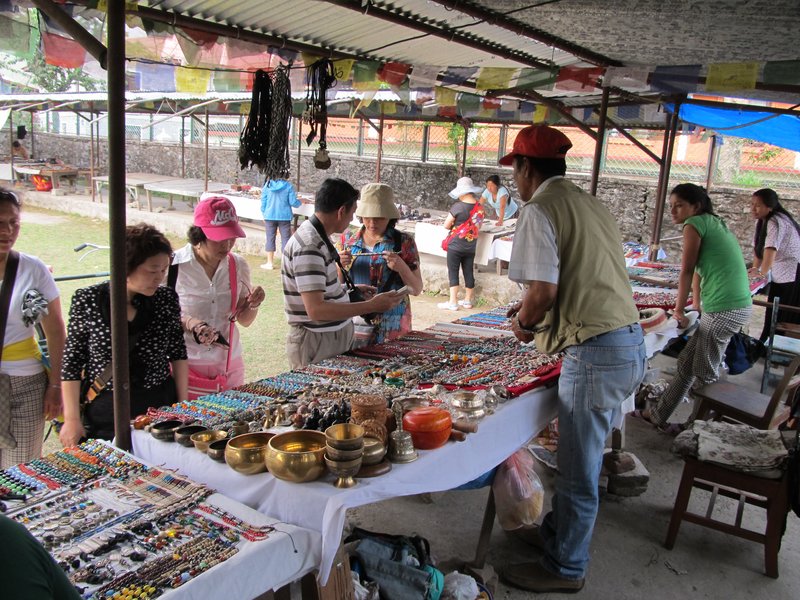
Home to roughly 250 Tibetan families since the early 1960s, when refugees crossed the Himalayas after the Chinese annexation of Tibet; the settlement near Devi's Falls has a working Buddhist monastery, a school, and a carpet workshop and showroom where residents weave and sell traditional rugs, jewellery and other handicrafts.
An intimate small-group walking tour through Pokhara's Tibetan settlement led by a local guide who grew up in the community; visits Jangchub Choeling Monastery, attends morning prayer with monks, and shares breakfast with a Tibetan family.
Full-day walking tour through Pokhara's Tibetan settlement with monastery visit to observe monks' daily life, traditional Tibetan lunch at a local restaurant, and time at the village market to meet community artisans.
Half-day afternoon walking tour through Pokhara's Tibetan village with a local guide with deep personal roots in the community; visits the Tibetan monastery, walks the settlement market, and provides context on Tibetan refugee life in Nepal.
The national meal: steamed rice with lentil soup, seasonal vegetable curry, and pickled condiments — refills are always free, and every Lakeside set-meal restaurant serves a reliable version.
Nepali dumplings with spiced meat or vegetable filling; pan-fried or steamed, always served with a sharp tomato-sesame dipping sauce — Pokhara has some of the best in the country.
The mountain feast of the Thakali people from the Mustang corridor — ghee-rich dal, smoked mutton, buckwheat bread, and fermented greens; Pokhara is the entry point to Mustang and has the best Thakali restaurants outside the region itself.
Sweet, ring-shaped deep-fried rice bread — eaten at breakfast or as a festival snack; the crisp exterior and chewy interior are unlike any other Himalayan bread.
Foreign number: not accepted. — registration needs a Nepali mobile number and the code is sent to domestic carriers only; a visitor orders through the hotel desk instead.
The country's main delivery app covers Lakeside and the centre with the dal bhat kitchens, momo houses and the better Lakeside cafés, cash on delivery the norm; it needs a local SIM to register, and most Lakeside hotels will place an order for a guest.
Foreign number: accepted. — the SMS code reaches a foreign number with roaming on, and sign-in by Google or Apple skips it entirely.
The one ride app a visitor can actually use in Pokhara: you name a fare, drivers counter-offer, and a Lakeside to Sarangkot or Devi's Falls ride settles in a minute or two. Cars thin out after dark and on the Begnas side, where a taxi from the rank on Lakeside is quicker.
Foreign number: not accepted. — registration needs a Nepali mobile number and the code is sent to domestic carriers only, so nothing reaches a foreign phone.
Nepal's own ride app, with the most bikes and cars in Pokhara and the lowest fares on short Lakeside hops, but closed to a visitor without a local SIM; a Ncell or NTC SIM from any Lakeside phone shop unlocks it in minutes and is the usual workaround.
Pokhara sits at 822 m, but the peaks visible from Sarangkot — Annapurna I at 8,091 m, Machhapuchhare at 6,993 m, Dhaulagiri at 8,167 m — are among the highest on Earth and closer than almost any major viewpoint in Nepal. The reason you can see them at all from a city is geological accident: a flat river valley carved by the Seti Gandaki ended up exactly at the right distance from the Himalayan wall, roughly 30 km, which is close enough to fill the horizon but far enough that the full massif fits in a single field of view at ground level. Most mountain panoramas in Nepal require days of trekking to reach that viewing distance.
The Seti Gandaki running invisibly through the middle of the city is the same water system as Phewa Lake: the lake's overflow drains south as the Phusre Khola, vanishes at Devi's Falls into underground caves, and re-emerges as part of the Seti's channel. The milky-white colour comes from glacial flour — particles of rock ground to powder by the Annapurna glaciers upstream — which gives the river its alternative name, the Milk River.