From Hotel: 13 min · 5 min → Lan Su Chinese Garden
1.Lan Su Chinese Garden~1 hr 30 min
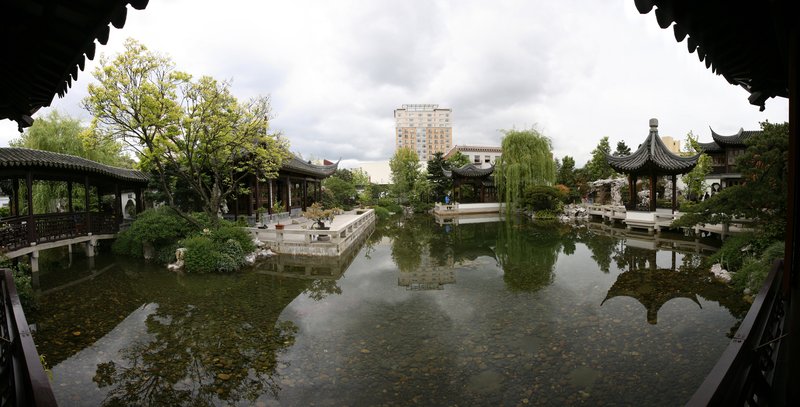
A walled classical Ming Dynasty garden built by 65 artisans from Suzhou, Portland's sister city, enclosing 40,000 sq ft of covered walkways, bridges, and Lake Zither at its center.
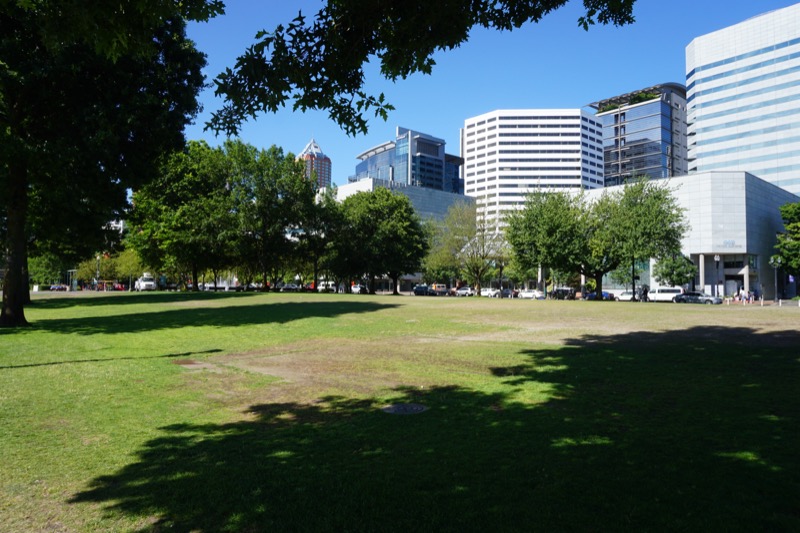
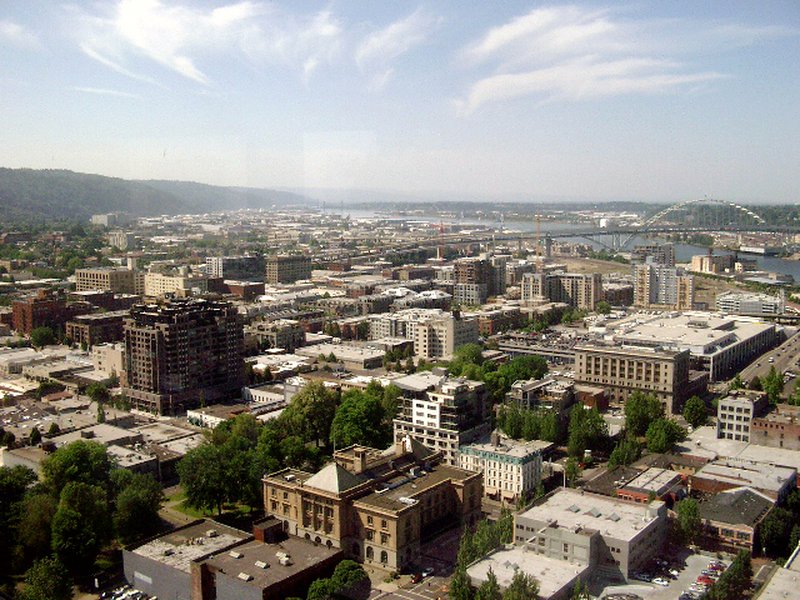
Portland's restored urban riverfront along the Willamette, lined with the Eastbank Esplanade and the Steel and Hawthorne bridges, offering sweeping views of both banks and the West Hills.
11 min · 3 min → Oregon Museum of Science and Industry · OMSI
3.Oregon Museum of Science and Industry · OMSI~2 hr
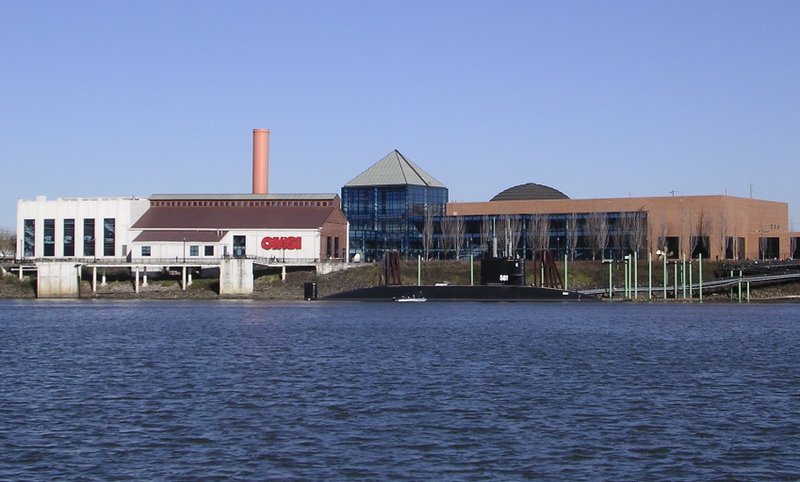
A riverside science and technology museum featuring five hands-on exhibit halls, a planetarium, a large-screen theater, and the USS Blueback submarine moored on the Willamette — the last diesel submarine built for the US Navy.
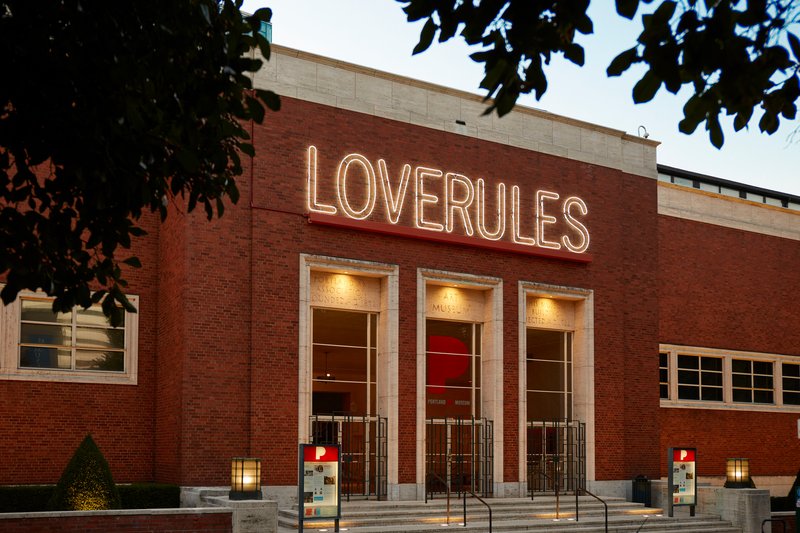
The oldest art museum on the West Coast, housing over 42,000 works spanning Native American art, Northwest regional collections, and the newly opened Rothko Pavilion glass wing.
A former rail yard and warehouse district converted into Portland's most walkable neighborhood, with public parks, street art, and brick lofts stretching from Burnside to the river.
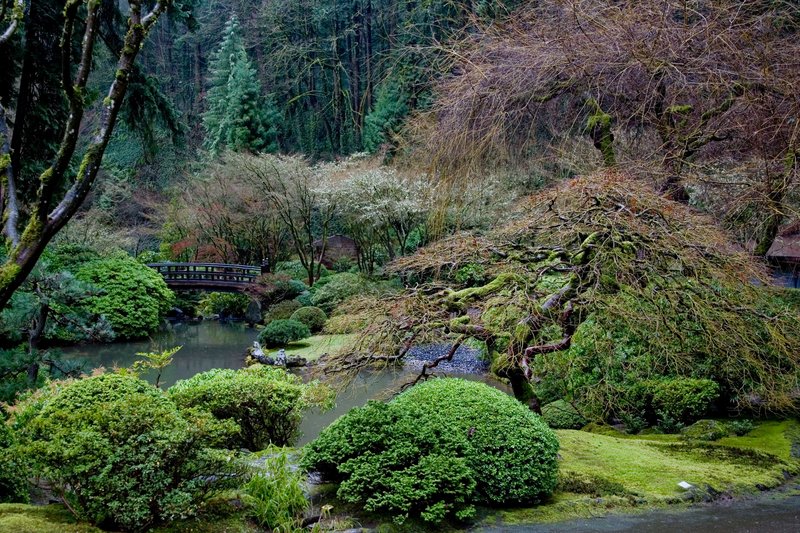
Widely described as the most authentic Japanese garden outside Japan, this 12.5-acre sanctuary in Washington Park holds five distinct garden styles, a Cultural Village with galleries, a tea house, and seasonal exhibitions.
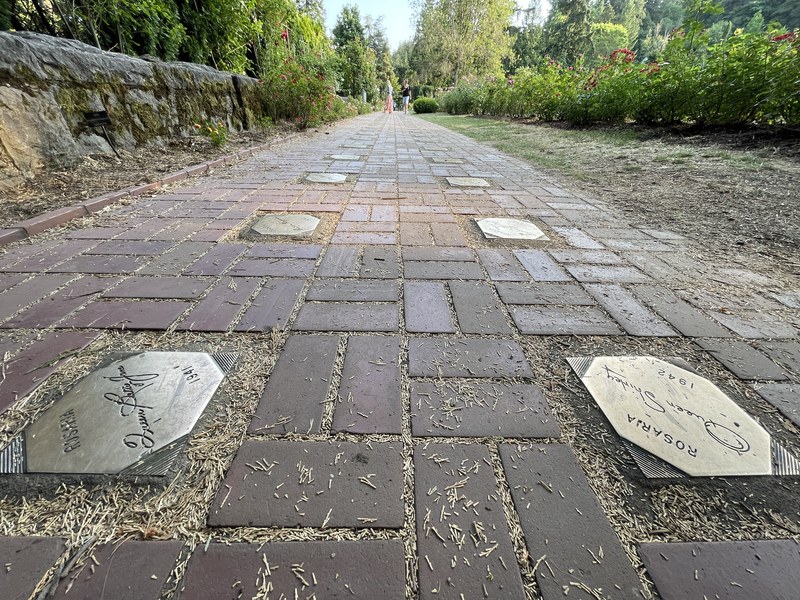
The oldest continuously operating public rose test garden in the United States, with over 10,000 rose bushes of 650 varieties across 4.5 acres in Washington Park, plus panoramic views of Mount Hood.
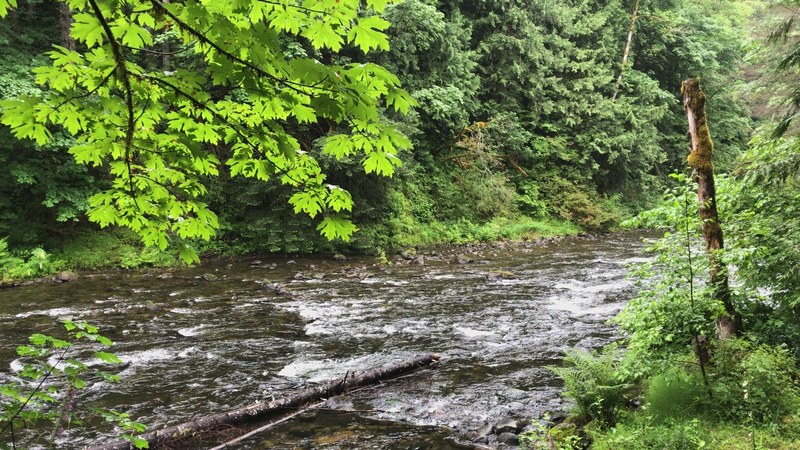
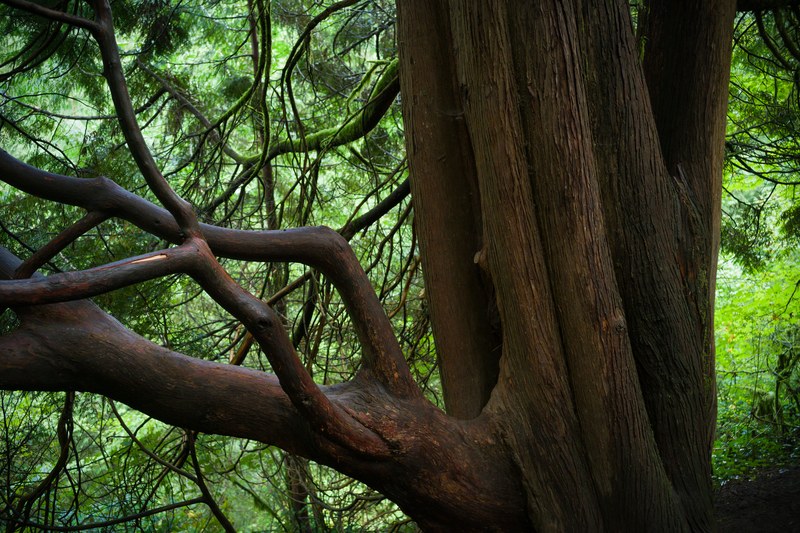
A 5,200-acre urban forest in Portland's West Hills — the largest urban forest within city limits in the United States. The Macleay Trail follows Balch Creek canyon through stands of old-growth Douglas fir and bigleaf maple, connecting to the 30-mile Wildwood Trail that threads the length of the park.
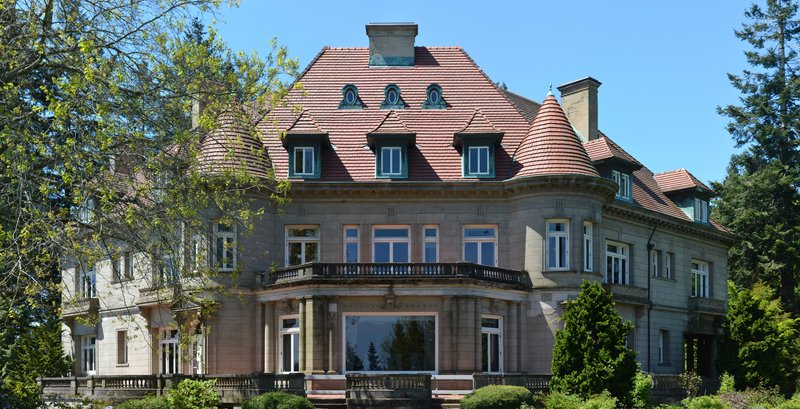
A 16,000 sq ft French Renaissance château built for newspaper publisher Henry Pittock, now a house museum with 46 rooms, formal gardens, and commanding views of the city and Mount Hood.
A 153-acre living museum with 6,000 individual trees of 2,300 species from every continent, connected by 12 miles of trails in the West Hills, free to explore year-round.
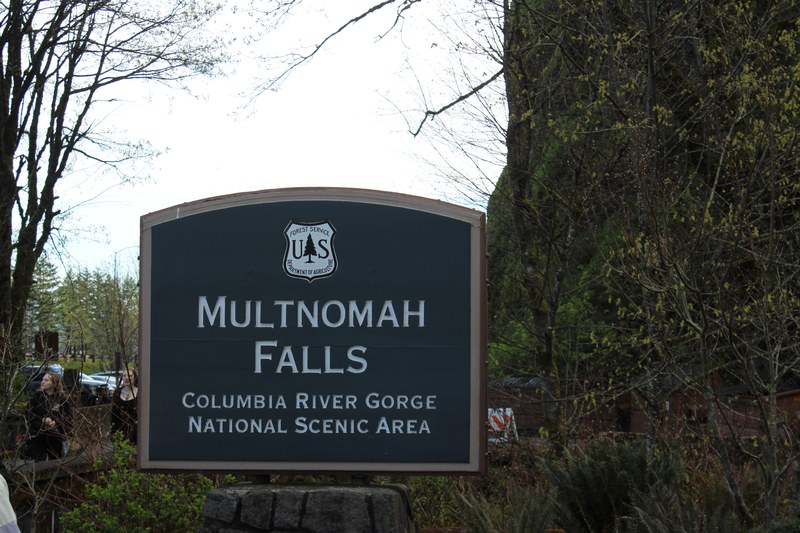
Oregon's tallest waterfall at 620 feet, plunging in two tiers in the Columbia River Gorge. A paved trail leads to the Benson Footbridge spanning the lower cascade.
An extinct volcanic cinder cone rising 636 feet in southeast Portland, designated the first Urban Quiet Park in the US, with forested trails, historic reservoirs, and a clear-day view of Mount Hood.
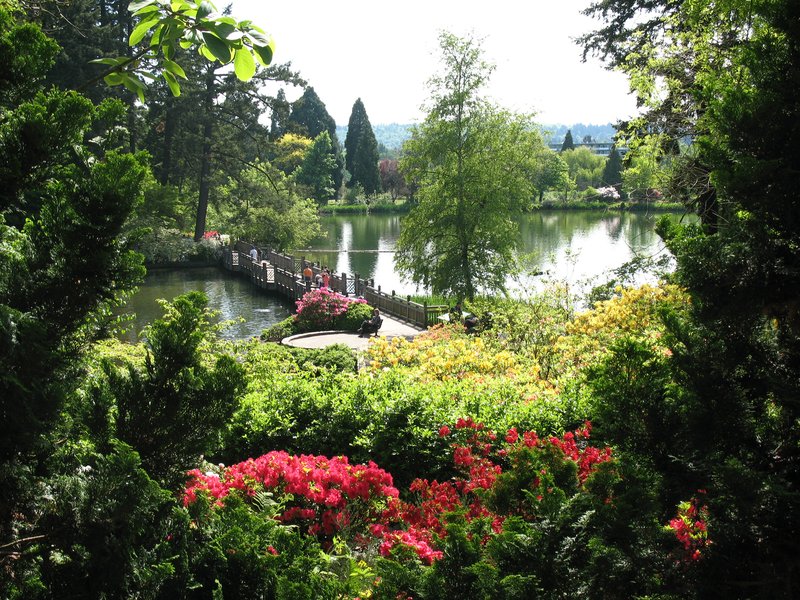
A 9.5-acre spring-fed garden surrounding a natural lake in the Reed neighborhood, operated by Portland Parks & Recreation. The collection spans over 2,500 rhododendrons, azaleas, and companion plants; outside the spring bloom season the grounds remain open as a quiet lakeside garden with resident ducks and great blue herons.
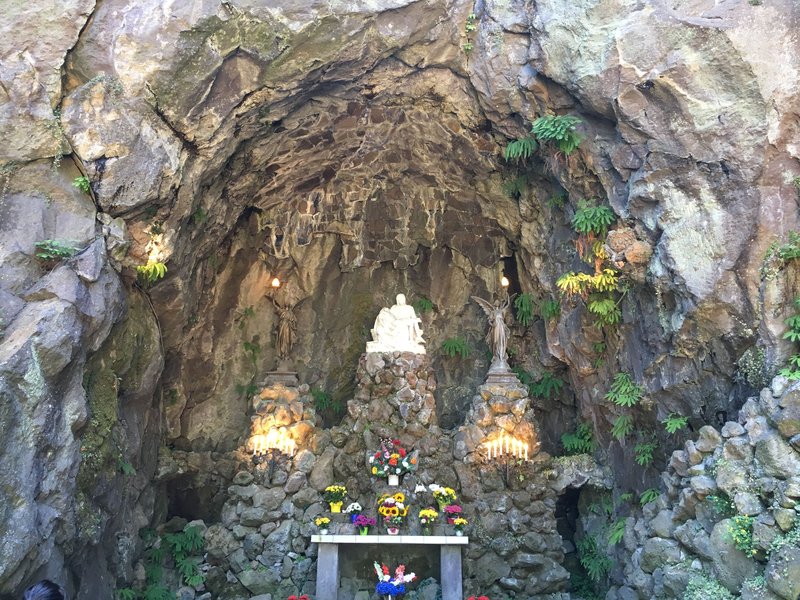
A 62-acre Catholic outdoor sanctuary set at the base and top of a 110-foot basalt cliff in northeast Portland. The lower plaza is free and centers on a marble Pietà set into a natural cave; an elevator ascends to the upper level, where botanical gardens, a meditation chapel, and a terrace with views of Mounts St. Helens, Adams, and Rainier surround the cliff edge.
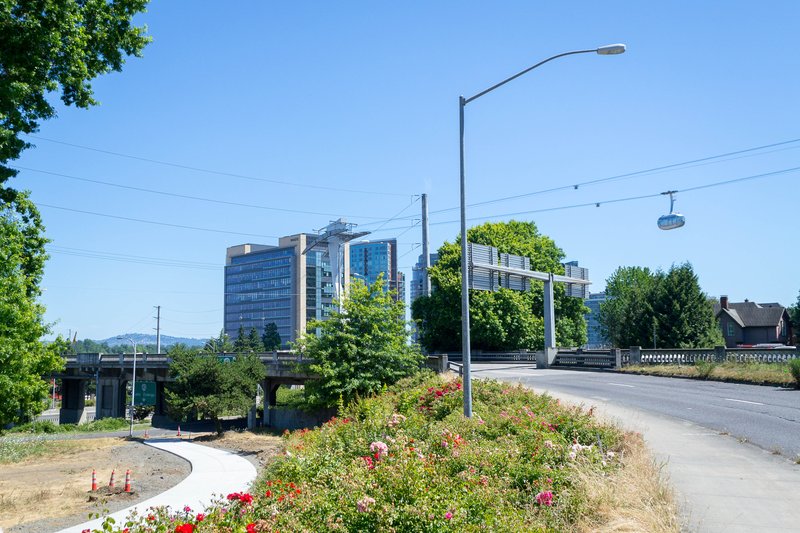
Portland's two-car aerial tram connects the South Waterfront to OHSU's Marquam Hill campus 500 feet above in a 3-minute ride. The upper station opens onto a public terrace with panoramic views over the Willamette River, downtown Portland, and the volcanic peaks of Mount Hood, Mount St. Helens, and Mount Adams.
A full-day van tour to Ecola State Park and Cannon Beach, with stops at coastal viewpoints for gray whales, sea lions, bald eagles, and Roosevelt Elk along Highway 101.
A full-day guided excursion to Multnomah Falls, along the Columbia River Gorge, and into Hood River wine country, combining dramatic waterfall scenery with panoramic views of Mount Hood.
Oregon's signature blackberry cultivar, grown almost exclusively in the Willamette Valley. Shows up in pies, jam, ice cream, and pastries across the city.
Portland's cult doughnut institution on SW Third Avenue. Known for outlandish toppings, the bacon maple bar, and the Voodoo Doll — a raspberry-filled doughnut served with a pretzel stake.
The Pacific Northwest's premier shellfish, fished from waters off the Oregon coast. In season November through June, served cracked whole at restaurants sourcing from Pacific Coast boats.
Portland's original third-wave coffee roaster, founded on SE Division. The Hair Bender espresso blend — named for the salon that preceded the café — is a city staple at the original location and across the city.
Foreign number: accepted. — the SMS code reaches a foreign number with roaming on, and an email code is offered if it does not arrive.
The widest roster in Portland — the food-cart pods, Pearl and Nob Hill restaurants, the Division Street spots and grocery runs from Fred Meyer — with live tracking and DashPass for fee-free delivery; couriers hand over at the lobby, so add the room number to the note.
Foreign number: accepted. — it is the same Uber account as the ride app, so a foreign number already verified there signs straight in.
Thinner than DoorDash here but strong on the downtown and Pearl chains, and the app shows the real delivery fee before checkout; late in the evening the list shrinks fast outside the centre.
Foreign number: accepted. — the SMS code reaches a foreign number with roaming on, and sign-in by Google or Apple skips it entirely.
Groceries rather than meals — same-day delivery from New Seasons, Safeway and Costco to the Residence Inn's kitchen suites, which is the reason to have it here; fees and a service charge stack on small baskets, so one bigger order beats three small ones.
Portland's flagship professional theater, producing musicals, classics, and world premieres in a converted National Guard armory in the Pearl District.
Foreign number: accepted. — the verification code arrives by SMS on a foreign carrier, and an existing Uber account from home signs straight in.
Dense coverage from the Pearl across downtown and the east side, with a car at the Residence Inn in two or three minutes most of the day; the Multnomah Falls and Hoyt Arboretum legs are long rides that surge late on weekend nights, when the MAX or streetcar is quicker for short hops.
Foreign number: not accepted. — Lyft's own help says the number must be a US, Canadian or Puerto Rican one, and the code is texted only to that number.
Often a few dollars cheaper than Uber on the Pearl to Washington Park hop and worth a check by anyone with a US number; a traveller on a foreign SIM cannot register, so a US eSIM number is the workaround, otherwise Uber covers the same ground.
Two daily round trips on Amtrak Cascades connect the city to Eugene, home to the University of Oregon, the 5th Street Public Market, and access to the Oregon coast and Cascade Range.
Amtrak Cascades runs multiple daily departures to Seattle. Pike Place Market, the Space Needle, and the waterfront make a full-day excursion with easy return service.
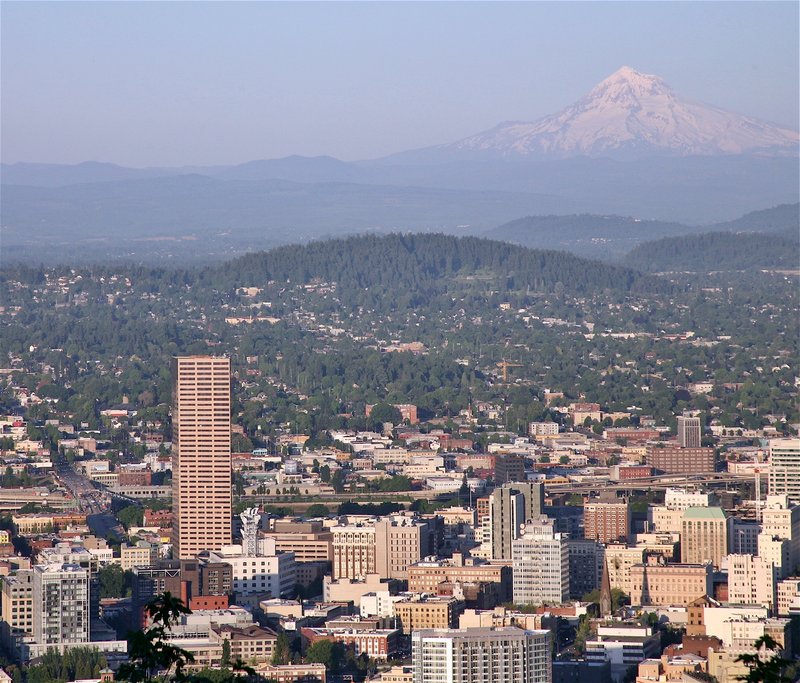
Portland sits at the confluence of two major rivers — the Willamette and the Columbia — and three mountain views: Hood, St. Helens, and Adams. Almost every high point in the city, from Pittock Mansion to Mount Tabor's summit, frames at least one of these volcanoes on a clear day. The city's grid was deliberately designed with narrow 200-foot blocks — nearly half the standard US block size — which gives downtown Portland more street corners per mile than almost any American city. That's why walking feels so natural here.
The International Rose Test Garden was established in 1917 partly as a safe haven — rose cultivars were shipped from European gardens threatened by World War I, making Portland's hillside a kind of living ark for endangered varieties. Over a century later, the garden still receives trial varieties that may never be sold commercially.