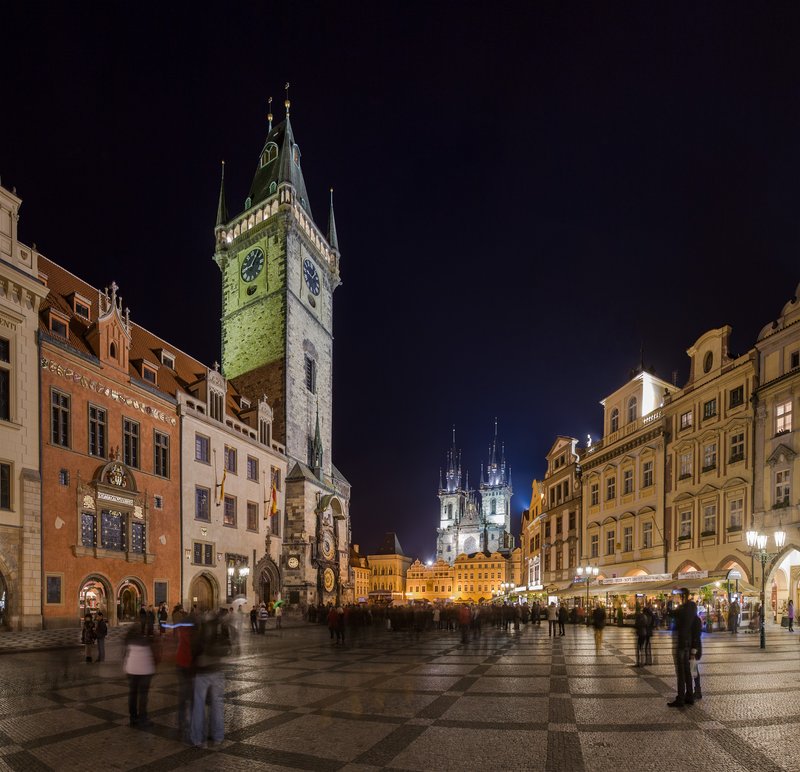
Prague's medieval heart for ten centuries, ringed by Gothic and Baroque facades, the twin spires of the Týn Church, and the pastel Rococo Kinský Palace. The Jan Hus memorial anchors the cobbles, alive with buskers day and night.
1 min · 2 min → Old Town Hall Tower & Astronomical Clock
2.Old Town Hall Tower & Astronomical Clock~1 hr
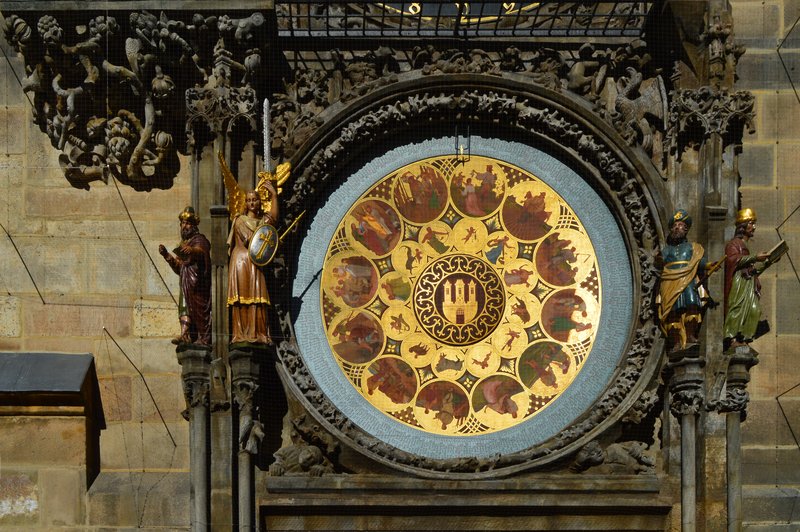
The 600-year-old astronomical clock is the world's oldest still operating — every hour the Twelve Apostles parade past two windows as a skeleton tolls the bell. Climb the Gothic tower, or ride the lift, for the finest rooftop view over the square's spires.
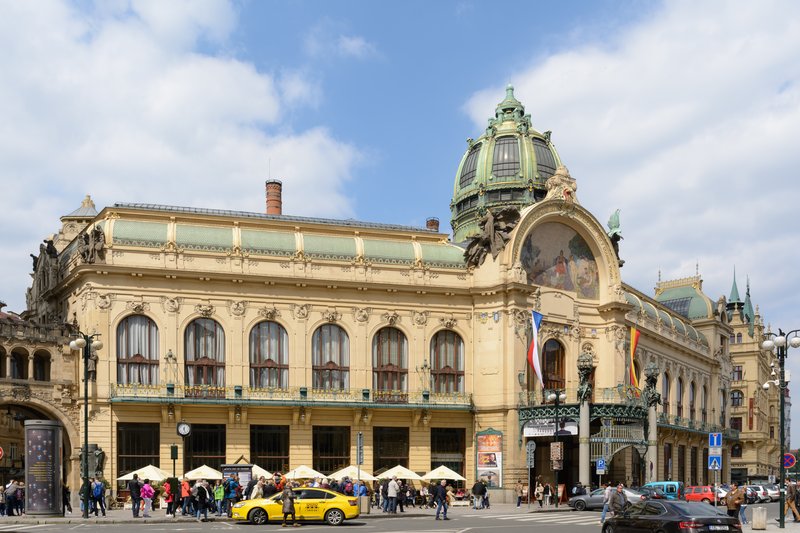
Prague's Art Nouveau masterpiece, opened in 1912 and dripping with mosaics, stained glass, and murals by Alfons Mucha. The lavish Smetana Hall is home to the Czech Philharmonic, and the guided tour opens grand salons otherwise closed to visitors.
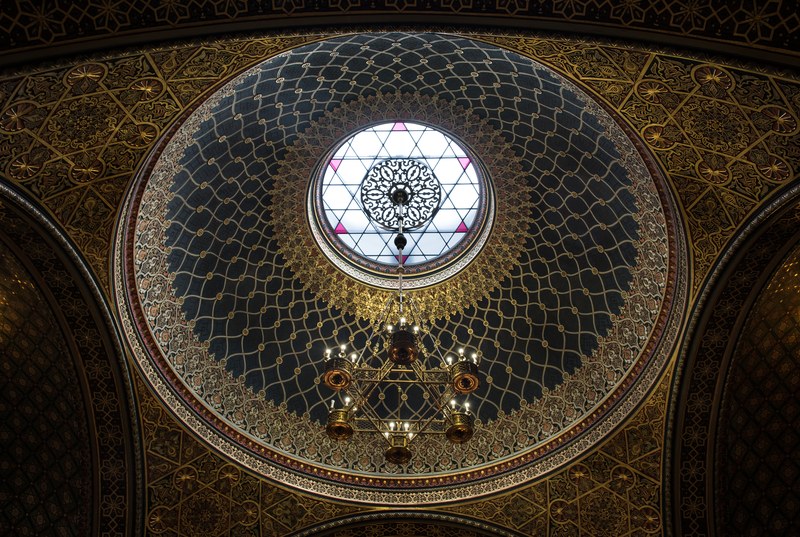
The best-preserved Jewish quarter in Europe — six synagogues, the haunting Old Jewish Cemetery with its 12,000 leaning headstones, and the dazzling Moorish-style Spanish Synagogue. One Jewish Museum ticket covers them all.
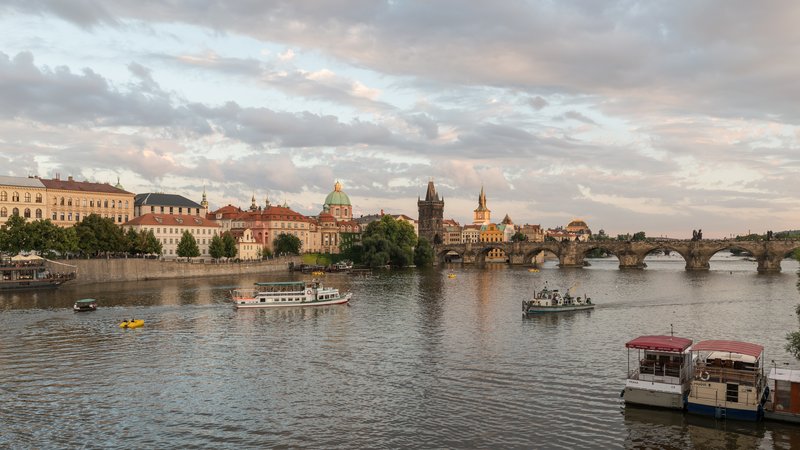
Commissioned by Charles IV in 1357, this 520-metre Gothic stone bridge over the Vltava is lined with 30 Baroque saints and guarded by a tower at each end. Crowded by day, magical at dawn — come early for empty cobbles and mist beneath the castle.
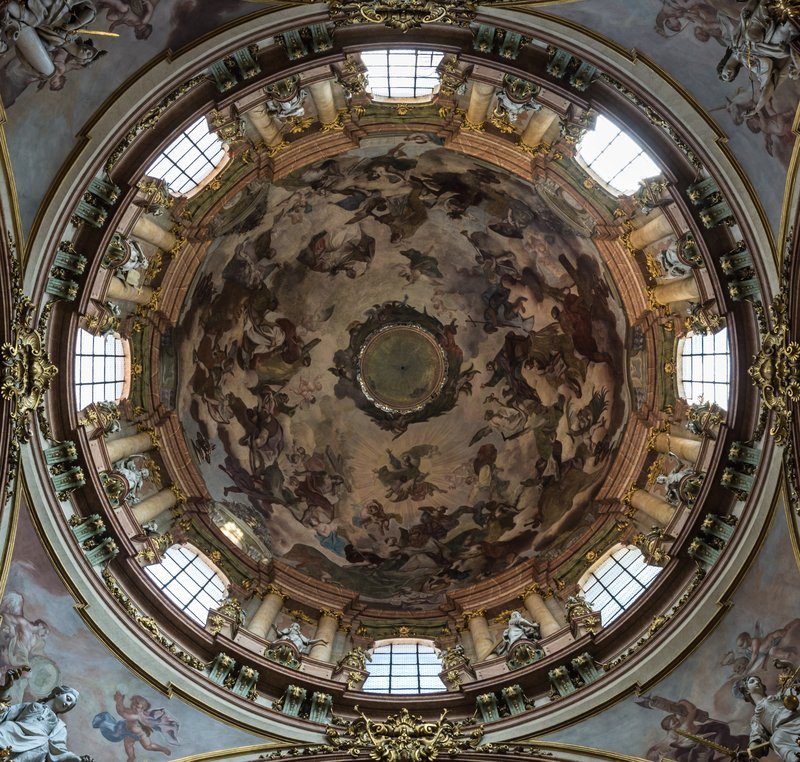
The grandest Baroque church north of the Alps, its green dome and bell tower defining the Lesser Town skyline. The frescoed nave holds one of Europe's largest ceiling paintings, and the gilded interior is pure high-Baroque theatre. Mozart played the organ here in 1787.
10 min · 6 min → Prague Castle & St. Vitus Cathedral
3.Prague Castle & St. Vitus Cathedral~3 hr
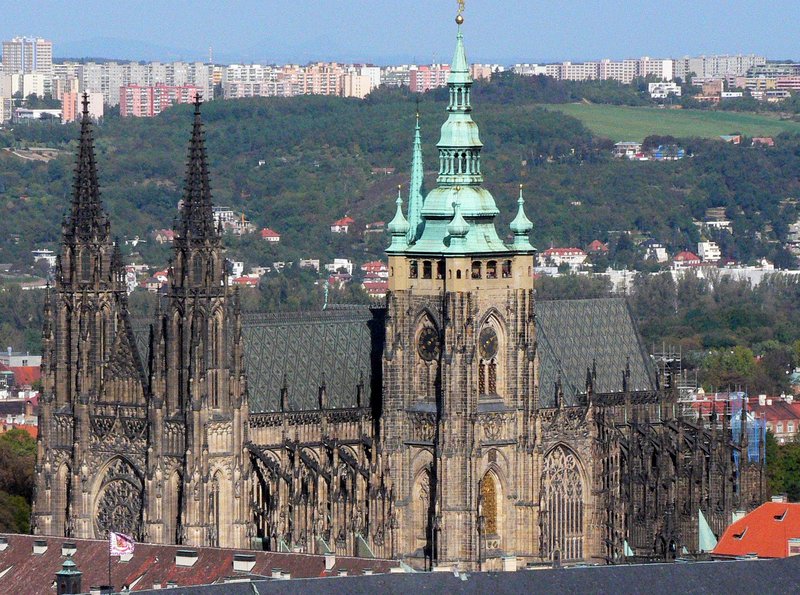
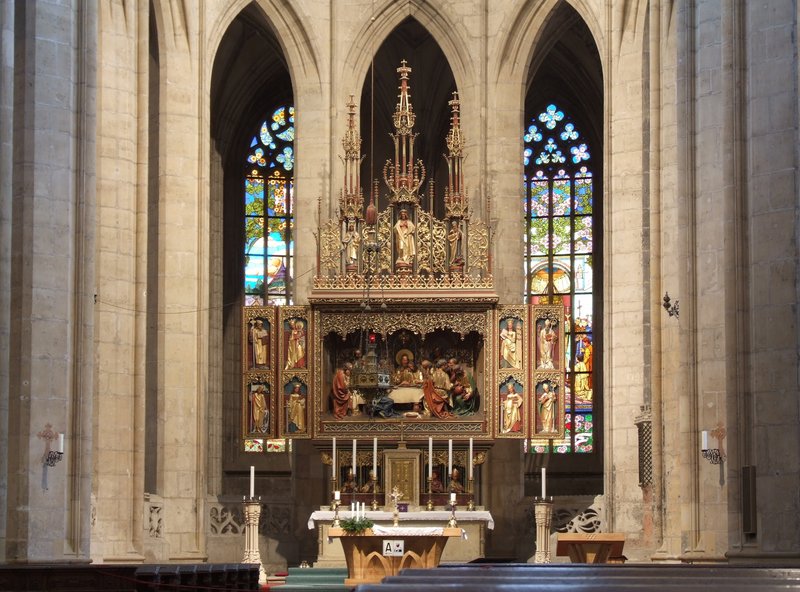
The largest ancient castle complex in the world, seat of Bohemian kings and Czech presidents for a thousand years. Its centrepiece, the soaring Gothic St. Vitus Cathedral, holds royal tombs and a luminous Art Nouveau window by Mucha. The circuit adds the Old Royal Palace and Golden Lane.
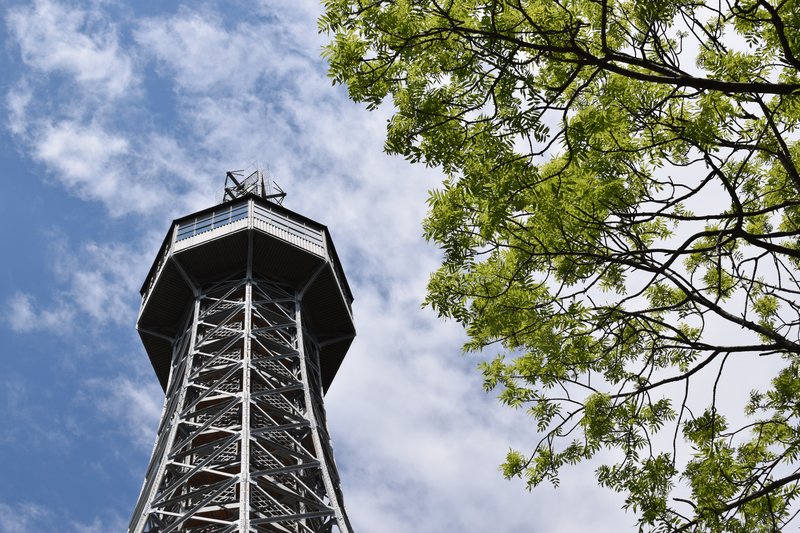
A 64-metre steel echo of the Eiffel Tower, raised for the 1891 Jubilee Exhibition atop Petřín hill's orchards and rose gardens. Climb the 299 steps, or ride the lift, for the finest 360° view in Prague — castle, river, and red rooftops spread below.
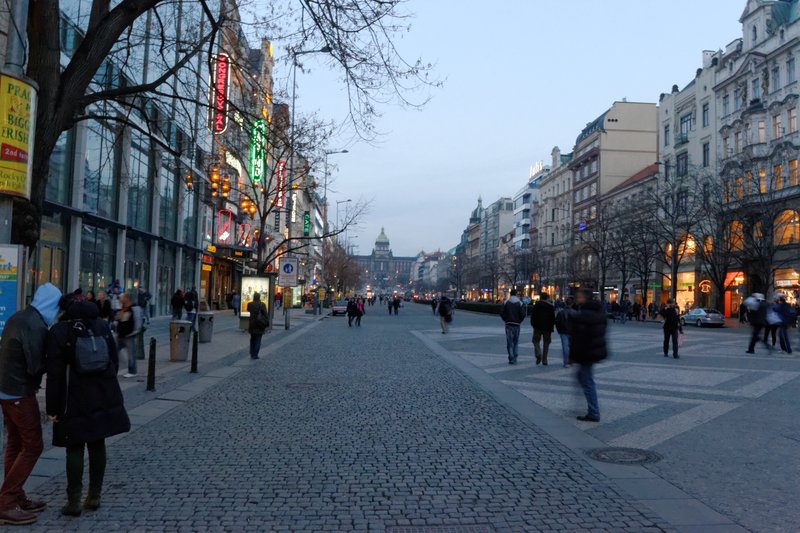
Less a square than a grand 750-metre boulevard — the stage for modern Czech history, from the 1918 republic to the 1968 Prague Spring and the 1989 Velvet Revolution. The neo-Renaissance National Museum crowns the top, and the St. Wenceslas statue marks its heart.
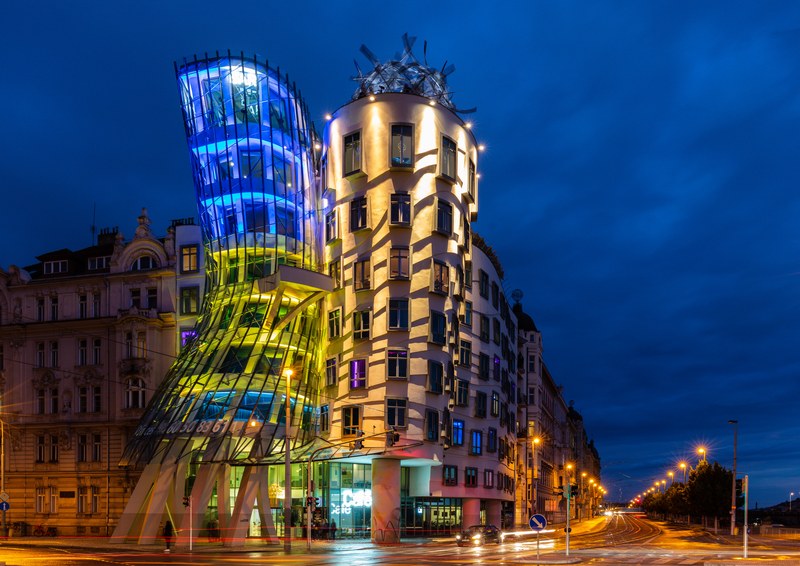
Frank Gehry and Vlado Milunić's 1996 deconstructivist landmark — a glass-and-concrete tower that seems to sway like a dancing couple, nicknamed "Fred and Ginger." Ride up to the rooftop terrace for a sweeping view of the Vltava and the castle beyond.
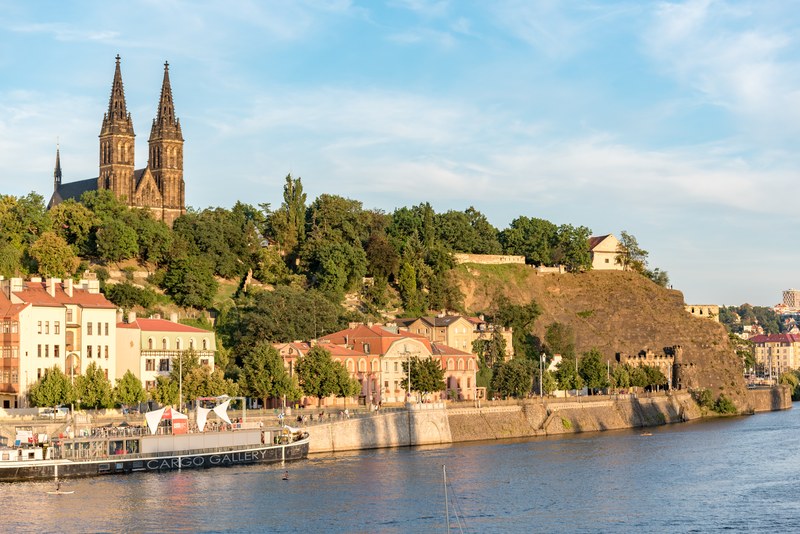
The "high castle" on a cliff above the Vltava — Prague's legendary birthplace, ringed by Baroque ramparts with the city's most peaceful panorama. Inside lie the neo-Gothic Basilica of Sts Peter and Paul and the cemetery where Dvořák and Smetana rest.
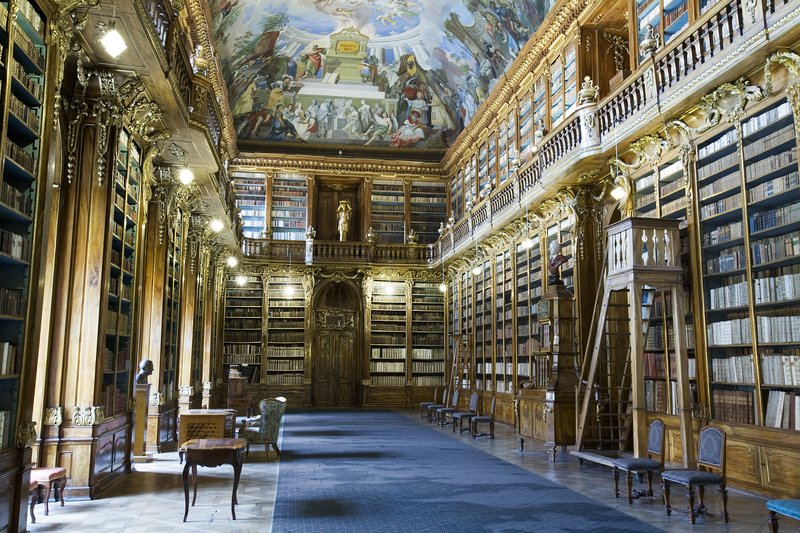
Two rococo library halls — the Theological Hall and the Philosophical Hall — among the best-preserved monastic libraries in Europe, with floor-to-ceiling shelves, frescoed vaulted ceilings, and over 200,000 volumes. The corridor cabinet of curiosities includes shells, coins, and a dried armadillo.
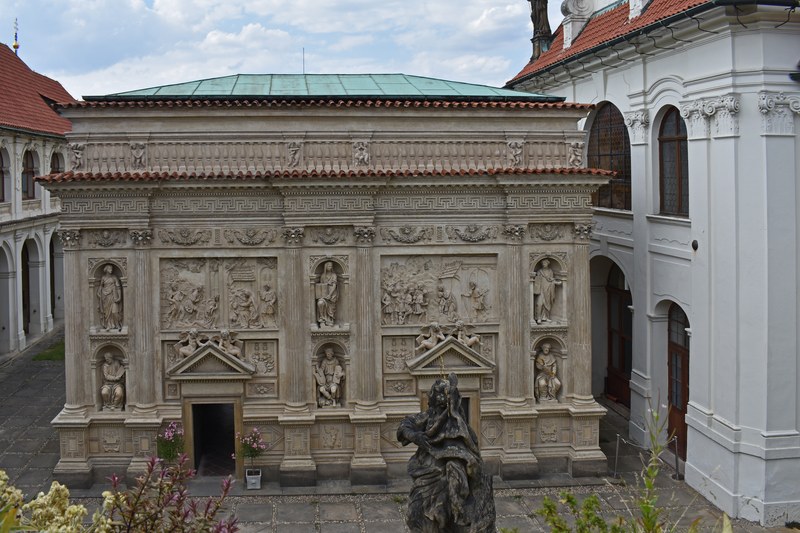
A baroque pilgrimage complex built around a replica of the Santa Casa from Nazareth, enclosed by arcades with 26 chapels. The treasury holds the Diamond Monstrance set with 6,222 diamonds. The carillon above the main gate plays a Marian hymn every hour.
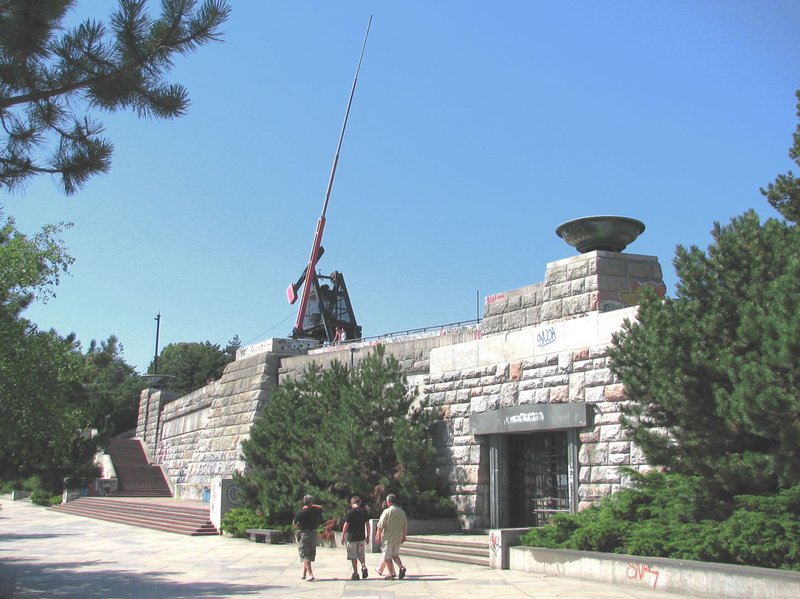
A 23-metre kinetic sculpture by Vratislav Novák stands on the concrete plinth where a 14-metre Stalin monument towered until its demolition in 1962. The terrace above the Vltava offers one of Prague's best free viewpoints — the Old Town roofscape, Charles Bridge, and the Hradčany skyline from a single vantage.
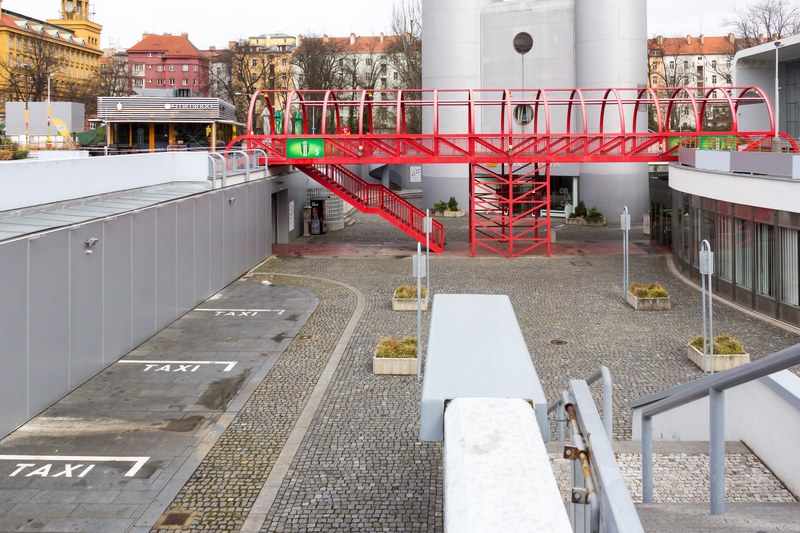
A 216-metre television tower crawled by giant bronze babies — David Černý's sculptures scale the cylindrical legs while three observation pods at 93 metres give a 360° panorama across Prague's roofscape. One pod is occupied by a single hotel room.
ARRIVE Kutná Hora hl.n.: 15 min · 5 min → Sedlec Ossuary
1.Sedlec Ossuary~1 hr
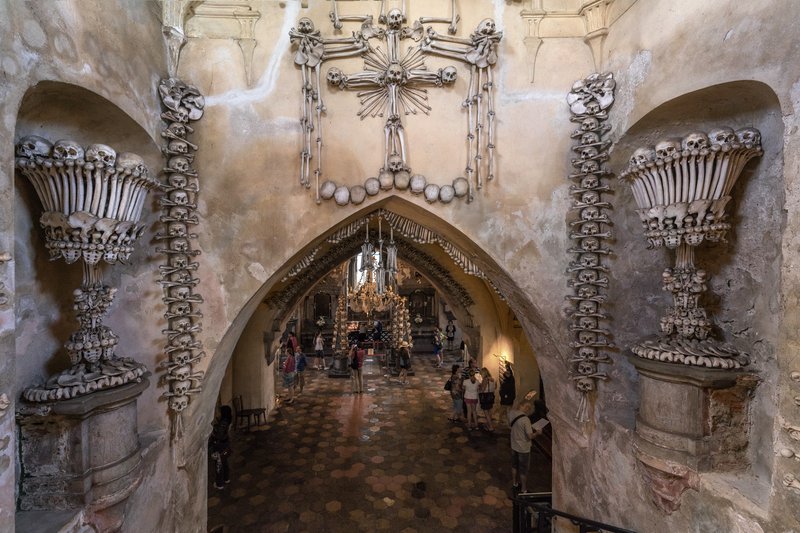
A small Gothic chapel where bones of 40,000–70,000 people — gathered from plague and Hussite war dead — were arranged into decorations by František Rint in 1870. Bone chandeliers, chalices, heraldic shields, and garlands cover every surface. Part of a UNESCO World Heritage site.
A Gothic cathedral begun in 1388 by Kutná Hora's silver-mining guilds, dedicated to their patron saint. The nave's tent vaulting and flying buttresses rival Prague's St. Vitus; fresco cycles depict miners at work. The Barborská promenade of baroque statues frames the hilltop approach. UNESCO World Heritage.
A small-group day trip to the sandstone wonders of Bohemian and Saxon Switzerland — Pravčická Gate, the Bastei Bridge over the Elbe, and a gondola ride through the Kamenice gorge, with a Czech lunch included.
A truly small-group walk · max 8 through the medieval lanes of Old Town and the Jewish Quarter — Astronomical Clock, Old Jewish Cemetery, Josefov synagogues — with a knowledgeable local guide and unhurried pace.
A 3-hour afternoon sweep from Old Town Square across Charles Bridge to Prague Castle — St. Vitus Cathedral, Old Royal Palace, and Golden Lane — with admission included and a guide carrying a lime-green umbrella.
A 3–4 hr leisurely stroll through Malá Strana and up to Prague Castle with food and beer stops woven in — cobblestone streets, local pubs, Czech bites, and a guide who keeps groups small and stories personal.
A full-day small-group excursion south of Prague covering two UNESCO World Heritage Sites — the fairy-tale medieval town of Český Krumlov and the immaculately preserved Baroque village of Holašovice.
A 2.5-hour escape from tourist Prague into the alternative neighbourhood Holešovice — street art, a hidden skatepark, a Vietnamese market, and local stories far off the beaten path, led by an insider guide.
A 2-hour open-top glass boat cruise along the Vltava through the heart of Prague — Charles Bridge, Prague Castle, the National Theater, and the Dancing House drift past with a buffet lunch and live commentary on board.
An evening cruise on the Vltava with two live jazz sets performed on board — original compositions as the boat drifts past the lit-up city center, with an optional 3-course Czech dinner and an open upper deck for views.
A full-day small-group coach tour to Český Krumlov, the UNESCO World Heritage medieval town 3 hours south — cobbled lanes, a castle above a river bend, guided walks through the Old Town, and and drop-off included.
A 6-hour Sandeman day trip by train to Kutná Hora, the medieval silver-mining city — the Sedlec Ossuary · Bone Church decorated with human remains, the Gothic St. Barbara's Cathedral, and a guide throughout the day.
A 90-minute guided walk into Prague's hidden medieval underworld — the Old Town underground passages and the dungeon beneath the streets, revealing the buried layers of the city's dark history.
A 90-minute evening walk through Old Town with Mcgee's Ghost Tours — cobbled lanes, plague stories, execution sites, and the ghost of the headless Templar knight, ending near the Tyn Church.
A 2-hour guided tour through Prague's Cold War past — the communist-era nuclear bunker beneath the city streets, with authentic equipment, propaganda, and an expert guide on Czech 20th-century history.
An 80-minute underground experience combining Prague's ghost lore with its medieval dungeon — the same passage at Malé Náměstí leads below the Old Town streets into chambers that few visitors ever see.
A 2.75-hr tip-based tour covering Prague's unmissable core — Astronomical Clock, Jewish Quarter, Charles Bridge, and the John Lennon Wall — with a licensed guide and a cap of 30 guests for a genuinely social feel.
The national Sunday dish: braised beef sirloin in a silky root-vegetable cream sauce, served with bread dumplings, a spoon of cranberry, and a curl of lemon.
The world's original golden pilsner, brewed in Plzeň since 1842. Prague's best pubs serve it unpasteurised straight from copper tanks — softer, creamier, and poured under a thick foam head.
Czech open-faced sandwiches: a slice of baguette piled with potato salad, ham, egg, or roast beef and finished with pickles — a deli tradition since the early 1900s.
Foreign number: not required. — sign-up runs on Google, Apple, Facebook or email with no phone field at all, so no verification code is sent.
The dominant food-delivery app in Prague, covering restaurants across Staré Město, Vinohrady, and Žižkov. Wide selection from local Czech bistros to international cuisines; delivery times are short in the centre. Foreign cards accepted without extra steps.
Foreign number: accepted. — the SMS verification code arrives on international numbers.
Strong restaurant coverage in Prague, particularly in Vinohrady and Holešovice. Delivery fees are transparent at checkout and most orders arrive within 30–40 minutes in the central districts. Foreign credit and debit cards work in-app.
Foreign number: accepted. — shares the Bolt ride app account; the SMS code is most reliable once you have local signal.
Uses the same account as the Bolt ride app, so a single sign-in covers both. Good restaurant variety in Žižkov and Nusle, with competitive pricing across most areas. Foreign cards registered to Bolt are accepted directly.
Foreign number: accepted. — the SMS verification code arrives on international numbers.
Prague's most-used ride-hailing app, with strong coverage across all central districts. Fares are typically lower than Uber on comparable legs; the app shows the price before confirming. Surge pricing applies during peak hours and after opera or concert events. Foreign cards accepted.
Foreign number: accepted. — the SMS verification code arrives on international numbers.
Widely available across Prague with reliable coverage in the city centre, Vinohrady, and Žižkov. Slightly higher fares than Bolt on most legs; the upfront price estimate is shown before booking. Foreign credit and debit cards are accepted with no additional steps.
Prague rewards looking up. The "city of a hundred spires" actually carries closer to a thousand, and the skyline you trace from Petřín or the Vyšehrad ramparts is essentially unchanged since the Habsburgs — the medieval core survived two world wars almost untouched, which is exactly why it feels like stepping inside a painting.
A lovely thread runs through this itinerary: Mozart. He premiered Don Giovanni at the Estates Theatre in 1787, declaring "my Praguers understand me," and that same week he is said to have played the organ at St. Nicholas Church in the Lesser Town — both places appear in this guide, a few hundred metres apart.
One detail to test on Charles Bridge: Charles IV, an enthusiast of numerology, reportedly laid the foundation stone at 5:31am on the 9th day of the 7th month, 1357 — giving the ascending-then-descending sequence 1-3-5-7-9-7-5-3-1. Whether or not it is true, it is the kind of story that makes a 14th-century bridge feel designed by someone who would have loved a good spreadsheet.