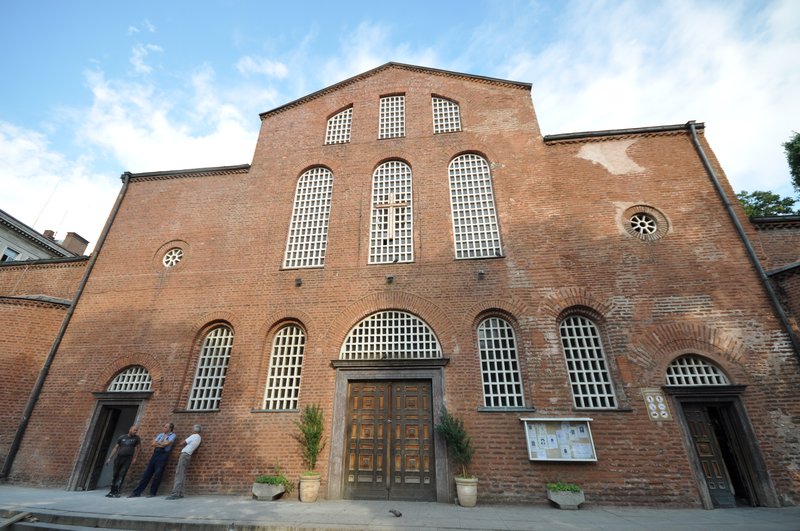
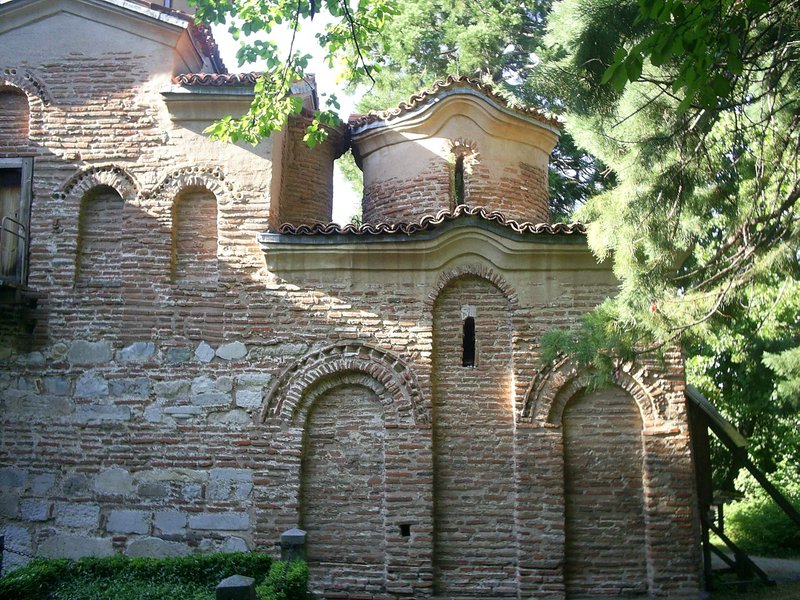
Sixth-century domed basilica that gave the capital its name, its plain brick exterior concealing an underground necropolis of Roman and early Christian tombs open as a small museum.
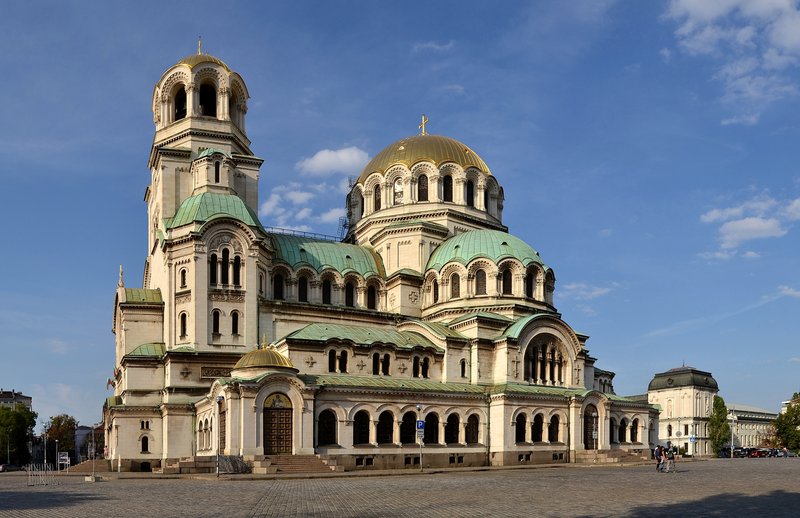
Neo-Byzantine cathedral completed in 1912, its gold-plated central dome visible across the city; the crypt beneath holds one of the largest collections of Orthodox icons in Europe, ticketed separately at the door.
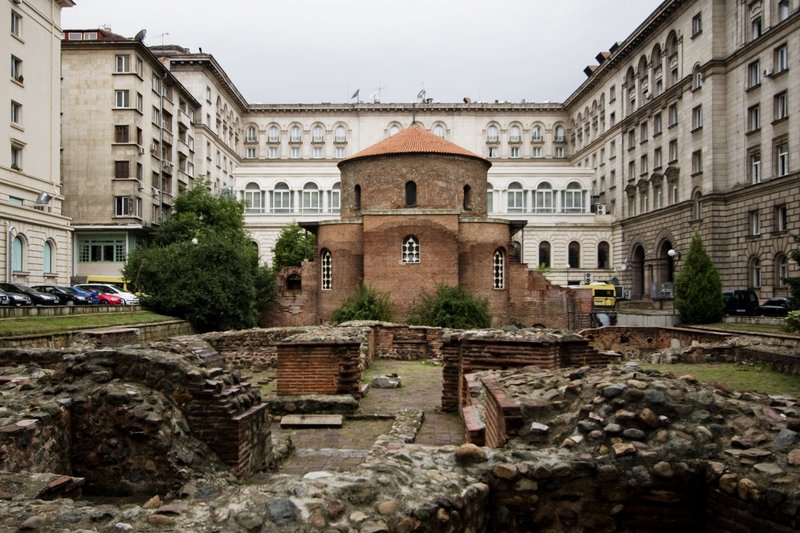
Sofia's oldest surviving building, a 4th-century red-brick rotunda with medieval and Ottoman-era frescoes still visible inside its dome, standing in a courtyard behind the Presidency building.
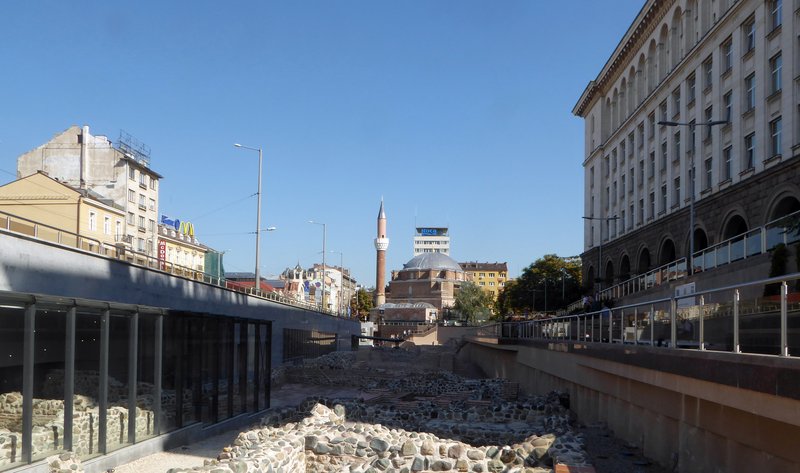
Excavated Roman street grid, thermal baths and two early Christian basilicas from the city's 2nd–4th-century core, laid out beneath a glass canopy between the Sofia and Serdika metro entrances.
UNESCO World Heritage medieval church at the foot of Vitosha, its 1259 frescoes — 240 figures across three building phases — among the finest surviving pre-Renaissance wall paintings in Europe; visits run in small timed groups of 8–10.
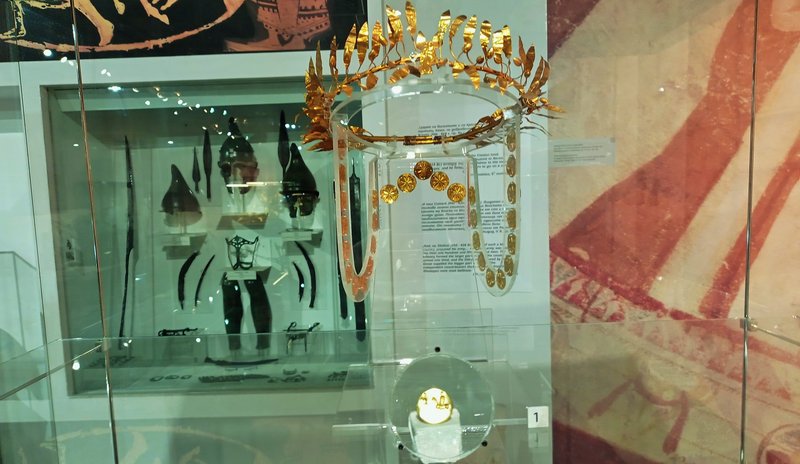
Bulgaria's largest museum, housed in the former Communist-era government residence, holding the Panagyurishte, Borovo, Letnitsa and Rogozen Thracian gold treasures alongside medieval icons and royal regalia.
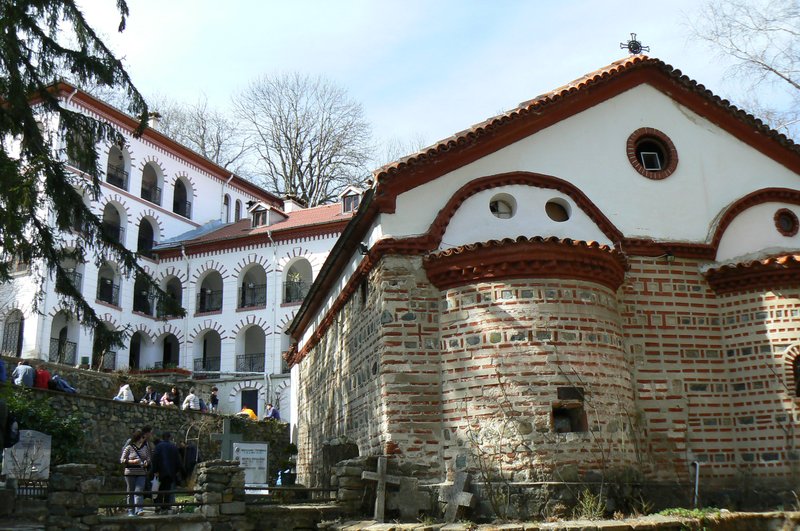
Bulgarian Orthodox monastery founded in 1345 on Vitosha's lower slopes, its small church painted across three distinct fresco periods and set in a quiet garden well off the tour-bus circuit.
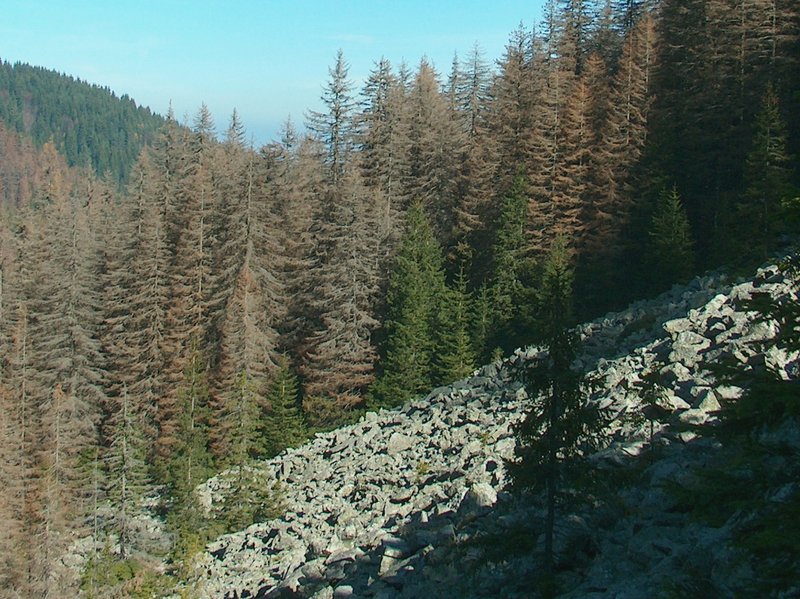
Vitosha's largest stone river — a boulder field draining down from Cherni Vrah, named for the golden lichen on the rock — at 1,350m on the mountain's edge; both cable lifts to the upper slopes remain closed indefinitely, so this stone-river viewpoint and the marked trail continuing toward the 2,290m summit are the way onto the mountain now.
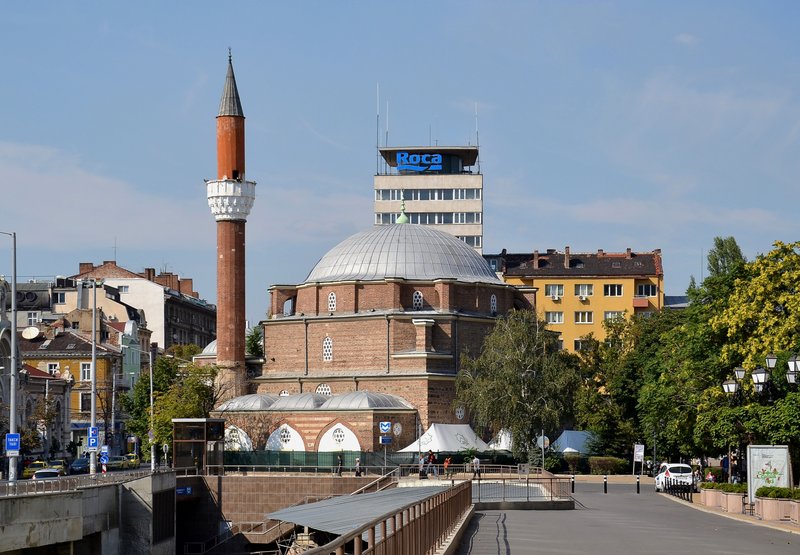
Sixteenth-century Ottoman mosque designed by imperial architect Mimar Sinan, its single dome built directly over a natural thermal spring; the only mosque still active in Sofia, with steam visibly rising from vents beside its outer walls.
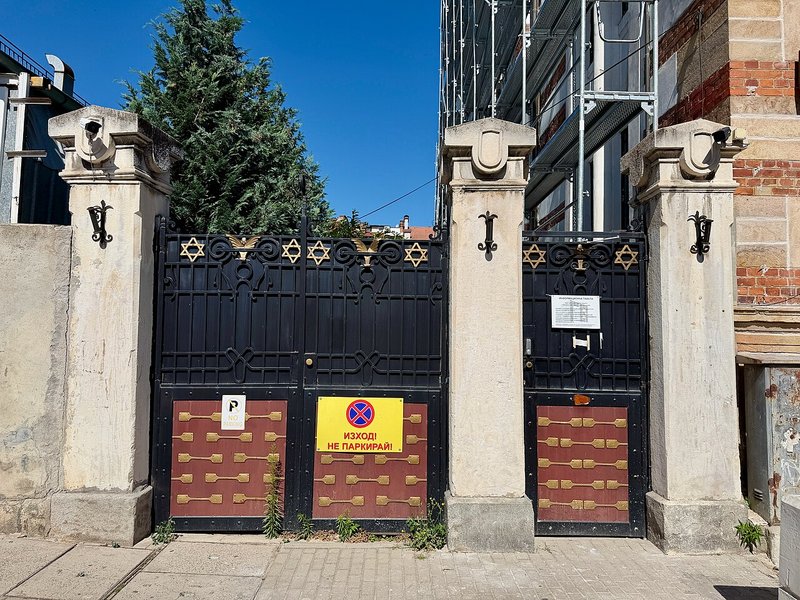
Moorish Revival synagogue completed in 1909, one of the largest Sephardic synagogues in Europe, its octagonal prayer hall lit by a two-tonne bronze chandelier; a small Jewish history museum occupies the upper floor. Valid photo ID required for entry.
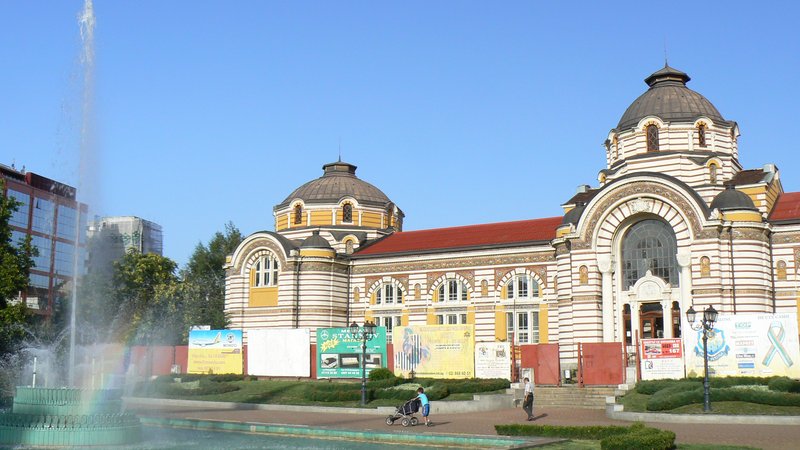
Vienna Secession bathhouse built in 1913 over Sofia's mineral springs, its colourful ceramic domes now holding the city's own history museum since public bathing ended in 1986; free mineral-water taps still run along the building's facade.
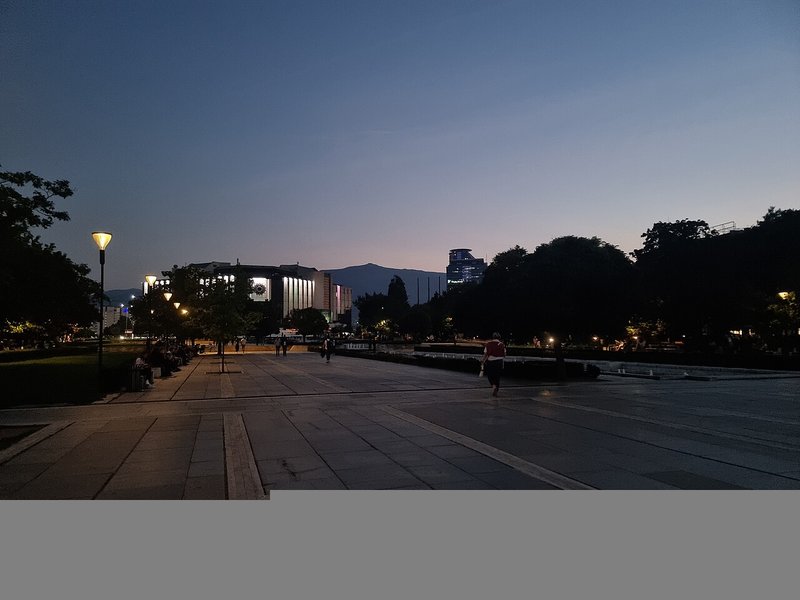
Sofia's largest cultural complex and the biggest multifunctional building in southeastern Europe, a Brutalist landmark opened in 1981, its terraced plaza and fountains fronting South Park at the southern end of Vitosha Boulevard.
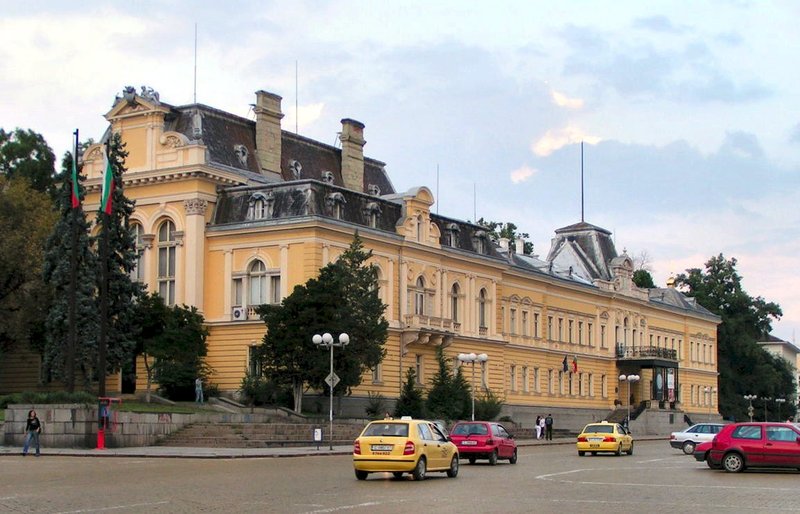
Bulgaria's national art collection of over 50,000 works, housed in the former royal palace on Battenberg Square. Built in stages from 1880 to the reign of Tsar Ferdinand, the building itself is as much the exhibit as the Bulgarian painting and sculpture inside.
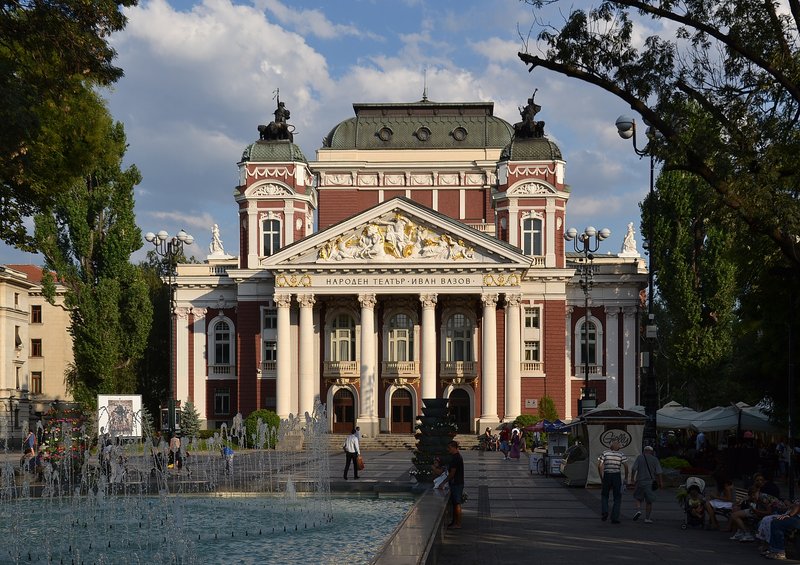
Bulgaria's national theatre and the oldest authoritative stage in the country, its neoclassical facade designed by Viennese architects Hermann Helmer and Ferdinand Fellner and completed in 1906. The building faces the City Garden and appears on the Bulgarian 50-leva banknote.
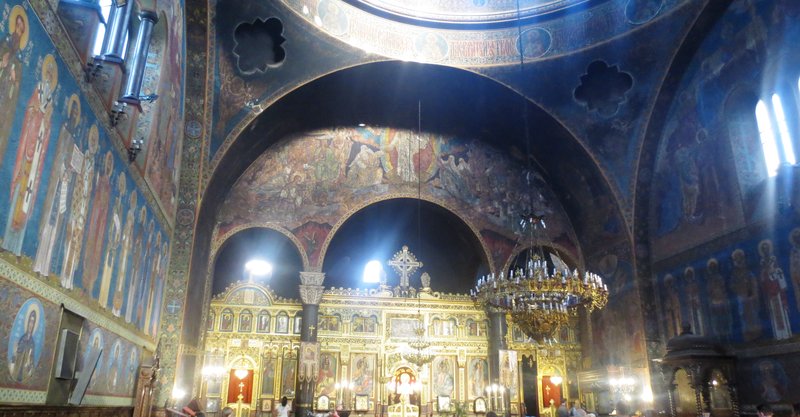
An Eastern Orthodox cathedral with foundations dating to the 10th century, standing directly above the old crossroads of Roman Serdica. The current building dates mostly from a 1930s rebuild after a 1925 bombing aimed at Tsar Boris III, and its carved 1865 iconostasis survived the blast.
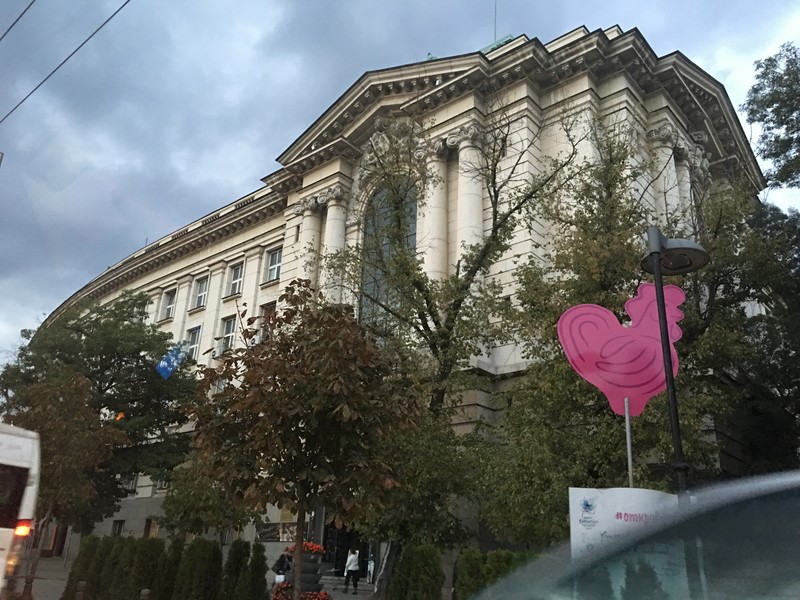
Bulgaria's oldest and largest institution of higher learning, founded in 1888. Its grand 1934 main building on Tsar Osvoboditel Boulevard was funded by brothers Evlogi and Hristo Georgiev, whose bronze statues flank the entrance.
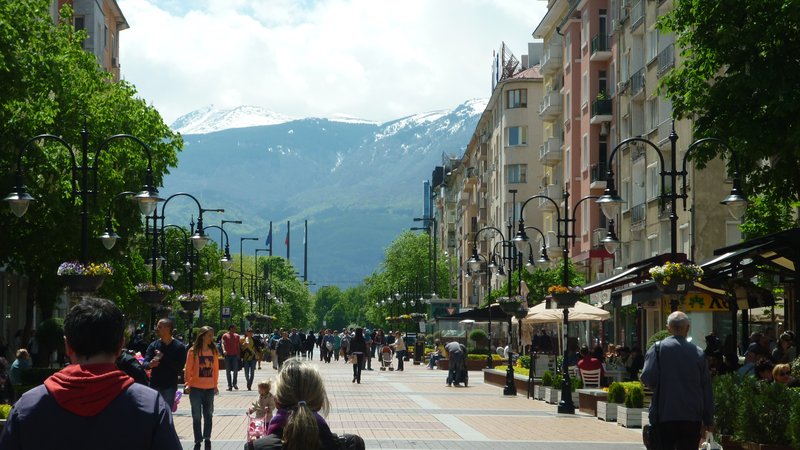
Sofia's main commercial promenade, a 2.7 km pedestrian and traffic-calmed street running from Sveta Nedelya Square to Southern Park, lined with fashion retailers, cafés, and views of Vitosha Mountain rising at its far end.
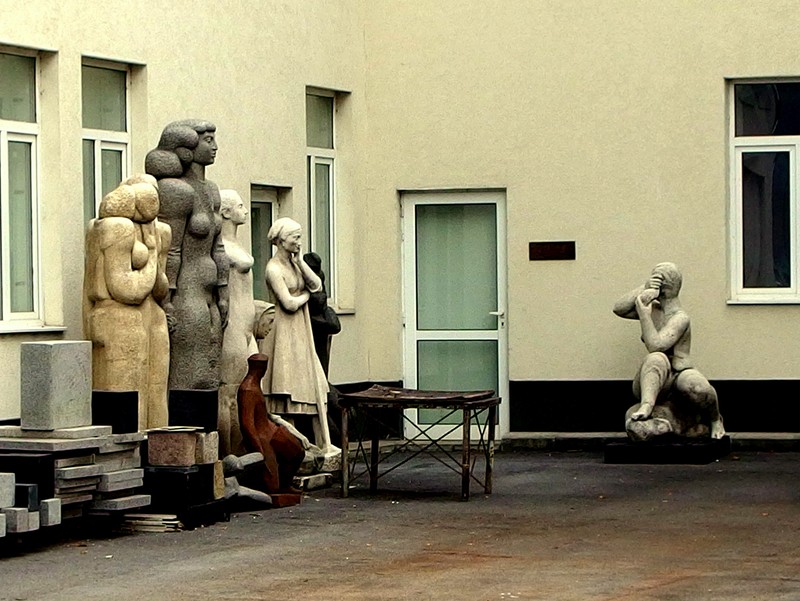
A sculpture park and gallery gathering 77 statues, monuments, and paintings removed from public squares after 1989, including a monumental Lenin once displayed downtown. A media hall plays period newsreels and propaganda films from the 1944–1989 communist era.
From Hotel: 10 min · 4 min → Monument to the Soviet Army
1.Monument to the Soviet Army~15 min
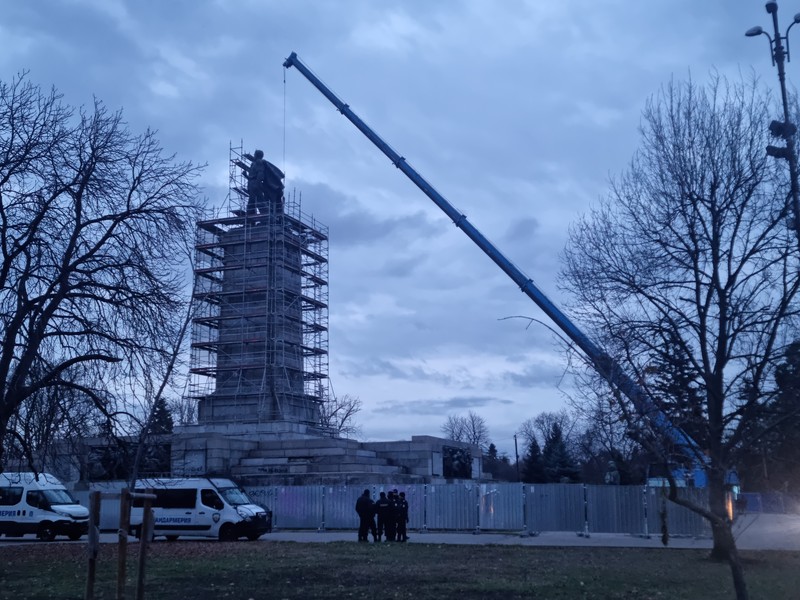
A 37-meter monument completed in 1954 to commemorate the Soviet Army's role in Bulgaria's liberation, its central column and bas-reliefs once flanked by soldier statues. The city began dismantling the figures in a recent municipal decision, so the site today shows the remaining column and base rather than the complete original monument.
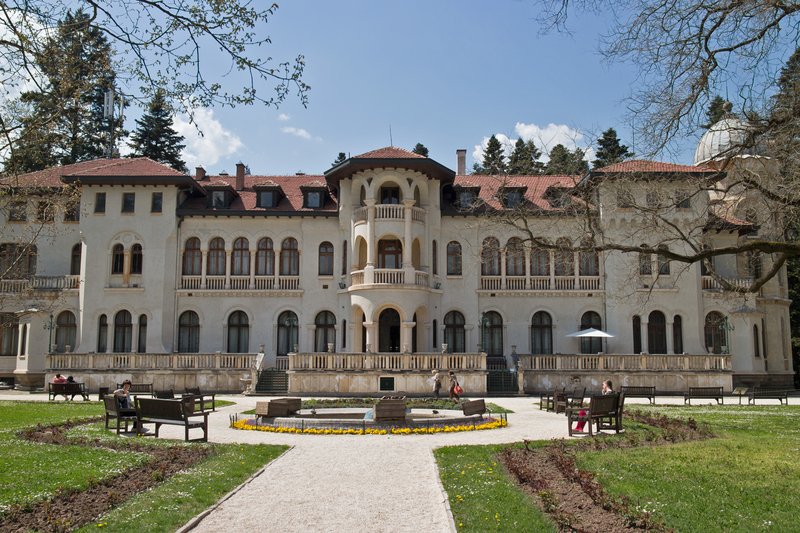
The official residence of Bulgaria's former royal family on the eastern edge of Sofia, built between 1909 and 1914 in a mix of Byzantine and Art Nouveau styles. The landscaped park opens to the public on weekends, with the palace's first floor occasionally open for guided group visits by arrangement.
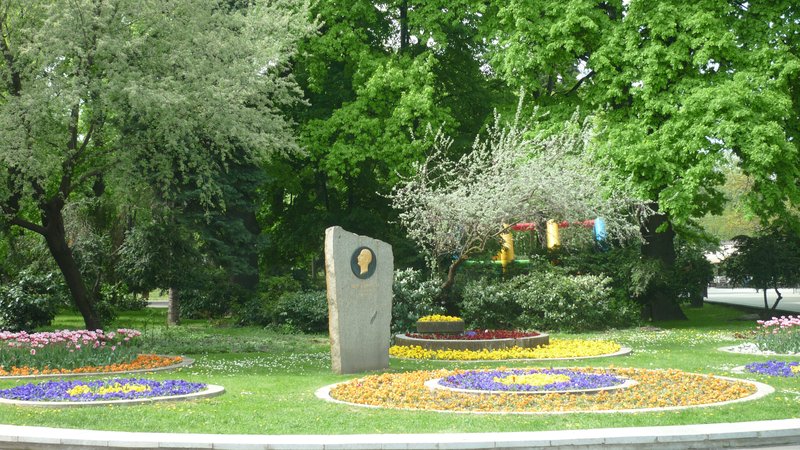
Sofia's oldest and largest city park, laid out beginning in 1884 and shaped across three generations of landscape designers. Wooded paths connect an open-air theater, sports stadiums, and a small astronomical observatory used by Sofia University.
A three-hour walking tour of Sofia's Communist-era landmarks — the Largo, the former Party House, the Soviet Army Monument — with a guide who lived through the period.
A three-to-four-hour tasting walk through the Central Market Hall and the Zhenski Pazar produce market, sampling Bulgarian cheeses, cured meats and pastries with a local guide.
A guided walk reading Sofia's Socialist-era architecture and monuments, from the Largo government complex to the former Party House, with the political history behind each stop.
The same three-hour Largo-to-Party-House walk as the Viator listing, booked through TripAdvisor Experiences, with a guide who narrates the Communist period first-hand.
A flaky, oven-baked pastry layered with whipped eggs and sirene cheese, eaten across Bulgaria for breakfast; the Furna bakery chain sells it warm from early morning.
Tomatoes, cucumber and peppers topped with a thick layer of grated sirene — Bulgaria's brined sheep's-milk cheese — named for the Sofia region and on nearly every menu in the city.
Bulgaria's national spirit, a fruit brandy usually distilled from grapes or plums and served as an aperitif; dedicated rakia bars stock dozens of regional and homemade labels.
Foreign number: accepted. — the sign-up form takes any country code, and Glovo's own support pages confirm foreign numbers work across its full international network.
The largest delivery platform in Sofia by restaurant count, covering both Bulgarian kitchens and international chains; also delivers groceries and pharmacy items, which the other two apps here don't.
Foreign number: accepted. — a Finnish-built app live in 25+ countries on one account and verification system, so a number verified elsewhere works in Sofia too.
Newer to Sofia than Glovo but reviewers rate its tracking and delivery-time accuracy highest of the three; the smallest restaurant count of the three apps here, concentrated in the city center.
Foreign number: accepted. — runs on the same Bolt account and phone-verification system as Bolt's ride-hailing app, which already takes foreign numbers across its international footprint.
Launched later in Sofia than Glovo and covers mainly the central districts; useful as a backup when a restaurant is out of range on the other two apps, or to consolidate with an existing Bolt ride account.
Foreign number: accepted. — the sign-up flow takes any international number by SMS code, and the app runs fully in English.
Sofia's most-used taxi app, working only with vetted drivers charging standard metered city rates — the most reliable way to avoid the inflated fares some street taxis quote tourists.
Foreign number: accepted. — the app interface and sign-up run in English and over a dozen other languages, taking international numbers by SMS code with no Bulgarian SIM needed.
Sofia's long-established taxi operator with the largest fleet in the city; reviewers report longer waits and more driver cancellations than TaxiMe at busy times.
A mountain village of vividly painted 19th-century Bulgarian Revival houses, preserved almost intact since it was the birthplace of the 1876 April Uprising against Ottoman rule.
Gateway to the dramatic Vratsata Gorge, a limestone canyon popular with climbers, and the stalactite-hung Ledenika Cave a short distance further into the Balkan foothills.
One of Europe's oldest continuously inhabited cities, its Old Town of pastel Revival-era houses built over a restored Roman theatre still used for performances, plus the creative Kapana district for cafés and galleries.
Bulgaria's largest and most important Eastern Orthodox monastery, a UNESCO World Heritage Site founded in the 10th century, its courtyard ringed by striped Revival-era arcades and vivid fresco cycles.
The hilltop capital of the medieval Second Bulgarian Empire, its Tsarevets Fortress ringed by the looping Yantra River and the old town's stacked stone houses climbing the gorge walls.
A capital that keeps every layer of its history in view at once
Bulgarian head gestures run backwards from most of the world's — a side-to-side shake traditionally means yes, an up-and-down nod means no. Many Sofia residents who deal with visitors switch to the familiar gesture automatically, which only adds a second layer of confusion; when in doubt, ask out loud.
Bulgaria uses the lev, not the euro, despite EU membership — it's pegged to the euro at a fixed rate, but euro cash is not accepted at most tills, so change money or draw levs from an ATM on arrival.
A single walk down Knyaginya Maria Luiza Boulevard passes a Roman street grid, an Ottoman mosque, a Sephardic synagogue and a Vienna Secession bathhouse within a few hundred metres of each other — few European capitals stack that many empires into one block.
Tipping isn't obligatory but is customary at sit-down restaurants — rounding up or adding roughly 10% in cash is the norm; card machines rarely offer a tip-line prompt.
Every metro barrier and tram or bus reader in Sofia takes a contactless bank card or phone tap directly — no ticket, no app, no Bulgarian cash needed. A single ride is €0.80 with a free transfer within 30 minutes, and repeated taps on the same card in one day cap out at €2.00 total.