From Hotel: 16 min · 12 min → Natural History Museum Vienna
1.Natural History Museum Vienna~2 hr 30 min
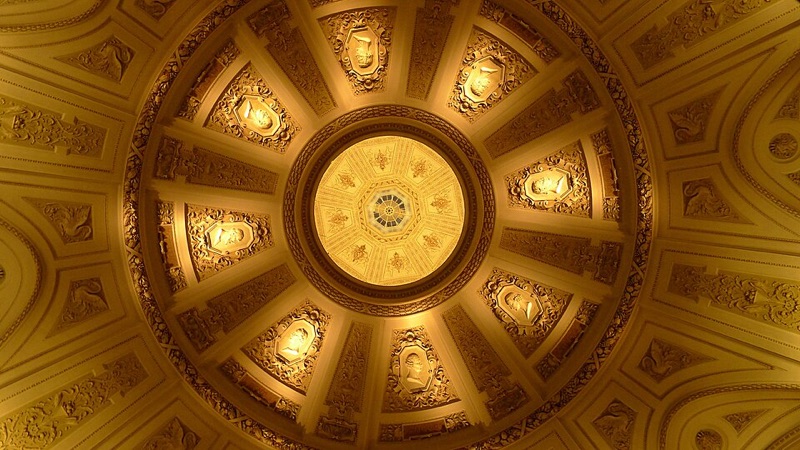
One of the oldest and most comprehensive natural history museums in the world — 39 rooms covering 4 billion years of Earth history. The crown jewel is the Venus of Willendorf: a 25,000-year-old Paleolithic limestone figurine, only 11 cm tall, and among the most important art objects in human history.
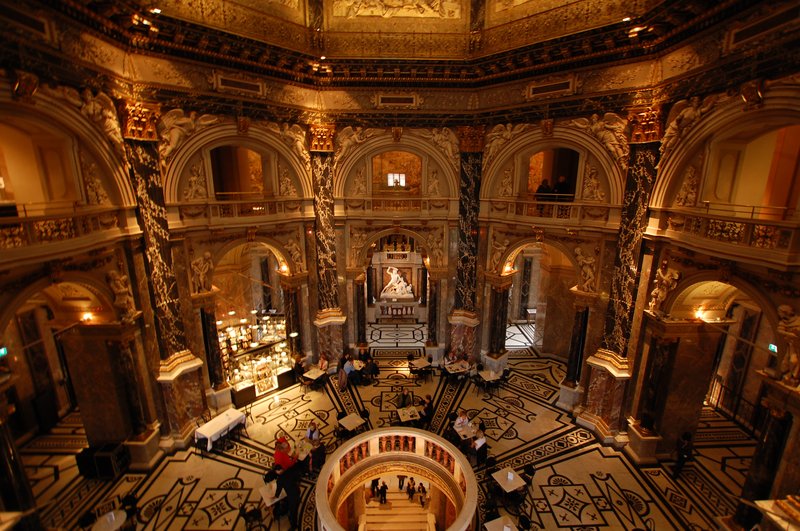
One of the world's great art museums, built by Emperor Franz Joseph to house the Habsburg imperial collections. The ceremonial staircase hall alone — ringed by Canova's Theseus Group and Klimt's ceiling lunettes — justifies the entrance. Upstairs: Bruegel the Elder's largest collection anywhere, Vermeer, Raphael.
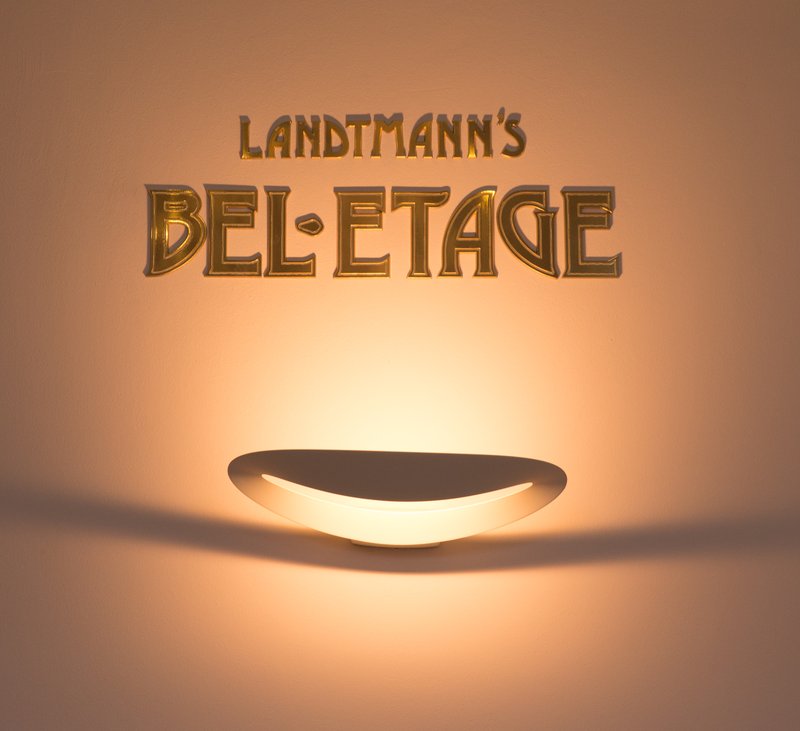
Vienna's most distinguished coffeehouse, open over 150 years beside the Burgtheater. Freud, Schnitzler, and Mahler were regulars. The grand Belle Époque parlors and impeccable silver service set the standard for the classic Viennese Kaffeehaus — order a Melange and stay as long as the newspapers last.
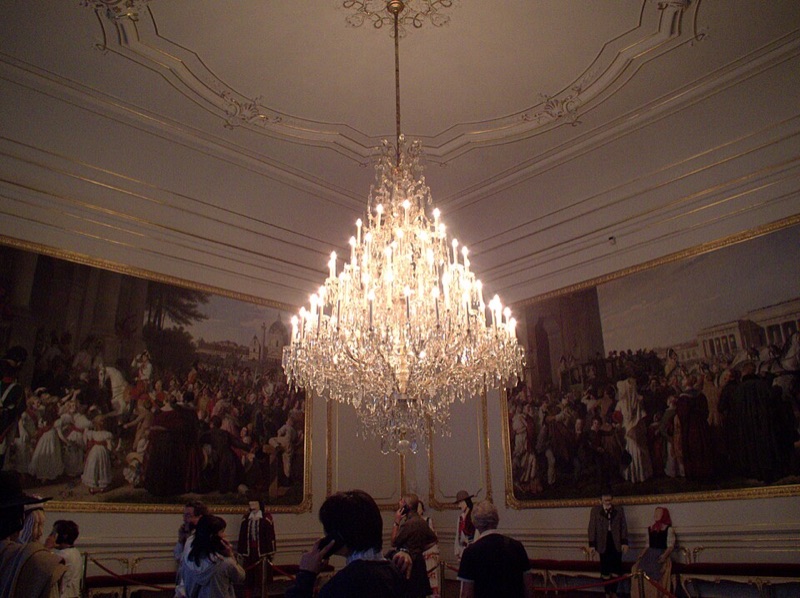
The Habsburg emperors lived and governed from these 19 imperial apartments for centuries. The Sisi Museum traces Empress Elisabeth's restless life through her personal belongings and traveling wardrobe; the Imperial Apartments show the working spaces of Franz Joseph I; and the Imperial Silver Collection dazzles.
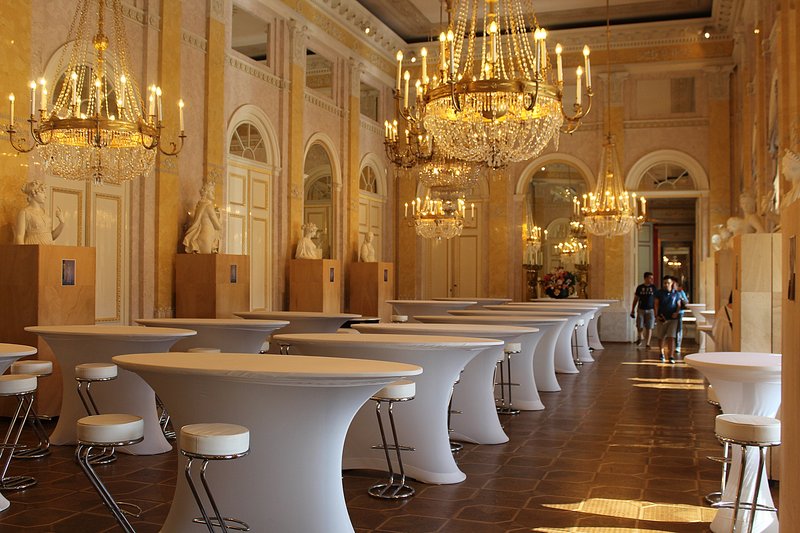
The Albertina holds one of the world's largest graphic art collections — 65,000 drawings and one million prints spanning Dürer, Michelangelo, Raphael, and Klimt. The permanent Monet-to-Picasso collection fills the restored State Rooms, tracing the Impressionist and modern movements from Monet through Picasso.
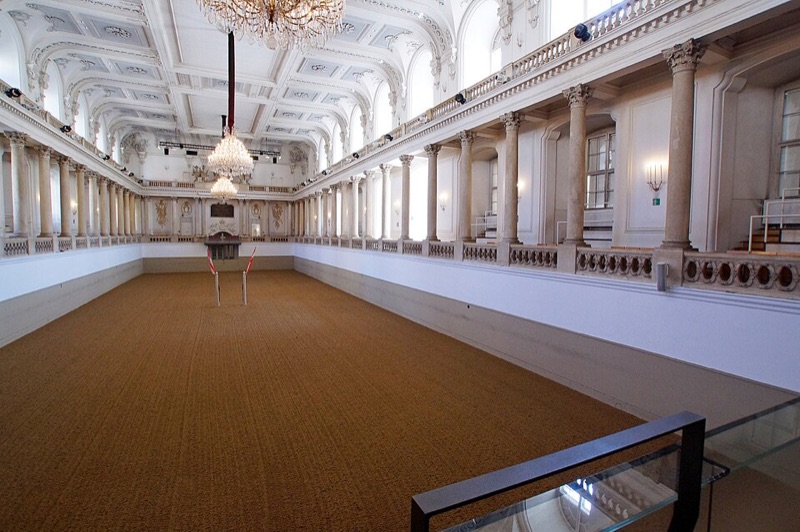
The only institution in the world still practicing classical horsemanship in the Baroque tradition. Lipizzan stallions perform movements unchanged for centuries inside the white-marble Winter Riding Hall — one of the most beautiful Baroque interiors in Europe. Museum visits give access to the stalls and the hall.
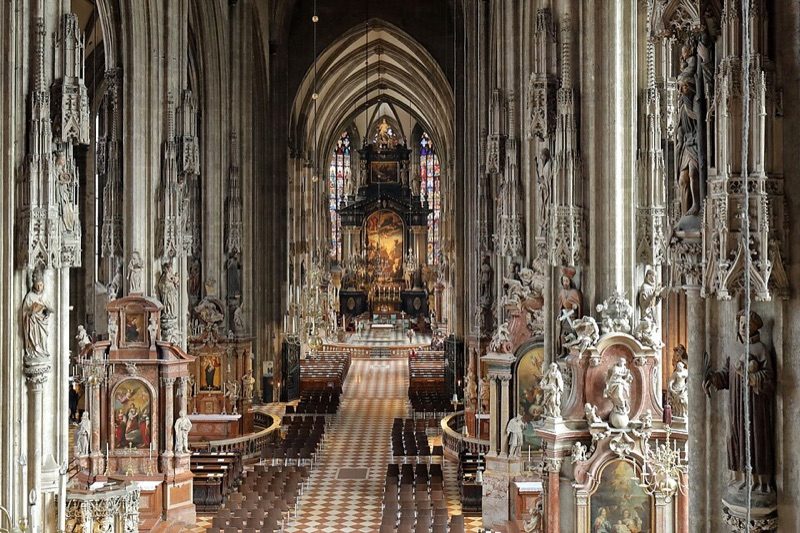
St. Stephen's Cathedral is the Gothic heart of Vienna, dominating the skyline with its 137-meter South Tower. Climb the tower for a panorama of the old city, descend to the catacombs for Habsburg burial crypts, and study the 230,000 individually placed glazed roof tiles from the cathedral square.
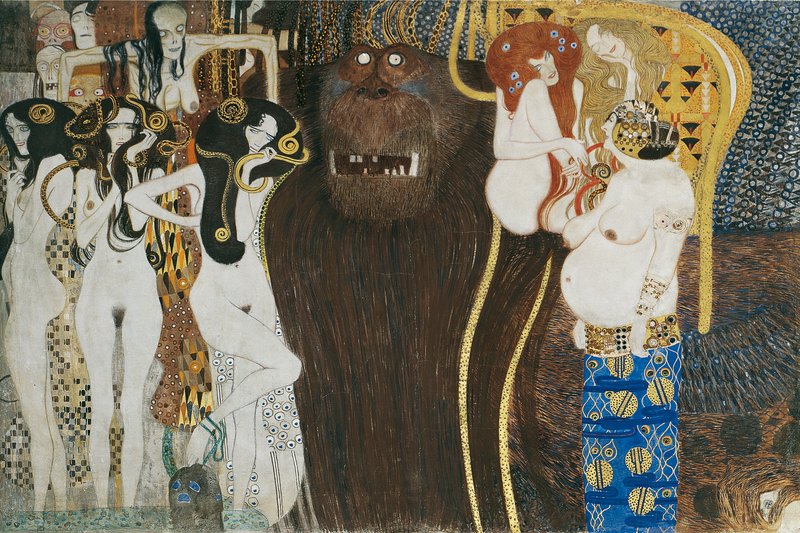
The Jugendstil pavilion built by the Vienna Secession — Klimt, Olbrich, Moser — as their own exhibition space, crowned by 3,000 gilded laurel leaves locals call the "golden cabbage." The basement holds Klimt's 34-meter Beethoven Frieze, created for the 1902 Beethoven Exhibition and never moved.
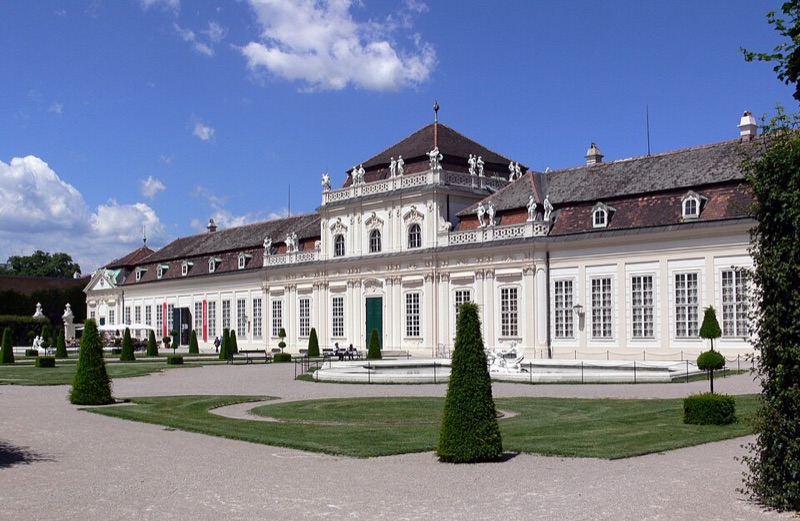
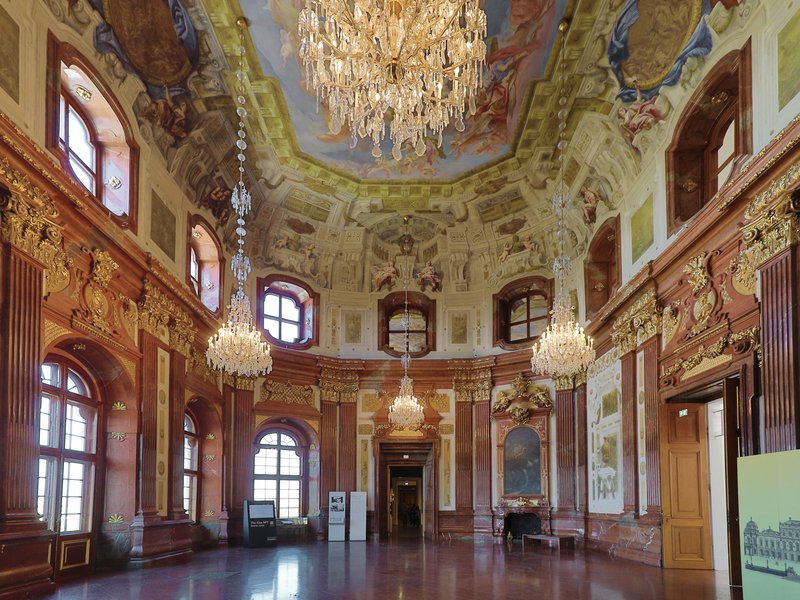
The companion palace on the lower terrace holds the Museum of Austrian Baroque Art and the extraordinary Marble Hall — one of the finest Baroque ceremonial rooms in Central Europe, with trompe l'oeil ceiling frescoes. The adjacent Orangery displays Austria's oldest surviving medieval altarpieces.
Prince Eugene of Savoy's Baroque summer palace houses Austria's finest art collection. Klimt's The Kiss hangs in its original gilded frame; Schiele's self-portraits and Kokoschka's expressionist canvases fill the adjacent rooms. The formal garden descends in Baroque symmetry toward the Lower Belvedere.
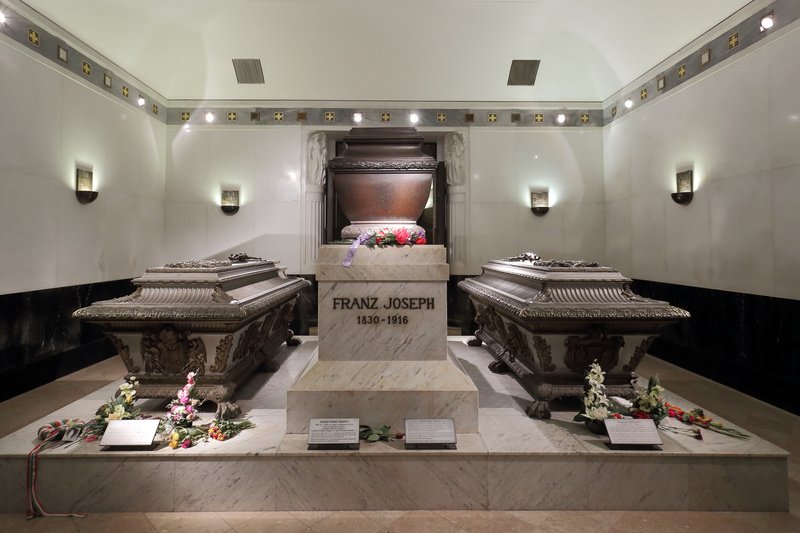
Beneath the Kapuzinerkirche on Neuer Markt lie 149 members of the Habsburg dynasty — 107 coffins spanning centuries, among them Empress Maria Theresa in her monumental double sarcophagus, Emperor Franz Joseph I. The double bronze coffin of Karl VI is a masterpiece of Baroque funerary art.
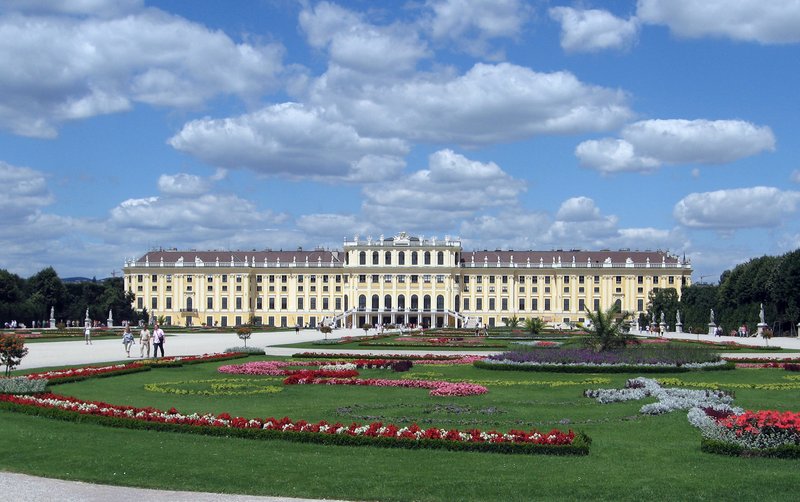
The Habsburgs' summer residence — 1,441 rooms, 40 open on the Grand Tour. Maria Theresa redesigned it in Rococo yellow; Mozart performed for the Empress in the Hall of Mirrors; the Great Gallery hosted the Congress of Vienna in 1814–15.
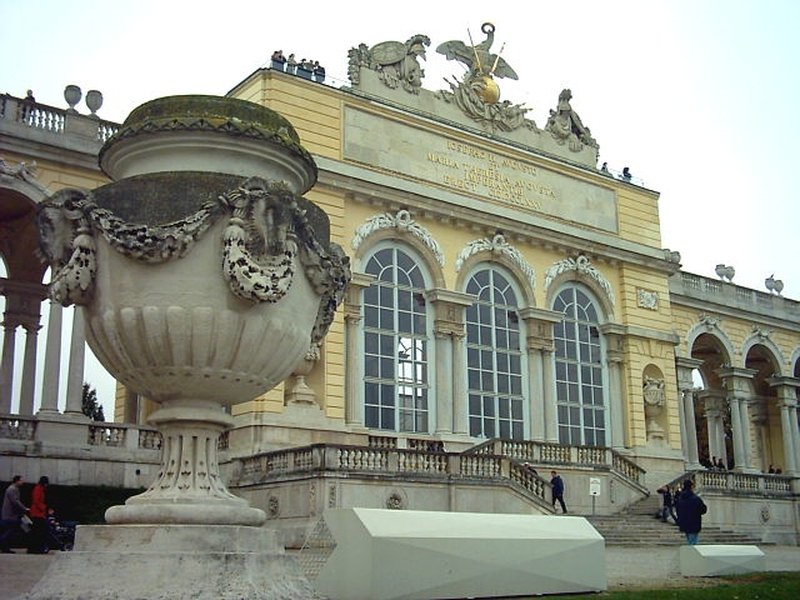
The neoclassical colonnade at the crown of the palace park hill was built to commemorate the Austrian victory at the Battle of Kolín. Climb the rooftop viewing terrace for a wide panorama over the entire palace facade, the French garden below, and Vienna's skyline — one of the finest elevated views in the city.
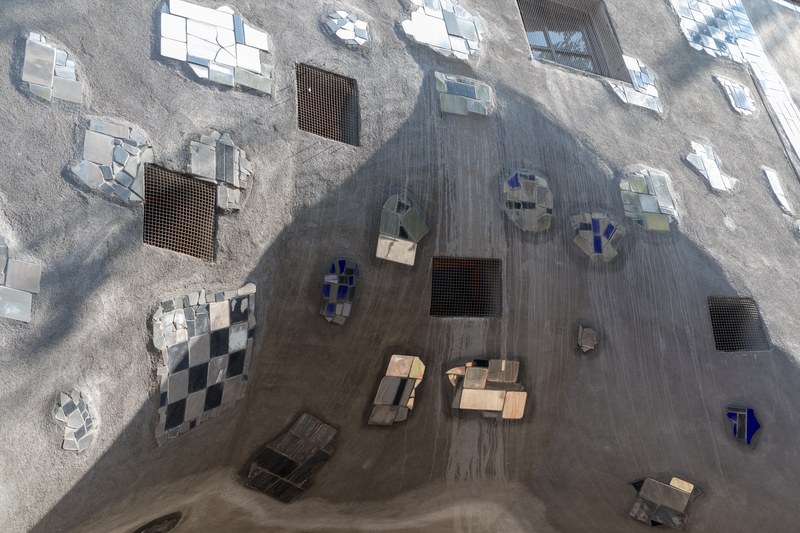
The Hundertwasser Museum in a converted factory transformed by the artist — ceramic columns, irregular floors, rooftop vegetation, gallery rooms that become sculpture. The permanent collection traces his painting from early figurative work through the spiral patterns and primary colors that became his signature.
Built in the 1980s, this social housing complex is Hundertwasser's manifesto against the straight line. Undulating ceramic floors, rooftop trees growing through windows, onion domes, and hundreds of color combinations cover a building where real residents live.
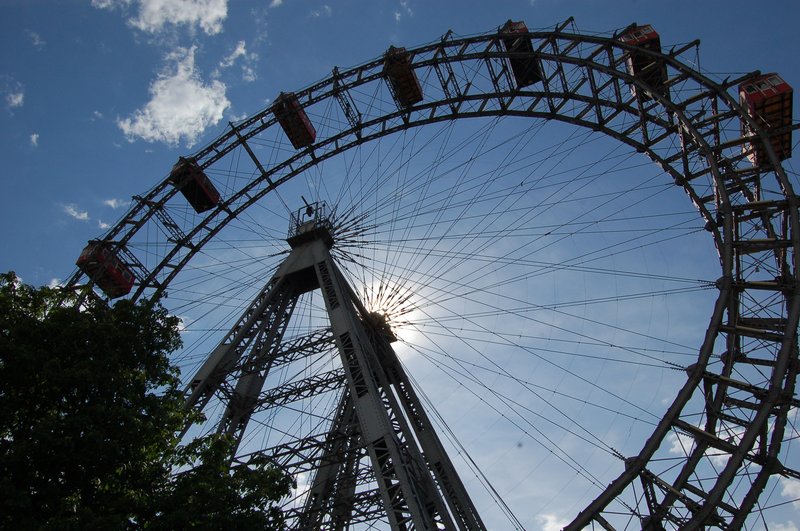
One of the world's oldest operating Ferris wheels and an enduring Viennese icon. Each of the 15 enclosed gondolas is a salon; the full rotation takes 20 minutes and rises 64 meters above the Prater, delivering a slow 360-degree panorama of both banks of the Danube and the full sweep of Vienna.
7:52am Wien Hbf → 8:57am Bratislava hlavná stanica
8:52am Wien Hbf → 9:57am Bratislava hlavná stanica
9:52am Wien Hbf → 10:57am Bratislava hlavná stanica
ARRIVE Bratislava hlavná stanica: 20 min · 8 min → Bratislava Castle
1.Bratislava Castle~1 hr 30 min
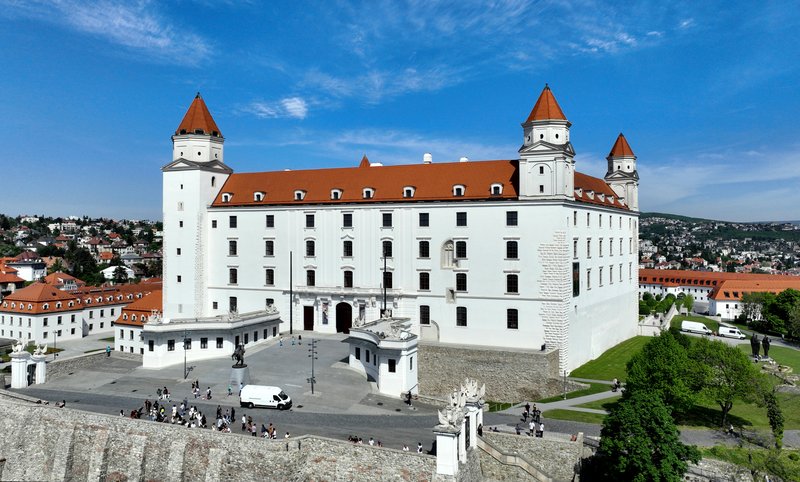
The four-tower castle above the Danube has controlled the river crossing for a millennium. Inside, the Slovak National Museum traces the region from prehistory through the Habsburg era. The terrace delivers a panorama over the Danube bend and the Slovak lowlands.
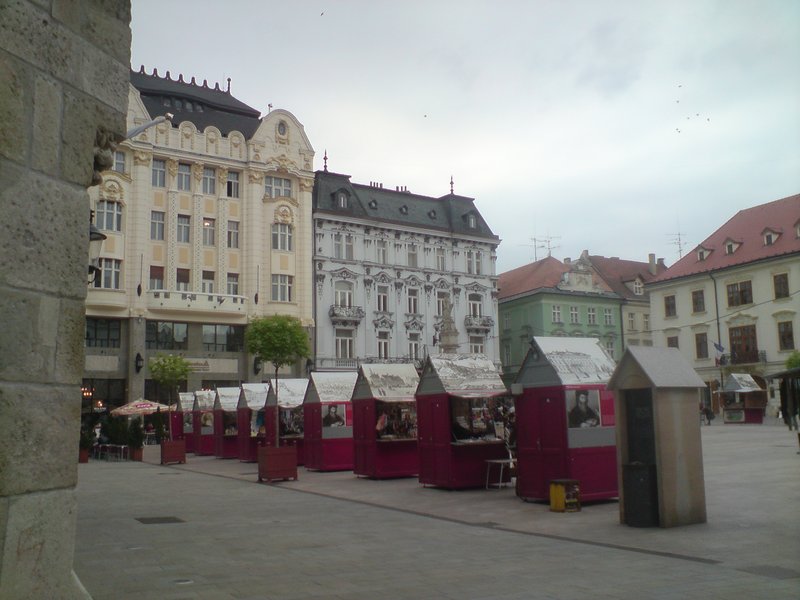
The compact medieval core is best explored on foot. Hlavné námestie — the main square — is ringed by Baroque palaces and the Old Town Hall with its distinctive tower. The pedestrian lanes lead to the Roland Fountain, the plague column, and St. Michael's Gate, the last surviving medieval tower in the city walls.
Vienna's landmark walk: the Ringstraße, Hofburg, Heldenplatz, and the hidden courtyards of the Innere Stadt in one guided sweep. Small group, unhurried pace.
The postcard Alpine village in the Salzkammergut — a UNESCO-listed lakeside hamlet tucked into the mountains, reached by a full-day small-group coach excursion from central Vienna.
Two hours through the Imperial city with a local guide — from the Kunsthistorisches Museum to the Hofburg to Stephansplatz. An ideal first-morning orientation.
The Vienna Mozart Orchestra performs in the world-famous Golden Hall — period costumes, original instruments, and two hours of Mozart, Strauss, and Haydn in the finest concert hall in Europe.
A single long day covers Mozart's Salzburg and the mirror-lake village of Hallstatt — two of the most photographed places in the Alps — by comfortable coach from central Vienna.
A two-hour concert in Kursalon Wien — the hall where Strauss himself performed his waltzes. Period-costumed soloists and dancers perform alongside live orchestra in the grand concert pavilion.
Two-hour city-center walk taking in Hofburg, Heldenplatz, the Spanish Riding School, Albertina, and the State Opera — ending at St. Stephen's Cathedral with a local certified guide.
The defining Viennese chocolate torte: layers of apricot jam between chocolate sponge, sealed in dark chocolate glaze, served with unsweetened whipped cream. Both Hotel Sacher and Café Demel claim the original recipe.
A thin veal cutlet pounded flat, breaded, and pan-fried to a golden, lacy crisp. Must be veal to be authentic; pork is Schnitzel Wiener Art. The version at Figlmüller hangs over the edge of the plate.
Flaky hand-stretched pastry wound around spiced apples, pine nuts, and raisins; served warm with vanilla sauce or whipped cream. The dough must be thin enough to read a newspaper through.
A fluffy pancake torn into pieces in the pan and caramelized, dusted with icing sugar, served with stewed plums. Named for Emperor Franz Joseph, who famously ordered it regularly.
Vienna's signature coffee: espresso with equal parts steamed milk and light milk froth, served in a glass cup with a saucer of sugar. The Melange is not a cappuccino; the ritual is to sit, linger, and read for as long as the coffee lasts.
Foreign number: accepted — it uses the same Uber account you may already have.
Uber Eats covers central Vienna and the main residential districts with broad restaurant selection; the app uses the same account and number as the Uber ride app, making it the most convenient delivery option for visitors already using Uber.
Foreign number: not required. — sign-up runs on Google, Apple, Facebook or email with no phone field at all, so no verification code is sent.
Wolt has strong coverage across Vienna's inner districts and offers a wide selection of local restaurants and fast food chains; the account is created with an email address and a foreign mobile number can be added later as the delivery contact.
Austria's national theatre; the largest German-language stage on the Ringstraße. Productions range from classic Austrian drama to international premieres.
Foreign number: accepted — an existing Uber account works without modification.
Uber operates across Vienna and is the most widely used ride-hailing app in the city; an existing international Uber account works without modification and rides can be paid through the app.
Foreign number: accepted — account registration works with a foreign number and email address.
Bolt is a competitive alternative to Uber in Vienna, often with shorter wait times in the inner districts; account registration accepts a foreign mobile number and the app provides upfront pricing before booking.
A Biedermeier spa town where Beethoven and Schubert both summered — thermal baths still flowing, a pedestrian old town, a rose garden in the Kurpark and a casino in the colonnaded Kurhaus. Direct S-Bahn S1 runs every 15 minutes.
The gateway to the Wachau UNESCO valley — a handsome medieval old town at the bend of the Danube, surrounded by terraced vineyards, the Göttweig abbey on the hill opposite, and the Kunsthalle Krems contemporary art museum in a converted tobacco factory.
The twin capitals of Pest and Buda face each other across the Danube — Parliament, Buda Castle, thermal baths, and one of the world's great ruin-bar scenes. Bring valid ID or passport; this is a different country.
Mozart's birthplace and Austria's Baroque festival city — the old town is UNESCO-listed, Hohensalzburg Fortress rises above the Salzach, and the surrounding hills provided the backdrop for The Sound of Music. Compact enough to walk in a day.
Austria's second-largest city and most livable — a Renaissance old town, UNESCO-listed, the Kunsthaus Graz floating above the Mur, and the Schlossberg clock tower overlooking it all. A city still at ease with itself, without the crowds.
Vienna makes no apologies for grandeur. Every palace, boulevard, and coffeehouse was built to house an empire — the Habsburg realm that at its peak governed 50 million people across thirteen countries. That empire collapsed in the early twentieth century. The city stayed. What's strange and wonderful about Vienna today is how naturally it wears this inheritance. The Spanish Riding School has been doing the same thing for centuries. Café Landtmann has served Melange to intellectuals for over 150 years. The Vienna Philharmonic plays New Year's Day in the same hall, to the same program, broadcast to 90 countries. Other cities reinvent themselves. Vienna decided its past was perfectly fine.
The connection between Schönbrunn Palace and Mozart is easy to romanticize — Mozart performed for Empress Maria Theresa as a child, and reportedly proposed to her daughter Marie Antoinette. He was seven. The more interesting thread is how Vienna became a gravity well for European music precisely because the Habsburgs funded it. Haydn, Mozart, Beethoven, Schubert, Brahms, Mahler, and Schönberg all lived and worked within a few kilometers of each other, across successive generations. No other city in history produced that density of musical genius in one place. Whether that was the Habsburgs, or the coffeehouses, or something in the water remains the city's most pleasurable open question.