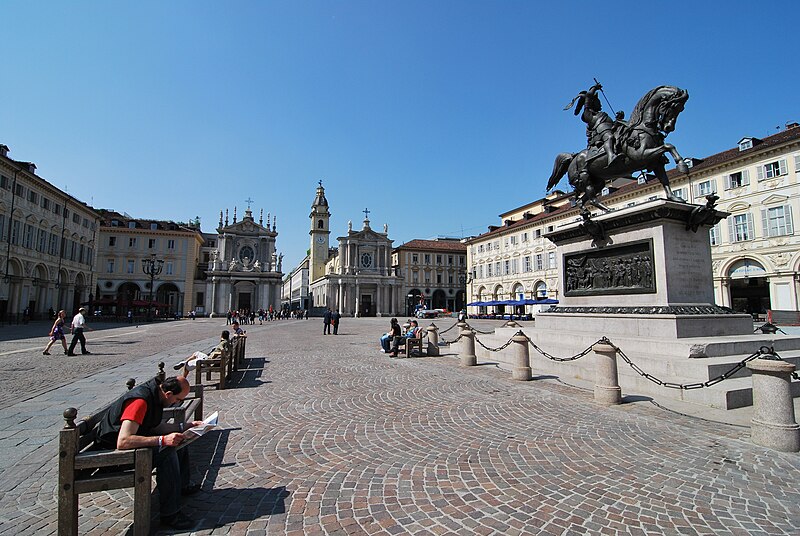
Turin's finest baroque square — 4 arcaded sides, 2 church façades at one end, & the bronze rider at the hub. All 4 sides line with cafés open all day; they fill up at dusk for the aperitivo hour & stay busy late into the night.
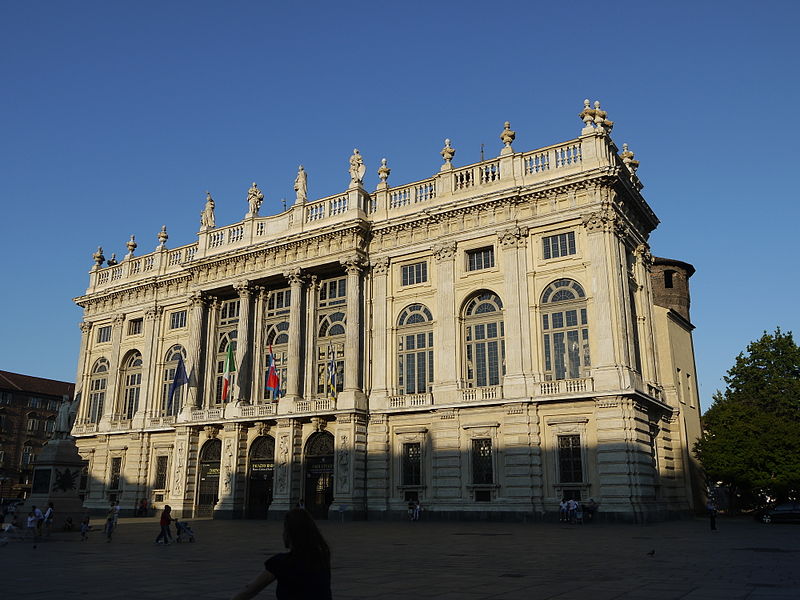
The royal heart of Turin, ringed by Palazzo Madama, Palazzo Reale, & the San Lorenzo church. The square sits on the 2 km by 1 km Roman grid — the best preserved in all of Italy — & it is free to walk & to see, with the arcades of Via Po & Via Roma running off it.
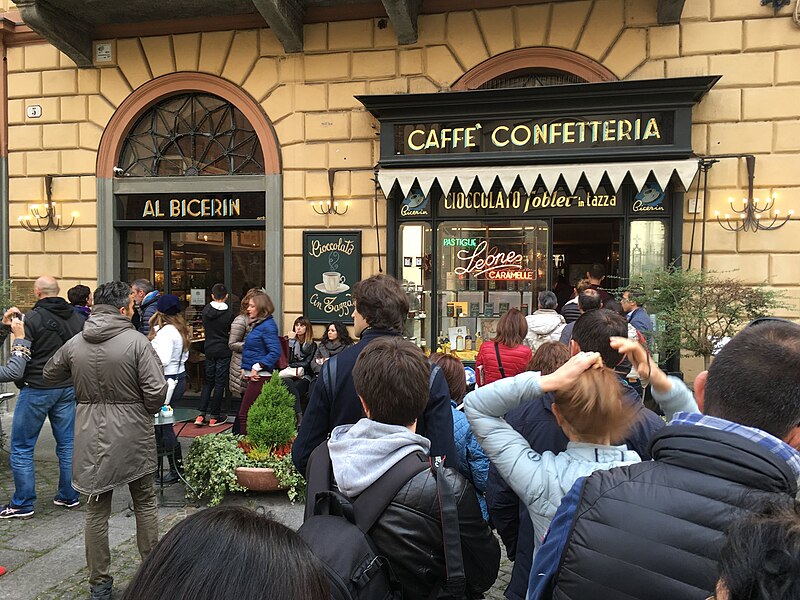
Turin's great café, open at the Consolata since 1763 AD. The bicerin: 3 layers — coffee, hot choc, & cream; take each in turn from base to top & do not stir it. Tolstoy & Nietzsche & Dumas all sat & drank here; the room is from 1867.
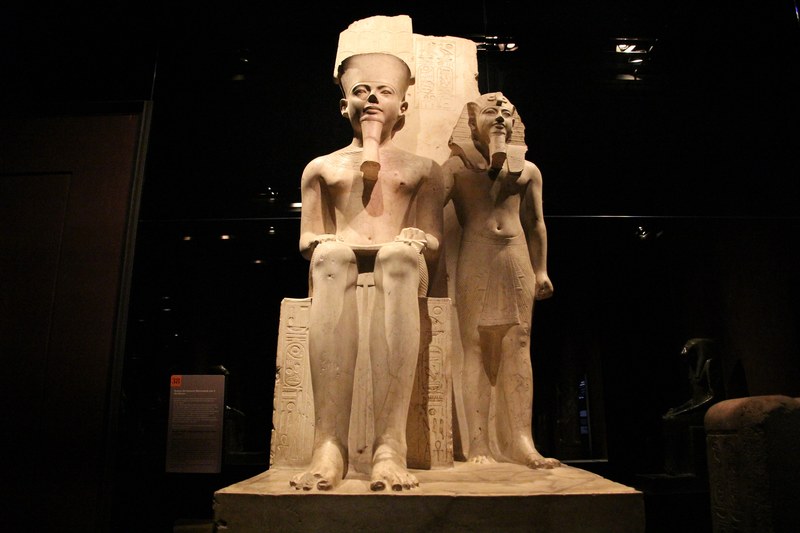
Best Egyptian museum outside Cairo — 40 000 items in the 1824 Academy of Sciences. Hall of Kings: 16 royal statues all in a row. The Turin Papyrus is the oldest geographical document on earth · 1 160 BC; the intact tomb of Kha is the only one of its kind ever found.
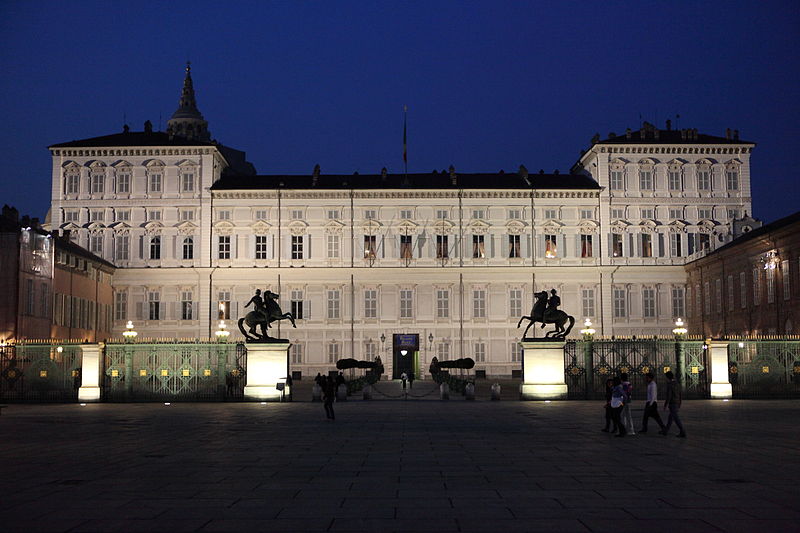
The Savoy royal home from 1660 to 1865 — seat of Italian unity, now the Musei Reali complex. State rooms: a throne hall & a 4 000-piece arms room. The Royal Library holds a Leonardo da Vinci drawing. The Holy Shroud Chapel reopened after a long restoration.
6 min · 3 min → Palazzo Carignano & Risorgimento Museum
3.Palazzo Carignano & Risorgimento Museum~1 hr 30 min
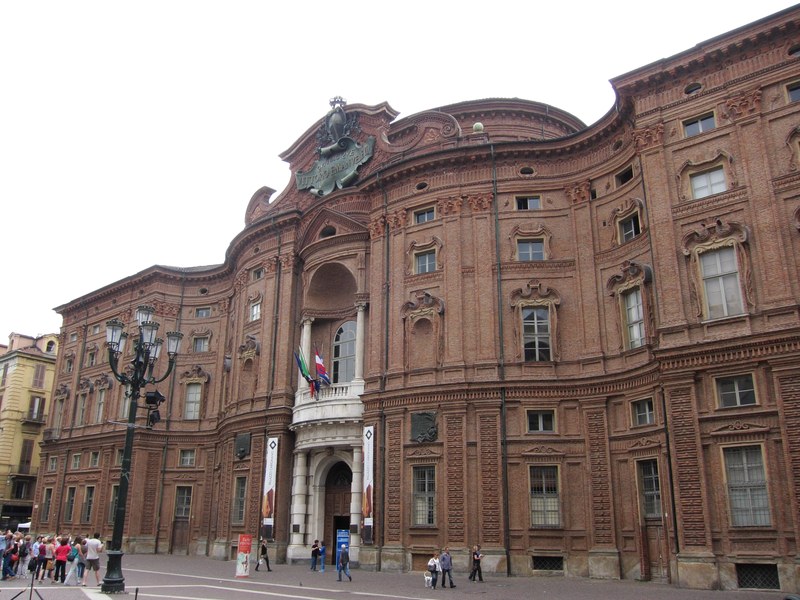
Guarini built this palace in 1679; Vittorio Emanuele II was born in it & Italy's first parliament met in it in 1848. The brick front is all convex & concave — a key Guarini trick. The hall is where Italy voted to be one & free.
From Hotel: 15 min → Superga Basilica & Royal Tombs
1.Superga Basilica & Royal Tombs~2 hr
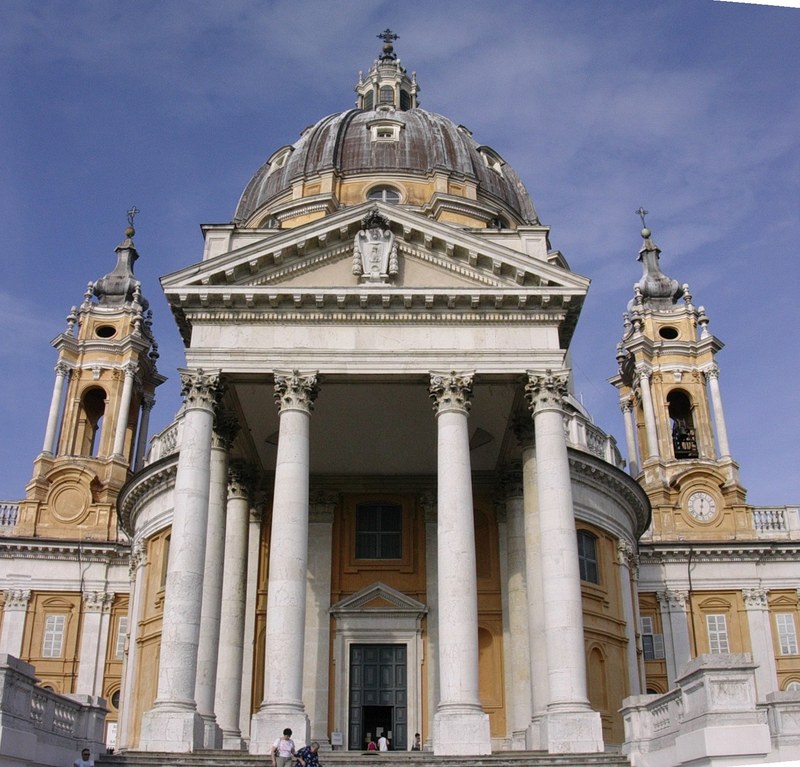
Juvara's 1731 church at 672 m on a hill — the best view in Piedmont, from the Alps to Gran Paradiso. The crypt holds 54 royal Savoy tombs. Take the rack railway up from Stazione Sassi in 18 min; a marker on the apse recalls the 1949 air crash.
8 min → Piazza Vittorio Veneto & Gran Madre di Dio
2.Piazza Vittorio Veneto & Gran Madre di Dio~1 hr 30 min
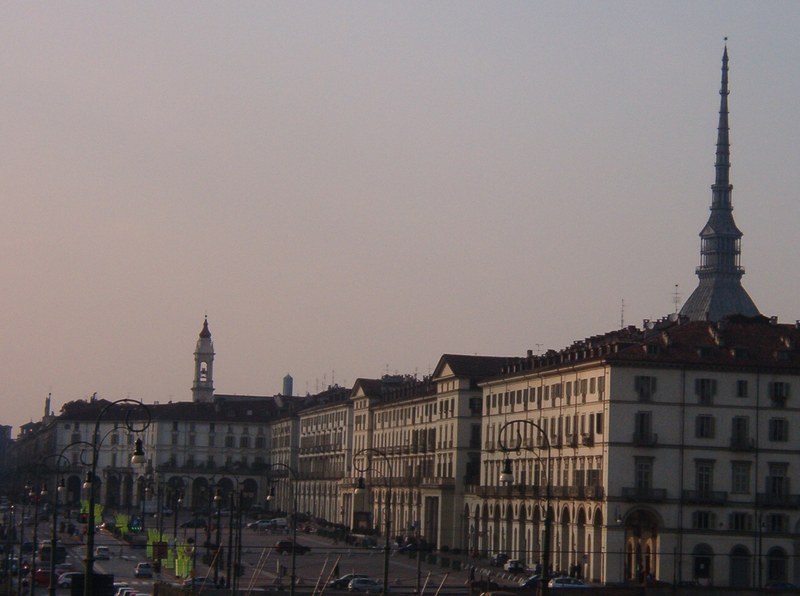
Italy's largest piazza — a great arcaded square that slopes to the Po, lined with aperitivo bars open all day. Cross the bridge to the Gran Madre di Dio · 1831. A stair climbs to the Monte dei Cappuccini — 15 min — for the best city view.
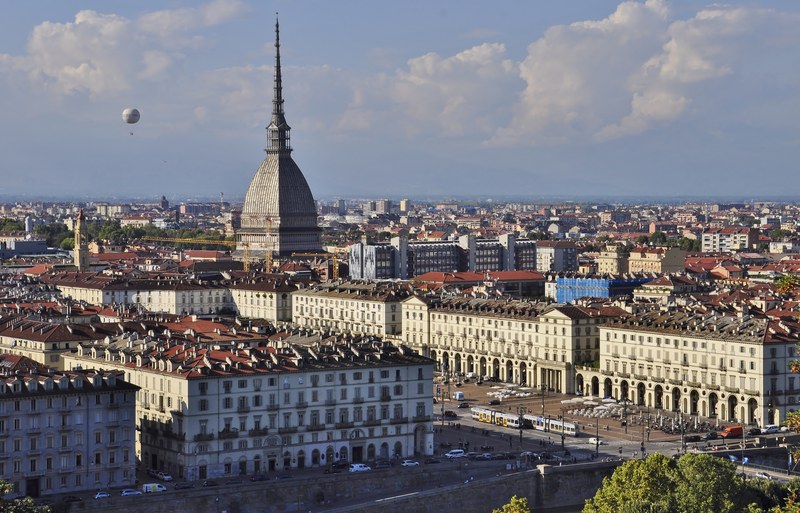
Turin's 167 metre tower — Antonelli began it as a synagogue in 1863; it now holds the Museo Nazionale del Cinema. Climb 5 floors on a ramp from old magic lanterns to film. The glass lift to the top gives the best Alps view in the city.
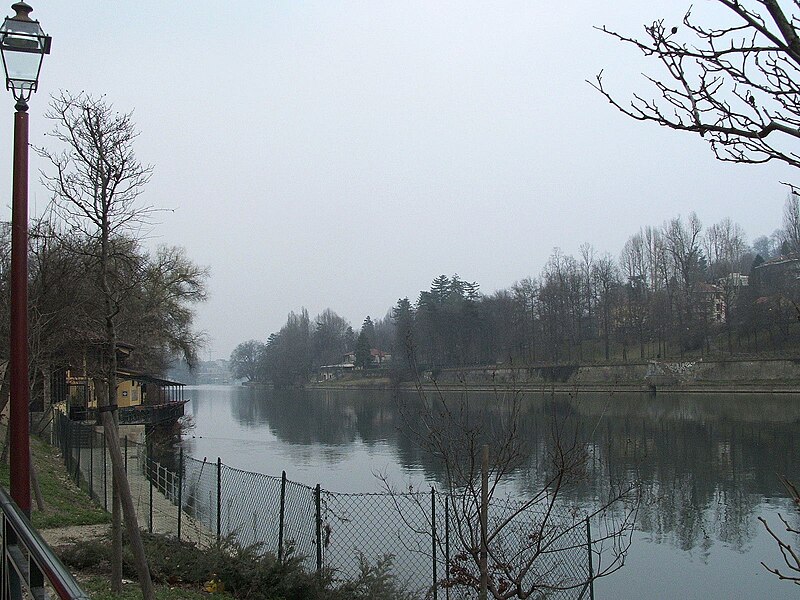
Turin's great green park by the Po — 550 000 sq m, laid out in English romantic style by Kurten in the 1850s & free to enter. Chestnut allées, a long stone bank, rowing clubs, & the old Castello del Valentino on its north end.
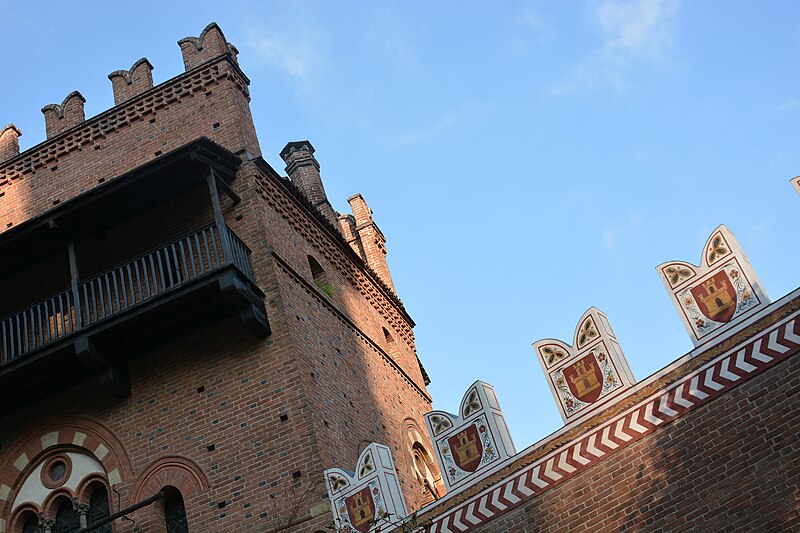
A rebuild of a Piedmontese medieval village of 1884, made for the Italian Expo by D'Andrade & based on 32 real old buildings, every arch a true copy of a real one. Entry to the borgo is free; the Rocca castle inside has a small fee.
The old 1923 Fiat plant by Mattè Trucco — the car line ran up to a rooftop test track, now a hotel. Piano's art hall holds 25 works incl the finest Canalettos in Italy, plus Tiepolo, Picasso & Matisse. Walk up to see the banked oval on the roof.
ARRIVE Milano Centrale: 25 min · 8 min → Milan Duomo
1.Milan Duomo & Rooftop~2 hr 30 min
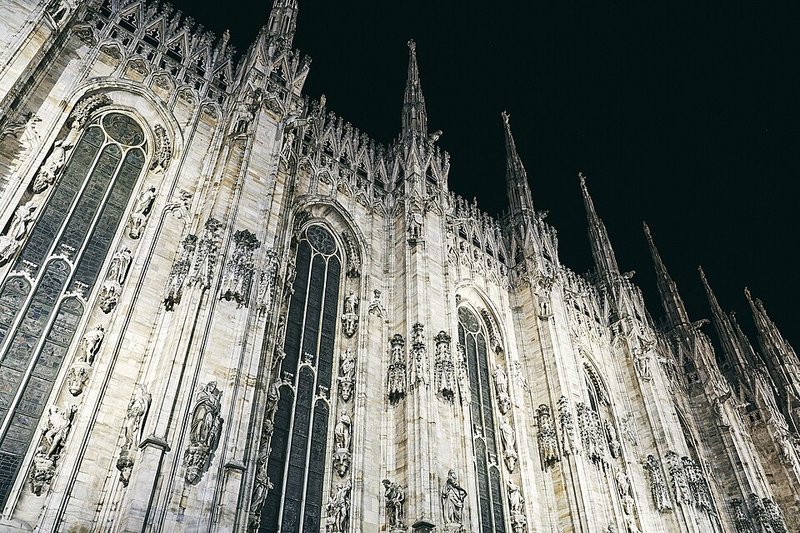
Italy's largest church and the high mark of Italian Gothic — 135 marble spires, the gilded Madonnina at the apex, and 600 years of building · 1386–1965. The rooftop walkway threads among the pinnacles for the closest view of the spire-tops and central Milan.
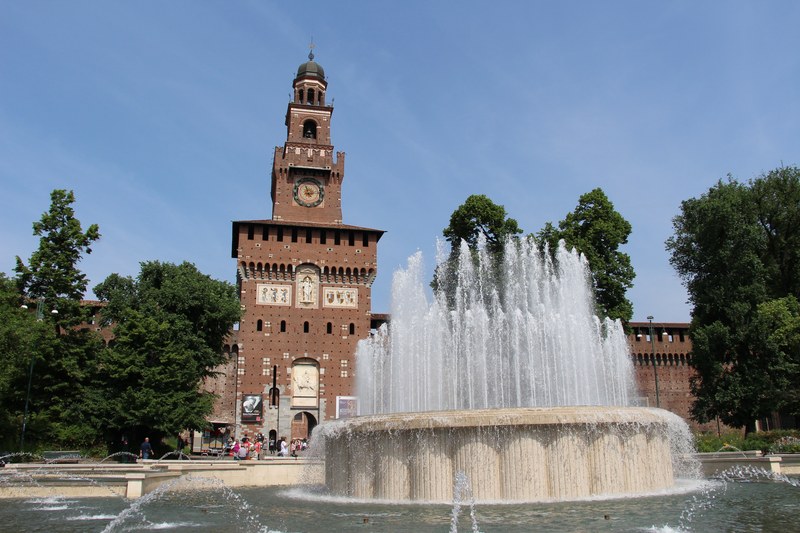
The 15th-century Visconti–Sforza fortress at the head of Parco Sempione — Bramante and Leonardo both worked on it. Inside the courtyards: Michelangelo's last sculpture · the Rondanini Pietà, Leonardo's Sala delle Asse ceiling, and twelve museum collections under one combined ticket.
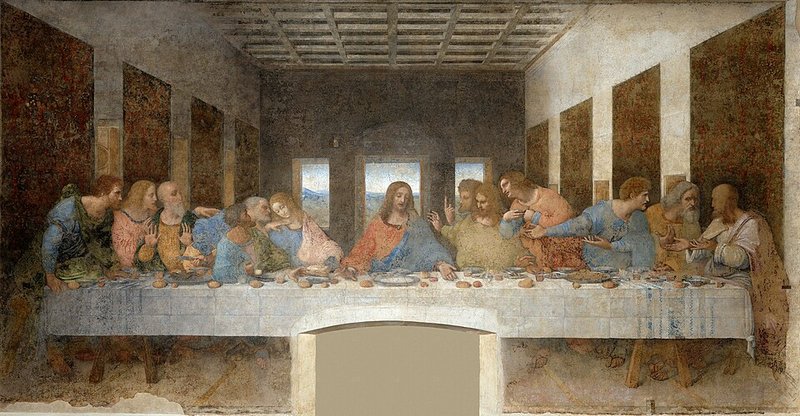
Leonardo's 1495–1498 mural in the refectory of Santa Maria delle Grazie — 4.5 m tall, painted in oil-and-tempera on a dry wall · the experimental technique that doomed its surface from the start. UNESCO World Heritage.
Two-hour small-group walk through Turin's two souls — Piazza CLN's Twin Fountains, baroque Piazza San Carlo, the glass Galleria San Federico, UNESCO Piazza Carignano, Piazza Castello's royal palaces, ending at the Mole Antonelliana.
Skip-the-line small-group tour of the Museo Egizio. Meet at Piazza Carignano, then explore the Tomb of Kha, the Drovetti papyri, sarcophagi and the rock-hewn Ellesija Temple with a licensed guide.
Priority-entry guided tour of the Savoy Royal Palace — the royal apartments, ballroom, throne hall and gallery, the Chapel of the Holy Shroud, and the palace gardens.
Two-hour guided tour of the National Cinema Museum inside the Mole Antonelliana, retracing cinema from its origins, then the panoramic lift to the Mole's terrace for the Alps view.
Two-hour small-group tour of the Museo Egizio — the world's second-largest Egyptian collection. A licensed guide leads up to 15 travelers through mummies, pharaohs' jewelry, the Tomb of Kha, and the rock-hewn Ellesija Temple. Entrance ticket included.
Three-hour walk through Turin's medieval heart, baroque palaces and porticoes, from Piazza Castello past Palazzo Madama and the Royal Palace to the Cathedral that houses the Holy Shroud.
Ride the panoramic elevator to the top of the Mole Antonelliana for views of the city and the Alps, then a guided visit through the National Cinema Museum's collections.
Evening walk through the lamplit historic centre — the Savoy squares, the Via Po arcades and Piazza Castello after dark, with the city's history and legends.
Turin's lesser-known identity as a city of alchemy, esotericism, and occult history — the Piazza Statuto, the black and white magic triangles, the Masonic symbols hidden in plain sight on noble palaces and baroque squares.
Skip-the-line guided tour of the Museo Egizio — real mummies, sarcophagi, the Tomb of Kha and the Drovetti papyri, with an expert guide tracing ancient Egyptian culture.
Three-hour guided experience of the Royal Palace — Mirror Room, ballroom, Royal Armoury and the Royal Library's Leonardo self-portrait — followed by a city walk past San Lorenzo, Piazza San Carlo and the Galleria Subalpina.
Descend fifty feet into underground Turin — 18th-century tunnels, royal ice depots and a WWII air-raid shelter — on a guided tour of the "city downstairs".
Two-hour walk through Turin's historic heart with a licensed local guide — the major and lesser-known monuments, the Royal Palace, Via Roma, ancient shops, and the city's chocolate and café history.
Turin's layered signature drink: equal parts espresso, thick drinking chocolate, and whole fresh cream in a small glass tumbler. Do not stir — drink in layers. Invented at Caffè Al Bicerin in 1763 and unchanged since.
Small hand-pinched pasta pockets filled with braised meat · veal, pork, and rabbit. "Plin" means pinch in Piedmontese dialect. The dough should be almost translucent; the filling dense and savoury.
Cold sliced veal draped in a creamy sauce of tuna, capers, and mayonnaise. Served at room temperature as a first course. The tuna is the sauce; the dish is about the veal — order it at any serious Piedmontese restaurant.
Turin's signature chocolate: a small curved ingot of dark chocolate blended with local Tonda Gentile hazelnut paste. Invented in 1865 and still individually wrapped in gold foil at artisan chocolatiers.
Turin is the birthplace of vermouth: invented by Antonio Benedetto Carpano here in 1786. Order it straight over ice with an orange peel as an aperitivo. Carpano Antica Formula and Punt e Mes are the local benchmarks.
A warm communal dip of olive oil, butter, anchovies, and garlic — a peasant dish from the autumn harvest, served October through March. Dip raw cardoons, peppers, and bread in the shared pot at the table.
Foreign number: not required. — it signs in with Google, Facebook or email, and a phone sign-up takes any prefix with the code by SMS or WhatsApp.
The dominant delivery platform in Turin, covering central neighbourhoods from Crocetta to San Salvario and the historic core. Selection is broad — local trattorie, pizzerias, and sushi alongside supermarket delivery from Carrefour and Esselunga.
Foreign number: not required. — the account is made with Google, Facebook or an email address — there is no phone field, so no code has to arrive.
Just Eat operates across Turin as a secondary platform to Glovo, with good coverage of pizza and local Italian restaurants; registration is email-based and a foreign payment card is accepted without issue.
Turin's principal opera house on Piazza Castello — one of Italy's most important lyric theatres. Season: October–June with opera, ballet, and symphony.
Foreign number: accepted — an existing Uber account works without modification.
Uber operates in Turin through licensed NCC black-car drivers, making it pricier than in markets with standard UberX. The app functions exactly as elsewhere and the selection covers the city centre and main destinations; useful when a metered taxi is not immediately available.
The Piedmontese wine capital in the heart of Moscato and Barbera country — a medieval tower-studded skyline, the Palio d'Asti horse race held every September, and a cathedral considered the finest Gothic church in Piedmont.
A Piedmontese market city known for the Borsalino hat museum, a grand neoclassical cathedral, and a star-shaped 18th-century fortress — one of the largest Baroque defensive works in Europe still standing intact.
A handsome Piedmontese town at the foot of the Maritime Alps — broad arcaded streets, a weekly Tuesday market renowned across the region, and the gateway to the Mondovì valleys with views of the alpine peaks.
Italy's largest historic port — Via Garibaldi's UNESCO-listed Palazzi dei Rolli · 16th-century mansions of the Genoese banking elite, the medieval Caruggi lanes descending to the Old Port, and the cathedral of San Lorenzo with its striped Romanesque–Gothic façade.
Italy's smallest regional capital at the foot of Mont Blanc — a Roman triumphal arch, a perfectly preserved amphitheatre, medieval towers, and a cathedral with an exceptional treasure museum, all encircled by the Alps at 583 m altitude.
A Team Wiped Out on the Hill, a Synagogue That Became a Cinema
The marker on Superga's apse commemorates one of the worst disasters in football history. On 4 May 1949, the plane carrying Torino FC home from a friendly match in Lisbon flew into thick fog and struck the basilica's retaining wall, killing all 31 people aboard — the entire starting lineup of Grande Torino, widely considered the strongest club side Italy had ever produced, on the brink of a fifth straight league title. Rival teams insisted Torino be awarded the championship anyway, and half a million people lined the streets of the city for the funeral.
The Mole Antonelliana was never supposed to be a symbol of cinema — it was commissioned in 1863 by Turin's Jewish community as a synagogue, funded to celebrate their newly won civil rights. The architect kept revising the design upward, pushing the height far past the original plan and the budget along with it. By 1876 the congregation had already spent nearly 700,000 lire on an unfinished shell and gave up on the project entirely, handing it to the city. It was completed as a secular monument in 1889 — the tallest structure in Turin, having started life as a house of worship that never held a single service.