LISBON
Lisbon Marriott Hotel
Portugal
From Hotel: 🚕 13 min → Igreja de São Roque
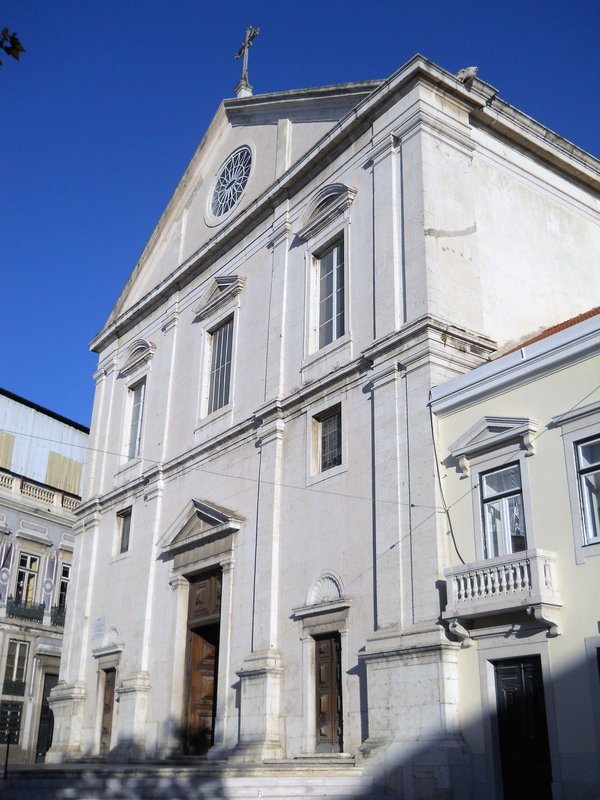
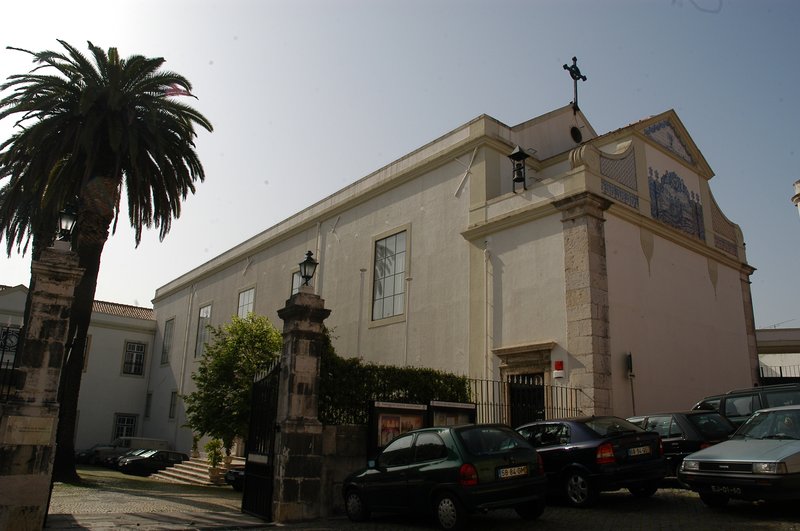
Plain Mannerist façade hiding eight ornate side chapels. The standout is the Chapel of São João Baptista: commissioned by King João V, built in Rome from lapis lazuli, agate, porphyry, and ivory, consecrated by the Pope, then dismantled and shipped to Lisbon in 1747.
🏛️ Tuesday - Sunday 10:00am - 6:00pm
🚫 Closed Monday
⏰ ~45 min
Free
🚶 2 min · 🚕 2 min → Bairro Alto
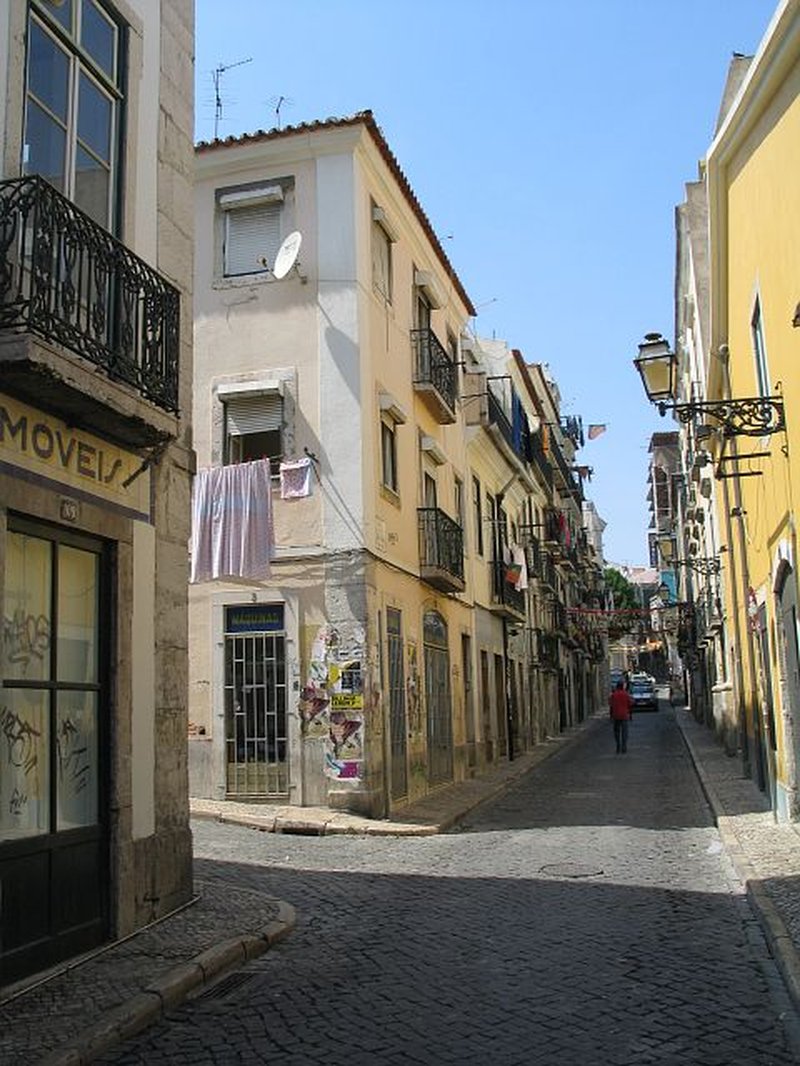
Lisbon's bohemian hillside neighbourhood — a 16th-century grid of narrow streets lined with vintage shops, tascas, and fado houses. Unhurried by day with boutique browsing and neighbourhood lunch spots. One of Lisbon's oldest residential quarters and the birthplace of fado culture.
🚶 6 min · 🚕 2 min → Príncipe Real
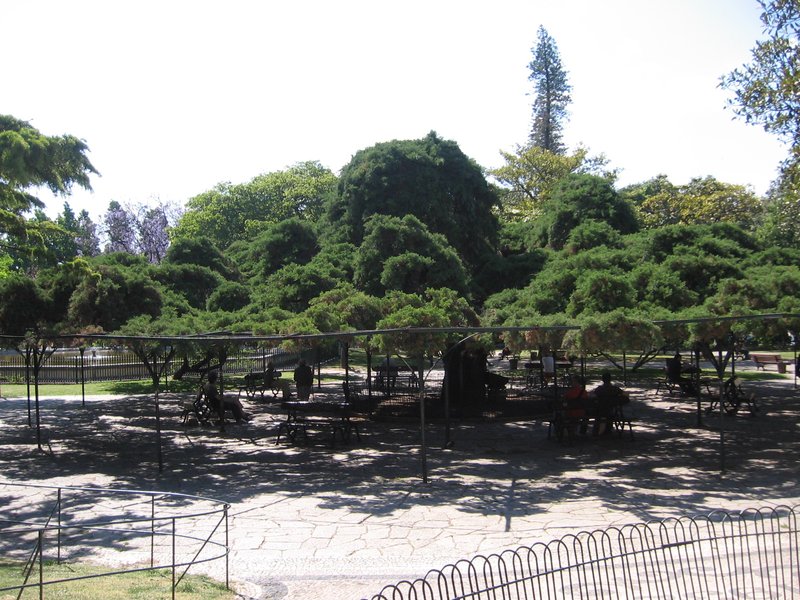
Lisbon's most sophisticated neighbourhood — concept-store boutiques and shaded terraces around the Jardim do Príncipe Real. The leafy garden square hosts a weekend fair; the Natural History Museum is a short walk away.
🚶 11 min · 🚕 3 min → Chiado
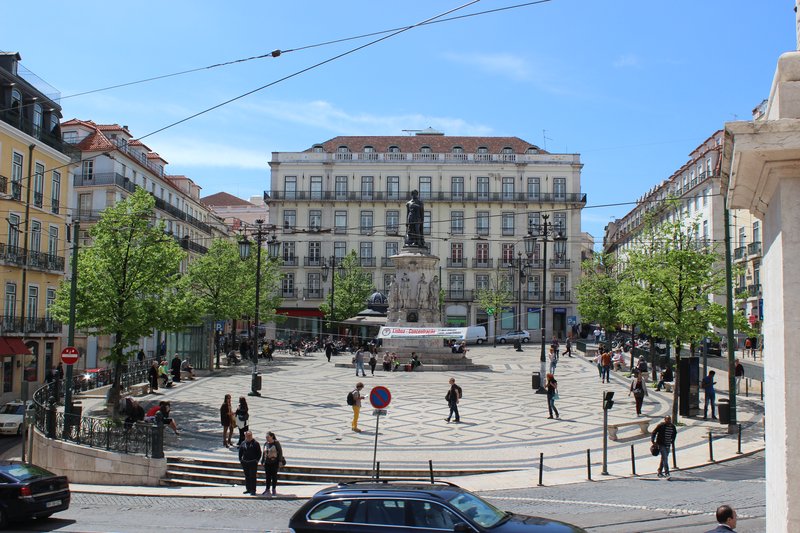
Lisbon's literary and cafe district. Rua Garrett climbs from Baixa to Largo de Camões, lined with the Bertrand bookshop · 1732, the world's oldest operating bookshop, Café A Brasileira where Fernando Pessoa drank his bicas, and elegant 18th-century facades rebuilt after the 1988 fire.
🚶 2 min · 🚕 2 min → Convento do Carmo
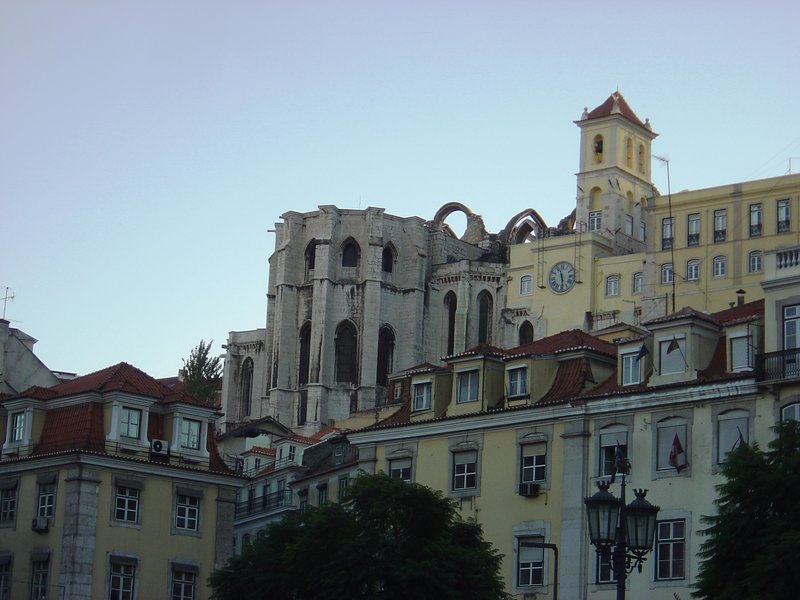
Gothic monastery · 1389 devastated by the 1755 earthquake — the nave roof collapsed, leaving a roofless skeleton open to the sky. Skeletal arches shelter the Museu Arqueológico do Carmo: mummies, pre-Columbian artefacts, and Roman stones.
🏛️ Monday - Saturday 10:00am - 6:00pm
🚫 Closed Sunday
⏰ ~1 hr
🚕 15 min → hotel
From Hotel: 🚕 22 min → Padrão dos Descobrimentos
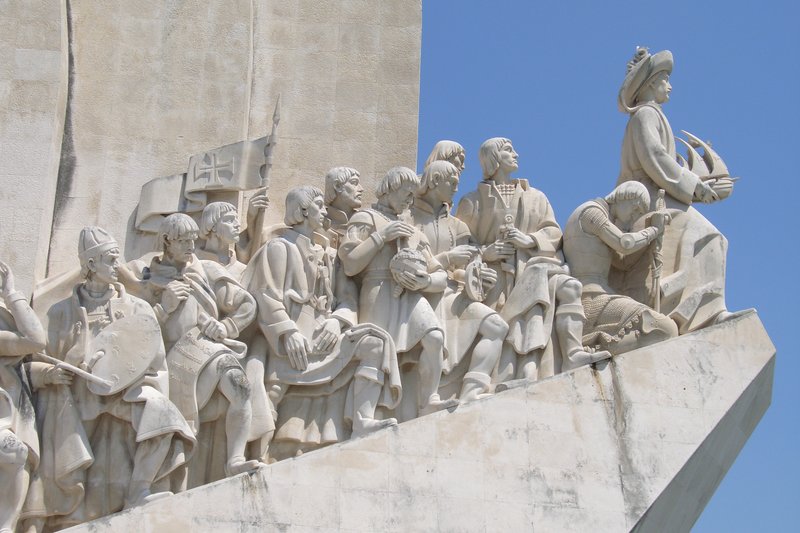
A 52-metre monument built in 1960 for the 500th anniversary of Henry the Navigator's death. Carries stone effigies of 33 explorers and poets, Henry at the bow. Terrace at top has views across Belém.
🏛️ Daily 10:00am - 7:00pm
⏰ ~45 min
🚶 6 min · 🚕 2 min → Mosteiro dos Jerónimos
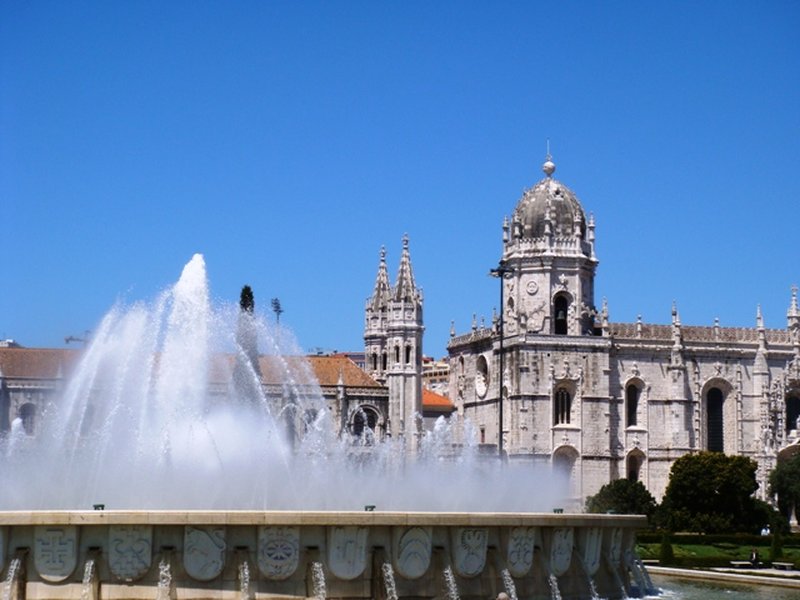
Finest Manueline monument — built early 1500s near Vasco da Gama's India launch point. Ornate cloisters and vaulted church intact; church holds tombs of Vasco da Gama and Camões. Pastéis de Belém bakery · since 1837 is next door.
🏛️ Tuesday - Sunday 10:00am - 5:30pm
🚫 Closed Monday
⏰ ~1.5 hr
🚶 14 min · 🚕 3 min → Torre de Belém
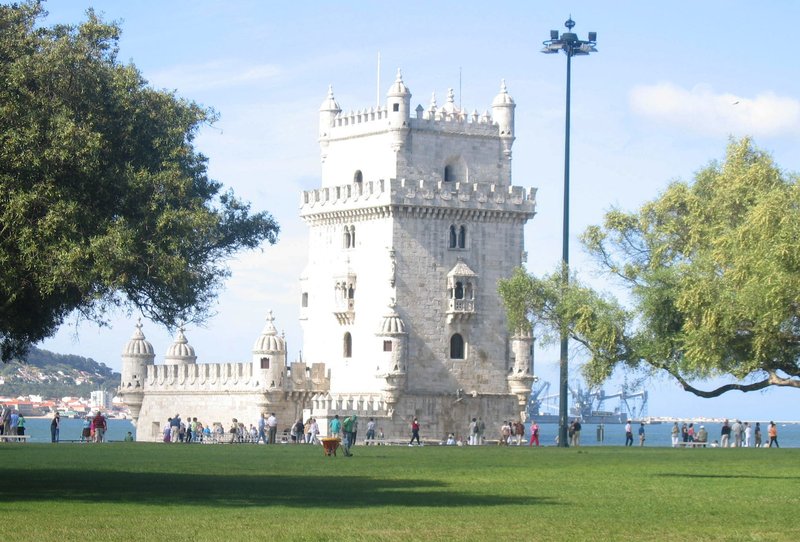
Manueline fortification at the Tagus mouth, built 1515–1521 as the ceremonial gateway for the Voyages of Discovery. Limestone façade with rope motifs and armillary spheres — Portugal's most intricate Manueline stonework. UNESCO Site.
🏛️ Tuesday - Sunday 10:00am - 5:30pm
🚫 Closed Monday
⏰ ~45 min
🚕 22 min → hotel
From Hotel: 🚕 15 min → Castelo de São Jorge
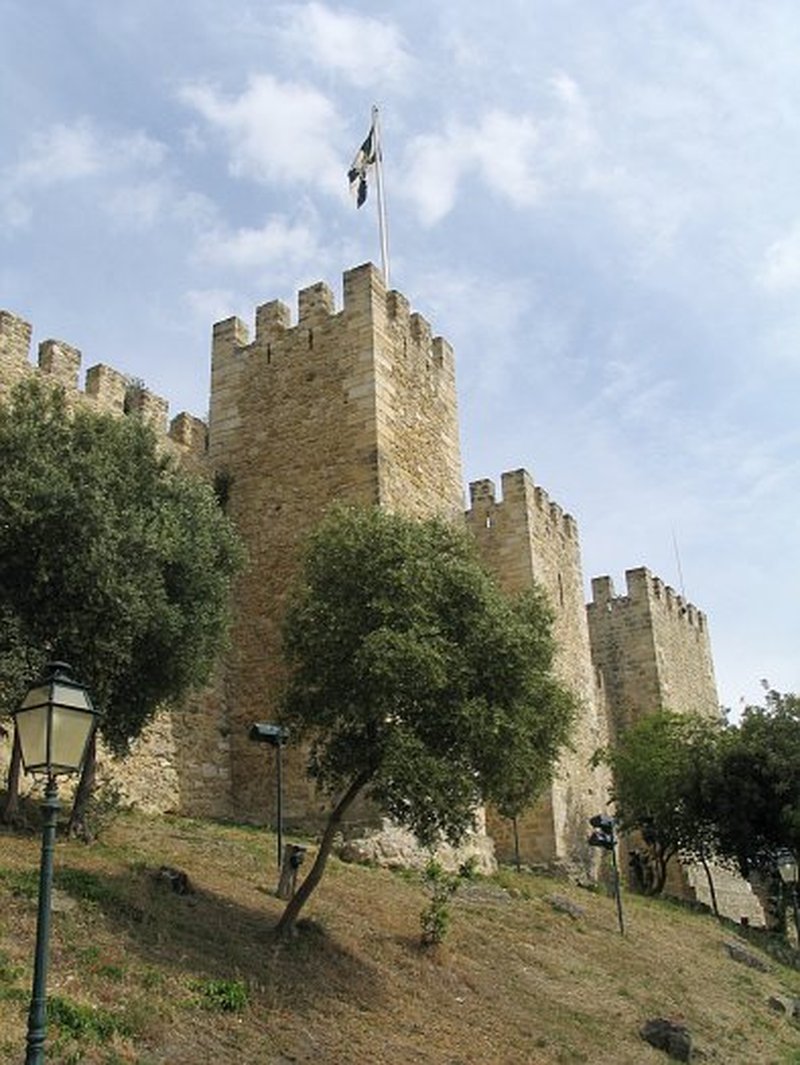
11th-century Moorish fortress captured in 1147, royal residence for four centuries. Walkable battlements offer the best 360° panorama in Lisbon — Alfama, the Tagus, and the Ponte 25 de Abril. Arrive at opening time to beat the queues.
🏛️ Daily 9:00am - 9:00pm
⏰ ~2 hr
🚶 4 min · 🚕 2 min → Miradouro da Graça
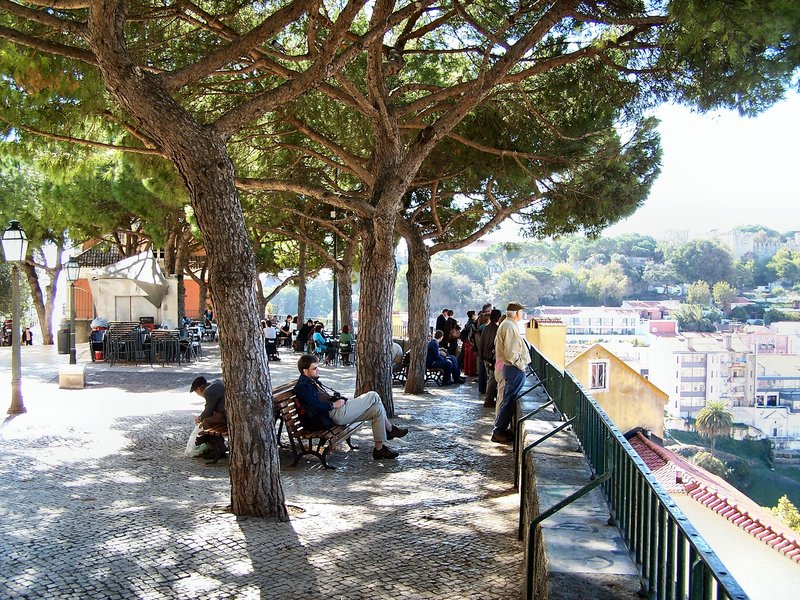
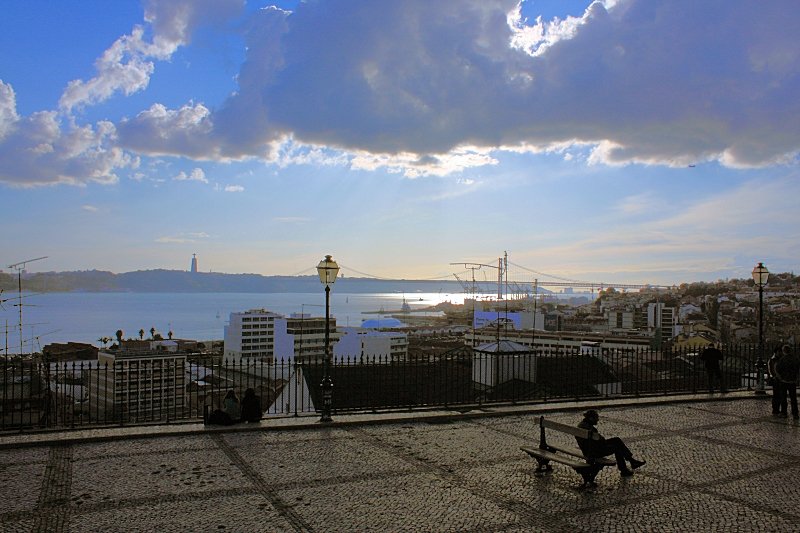
Open-air platform atop Lisbon's highest hill with views of São Jorge Castle, Alfama rooftops, and the Tagus. Graça draws locals rather than tourists. Best vantage for morning light over the castle and the best sunset spot on the hill.
🚶 7 min · 🚕 2 min → Mouraria
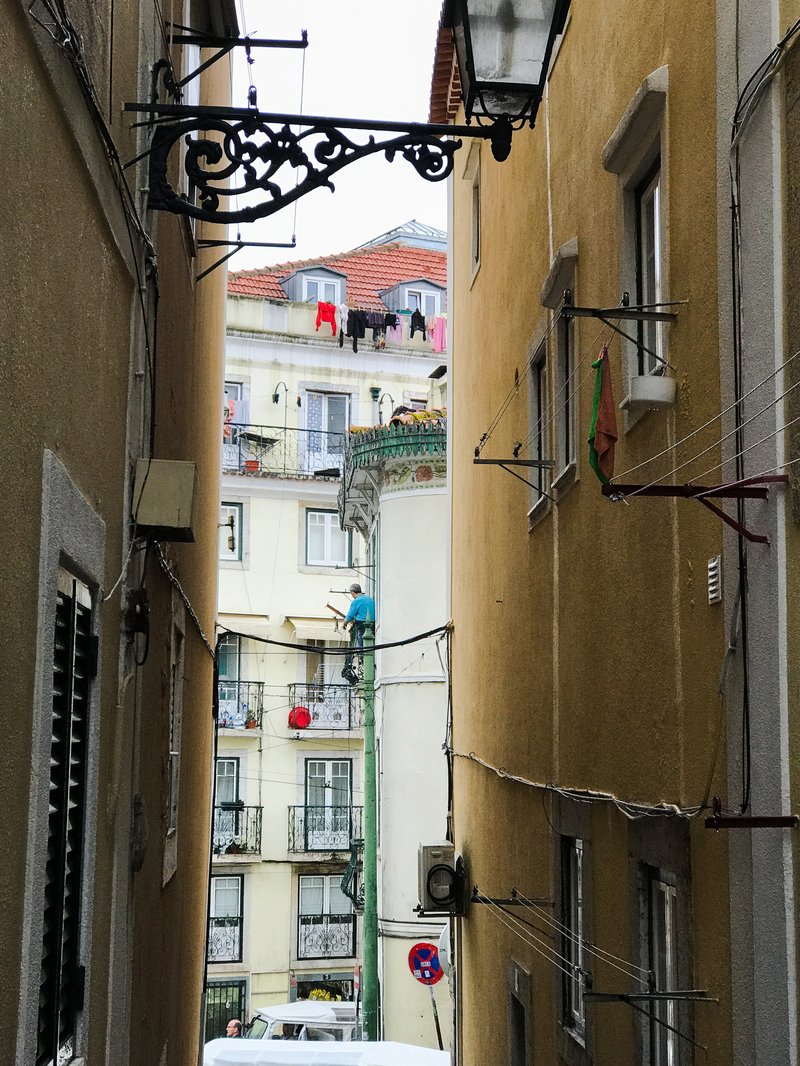
Lisbon's old Moorish quarter — a warren of alleys between the castle and Graça, home to fado's roots. Tiled tabacarias, community gardens, the Intendente market square, and street art layered over Moorish walls. Quieter and more local than Alfama.
🚶 15 min · 🚕 4 min → Sé de Lisboa
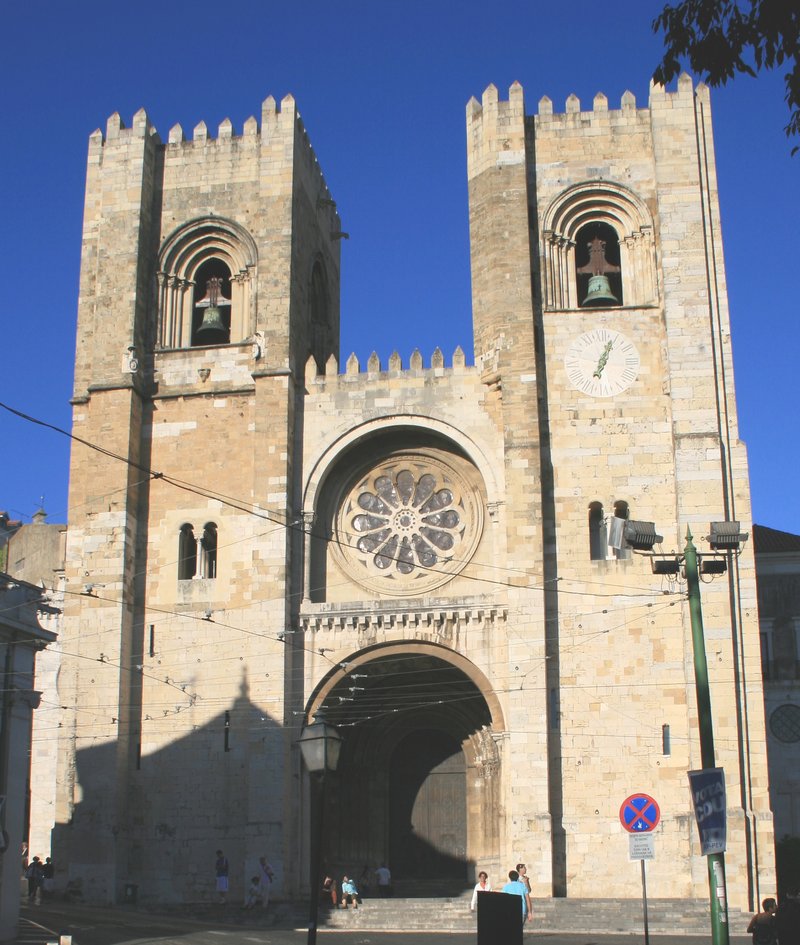
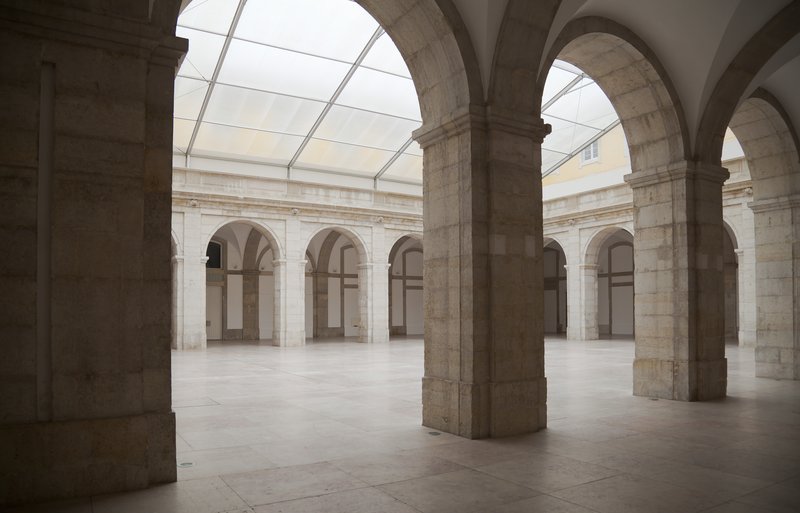
Portugal's oldest cathedral, built in 1147 on the site of the Moors' main mosque. Romanesque façade and twin towers; the 1755 earthquake damaged the interior. Entry includes the Gothic cloisters and a treasury with medieval reliquaries.
🏛️ Tuesday - Sunday 10:00am - 6:00pm
🚫 Closed Monday
⏰ ~45 min
🚶 5 min · 🚕 2 min → Praça do Comércio
Lisbon's grand riverside square, rebuilt after 1755 on the site of the Royal Palace. Three sides are Pombaline arcades in ochre and white; the fourth opens onto the Tagus via the Cais das Colunas steps.
🚶 10 min · 🚕 3 min → Alfama
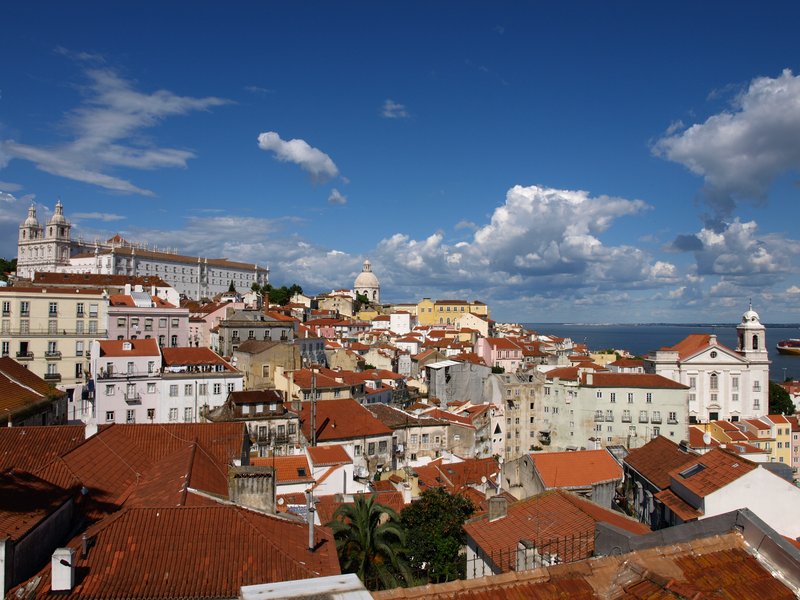
Lisbon's oldest neighbourhood — a Moorish maze of alleys from the castle hill to the river. Survived 1755 largely intact, preserving a medieval street pattern unique in Western Europe. Fado was born here.
🚶 15 min · 🚕 5 min → Miradouro da Senhora do Monte
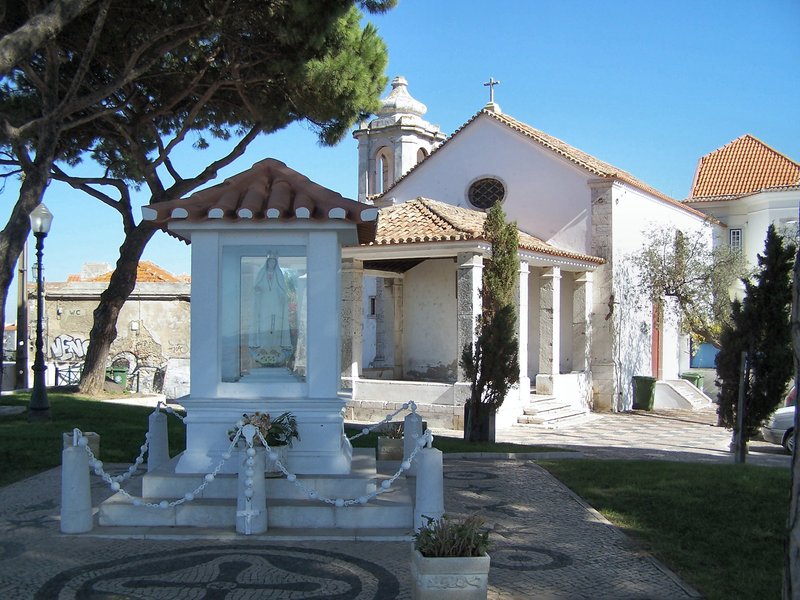
Lisbon's highest miradouro — a chapel-side terrace in Graça with a 270° view from the castle and Alfama to the Ponte 25 de Abril. Almost entirely locals: few tourists make the climb. Benches fill at dusk as the Tagus turns gold.
🚕 13 min → hotel
From Hotel: 🚕 13 min → Miradouro de Santa Catarina
Bohemian hilltop viewpoint anchored by the Adamastor statue — the mythological sea giant from Camões' Os Lusíadas. Popular with locals at all hours; sunset brings guitars, wine, and commanding river views west toward the sea.
🚶 4 min · 🚕 2 min → Cais do Sodré
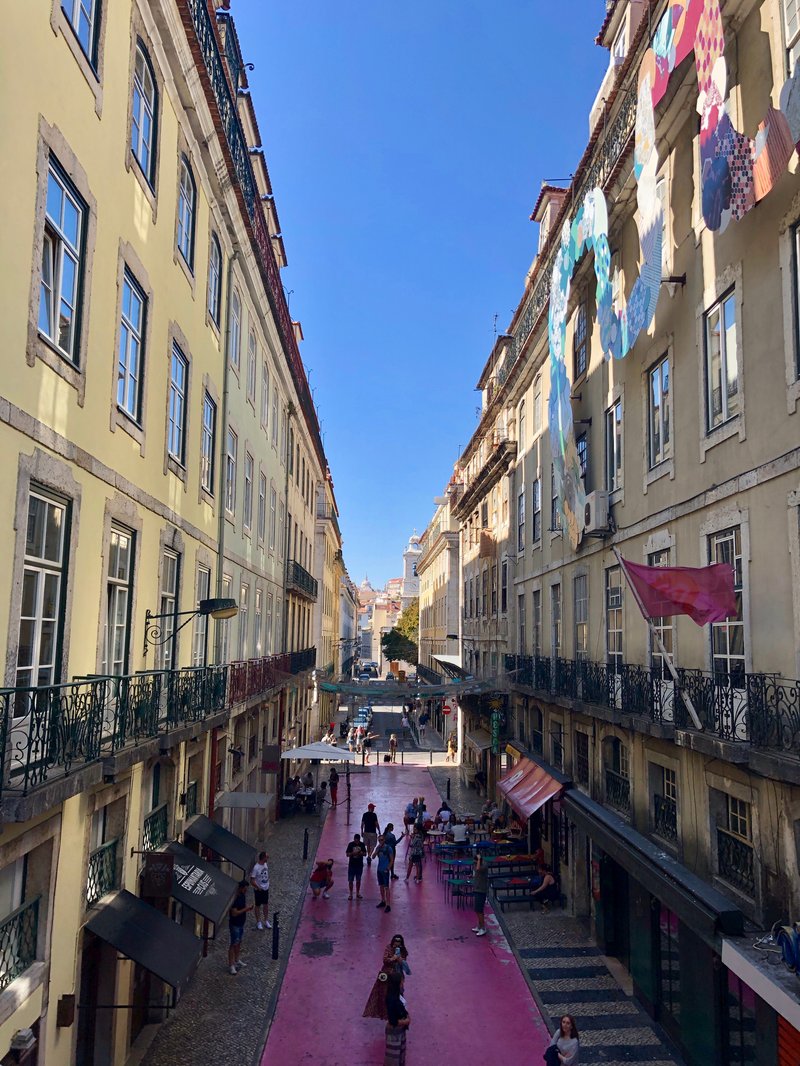
Historic waterfront district anchored by the Mercado da Ribeira food hall and the neon-lit Pink Street. The ferry terminal connects to Cacilhas. Evenings: bars behind the market and wine bars on Rua Nova do Carvalho run until 2:00am.
🚕 11 min → hotel
From Hotel: 🚕 20 min → Parque das Nações
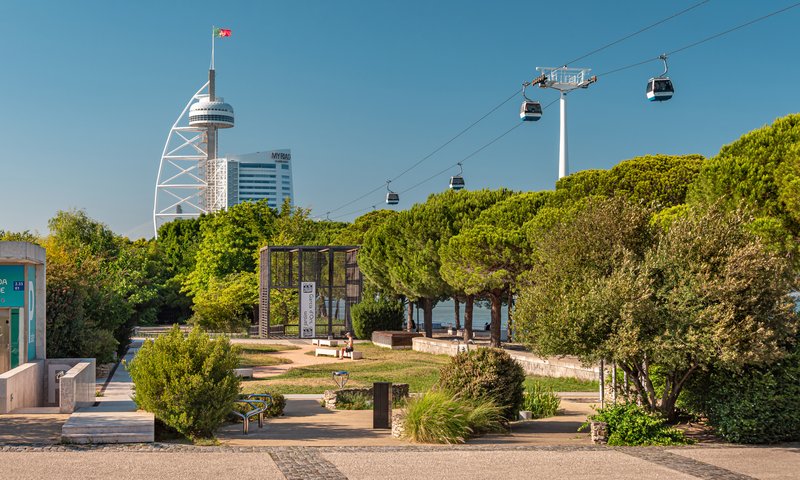
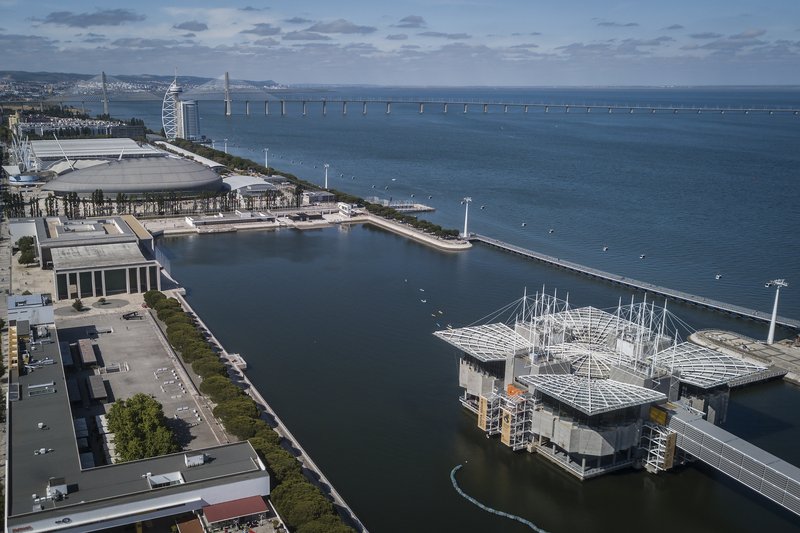
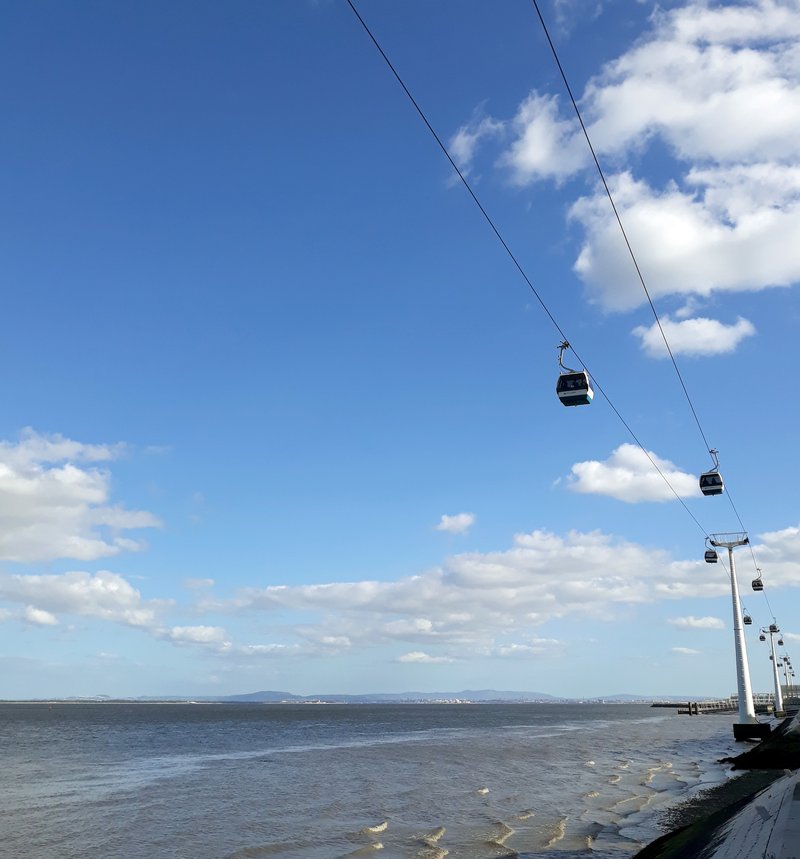
Modern riverside district built for Expo '98 on reclaimed industrial land. The promenade along the Tagus opens up clear views of the Vasco da Gama Bridge — Europe's longest bridge at 17.3 km. Passes the Portugal Pavilion by Álvaro Siza Vieira, Gare do Oriente, and a waterfront cable car.
🚶 2 min · 🚕 2 min → Oceanário de Lisboa
One of Europe's largest aquariums, built for Expo '98 with 1 million litres and a central ocean tank visible from four habitats. The structure appears to float on the Tagus. Sea otters and jellyfish gallery are highlights; book online.
🏛️ Daily 10:00am - 8:00pm
⏰ ~2 hr
🚶 2 min · 🚕 2 min → Telecabine Lisboa
Gondola cable car running 1.25 km over the Expo '98 waterfront above the Tagus riverside. Cabins rise above the park rooftops giving unobstructed views of the Vasco da Gama Bridge and the wide Tagus estuary — the best aerial perspective of the whole Parque das Nações.
🏛️ Daily 10:00am - 7:00pm
⏰ ~30 min
🚶 10 min · 🚕 2 min → Gare do Oriente
Designed by Santiago Calatrava for Expo '98, the soaring steel-and-glass canopy casts forest-like shadows across the platforms. Lisbon's main intercity rail hub — trains to Porto, Faro, and Madrid — plus metro and bus terminal.
🚶 30 min · 🚕 8 min → Marvila
Eastern Lisbon's former industrial riverfront — 19th-century warehouses converted into artist studios, design spaces, and architecture firms running from the Beato convent along the Tagus docks. Raw brick, river light, almost no tourists: the most unhurried and photogenic corner of the city.
🚕 20 min → hotel
From Hotel: 🚕 15 min → LX Factory
Creative hub in an 1846 textile factory beneath the Ponte 25 de Abril, repurposed with restaurants, boutiques, a design bookshop, and studios. Sunday's weekly market · 10:00am - 6:00pm draws the city's design and food crowd.
🏛️ Daily 10:00am - 8:00pm
⏰ ~1.5 hr
Free
🚶 18 min · 🚕 5 min → MAAT
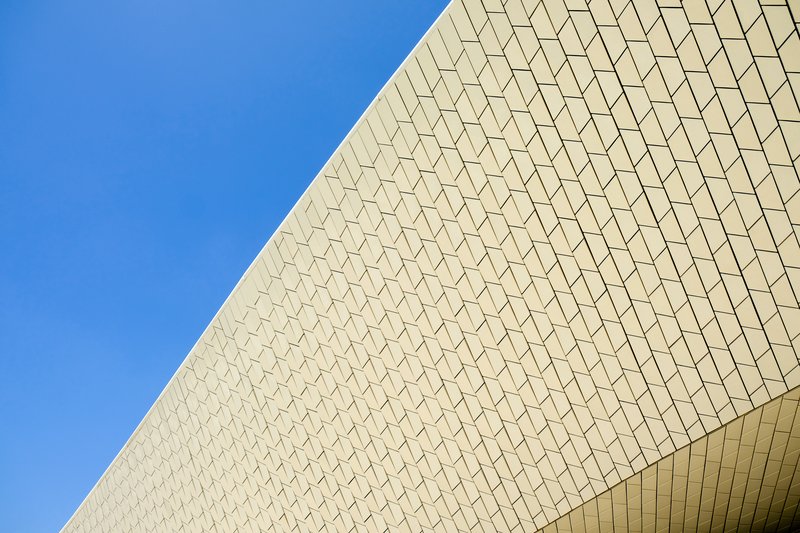
Riverside museum in 15,000 crackle-glazed ceramic tiles by Amanda Levete, opened 2016 alongside a restored power station. The Museum of Art, Architecture and Technology spans both buildings. Rooftop entry is free.
🏛️ Wednesday - Monday 10:00am - 7:00pm
🚫 Closed Tuesday
⏰ ~1.5 hr
🚶 15 min · 🚕 5 min → Pilar 7 — Bridge Experience
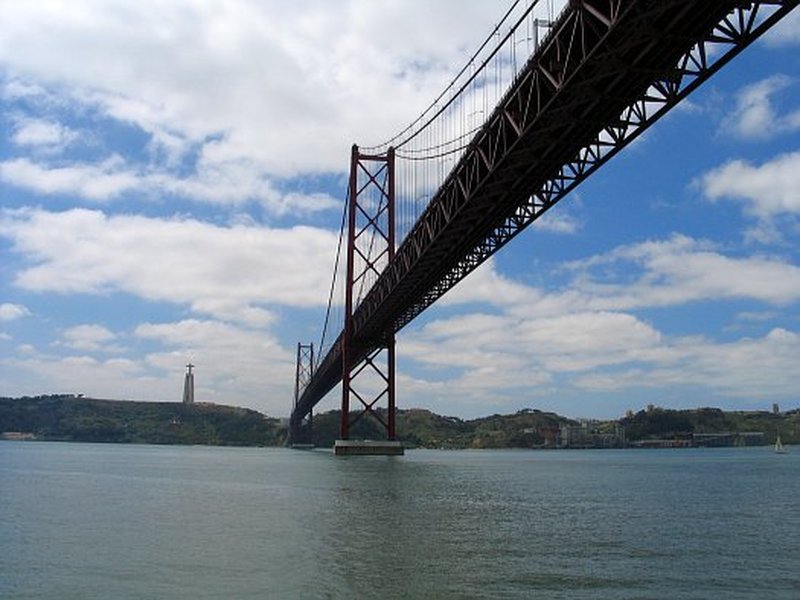
Exhibition inside a Ponte 25 de Abril support pillar in Almada. A lift takes visitors to a glass deck 80 metres above the Tagus, with views of the bridge and the Christ the King statue. Museum covers construction history with photographs.
🏛️ Daily 10:00am - 6:00pm
⏰ ~1 hr
🚕 21 min → hotel
From Hotel: 🚕 15 min → Museu Nacional do Azulejo
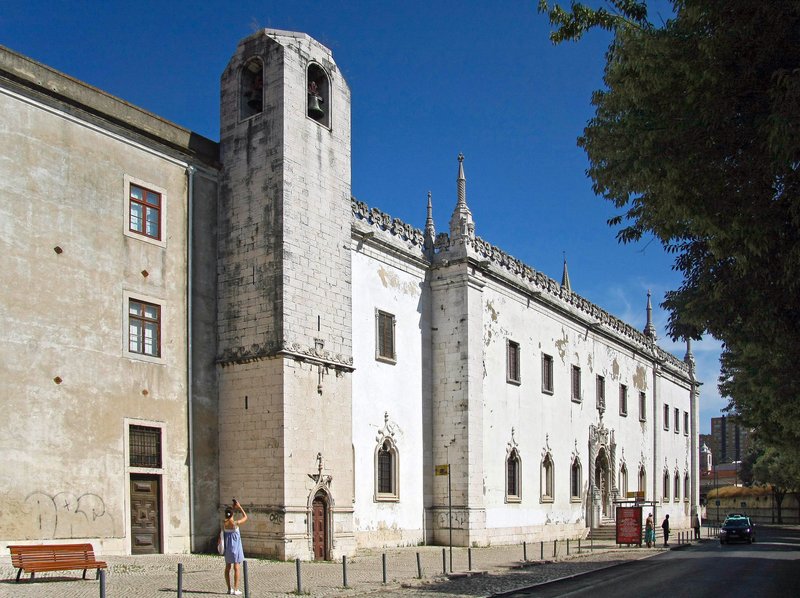
Portugal's foremost azulejo museum in the former Madre de Deus Convent · founded 1509. Panels span the 15th century to the present. Highlight: a 23-metre baroque panel · c.1700 depicting Lisbon before the 1755 earthquake. Currently closed for renovation — confirm reopening before visiting.
🏛️ Tuesday - Sunday 10:00am - 6:00pm
🚫 Closed Monday
⏰ ~2 hr
🚕 17 min → hotel
From Hotel: 🚕 9 min → Lisboa Roma-Areeiro
8:30am Roma-Areeiro → 9:20am Setúbal
9:00am Roma-Areeiro → 9:50am Setúbal
9:30am Roma-Areeiro → 10:20am Setúbal
10:00am Roma-Areeiro → 10:50am Setúbal
ARRIVE Setúbal: 🚶 8 min · 🚕 3 min → Setúbal city centre
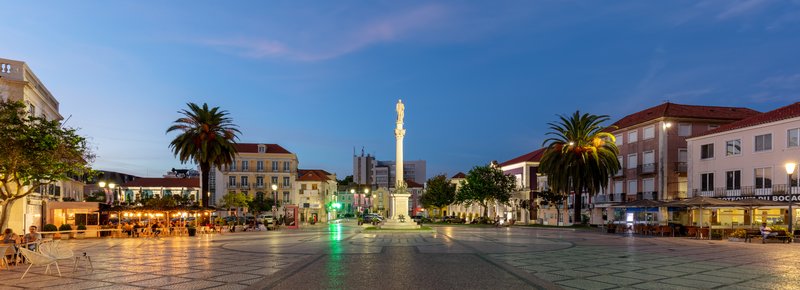
Historic port city 50 km south of Lisbon. The Convento de Jesus is one of Portugal's earliest Manueline buildings; Castelo de São Filipe overlooks the Sado estuary. Ferries to the Tróia peninsula depart from the marina.
🚕 25 min → Portinho da Arrábida
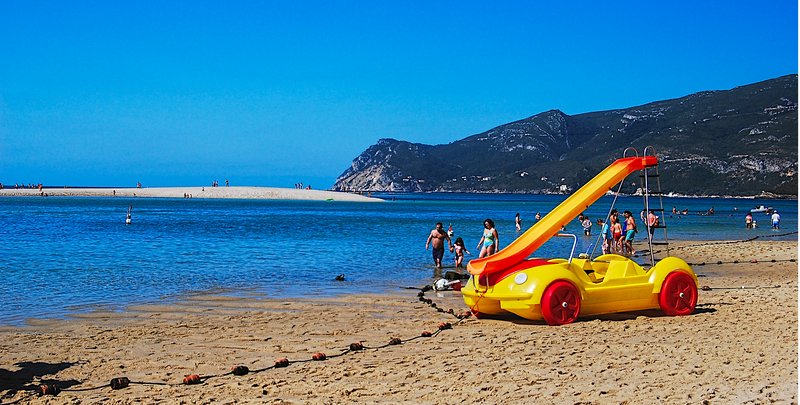
Protected natural park with Portugal's clearest water and most photogenic beaches. Portinho da Arrábida — a sheltered cove backed by limestone cliffs — is one of Portugal's Seven Natural Wonders, swimmable by late spring.
🚕 25 min → Setúbal station
5:30pm Setúbal → 6:20pm Roma-Areeiro
6:30pm Setúbal → 7:20pm Roma-Areeiro
7:30pm Setúbal → 8:20pm Roma-Areeiro
8:30pm Setúbal → 9:20pm Roma-Areeiro
ARRIVE Lisboa Roma-Areeiro: 🚕 9 min → hotel
🚢 A Church Chapel Was Consecrated by the Pope in Rome Before It Ever Reached Lisbon
São Roque's plainest side chapel hides the more remarkable build story of any church interior in the city. King João V commissioned it not from a local workshop but from architects and craftsmen working in Rome, who assembled lapis lazuli, porphyry quarried at a single site in the Egyptian desert, and gold-work paid for with Brazilian mining wealth into a chapel small enough to fit inside a side aisle. Pope Benedict XIV personally consecrated the finished chapel inside St. Peter's Basilica — before it had ever been installed in an actual church. Only then was the entire structure dismantled, packed onto three ships, and hauled across the Mediterranean and Atlantic to be reassembled here in a comparatively modest Jesuit church in Bairro Alto.
The monument's stone Age-of-Discovery heroes are younger than they look. The Padrão dos Descobrimentos began in 1940 as a temporary structure in perishable materials, built for an exhibition staged by Portugal's Estado Novo dictatorship to promote its own nationalist version of the country's history. Salazar's government tore that first version down and rebuilt it permanently in concrete and limestone two decades later, timed to the 500th anniversary of Henry the Navigator's death — while Portugal was fighting colonial wars in Africa to hold onto the empire the monument celebrates. The sail-shaped structure that reads as a permanent piece of medieval Lisbon is, in fact, a mid-20th-century political statement poured in concrete under an authoritarian regime.
.jpg)
.jpg)