SINT MAARTEN
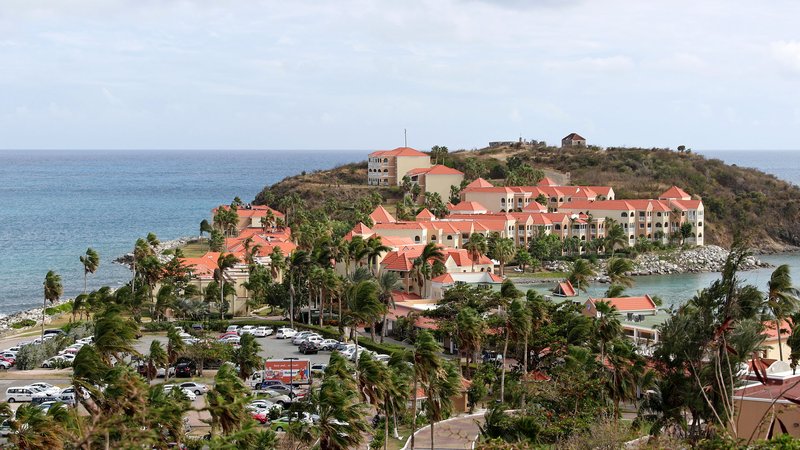
Simpson Bay Resort Marina & Spa
Sint Maarten
From Hotel: 🚕 20 min → Fort Amsterdam
The first Dutch fort in the Caribbean, Fort Amsterdam's crumbling coral-stone walls sit above Little Bay and Great Bay, commanding wide views of the harbour and cruise-ship anchorage. The island changed hands between the Dutch, French and English no fewer than sixteen times before its current arrangement.
🏛️ Open 24/7
⏰ ~45 min
⚠️ Access via Divi Little Bay Beach Resort — inform front desk; signed path leads to ruins in 5 min
🚕 19 min → Pic du Paradis
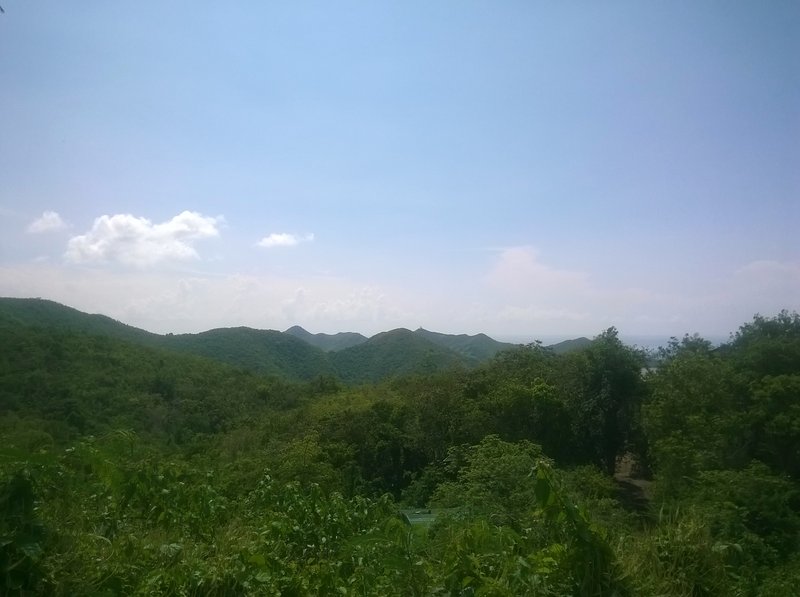
At 424 metres, Pic du Paradis is the highest point on the island, rising above the French interior. The summit sweeps across both coastlines — Anguilla, St. Barthélemy and a scatter of uninhabited islets visible on clear days.
🏛️ Open 24/7
⏰ ~2 hr 30 min
⚠️ Loterie Farm guided path: Tuesday - Sunday 9:00am - 3:30pm · last entry 3:00pm
🚕 24 min → Maho Beach
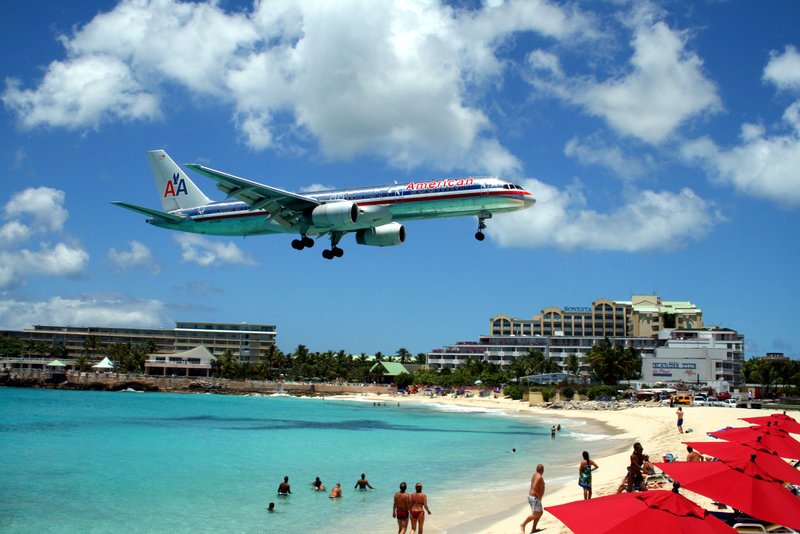
Maho Beach sits directly below Princess Juliana Airport's approach path, with the runway threshold metres from shore. Arriving jets pass low enough to read the livery; departing aircraft blast the perimeter fence with jet wash. A real-time flight board outside Sunset Beach Bar shows arrivals.
🏛️ Open 24/7
⏰ ~2 hr
⚠️ Best viewing 11:00am - 4:00pm for afternoon arrivals and departures
🚶 15 min · 🚕 5 min → Concordia Monument
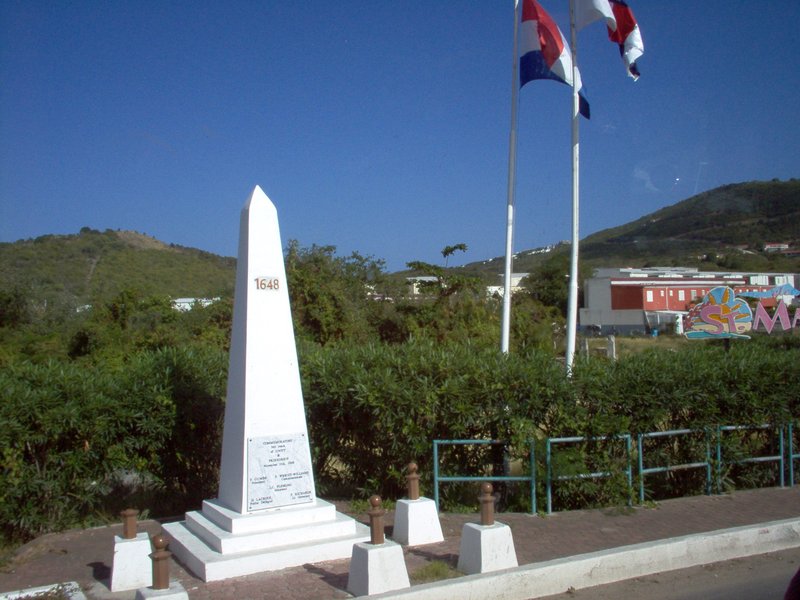
This white obelisk marks the Dutch-French border — one of the world's most open international boundaries, with no checkpoint, customs booth or passport control. A Dutch and French flagpole flank the monument on either side of an invisible line, and the obelisk appears on the Sint Maarten coat of arms.
🚕 5 min → hotel
From Hotel: 🚕 15 min → Philipsburg
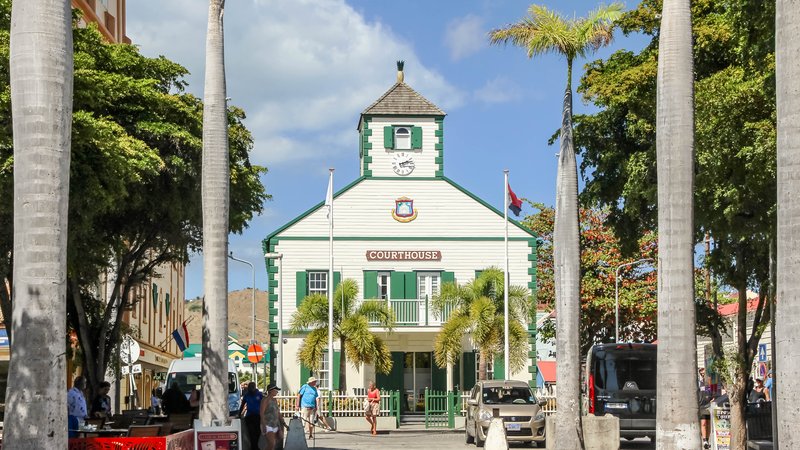
The Dutch capital of Sint Maarten, stretched along a narrow sandbar between Great Bay and the Simpson Bay Lagoon. Front Street's Dutch colonial facades house duty-free shops and cafés; the boardwalk behind them runs the length of Great Bay beach — the island's main cruise-ship anchorage.
🏛️ Open 24/7
⏰ ~1 hr 30 min
🚕 25 min → Marigot
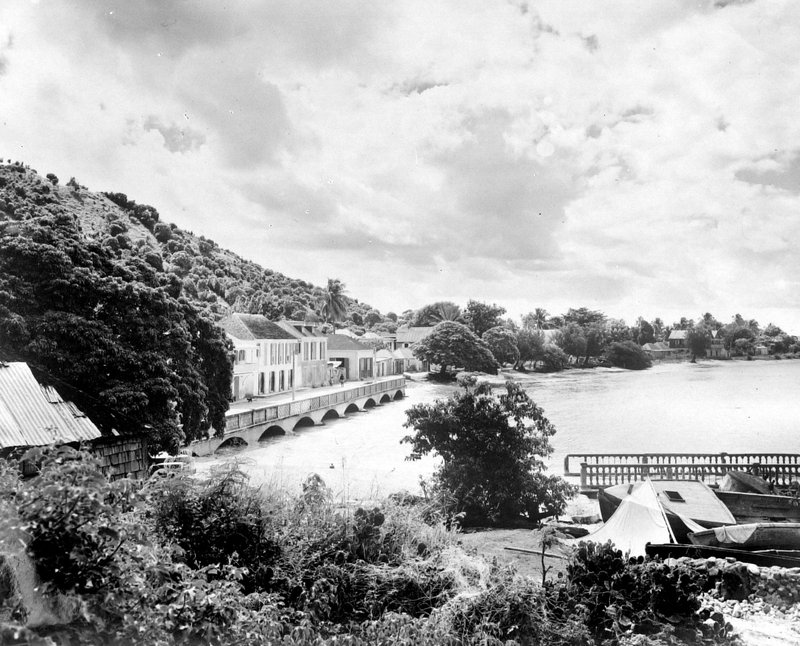
The French capital of Saint Martin — a relaxed port town built around a waterfront market selling produce, spices, and crafts. Fort Louis stands on a hill above the bay, and the marina fills with sailboats from the Caribbean circuit; bistros and French patisseries line the quayside.
🏛️ Open 24/7
⏰ ~1 hr 30 min
⚠️ Waterfront market busiest Wednesday and Saturday mornings
🚕 20 min → Orient Bay
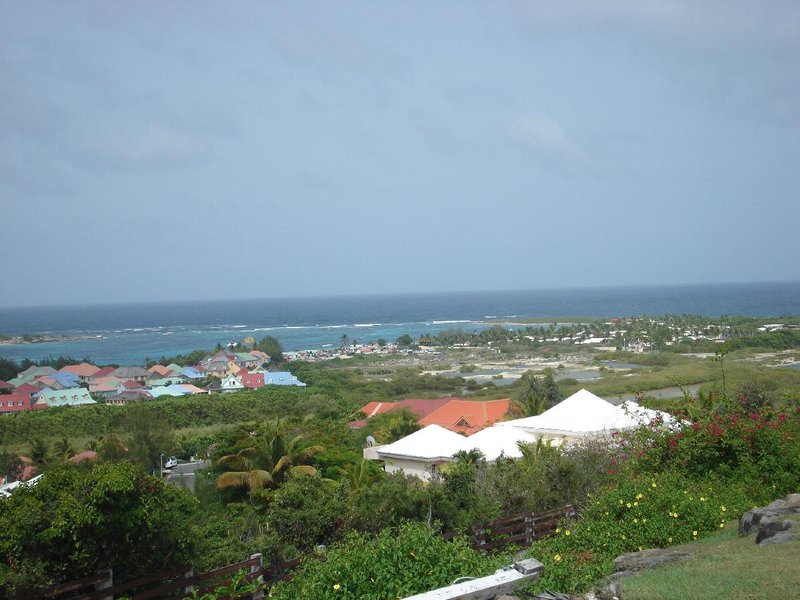
A 2-km crescent beach on the northeast coast of French Saint Martin, regarded as the Caribbean's premier beach for turquoise water and consistent trade winds. The bay faces the small island of Caye Verte; beach clubs and watersports — kite-surfing, paddleboarding, sailing — line the shore.
🚕 10 min → Grand Case
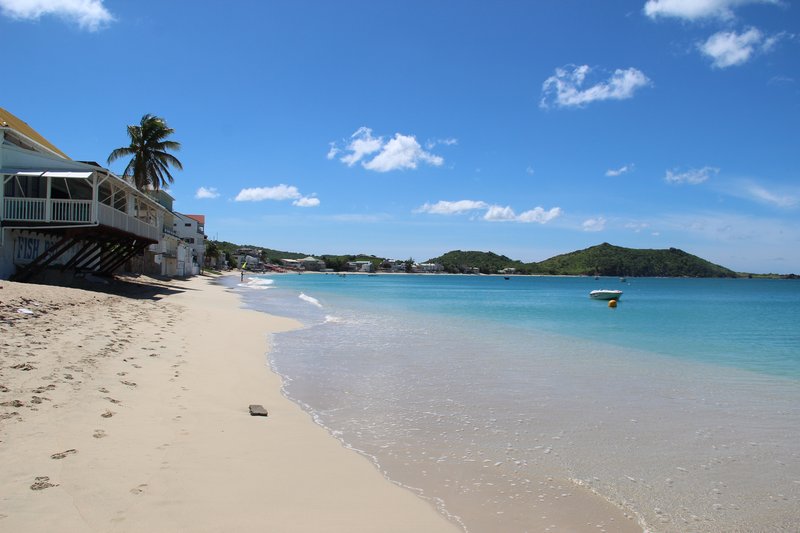
A single beachfront strip on the north coast of French Saint Martin holding more restaurants per metre than almost anywhere in the Caribbean. The lolos — local charcoal barbecue stalls — open for lunch alongside French Creole kitchens in converted West Indian houses facing the beach.
🏛️ Open 24/7
⏰ ~1 hr 30 min
🚕 20 min → hotel
🏝️ The Island That Agreed to Disagree
A Dutch soldier and a French soldier once settled a land dispute the way Caribbean people have traditionally preferred to settle things: with a walk. According to the legend both sides still tell, they were placed back-to-back at Oyster Pond and walked in opposite directions around the island's perimeter. Wherever they met — some hours later — became the border. The French soldier allegedly walked further and so France got the larger share: 53 km² to the Netherlands' 34 km². The story is almost certainly apocryphal. The actual Treaty of Concordia was a pragmatic negotiation between two small colonial garrisons with no ability to wage a meaningful war. But the legend endures because something true lives inside it: Sint Maarten and Saint Martin really have maintained one of the world's most open international borders for nearly four centuries.
There is no passport control between the Dutch and French sides. No customs checkpoint, no gate, no fence — not even a sign that says "now entering France." You drive across an invisible line and the road signs switch from English to French, the restaurants shift from Dutch-Caribbean to French Creole, and the currency changes from US dollars to euros. Fort Amsterdam was the first Dutch fort in the entire Caribbean — and then changed hands sixteen times between the Dutch, French and English before both nations eventually agreed to share the island and move on. The Concordia Monument, a modest white obelisk at the border road, marks the point of agreement so durably that it appears on the Sint Maarten flag and coat of arms: one of the very few border monuments in the world to earn that distinction. The whole island is 87 km². It is divided between two sovereign nations, governed in three languages, uses two currencies, and sends representatives to two national parliaments on two separate continents. It has never had a wall.