VIRGIN ISLANDS
Buoy Haus Beach Resort St. Thomas · Autograph Collection
United States
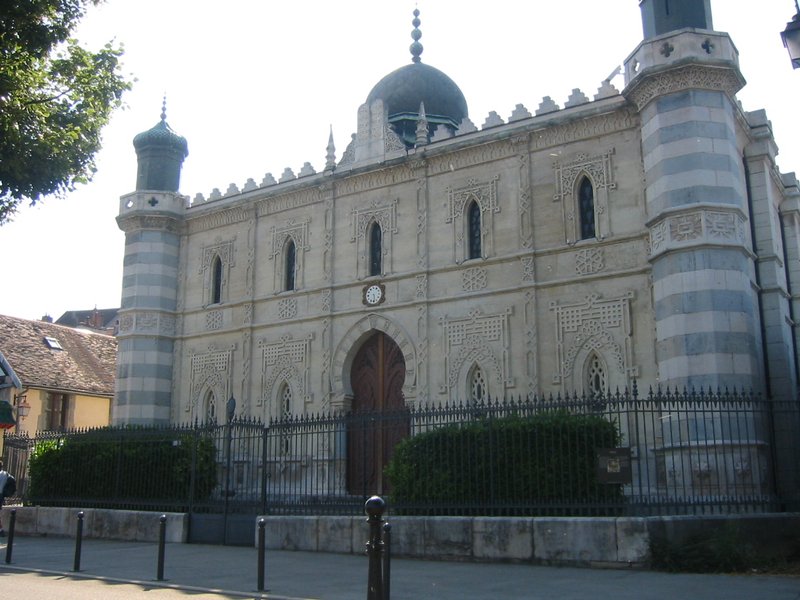
From Hotel: 🚕 15 min → St. Thomas Synagogue
Founded in 1796 by Sephardic Jews who fled the Spanish Inquisition via Curaçao — the second-oldest synagogue in continuous use in the Western Hemisphere. Its sand floor honours the Exodus; the tradition of silent worship has survived hurricanes, fires and two centuries of colonial rule.
🏛️ Monday - Friday 9:30am - 4:00pm
🚫 Closed Saturday & Sunday
⏰ ~30 min
Free
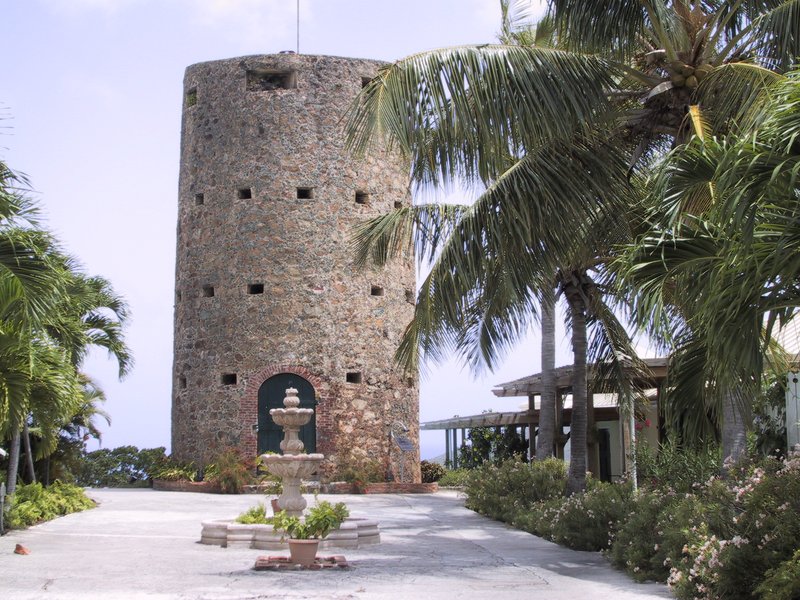
🚶 4 min · 🚕 2 min → Blackbeard's Castle
A 1679 Danish watchtower on one of Charlotte Amalie's highest hilltops — one of five national historic landmarks on St. Thomas. The tower gave Danish forces clear sight lines over the harbor; the complex today includes terraced gardens, a museum and 360° views over Charlotte Amalie and the surrounding islands.
🏛️ Daily 9:00am - 9:00pm
⏰ ~1 hr 30 min
🚶 17 min · 🚕 4 min → Frenchtown
St. Thomas's oldest French-Creole neighborhood, settled by Huguenots from St. Barthélemy in the 1800s. Fishing boats still line the dock at dawn and the lanes retain a distinct character from Charlotte Amalie's bustle — small bars, local restaurants and wooden houses in faded island colors.
🚶 25 min · 🚕 6 min → Mountain Top
The highest accessible point on St. Thomas at 1,547 ft, overlooking Magens Bay — voted one of the world's most beautiful beaches by National Geographic. Views stretch to Tortola on clear days. Mountain Top is credited as the birthplace of the banana daiquiri, first mixed here in the 1940s.
🏛️ Daily 9:00am - 5:00pm
⏰ ~45 min
Free
🚕 22 min → hotel
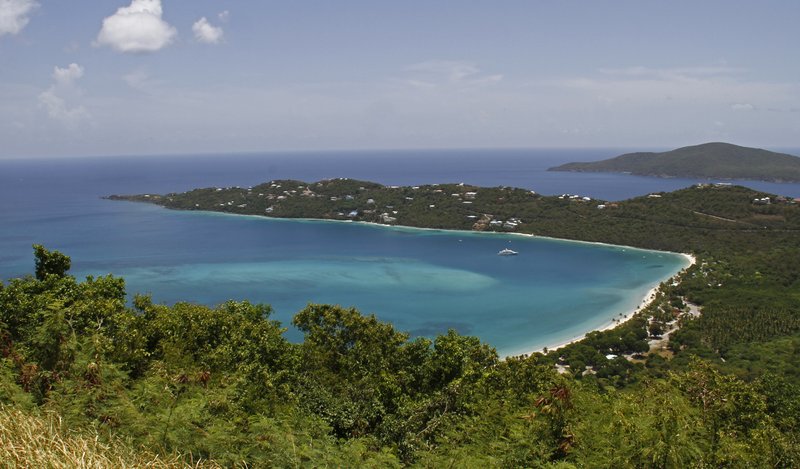
From Hotel: 🚕 25 min → Magens Bay
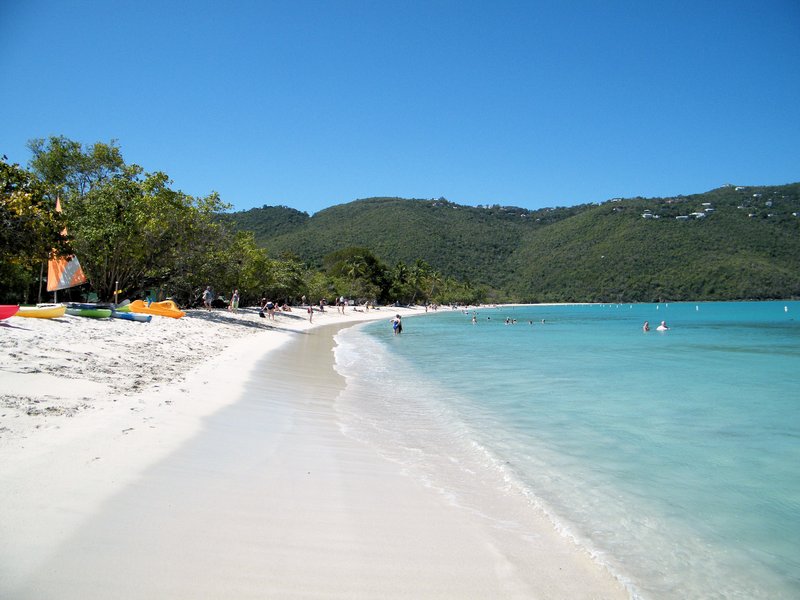
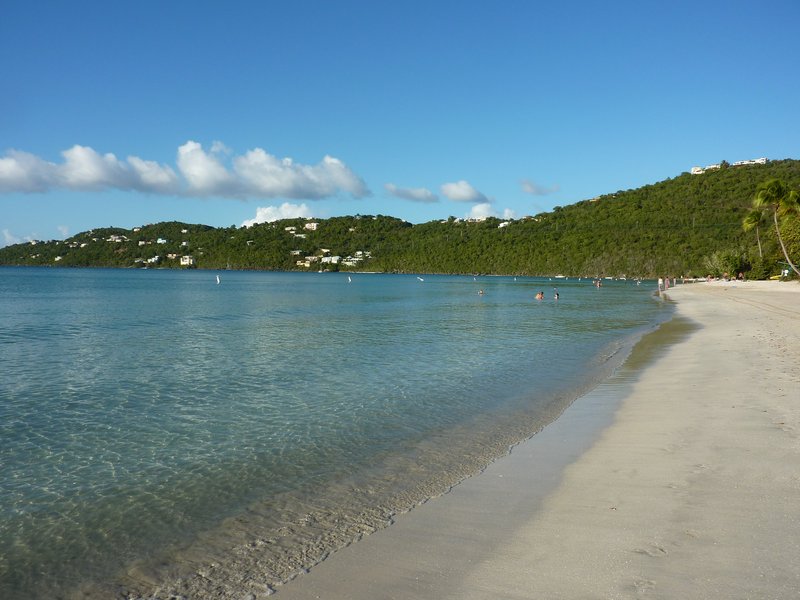
A sheltered crescent of white sand almost a mile long, backed by hills and palm groves, and protected from ocean swells by two headlands. The water is calm enough to swim to the far shore. National Geographic named it one of the world's ten most beautiful beaches.
🏛️ Daily 6:00am - 6:00pm
⏰ ~2 hr
🚕 10 min → Drake's Seat
A hilltop viewpoint on Crown Mountain Road with one of the most commanding panoramas in the Caribbean — Magens Bay curving below, Tortola and the British Virgin Islands visible on clear days. Legend holds that Sir Francis Drake surveyed his fleet here in the 16th century.
🚕 18 min → 99 Steps
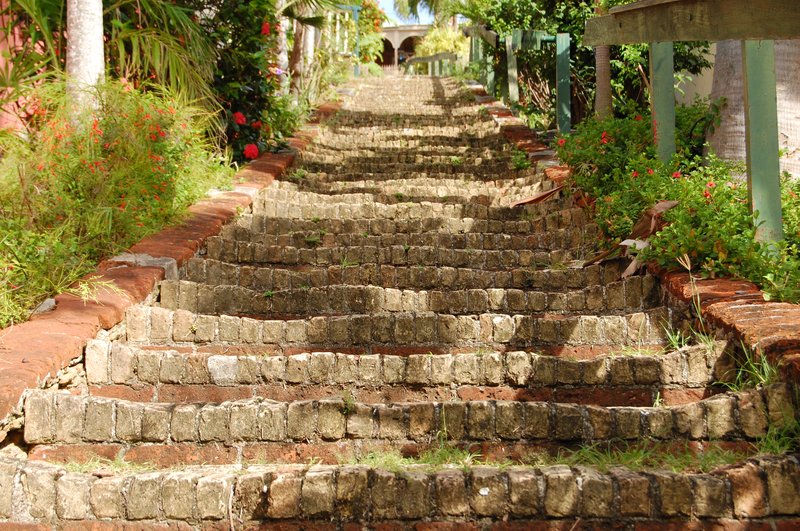
A staircase of 103 brick steps — named before anyone counted accurately — built by the Danes in the 1700s to connect the harbor to the hilltop neighborhood above. One of the best-preserved Danish colonial structures in Charlotte Amalie, and the steepest shortcut in the city.
🚶 10 min · 🚕 5 min → Fort Christian
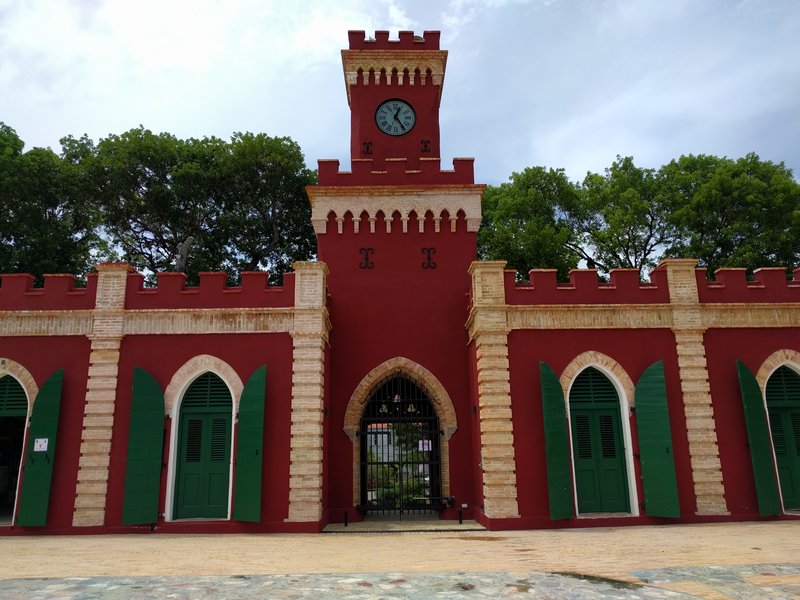
The oldest standing structure in the US Virgin Islands, built 1672–1680 as the first Danish foothold on St. Thomas. Red-brick and fortified against sea attack, it served as courthouse, church, jail and governor's residence at different points over 300 years.
🏛️ Daily 8:30am - 4:30pm
⏰ ~1 hr
🚕 15 min → hotel
🏝️ The Sale of an Empire
On March 31, 1917, the United States took possession of the Virgin Islands — the largest per-acre purchase of territory in American history, more than ten times what was paid per acre for Alaska. The Danish Empire had controlled St. Thomas since 1672; the Americans wanted the harbor to protect the Panama Canal from the German Navy during World War I. The transaction was remarkably bureaucratic for such a profound transfer of 26,000 human lives: Danish and American officers exchanged flags over Government House in Charlotte Amalie, and overnight, people who had never chosen to be Danish became Americans — without being asked.
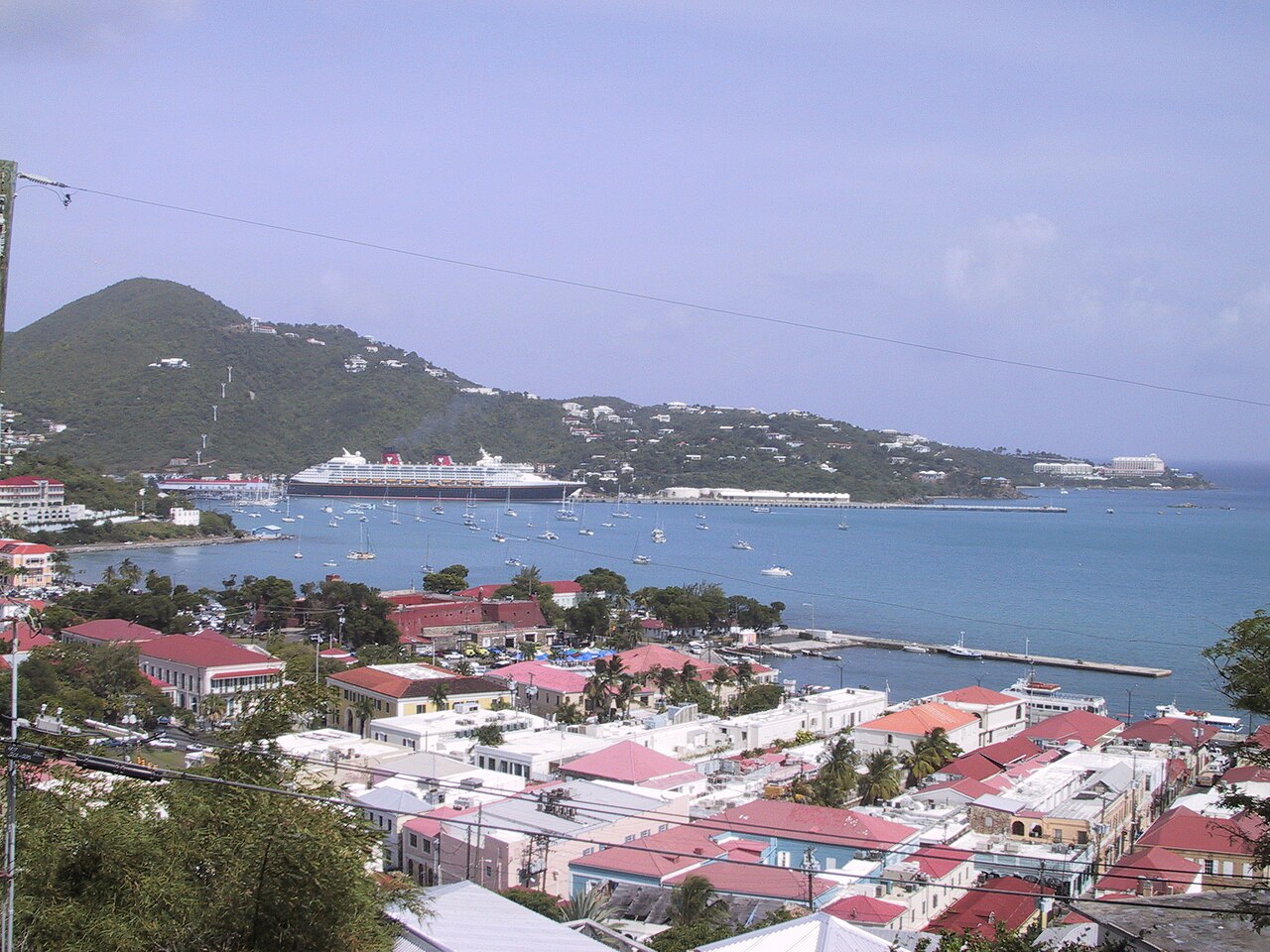
The harbor they traded away had been one of the most important in the Western Hemisphere. Charlotte Amalie was a declared free port under Danish rule — neutral in European wars, open to all flags — and at its 18th-century peak it was also one of the busiest slave markets in the Americas. The Emancipation Garden at the center of town marks where, on July 3, 1848, the enslaved population of the Danish West Indies rose in revolt and forced the colonial governor to declare freedom unilaterally — 15 years before the American Civil War, and more than a decade before Denmark's Parliament ratified it. A few blocks away, the sand floor of the Synagogue is a quiet counterpoint to all of it: Sephardic Jews who had already fled one empire found sanctuary here under another, and built a house of worship that has outlasted both.