From Hotel: 🚶 12 min · 🚕 5 min → La Fortaleza
Built in 1533, La Fortaleza is the oldest executive mansion in continuous use in the Western Hemisphere and a UNESCO World Heritage Site alongside the San Juan forts. Guided tours take visitors through the ceremonial gardens and 16th-century chapel.
🏛️ Monday - Friday 8:15am - 3:30pm
🚫 Closed Saturday & Sunday
⏰ ~45 min
Free
🚶 1 min · 🚕 2 min → Paseo de la Princesa
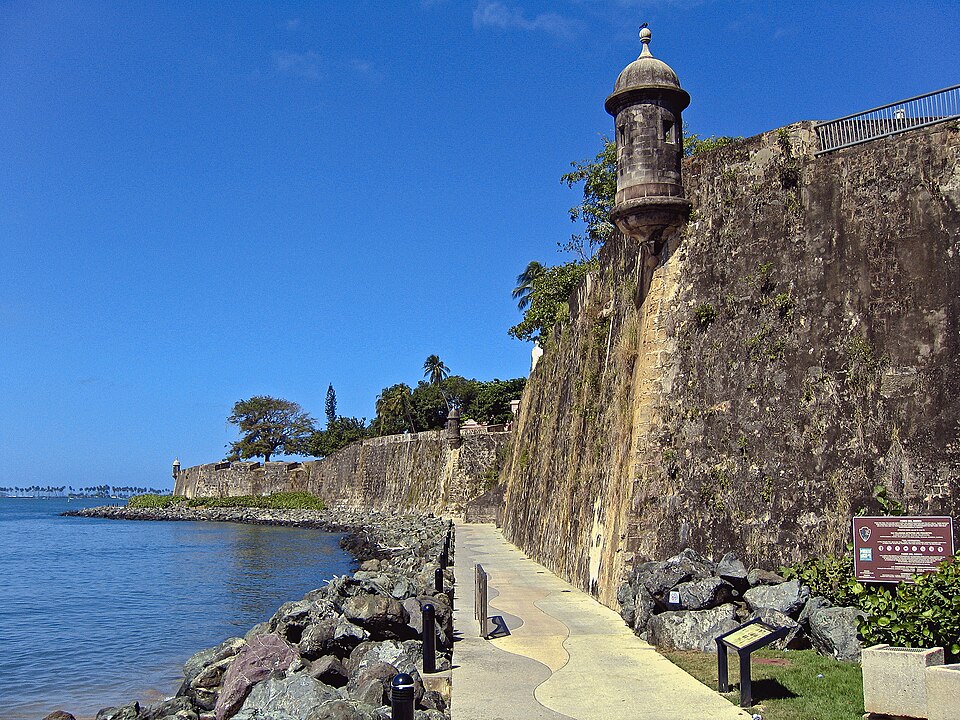
A 0.5-mile promenade built in 1852 along the base of Old San Juan's southwest sea wall, lined with gas-lamp reproductions and bronze sculpture. The route ends at the Raíces Fountain — a 1992 mosaic depicting the three roots of Puerto Rican identity — and the colonial San Juan Gate.
🚶 3 min · 🚕 2 min → Catedral de San Juan Bautista
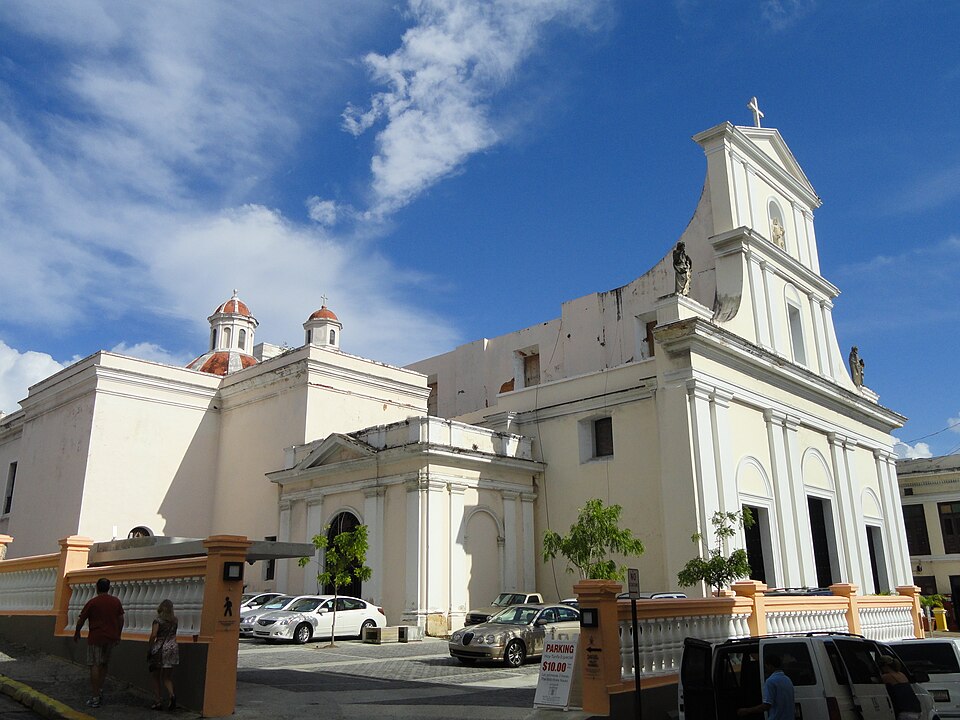
Consecrated in 1521, oldest cathedral in a US territory — the current Gothic structure dates to 1802 after hurricanes destroyed earlier versions. The nave holds the marble tomb of explorer Juan Ponce de León, returned here in 1908.
🏛️ Monday - Saturday 8:00am - 4:00pm · Sunday 8:00am - 2:00pm
⏰ ~30 min
Free
🚶 15 min · 🚕 5 min → hotel
From Hotel: 🚕 45 min → Laguna Grande · Bio Bay
One of fewer than 10 bioluminescent bays in the world — every paddle stroke triggers Pyrocystis lunula, a dinoflagellate that emits electric-blue light when disturbed. Laguna Grande's mangrove channel cuts out residual light to maximise the glow. Peaks around the new moon. Guided nighttime access only.
🏛️ Daily 6:00pm - 10:00pm
⏰ ~2 hr
⚠️ Best on moonless nights — new moon to first quarter
No pictures found.
🚶 15 min · 🚕 5 min → El Yunque · La Mina Falls
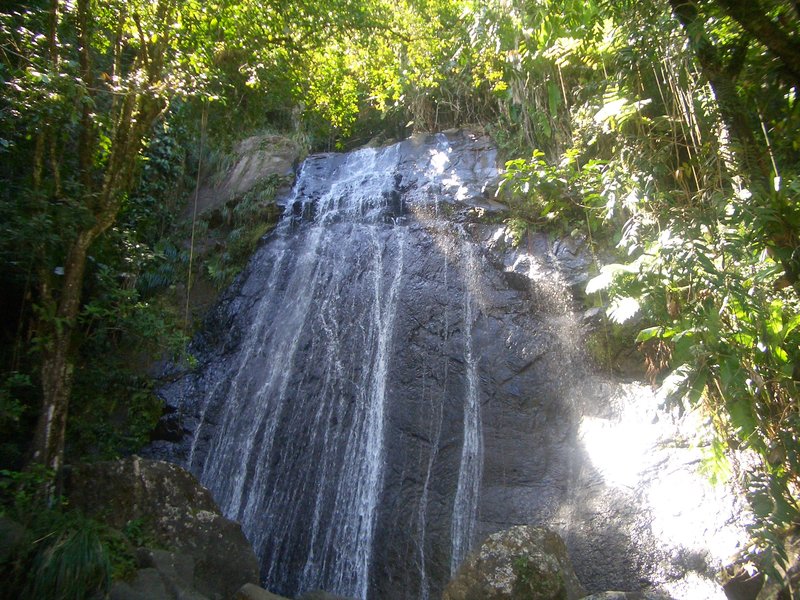
The only tropical rainforest in the US National Forest System — 240 tree species and 11 endemic coquí frog species found nowhere else on Earth. La Mina Trail leads 1.1 km upstream to a 35-foot cascade dropping into a clear pool. Arrive early: the car park fills before 9am at weekends.
🏛️ Daily 7:30am - 5:00pm
⏰ ~3 hr
Free
🚕 45 min → hotel
From Hotel: 🚶 4 min · 🚕 2 min → Castillo San Cristóbal
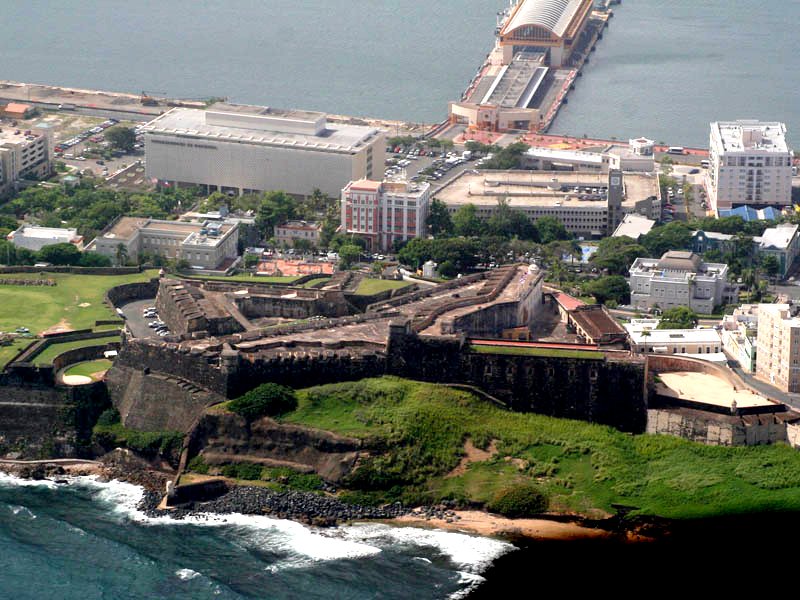
The largest fort Spain ever built in the Americas — 27 acres, four times El Morro's footprint. Five redoubts linked by tunnels were engineered so a captured section couldn't compromise the others. On 12 May 1898 it fired the opening cannon of the Spanish–American War.
🏛️ Daily 9:00am - 5:00pm
⏰ ~1 hr 30 min
⚠️ Same ticket as El Morro — already covered, no second purchase
🚶 15 min · 🚕 4 min → Castillo San Felipe del Morro
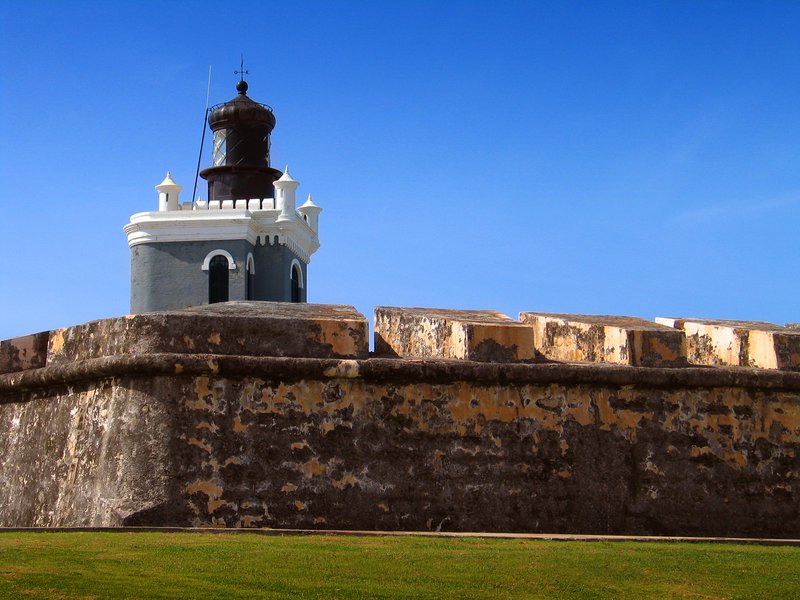
UNESCO World Heritage fortress built between 1539 and 1787 — six levels dropping 140 feet to the Atlantic. The circular sentry towers, garitas, are Puerto Rico's most recognised symbol. Drake failed here in 1595; Cumberland held it briefly in 1598. Unobstructed Atlantic views from every rampart.
🏛️ Daily 9:00am - 5:00pm
⏰ ~2 hr
⚠️ Ticket valid same day for Castillo San Cristóbal — no second purchase needed
🚕 17 min → Museo de Arte de Puerto Rico
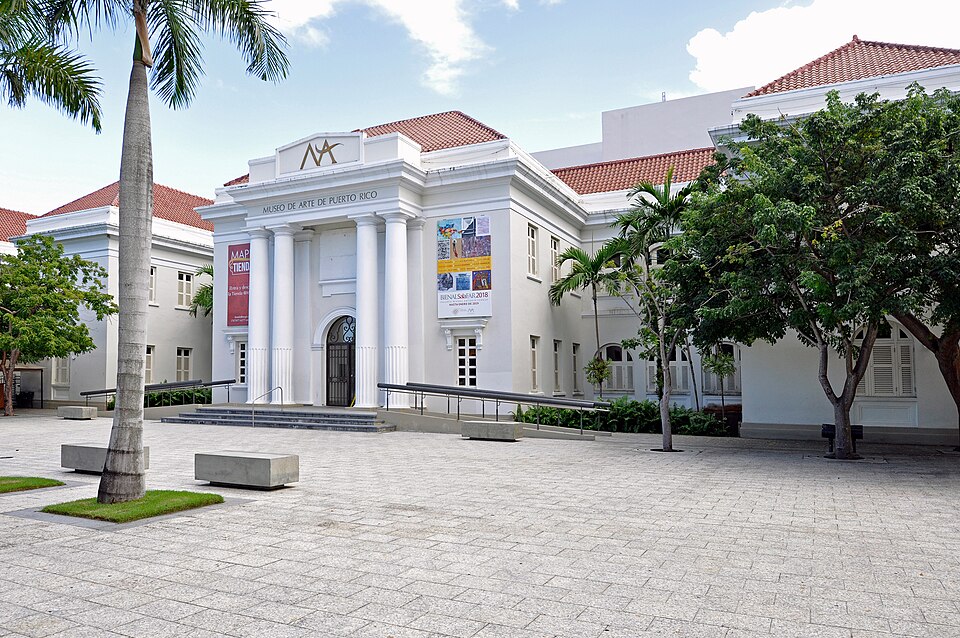
Puerto Rico's largest art museum across 18 galleries in a restored 1920s neoclassical building in Santurce, tracing five centuries of Puerto Rican art from Francisco Oller's Impressionist realism through contemporary work. A 1.5-acre sculpture botanical garden wraps the building's rear.
🏛️ Wednesday - Sunday 10:00am - 5:00pm
🚫 Closed Monday & Tuesday
⏰ ~1 hr 30 min
🚕 15 min → hotel
From Hotel: 🚕 1h 30min → Parque de Bombas
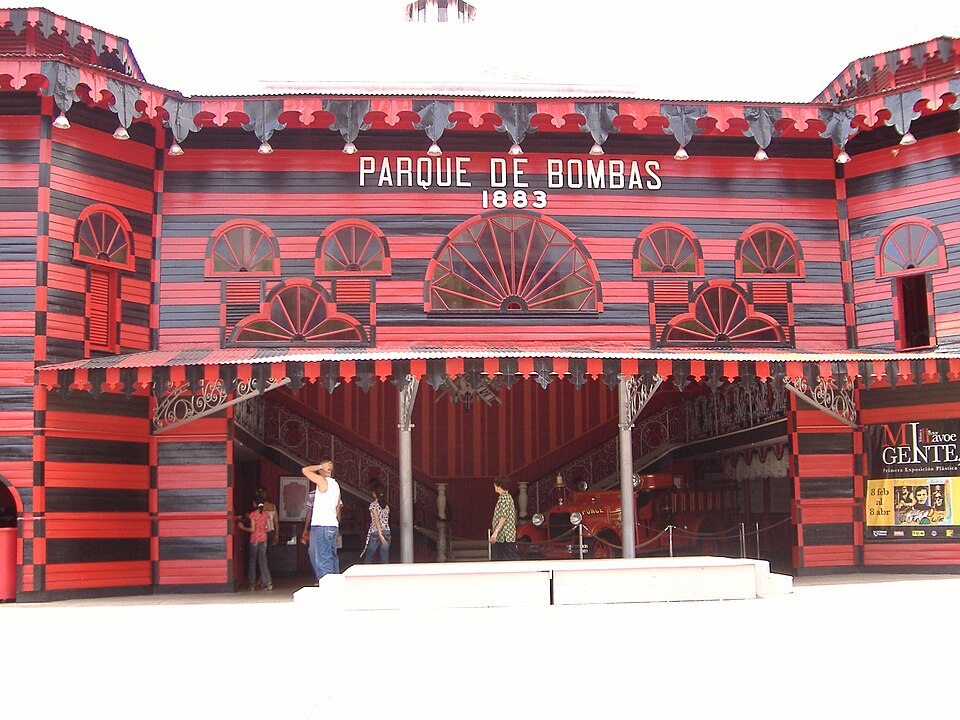
Built in 1882 as a temporary exhibition pavilion for a regional trade fair, this boldly striped red-and-black building became Puerto Rico's first permanent fire station and now operates as a firefighting history museum on Ponce's central plaza. Among the most photographed landmarks on the island.
🏛️ Daily 9:30am - 6:00pm
⏰ ~40 min
🚶 6 min · 🚕 5 min → Museo de Arte de Ponce
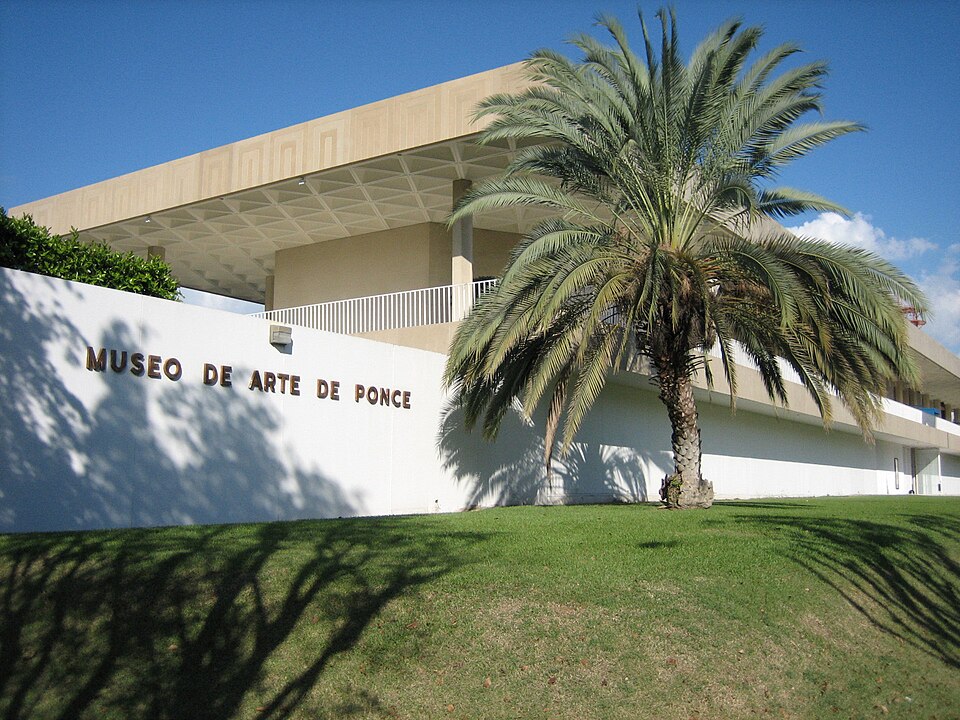
One of the finest art museums in the Caribbean — an outstanding Pre-Raphaelite collection and strong Baroque European holdings inside an Edward Durell Stone building from 1959. Its unusual hexagonal skylit galleries are a landmark in their own right.
🏛️ Monday 10:00am - 5:00pm · Wednesday - Saturday 10:00am - 5:00pm · Sunday 12:00pm - 5:00pm
🚫 Closed Tuesday
⏰ ~1 hr 30 min
🚕 1h 15min → Cueva Ventana
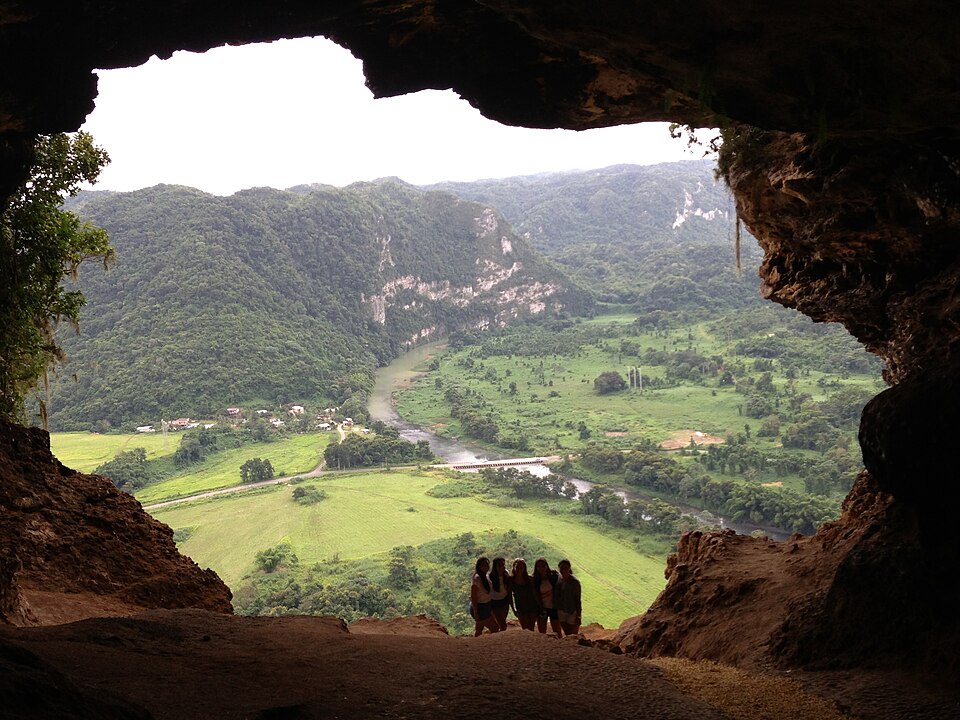
A natural cave entrance on the karst ridge above Arecibo whose opening frames a sweeping valley panorama — Puerto Rico's most dramatic cave viewpoint and the name "Window Cave." The reserve on Route 10 offers guided 45-minute tours through the cave to the main opening.
🏛️ Daily 9:00am - 4:00pm
⏰ ~1 hr
🚕 55 min → Faro Los Morrillos de Cabo Rojo
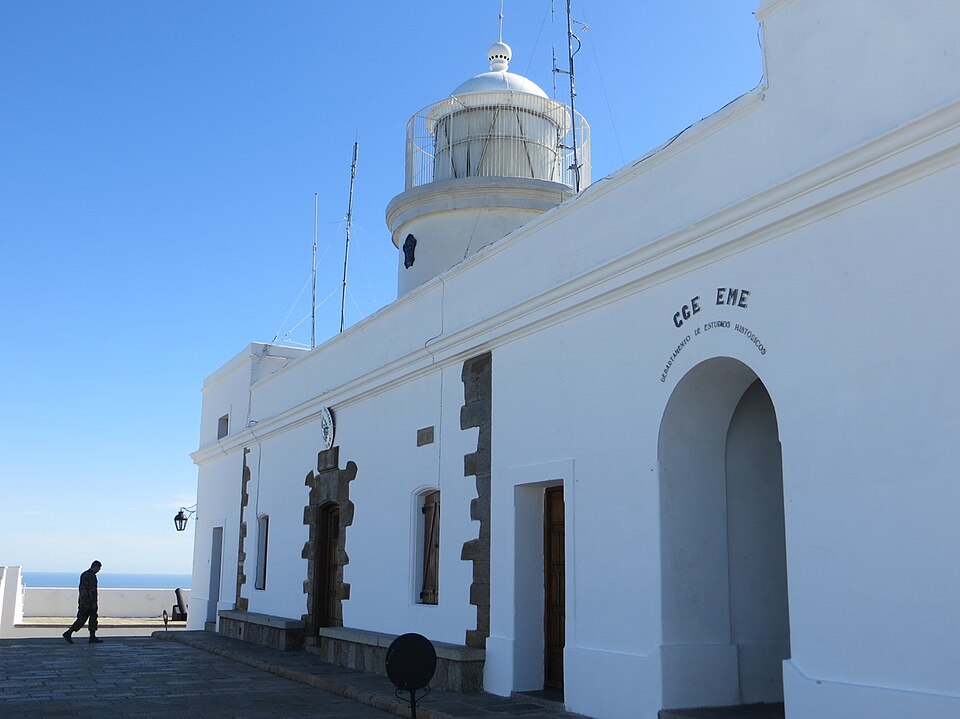
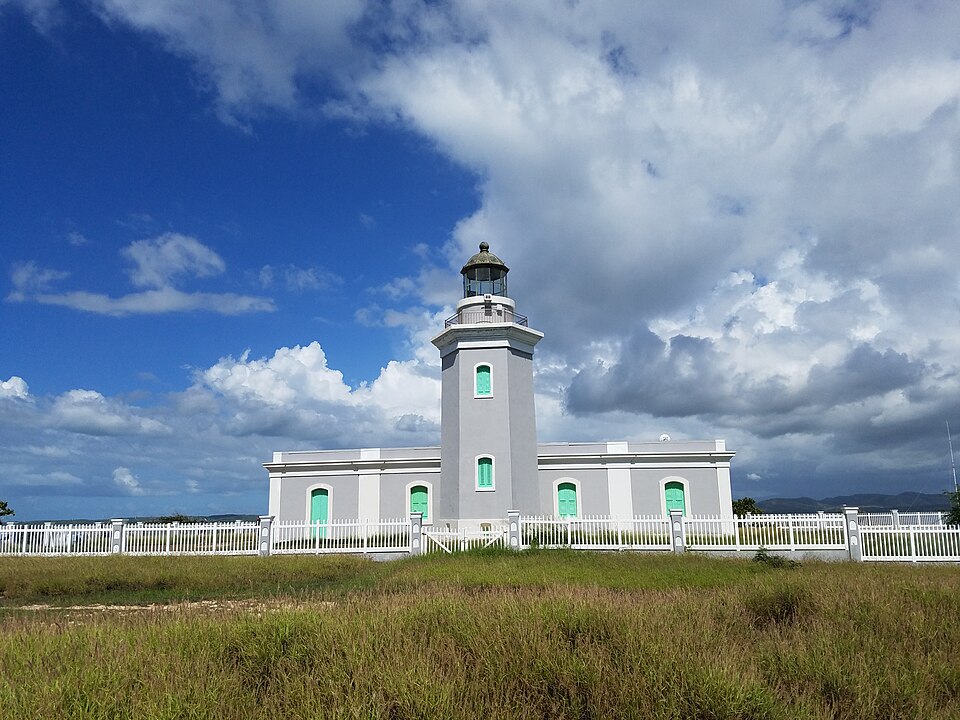
A Spanish colonial lighthouse completed in 1882 on 200-foot limestone cliffs at Puerto Rico's southwestern tip, surrounded by the Cabo Rojo National Wildlife Refuge and its salt flats. The views south across the Caribbean toward Bahía Sucia are among the most photographed in Puerto Rico.
🏛️ Thursday - Tuesday 9:00am - 4:00pm
🚫 Closed Wednesday
⏰ ~1 hr
Free
🚕 2h 30min → hotel
🏰 Between the Walls and the Sea
Puerto Rico was the Spanish crown's most prized Caribbean possession precisely because San Juan was, in theory, impossible to hold. The decision to build El Morro in 1539 launched two and a half centuries of construction that eventually made Old San Juan the most heavily fortified city in the Americas. The walls worked: Drake failed in 1595, Cumberland took the city briefly in 1598 but disease drove him out, and the Dutch failed in 1625. The fortifications did not, however, prevent the Spanish–American War from resolving Puerto Rico's fate in roughly four months in 1898. On the same day San Cristóbal fired the opening cannon of that war, the strategic logic that had justified 350 years of fortress-building became obsolete overnight. The walls stand today not as defences but as the best-preserved example of Spanish colonial military architecture in the New World.
What Spanish colonisation could not erase were the Taíno words that filtered into the world's vocabularies through Puerto Rico and the wider Caribbean. Hammock, hurricane, barbecue, iguana, manatee, tobacco, cassava and canoe all trace their etymology to the Taíno language. The Taíno people were largely absorbed into the colonial population within a generation of contact, but their vocabulary survived everywhere. The Taíno name for Puerto Rico — Borinquen — still lives in Boricua, the proudest and most personal way a Puerto Rican can identify themselves. It is older than the Spanish, older than the forts, and unlike the stone walls, no one has been able to dismantle it.