From Hotel: 🚕 14 min → Chalk Sound National Park
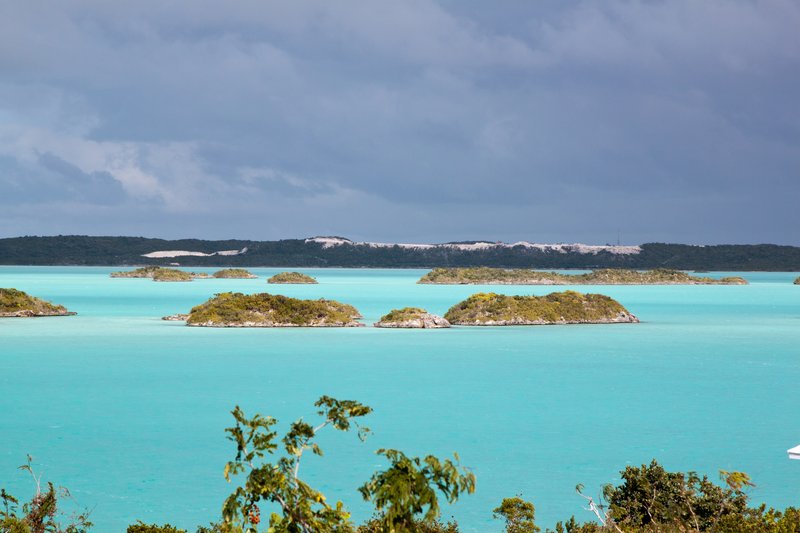
A protected tidal lagoon on the southwest side of Providenciales, coloured an almost artificial turquoise by its shallow sandy floor. Dozens of low limestone islets are scattered across the water, creating one of the most photographed seascapes in the Caribbean.
🚶 28 min · 🚕 7 min → Sapodilla Bay Hill Rock Carvings
A rocky hilltop overlooking Sapodilla Bay, covered in inscriptions carved by shipwrecked or stranded sailors in the 18th and 19th centuries — names, dates, ship names and compass roses cut into the limestone. The summit gives a panorama south over the shallow Caicos Bank.
No pictures found.
🚕 12 min → Frenchman's Creek and Pigeon Pond Nature Reserve
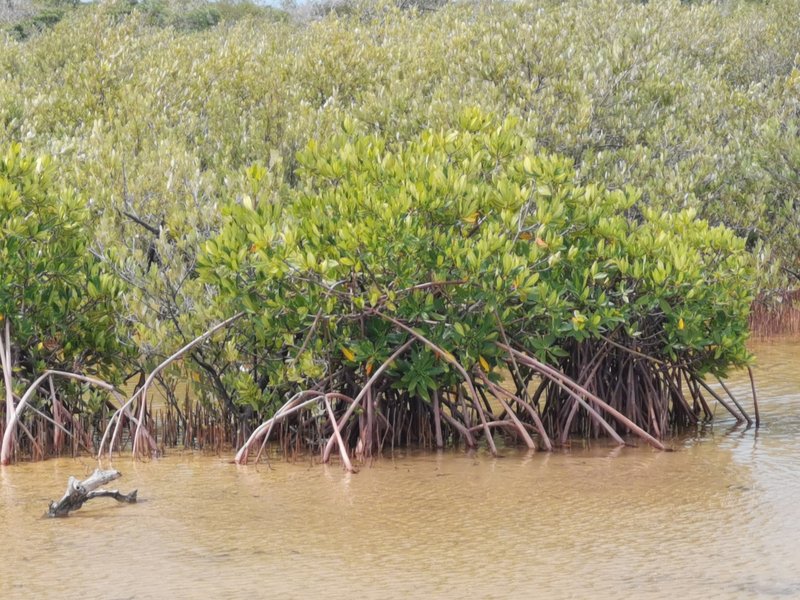
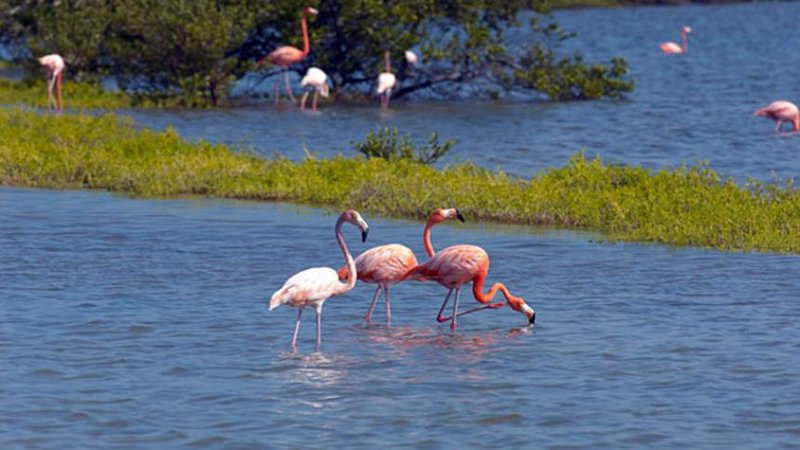
Providenciales' largest protected area — red, black and white mangrove creeks, tidal flats and ironshore coastline along the island's undeveloped south side. Pigeon Pond, on the reserve's northeast edge, is one of the few reliable spots on the island to see Caribbean flamingos.
🏛️ Open 24/7
⏰ ~45 min
⚠️ Tom Lightbourne Drive is unpaved for the final stretch; a 4x4 is recommended
🚕 15 min → hotel
From Hotel: 🚕 5 min → Coral Gardens Reef
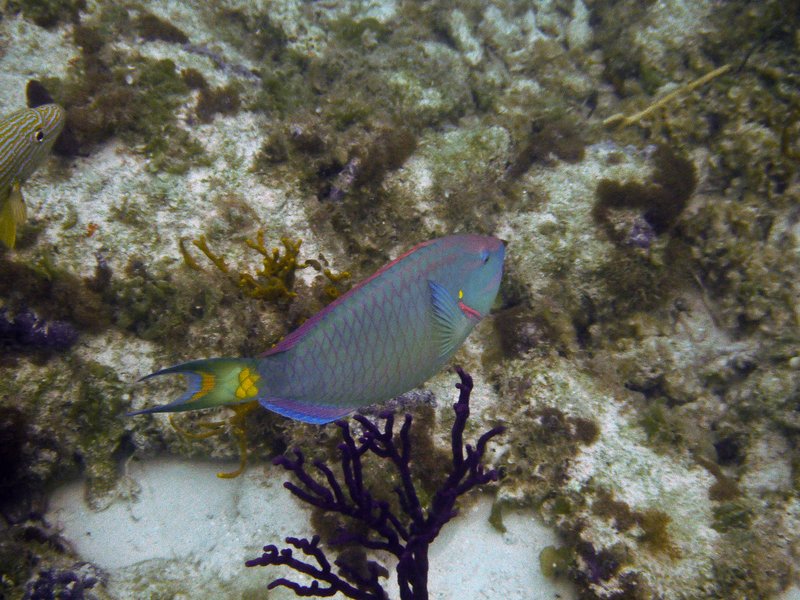
A shallow coral garden a short swim off Bight Beach, inside Princess Alexandra National Park — one of the most accessible shore-entry reefs in the Caribbean. Elkhorn and brain coral heads shelter parrotfish, angelfish, sergeant majors and the occasional green sea turtle a few dozen meters from the sand.
🚕 8 min → Cheshire Hall Plantation
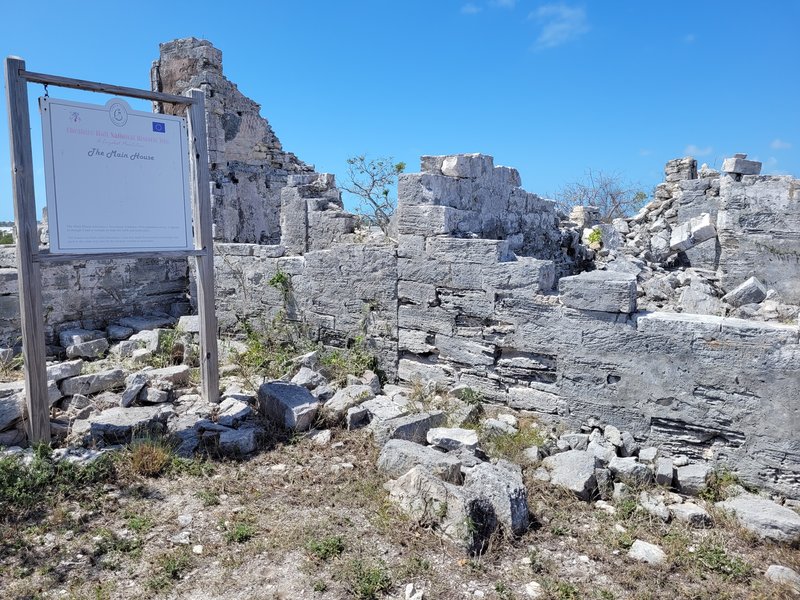
The largest plantation ruin on Providenciales, built by Loyalist settlers from the Carolinas around 1789. The National Trust maintains stone-lined walking paths through the roofless great house and field rows — the most complete record of the island's pre-tourism cotton economy.
🏛️ Monday - Saturday 9:00am - 4:00pm
🚫 Closed Sunday
⏰ ~1 hr
⚠️ Entrance fee collected at the gate on arrival
🚶 16 min · 🚕 4 min → Little Water Cay Iguana Reserve
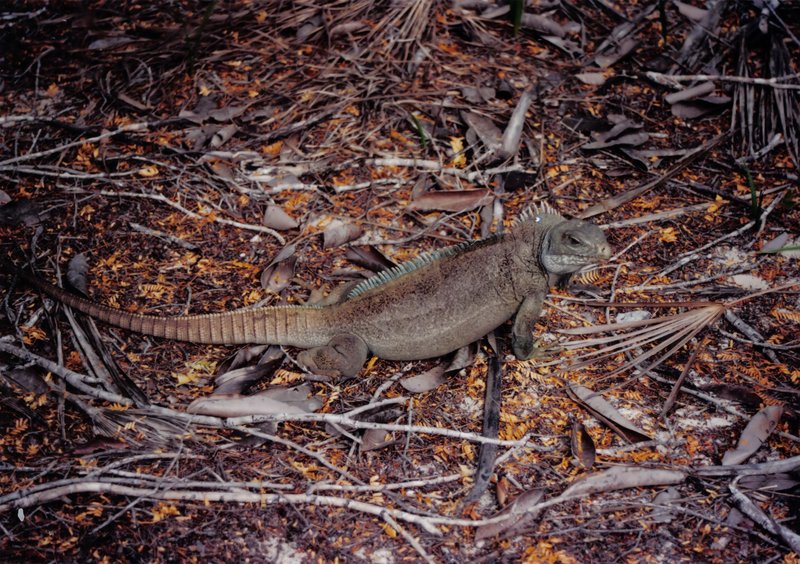
A low-lying protected cay off Leeward, reached by a short boat crossing, and the primary home of the endangered Turks and Caicos rock iguana — roughly 3,000 of them living wild along two looped boardwalk trails through mangrove and coastal scrub.
🏛️ Daily 9:00am - 5:00pm
⏰ ~45 min
⚠️ Admission collected at the boardwalk gate; stay on the marked trail — do not touch or feed the iguanas
🚕 18 min → Blue Hills
A compact fishing settlement on the north coast of Providenciales, largely unchanged since before the resort era. Wooden houses, conch shells stacked by the road, hand-painted boats and drying frames line the lanes near the water — the island's original community, three miles from the resort strip.
🚢 8 min → Leeward Going Through Marina
🚕 15 min → hotel
From Hotel: 🚕 12 min → Flamingo Pond Overlook
A roadside overlook on North Caicos where a hyper-saline pond, part of a Ramsar-protected wetland, draws flocks of West Indian flamingos alongside herons, ospreys and pelicans. The birds are visible directly from the pull-off — no trail or boat needed.
🚕 40 min → Mudjin Harbour and Dragon Cay
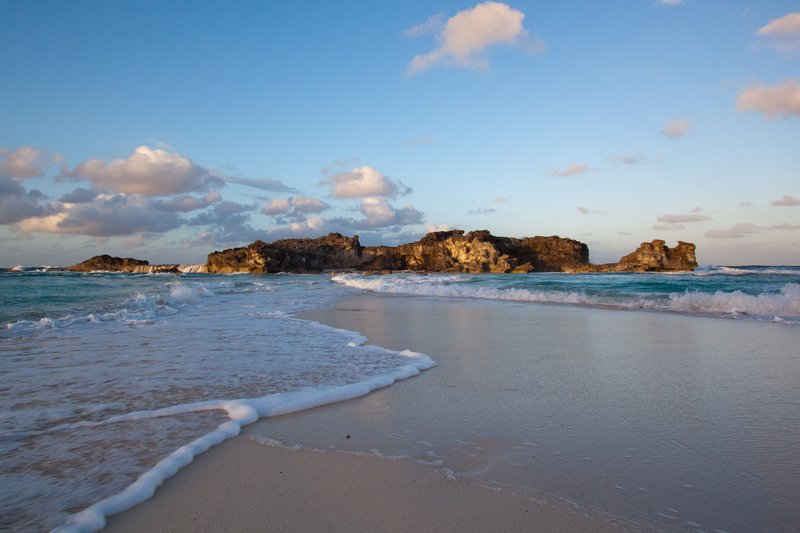
A 3-mile arc of limestone cliffs, sea caves and white sand on Middle Caicos' north coast, cited by Lonely Planet and CNN Travel as among the finest landscapes in the Turks and Caicos. Dragon Cay — a small ironshore islet shaped like its namesake — sits just offshore, reachable across a sandbar at low tide.
🏛️ Open 24/7
⏰ ~1 hr
⚠️ Stay on marked paths — hidden sinkholes along the cliff top and strong currents around the Dragon Cay sandbar
🚕 45 min → Bellefield Landing, North Caicos
🚢 30 min → Heaving Down Rock Marina
🚕 12 min → hotel
⚓ The Sailors Who Left Their Names
Cheshire Hall and Sapodilla Bay Hill are three miles apart, but they belong to the same compressed chapter of history. The plantation was built in 1789 by Loyalist families who arrived from the Carolinas after the American Revolution, bringing enslaved workers to grow sea-island cotton on an island with almost no topsoil. At the 1791 peak TCI produced a significant share of the Bahamian archipelago's cotton output, with Cheshire Hall as its largest estate. Within a decade the boom had collapsed — chenille bugs, soil exhaustion, falling prices — and most plantation owners abandoned the island entirely.
At roughly the same moment, the sailors who cut their names into the limestone at Sapodilla Bay Hill were living the other side of the same maritime economy. The carvings — ship names, compass roses, dates in the 1840s — were made by men stranded on a remote shore, waiting for rescue on an island that had just lost its reason to exist commercially. They scratched their names into rock because there was nothing else to do and they were not sure anyone was coming. The names survived when the ships did not. Cheshire Hall's great house also survives in the same way: not as a monument to what was built there, but as a record of what was suddenly abandoned and never finished.