From Hotel: 5 min · 6 min → Museo del Canal Interoceánico
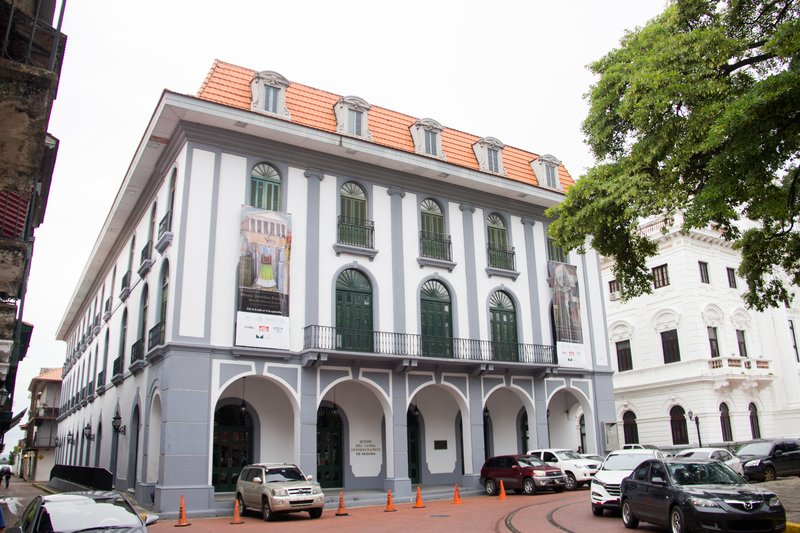
1.Museo del Canal Interoceánico~1 hr 30 min
Panama's canal history told from the inside, inside the restored 1874 Grand Hotel building on Plaza de la Catedral, covering the French failure, the American build, and the 1999 handover.
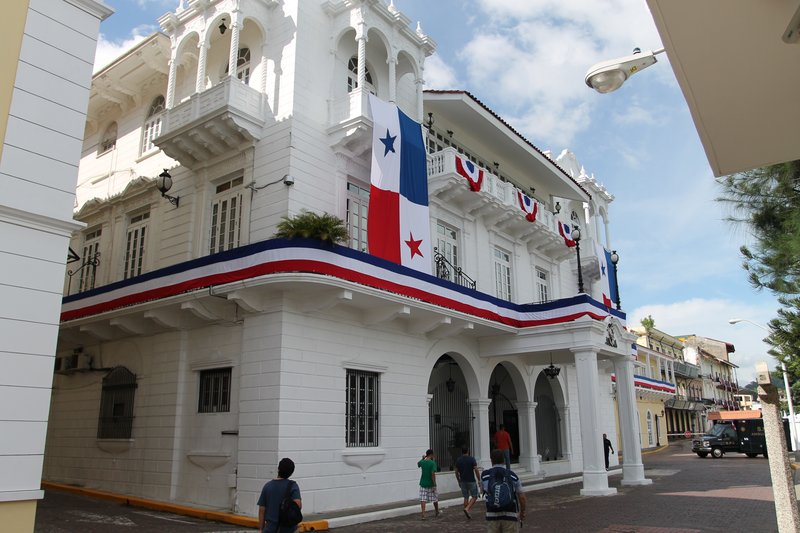
Panama's working presidential palace, instantly recognizable for the tame herons that have wandered its Moorish-tiled courtyard since 1922, viewable from the street outside its guarded Avenida Eloy Alfaro entrance.
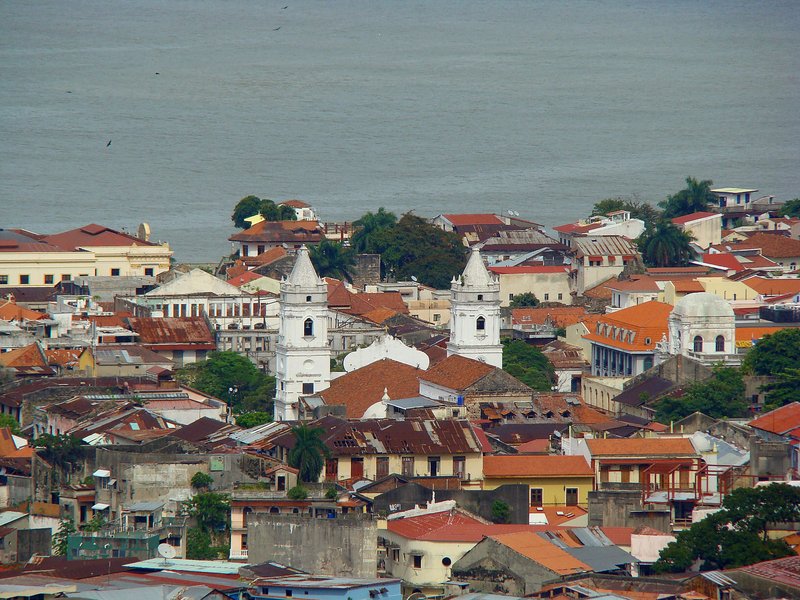
The whitewashed, pearl-inlaid bell towers of Panama's national cathedral, consecrated in 1796 after more than a century of construction on the plaza that gives Casco Viejo its center.
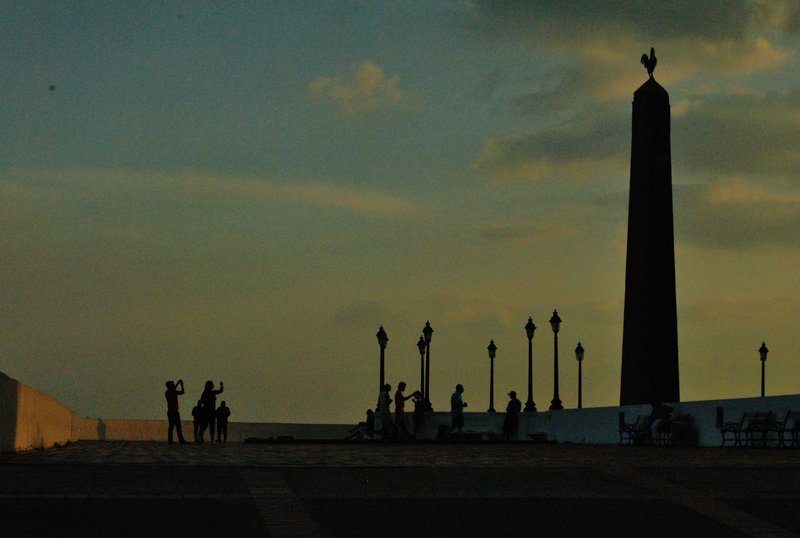
A crescent-shaped plaza at the southern tip of Casco Viejo honoring the roughly 22,000 workers who died in France's failed 1880s attempt to dig the canal, its restored dungeon vaults and sea-wall promenade framing views across the bay.
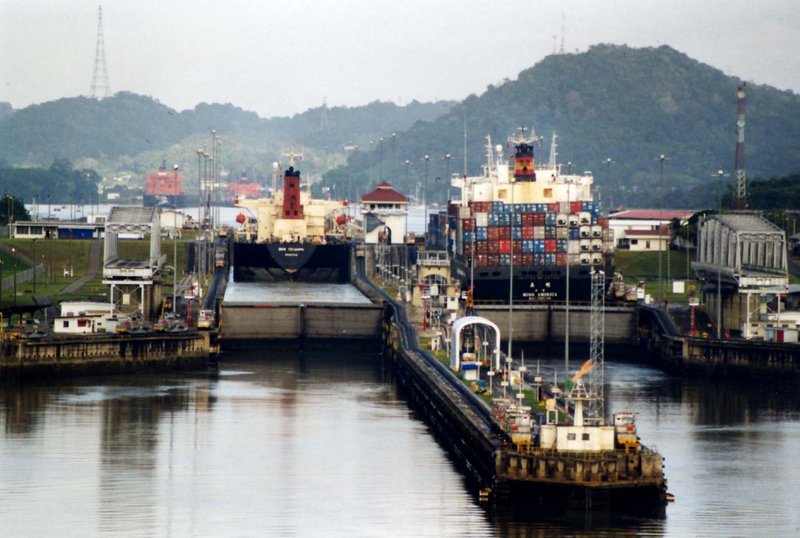
A two-step flight of locks lifting and lowering Panamax ships between the Pacific and Gatún Lake, watched from four observation decks with an overhead PA calling out each ship's flag and cargo.
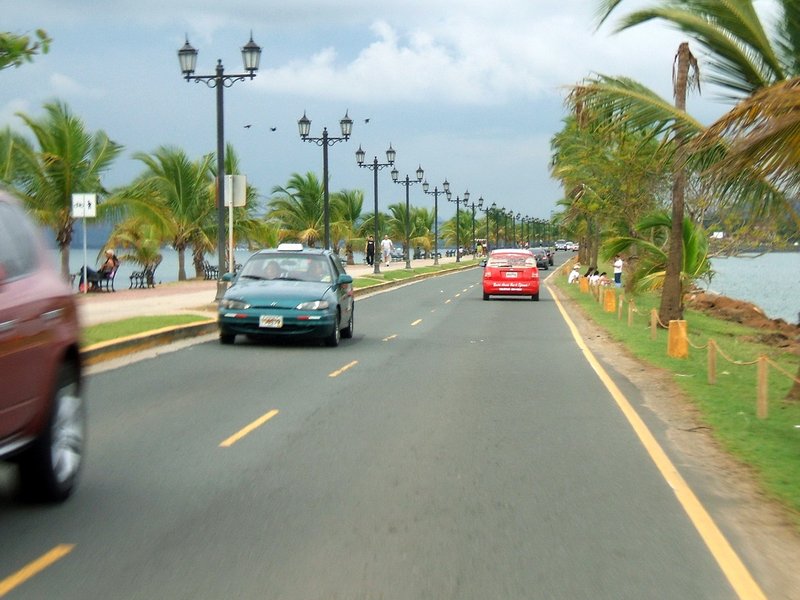
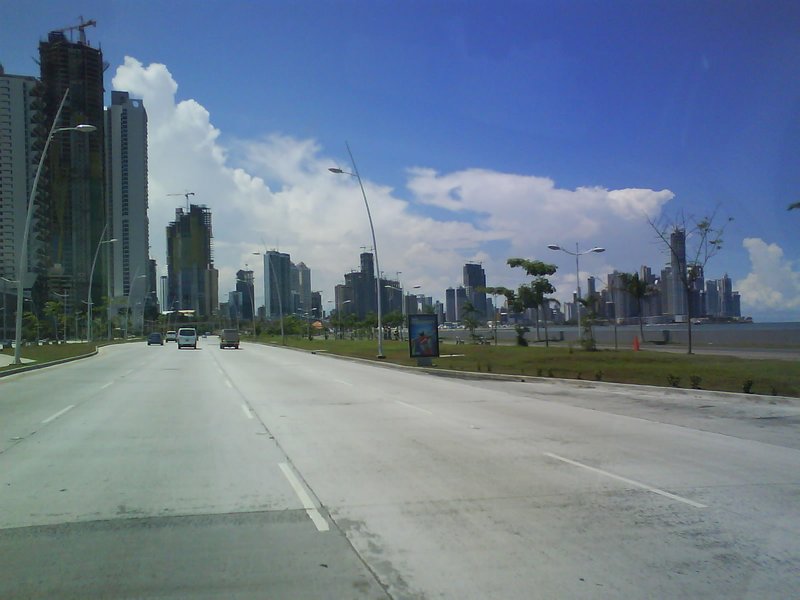
A land-bridge of rock excavated from the Culebra Cut, running nearly 6 km past three former military islands to the Pacific entrance of the canal, its promenade framing the best skyline view in the city.
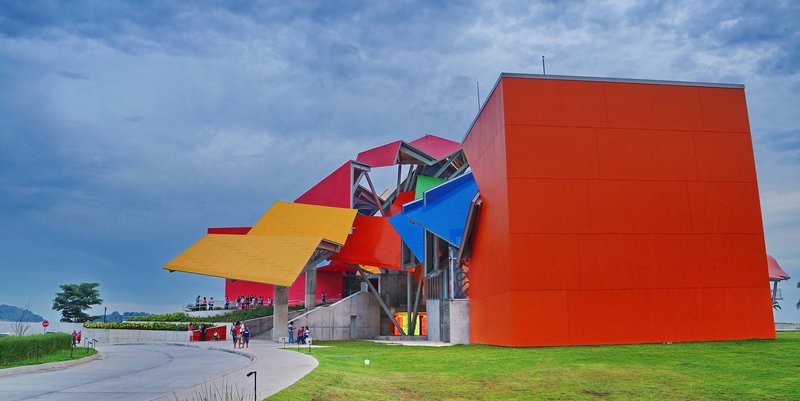
Frank Gehry's only building in Latin America, its riot of corrugated, brightly-colored canopies telling the story of how the isthmus of Panama rose from the sea and reshaped the planet's biodiversity.
A Smithsonian Tropical Research Institute outpost on the causeway's outer tip, its trail through dry tropical forest home to 20–30 free-roaming sloths alongside touch tanks and a frog house.
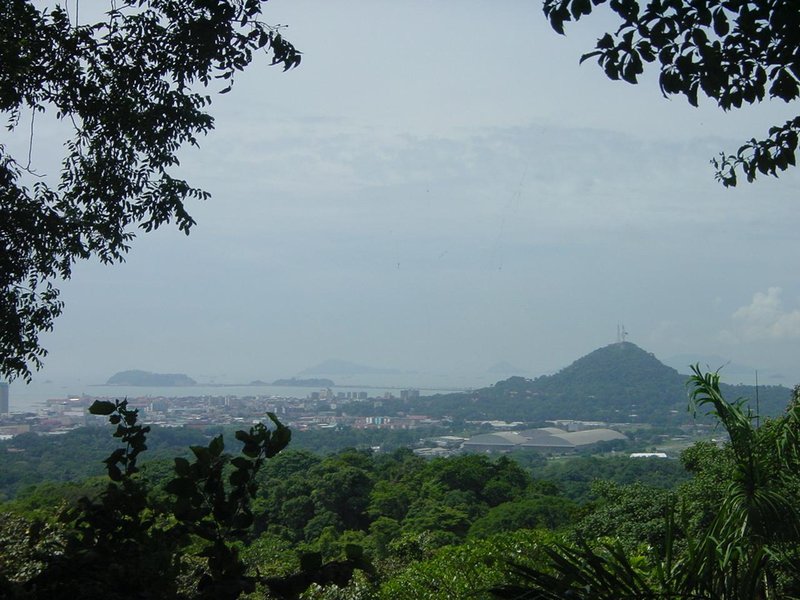
A 199-metre protected hill inside the city limits, its paved trail passing sloths, coatis, and Geoffroy's tamarins on the way to two summit viewpoints — one over the canal, one over Casco Viejo.
22 min · 4 min → Panama Canal Administration Building
2.Panama Canal Administration Building~30 min
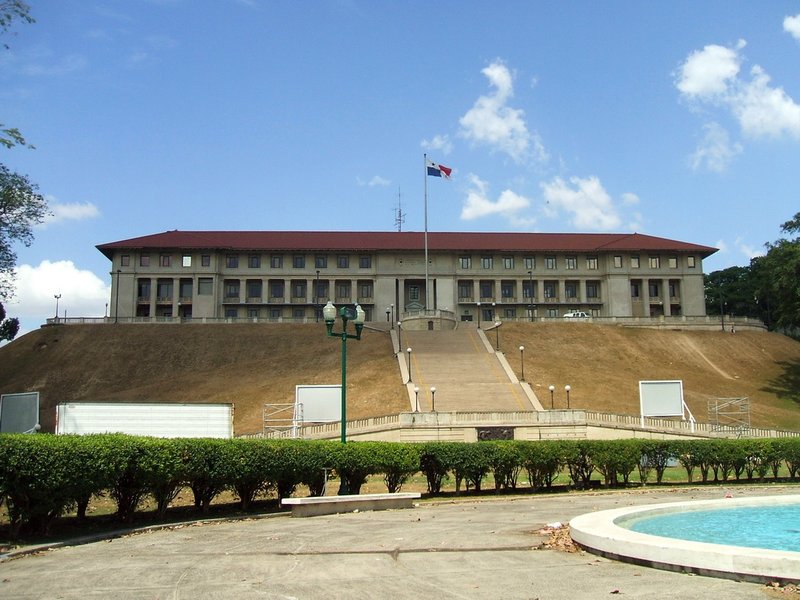
The 1914 Beaux-Arts headquarters overlooking Balboa, its inner rotunda ceiling painted by William Van Ingen with four scenes of the canal under construction — the Culebra Cut, the Gatún dam, and the locks.
A 265-hectare rainforest reserve — the only one of its kind inside a Latin American capital — with trails past 227 recorded bird species and canopy views back over the city skyline. General admission is $5 for foreign visitors, paid at the gate.
A 26-hectare land-reclamation beltway completed in 2009, its 2.5 km marine viaduct and waterfront park encircling Casco Viejo with joggers, kite-flyers, and the city's clearest skyline views at sunset.
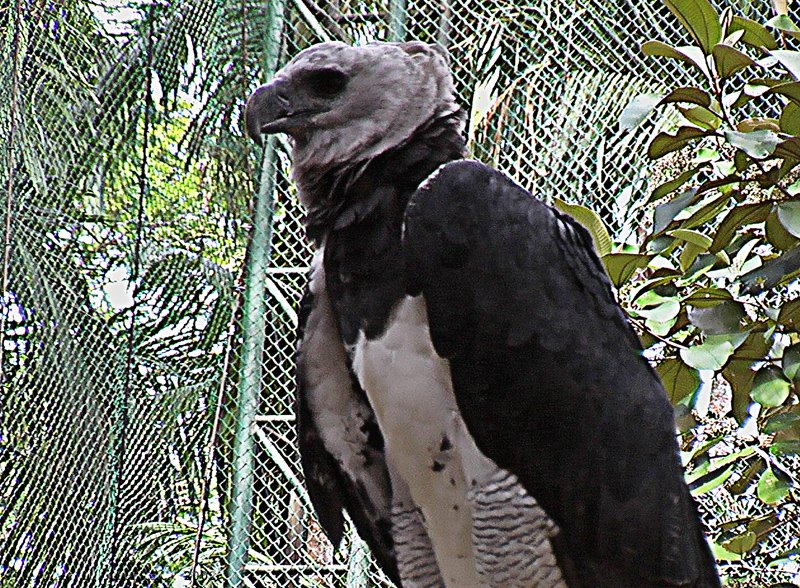
A 250-hectare botanical garden and rescue zoo founded in 1923 to test tropical plant species, now home to around 300 rescued animals headlined by Panama's national bird, the harpy eagle.
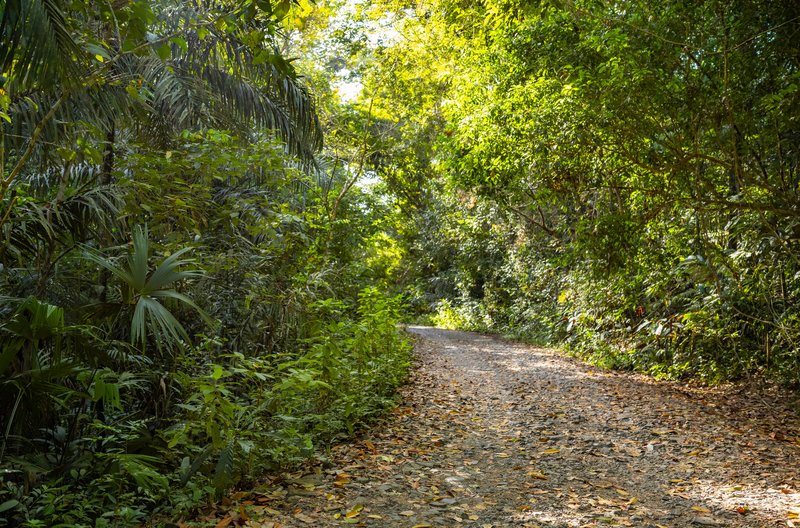
A 22,000-hectare rainforest reserve straddling the canal, entered here at the Rainforest Discovery Center's 32-metre canopy tower and the trailhead of Pipeline Road, which has logged over 400 bird species.
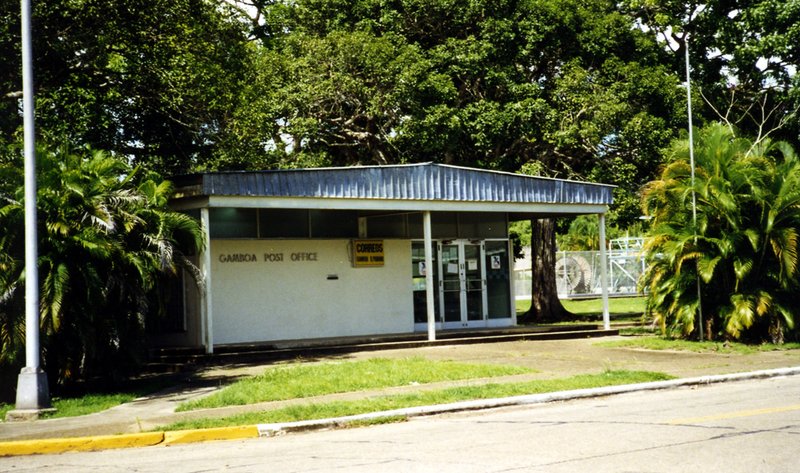
A former Panama Canal Zone company town built in 1911 at the point where the Chagres River feeds Gatún Lake, its rows of Canal-era houses now the jumping-off point for boat trips onto the lake.
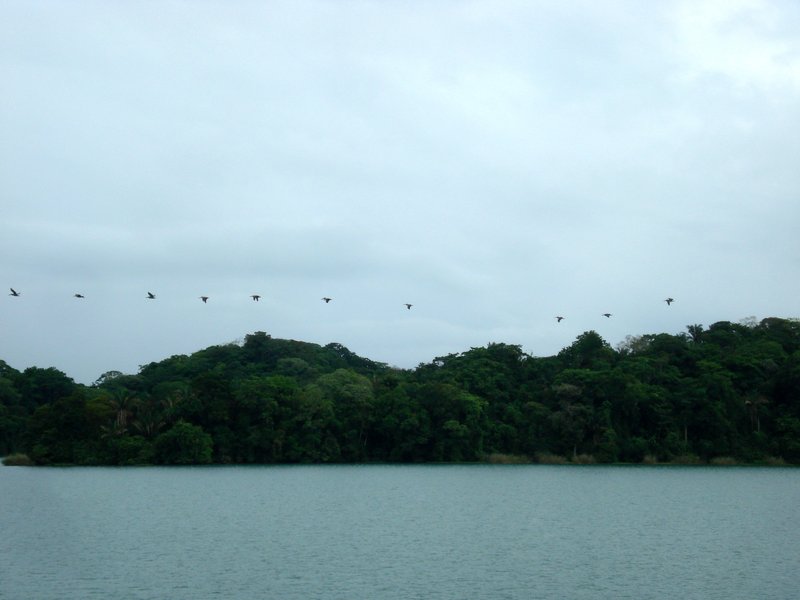
A boat tour onto the artificial lake that carries ships across a third of the canal's transit, weaving into side channels where white-faced and howler monkeys come down to the water's edge.
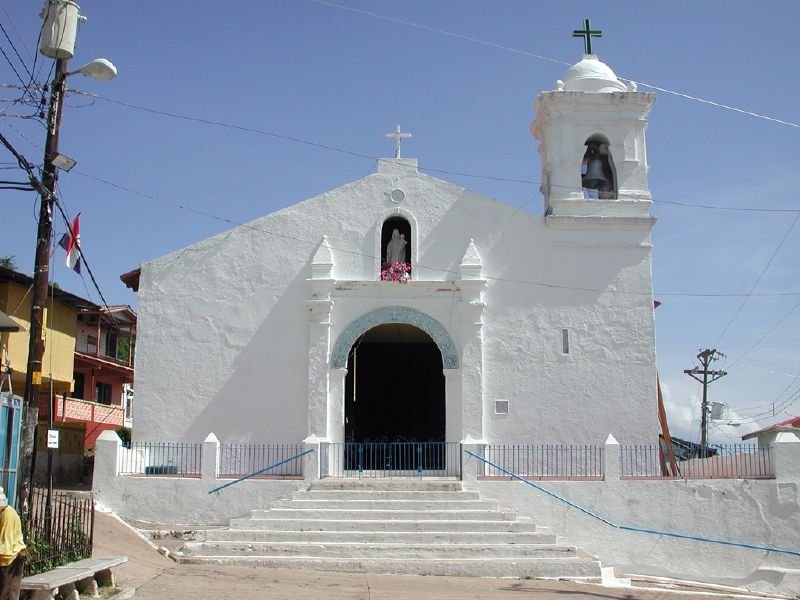
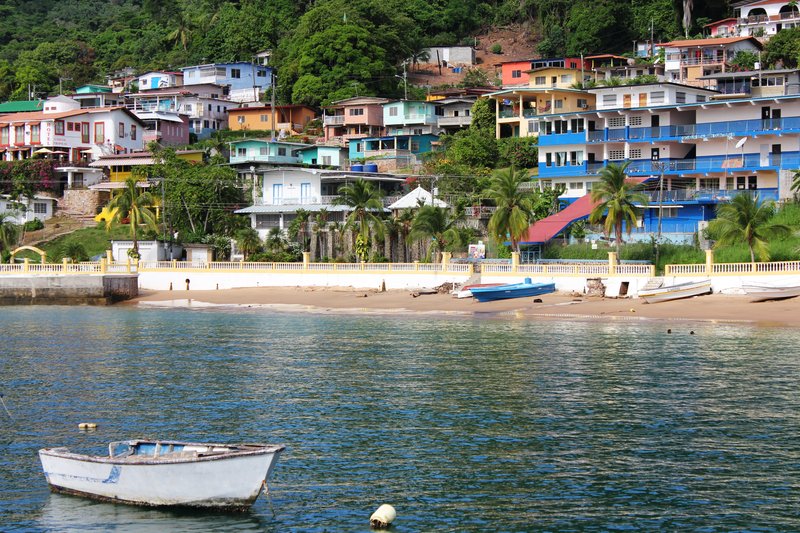
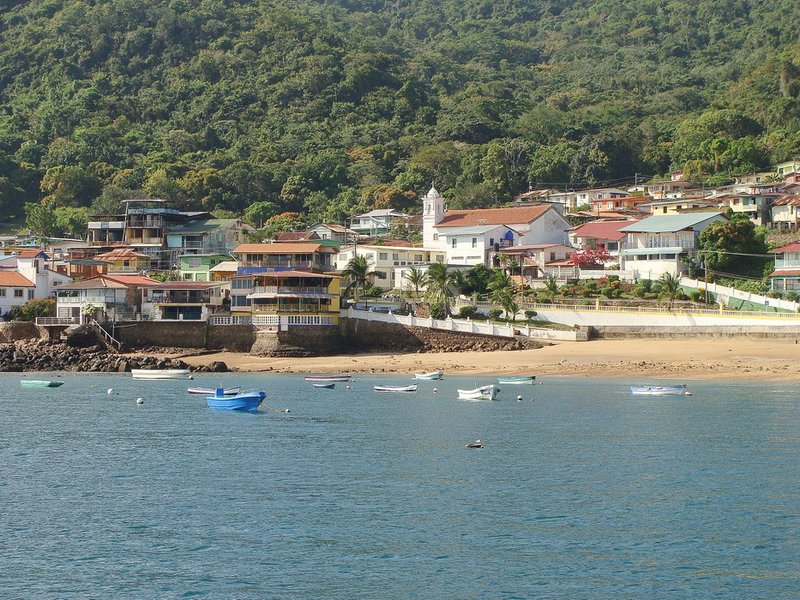
A parish church founded in 1524, among the oldest in the Americas, anchoring a village of pastel houses where Francisco Pizarro once provisioned ships for the conquest of the Inca Empire.
The main beach on Taboga's "Island of Flowers," a sand and shingle crescent facing the Gulf of Panama, with a tidal sandbar that opens a walking path to a second beach, Playa Honda, at low water.
A hilltop cross above the village, reached on a footpath with no vehicle access, opening onto a panoramic view back across the Gulf of Panama to the city skyline and the ships queuing for the canal.
A five-hour group tour bundling the historic old town, the Panama Canal visitor center, and the Amador Causeway, with an optional canal-side IMAX film included.
Small-group bike ride through Casco Viejo, along the Cinta Costera, and past the Mercado Público del Marisco, with a local guide narrating the neighborhood along the way.
A boat cruise through the Pedro Miguel and Miraflores locks aboard the Pacific Queen, passing the Centennial Bridge and Bridge of the Americas as canal traffic moves alongside.
A direct-trade roaster sourcing from Panama's own Boquete and Geisha farms, pouring single-origin cappuccinos and a well-liked breakfast sandwich inside the American Trade Hotel building.
Panama's national dish, a golden chicken soup simmered with yuca, corn on the cob, and culantro, served at family tables and traditional kitchens alike as a cure-all comfort food.
Corvina or shrimp cured raw in lime juice with onion and cilantro, served ice-cold as a starter across the city and at its freshest straight from the fishing boats.
Twice-fried green plantain rounds, smashed flat between fryings until crisp outside and starchy within, the standard side dish or bar snack served with a dipping sauce.
Panama's fried breakfast dough, crisp outside and pillowy within, eaten alongside fried eggs, white cheese, or a stewed hot dog at any of the city's traditional breakfast counters.
Foreign number: accepted. — it shares the same Uber account and verification flow as ride-hailing, so a traveler already signed in for rides is signed in here.
Covers Bella Vista, Marbella, San Francisco, and Casco Viejo restaurants well; selection thins out toward the edges of the delivery zone and surge pricing during rain is common.
Foreign number: accepted. — the region-wide Delivery Hero signup flow accepts any country code before the SMS step, absorbing Glovo and Appetito24 in Panama.
The most-used delivery app in the country, with the broadest restaurant coverage and grocery/pharmacy delivery alongside food; a Spanish-only interface is the main friction for visitors.
Foreign number: accepted. — the SMS verification code reaches most foreign carriers, though delivery can lag outside North America.
The default choice across the city — Casco Viejo's narrow one-way streets make street hails unreliable, and fares are fixed in-app before pickup, avoiding the haggling some independent taxis expect from visitors.
Ships transit roughly 8–10am and 2–3pm; midday runs quiet, so arrive in the morning window for the best chance of a crossing.
Worth Knowing
A capital that runs on two currencies with one value, and a canal that never closes
Panama's official currency is the Balboa, but no Balboa paper money has ever been printed — US dollar bills are the everyday cash, and Panamanian coins circulate freely alongside identically-sized US coins at the same value. Nobody sorts them at checkout.
Tap water in Panama City is safe to drink straight from the faucet, an exception in the region worth knowing before stocking up on bottled water out of habit.
The famous "Panama hat" is not Panamanian at all — it originated in Ecuador and was popularized after workers wore it during the canal's construction. Panama's own iconic export is Geisha coffee, grown in the highlands around Boquete and served across Casco Viejo's cafés.
Casco Viejo's streets are original colonial cobblestone, uneven in places and occasionally without sidewalks — comfortable closed-toe shoes make a real difference over a full day of walking.
A 10% tip is standard at sit-down restaurants; check the bill first, since some already add a "servicio" charge that covers it.
The canal runs 24 hours a day, every day of the year — a ship transiting at 3am is routine, which is part of why the Miraflores observation decks feel different at each visit.