TRIP OVERVIEW
Day 1 – Peristyle · Cathedral of Saint Domnius · Temple of Jupiter · Riva
Day 2 – Meštrović Gallery · Marjan Hill · Bačvice Beach
Day 3 – Gregory of Nin · Narodni Trg · Klis Fortress
Day 4 – Cathedral of Saint Lawrence · Kamerlengo Castle · Trogir Old Town Island
Day 5 – Salona · Split Archaeological Museum · Vestibule
Day 6 – Omiš · Cetina River Canyon
Day 1
1. Peristyle of Diocletian's Palace~45 min
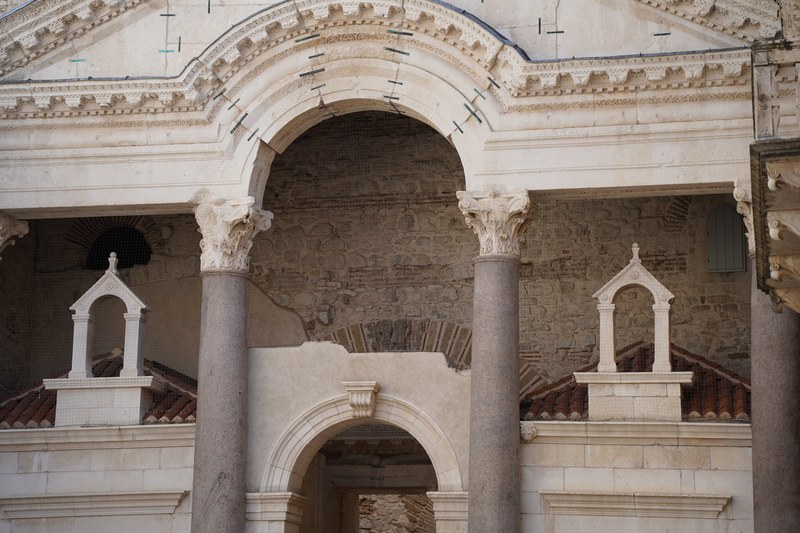
The outdoor ceremonial courtyard at the heart of a Roman imperial palace built around 305 AD — café tables and street musicians now occupy the space where emperors once processed, with Egyptian sphinxes still standing watch.
Open 24/7
2. Cathedral of Saint Domnius~1 hr
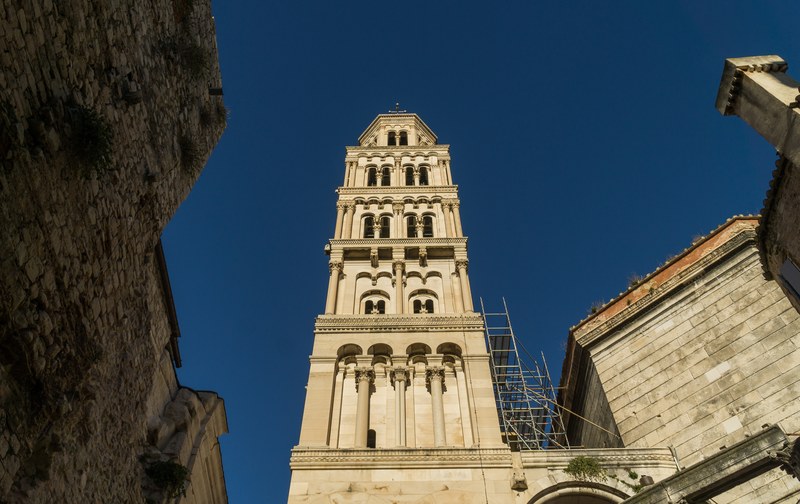
One of the world's best-preserved Roman mausoleums, built as Diocletian's tomb in the 4th century and converted into a cathedral by the 7th — the octagonal bell tower climbs to panoramic views over Split and the Adriatic.
Monday - Saturday 8:00am - 7:00pm · Sunday 12:30pm - 6:30pm
3. Temple of Jupiter~30 min
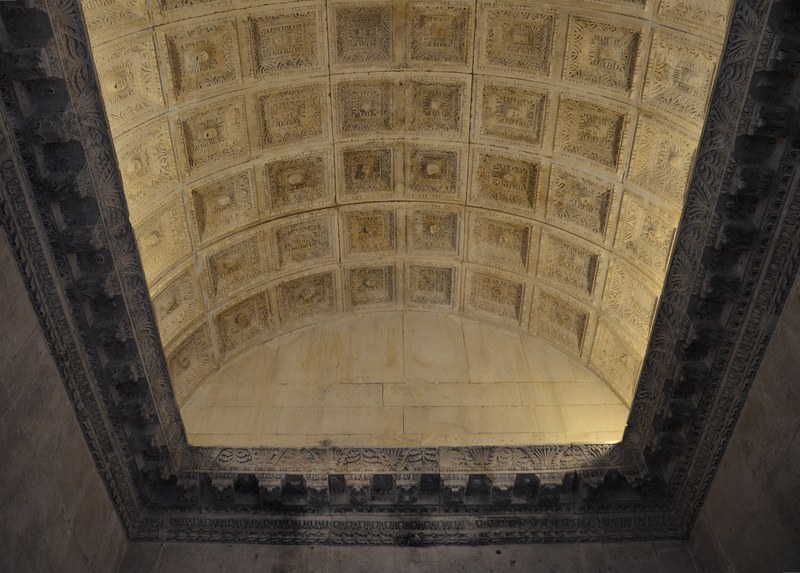
A near-intact 4th-century Roman temple tucked inside the palace warren — the barrel-vaulted ceiling, ornate friezes, and a headless Egyptian sphinx guard what was later converted into a baptistery; one of the finest small Roman interiors in existence.
Monday - Saturday 8:00am - 7:00pm · Sunday 12:30pm - 6:30pm
4. Riva Waterfront Promenade~1 hr
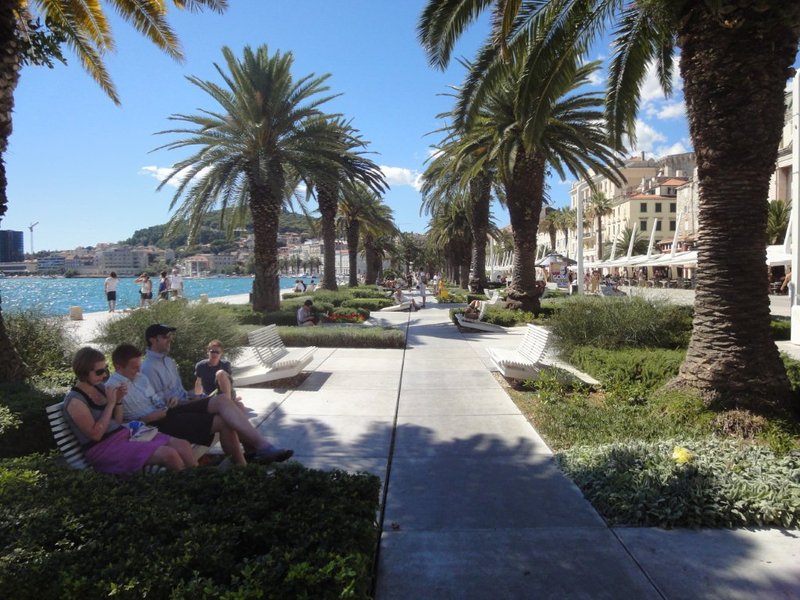
Split's marble-paved living room along the harbor — the south walls of Diocletian's Palace rise directly from the Adriatic here, lined with café terraces, palm trees, and the constant ferry traffic to the Dalmatian islands.
Open 24/7
Day 2
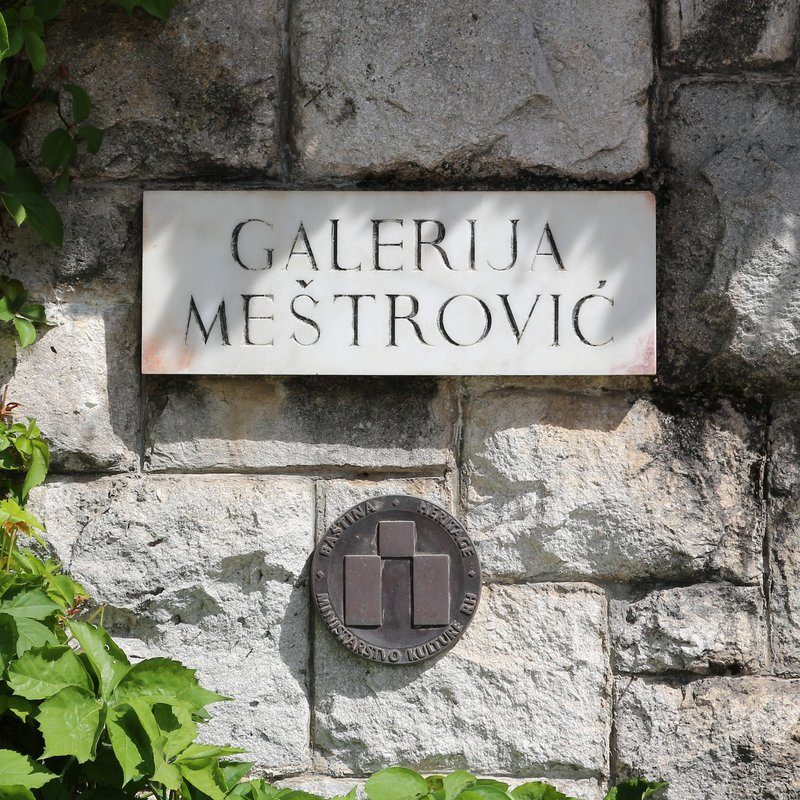
1. Meštrović Gallery~1 hr 30 min
Croatia's greatest sculptor designed this white-stone villa as his own home and studio — 200 bronze and marble works displayed across terraces and salons overlooking the Adriatic; one of Europe's most personal art museums.
Tuesday - Sunday 9:00am - 7:00pm
Closed Monday
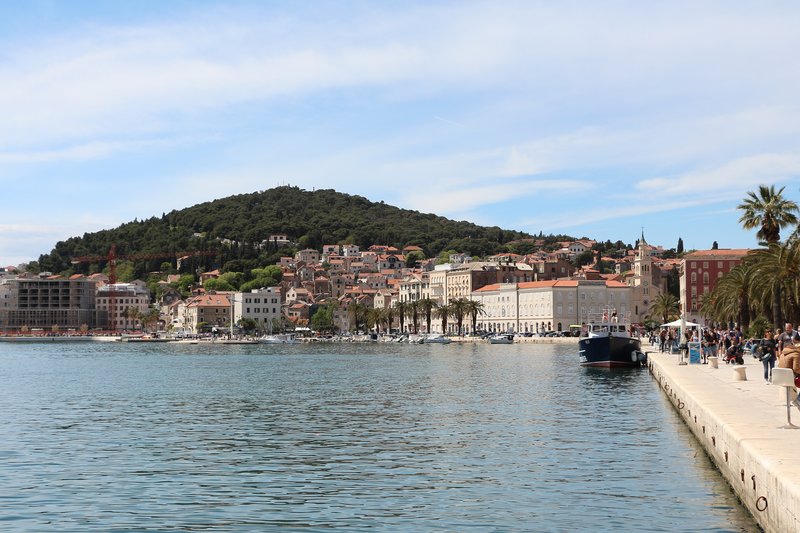
2. Marjan Hill~1 hr 30 min
Split's forested peninsula park rising 178 m above the city — pine-shaded paths lead to medieval hermit chapels and a summit belvedere with sweeping views over the Dalmatian islands, with walking trails starting right beside the Meštrović Gallery.
Open 24/7
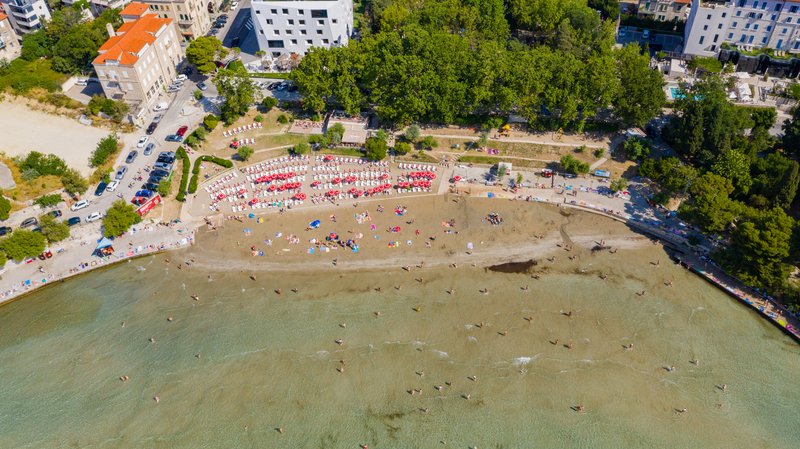
3. Bačvice Beach~2 hr
Split's iconic sandy cove — unusually shallow warm water makes it the birthplace of picigin, a uniquely Croatian ball-juggling game played standing in the surf; the promenade above buzzes with beach bars well into the evening.
Open 24/7
Day 3
1. Gregory of Nin Statue~20 min
Ivan Meštrović's monumental bronze of the 10th-century bishop who fought for the Croatian language in church — the big toe on his left foot is polished gold from centuries of good-luck rubs by passersby outside the Golden Gate.
Open 24/7

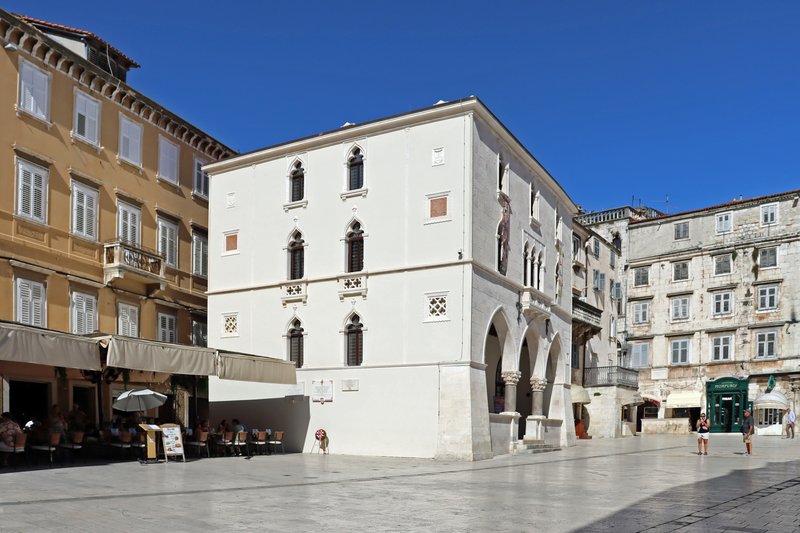
2. Narodni Trg~30 min
Split's medieval public square — flanked by a 15th-century town hall and a Gothic clock tower; locals call it Pjaca and it has been the city's social heart since the Middle Ages, hosting markets and public debates for six centuries.
Open 24/7
3. Klis Fortress~1 hr 30 min
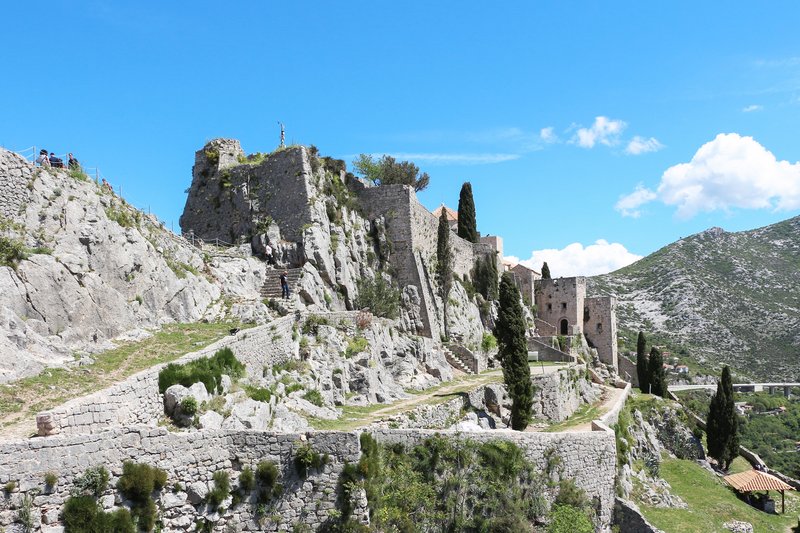
A dramatic 3000-year-old clifftop stronghold 10 km north of Split that held off Ottoman invasions for decades — Game of Thrones fans will recognize it as the slave city of Meereen; views from the ramparts span Split, the islands, and the Dinaric Alps.
Day 4
1. Cathedral of Saint Lawrence~1 hr
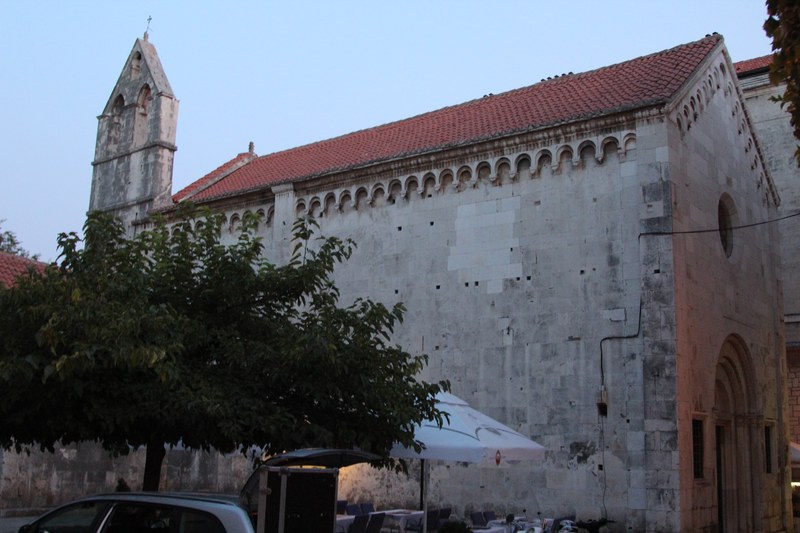
The masterpiece of Romanesque-Gothic Dalmatia — begun in 1213 on the site of a Saracen-sacked Early Christian cathedral, its west portal carved by Master Radovan in 1240 is the finest sculpture of its era in Croatia; the 47-meter bell tower offers panoramic views over the UNESCO island and the Adriatic.
Monday - Saturday 8:00am - 6:00pm · Sunday 12:00pm - 6:00pm
2. Kamerlengo Castle~45 min
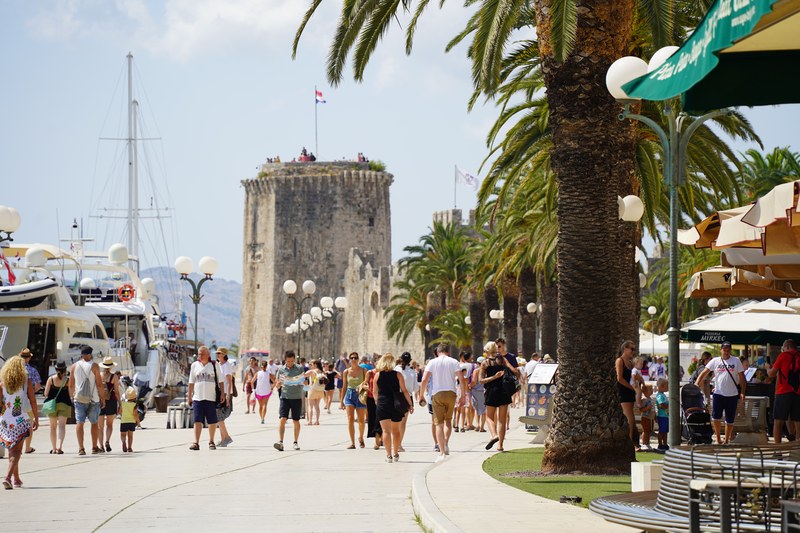
A 15th-century Venetian defensive fortress anchoring the southwest corner of the Trogir island — the circular tower and curtain walls that once held off Ottoman fleets now host open-air summer concerts; panoramic views from the ramparts span the islands and the Adriatic coast.
3. Trogir Old Town Island~1 hr 30 min
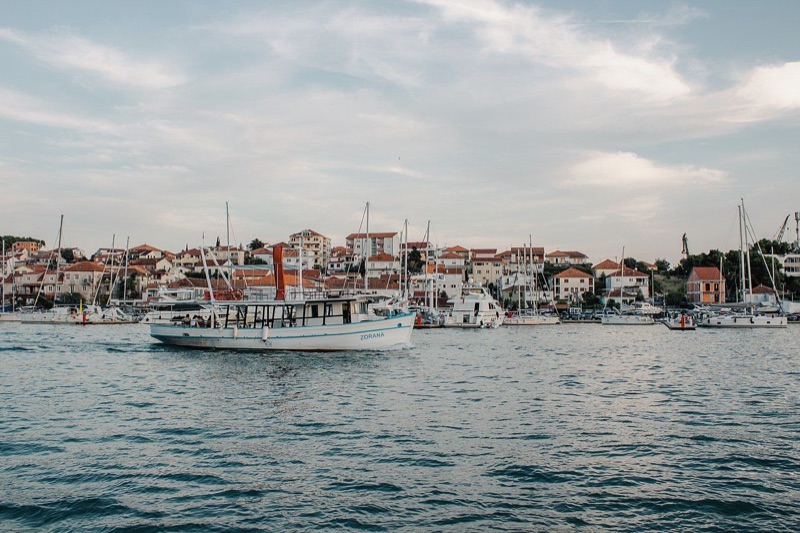
A UNESCO World Heritage island the size of a city block — Romanesque palaces, Venetian loggias, Gothic churches, and medieval fortifications compressed into a pedestrian labyrinth with 2300 years of continuous habitation; the John Paul II waterfront square and the city walls are the best vantage points.
Open 24/7
Day 5
1. Salona~2 hr
The ancient Roman capital of Dalmatia, birthplace of Emperor Diocletian — an archaeological park of 64 hectares in modern Solin with a forum, theatre, Early Christian basilicas, city walls, and a 15,000-seat amphitheatre; at its peak the city held 60,000 inhabitants.
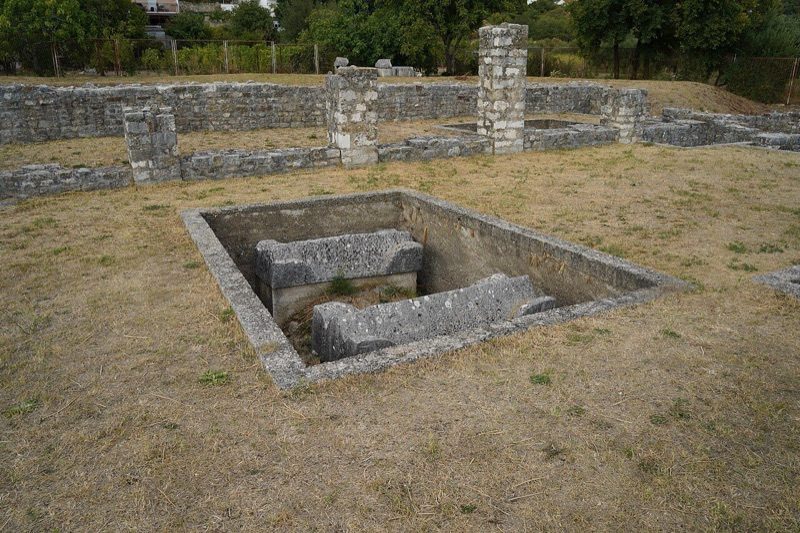
2. Split Archaeological Museum~1 hr 30 min
Croatia's oldest museum, founded in 1820 — 150,000 artifacts spanning prehistoric settlements through Greek colonization, Roman provincial life, and Early Christian Dalmatia; the lapidary garden holds the largest outdoor collection of Roman stonework in Croatia, with inscriptions and sarcophagi from Salona.
Monday - Saturday 9:00am - 2:00pm · 3:00pm - 8:00pm
Closed Sunday
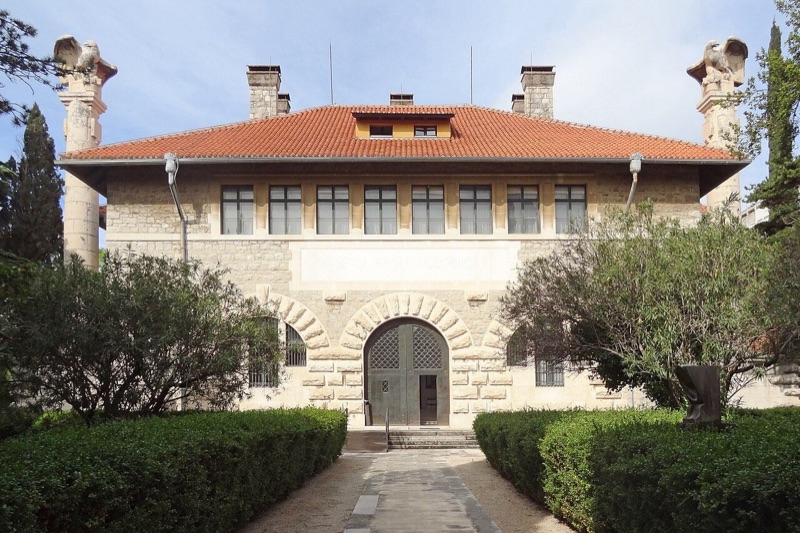
3. Vestibule~30 min
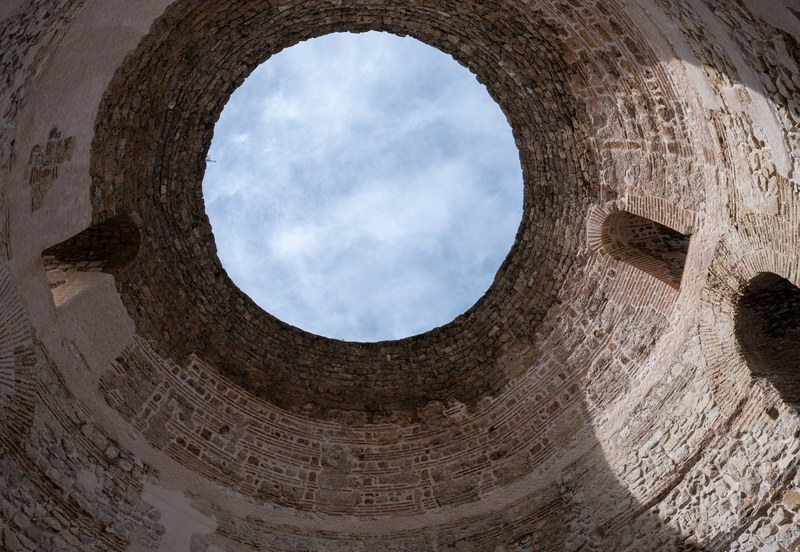
A roofless 4th-century domed antechamber between the Peristyle and Diocletian's private apartments — a 17-meter circular hall with an open oculus and four niched alcoves for imperial statues; the extraordinary acoustics attract local klapa singers whose harmonies fill the stone dome.
Open 24/7
Day 6
1. Omiš~2 hr
Croatia's medieval pirate town at the Cetina mouth — local corsairs dominated Adriatic shipping for two centuries from this gorge-entrance harbor; the clifftop Mirabela Fortress 200 meters above offers sweeping views over the canyon, river mouth, and Dalmatian islands.
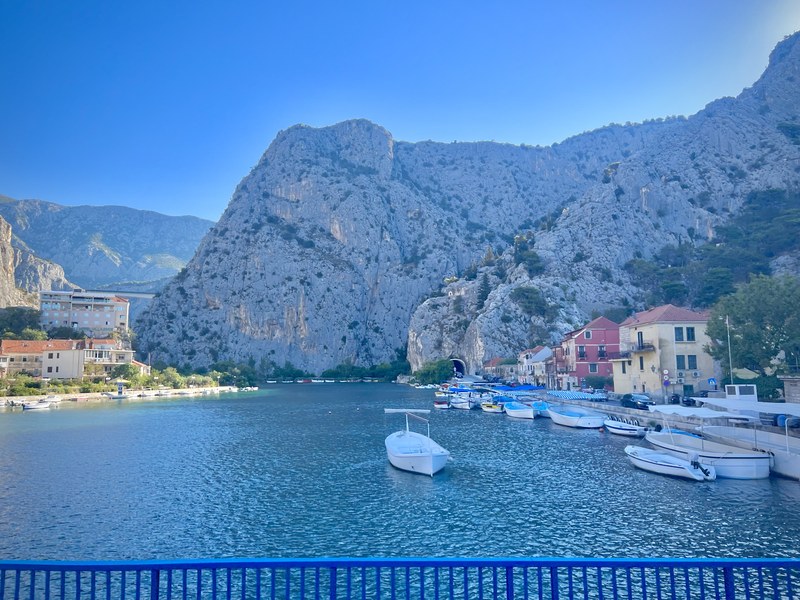
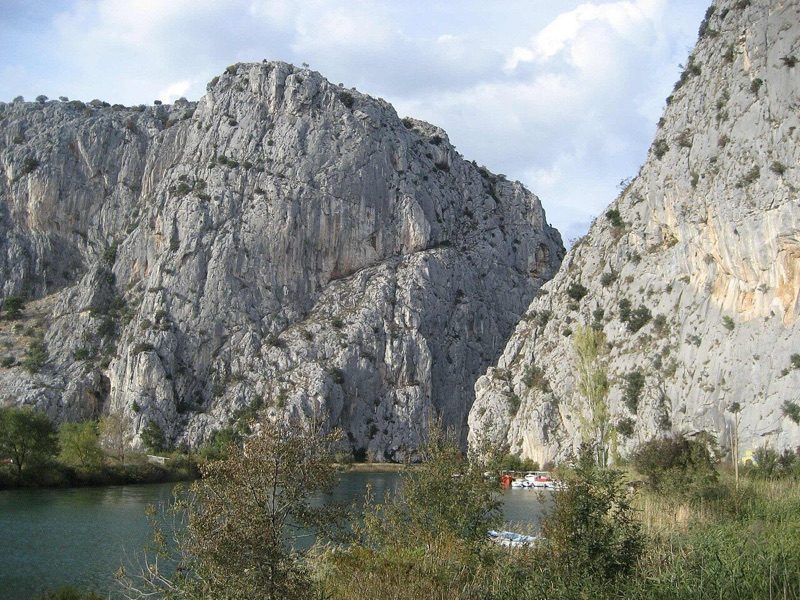
2. Cetina River Canyon~1 hr 30 min
Dalmatia's most dramatic river gorge — the Cetina cuts through 200-meter limestone cliffs west of Omiš, narrowing above emerald water that draws kayakers, rafters, and zip-liners; the canyon mouth where the river meets the sea is one of the most striking geological sights on the Adriatic coast.
Open 24/7
Weekly Closures
Museums · Closed Monday
Galleries · Closed Sunday
Tours
Viator
90-minute small-group walk inside Diocletian's Palace led by a history professor — Roman ruins, medieval layers, and Ottoman traces explained with academic depth.
1 hr 30 min · Small group
Full-day speedboat excursion to the glowing Blue Cave on Biševo, the town of Hvar, the Blue Lagoon near Šolta, and three more Dalmatian islands.
12 hr · Small group
Alternative 5-island speedboat tour from Split or Trogir covering Blue Cave, Vis, Hvar, and the Blue Lagoon — popular second operator with a slightly different route.
12 hr · Small group
Full-day guided round trip from Split to Croatia's most visited national park — 16 terraced lakes connected by turquoise waterfalls and wooden walkways through old-growth forest.
12 hr · Group
Half-day guided visit to Trogir, a UNESCO-listed medieval island city 27 km west of Split — cathedral, Kamerlengo fortress, and cobbled lanes in a compact historic center.
4 hr · Small group
GetYourGuide
GYG's certified small-group tour of Diocletian's Palace with a local expert — Roman history, cathedral, cryptoporticus, and hidden alleys in 90 minutes.
1 hr 30 min · Small group
GYG's most-reviewed Krka day trip — boat cruise on the Krka river, swimming beneath the waterfalls, and round-trip pickup from Split included.
9 hr · Group · Pickup available
Full-day speedboat island-hopping covering Blue Cave, Vis, Blue Lagoon, and Hvar — departs from both Split and Trogir.
12 hr · Group
Small-group half-day premium speedboat trip to the Blue Lagoon near Šolta, with snorkeling, swimming, and a stop at Maslinica fishing village.
5 hr · Small group
Top-rated full-day guided Plitvice tour from Split — entry tickets and air-conditioned transport included; consistently praised for guide quality.
12 hr · Group
TripAdvisor
Classic Blue Cave and Hvar speedboat island-hopping — visits Blue Cave, Hvar, the Blue Lagoon near Šolta, Vis, and Biševo in a single day.
12 hr · Small group
One of Dalmatia's most reviewed day tours — adds Vis to the Blue Cave and Hvar route; popular with return visitors to Split.
12 hr · Small group
Half-day guided tour to Klis Fortress with a focus on its role as Meereen in Game of Thrones — history, views, and GoT filming locations explained by a local expert.
4 hr · Small group
Krka National Park day trip including a boat cruise on the Krka river and a swimming stop at the base of the waterfalls before the return to Split.
9 hr · Group
Boat cruise to the Blue Lagoon near Šolta and two other islands, with lunch included on board; a more relaxed pace than the full speedboat island-hopping tours.
7 hr · Group
Cappuccino
MOJO morning ritual · 4.8 · 40+ reviews
Monday - Friday 7:00am - 3:00pm · Saturday 8:00am - 2:00pm
Closed Sunday
kava² · 4.9 · 1600+ reviews
Monday - Friday 7:00am - 10:00pm · Saturday 8:00am - 10:00pm · Sunday 8:00am - 1:00pm
4 Coffee · 4.9 · 840+ reviews
Stow Coffee Roasters Split · 4.7 · 900+ reviews
Caffe Bar Koko · 4.8 · 400+ reviews
Restaurants Near Hotel
Restaurant Laureto · 4.6 · 35+ reviews
Mediterranean — the hotel dining room, breakfast through dinner.
In the hotel
Daily 6:30am - 11:00pm
Upcafe · 4.6 · 960+ reviews
Vegetarian — bowls, wraps, and pressed juices, all day.
Monday - Friday 7:00am - 8:00pm · Saturday 8:00am - 2:00pm
Closed Sunday
Restaurant "YOUR CORNER" · 4.5 · 470+ reviews
Croatian home cooking — grilled meats and daily specials.
Monday - Saturday 8:00am - 10:30pm
Closed Sunday
Lemon Tree · 4.5 · 560+ reviews
Bar and grill — brunch plates early, grilled mains later.
Daily 7:00am - 11:00pm
Duje · 4.8 · 3300+ reviews
Dalmatian grill — peka, steaks, and wood-fired pizza.
Monday - Saturday 11:00am - 12:00am · Sunday 11:30am - 5:00pm
Šug Restaurant · 4.7 · 3000+ reviews
Modern Dalmatian — light-filled room with open-air dining.
Monday - Saturday 8:00am - 12:00am
Closed Sunday
Downtown Restaurants
Villa Spiza · 4.7 · 1800+ reviews
Tiny market-driven kitchen — 20 covers, local, no reservations; arrive early.
Monday - Saturday 12:00pm - 11:00pm
Closed Sunday
Šperun Restaurant · 4.5 · 1500+ reviews
Family-run: pasticada, peka on request, fresh fish — warm Dalmatian dining.
Monday - Saturday 12:00pm - 11:00pm
Closed Sunday
Speakeasy · 4.6 · 1200+ reviews
Creative Croatian plates and cocktails in a prohibition-styled Old Town bar.
Daily 6:00pm - 2:00am
Bokeria Kitchen & Wine · 4.6 · 890+ reviews
Wine bar bistro with creative small plates — a lively Old Town spot for wine.
Monday - Saturday 12:00pm - 12:00am
Closed Sunday
Konoba Varoš · 4.4 · 1100+ reviews
Traditional Dalmatian konoba in Varoš with peka, lamb, and grilled meats.
Monday - Saturday 11:00am - 11:00pm
Closed Sunday
Dining Areas
Bačvice Beach
Trogir Old Town
Local Tastes
Peka
Lamb or veal slow-cooked for hours under a cast-iron bell buried in embers with potatoes, herbs, and vegetables — the definitive Dalmatian feast dish; must be ordered 24 hours ahead at most restaurants.
Pasticada
Split's signature Sunday dish — beef marinated for days then braised in a sweet-sour sauce of prunes, wine, and vinegar, served over handmade gnocchi; intensely flavored and labor-intensive.
Gregada
Ancient Dalmatian fish stew from Hvar — white fish simmered gently with potatoes, olive oil, garlic, and white wine; a dish of elegant restraint where ingredient quality does all the work.
Picigin
Not food but an essential taste of Split culture — a uniquely Croatian ball-juggling game played standing in the Bačvice shallows, dating from 1908 and recognized as UNESCO intangible heritage. Watch locals before joining in.
Dingač
Croatia's most prestigious red wine — Plavac Mali grapes from the sun-baked cliff vineyards of the Pelješac peninsula; full-bodied, structured, and best paired with grilled meats or aged sheep cheese.
Fritule
Small fried dough balls flavored with lemon zest, brandy, and raisins — Split's traditional street sweet, found year-round at bakeries and especially beloved at the Christmas Advent market on the Riva.
Food Delivery
Wolt
Foreign number: not required. — sign-up runs on Google, Apple, Facebook or email with no phone field at all, so no verification code is sent.
Helsinki-founded delivery platform with the widest restaurant selection in Split; covers local Dalmatian konobas, pizzerias and fast-food spots across the Manuš, Grad and Spinut neighbourhoods. Reliable for same-neighbourhood delivery within 30–40 minutes.
Glovo
Foreign number: not required. — it signs in with Google, Facebook or email, and a phone sign-up takes any prefix with the code by SMS or WhatsApp.
Spanish-founded platform covering restaurants, grocery stores and convenience items across Split and the wider coastal area; broader category mix than Wolt on some routes. Useful for picking up Croatian pantry staples or snacks on a longer self-catering stay.
Shows, Performances & Concerts
Croatian National Theatre Split — HNK Split
Split's main opera, ballet and drama house — September through June season with summer performances on open-air stages including the Peristyle.
Peristyle Summer Performances
Open-air opera and classical concerts inside Diocletian's Peristyle in July and August — one of Europe's most extraordinary concert settings.
Getting Around
Bolt
Foreign number: accepted. — the SMS verification code reaches international numbers.
Split's most-used ride-hailing app with reliable coverage across the city; upfront fares quoted before booking with no surge pricing on standard routes. A practical option for longer hops between Meštrović Gallery, Marjan Hill and the ferry terminal.
Uber
Foreign number: accepted. — the SMS verification code reaches international numbers.
Widely available ride-hailing option in Split with confirmed fares before booking; comparable pricing to Bolt on most central routes. Worth comparing both apps for trips between the Old Town and outlying neighbourhoods during peak summer season.
Train Stations Near Hotel
Split Main Station
Split's passenger rail terminal — regional lines north toward Šibenik and Zagreb; limited service and infrequent schedules.
Day Trips by Train
Solin · 10 min
Roman Salona — the ancient capital of Dalmatia, with a 60,000-seat amphitheatre, city walls, basilicas and the mausoleum of Emperor Diocletian, all just outside town.
book at: Omio
Kaštela · 20 min
Seven medieval castle-villages strung along a coastal bay — each Kaštel built by a different noble family in the 15th and 16th centuries, with intact towers and walls running directly to the water's edge. Alight at Kaštel Stari.
book at: Omio
Šibenik · 1h 30 min
Historic Dalmatian town with a UNESCO-listed cathedral and the gateway to Krka National Park — a comfortable half-day rail excursion with return.
book at: Omio
Knin · 1h 45 min
A medieval fortress town perched on a sheer rock above the Krka canyon — the largest fortress in Croatia, and the junction where the Zagreb and Šibenik rail lines meet in the Dalmatian hinterland.
book at: Omio
Zagreb · 6h 30 min
The scenic daytime rail journey to Croatia's capital winds through the Lika mountains — best paired with a hotel night in Zagreb rather than used as a day trip.
book at: Omio
Michelin Restaurants
Krug
Modern Dalmatian tasting menu — seasonal Adriatic ingredients.
Not shown: 0 · 0 · 1 more in Split — see guide.michelin.com
Worth Knowing
On Split
Diocletian built his retirement palace and never expected anyone to actually live in it. Within 200 years, refugees fleeing the collapse of nearby Salona moved inside the walls and started cooking dinner between the columns. They never left.
The people of Split have been improvising inside a Roman emperor's house for 1700 years — which is why the city feels less like a museum and more like a palimpsest, each century's handwriting still visible on the same walls. Nowhere else in the world do you sit at a café table that is also, technically, a 4th-century imperial audience hall.
Also on this site