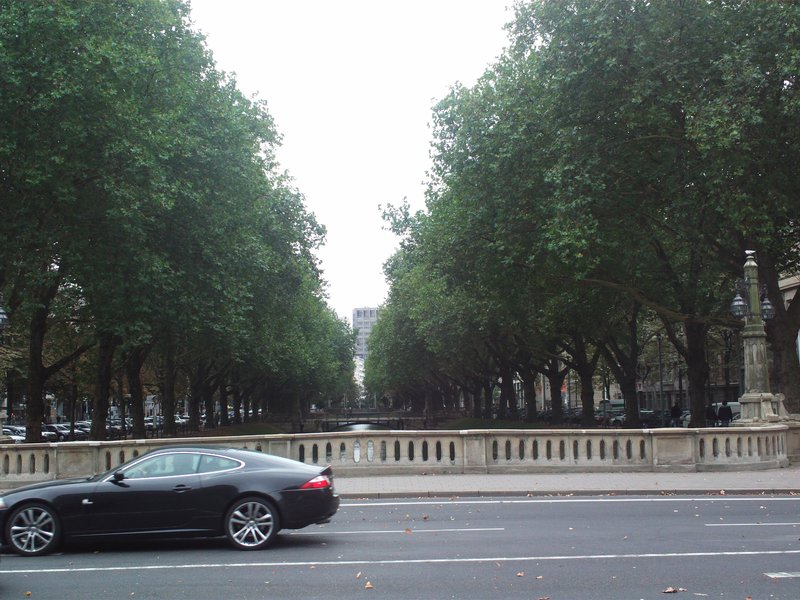
A tree-lined, canal-split boulevard known locally as "the Kö," lined with international flagship stores, jewelers and 19th-century townhouses along its eastern bank.
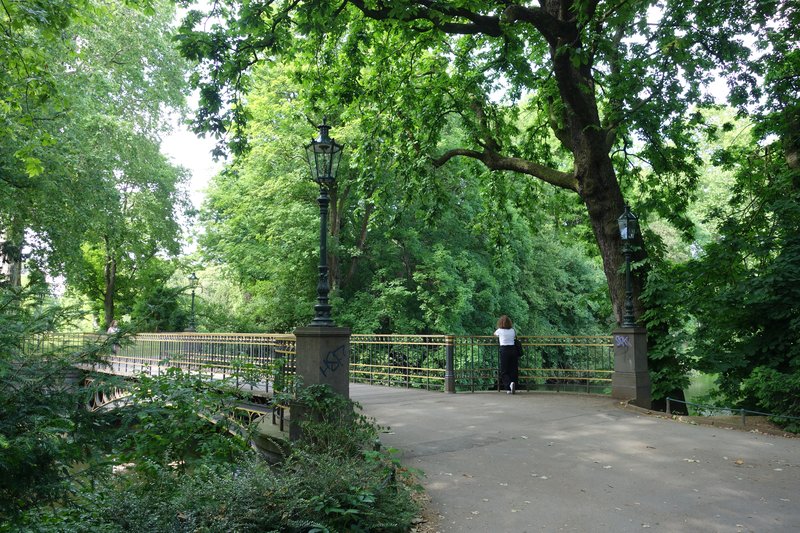
The city's oldest landscaped park, its ponds crossed by the gilded 19th-century Golden Bridge on the old sightline between Schloss Jägerhof and the Church of St. Andreas.
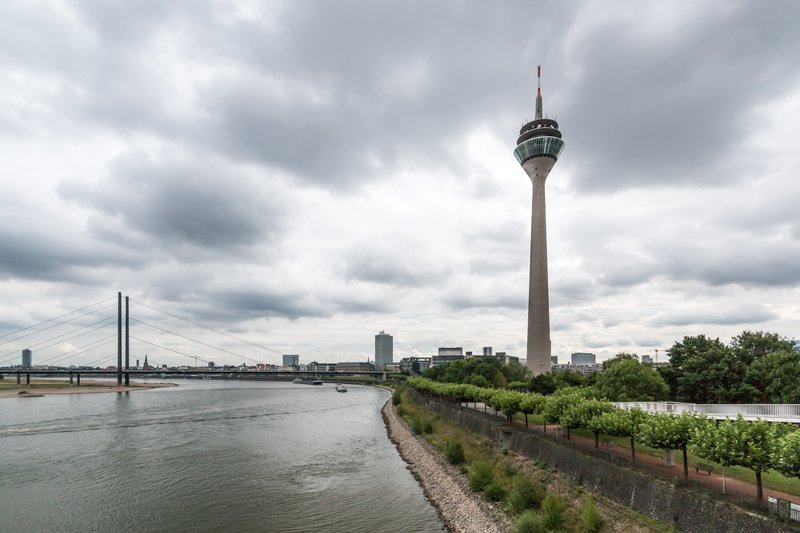
A 240-metre telecommunications tower whose 168-metre observation deck circles the Rhine, the Altstadt and, on a clear day, Cologne Cathedral 40 kilometers to the south.
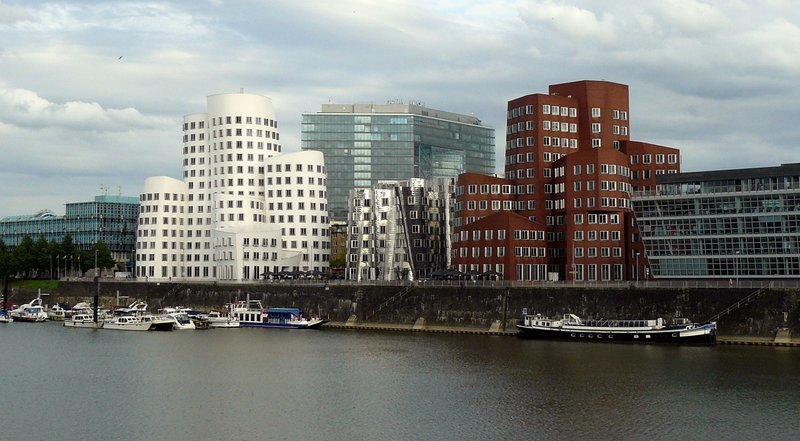
Three curving, differently-clad office buildings by Frank Gehry that anchor the Medienhafen's turn from working docks into Düsseldorf's design quarter, among the harbor's most-photographed buildings.
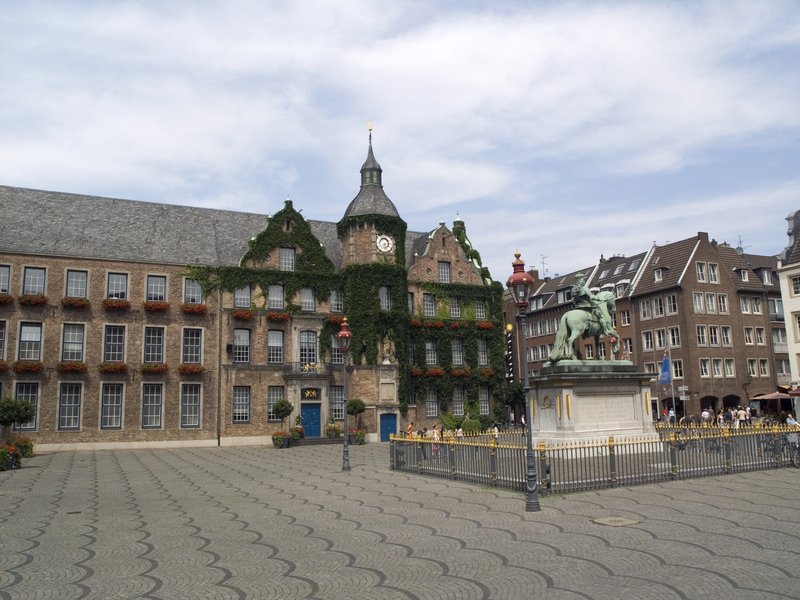
The compact medieval old town around the Rathaus and the Jan Wellem equestrian statue, known locally as "the longest bar in the world" for its density of Altbier taverns.
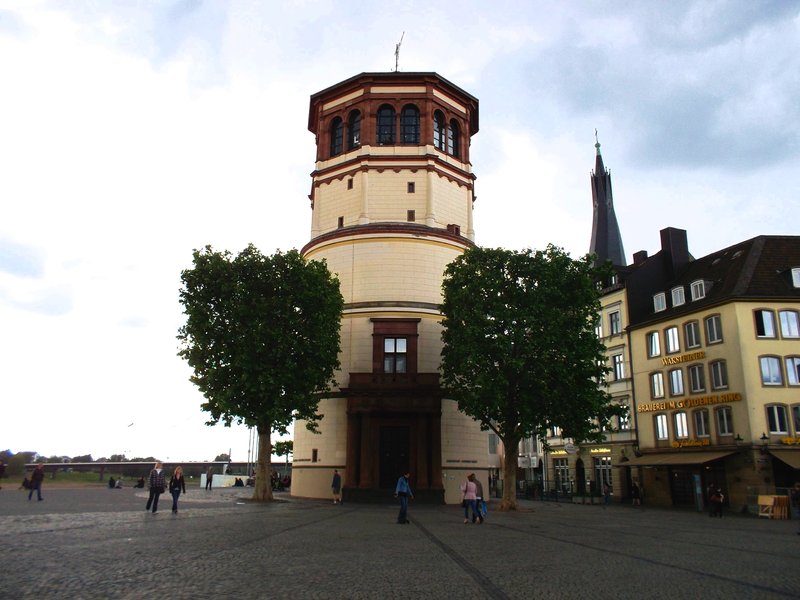
The lone surviving tower of Düsseldorf's 13th-century electoral castle, destroyed by fire in 1872, now a small maritime museum overlooking the Rhine's working boat traffic.
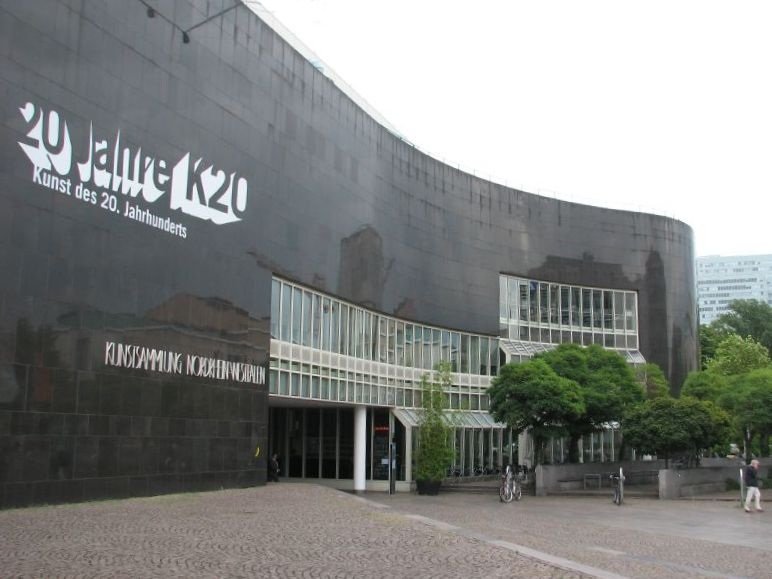
The Kunstsammlung Nordrhein-Westfalen's flagship building on Grabbeplatz, holding 20th-century masterworks by Picasso, Matisse, Klee and Pollock behind a curved black-granite facade.
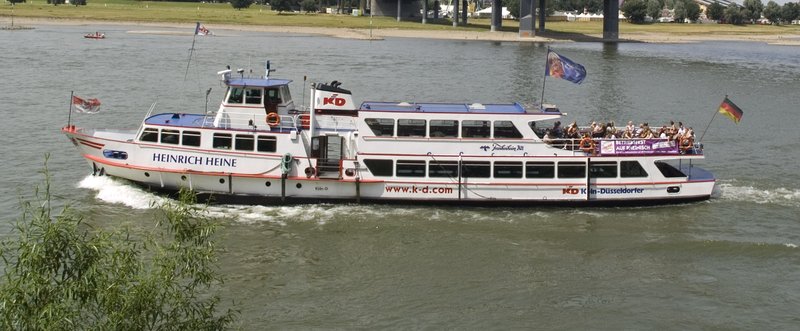
A one-hour round-trip cruise from the Altstadt pier past the Schlossturm, Rheinturm and the Medienhafen's Gehry buildings, with live commentary on the passing skyline.
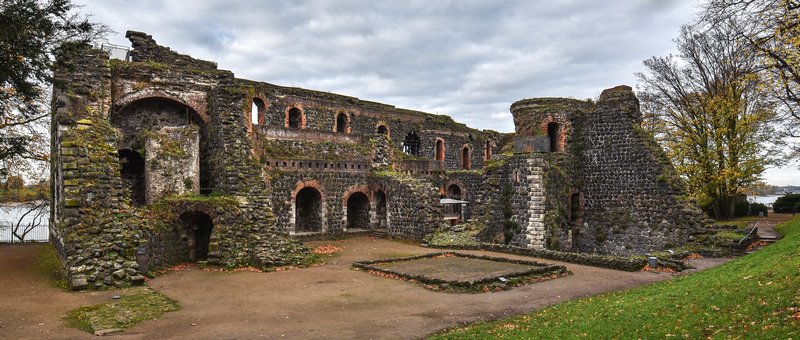
A riverside village at the city's northern edge, its cobbled lanes built around the ruined 12th-century Kaiserpfalz where Emperor Frederick Barbarossa once held court.
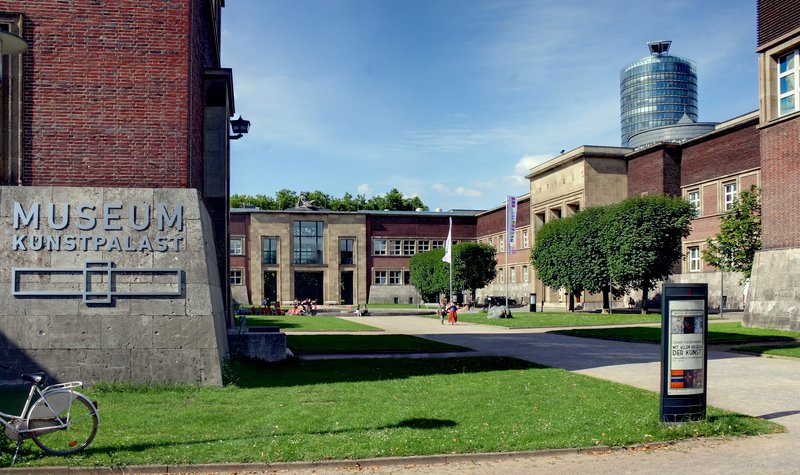
A comprehensive fine-arts museum at the Ehrenhof, spanning classical antiquity to contemporary work, with one of Europe's largest glass collections and a strong Rubens holding.
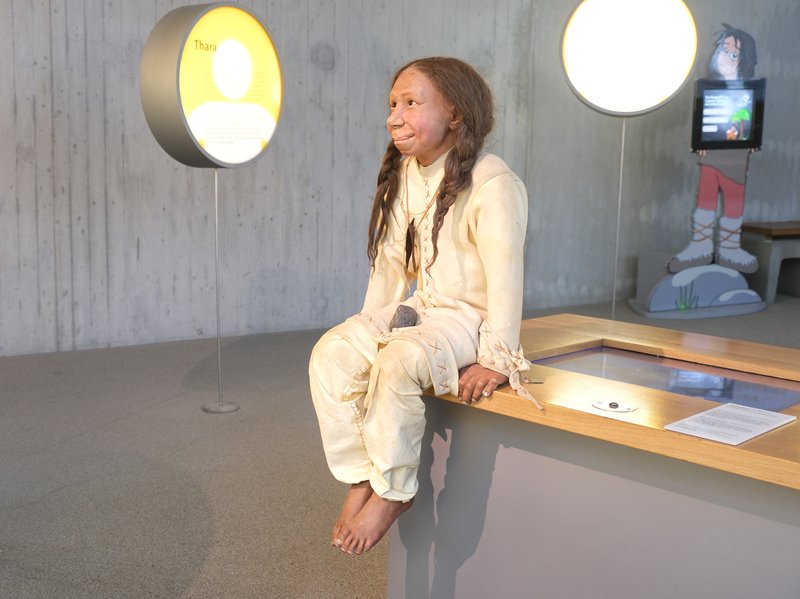
A spiraling four-floor journey through seven million years of human evolution, built beside the valley where quarry workers uncovered the Neanderthal type specimen in 1856 and filled with evidence-based reconstructions of early humans.
6 min · 1 min → Neandertal Discovery Site · Höhlenblick
2.Neandertal Discovery Site · Höhlenblick~1 hr
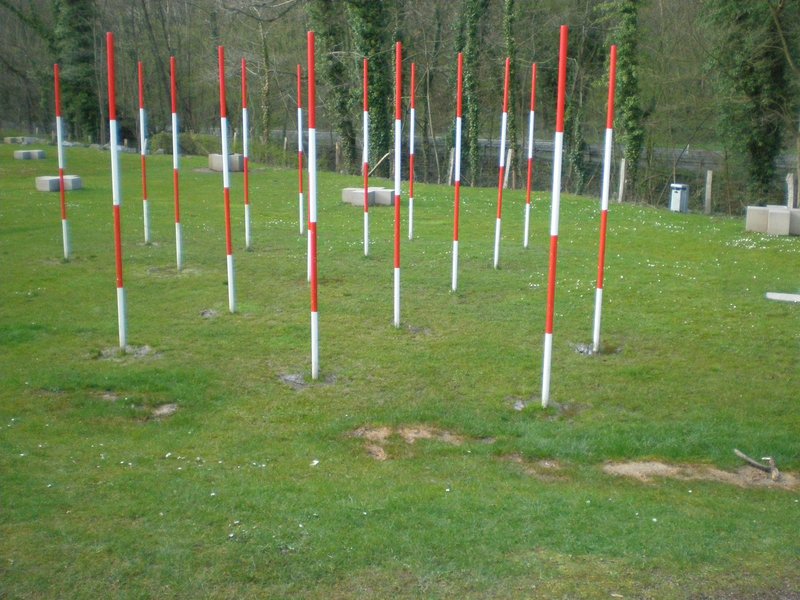
The original fossil discovery ground, marked within the limestone quarry that erased Feldhofer Cave, now interpreted from a 22-metre accessible tower whose virtual telescopes rebuild the cave and Ice Age valley around you.
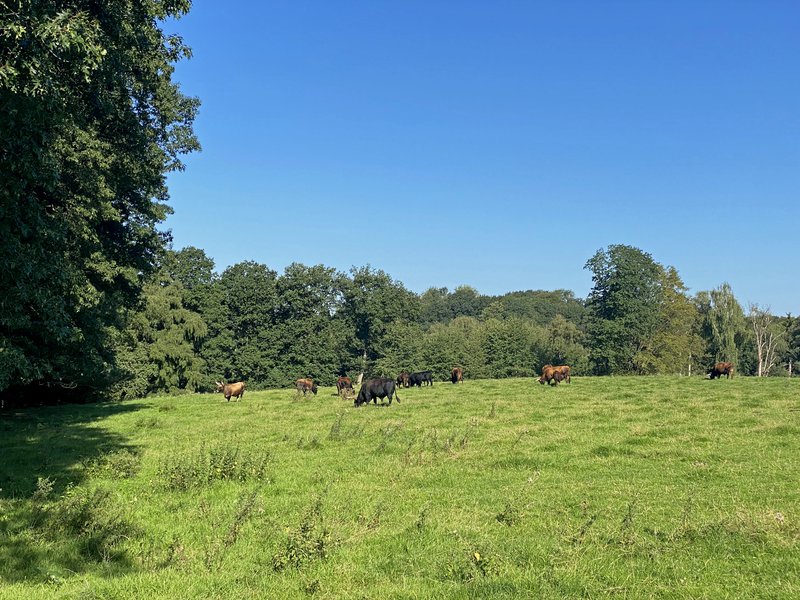
A free wooded reserve where European bison graze beside back-bred aurochs and tarpans, animals chosen to evoke the herds early humans knew; take the longer valley circuit for forest, stream and pasture views.
ARRIVE Köln Hbf: 1 min · 1 min → Cologne Cathedral
1.Cologne Cathedral~2 hr
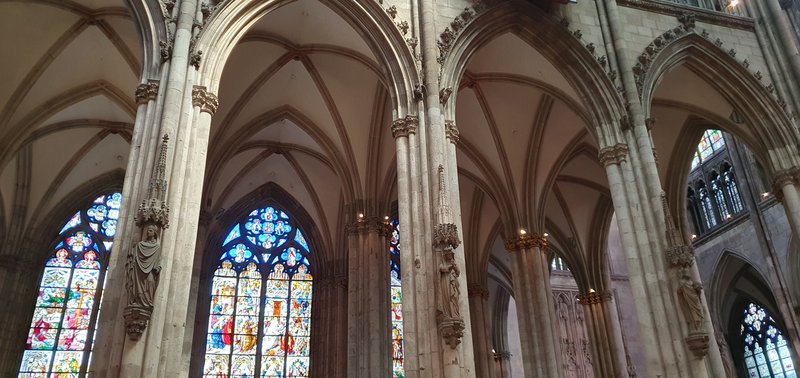
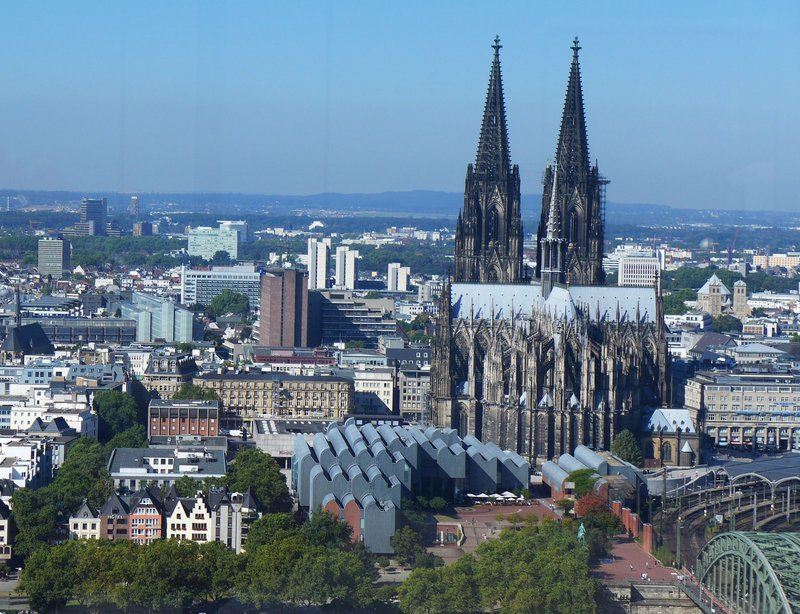
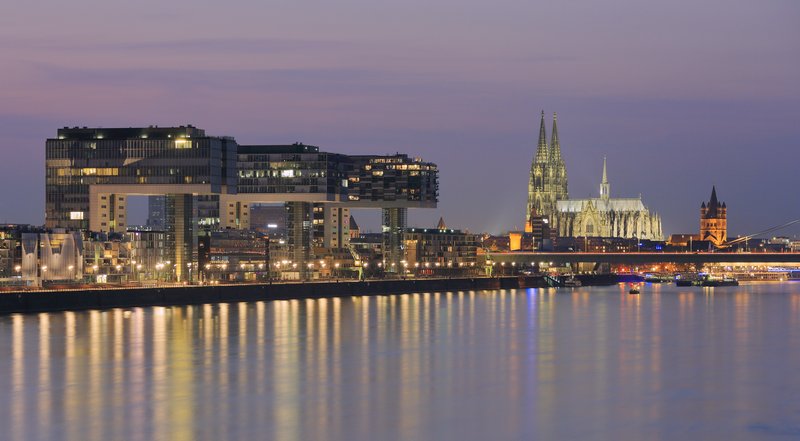
A vast High Gothic pilgrimage church begun in 1248, housing the gilded Shrine of the Three Kings beneath twin 157-metre spires; the optional south-tower climb adds a 100-metre panorama over the Rhine.
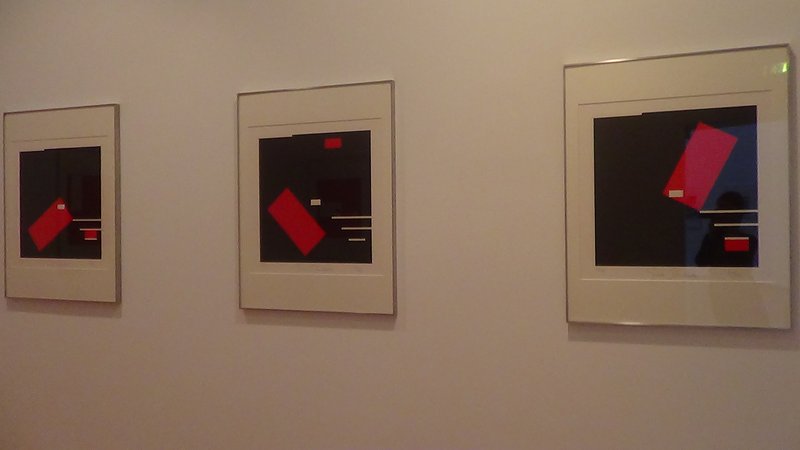
A landmark modern-art collection spanning Picasso, German Expressionism and Russian avant-garde work, anchored by Europe's largest Pop Art holdings with Warhol, Lichtenstein, Rosenquist and Wesselmann.
A lift-served rooftop deck more than 100 metres above Deutz, wrapped in glass panels that label the skyline and opening the postcard view across Hohenzollern Bridge to the cathedral's twin spires.
A two-kilometre harbor promenade where preserved cranes and warehouses meet three cantilevered Kranhäuser, the bold crane-shaped towers that turned a former working port into Cologne's modern architecture quarter.
A small-group crawl to four Altstadt bars chosen on the night by the group, tasting a different beer style with proper German pouring etiquette at each.
A walking tour of three traditional and modern Altstadt breweries — Im Füchschen, Kürzer and Zum Schlüssel — with tastings and brewing history at each stop.
Rump steak roasted under a thick coating of the city's own strong, coarse mustard, a Rhineland classic tied specifically to Düsseldorf's mustard-making tradition.
A dark herbal liqueur invented in the Altstadt, blending more than 90 herbs, berries and fruits at 42% ABV, traditionally poured ice-cold in a shot glass.
Foreign number: not accepted. — sign-up requires a German-format mobile number; the SMS code is not sent to other country codes.
Germany's largest delivery platform, part of Just Eat Takeaway, with by far the widest restaurant coverage in Düsseldorf including most Altstadt and Medienhafen kitchens.
Foreign number: accepted. — the same global Uber account works in Düsseldorf; the verification SMS arrives on a visitor's home carrier, no German number needed.
Good coverage of chains and mid-range restaurants and the simplest option for a visitor already carrying an Uber account, though thinner on independent Altstadt spots than Lieferando.
Foreign number: accepted. — sign-up takes any international mobile number or email, and the code reaches a visitor's own SIM.
Fast-growing in Düsseldorf with a clean app and quick couriers, strongest in the city center and Medienhafen; coverage thins toward the outer districts.
Foreign number: accepted. — the same global Uber account works in Düsseldorf; the verification SMS arrives on a visitor's home carrier.
Books licensed taxi drivers rather than private rideshare cars in Germany, but the app, upfront pricing and live tracking work exactly as they do everywhere else, available 24/7 citywide.
S-Bahn S8, S11, S28 and regional express RE6, plus U-Bahn U71, U72, U73 and U83 → Köln Hbf in 31 min, plus Düsseldorf Airport, Mönchengladbach and Wuppertal.
Home to the Schwebebahn, a suspended monorail dating to 1901 that still carries passengers hanging over the Wupper River and the city's streets — a ride unlike anything else in Germany.
The Rhineland's largest city, dominated by its twin-spired Gothic cathedral, a UNESCO World Heritage Site, with a historic Altstadt and riverside promenade right outside the Hauptbahnhof.
Home to Zeche Zollverein, a former coal mine and coking plant turned UNESCO World Heritage Site, its Bauhaus-influenced industrial architecture now holding museums, galleries and a swimming pool.
West Germany's former capital and Beethoven's birthplace, with his childhood home preserved as a museum, a lively university Altstadt and the Bundeskunsthalle art museum.
Charlemagne's imperial seat on the Belgian and Dutch borders, its cathedral holding his marble throne and tomb and forming Germany's first UNESCO World Heritage Site.
Düsseldorf is home to one of Europe's largest Japanese communities, a legacy of Mitsubishi and dozens of other Japanese trading companies choosing the city as their European base after the Second World War. That history is why a city with no obvious Japanese connection has a genuine Little Tokyo around Immermannstraße, with more authentic ramen and sushi counters than almost anywhere else in Germany.
Medienhafen, where Day 1's stops and the hotel itself sit, was a working harbor into the 1970s before falling into disuse and being redeveloped through the 1990s with buildings by Frank Gehry, David Chipperfield and other name architects — the twisting Neuer Zollhof towers are the best-known result.
Düsseldorf and Cologne run a long-running civic rivalry that plays out mostly through beer: Düsseldorf's dark, top-fermented Altbier against Cologne's pale Kölsch, each city convinced its own is correct and the other's barely counts.