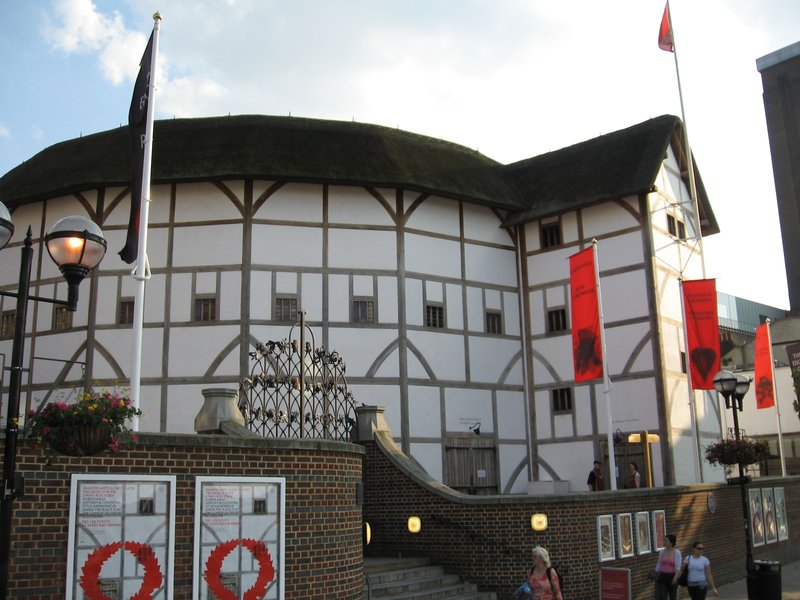
A meticulous reconstruction of the 1599 Globe Theatre, built 230 metres from the original site and opened in 1997. The oak-framed, thatched structure — the first thatched roof permitted in London since the Great Fire of 1666 — holds 860 seated and 700 standing in the yard. Guided tours run daily.
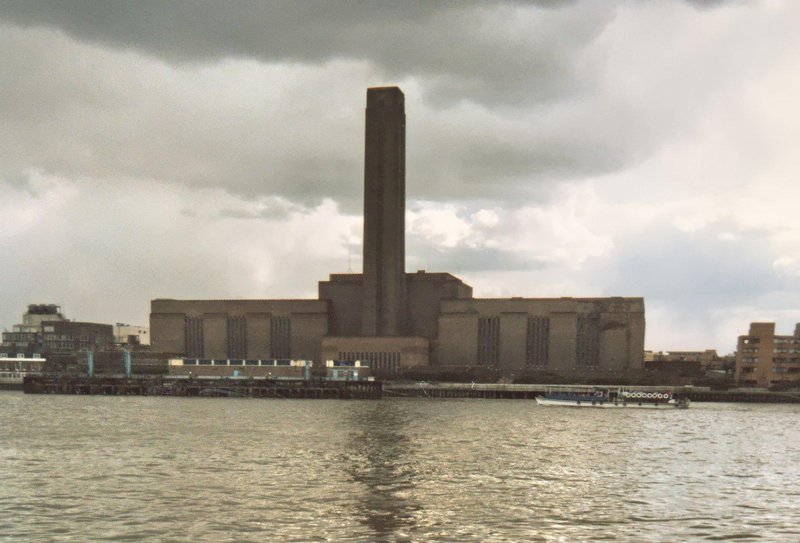
Opened in 2000 in the converted Bankside Power Station, the Tate Modern holds the UK's national collection of international modern and contemporary art from 1900 to the present. The Turbine Hall — 35 metres high — hosts commissions on a scale no other gallery can match. The most visited art museum in the UK.
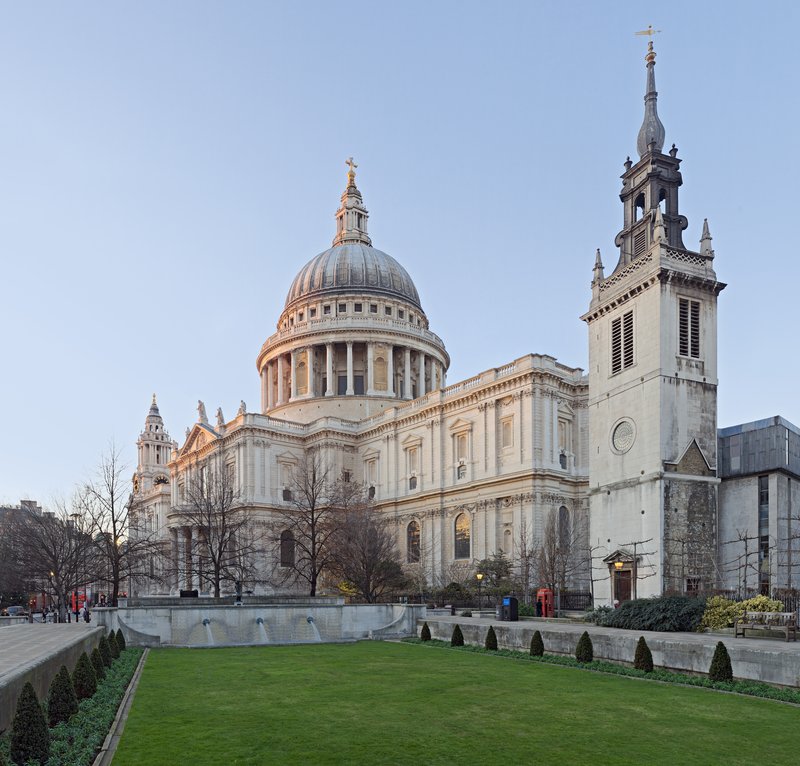
Christopher Wren's baroque masterpiece completed after the Great Fire destroyed its medieval predecessor. The dome — third largest in the world — defines London's skyline. The Whispering Gallery · Stone Gallery · and Golden Gallery climb 528 steps to panoramic views. Wellington and Nelson are buried in the crypt.
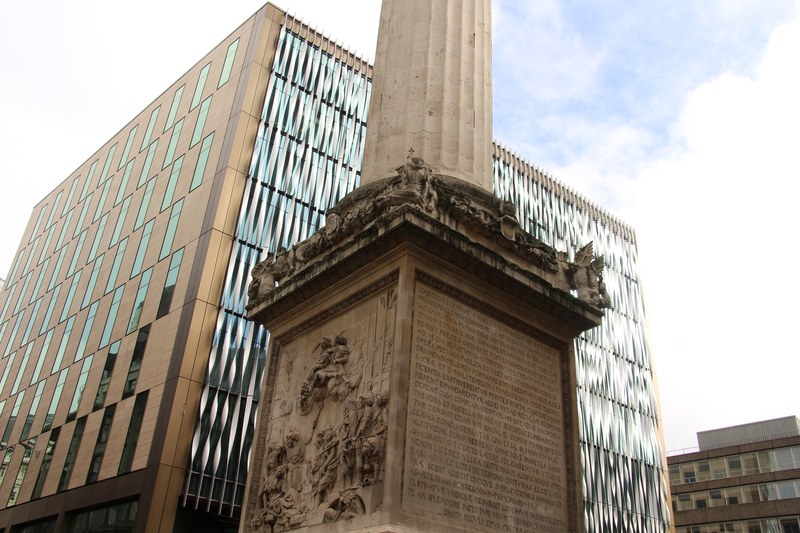
A Doric column 202 feet tall — exactly the distance from its base to the bakery in Pudding Lane where the Great Fire of 1666 started. Designed by Wren and Hooke · it is the world's tallest isolated stone column. Climbing the 311 steps rewards with close-up views of the City's financial towers.
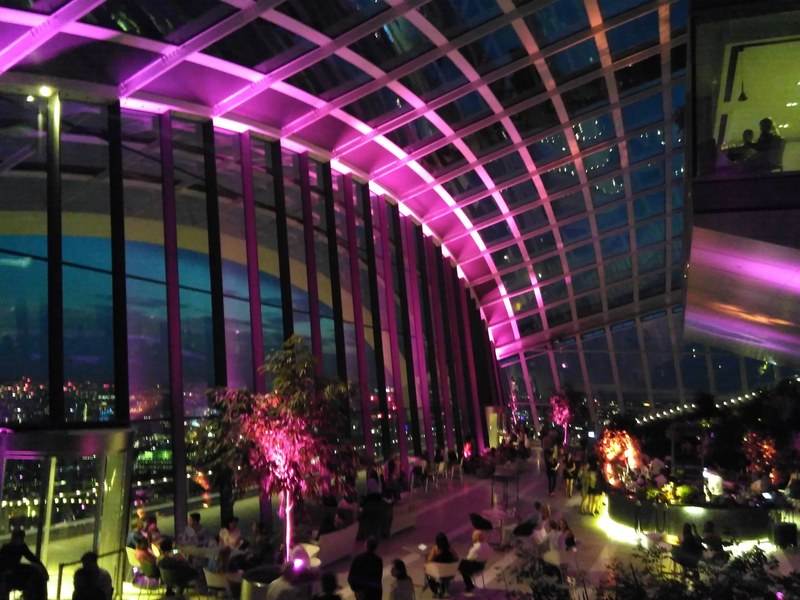
London's highest public garden occupies the top three floors of 20 Fenchurch Street — the so-called Walkie-Talkie skyscraper. The open-air terrace at 155 metres delivers a 360° panorama taking in the Shard · Tower Bridge · St Paul's dome · and the Thames. Entry is free but requires advance booking.
From Hotel: 6 min · 3 min → National Portrait Gallery
1.National Portrait Gallery~1.5 hr
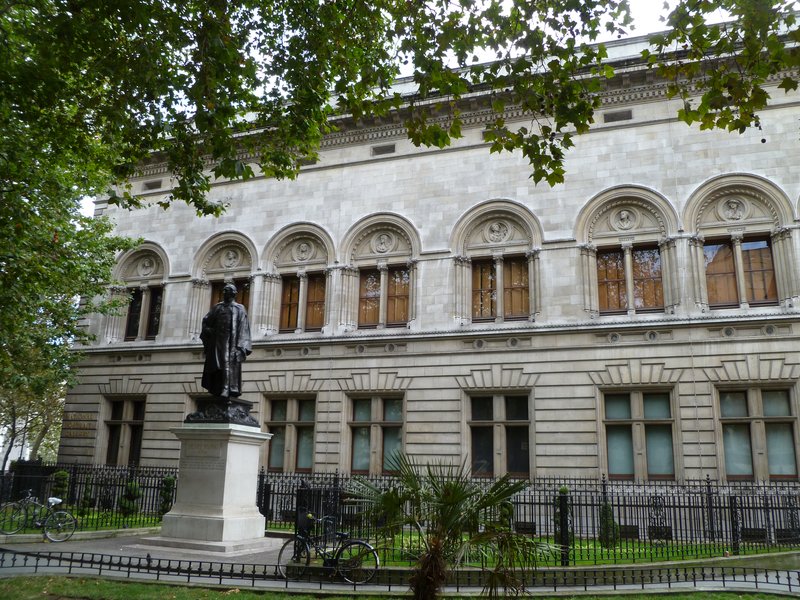
The world's first national portrait gallery · founded in 1856 next door to the National Gallery. Over 225,000 portraits record British history through the faces of those who shaped it — from the Tudors to the present day. The collection spans painting · photography · drawing · and sculpture. Entry is free.
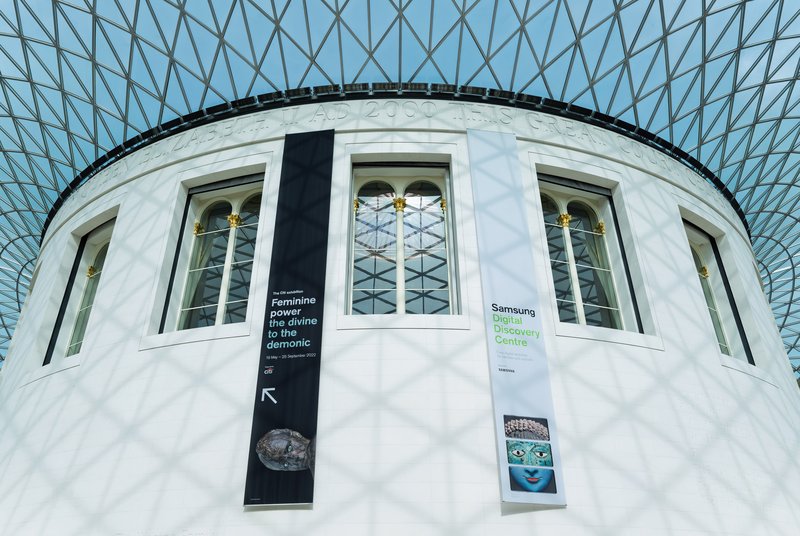
Eight million objects covering two million years of human history · opened in 1759 as the world's first national public museum. The Rosetta Stone · the Parthenon sculptures · the Assyrian lion hunt reliefs · the Sutton Hoo helmet · and the Egyptian mummies are the core. Norman Foster's Great Court roofs the old Reading Room courtyard under 3,312 panes of glass · no two the same.
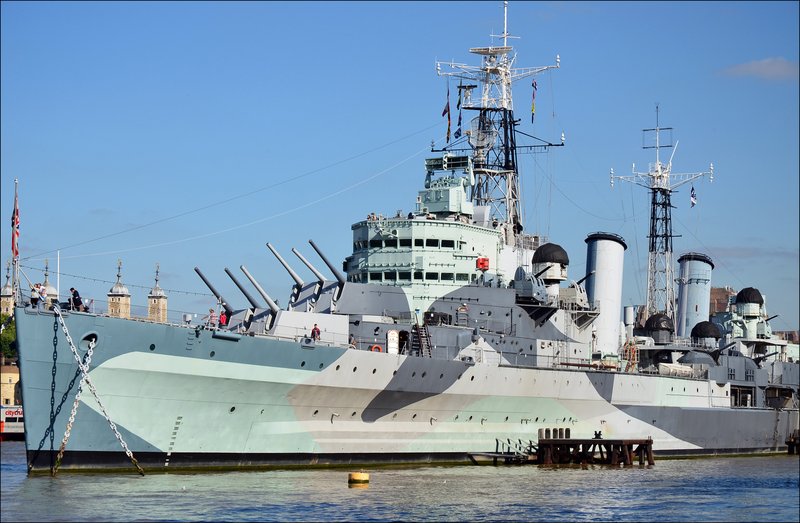
A Royal Navy Town-class light cruiser commissioned in 1939, moored permanently on the Thames as an Imperial War Museum ship since 1971. In June 1944 HMS Belfast fired nearly 2,000 rounds from her six-inch guns supporting the Allied landings at Normandy. Nine decks are open to visitors.
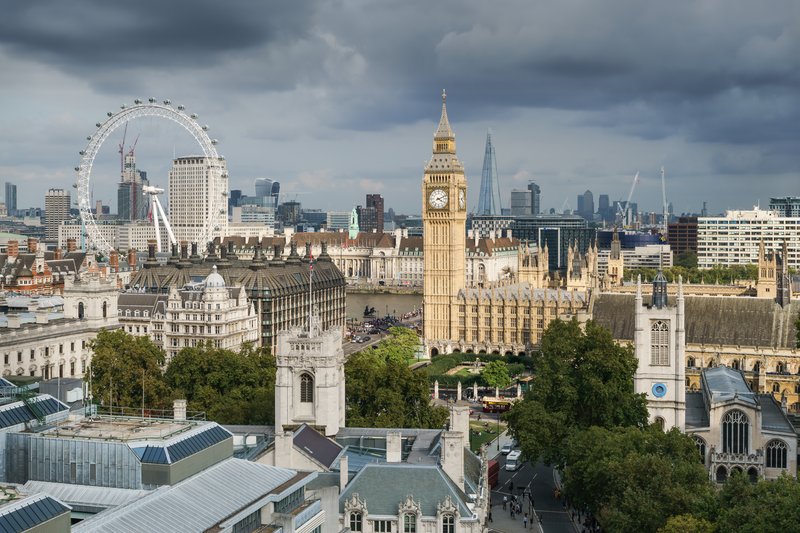
Charles Barry and Augustus Pugin's Gothic Revival palace · rebuilt after the 1834 fire that destroyed the medieval original. Westminster Hall survived — begun in 1097 · its hammerbeam roof is the largest medieval timber roof in northern Europe. Guided tours cross the Central Lobby into the green Commons chamber and the red-and-gold Lords chamber. The Elizabeth Tower holds Big Ben.
Restricted access — guided tours run Saturday year round, and Tuesday to Saturday during parliamentary recess. Last admission 4:00pm; airport-style security means arriving 20 minutes early. Tours are cancelled at short notice for parliamentary business.
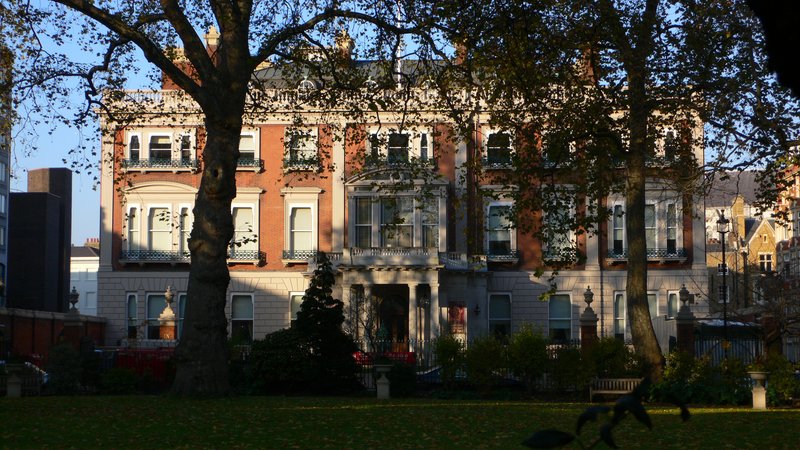
One of the finest collections of fine and decorative art in the world · housed in Hertford House · the former townhouse of the Marquesses of Hertford. Twenty-five galleries hold French 18th-century paintings and furniture · Old Masters like Frans Hals' The Laughing Cavalier · and armour rivaling the Tower's.
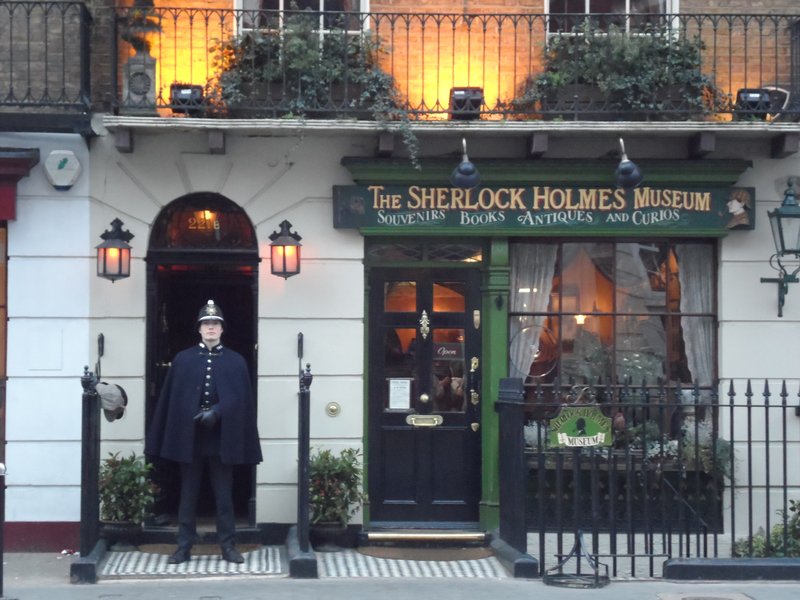
A Victorian townhouse restored as the fictional detective's lodgings · at the address made famous by Arthur Conan Doyle. Period rooms recreate the study · the sitting room with Holmes' chemistry table and violin · and Dr Watson's bedroom · furnished throughout with 1890s antiques.
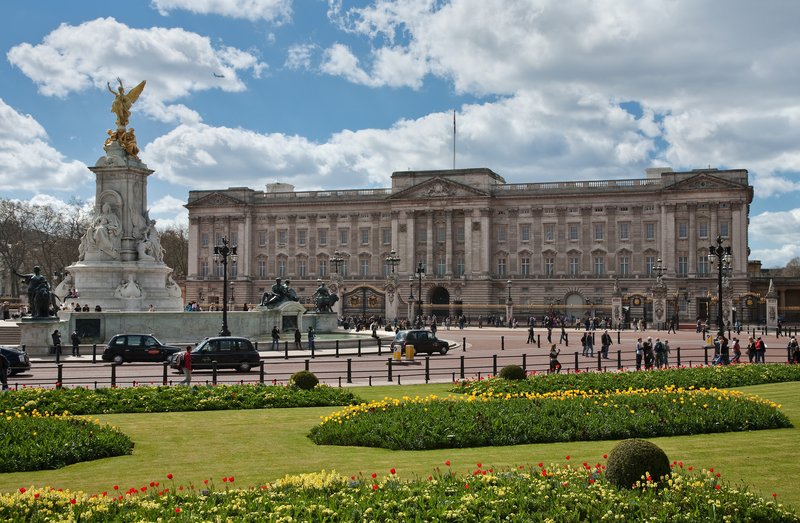
The monarch's official London residence since Victoria moved in in 1837 · and a working palace of 775 rooms. The nineteen State Rooms open to visitors each summer — the Throne Room · the Picture Gallery hung with Rembrandt and Vermeer · and the Ballroom · all furnished as they are for state occasions. The Changing of the Guard at the forecourt runs year round.
Restricted access — the State Rooms open 9 July to 27 September only: daily 9:30am to 7:30pm until 31 August · then Thursday to Monday 9:30am to 6:30pm. Timed entry sells out weeks ahead. Outside those dates the forecourt and the Changing of the Guard are still open to the public.
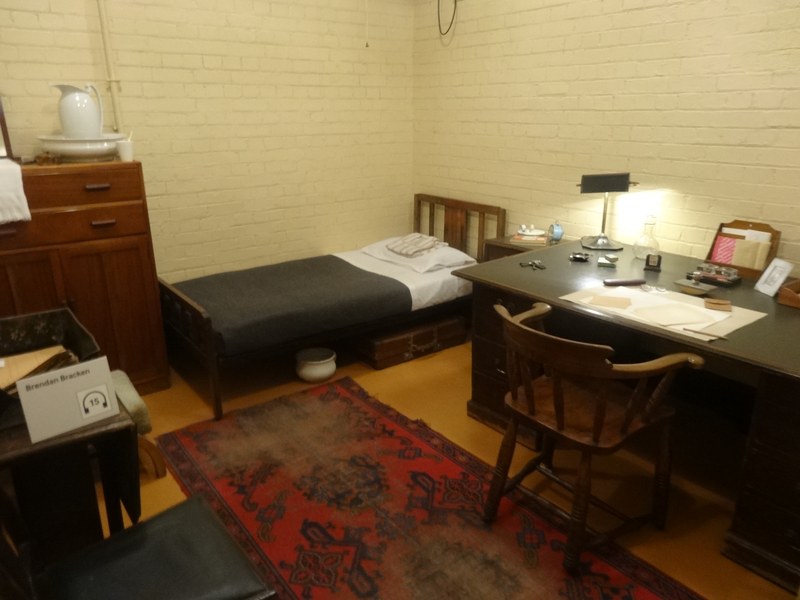
The underground bunker from which Churchill and the War Cabinet ran the Second World War · sealed in August 1945 and left untouched for decades. Pin-studded wall charts still record the convoy positions of the final day; Churchill's bedroom holds the microphone he broadcast from. The adjoining Churchill Museum traces the whole life around the wartime years.
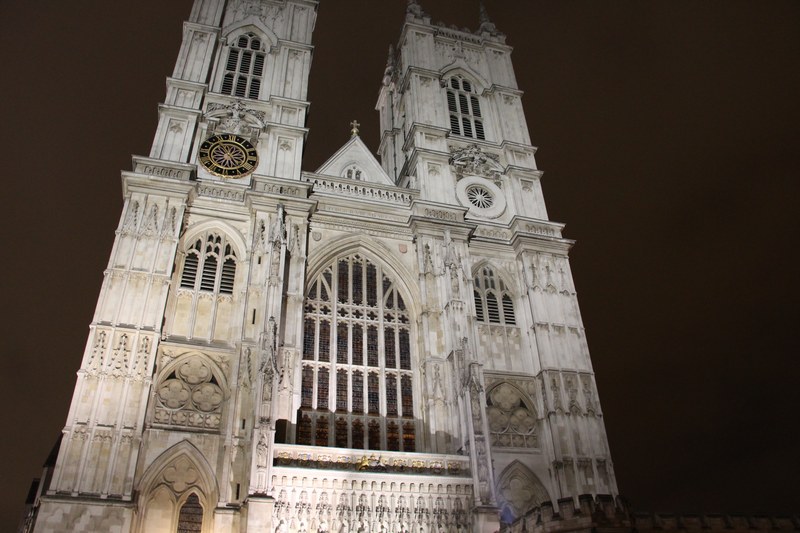
The coronation church of England since 1066 and the burial place of seventeen monarchs. Henry VII's Lady Chapel carries a fan vault that Washington Irving called a gossamer of stone. Poets' Corner holds Chaucer · Dickens · and Hardy; Newton and Darwin lie in the nave. Every English coronation for nearly a thousand years has taken place on the same Cosmati pavement before the high altar.
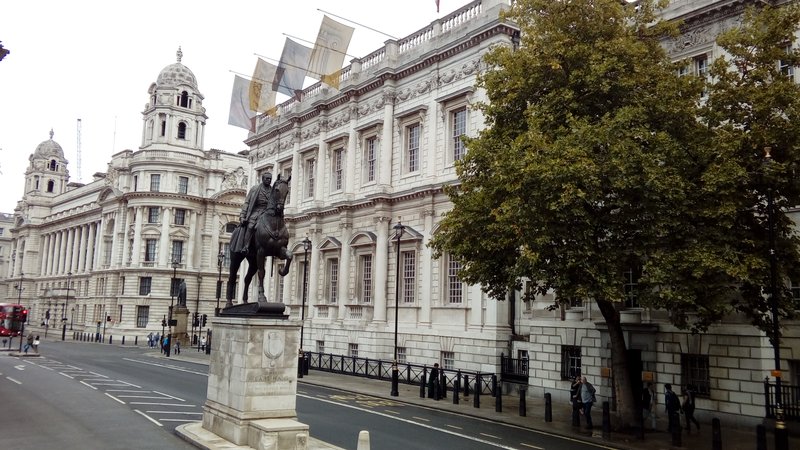
The only surviving fragment of the Palace of Whitehall · burned in 1698. Inigo Jones completed this Palladian masterpiece in 1622 — England's first Renaissance building. Its great hall is crowned by a Rubens ceiling commissioned by Charles I · who stepped through a window to his execution here in 1649.
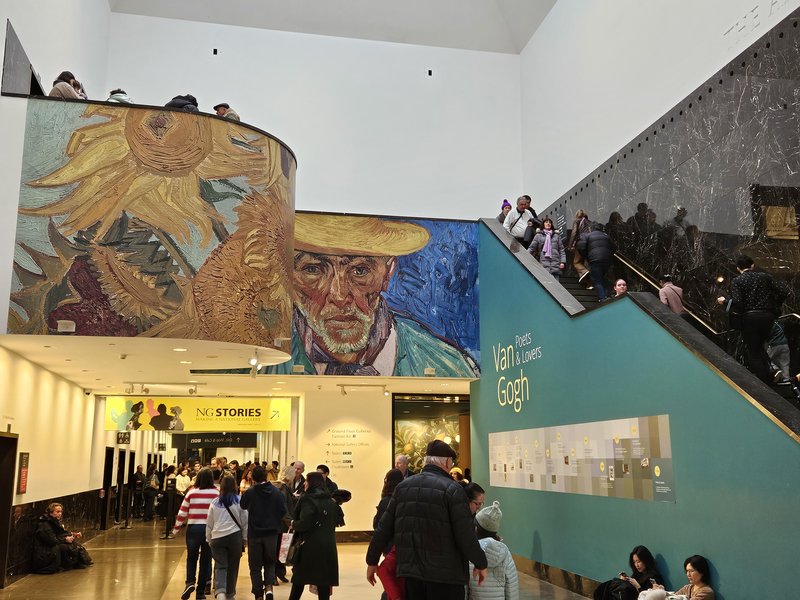
One of the world's great art museums — over 2300 Western European paintings from the 13th to 19th centuries. Botticelli and da Vinci through Rembrandt · Vermeer · Velázquez · Turner · and Van Gogh. The gallery occupies the neoclassical Wilkins building on Trafalgar Square. Entry is free.
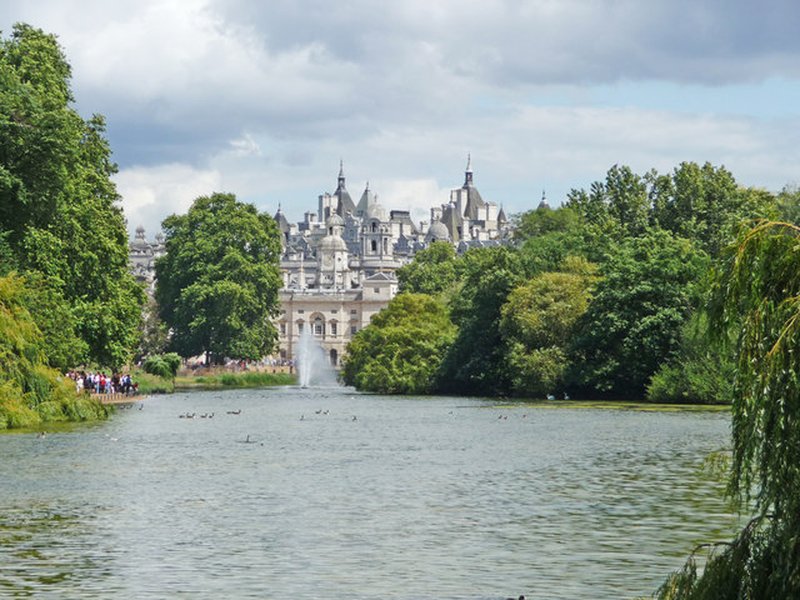
The oldest of the Royal Parks · drained from marshland by Henry VIII in 1532 and redesigned by John Nash in 1827. The Blue Bridge over the lake gives the two best sightlines in London: Buckingham Palace to the west · the Horse Guards rooftops and the London Eye to the east. Pelicans have lived here since a Russian ambassador gifted a pair in 1664; they are fed at the lakeside around 2:30pm.
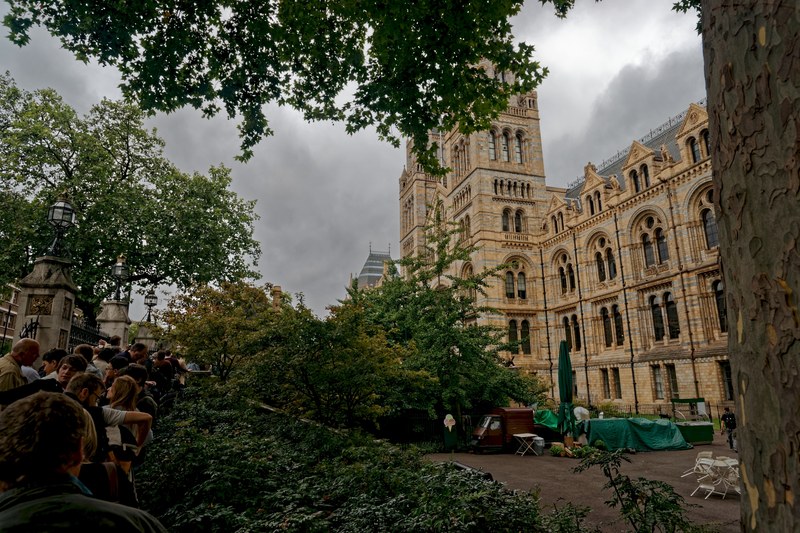
One of the world's great natural history collections — 80 million specimens in Alfred Waterhouse's spectacular Romanesque-Gothic terracotta palace. The blue whale skeleton in Hintze Hall · the dinosaur galleries · and the Darwin Centre are the defining experiences. Entry is free.
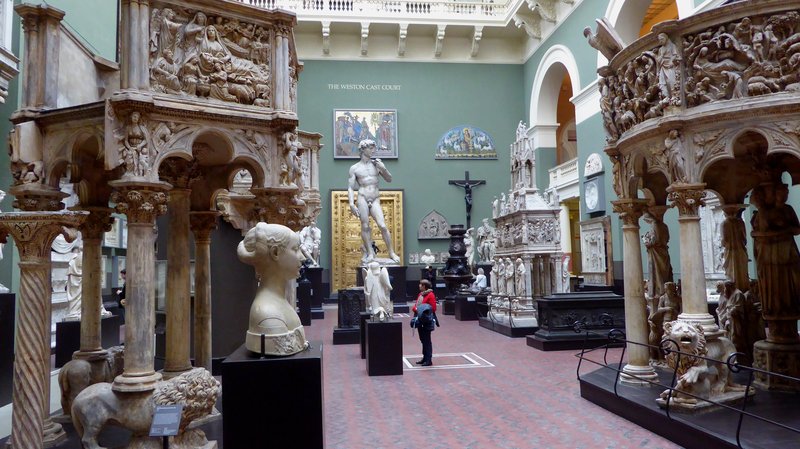
The world's largest museum of applied and decorative arts — 2.8 million objects across 145 galleries · founded in 1852 on the profits of the Great Exhibition. The Cast Courts hold full-scale plaster copies of Trajan's Column and Michelangelo's David · made when a Victorian art student could not travel to see them. The fashion · jewellery · and Raphael Cartoon galleries have no equal.
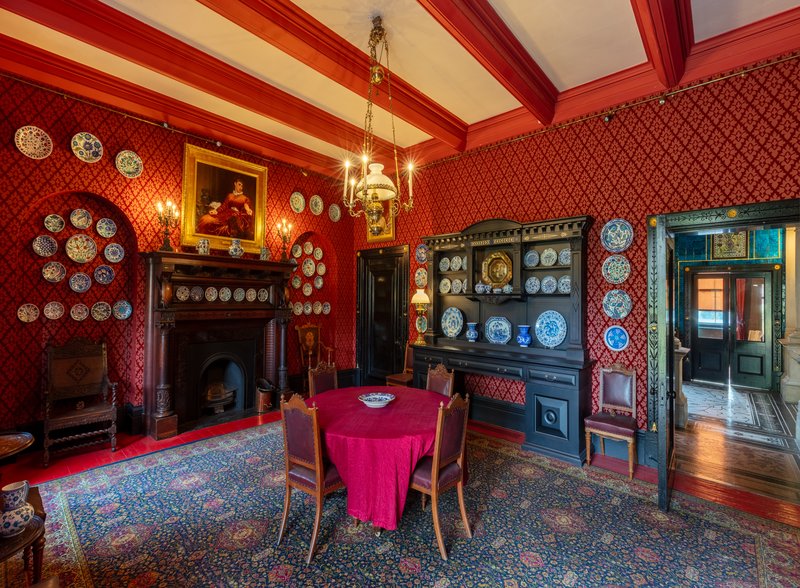
The studio-home of Victorian painter Frederic Lord Leighton — one of England's most extraordinary interiors. The Arab Hall is lined with Moorish tiles collected in Syria · Egypt · and Rhodes · under a gilded dome with carved wooden lattice. Every room is a work of art assembled over thirty years.
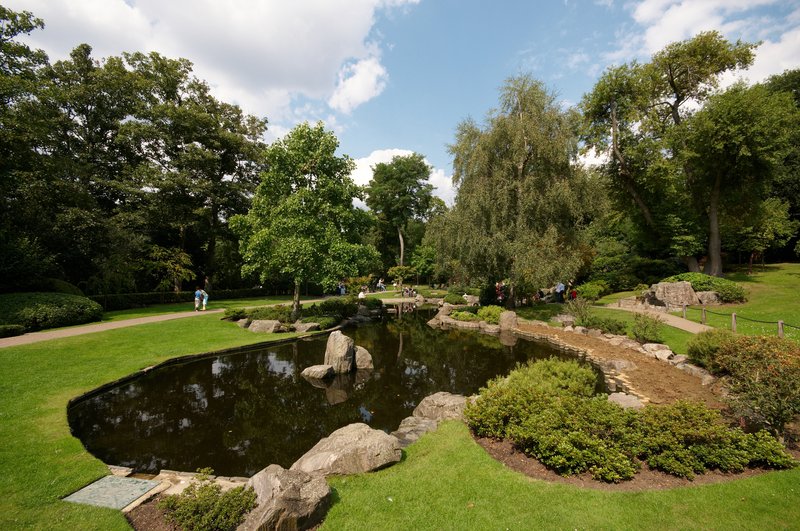
Holland Park is one of London's most intimate parks — peacocks roam the grounds around the ruins of Jacobean Holland House. The Kyoto Garden was gifted by Kyoto in 1991: a classical Japanese garden with a stone waterfall · koi pond · stone lanterns · and maples. In autumn the foliage rivals any Japanese garden.
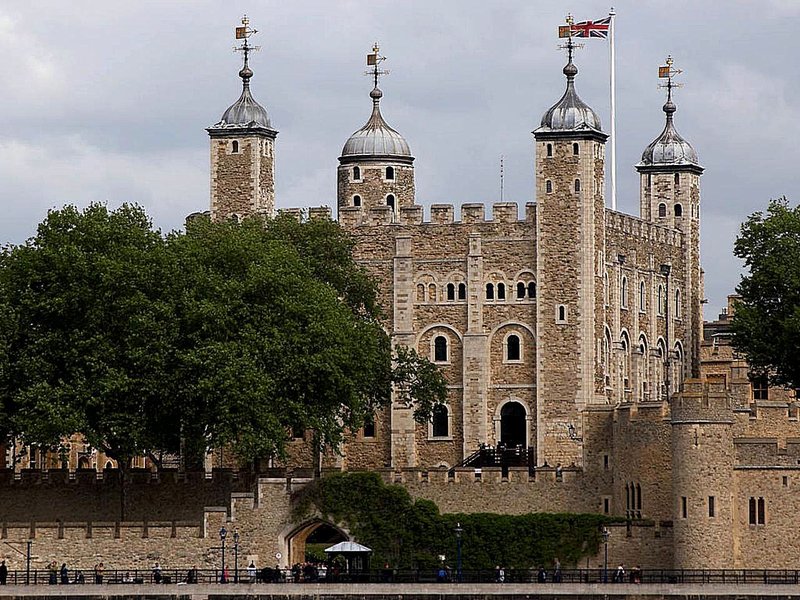
A Norman fortress begun by William the Conqueror in 1078 and expanded across nine centuries into a royal palace · armoury · treasury · and prison. The Crown Jewels — 23,578 gemstones including the Cullinan I and the Imperial State Crown — are held in the Jewel House under armed guard. Yeoman Warders have guarded the walls since 1485 and still live inside them.
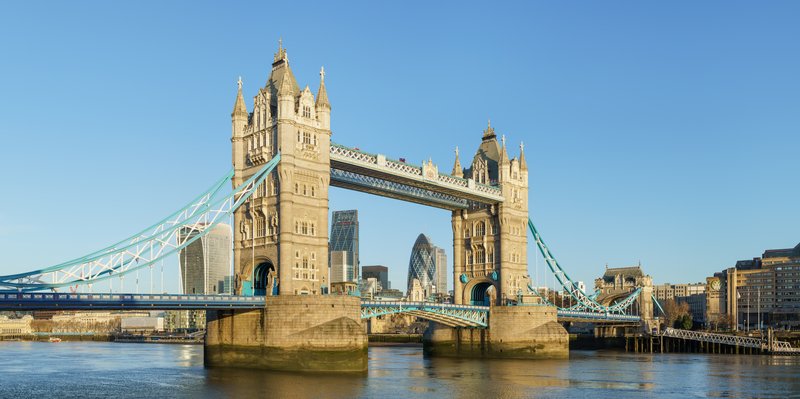
Built between 1886 and 1894 in Victorian Gothic style, the bascule and suspension bridge is London's most photographed landmark. Glass-floored high-level walkways added in 2014 hang 43 metres above the Thames. The original steam engines from 1894 are preserved in the south tower engine rooms.
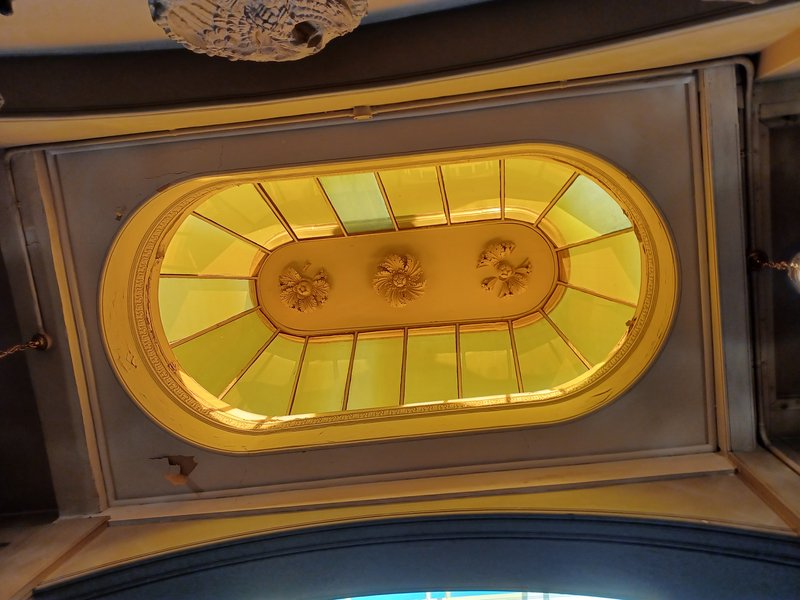
The architect's own house · left to the nation in 1837 on the condition that nothing be moved. Soane engineered light through domes · mirrors · and coloured glass into rooms crammed floor to ceiling with antiquities. The Picture Room's walls unfold on hinges to reveal three layers of paintings; the basement crypt holds the alabaster sarcophagus of Seti I.
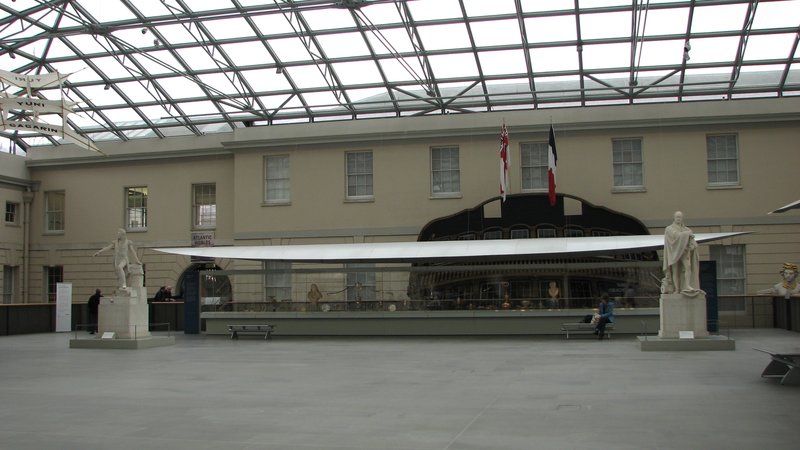
The largest maritime museum in the world · holding 2.5 million items across the buildings of the old Royal Hospital School. Nelson's Trafalgar coat is displayed with the musket hole in the shoulder; Prince Frederick's gilded 1732 barge fills the Neptune Court. The polar and Tudor galleries and Turner's vast Battle of Trafalgar canvas round out the collection.
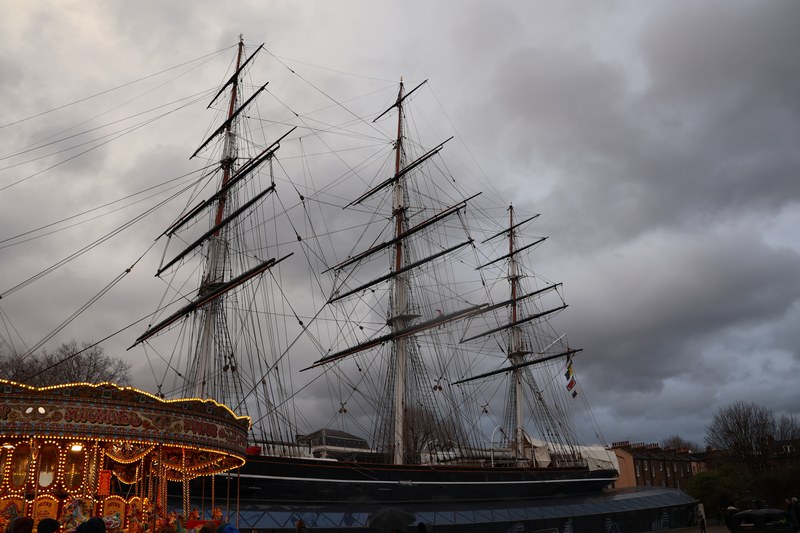
The world's last surviving tea clipper · launched in 1869 · once raced from China to London in under 100 days. Dry-docked in Greenwich since 1954 · it now stands as a museum ship — visitors can walk the main deck · explore the lower hold · and stand beneath the copper hull suspended three metres above the ground.
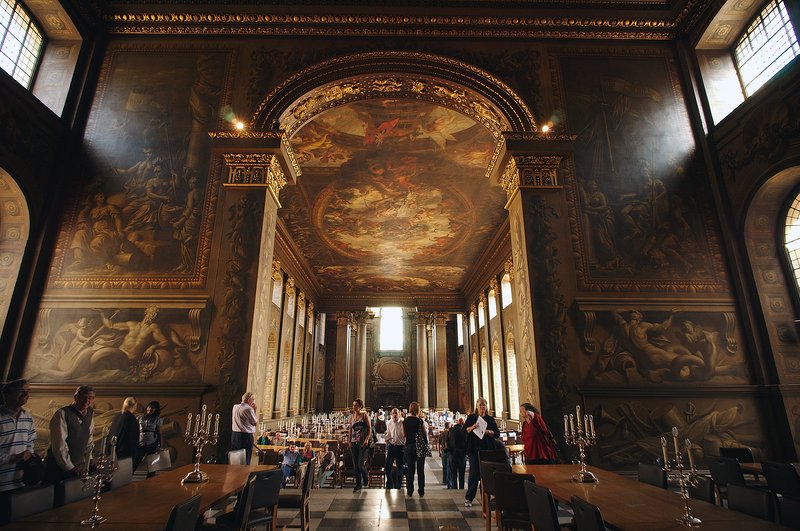
Called England's Sistine Chapel · the Painted Hall at the Old Royal Naval College is an overwhelming baroque interior by James Thornhill · painted between 1707 and 1726. The ceiling celebrates British sea power through allegory · with William III and Mary II enthroned at the apex. Nelson lay in state here in 1805.
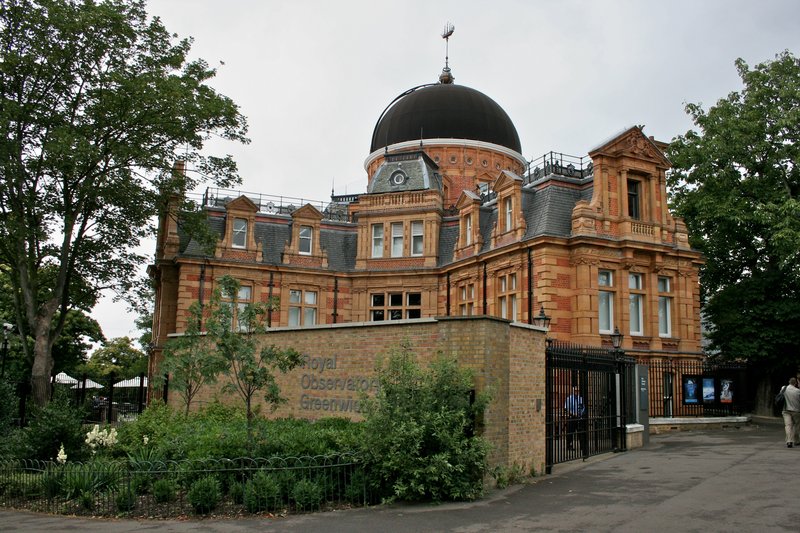
Built by Charles II in 1675 to solve the problem of longitude at sea · the Royal Observatory sits atop Greenwich Hill with commanding views of the Thames. The Prime Meridian — longitude 0° — runs through the courtyard. The red Time Ball drops daily at 1pm · a signal sailors used to set their chronometers.
ARRIVE Cambridge: 30 min · 8 min → King's College Chapel
1.King's College Chapel~1 hr
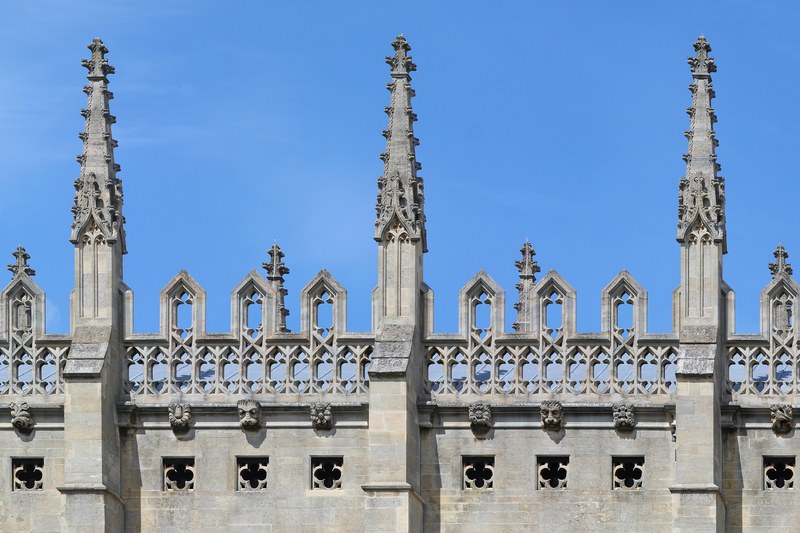
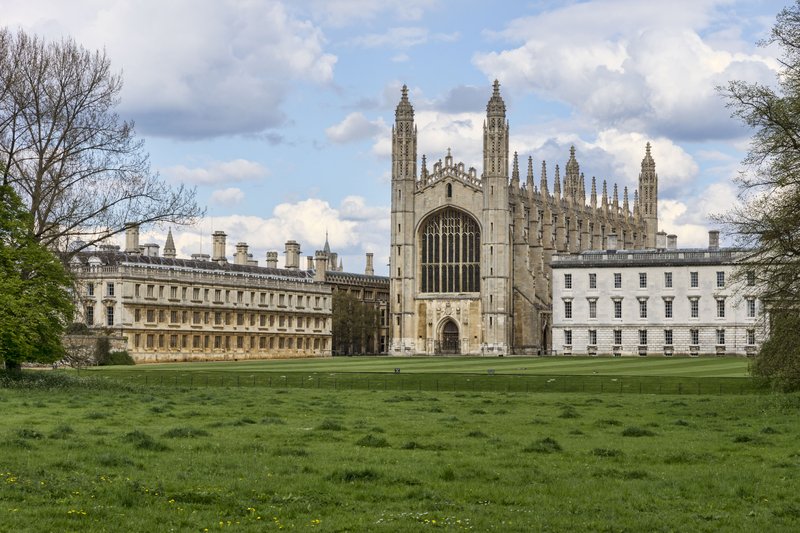
The supreme achievement of English Gothic architecture · built between 1446 and 1544. The fan-vaulted ceiling — the largest in the world — spans the chapel without internal supports. Rubens' Adoration of the Magi hangs above the altar. The Christmas Eve Festival of Nine Lessons and Carols originates here.
The lawns along the River Cam behind the great Cambridge colleges — King's · Clare · Trinity · St John's. The view of King's College Chapel rising above the meadows is one of the most photographed in England. Punting from the Backs is the definitive Cambridge experience; hire a punt at Silver Street Bridge.
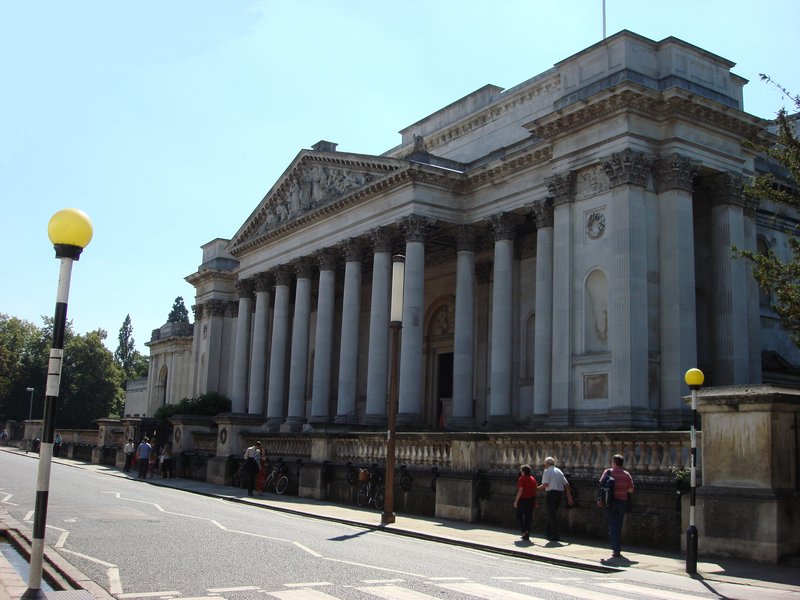
Cambridge's great art and antiquities museum · founded in 1816 with a bequest from Viscount Fitzwilliam. The collection spans ancient Egypt · Greece · and Rome · through medieval manuscripts · European paintings from Titian to Cézanne · and one of England's finest print collections. Entry is free.
The university church of Cambridge · built in Perpendicular Gothic between 1478 and 1519. For centuries it served as parish church and senate house — graduation ceremonies took place here. Climb the tower for the finest elevated view of the city: King's Chapel · the market square · and the college rooflines.
A small-group walk through the City's oldest taverns — from a medieval monks' drinking hole to a Shakespeare-era pub in a hidden alley. The guide covers 800 years of London drinking culture · politics · and gossip.
A small-group walk timed to the Changing of the Guard ceremony — the guide explains the regiment history · uniform symbolism · and the mechanics of the ceremony that tourists often miss while jostling for position.
A 50-minute blast down the Thames on a rigid inflatable boat — past the Millennium Dome · Tower Bridge · and Canary Wharf at 30+ knots. The commentary is sharp · irreverent · and expertly timed to the sights flying past.
A small-group coach day trip covering four or five honey-stone villages — Bourton-on-the-Water · Burford · Bibury — with a local guide who knows which lanes the tourists miss.
A guided visit to the actual sets · props · and costumes used to film all eight Harry Potter movies at Leavesden Studios — the Great Hall · Dumbledore's office · Diagon Alley · and the Hogwarts model. Transport from central London included.
An evening small-group walk through the Whitechapel streets where the Ripper operated in 1888 — the guide covers the victims · the police investigation · and the media frenzy that made this the world's first modern murder mystery.
A 4-hour guided walk covering 30 of London's most iconic landmarks — from Buckingham Palace to the Thames — with a local guide whose commentary connects the sights into a coherent narrative of the city.
A 90-minute expert-led tour of the National Gallery's greatest masterworks — from the Arnolfini Portrait through Velázquez · Rembrandt · Turner · and Van Gogh — with an art historian who puts each painting in context.
A small-group walk through the city's hidden courtyards · medieval lanes · and overlooked history — the London the guidebooks pass over. Every alley has a story the guide has spent years finding.
An early morning guided food walk through Borough Market — London's oldest market trading since 1276 — sampling artisan cheese · fresh oysters · salt beef · and Monmouth coffee with a local food expert who knows every stall by name and every supplier by story.
Small-group walking tours tracing 2000 years of London history — from Roman foundations through the Great Fire · the plague · and the Blitz — led by guides whose depth of knowledge sets them apart from the standard circuit.
A small-group coach tour through the Cotswolds' most photogenic villages — Arlington Row in Bibury · Bourton-on-the-Water · and the market town of Chipping Campden — with a knowledgeable guide and hotel-area departure.
Transport from London to the Warner Bros. Leavesden Studios for the Making of Harry Potter — the original sets · costumes · props · and the Hogwarts scale model used in all eight films. Return transport included.
The original Ripper walk — London Walks guides have been running this route through Whitechapel since 1981. Covers the murder sites · the police investigation · and the cultural impact of the case that made Jack a household name.
A small-group walk through London's hidden courtyards · medieval passages · and overlooked corners — alleyways that predate the Great Fire still threaded between the modern city. Led by a specialist guide with deep archival knowledge.
Bacon · eggs · sausage · black pudding · beans · grilled tomato · toast — the definitive English fry-up eaten at a Formica counter with strong tea. London's oldest greasy-spoon cafés do it best; avoid hotel versions.
Battered cod or haddock with thick-cut chips · malt vinegar · salt · and mushy peas — Britain's national dish. The batter should be crisp · the fish fresh · the chips fat. Avoid tourist-strip chippies; seek out third-generation operators.
Finger sandwiches · scones with clotted cream and jam · petit fours · and a pot of tea — served between 3:00pm and 5:00pm in grand hotel dining rooms. The ritual has not changed in 180 years. Book weeks ahead at the classic addresses.
Working-class East End staple since the 1860s — minced beef pie with mashed potato and liquor: a parsley-and-eel-broth sauce. Still served at Victorian-tiled pie-and-mash shops that have not changed since the Victorian era.
Foreign number: accepted — it uses the same Uber account and number as the ride app.
Extensive coverage across all London boroughs with fast delivery times in the city center; one of the widest restaurant selections available and useful for late-night orders.
Foreign number: not required. — sign-up runs on Google, Apple, Facebook or email with no phone field at all, so no verification code has to arrive.
London's original major delivery platform with very strong coverage of independent restaurants across the city; particularly dominant for upscale and gastropub-style dining options.
Home to the Royal Opera and the Royal Ballet — world-class productions in a magnificent Victorian auditorium. One of Europe's three great opera houses.
Europe's largest multi-arts centre — resident home of the London Symphony Orchestra · with classical concerts · theatre · dance · cinema · and exhibitions.
Foreign number: accepted. — the verification code arrives by SMS; ensure data roaming is on, or sign in with your Google or Apple account over Wi-Fi to skip the SMS step.
Operates throughout Greater London with consistent availability in all central areas; surge pricing applies during peak hours and late night, but generally reliable across the city.
Foreign number: not required — bookable via the Gett app or hailed from the street without registration.
London's iconic Hackney carriages are fully licensed and metered; more expensive than Uber but drivers know the city intimately and can use bus lanes for faster journeys in traffic.
England's most sacred city — Canterbury Cathedral has been a pilgrimage destination since Thomas Becket's murder in 1170. The medieval city walls · the ruins of St Augustine's Abbey · and the Cathedral quarter are a UNESCO World Heritage Site.
England's oldest university city — the Bodleian Library · Radcliffe Camera · Christ Church · and the Covered Market. A city of spires and colleges that rewards an afternoon of wandering as much as any museum visit.
England's most exuberant seaside city — the Royal Pavilion · the Brighton Lanes · a pebble beach · and the oldest operating electric railway in the world. The unofficial capital of English eccentricity.
England's medieval capital — Winchester Cathedral holds Jane Austen's grave and medieval mortuary chests; the Great Hall displays the Arthurian Round Table. Direct trains via Waterloo.
Shakespeare's birthplace — the half-timbered house on Henley Street · Holy Trinity Church where he is buried · and the Royal Shakespeare Company theatre on the Avon. A small market town that rewards a full day.
A near-complete circuit of Roman and medieval city walls — the only English city where the full 2-mile loop can still be walked. Below them sit the two-tiered covered Rows shopping galleries, a Gothic cathedral, and the Deva Roman amphitheatre, once the largest in Britain.
A King's Last Steps, A Monument That Doubled as a Telescope
Banqueting House looks like a grand party venue, and for most of its history it was one — but it's also the last building Charles I ever walked through. On the morning of his execution in January 1649, he was led across the same hall, under Rubens ceiling paintings commissioned by his own father, then out through a first-floor window onto a scaffold built against the building's front. He'd asked for an extra-thick shirt that morning, worried the winter cold might make him shiver and look, to the crowd below, like fear.
The Monument to the Great Fire isn't just a memorial — it was designed to double as scientific equipment. Christopher Wren and Robert Hooke built a hidden laboratory into the base, with a hollow central shaft running the full height of the column up to the viewing platform, so the whole structure could function as a giant zenith telescope pointed straight up at the sky. Hooke was hoping to find observational proof that the Earth orbits the sun. It never worked — traffic rumbling past on the street below shook the column just enough to blur every reading he tried to take.